From over 100,000 films, discover the handful you'll love.
Free or premium access to the world's largest documentary library.
470 films(Page 6 of 10)
A Sumatran rhinoceros weighs about 1,700 pounds and requires four square miles of jungle space to survive in its natural habitat.
Benedict Cumberbatch narrates the story of the Toba eruption in Sumatra, 74,000 years ago.
Some nests built by the Talégalo red-headed turkey can weigh as much as four tons, serving as incubators for their eggs through a unique decomposition process.
Thai researchers track the elusive clouded leopard for three years without a sighting.
The South Island giant moa is a massive bird native to New Zealand, towering over its ecosystem.
Speedy predatory dinosaurs like the cathus thrived in Europe during the Jurassic period, which lasted from approximately 201 to 145 million years ago.
Wild salmon, once abundant in the Americas, now face extinction in the West due to genetic decline.
Earth's sixth mass extinction, driven by human activity, threatens biodiversity as up to 58,000 species vanish annually, prompting calls for innovative solutions like De-Extinction.
In the spring of 1930, Alfred Wegener and his team conduct an expedition in Greenland to gather evidence supporting the theory of continental drift and Pangea.
A bacterium called Jive may help combat the chytrid fungus threatening amphibian populations by causing the fungus to swim away from infected salamanders.
Martha, the last passenger pigeon, died at 1:00 p.m. on September 1, 1914, marking a definitive moment in the history of extinction.
John Gurche creates life-like sculptures of early ancestors for Smithsonian Spotlight: Human Origins.
Forrest Galante travels to Stream Island to study Walking Sharks and highlight the importance of marine conservation and biodiversity.
Check out the life-size titanoboa replica coming to the Smithsonian Institution Traveling Exhibition Service.
The titanoboa, a prehistoric monster snake, could swallow prey whole, even motorcycles.
Carlos Jaramillo discusses Titanoboa and fossil discoveries at the Smithsonian Tropical Research Institute.
Titanoboa, the largest snake in history, is humorously depicted in a song by a crocodile character, blending entertainment with facts about its size and predatory nature.
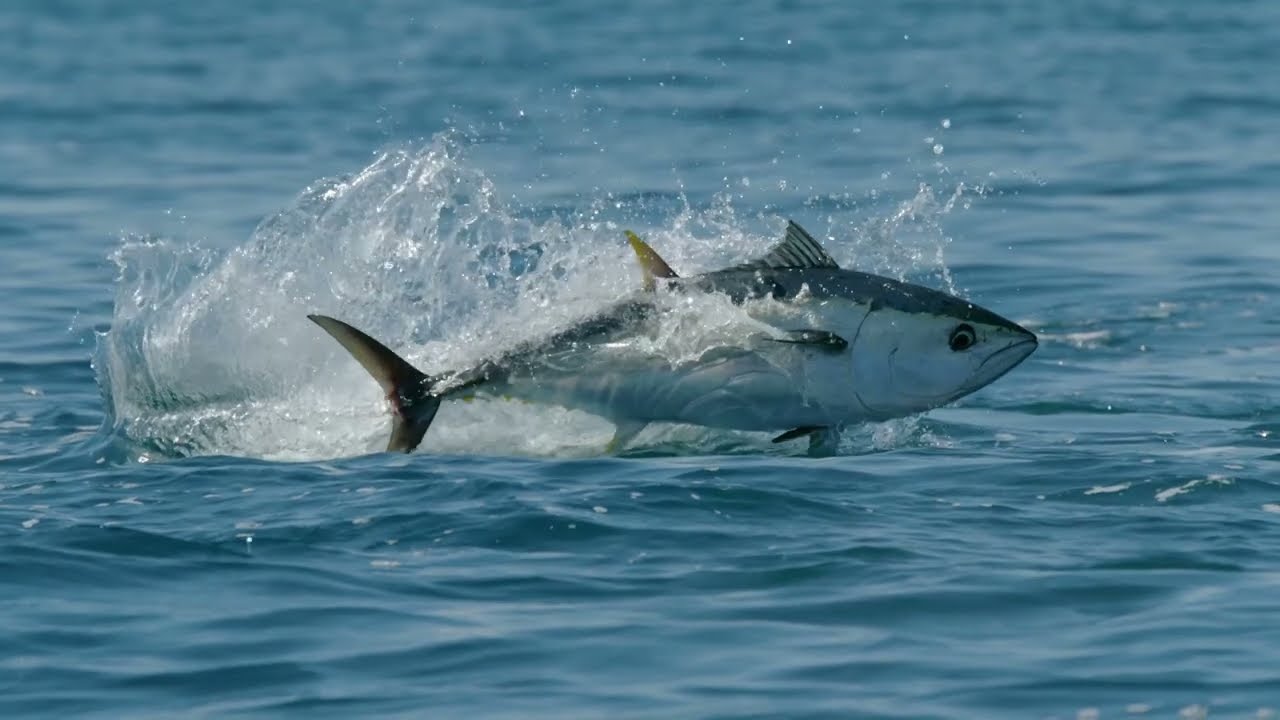
Bluefin tuna can reach over 800 pounds and 10 feet in length by the age of 20, preying on schools of anchovies in open water.
Colossal Biosciences aims to bring back the woolly mammoth as part of a larger effort to restore ecosystems impacted by human activity.
Vampire bats feed on feral hogs, increasing disease risks in Brazil's ecosystem.
Scientists investigate the Cambrian explosion that transformed life on Earth.
Evidence and theories are presented regarding the role of human activity and climate change in the extinction of mammoths and other Ice Age giants.
American and Cuban crocodiles meet in swampy areas, highlighting conservation efforts for the Cuban crocodile.
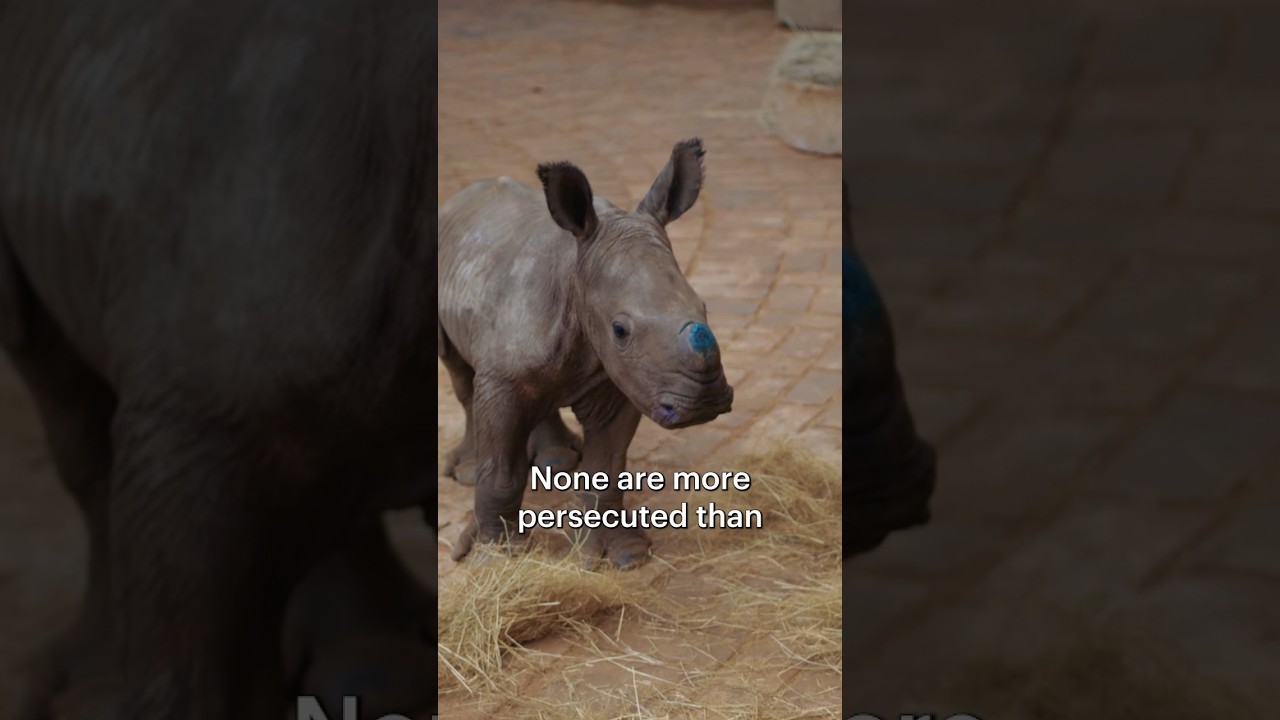
A rhino's horn is now worth more than the live animal on the black market, prompting increased militarization of anti-poaching efforts in South Africa.
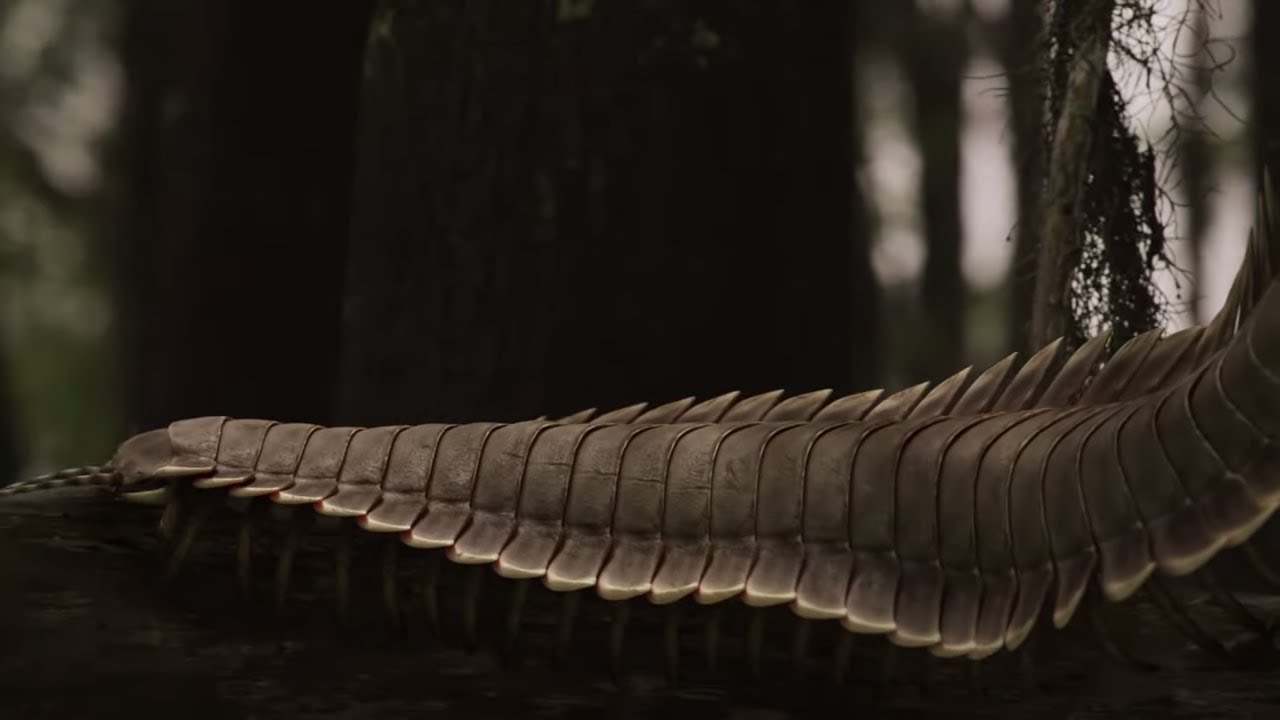
During the Permian period, climate changes and declining oxygen levels contributed to the extinction of the giant centipede Arthropleura, highlighting environmental impacts on prehistoric life.
Farmers inadvertently poison vultures, threatening their survival in the wild.
The Arabian Oryx recovers from extinction due to successful conservation efforts in the UAE.
Pakicetus, a wolf-sized ancestor, surprises expectations in whale evolution from the Series When Whales Walked.
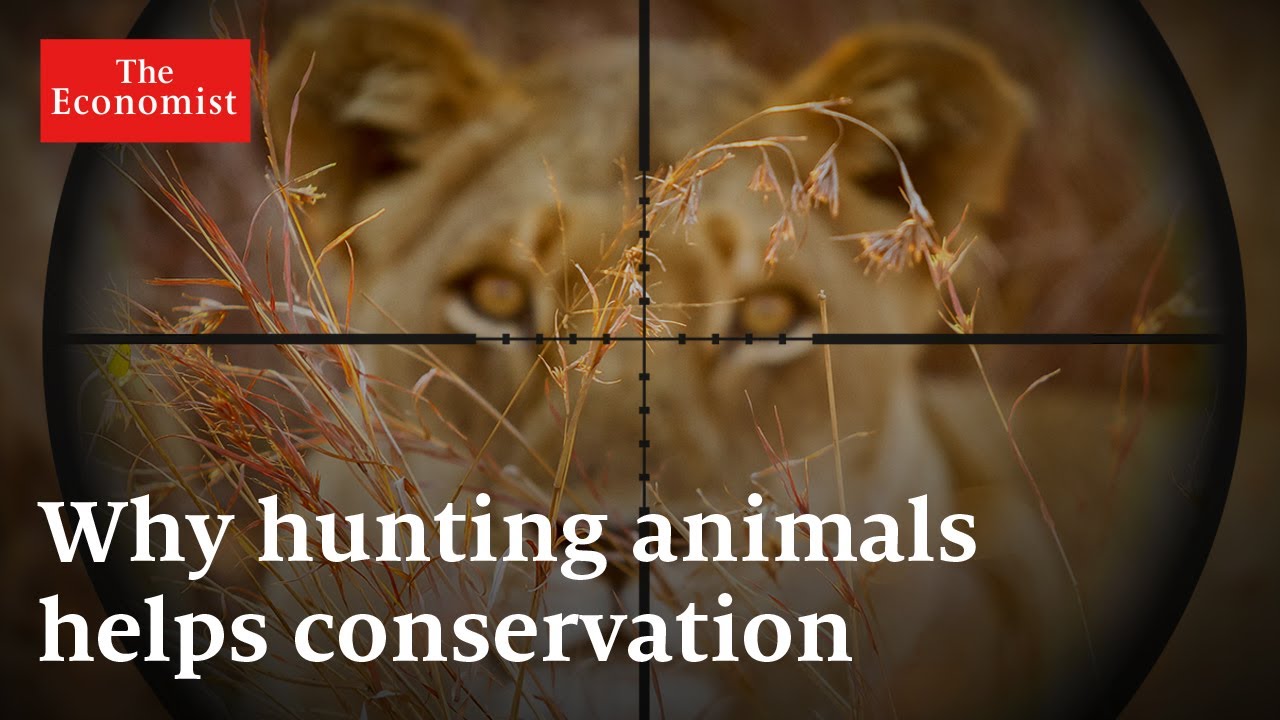
Over 30,000 mammal trophies were imported by Americans in 2017, raising questions about the role of trophy hunting in wildlife conservation.
Glacier Bay, Katmai National Monument, and Mount McKinley National Park are showcased through stunning visuals of Alaska's diverse landscapes and natural beauty.
Neanderthals, our closest extinct human relatives, vanished around 40,000 years ago.
Each triceratops egg measured almost a foot long, with slim chances of survival in a world dominated by dinosaurs 64 million years ago.
Geologists analyze Earth's layers to outline significant events in life's history, structured within the Geologic Time Scale.
The Curù wildlife refuge in Costa Rica rescues and rehabilitates spider monkeys.
Gus, the Central Park polar bear, dies at twenty-seven, leaving a lasting legacy.
Hoatzins in the Orinoco river jungles adapt to life in the Amazon's treetops for survival.
Ichthyostega, an early vertebrate, marks a pivotal moment in evolution as it develops lungs to breathe air after being chased into stagnant water.
This Spanish video details Australia's human history and its ecological impact since 50,000 years ago.
27,000 orangutans remain in the wild, primarily on the islands of Sumatra and Borneo, as their population has halved over the past decade.
Cuban crocodiles in Zapata Swamp face extinction due to poaching and American crocodile invasion.
Dr. Andrew Pask's team at the University of Melbourne has sequenced the entire thylacine genome in an effort to revive the extinct Tasmanian tiger.
Last year, 33 orphaned elephants were rescued by the David Sheldrick Wildlife Trust, a significant increase from the usual 12 to 14.
Fidel Castro enlists cocodrileros to protect the endangered Cuban crocodile from extinction.
They are Earth's super volcanoes that cause climate collapse and mass extinction events.
Livyatan melvillei, a massive prehistoric predator, raises questions about its origins, lifestyle, and potential self-extinction due to its enormous appetite.
Curiosity finds evidence of ancient conditions for life in Yellowknife Bay on Mars.
At Tanque Loma, researchers propose that at least 22 giant ground sloths of the genus Eremotherium died due to being surrounded by their own feces.
Earth has experienced at least twelve massive extinctions over 800 million years, with the dinosaur extinction being one of the most significant events in this history.