From over 100,000 films, discover the handful you'll love.
Free or premium access to the world's largest documentary library.
471 films(Page 4 of 10)
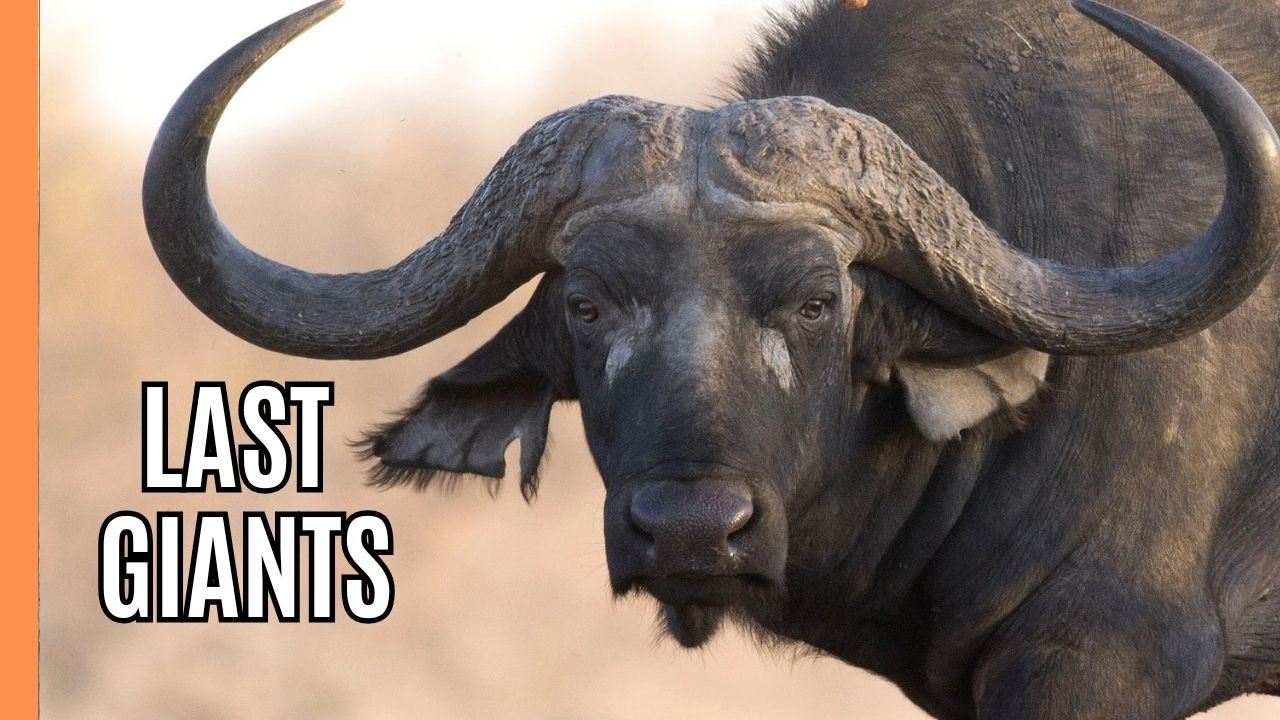
Earth's remaining megafauna, including elephants, rhinos, and hippos, face extinction as human activity threatens their survival in a rapidly changing environment.
24,000 years ago, Neanderthals thrived in Gibraltar, a stronghold where their population persisted longer than anywhere else in Europe.
A meteorite strike that ended the Cretaceous era is linked to various unexplained pilgrimage sites worldwide, shaping cultural beliefs and practices.
Historical climate shifts, such as the Permian-Triassic extinction event, reveal complex interactions between biodiversity and environmental changes.
Half a million birds from over 350 species rely on Keoladeo National Park for habitat and sustenance, making it a critical sanctuary for wildlife.
The worldwide captive population of woolly monkeys has decreased to just 42 individuals, prompting urgent conservation efforts at Monkey World in Dorset, England.
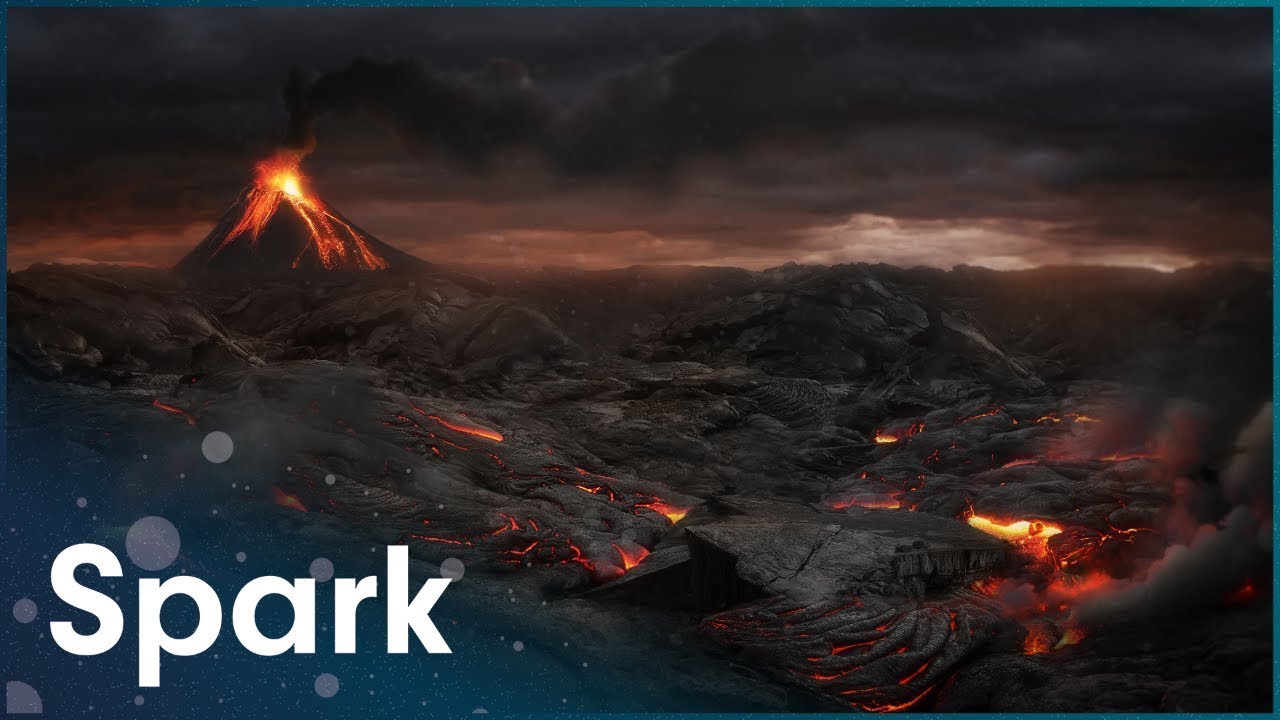
The geological evolution of the European continent is traced from its fiery beginnings to the lush Carboniferous forests, highlighting tectonic shifts and mass extinctions.
95% of all species disappeared during past mass extinctions, with human activities now threatening the survival of many more.
A 24-foot tiger shark, one of the largest predatory fish, is featured in encounters that raise questions about the ethics of shark diving.
A comet on a collision course with Earth threatens to cause a catastrophe that could extinguish all life within minutes of impact.
Little Monsters showcases the Slow Loris and conservation efforts at Monkey World and Dao Tien.
Eighteen volcanic eruptions have occurred in the Canary Islands over the last 500 years, shaping the land and affecting local ecosystems.
Polar bears in Hudson Bay face increasing challenges for survival as climate change delays sea ice formation, threatening their population and habitat.
Elephants are viewed as competitors for land in Africa, where habitat loss and poaching threaten their survival and could lead to extinction within 50 years.
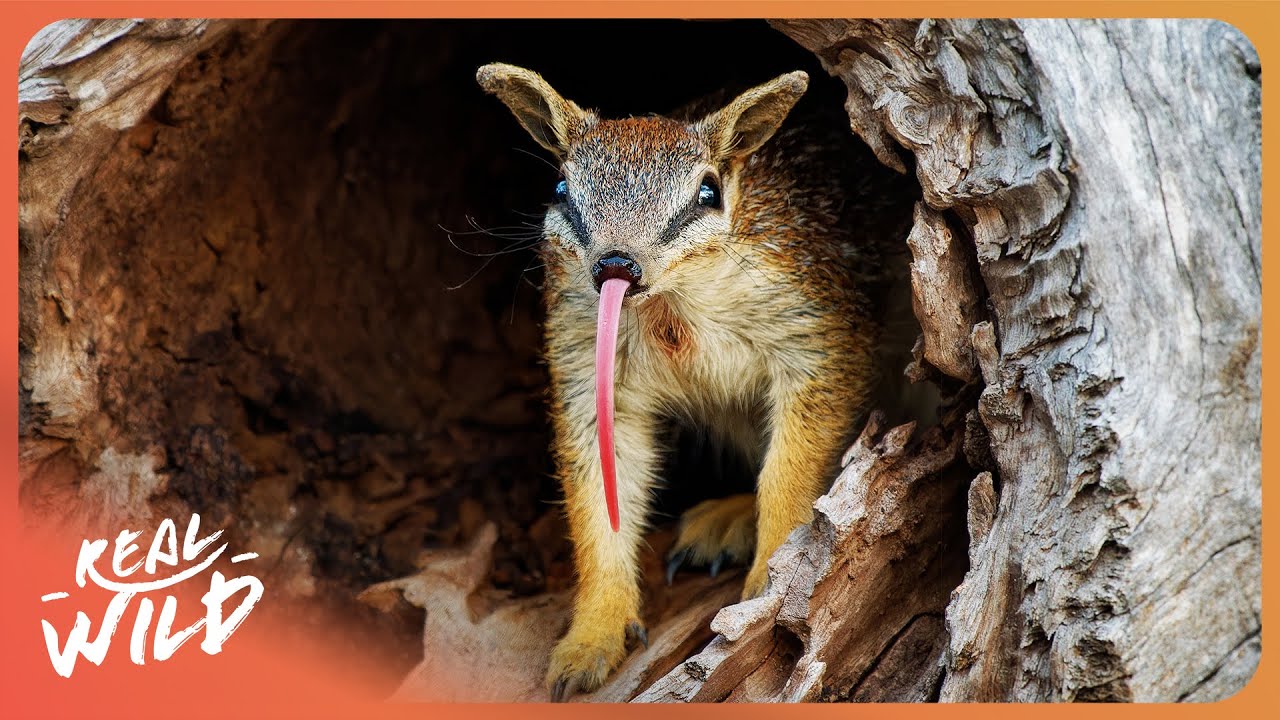
Carnivorous marsupials like numbats, quolls, and dibblers in Australia face extinction due to invasive species such as feral cats and foxes, prompting urgent conservation efforts.
A giant asteroid hits Earth, causing darkness and extinction across the planet.
In Alberta and British Columbia, paleontologists and amateur fossil hunters excavate rich dinosaur graveyards, revealing preserved specimens and ancient footprints.
Neanderthals, who thrived for 300,000 years across Europe and Asia, vanished around 40,000 years ago, prompting scientific inquiry into the reasons behind their extinction.
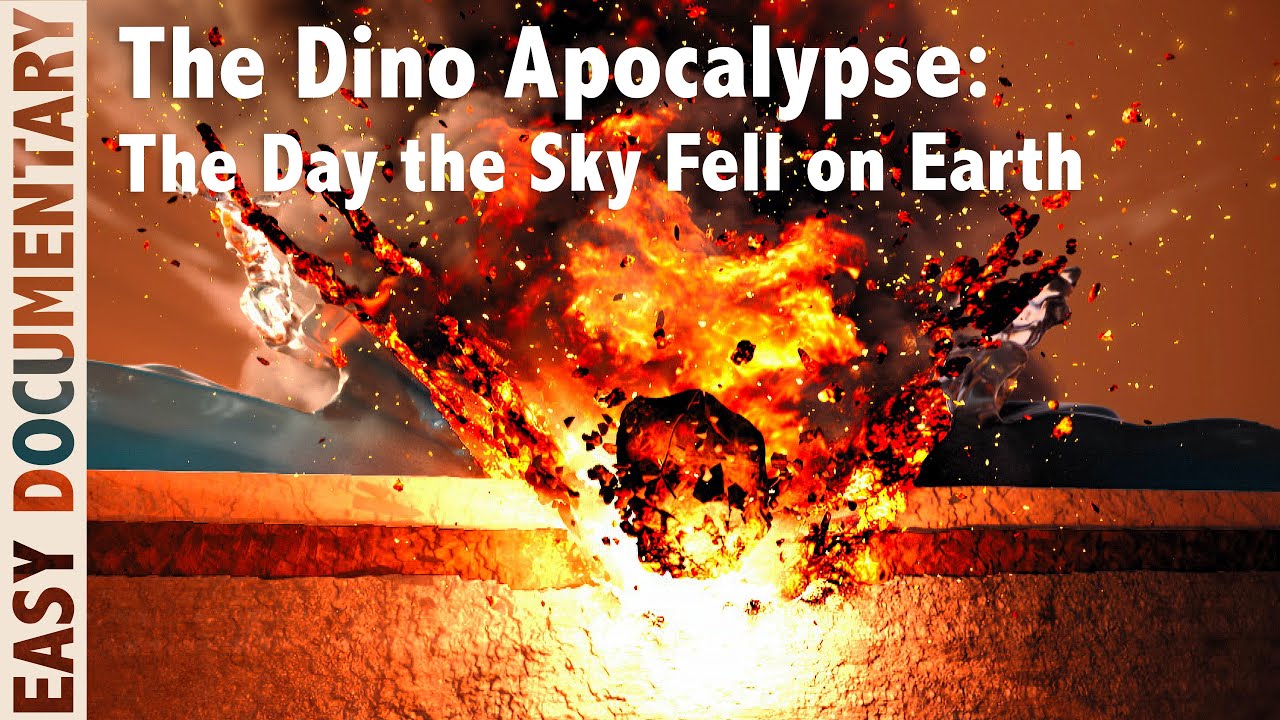
Sixty-six million years ago, an asteroid impact off the coast of Mexico triggered a mass extinction event that wiped out 75% of all species, including dinosaurs.
Almost 75% of all life has been extinguished in a catastrophic event, as survivors face a world transformed by a deadly comet impact.
Three black rhinos remain in the Serengeti today, a stark contrast to their once abundant population in 1937 when they were considered a pest.
In Antarctica, the newest generation of polar inhabitants faces extreme temperatures and relentless winds as they adapt to one of the planet's harshest environments.
Intensively farmed salmon in Norway's fjords faces a crisis as an outbreak of sea lice threatens both farmed and wild fish populations, prompting collaboration between scientists and anglers.
In a Colombian coalmine, scientists reveal the fossil remains of Titanoboa, a 50-foot snake that thrived in a prehistoric ecosystem alongside giant turtles and crocodiles.
An asteroid the size of Mount Everest struck Earth 65 million years ago, causing the extinction of 70% of all species, including the dinosaurs.
Sixty-five million years after a comet caused mass extinction, astrophysicist Noah Boyle and computer scientist Shiang Yatan monitor a new impending impact from Hawaii.
99% of all species that have ever lived are now extinct, wiped out by global catastrophes that continue to threaten humanity today.
99% of all species that ever existed have been wiped out in a series of global catastrophes that nearly stopped evolution on Earth.
Antarctica's extreme environment is home to resilient wildlife, including Adélie penguins, giant spider crabs, and cuttlefish, showcasing unique survival strategies.
Ninety-five percent of all animal and plant species on Earth disappeared during the Permian extinction, a catastrophic event that reshaped life on the planet.
650 million years ago, Earth experienced a deep freeze that encased the planet in ice, pushing life to the brink of extinction.
A canyoning trip in Southern Utah leaves one brother injured and alone in freezing conditions, forcing the other to find help miles from the nearest town.
A tornado in Moore, Oklahoma, killed 24 people, injured 377, and caused over $2 billion in property damage.
At the world's busiest animal airport, endangered Spoon-billed Sandpipers are rescued amid the chaos of South African guard dogs and emotional pet reunions.
Neanderthals used thrusting spears, which caused significant internal damage, but they eventually faced starvation and extinction due to changing conditions.
Modern zoos are examined for their roles as potential sanctuaries or prisons, highlighting their impact on conservation amid the Extinction Crisis and biodiversity loss.
Andreas Kieling travels to Indonesia, Canada, and Rwanda to film endangered species like the Komodo Dragon, emphasizing the critical need for conservation.
Crisis in Cocaine Valley reveals the impact of Covid on Peru's cocaine production.
Four rhinos die daily in South Africa due to poaching and mafia networks targeting wildlife.
In June 2007, conservationists reveal that most elephants in Africa are poached for their meat.
Over 1,000 rhinos were poached in South Africa in 2013, marking a dramatic increase in illegal hunting that continues to threaten the species.
The illegal wildlife trade, fueled by demand in East Asia and operating through a complex global supply chain, threatens endangered species like rhinos in Kruger National Park.
1 million species are at risk of extinction by 2050, prompting researchers in Shropshire to freeze horse semen and explore cloning to save endangered animals.
Six baby chimpanzees and four monkeys were rescued at Nairobi airport in January 2005 after being smuggled from Cairo, with one already dead.
Feral cats in Hawaii kill an estimated 2.4 billion birds each year in the U.S., posing a severe threat to the islands' native species.
Up to 350,000 Malaysian pythons were killed each year for luxury goods before a 2004 European Union ban halted the trade.
David Wallace works to save the endangered Kiwi, New Zealand's national bird, from extinction.
Extinction Rebellion paralyzes London with protests and blocks five bridges over the Thames.