From over 100,000 films, discover the handful you'll love.
Free or premium access to the world's largest documentary library.
470 films(Page 8 of 10)
Biologist David Rubik has studied the wildlife in Panama for 30 years, noting nearly 500 different kinds of butterflies in just one acre of tropical forest.
Six pangolins are rescued from a market in Nigeria, where poaching has surged due to rising demand for their scales and meat.
The Spanish video reveals how jungle destruction threatens orangutans in Borneo with extinction.
Massive extinctions reshape life on Earth, revealing humanity's role in ongoing species loss.
African elephants and rhinoceroses face critical threats from poaching and the ivory trade, prompting local initiatives aimed at conservation and ecosystem preservation.
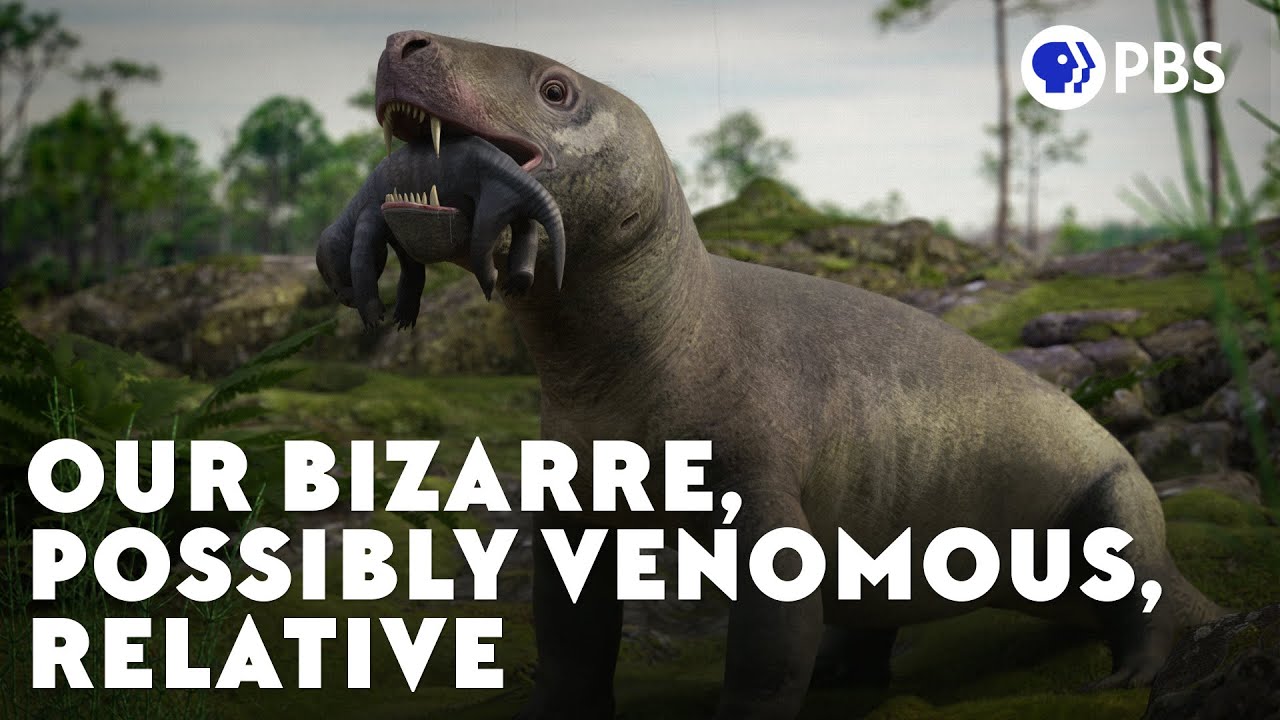
Euchambersia, a prehistoric mammal, may have possessed venom 20 million years before lizards and 150 million years before snakes, highlighting the evolution of venomous mammals.
A group of hominins, including Paranthropus, followed a parallel evolutionary path to modern humans, ultimately leading to their extinction.
China's pandas appear to struggle with reproduction, prompting unique solutions like Viagra.
In the Cocora Valley, the wax palm, Colombia's national tree, faces extinction threats despite government protection measures established since 1985.
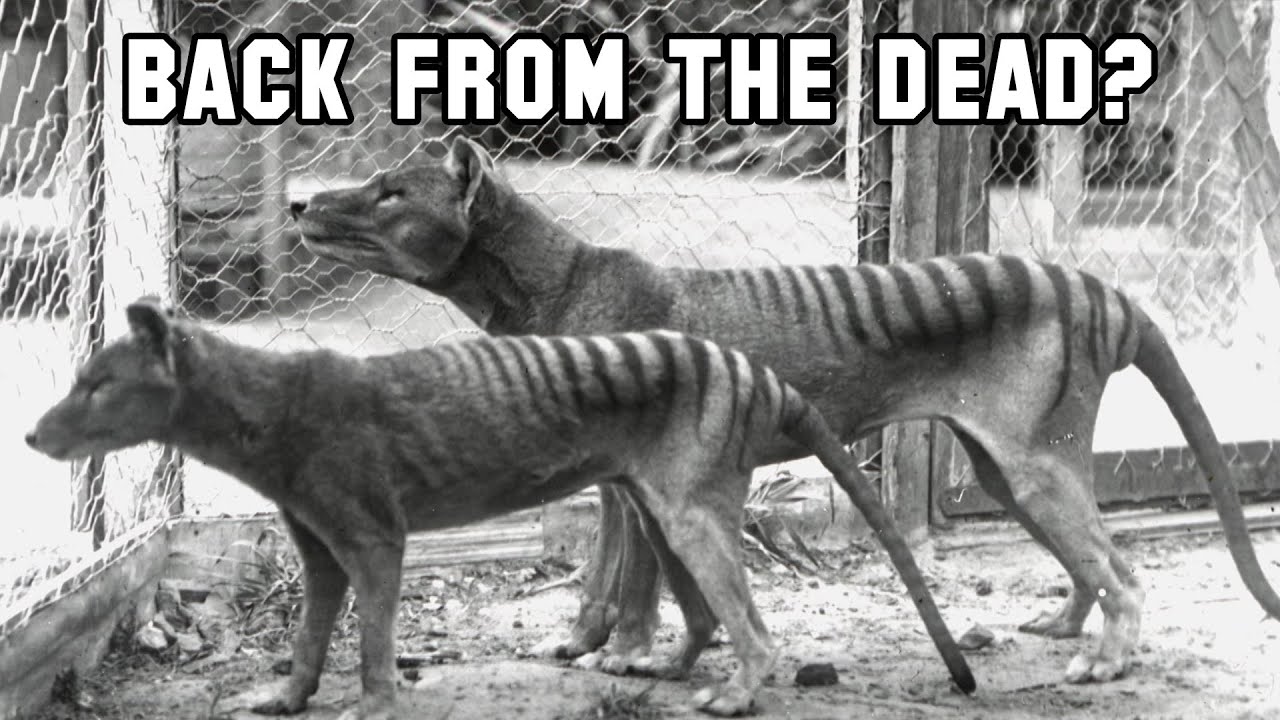
A $15 million project aims to resurrect the thylacine, which was declared extinct in 1936 after being hunted by humans in Tasmania.
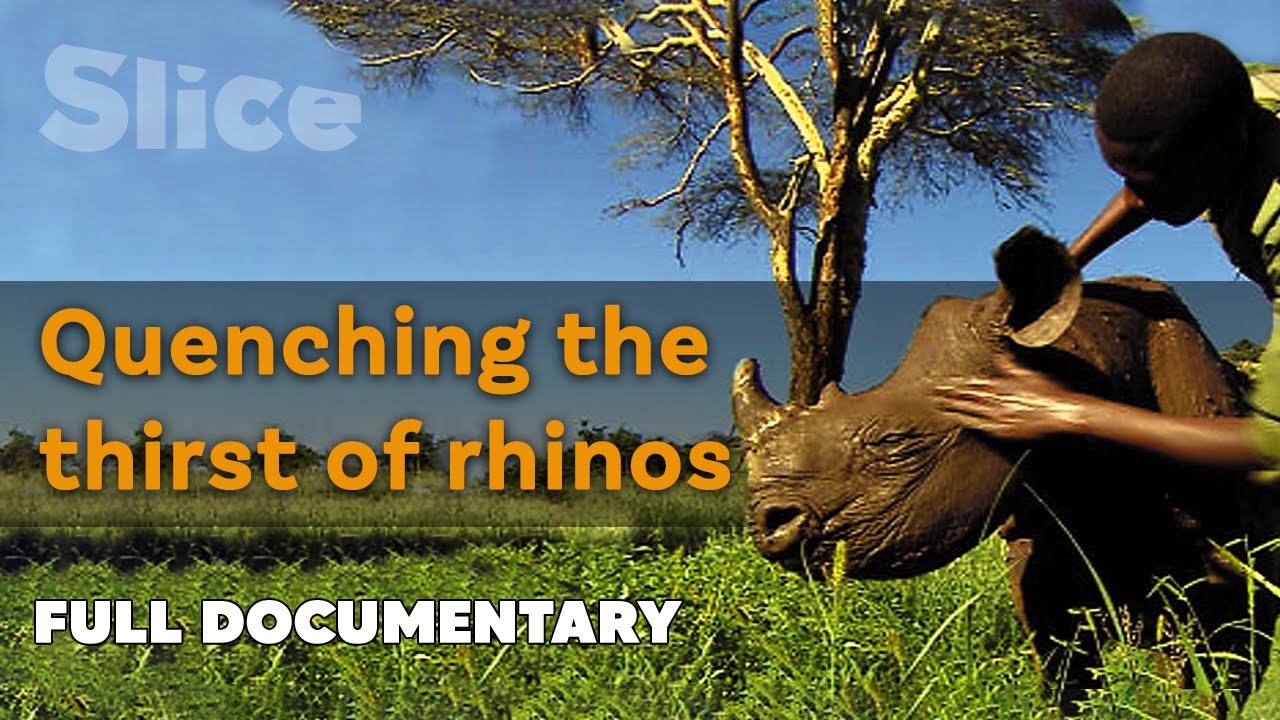
Rangers David and Leikeirio work to save rhinos in Lewa amid a devastating drought.
Less than 70,000 kiwi birds remain in New Zealand, a sharp decline from 12 million, largely due to predation by stoats and rats.
Two rehabilitated Kemp's Ridley turtles are released back into the wild at Folly Beach.
Karan Singh's Tiger project aims to conserve Siberian tigers by protecting their habitat in India.
In August 2007, efforts to save the Siberian tiger's gene pool from inbreeding are highlighted.
Leitah Mkhabela leads the Black Mambas to protect rhinos in South Africa's Balule Reserve.
Crocodiles have survived for over 230 million years, adapting through multiple extinction events and significant environmental changes.
The thylacine, also known as Tasmanian tiger, was last seen in 1930 and is now extinct.
3 billion years ago, an excess of oxygen in Earth's atmosphere nearly led to the extinction of all life, a phenomenon known as the Oxygen Catastrophe.
During the Cretaceous Period, Earth's ecosystems faced extreme conditions that led to a significant depletion of oceanic oxygen for half a million years.
During the Carboniferous Period, approximately 315 million years ago, insects and other arthropods thrived in enormous sizes, vastly outnumbering early terrestrial life.
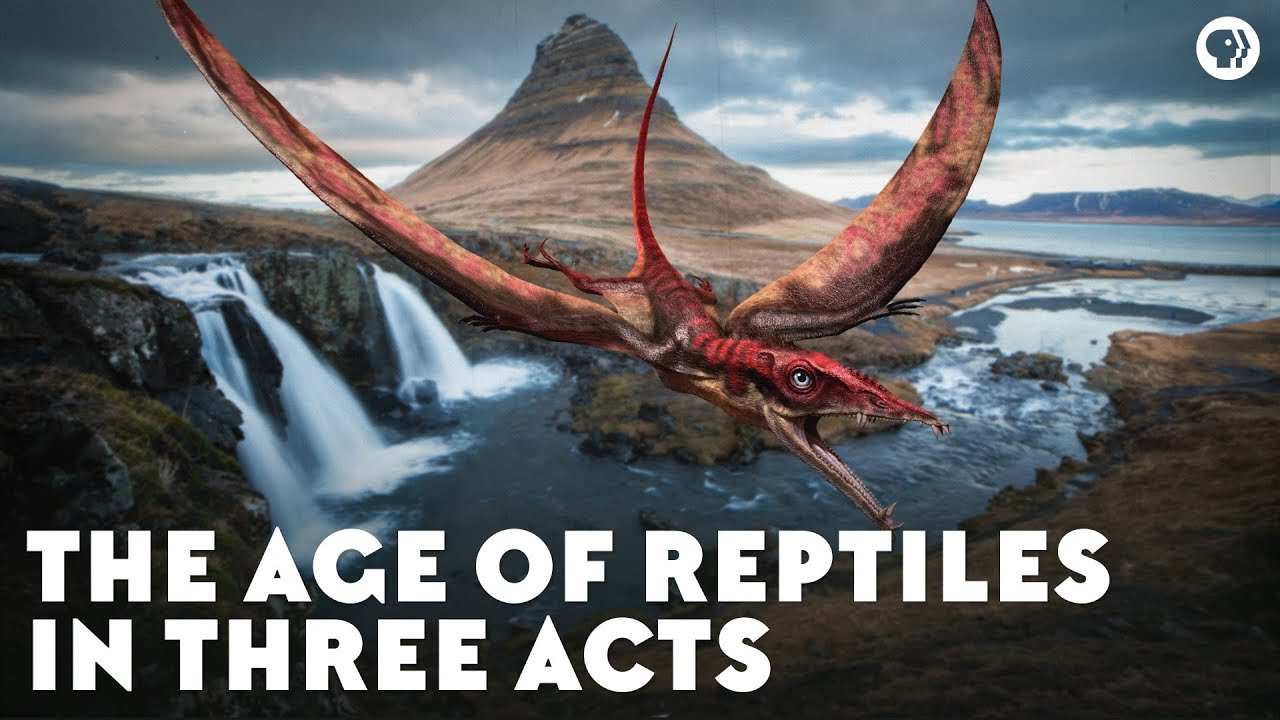
Reptiles evolved during the Mesozoic era, showcasing their transformation from modest creatures to some of the largest life forms on Earth.
This scene discusses the inevitable calamity from space that threatens humanity's future.
Giant beavers, which lived both on land and in water, lacked the dam-building abilities of their modern counterparts, highlighting significant evolutionary differences.
Half of all land animals perished during a mass extinction 200 million years ago, as revealed by fossil evidence in a New Jersey quarry.
Toxodon, an extinct mammal that thrived in isolation for millions of years, played a crucial role in shaping Charles Darwin's theories on evolution.
Borealopelta, a uniquely preserved nodosaur studied by paleontologists Caleb Brown and Donald Henderson at the Royal Tyrrell Museum, provides insights into ancient ecosystems.
Significant changes in tiger conservation efforts have emerged over the past two centuries, driven by organizations like the Indian Society for the Protection of Wild Life.
More than 200,000 years ago, Neanderthals lived across Europe and the Middle East, adapting to various climatic changes during the Pleistocene epoch.
Paleontologists explore Lazarus taxa, organisms once believed extinct that have reappeared, highlighting the complexities of natural history.
Deinocheirus, a dinosaur known for its unusually long forelimbs and large claws, remains largely a mystery due to the scarcity of fossil evidence.
The golden poison dart frog secretes enough poison to kill over 10 people in three minutes and is found only in Colombia's Choco region.
Throughout the Pleistocene Epoch, the woolly rhino's range fluctuated in response to climate cycles, highlighting the interconnectedness of species and environmental changes.
Graptolites reveal significant changes in ocean conditions during the Silurian period, highlighting periods of toxicity and subsequent ecological recovery.
An estimated 5,000 orang-utans are killed each year in Borneo due to habitat destruction caused by palm oil plantations.
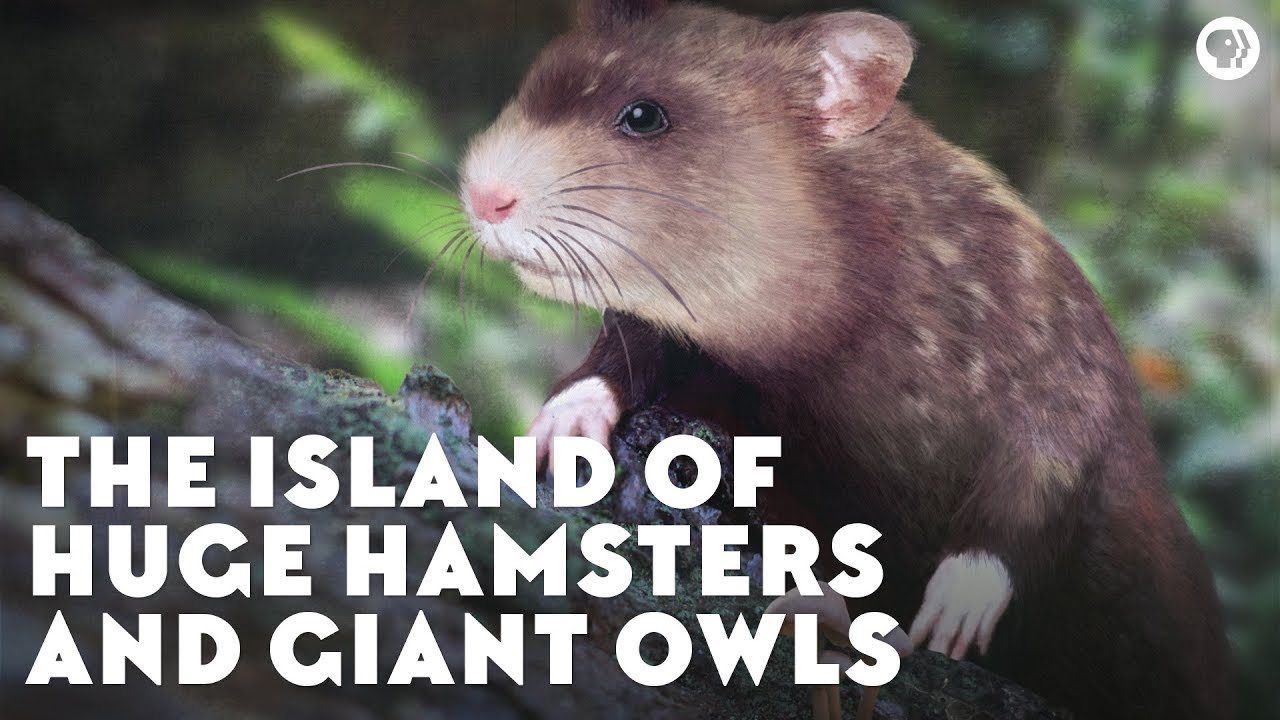
In the late Miocene epoch, an island in the Mediterranean Sea was home to extraordinary giant species, illustrating the unique effects of natural selection.
Mammoth fossils found on California's Channel Islands reveal a unique, smaller species that evolved due to isolation and environmental factors.
Wrangel Island's mammoths, the last of their kind, faced a mutational meltdown in their final years after millions of years of thriving across the globe.
The Endangered Jarawa face threats to their way of life from the Indian government and local tensions.
Scientists reach back into the 60-million-year history of anoles to understand their diversity.
The emergence of man as a complex species changes the planet forever through intelligence and power.
On March 28, 2005, the first litter of Iberian lynx was born in captivity, marking a significant milestone in conservation efforts at Doñana National Park.
In Messel, Germany, miners extracting oil in the 1800s uncovered exceptionally preserved Eocene fossils, raising questions about the conditions that led to their preservation.
Temperatures drop to minus 70 degrees Celsius as male emperor penguins incubate their eggs for two months in the harsh Antarctic environment.
Thrinaxodon and Broomistega, two prehistoric species, were found entombed together in a burrow, revealing insights into their survival behaviors during the Early Triassic.
About 750 kilograms of vicuna wool will be collected this year at Kalakala, where strict rules govern the shearing and conservation of these animals.
Garamba National Park's rangers serve as the last line of defense against poachers targeting endangered elephants for their ivory tusks.
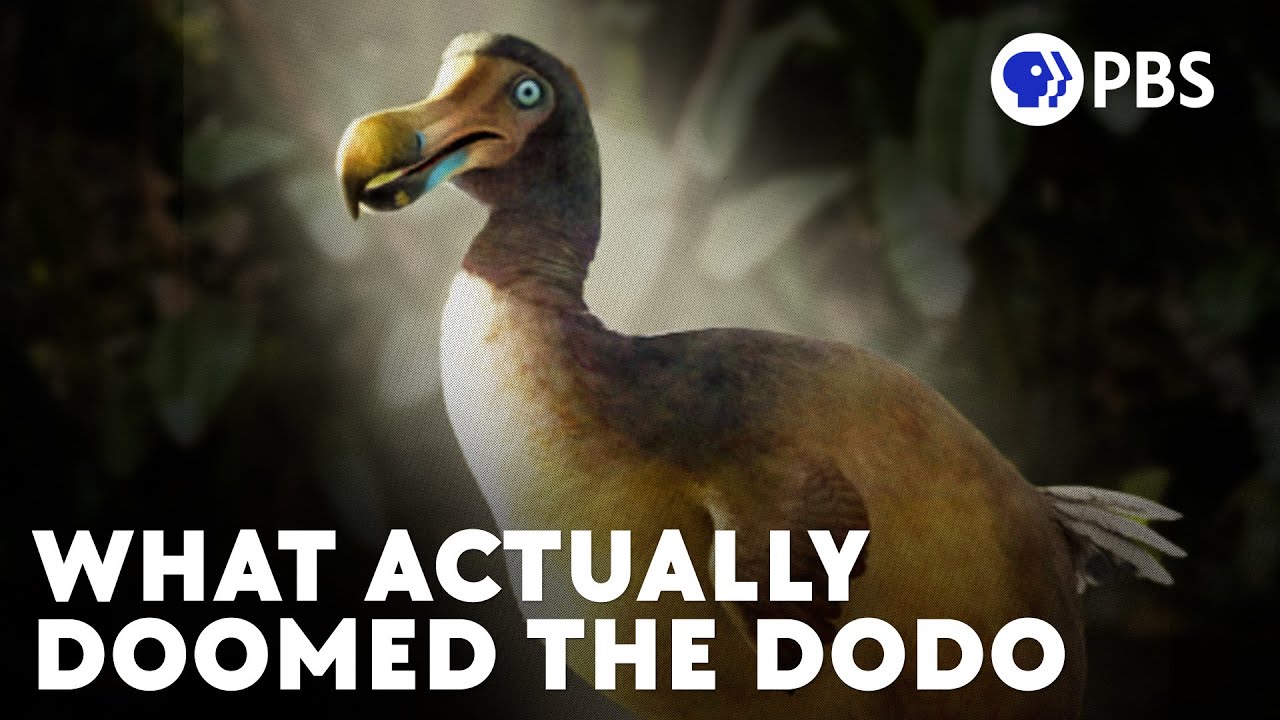
The extinction of the dodo bird, a unique species that evolved on the island of Mauritius, raises questions about human responsibility and environmental impact.