From over 100,000 films, discover the handful you'll love.
Free or premium access to the world's largest documentary library.
470 films(Page 3 of 10)
In central Europe, scientists monitor the rare lynx, while conservationists in Africa protect lowland gorillas and manatees in Florida, highlighting global efforts to save endangered species.
Palaeontologist Jack Herer leads groundbreaking research in Argentina and Wyoming, revealing insights into dinosaur behaviour and evolution through newly discovered embryos.
In 2026, scientists assess the potential threat of a catastrophic asteroid impact on Earth, similar to the event that led to the extinction of the dinosaurs.
Jacqueline Ripart searches for Genghis Khan's horses in Kyrgyzstan's Tien Chan mountains.
Ancient Antarctica, once a vibrant ecosystem, hosted colossal dinosaurs like Cryolophosaurus and Glacialisaurus, revealing insights into mass extinctions and avian evolution.
In Canada's Badlands and Grand Prairie, palaeontologists David Evans and his team excavate bones of a new dinosaur species amid challenging conditions.
An eruption from Yellowstone released an estimated 1,000 cubic kilometers of ash and rock, far surpassing the output of Mount St Helens and Mount Pinatubo.
In Nova Scotia, palaeontologists led by Dr. Tim Fedak race against rising tides to excavate Canada's oldest dinosaur bones and potentially identify a new species.
Poaching and wildlife trafficking are driven by international cartels and fueled by demand for animal products in Asia, threatening the survival of endangered species.
Around 2,000 kilometres north of Anja, the dry deciduous forest of Kirindy hosts unique species that have adapted to Madagascar's harsh conditions.
A sea eagle can weigh up to five kilograms and has a wingspan of nearly two and a half meters, making it a formidable predator in Europe.
Men and women fight for endangered species and nature reserves in Central Europe and Sweden.
Gamma ray bursts, studied by scientists at the University of Kansas, are believed to have caused a significant mass extinction event on Earth 450 million years ago.
Venus has a surface temperature of 900°F, making it one of the most hostile environments in the solar system, raising concerns about Earth's future.
In the summer of 1909, a Paiute Indian named Willie Boy became the center of a significant historical event in the deserts of California.
More than a million Earths could fit inside the sun, which will eventually become too hot and bright, making life on Earth impossible.
Toba's eruption 74,000 years ago released nearly 3,000 cubic kilometers of ash and rock, causing a volcanic winter that may have nearly wiped out humanity.
True rainforests along the Equator, from Africa's gorillas to Borneo's orangutans and Ecuador's jaguars, highlight critical conservation efforts amid biodiversity loss.
Tyrannosaurus rex and Triceratops are analyzed through fossil evidence and expert insights to determine the true nature of these iconic prehistoric predators.
The reintroduction of brown bears in Europe highlights the complexities of wildlife conservation and the challenges of coexistence with local communities.
Naked Science examines past mass extinctions and their implications for humanity's future.
Over 40 million buffalo once roamed the American west, but by the late 1800s, their population had plummeted due to hunting and habitat loss.
A thigh bone belonging to a dinosaur measuring at least 20 meters from nose to tail was discovered in Queensland, reshaping the understanding of Australia's prehistoric life.
A massive asteroid impact 66 million years ago caused catastrophic environmental changes, leading to the extinction of dinosaurs and the rise of mammals.
In Obernkirchen, Northern Germany, paleontologist Annette Richter and her team study a unique set of Deinonychosaur tracks, suggesting a significant evolutionary center for dinosaurs.
Humpback whales, weighing up to 36 tonnes and measuring 19 metres long, migrate 7,000 kilometres from Antarctica to the island of Rurutu each year.
On March 28, 2005, the first litter of Iberian lynxes was born in captivity, marking a significant step in efforts to prevent their extinction.
More than 200 million years ago, the first crocodile appeared, inspiring legends and beliefs across various cultures, from worship to fear.
In the vast landscapes of Montana, Tony Robinson and Phil Harding search for dinosaur fossils, exploring excavation sites and the science behind extinction.
A French biologist searches for the nearly extinct black caiman in French Guiana's Kaw river swamp.
A Martian dust storm can reach speeds of over 160 km an hour, posing a suffocating threat to life on Earth if it were to occur here.
A volcanic hotspot in northwest India created mountains over 65 million years ago and contributed to the extinction of the dinosaurs.
Three endangered cheetah cubs are born at Longleat Safari Park, marking the first successful births of their kind in the park's 50-year history.
North America's wild Mustangs face extinction due to human expansion, while beavers play a crucial role in shaping ecosystems through their dam-building activities.
A morrocoy tortoise escapes from danger and travels across 300,000 square kilometers of harsh plains to find safety in the jungle.
Blizzards affect mankind, paralyzing regions from Canada to Northern China every winter.
There are only 22,000 African penguins left in the world, a decline from over a million a century ago, raising concerns about their survival.
Alfred Balmer spends fifteen years at the Limbe Wildlife Center forming a bond with Niango, a rare Cross River gorilla, while searching for her lost relatives in Cameroon.
Sabertooths, Irish Elks, and Tasmanian Tigers are examined for their unique histories and the factors contributing to their extinction.
African elephants face severe threats from ivory poaching and habitat loss due to human population growth, prompting urgent conservation efforts across the continent.
In Brazil's Atlantic rainforest, herpetologist Mark O'Shea leads a team to capture the venomous bushmaster snake for antivenom research amid habitat loss.
For 16 days each winter, fishermen on Lake Winnebago brave sub-zero temperatures to hunt giant lake sturgeon that can weigh up to 300 pounds.
Dinosaurs' extinction around 66 million years ago led to significant evolutionary changes in sharks, birds, and turtles, as illustrated by rare wildlife footage.
This Spanish video highlights a different kind of tourism focused on eco-friendly travel and conservation.
Romulus Whitaker raises concerns about the potential extinction of giant saltwater crocodiles due to human hunting practices targeting those over 20 feet long.
Asteroids and meteorites are examined across Argentina, Chile, and Colombia, highlighting their potential to impact life on Earth and the significance of sites like Campo del Cielo.
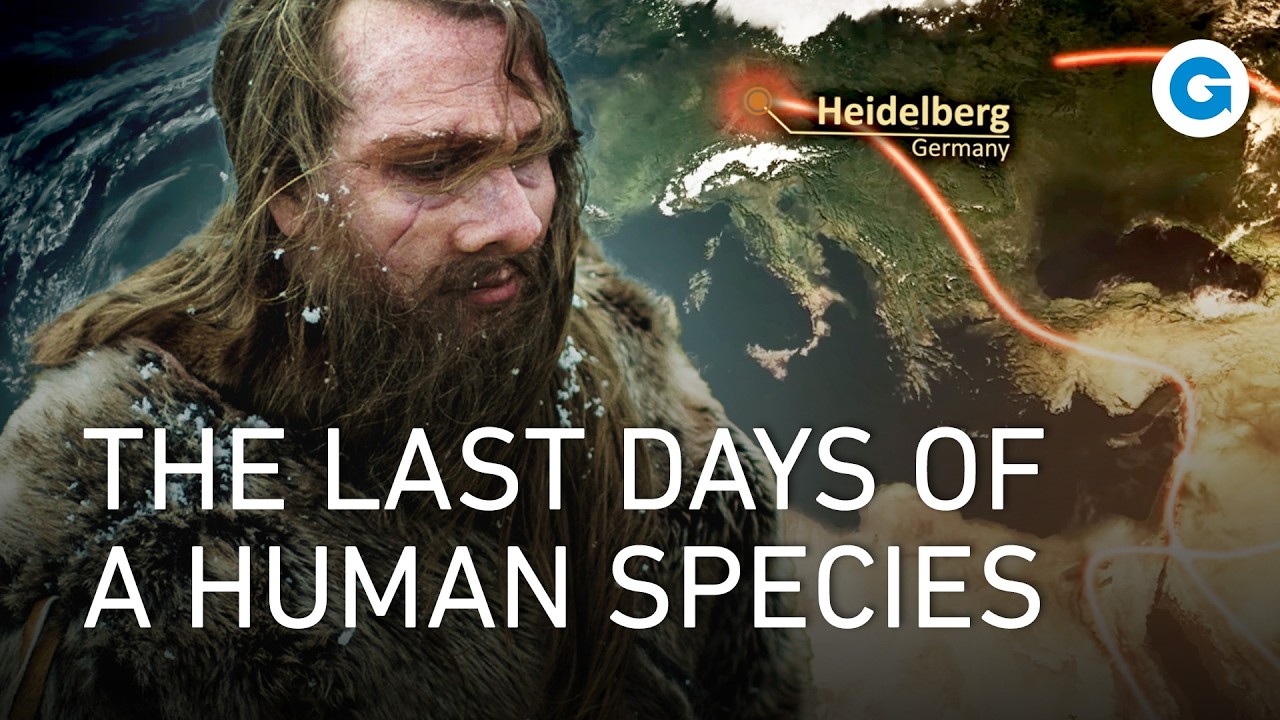
Neanderthals lived for 300,000 years, but they vanished from the Earth around 24,000 years ago, leaving behind clues in caves along the Mediterranean coast.
Whale sharks can weigh more than 30 tons and measure longer than a city bus, yet their populations have declined sharply due to the shark fin trade.