From over 100,000 films, discover the handful you'll love.
Free or premium access to the world's largest documentary library.
282 films(Page 1 of 6)
In the Late Carboniferous Period, predatory amphibians and giant arthropods dominated swamps while ancient seed plants and amniotes adapted to drier climates.
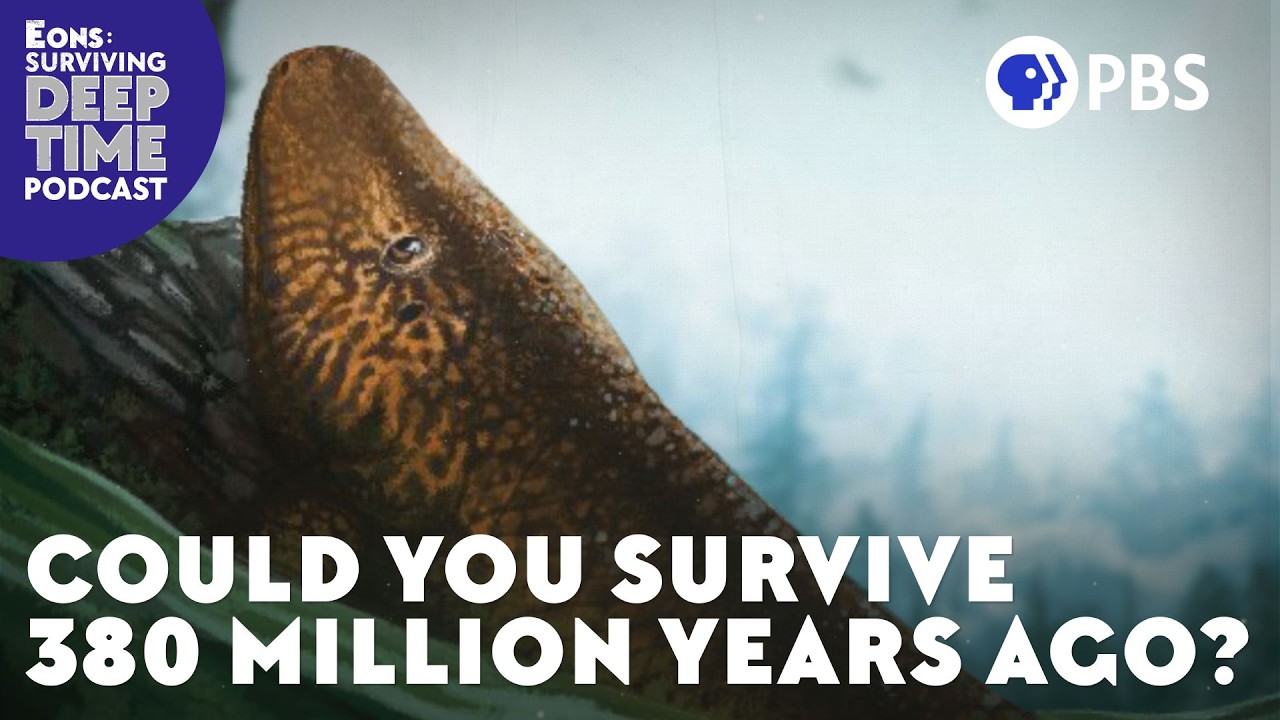
The Devonian Period saw the emergence of Tiktaalik, one of the first vertebrates to transition from water to land, amidst a flourishing of plant life and ancient invertebrates.
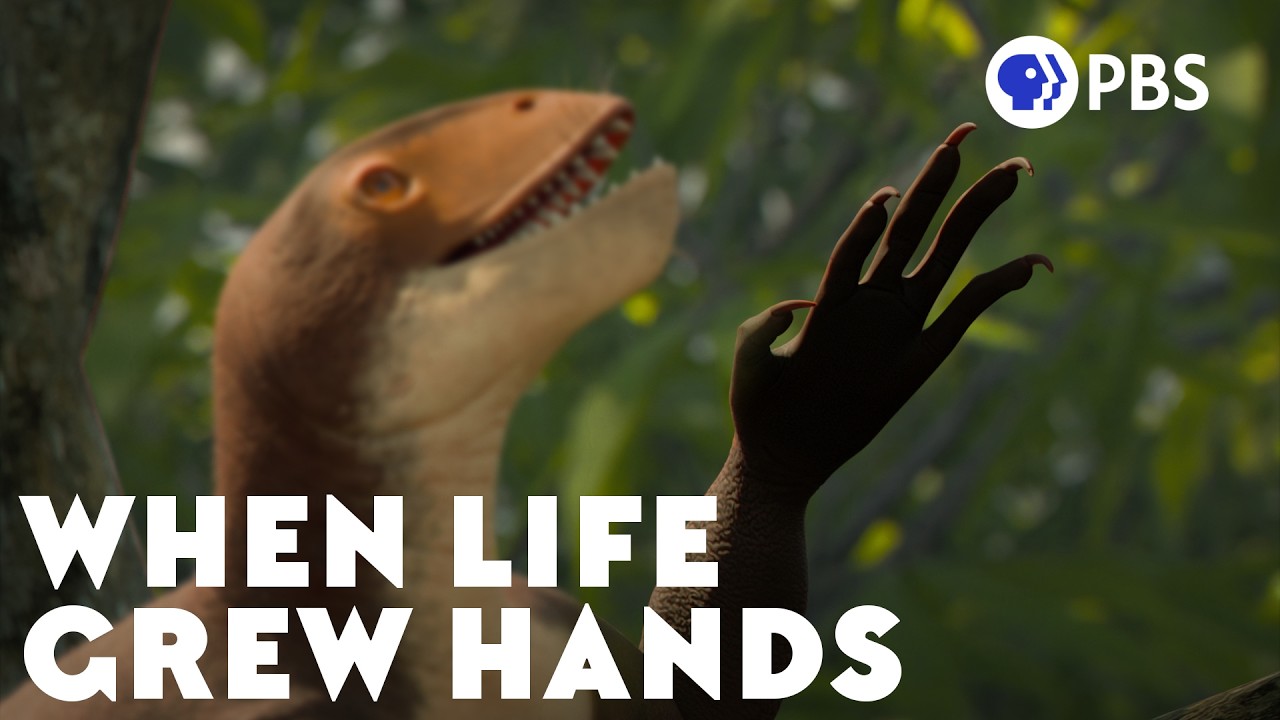
Tetrapods transitioned into arboreal life primarily due to the availability of leaves, reshaping their evolutionary path on Earth.
Practicing medicine, from the use of medicinal plants to early surgical techniques, may have roots that extend back to before the emergence of modern humans.
Eons hosts reflect on their survival experiences and answer viewer questions in this final episode before exploring future topics.
In the Cambrian Period, marine life flourished with significant evolutionary advancements, while terrestrial environments remained devoid of vegetation.
The break-up of the supercontinent Pangea led to India's collision with Asia, resulting in a significant shift in evolutionary isolation and biodiversity.
A Delta II rocket launched from Kennedy Space Center in Florida carried the Mars Exploration Rovers Spirit and Opportunity to the planet's surface.
Apollo 8 astronauts Frank Borman, James Lovell, and William Anders became the first humans to escape Earth's orbit in December 1968.
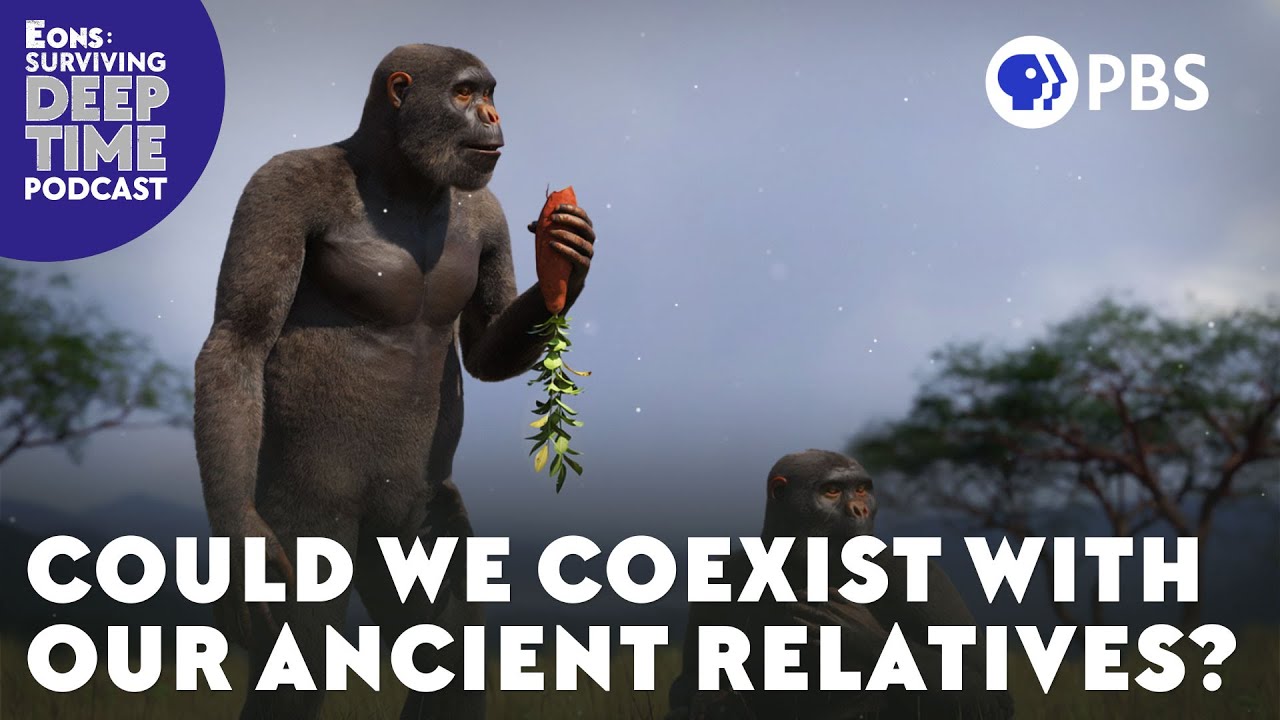
In the Early Pleistocene Epoch, various hominin species coexisted with Homo sapiens, raising questions about survival strategies and social interactions among them.
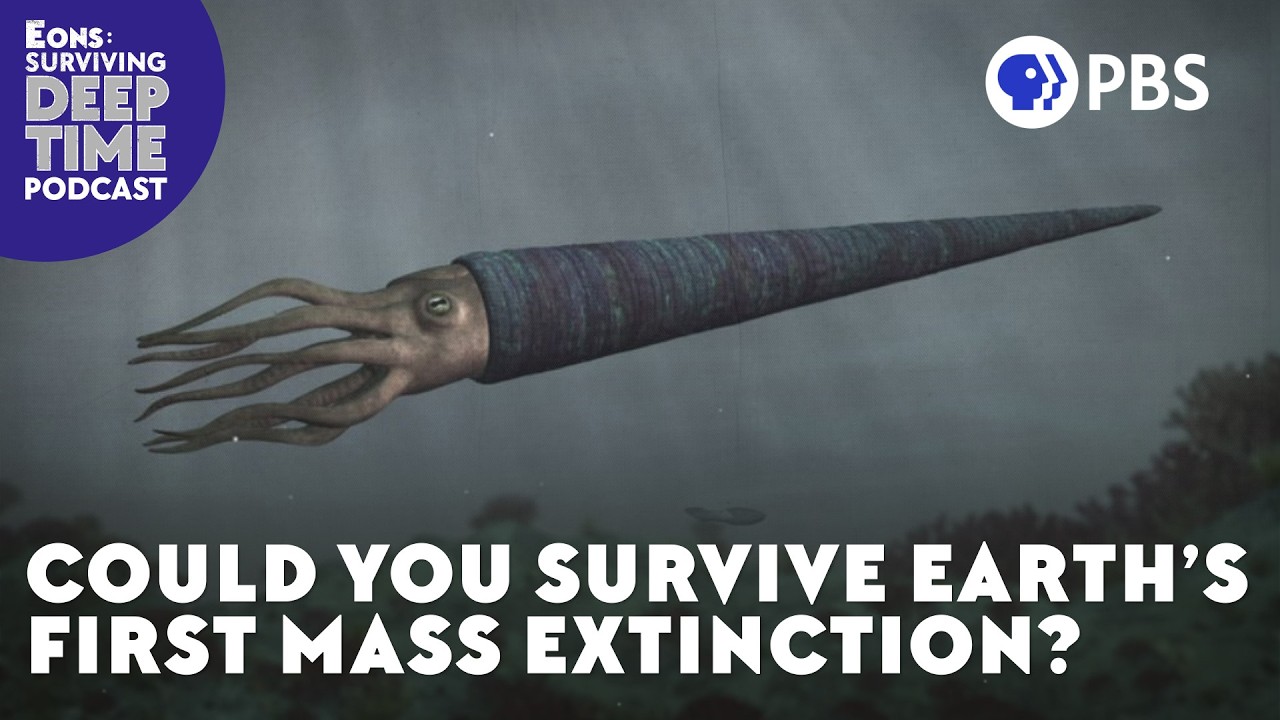
The End-Ordovician Extinction, marking the first of the 'Big Five' mass extinctions, led to the loss of over 80% of marine species on Earth.
In the Late Miocene Epoch, tectonic activity isolated the Mediterranean Sea, transforming it into a vast, salty desert and drastically altering marine life.
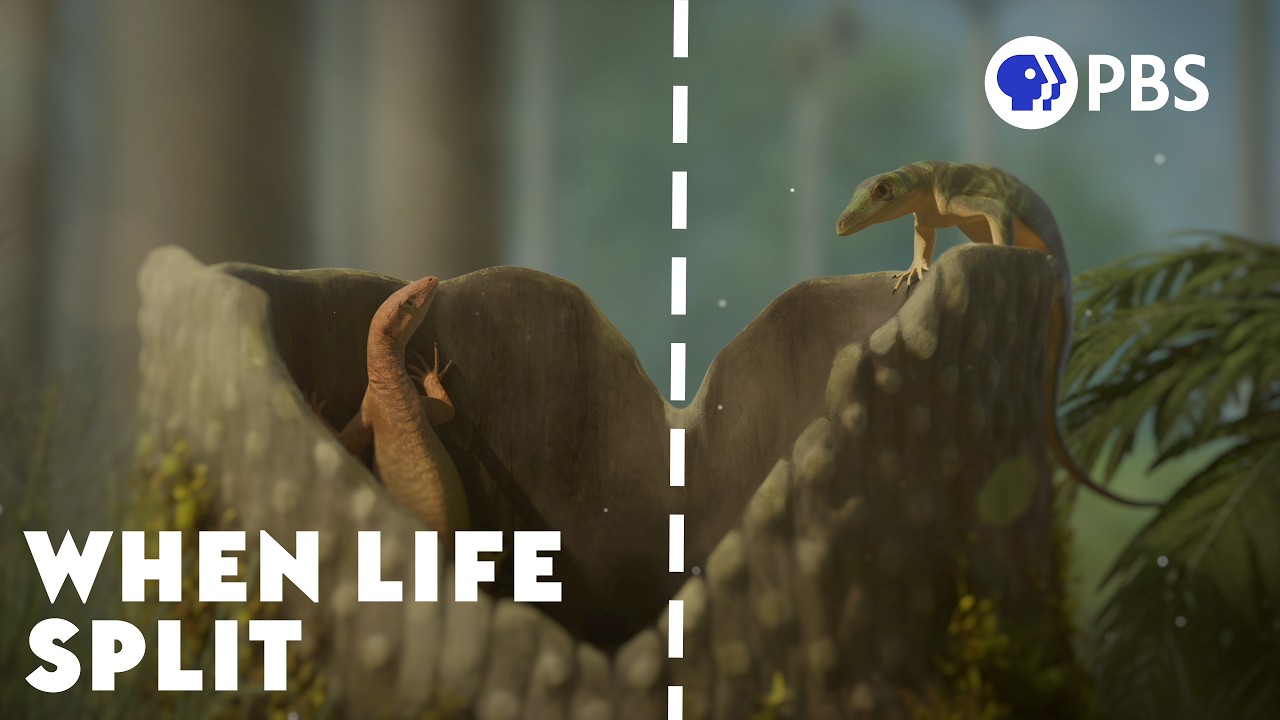
In the Late Carboniferous Period, the emergence of amniotes marked a significant evolutionary step as they adapted to life on land amidst giant insects.
David Attenborough, a revered naturalist, warns that humanity faces a man-made catastrophe threatening the Earth, urging immediate action to avert disaster.
In the Late Cretaceous Period, Hateg Island served as a hunting ground for a giant pterosaur, presenting unique survival challenges for its inhabitants.
This republished video for Spanish speakers shows the devastation of volcanic eruptions.
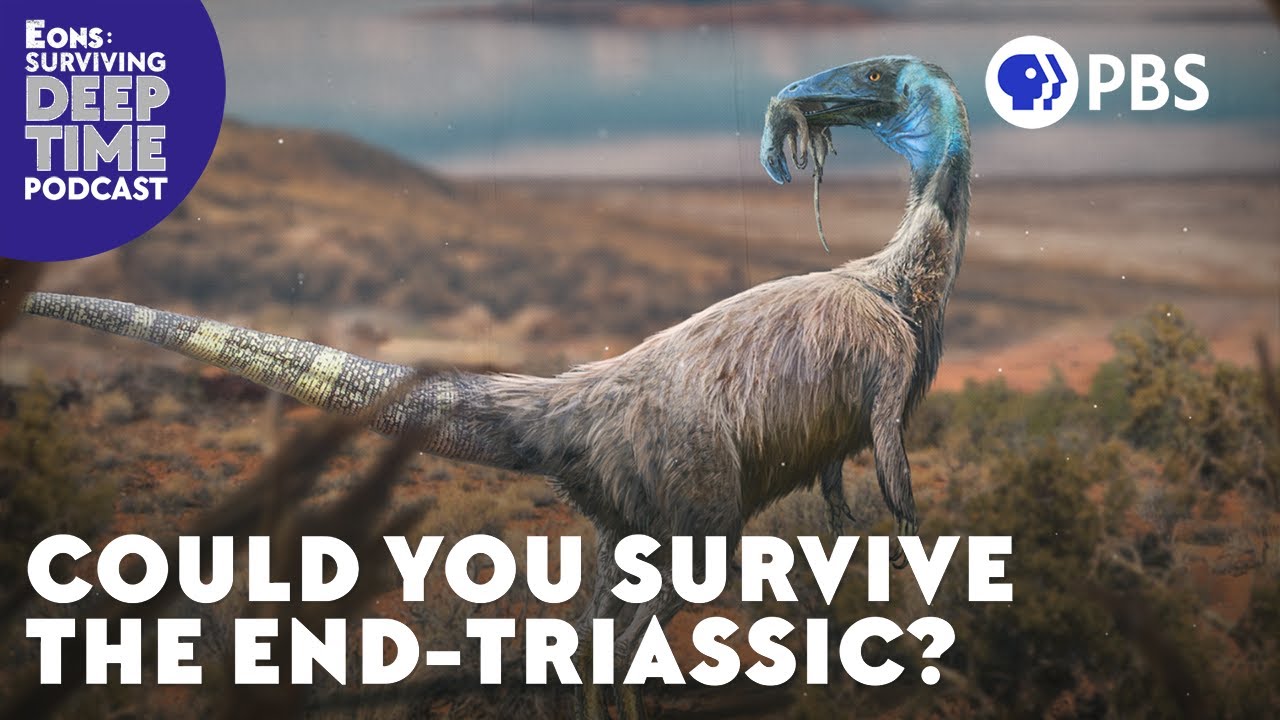
At the end of the Triassic Period, the earliest dinosaurs faced a catastrophic extinction event following the Great Dying and rapid evolutionary changes.
A mile to two mile wide triangular craft was reported by thousands of witnesses across Arizona on March 13, 1997.
Astronauts collected 382 kilograms of lunar rocks during the Apollo missions, which scientists now study to understand the moon's history and its link to Earth.
Supervolcanoes, such as Yellowstone and Toba, have caused catastrophic eruptions that reshaped Earth's climate and contributed to mass extinction events.
There is a place on Earth that we have never seen, crucial for our survival.
Four individuals share their near-death experiences, detailing moments of clarity and lessons learned during their time beyond life.
Wind causes large scale air movement, reshaping landscapes and causing billions in damage.
Join a tour from Earth to the outermost reaches of the universe in this informative documentary.
South America, home to a quarter of all bird species on Earth, showcases its diverse avian life from Patagonia's icy peaks to the Amazon rainforest's vibrant ecosystems.
An uncountable fleet of probes reveals discoveries about our solar system's planets.
Eight astronauts with over 1,000 days in space share their experiences and insights about Earth's violent and beautiful nature.
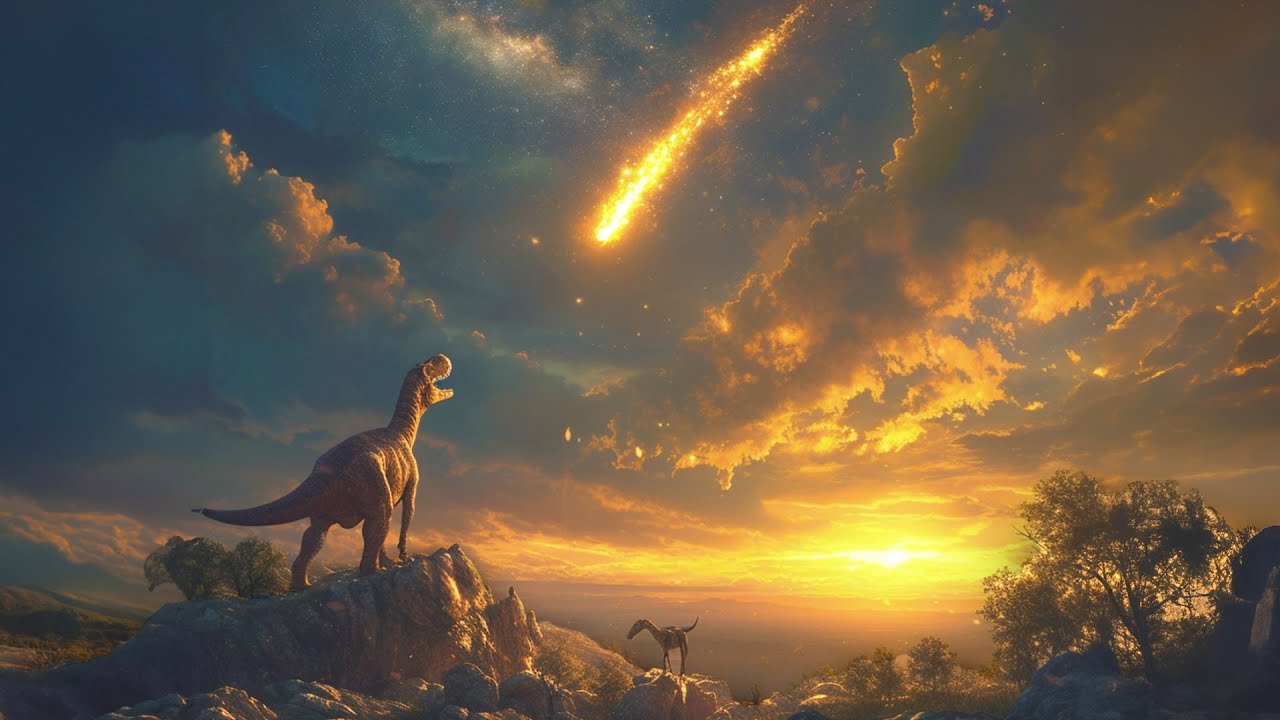
A catastrophic asteroid strike 65 million years ago led to the extinction of dinosaurs, reshaping Earth's biodiversity and paving the way for human evolution.
Earth's 23-degree axial tilt significantly influences global weather patterns and seasonal changes, shaping climates and ecosystems over 4.5 billion years.
NASA's Cassini spacecraft detected water vapor above Enceladus' South Pole during its 2005 flyby, revealing unique geological activity on the moon.
Advancements in spacecraft technology and a Maglev launch system aim to make space tourism accessible, transforming Earth's orbit into a bustling construction site.
Mars, the most Earth-like planet, holds secrets yet to be revealed after fifty years of exploration.
Eclipse Chasers features leading eclipse scientists studying solar storms and their impact on Earth.
On-orbit observation and advancements in Space Communication and Telescopes are essential for understanding Earth's climatic systems and future directions.
In 1971, the Mariner 9 spacecraft transmitted over 7,000 photographs of Mars, revealing a cratered surface and suggesting past water flow.
Astrophysicists, including Michel Mayor and David Charbonneau, explore the search for exoplanets and the conditions necessary for extraterrestrial life.
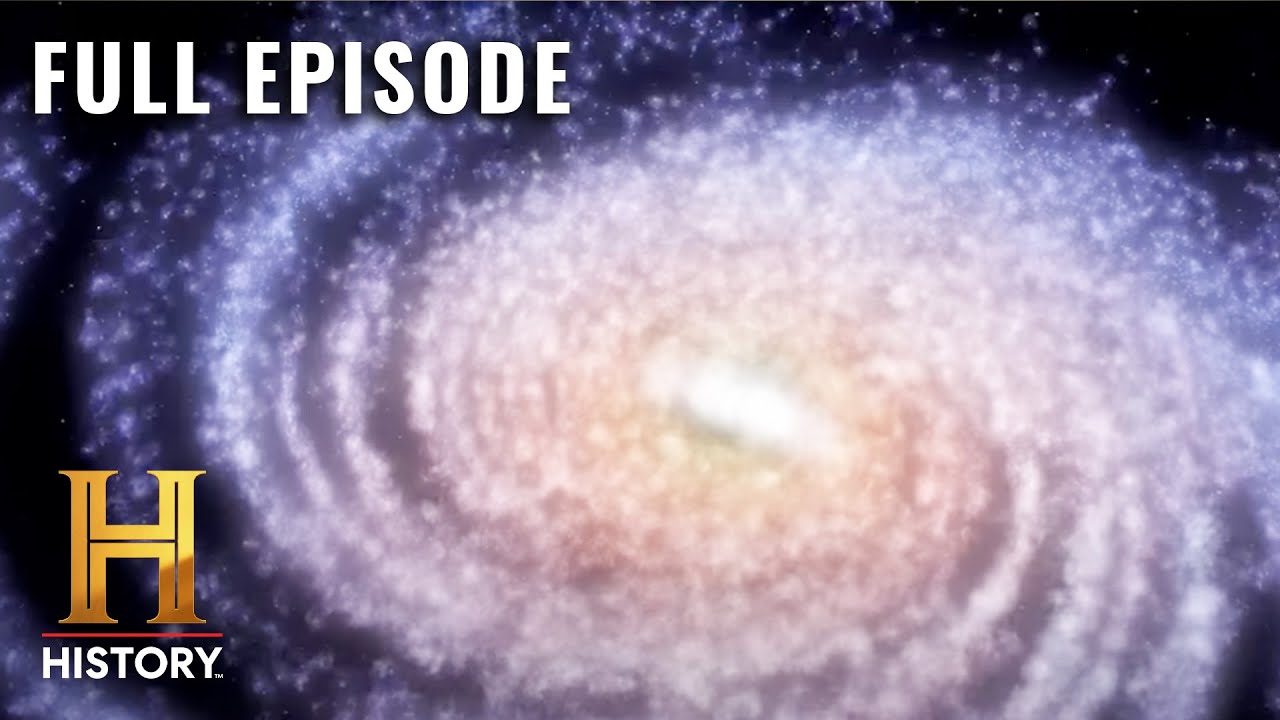
This episode reveals that Earth is not at the center of the Milky Way galaxy.
Life on Earth is argued to have originated from intelligent design rather than random processes, challenging traditional scientific materialism.
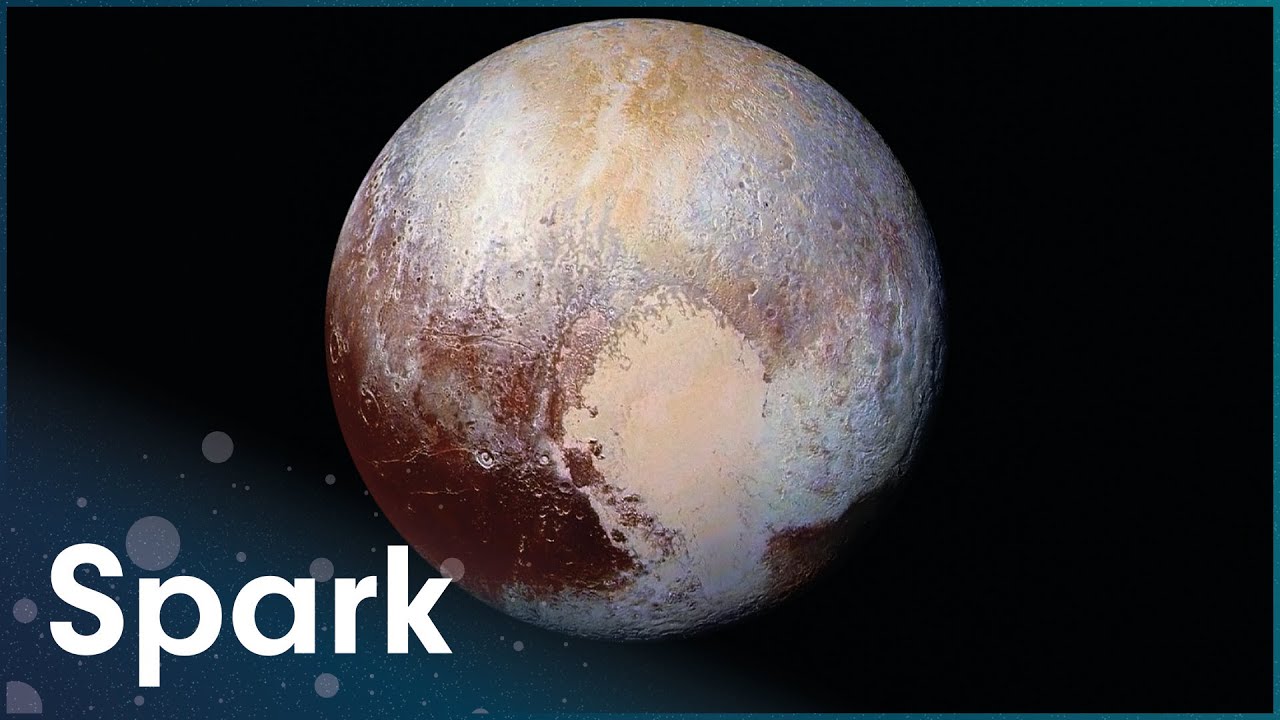
Pluto is 3.5 billion miles from Earth and has potential underground oceans and geysers.
In collaboration with the IPCC and leading climate scientists, critical insights from the Fifth Assessment Report reveal urgent challenges posed by climate change.
Asteroids have silently roamed the solar system, threatening Earth with catastrophic impacts.
Blizzards, characterized by extreme cold, heavy snowfall, and high winds, disrupt daily life and challenge communities from Canada to Northern China each winter.
The origin of life on Earth is examined through the lens of mathematics and natural laws, questioning whether existence arises from chance or a deeper order.
The Grand Canyon's formation is explored through the interplay of tectonic uplift, erosion, and the Colorado River's powerful forces over millions of years.
Kate Humble and Dr Helen Czerski explore Earth's orbit around the sun from January to the March equinox, highlighting its environmental impacts.
A supernova can send a vast wall of gas racing toward the Pillars of Creation, compressing gas and dust into new stars and solar systems.
Extreme planets are examined through supercomputer simulations that visualize their violent conditions and the cosmic events surrounding supermassive black holes.
Hosts Kate Humble and Hellen Czerski reveal Earth's spin's vital role in weather and life.