From over 100,000 films, discover the handful you'll love.
Free or premium access to the world's largest documentary library.
282 films(Page 6 of 6)
Watch the total solar eclipse as the Moon obscures the Sun over Australia on April 19, 2023.
Britain's space industry thrives as New Horizons passes Pluto, with growth in Liverpool.
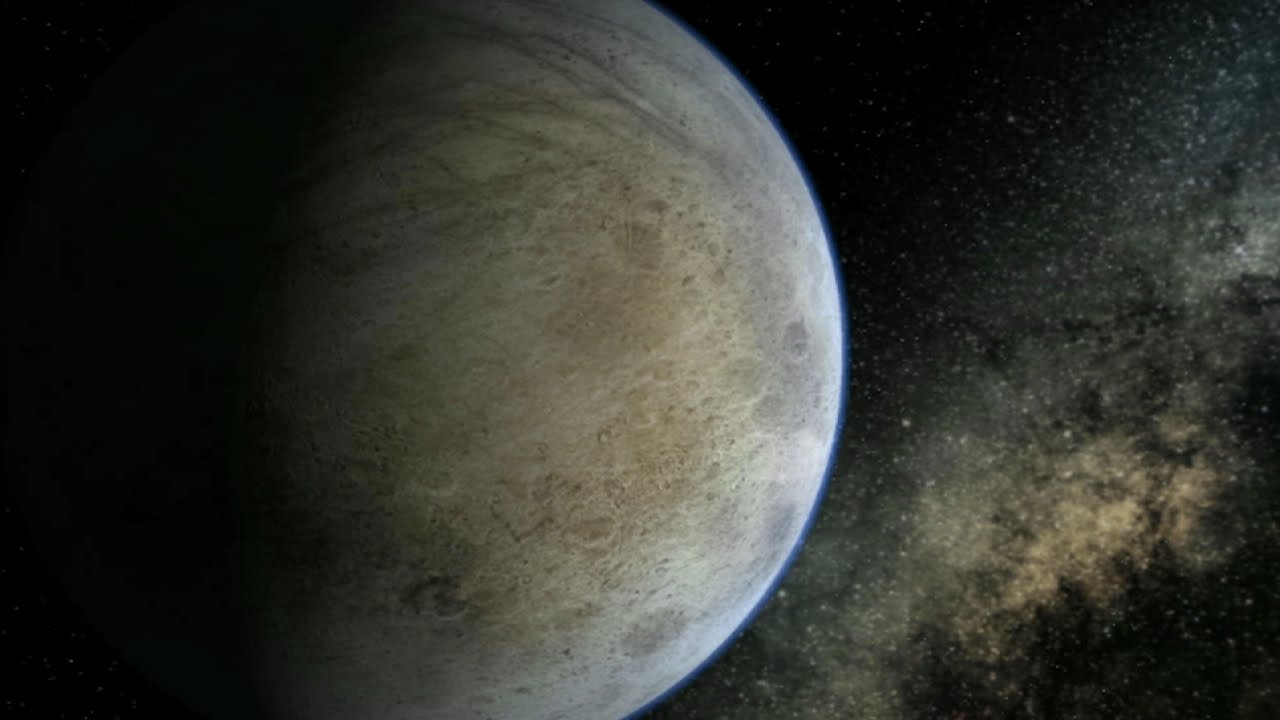
Watch how engineers develop probes to explore Venus' extreme conditions and gather data.
Venus has a surface temperature hot enough to melt lead, illustrating the extreme consequences of a runaway greenhouse effect.
The video imagines what a vacation in space would be like, focusing on hotels in LEO.
NASA's Voyager spacecraft, launched in 1977, continue to transmit data from beyond the solar system, raising questions about their future in space.
Water on Earth shapes nearly every aspect of life, highlighting its rarity and importance.
Water, covering 70% of Earth, has unique properties that support life and shape our planet.
In the Sahel region of Africa, a lone female mosquito's evolution over 6,000 years highlights the ecological shifts that led to her descendants specializing in feeding on humans.
James Lovelock argues humanity should reconsider efforts to save the planet.
Humans possess a unique facial feature known as the chin, which no other animal has, yet its evolutionary purpose remains uncertain.
The Drop Tower in Bremen creates 9.3 seconds of microgravity to study matter's behavior.
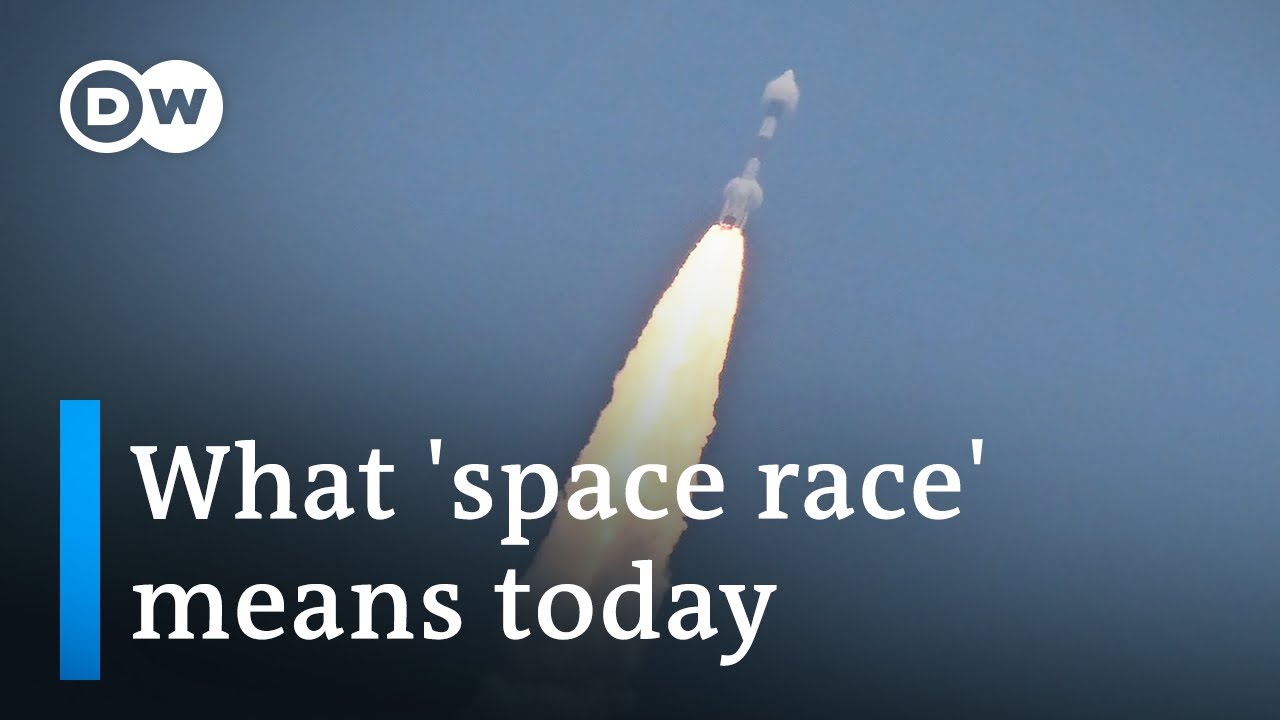
India's Aditya L1 is the first solar mission to study the Sun's impact on Earth.
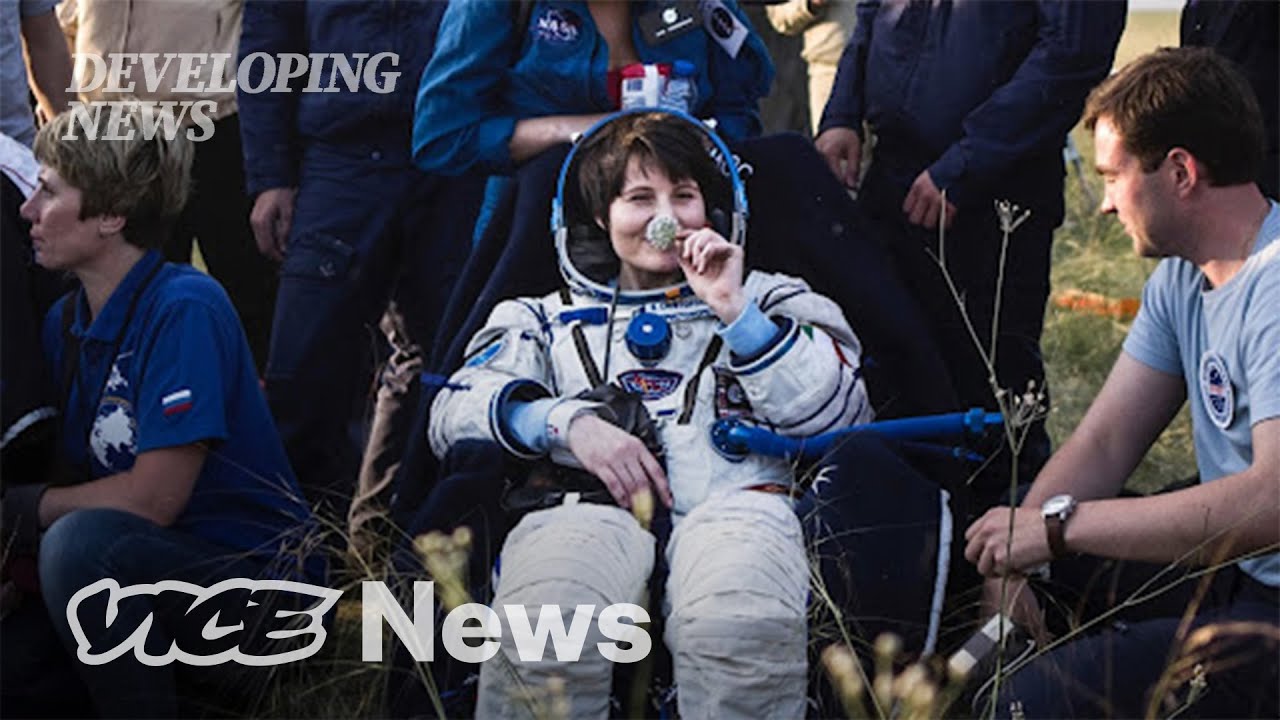
Astronauts report that the air smells strong when they return to Earth, marking a deep reconnection with their home planet.
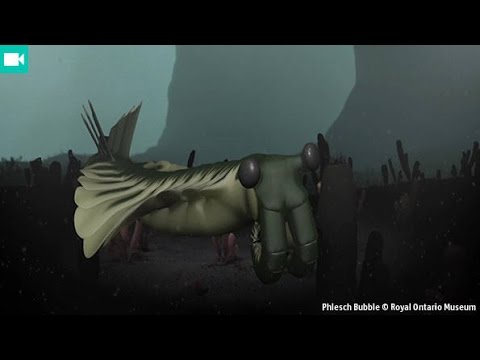
Scientists investigate the Cambrian explosion that transformed life on Earth.
Dawn spacecraft travels from Earth to explore Vesta and Ceres in the Asteroid Belt.
NASA's Apollo missions returned lunar samples that revealed the Moon and Earth share a common origin, supporting the giant impact theory and highlighting the Moon's influence on ocean tides.
In 2003, a nearly complete mammaliaform fossil found in a Chinese lakebed revealed insights into the diversification and extinction of Mesozoic mammals.
Billions of subatomic particles create tiny black holes that vanish upon impacting Earth.
Ancient DNA retrieved from Greenland's permafrost reveals an ecosystem that thrived over 2 million years ago, offering insights into climate adaptation strategies.
The origins of humanity's beverage consumption are explored through an examination of the world's oldest drinks, revealing unexpected historical insights.
The Isthmus of Panama initiated a significant ecological shift by separating marine species, leading to profound impacts on global climate and biodiversity.
Ancient weeds mimicked early crops during the agricultural revolution, leading to the accidental domestication of both beneficial and harmful plants.
The Tarkhan Dress, dating back to ancient Egypt, serves as a key piece of evidence in understanding the origins of clothing and human attire.
Fossil evidence from the Late Triassic Period reveals that the rise of dinosaurs is intricately linked to their waste, providing insights into their ancient ecosystems.
Neandertals' rise to the top of the Eurasian food chain highlights their remarkable evolutionary success, yet this dominance may have contributed to their extinction.
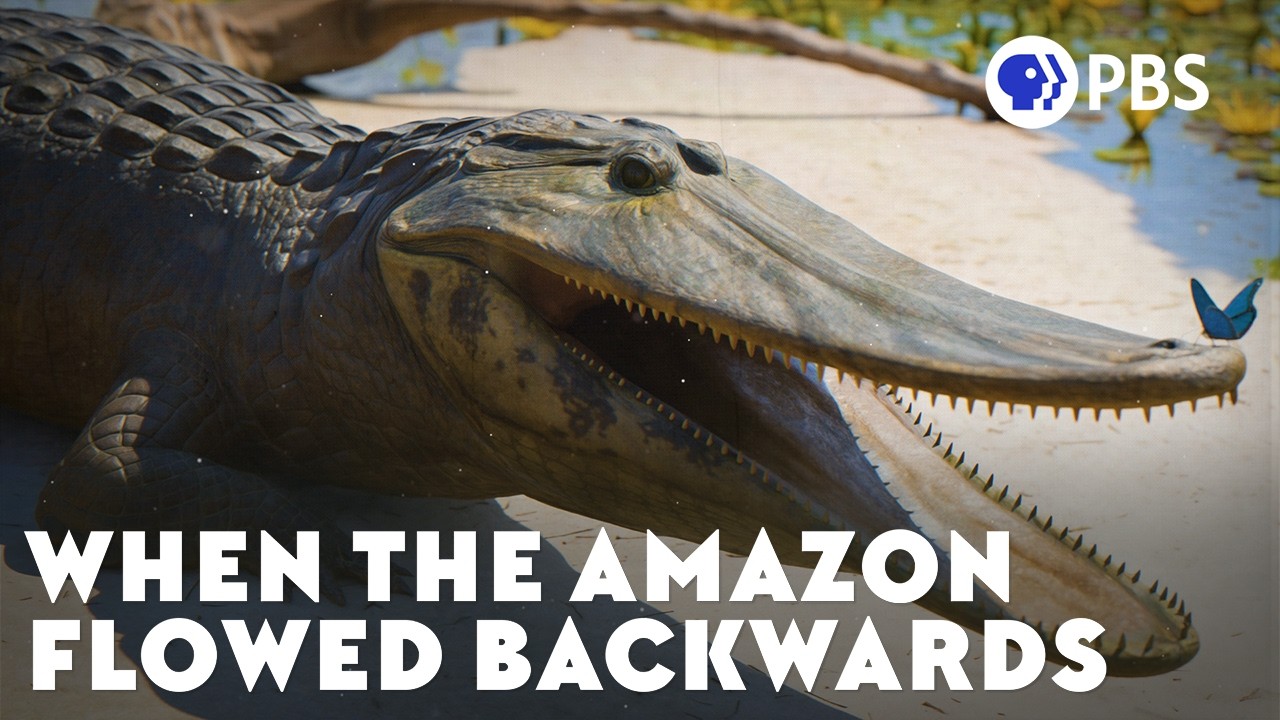
The Amazon watershed's historical reversal in flow has significantly influenced the evolution of life in the region, raising questions about the forces behind this phenomenon.
Eruptions along the Mid-Atlantic Ridge were pivotal in the formation of the Atlantic Ocean by tearing apart a supercontinent millions of years ago.
Earth's abundance of water is believed to have originated from meteorites, space dust, and solar contributions, unlike the water scarcity found on Mercury, Venus, and Mars.
Smartphones rely on elements from Australia, Chile, and the Democratic Republic of Congo.
Kiran Stacey discusses options for human living on the Moon and Mars as Earth becomes uninhabitable.
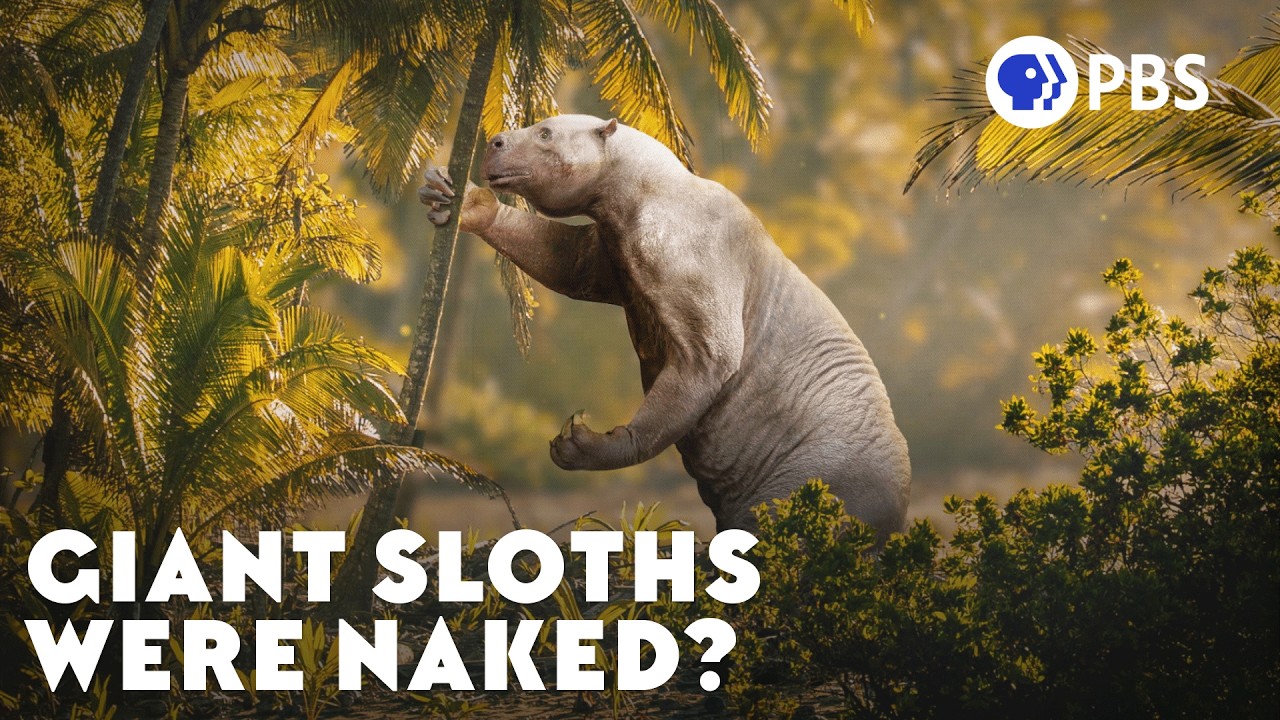
Giant sloths, once familiar to ancient peoples, have left a gap in human knowledge regarding their biology and behavior that remains largely unexplored today.
Identifying the sex of dinosaurs has remained a significant challenge for paleontologists, despite advancements in understanding their biology and behavior.
Spinosaurus, a dinosaur once thought to be semi-aquatic, is re-evaluated by paleontologists as new fossil evidence raises questions about its swimming abilities.
Apollo 11 crew made history by landing on the moon and faced quarantine upon coming back to Earth.
The evolution of the giraffe's neck has sparked extensive debate among biologists, challenging traditional understandings of evolutionary processes.
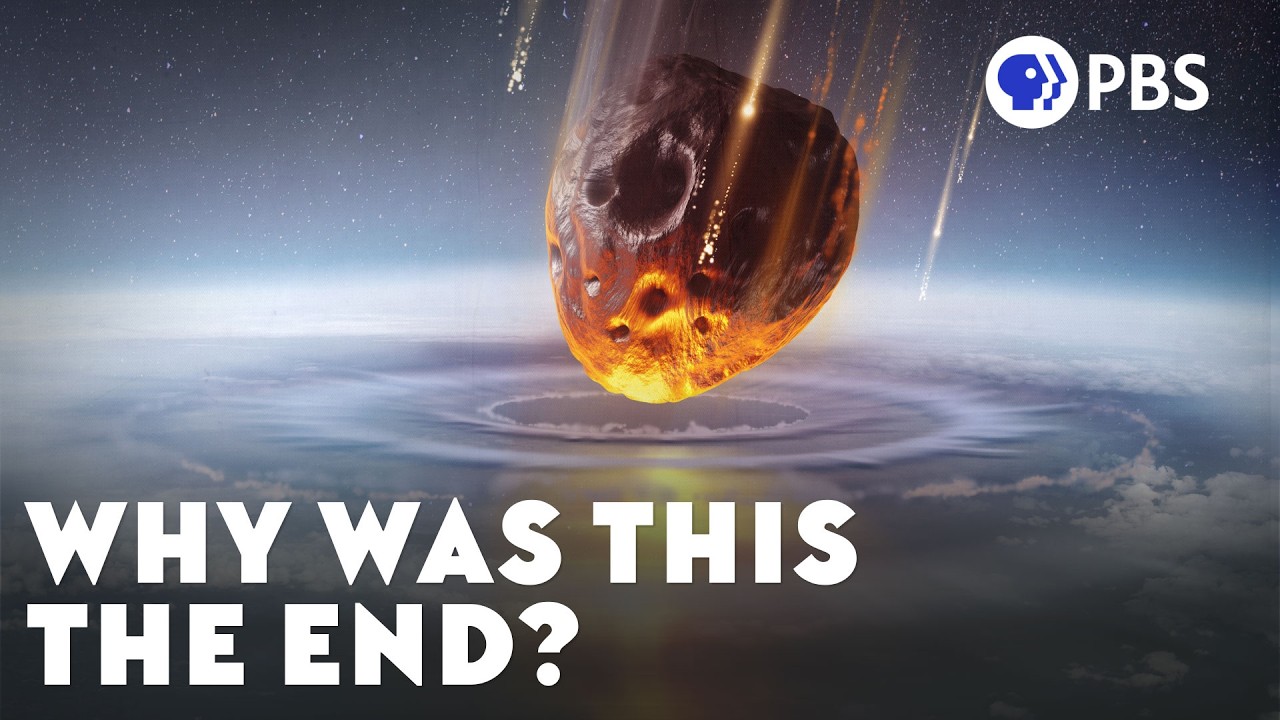
The K-Pg mass extinction event, caused by an asteroid impact, led to the decline of non-avian dinosaurs and raised questions about the subsequent dominance of mammals.
Christine, a young Przewalski's horse, symbolizes hope for saving this rare Mongolian species.
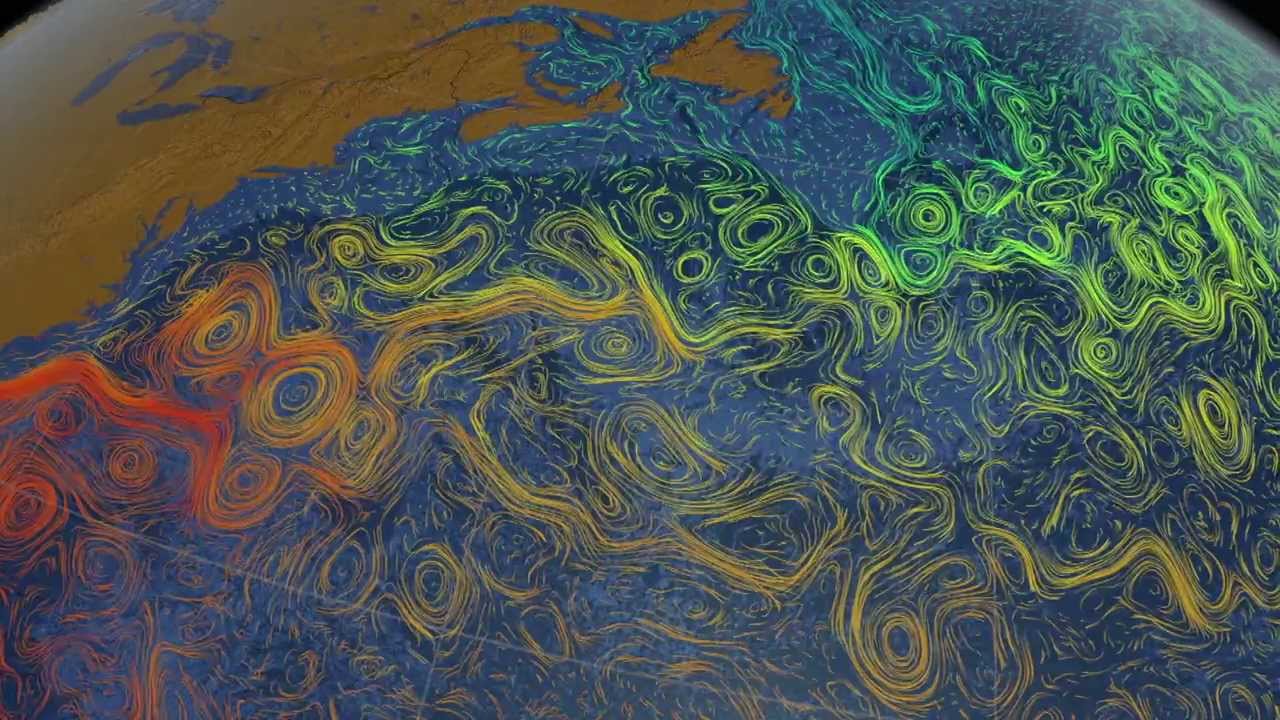
Satellites are vital for our survival on this planet and monitoring Earth's resources.
A total solar eclipse occurs when the Moon passes between Earth and the Sun, creating a rare moment of darkness visible along a narrow path on Earth.
Ants achieved their ecological dominance not solely through their own evolution but by capitalizing on a broader evolutionary explosion that shaped their environment.
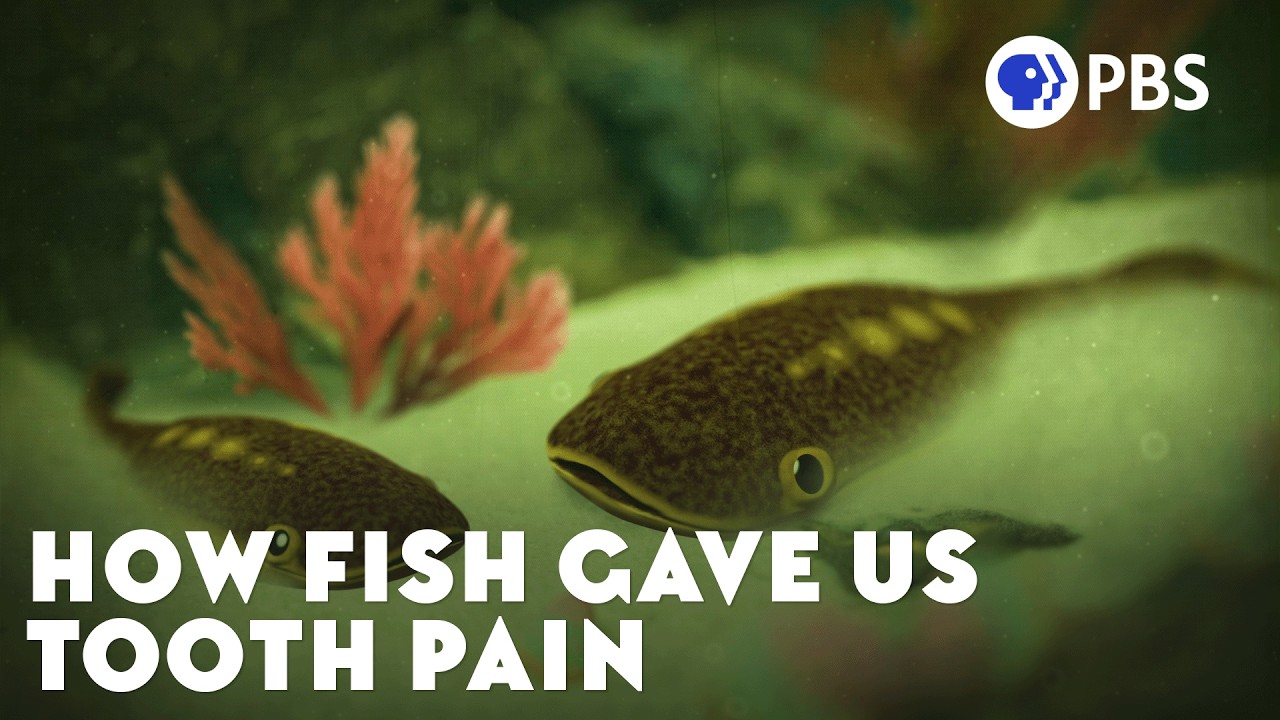
Teeth evolved from the armored skin of ancient fish, serving as an oversensitive alarm system for dental pain throughout human history.