From over 100,000 films, discover the handful you'll love.
Free or premium access to the world's largest documentary library.
282 films(Page 5 of 6)
Red crabs migrate to the sea, facing predators and environmental threats, while highlighting the need for conservation efforts to protect their habitats.
The Perseid meteor shower peaks between midnight and 5:30 AM, showcasing up to 100 shooting stars per hour as Earth passes through comet debris.
The New Yorker discusses Spanish cartoonists' fascination with space and Pluto's status change.
Rhodes is one of the most historic sites on Earth and featured in the creator's first videos.
Russell Brand shares his thoughts on Earth, dreams, and the studio's lively atmosphere.
More satellites orbit Earth, increasing collision risks and the need for space debris management.
NASA defines potentially hazardous Near Earth Objects that threaten Earth.
This episode reveals how Earth came to exist and how long will humans call it home.
The SOHO spacecraft captures immense solar energy and gas patterns on the sun's surface.
Experience the International Space Station, brimming with experiments and life support systems.
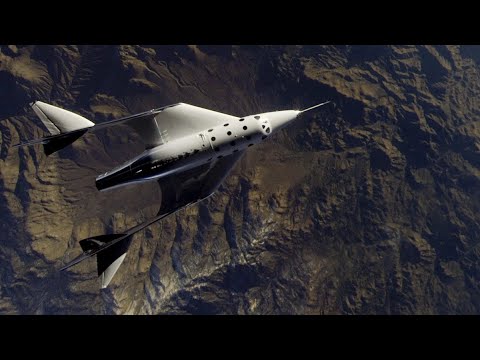
Virgin Galactic and SpaceX prepare to launch commercial space tourism in 2018, offering flights beyond the stratosphere and around the Moon.
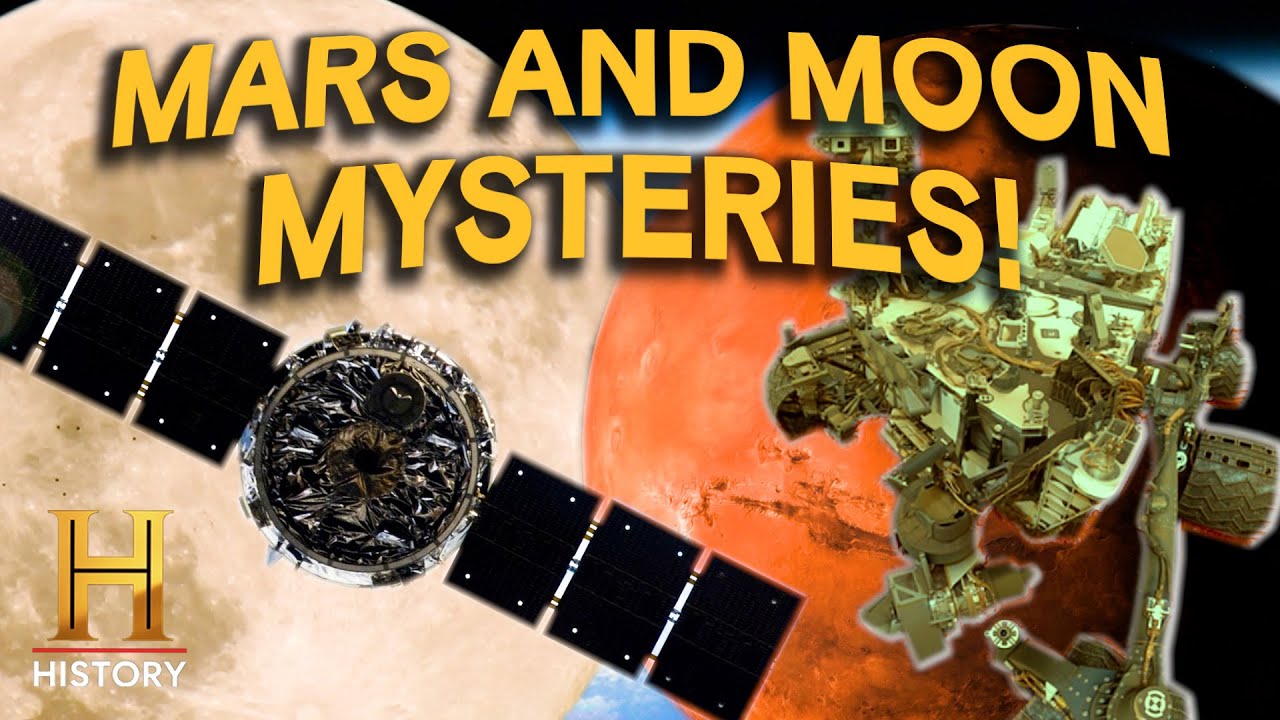
Experts analyze unusual structures on Mars and unexplained phenomena on the Moon, presenting evidence that challenges current understanding of these celestial bodies.
The Super Blood Moon eclipse of 2015 features a rare alignment of the Sun, Moon, and Earth.
Super Earths are planets smaller than Neptune and larger than Earth, with unique compositions.
During the Cretaceous Period, Earth's ecosystems faced extreme conditions that led to a significant depletion of oceanic oxygen for half a million years.
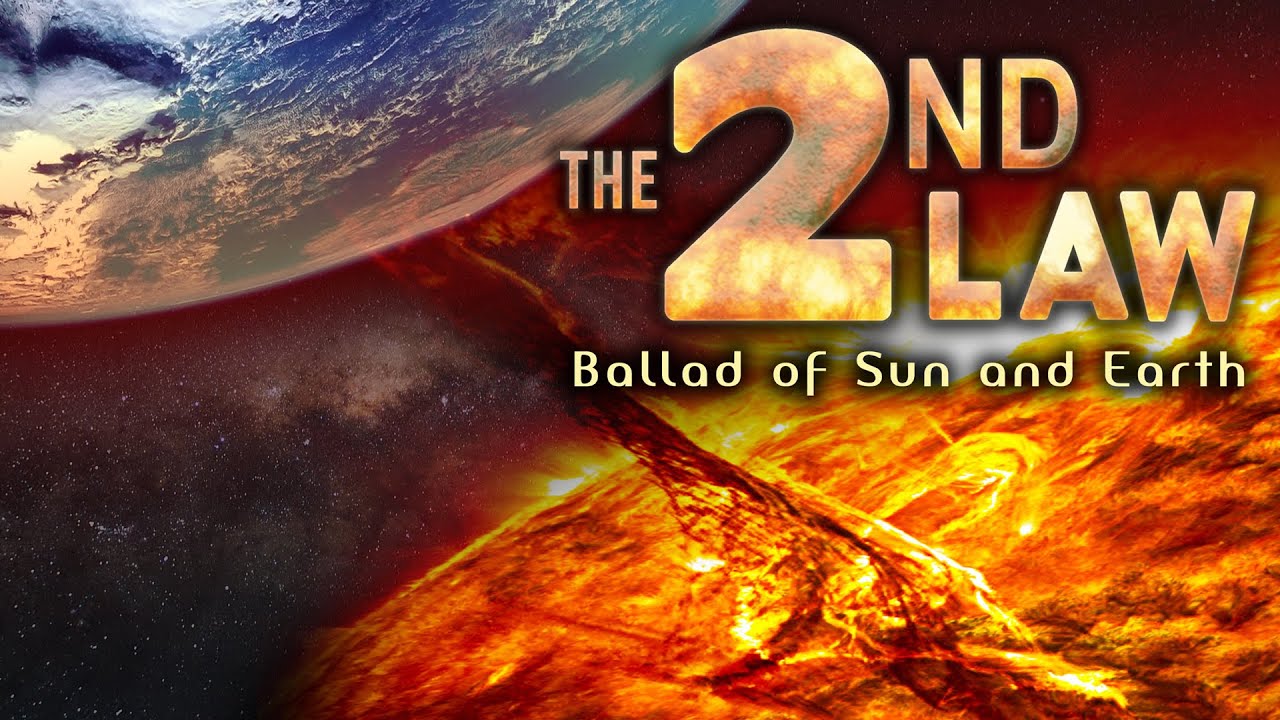
Earth and the Sun navigate the Milky Way together, showcasing their intricate relationship and the cosmic forces that shape their existence.
Apollo 13's crew repurposes the lunar module to return safely to Earth after an emergency.
Spiders and their ancestors have driven an evolutionary arms race that led to the development of powered flight in insects long before they inhabited land.
Mars approaches Earth every two years, prompting robotic missions to explore the Red Planet.
Human activity disrupts Earth's carbon balance, prompting urgent climate change solutions.
India's recent ballistic missile test raises concerns about space debris orbiting Earth.
In the eastern United States, geological and evolutionary factors contributed to the absence of well-known dinosaur species like Triceratops, creating a unique prehistoric landscape.
Sauropods, the largest land animals in history, faced significant anatomical and physiological challenges due to their unprecedented size and gigantism.
The ocean twilight zone, a largely unexplored layer of the ocean, is examined by scientists studying its ecological roles and impact on marine health.
Cannabis, a plant with a complex history, has been domesticated for thousands of years, raising questions about its origins and psychoactive properties.
Graptolites reveal significant changes in ocean conditions during the Silurian period, highlighting periods of toxicity and subsequent ecological recovery.
Planet hunters have detected nearly 5000 planets beyond our solar system, challenging old theories.
At the Solnhofen formation in Germany, over 500 fossils of 15 pterosaur species reveal complexities that challenge existing interpretations of their ecosystem.
Texas faces burial under a mile of lava from Earth's deadliest eruption 250 million years ago.
Ranchers in Alice Springs hear the loudest sound ever recorded on Earth at 310 decibels.
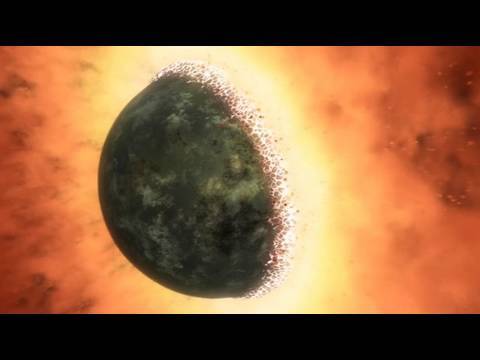
The moon's origins are explored through the theory of a colossal impact between Earth and a Mars-sized body, supported by decades of scientific research and exploration.
Thoatherium, a prehistoric relative of modern horses, thrived in an ecosystem that would not emerge for another 12 million years, raising questions about its adaptation.
In Northeastern China, paleontologists have found 125-million-year-old dinosaur skeletons in Lujiatun, prompting comparisons to the preserved remains at Pompeii.
Fossil records indicate that vertebrates adapted to land and air before exploring the deep sea, raising questions about their delayed aquatic evolution.
This video showcases Frank White's Overview Effect experienced by astronauts in Space.
Chris Hemsworth explores ways to enhance well-being while showcasing the planet's wildlife, ancient civilizations, and the expertise of Nat Geo's scientists and filmmakers.
More than half of Earth's surface remains unexplored, particularly the ocean depths, raising questions about the existence of unknown creatures like the Kraken.
Jarl Quarkson, a trainee space colonist, faces a challenging assignment from instructor Cerin Higami that reshapes his understanding of the cosmos and humanity's future.
In Earth's deep past, researchers explore a critical period marked by the first mass extinction that transformed the planet into a world dominated by sponges.
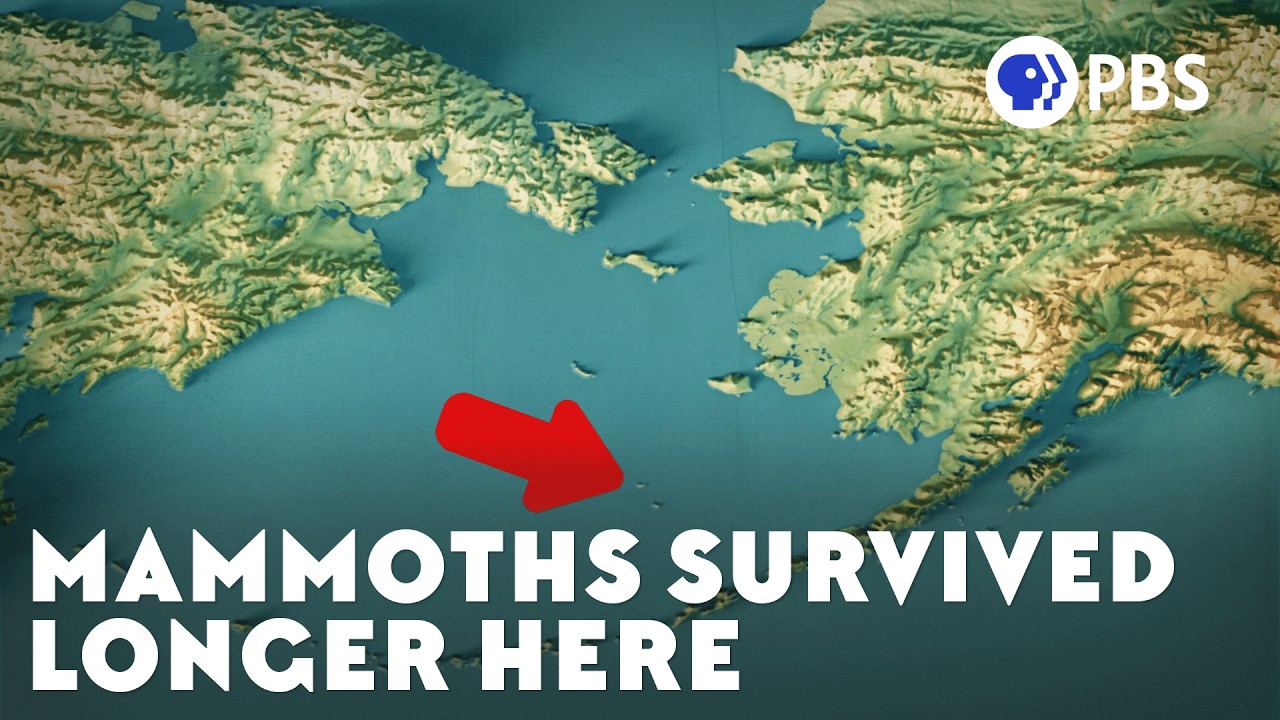
About 5,700 years ago, a herd of woolly mammoths roamed a treeless tundra on St. Paul Island, Alaska, marking one of the last chapters of their existence.
Maria Banks studies Antarctic ice sheets and Hawaiian volcanoes to reveal Mars-like geology.
The evolution of feathers in flightless dinosaurs is examined through a unique paleontological experiment involving a robot dinosaur.
The AGRI3 Fund fights deforestation, losing Earth’s forests at a rate of one soccer field per second.
Residents of Grindavik face a looming volcanic threat from Fagradalsfjall in Iceland.
Hawaii, formed 40 million years ago, features the most active volcano on Earth since 1983.
Bottom-dwelling marine critters illustrate how ocean basins are reincarnated every few hundred million years in a hundred-year narrative.
Paleontologists have shifted their understanding of human origins, suggesting that there may not be a single "cradle of humankind" as previously thought.
Dust devils form on Earth and Mars, visible due to the dust they lift from the ground.