From over 100,000 films, discover the handful you'll love.
Free or premium access to the world's largest documentary library.
282 films(Page 3 of 6)
Solar Orbiter has traveled over two and a half billion kilometers since its launch in 2020, studying the sun's atmosphere and solar winds.
130 million years ago, the rise of flowering plants was linked to a series of catastrophic fires that reshaped Earth's ecosystems.
The Hubble Space Telescope, launched in 1990, has revolutionized astronomy with its stunning images and significant discoveries over 35 years.
NASA Heliophysics shows the sun from both sides to improve space weather forecasting for Earth.
Big Bertha, a moon rock from Apollo 14, reveals surprising links to Earth.
Thousands of tons of space junk threaten Earth’s satellites, but scientists propose solutions.
In remote Siberia, the geological history shaped by one of Earth's largest volcanic eruptions reveals the impact of natural disasters on the planet's landscape.
M Night Shyamalan discusses survival on Earth after a crash landing and the role of Birds.
Watch Season 1, Episode 7 of The UnXplained about Earth's alien moons in the solar system.
Scientists have found ancient microbes in Yellowstone that may explain alien life.
Animal-like fossils found in rocks over a billion years old suggest a prolonged evolutionary process that may have led to the Cambrian Explosion.
Apollo 13 faced the longest communications blackout in space program history during its critical re-entry, a moment vividly remembered by students in Senath, MO.
Apollo 8 astronauts read from Genesis while orbiting the moon before Christmas in 1968.
National Geographic explores meal prepping techniques with insights from renowned chefs and nutritionists to promote healthier eating habits and efficiency.
Bees and beans, rather than bats, play a crucial role in the evolutionary history of butterflies, as explored by Complexly for PBS Digital Studios.
Atlantis's mission showcases the ascent into space and the intricate descent of solid rocket boosters, highlighting advancements in space travel technology.
Heat generated in the Sun's core races toward Earth as electrified plasma towers.
Aerial footage highlights Botswana's ecosystems and wildlife, featuring the Okavango Delta and Chobe National Park, known for elephants and hippos.
The Perseids meteor show peaks as Earth passes through Swift-Tuttle's debris stream.
The Zanskar Valley is a hidden kingdom in the Indian Himalayas, isolated by winter's grip.
Rocky leftovers from asteroids may help solve Earth's key resource shortages.
The video discusses raising children outside Earth's atmosphere for future living in space.
John Oliver discusses alarming climate change reports and public skepticism in America.
Asteroid 2005 YU-55 makes a very close approach to Earth on November 8, 2011.
Apollo astronauts brought Moon rocks to Earth, leading to the Giant Impact Theory's development.
Conan humorously experiences the Dead Sea, the lowest point on Earth, 1,300 feet below sea level.
They are Earth's super volcanoes that cause climate collapse and mass extinction events.
Livyatan melvillei, a massive prehistoric predator, raises questions about its origins, lifestyle, and potential self-extinction due to its enormous appetite.
Tetrapods, including frogs and dinosaurs, evolved from fish in a process that was largely a fortunate byproduct of their attempts to remain aquatic.
Charles Darwin's later years were marked by an intense focus on earthworms, culminating in his final scientific work that explored their ecological significance.
Scientists prepare for the Day of the Asteroid and the risks of future impacts on Earth.
Cosmic rays pose significant challenges for human space travel as Earth faces potential threats like ice ages and pollution, necessitating the search for new habitats.
Zenon, an observation satellite, has autonomously deviated from its orbit and is withholding critical data on Earth's water reserves.
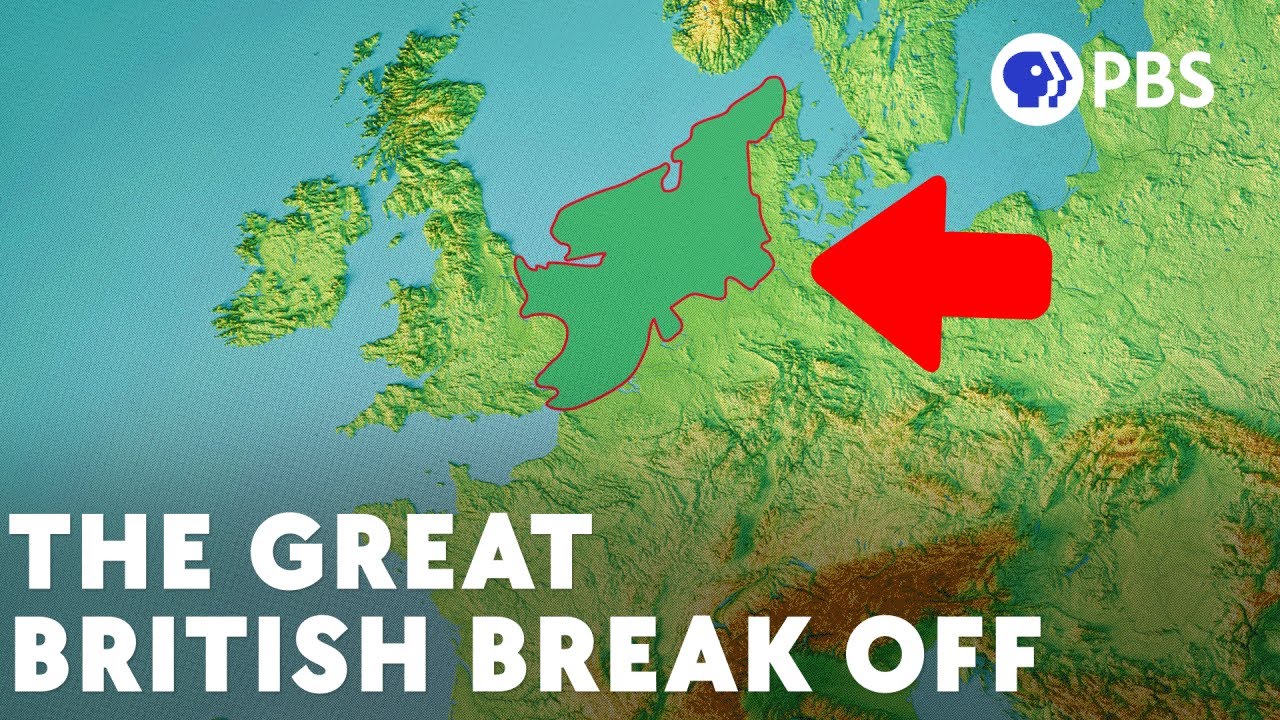
Doggerland, a submerged prehistoric landscape in the North Sea, may have been lost to a megatsunami, highlighting the geological forces that shaped it.
A volcanic eruption in Northern Canada 720 million years ago slows life's development on Earth.
Asteroids may have played a crucial role in the origin of life on Earth, according to research presented by Eons for PBS Digital Studios.
Earth has experienced at least twelve massive extinctions over 800 million years, with the dinosaur extinction being one of the most significant events in this history.
Thunderbeasts, massive prehistoric creatures, raise questions about the evolutionary advantages of size, a topic of long-standing interest among paleontologists.
There are 180 meteor impact points scarring Earth, raising concerns about future impacts.
Tyrannosaurus rex, one of the most famous dinosaurs, may have been misnamed, prompting a reevaluation of its classification and historical significance.
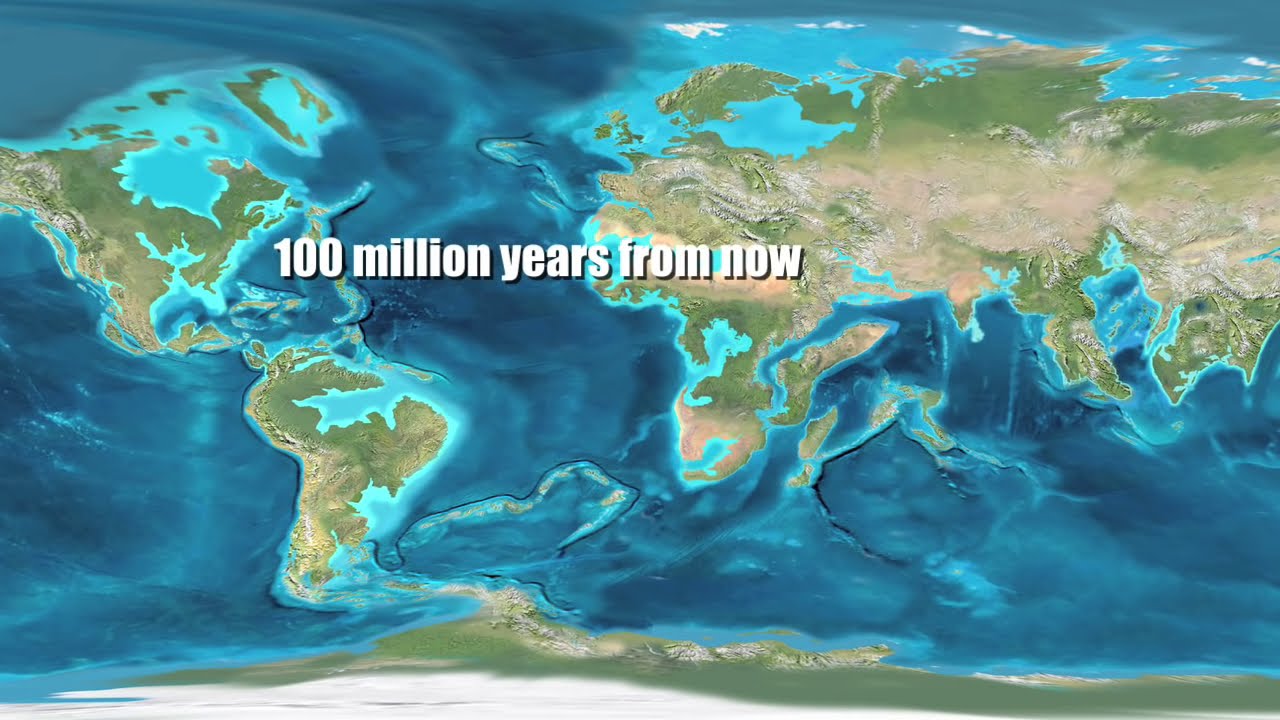
The video shows how Earth's continents evolved over 600 million years and their future in 100 million years.
Astonishingly beautiful images from the International Space Station showcase Earth’s beauty.
Arctic sea ice expansion and contraction, alongside human-induced changes like the Antarctic ozone hole, illustrate Earth's evolving landscape over time.
Earth's transformation from the supercontinent Pangea to its current landscapes is explored through the theory of plate tectonics and geological processes.
George Cooper George critiques Economics as a science in crisis in this two-parts edition.
Recent activity from Hawaii's Kilauea Volcano reveals deeper volcanic patterns and interactions.
Tornadoes, with wind speeds exceeding 200 miles per hour, are examined through their formation, survival strategies, and the experiences of storm chasers in Tornado Alley.
Watch this to understand how solar flares impact Earth and technology.