From over 100,000 films, discover the handful you'll love.
Free or premium access to the world's largest documentary library.
282 films(Page 2 of 6)
Ancient cave dwellings, sunken cities, and cliffside villages reveal Italy's hidden wonders, showcasing beauty and history far from the typical tourist paths.
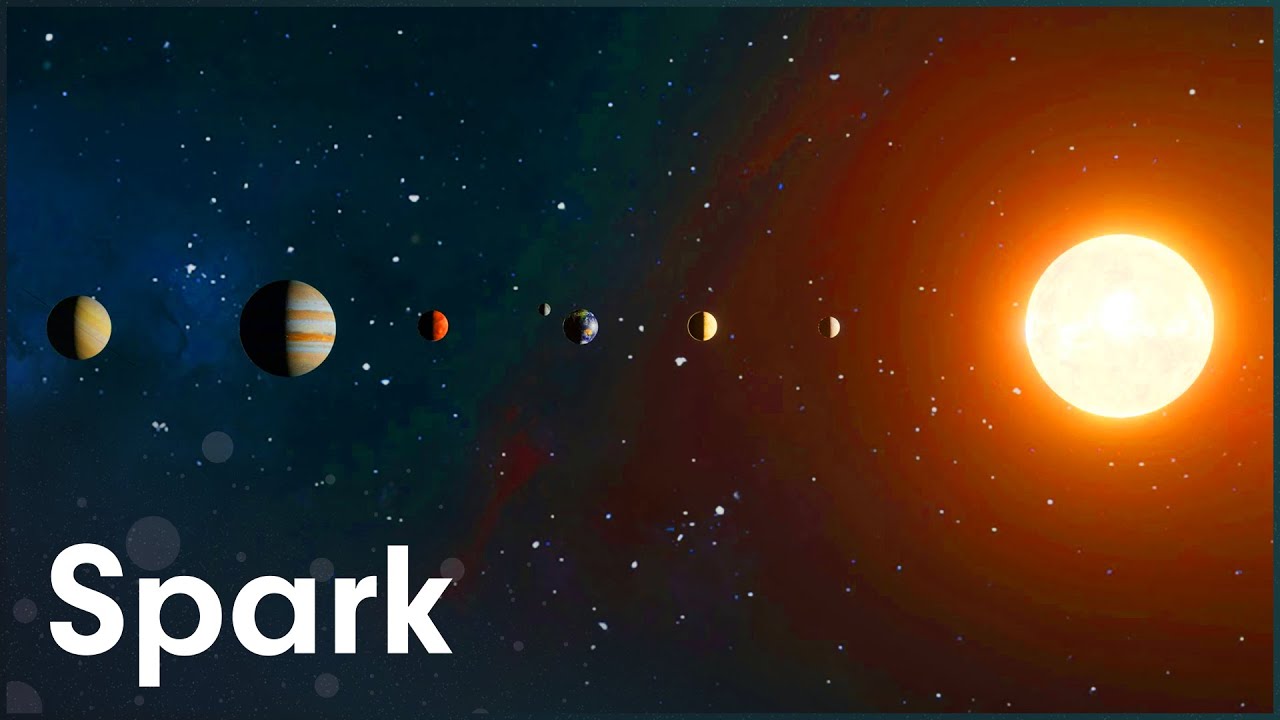
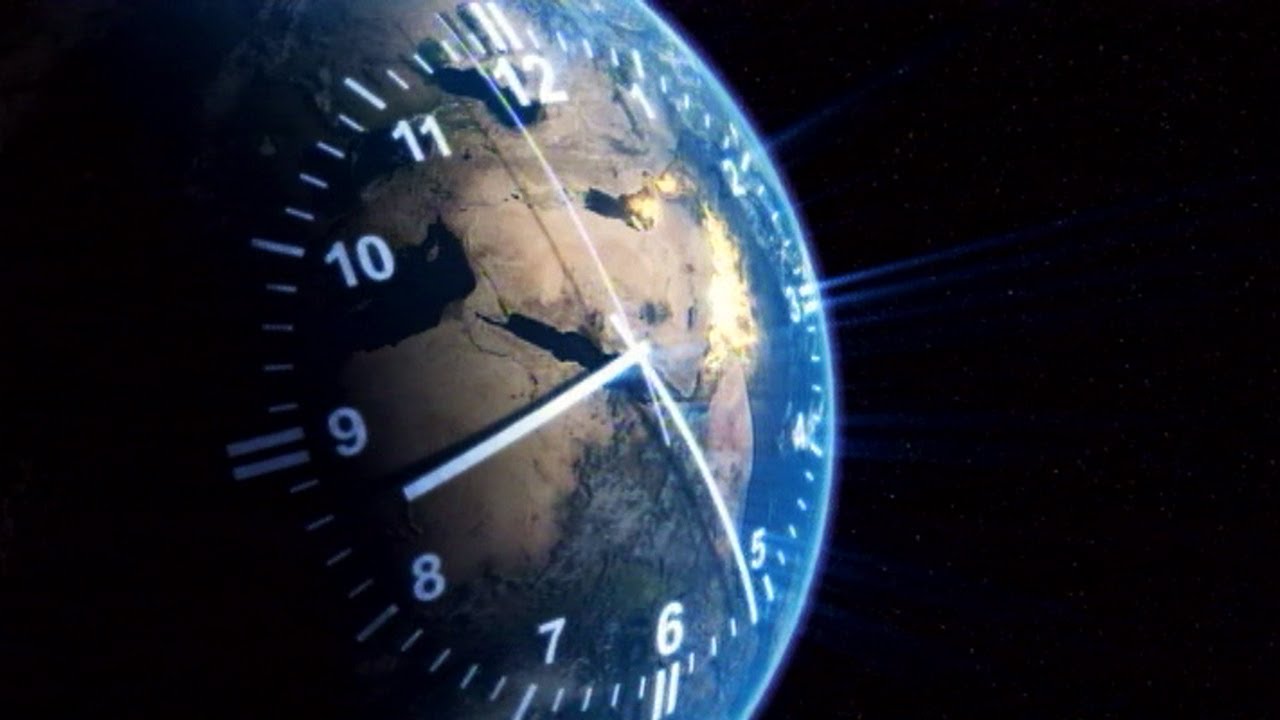
Earth is almost 8,000 miles in diameter and moves at approximately 66,000 mph around the Sun, which is about 93 million miles away.
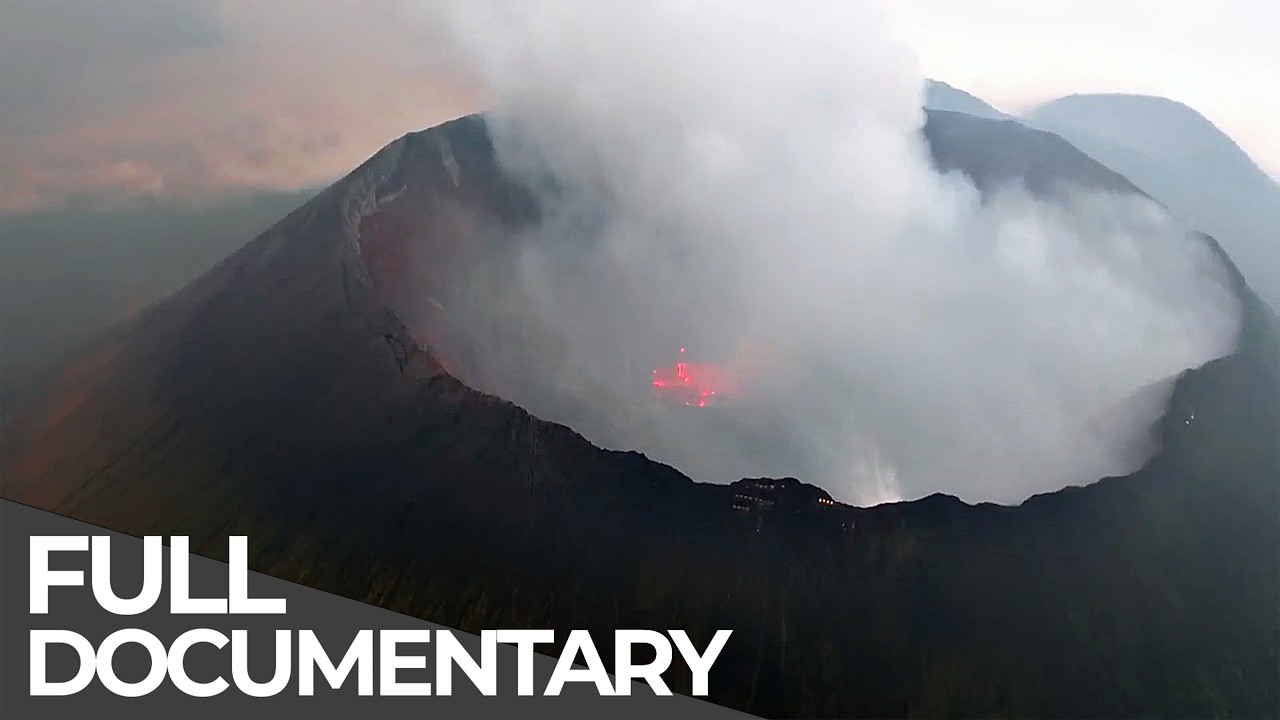
Mount Nyiragongo erupts in Congo, destroying Goma and claiming thirty-three lives.
The series covers the rise of Space Warfare, exploring how nations are adapting to new technologies and the implications for control over Earth.
The Japanese Asteroid Sample Return Mission prepares to collect samples from an asteroid.
Four fundamental elements-fire, air, water, and earth-are examined for their roles in the formation of matter and life in this 49-minute documentary.
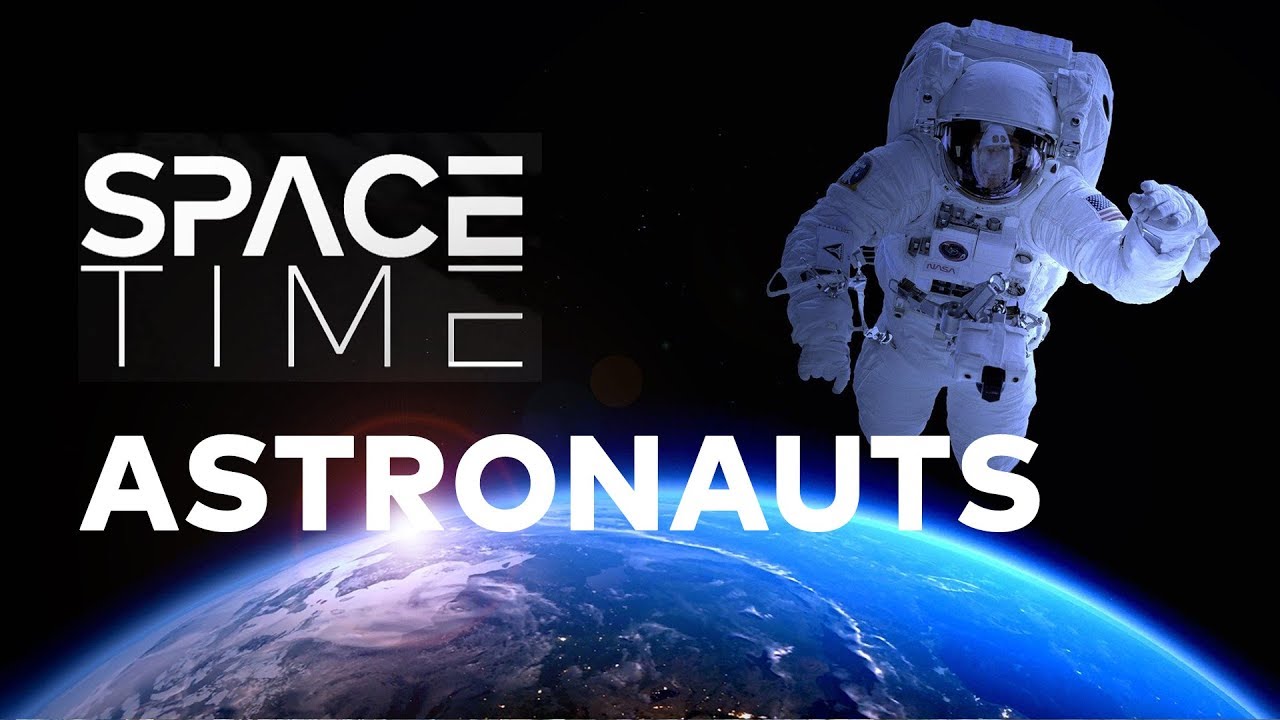
Explore the rigorous training and challenges of becoming an astronaut through the insights of Prof. Dr. Ulrich Walter and stories of legendary space explorers.
Astronomers search for Earth-like planets among four hundred billion stars in our galaxy.
Geological forces such as volcanic activity, erosion, and tectonic shifts have shaped iconic landscapes like the Grand Canyon, Hawaii's islands, and the Rocky Mountains.
Earth's weakening magnetic field, generated in its molten core, raises concerns among scientists about the potential loss of protection from harmful space radiation.
Venus has a surface temperature of 900°F, making it one of the most hostile environments in the solar system, raising concerns about Earth's future.
Earth is over 4.5 billion years old and moves at approximately 66,000 miles per hour around the sun, a star 93 million miles away.
Gravity is the force keeping us grounded, with secrets revealed through The Ionosphere.
Three competing theories about the moon's origins emerged during the space race, each tested by unmanned lunar probes launched by the United States and the Soviet Union.
The sun's colossal nuclear storms threaten Earth, disrupting technology and communications.
The South Atlantic Anomaly causes challenges for spacecraft due to Earth's weakened magnetic field.
North America changes shape as glaciers form the Great Lakes during the Ice Age.
Aboard the International Space Station, French astronaut Thomas Pesquet and his colleagues conduct experiments to prepare for future long-duration missions to Mars.
By the end of the century, sea levels are expected to rise as much as one meter, threatening coastlines around the world.
Professor Brian Cox connects tornadoes in Oklahoma to the origins of our Solar System.
4.7 billion years ago, a tumultuous event led to the formation of the inner solar system's planets, including Mercury, Venus, Earth, and Mars.
NASA's Apollo program is examined through its engineering challenges and the historic lunar landing that marked a pivotal achievement in space exploration.
Earth's unique features and optimal position in the Milky Way are illustrated through stunning visuals from NASA and the Hubble Space Telescope Institute.
More than 100 astronauts have lived and worked on the International Space Station since 2000, conducting research under unique conditions.
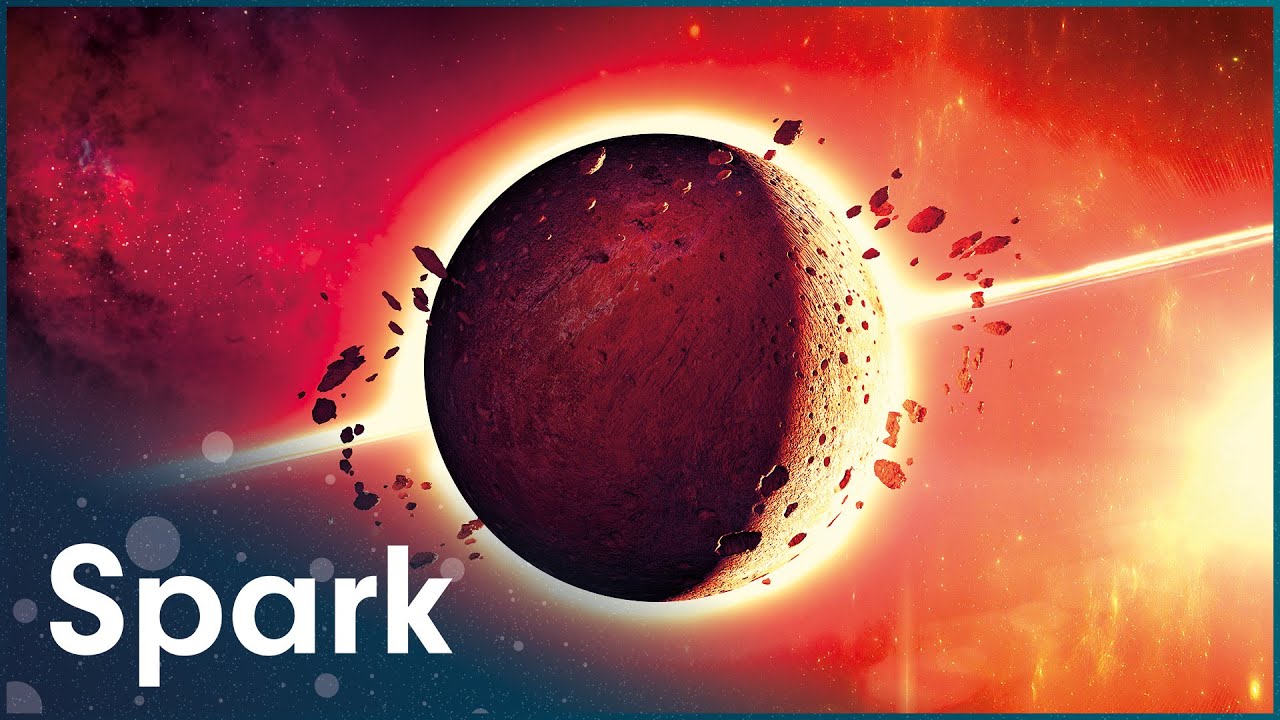
A Mars-sized planet named Thea collided with Earth 4.5 billion years ago, leading to the formation of the Moon and enabling life to thrive.
Astronauts aboard the retired Space Shuttle Endeavour observe Earth from 233 kilometers above, highlighting the shuttle program's missions and scientific research.
The moon's monthly life cycle influences life on Earth, showcasing phenomena like blood moons, supermoons, and total solar eclipses across various locations.
Asteroids and meteorites are examined across Argentina, Chile, and Colombia, highlighting their potential to impact life on Earth and the significance of sites like Campo del Cielo.
4.6 billion years ago, the sun ignited, marking the beginning of the solar system and the eventual formation of Earth as a unique planet capable of supporting life.
Geologist Ian Stewart highlights water's vital role in Earth's evolution and humanity's challenges.
Water in the main belt of asteroids may explain how Earth acquired its water, which is essential for the emergence of life.
The Pacific Ocean, which covers one third of the Earth's surface, features the Mariana Trench and showcases its diverse ecosystems and marine life.
Humanity's connection to the cosmos is explored through insights from scientists and scholars, including Brian Thomas Swimme and Mary Evelyn Tucker.
In Adélie Land, the Cap Prud'homme science base hosts a team of researchers studying the impacts of climate change and deglaciation in Antarctica.
Space exploration encompasses distant galaxies, black holes, and the Solar System, providing a soothing backdrop for relaxation and imagination.
Asteroids, often seen as remnants from the solar system's formation, are the focus of recent robotic missions by NASA and other space agencies to retrieve samples and enhance understanding of their origins.
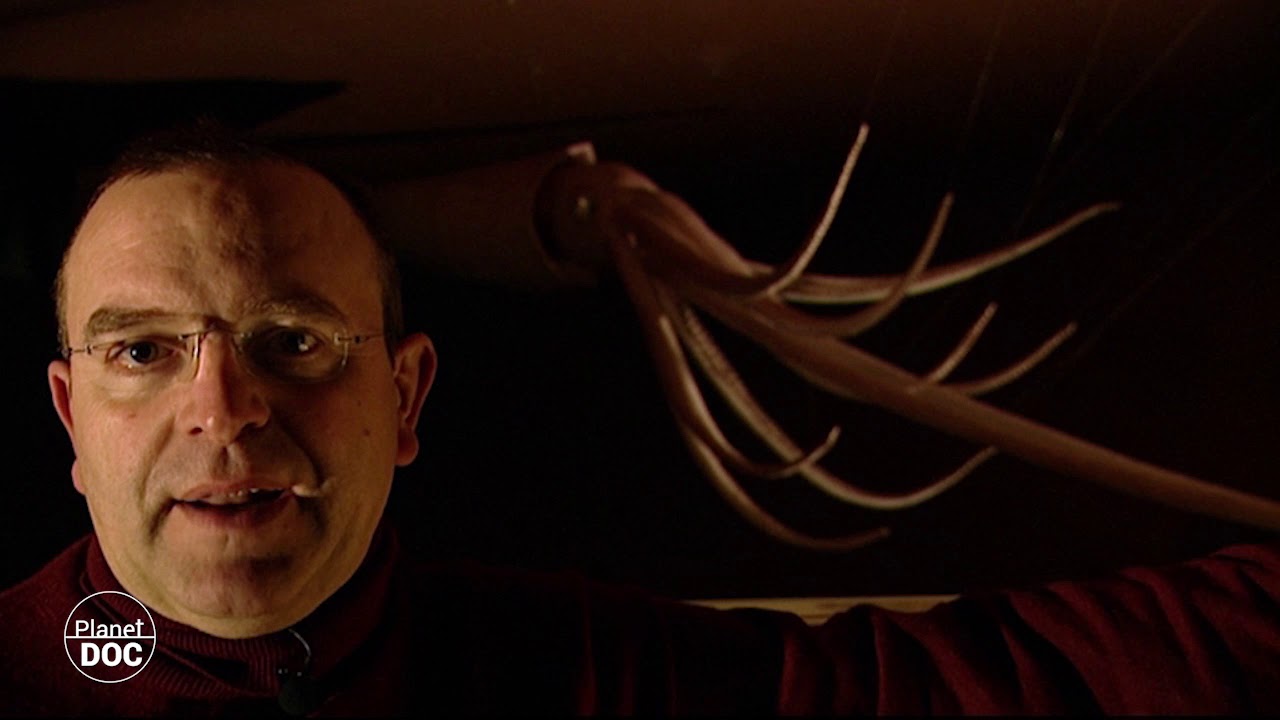
The Kraken Project highlights the vast unexplored regions of the ocean and the critical need for understanding the mysteries of Earth's waters.
Space exploration reveals fascinating facts about black holes, exoplanets, and star formation, providing a calming backdrop for relaxation and sleep.
India's ambitious space program, led by the Indian Space Research Organisation (ISRO), showcases significant advancements and aspirations to become a global space superpower.
A giant asteroid hits Earth, causing darkness and extinction across the planet.
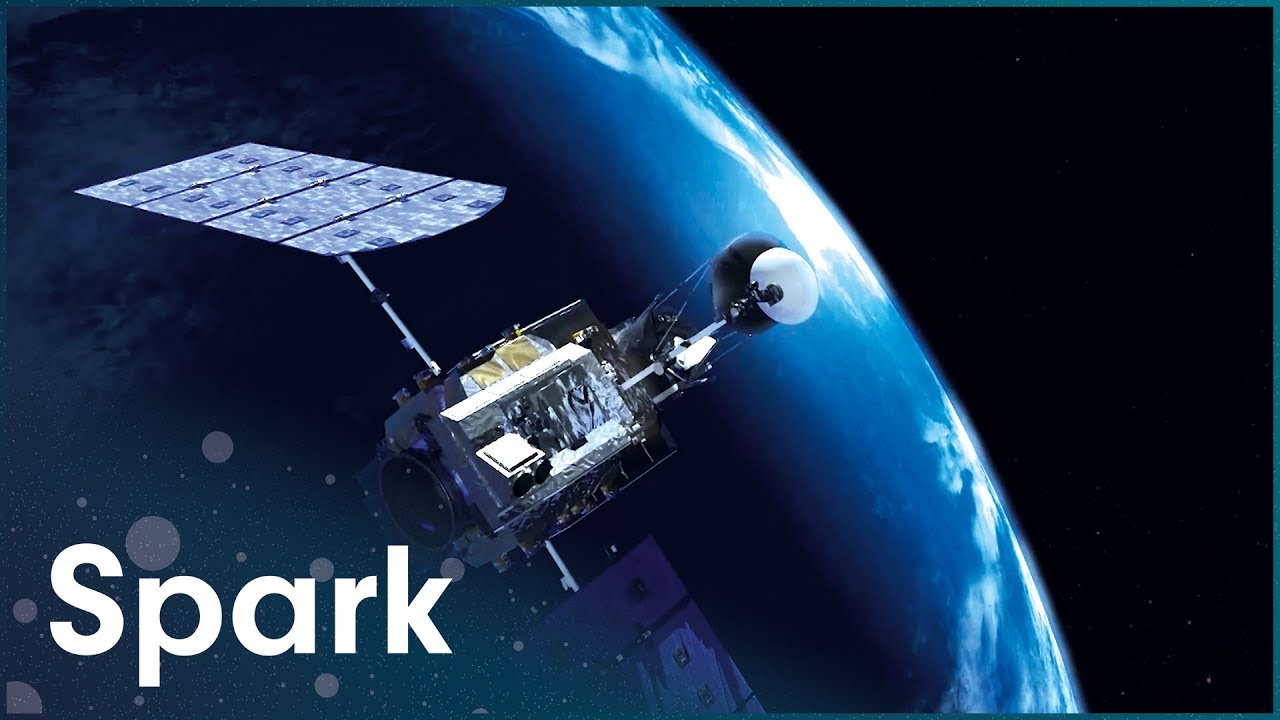
Approximately 1,000 operating satellites in Earth's orbit are essential for monitoring climate change and advancing technology to protect the planet.
A comet threatens Earth again as families seek shelter and scientists track its impact.
In November 2016, astronauts Thomas Pesquet, Peggy Whitson, and Oleg Novitsky prepare for a six-month mission aboard the International Space Station.
Sustainable water solutions are explored through the efforts of three individuals addressing global water scarcity in an increasingly thirsty world.
An asteroid impact in Yucatan in 2007 triggers global devastation, plunging major cities like Paris and New York into darkness and leading to widespread extinction.
Sixty-five million years after a comet caused mass extinction, astrophysicist Noah Boyle and computer scientist Shiang Yatan monitor a new impending impact from Hawaii.
99% of all species that ever existed have been wiped out in a series of global catastrophes that nearly stopped evolution on Earth.
Venus once had a similar climate to Earth but is now a hostile environment.