From over 100,000 films, discover the handful you'll love.
Free or premium access to the world's largest documentary library.
282 films(Page 4 of 6)
200 Watchers are said to have descended to Earth to oversee humanity and impart forbidden knowledge, according to the Book of Enoch.
Fermi Gamma Ray Space Telescope detects antimatter beams from thunderstorms on Earth.
NASA’s Parker Probe Plus is exploring the Sun's outer atmosphere to enhance understanding of its power and the effects on Earth.
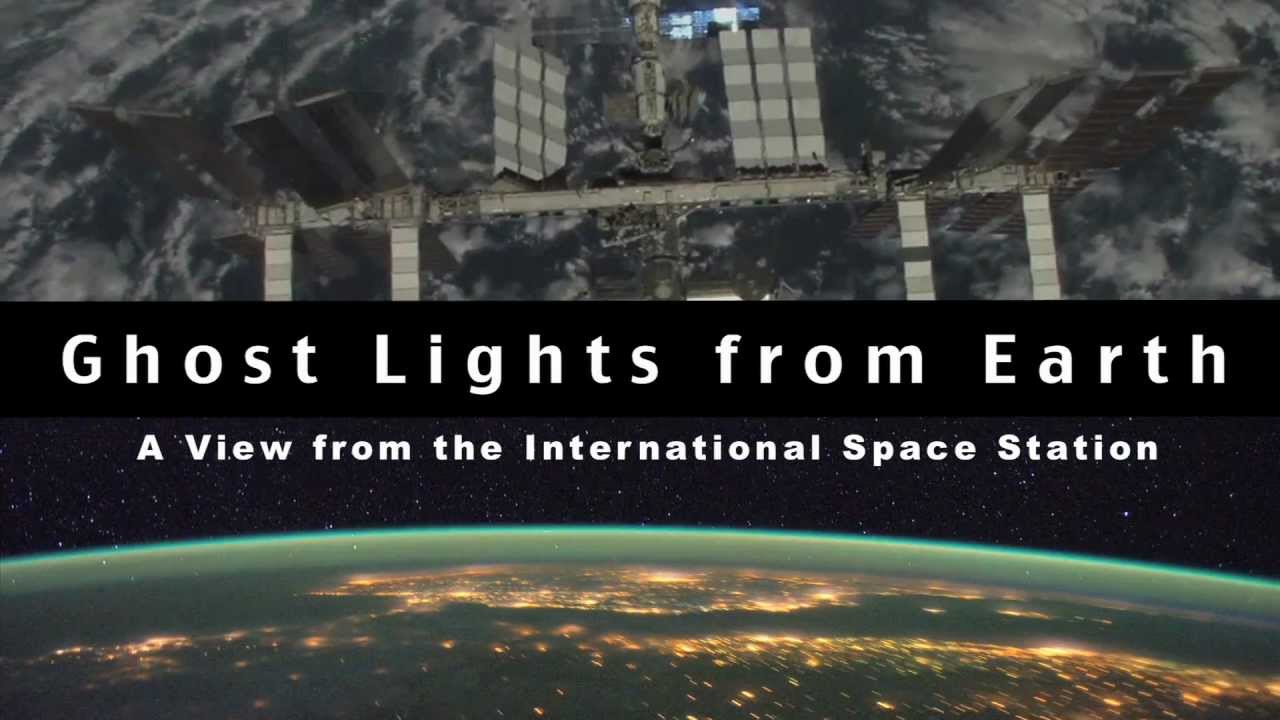
Astronauts aboard the International Space Station capture timelapse sequences of Earth's luminescent phenomena, showcasing city lights, thunderstorms, and aurorae.
Eva zu Beck travels to Tanzania to meet the Hadza, one of the last hunter-gatherer tribes, highlighting their unique lifestyle and survival skills.
The space shuttle program aims to make travel to low Earth orbit cost-effective but faces challenges.
In Delhi, a recent heatwave reaching 48˚C has resulted in over 100 deaths, highlighting the severe impact of climate apartheid on vulnerable populations.
The rise of the Tibetan plateau played a crucial role in the evolution of Homotherium, a unique and successful prehistoric cat species.
A sinkhole in North America has provided insights into the migration of a red panda relative, revealing historical connections between continents.
Tiny exoskeleton fragments may have enabled ancient microbes to travel across the ocean, significantly impacting Earth's ecological history.
The evolution of the butthole in animals, including starfish and earthworms, reveals significant insights into anatomical development and classification as deuterostomes and protostomes.
The relationship between physical strength and cognitive ability has been intertwined throughout history, challenging the notion that they are mutually exclusive.
66 million years ago, the ability to chew food effectively may have enabled tiny mammals and lizard-like reptiles to survive the mass extinction caused by an asteroid impact.
The Soviet Union wins the Cold War space race with Sputnik and Laika, leaving Americans disheartened.
The extinction of dinosaurs led to significant ecological changes that facilitated the evolution of diverse fruit species and their respective consumers.
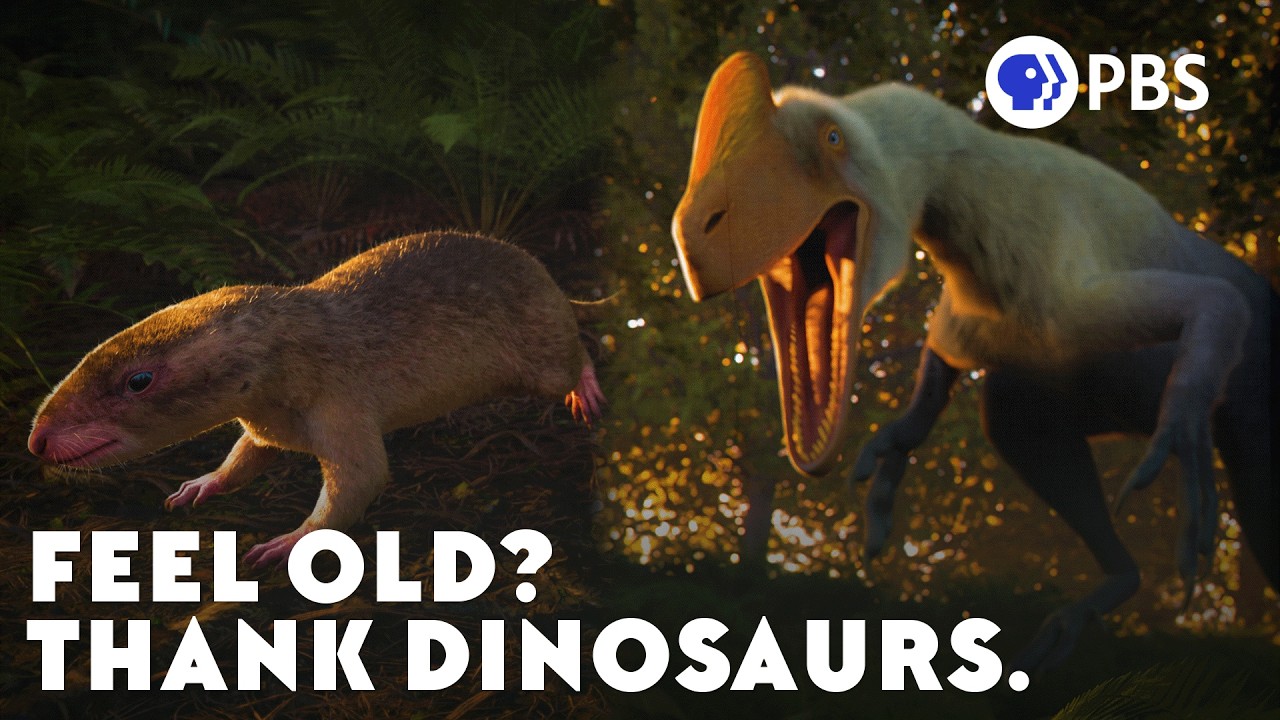
Dinosaurs may have influenced the aging process in modern vertebrates, suggesting a link between their extinction and the accelerated aging of species today.
This video explains how rockets travel from Earth to the Solar System using Newton's laws.
Mountains significantly influence evolutionary processes, altering animal diversity and revealing unexpected insights about primates over time.
Neil Armstrong practices landing the lunar module on a training vehicle designed for Apollo missions.
During the golden age of sharks, diverse species thrived in Earth's oceans, but most of that remarkable variety was lost over time.
The rise of venomous elapids has triggered an evolutionary arms race, impacting not only other species but also early human ancestors.
Solar Flares pose serious threats to Earth through high-energy radiation and magnetic disturbances.
Long-jawed proboscideans evolved into modern elephants, mammoths, and mastodons as climate changes prompted adaptations like the flexible trunk for better survival.
The rise of the Himalayas has significantly influenced global ecosystems, contributing to the evolution of giant flightless birds in Madagascar and the expansion of North America's grasslands.
Sixty-six million years ago, a giant asteroid impact led to the extinction of the dinosaurs, with recent research pinpointing its origin and trajectory.
Hubble Space Telescope engages in ambitious projects to enhance astronomical data collection.
In the African savanna, an elephant herd fiercely defends baby Binti from a hyena clan, highlighting the challenges of wildlife survival and ecosystem dynamics.
In Alice Springs, Australia, ranchers reported hearing a sound estimated at 310 decibels, marking it as the loudest sound ever recorded on Earth.
Kim Stanley Robinson reflects on his childhood fascination with space, his experiences with astronomy, and the significance of understanding Earth's place in the universe.
In the Arctic, world-class scientists and filmmakers from National Geographic explore the region's unique wildlife and ancient civilizations, highlighting its beauty and fragility.
The iridium anomaly reveals evidence of an extraterrestrial impact beneath the Earth's surface.
A series of earthquakes rocks Japan, prompting evacuations and tsunami warnings along the coast.
A nuclear bomb enters Earth's atmosphere and releases its warheads after an attack signal.
Liam Gallagher shares his quirky music thoughts, referencing Atari and Kuki in this episode.
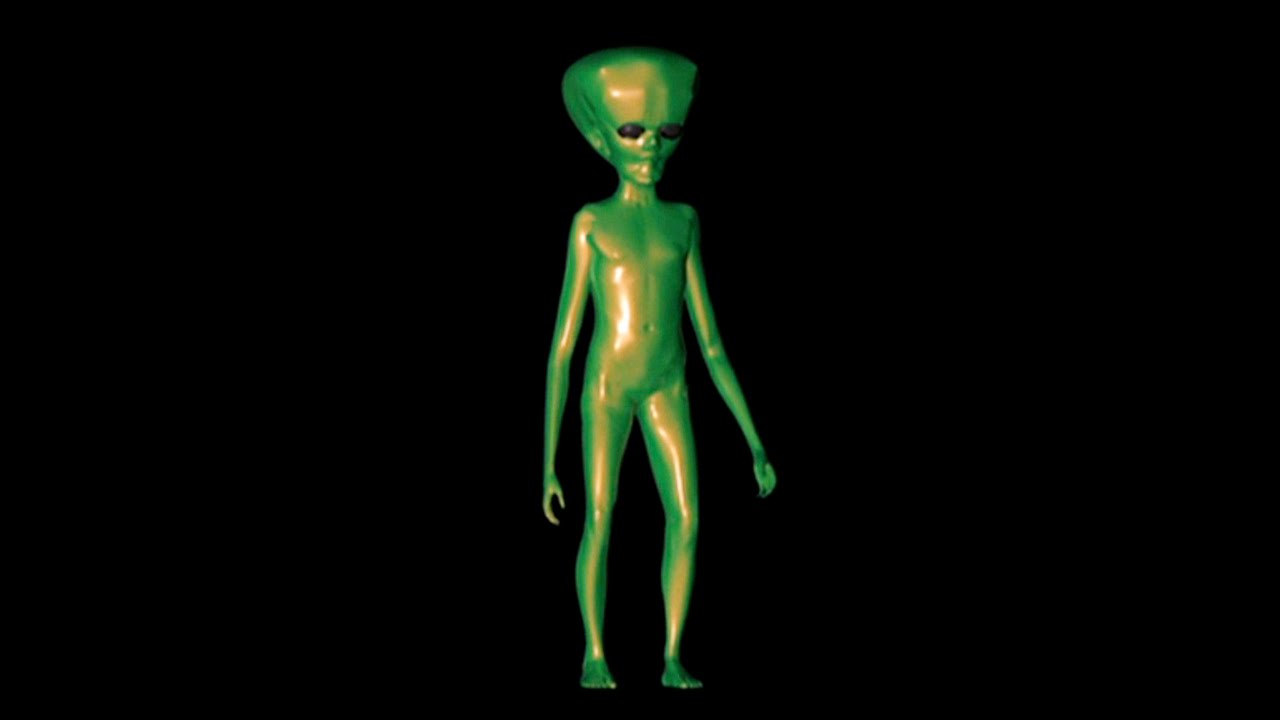
Humanoid alien encounters, often involving abduction and experimentation, raise questions about extraterrestrial motivations and the implications of interstellar travel.
On Christmas Eve, a little devil named Lucretia sneaks out of Hades and travels through the galaxy to experience the holiday on Earth.
Around 4 billion years ago, Jupiter and Saturn's alignment triggers asteroid bombardment on Earth.
Mauna Loa erupts, threatening a Hawaii highway with advancing lava flows.
360 million years ago, the emergence of Meganeura, a giant dragonfly, coincided with significant geological and biological events on Earth, as depicted in vivid footage.
Scientists predict a collision between the Milky Way and Andromeda Galaxy in 4 billion years.
A lunar cycle lasts precisely 29 days, 12 hours, 44 minutes, and 2.8 seconds, complicating ancient efforts to create an accurate calendar.
Ten people died in a helicopter crash in Argentina, including three French sports figures, as the aircraft fell from the sky near Villa Castelli.
World-class scientists, photographers, and filmmakers showcase the wonders of wildlife, ancient civilizations, and hidden worlds through National Geographic's lens.
NASA's Kepler space telescope detected two planets orbiting Kepler-62, located 1,200 light-years from Earth, that may hold water and support life.
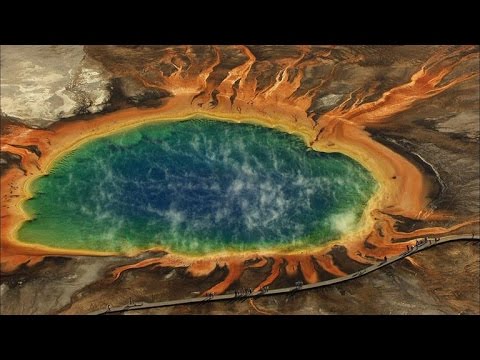
The Grand Prismatic Spring in Yellowstone National Park features vibrant colors and is home to some of Earth's earliest life forms, attracting many visitors.
Massive extinctions reshape life on Earth, revealing humanity's role in ongoing species loss.
The Late Heavy Bombardment bombards Earth with comets and space debris for 200 million years.
A group of hominins, including Paranthropus, followed a parallel evolutionary path to modern humans, ultimately leading to their extinction.