From over 100,000 films, discover the handful you'll love.
Free or premium access to the world's largest documentary library.
416 G-rated films available
During the Carboniferous Period, approximately 315 million years ago, insects and other arthropods thrived in enormous sizes, vastly outnumbering early terrestrial life.
Neandertal DNA reveals complex gene flow between species, highlighting the shared genetic legacy that may influence modern human traits.
Tyrannosaurus rex, one of the most famous dinosaurs, may have been misnamed, prompting a reevaluation of its classification and historical significance.
Spinosaurus, a dinosaur once thought to be semi-aquatic, is re-evaluated by paleontologists as new fossil evidence raises questions about its swimming abilities.
Botanical carnivory evolves as certain plants adapt to nutrient-poor environments, showcasing unique survival strategies in species like sundews.
Metriorhynchids, a group of marine reptiles, thrived in prehistoric seas while dinosaurs dominated the land, showcasing unique adaptations for aquatic life.
Gigantopithecus, the largest known great ape, offers insights into its lifestyle and extinction, highlighting lessons for modern primates.
Beardogs, a unique group of prehistoric mammals with both bear-like and dog-like features, are essential for understanding the evolution of the mammal family tree.
In the last 25 years, paleontologists have made discoveries that have changed the understanding of dinosaur evolution and their relationship to birds.
Around the time some fishapod relatives were adapting to life on land, others, like Qikiqtania, were returning to aquatic environments.
Crows exhibit cognitive abilities comparable to those of seven-year-old humans, showcasing advanced problem-solving and tool-use skills.
Hundreds of thousands of spider crabs march across seagrass plains in Australia, seeking safety in numbers as they molt and face predators.
Toba supervolcano's massive eruption 74,000 years ago significantly impacted human evolution and the environment, as explored through scientific reconstructions.
Mars has a complex natural history that parallels Earth's, revealing insights into planetary evolution and the potential for life beyond our planet.
Thousands of years of interactions between humans and wolves led to the domestication of dogs, shaping their genetics and anatomy into the companions known today.
The Giant Irish Elk, with antlers reaching 12 feet, inhabited Ireland until its extinction nearly 11,000 years ago, prompting inquiries into its disappearance.
The Great Unconformity reveals a missing chapter in Earth's history, potentially linked to a fracturing supercontinent and the diversification of life.
Alexander von Humboldt's expedition to South America revealed the interconnectedness of nature, influencing scientific thought and the abolitionist movement in the US.
At Cerro Ballena in Chile, over 40 skeletons of marine mammals from the Late Miocene Epoch reveal insights into the environmental changes that may have contributed to their demise.
In the animal kingdom, certain species have evolved advanced senses that enable them to excel as elite hunters and communicators in their natural environments.
Aggressive behavior among animals, particularly in defense of food, territory, social status, and mates, plays a crucial role in survival and population dynamics.
In the Cretaceous Period, the Arctic was a challenging environment for dinosaurs, yet fossils reveal their remarkable adaptations for survival in extreme winter conditions.
In 1976, William Shatner narrates a short documentary that explores the sun, planets, black holes, and galaxy formations within the Solar System.
Reptiles evolved during the Mesozoic era, showcasing their transformation from modest creatures to some of the largest life forms on Earth.
The evolution of feathers in flightless dinosaurs is examined through a unique paleontological experiment involving a robot dinosaur.
The Cretaceous Resinous Interval, a 54-million-year period marked by widespread amber preservation, raises questions about the environmental conditions that caused its sudden disappearance.
A colossal argentinosaurus grew from 5 kilograms at birth to an astonishing 75,000 kilograms over 40 years, laying tens of thousands of eggs in Patagonia.
Paleontologists found a theropod dinosaur skull atop a nest of eggs, revealing that raptors like Citipati were likely caring parents rather than nest robbers.
Great White Sharks have evolved over 11 million years, adapting alongside seals and other pinnipeds in response to a cooling climate, as documented by cameraman Andy Casagrande.
130 million years ago, the rise of flowering plants was linked to a series of catastrophic fires that reshaped Earth's ecosystems.
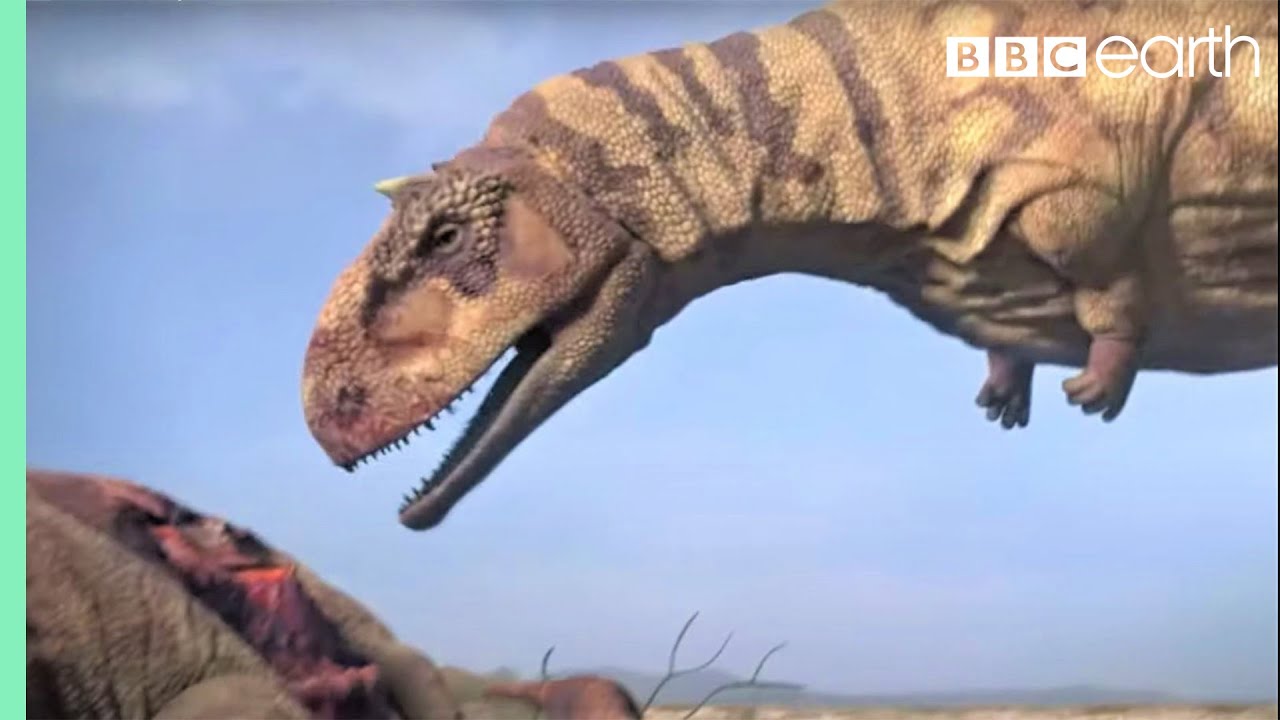
Five notable moments in the history of dinosaurs are highlighted, showcasing their evolution and extinction through engaging visuals and expert commentary from BBC Earth.
Recent research raises questions about the evolutionary significance of bird wings, challenging perceptions of their normalcy in the animal kingdom.
The origins of humanity's beverage consumption are explored through an examination of the world's oldest drinks, revealing unexpected historical insights.
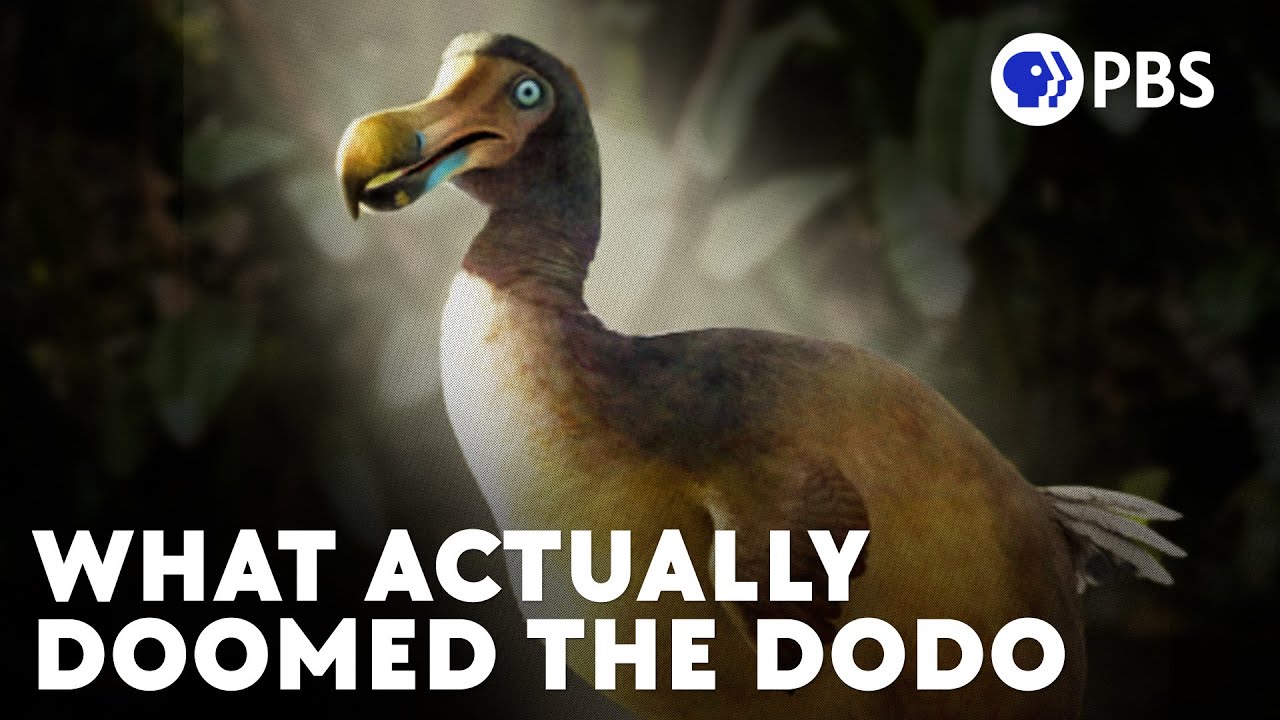
The extinction of the dodo bird, a unique species that evolved on the island of Mauritius, raises questions about human responsibility and environmental impact.
Crustaceans repeatedly evolve into crab-like forms across various species, raising questions about the evolutionary advantages of this morphology.
Evolutionary biologist Mike McHargue joins hosts Sebastian and Rutendo to explore how animals like rats and spiders inspire human innovation through their unique abilities.
In the Philippines, a nation of over 7,000 islands, wildlife and human populations have adapted to the unique challenges of one of the world's oldest archipelagos.
Teeth, a revolutionary adaptation in vertebrates, have evolved to disappear in certain groups, raising questions about the mechanisms behind this phenomenon.
Orangutans have been studied for more than five years in a remote corner of the Sumatran rainforest, revealing their complex social behaviors and intelligence.
The Western Interior Seaway, which once stretched from the Caribbean Sea to the Canadian Arctic, is explored through scientific insights and historical context.
Dental calculus, the hardened residue on teeth, serves as a unique fossil record that allows scientists to trace microbial evolution over 40 million years.