From over 100,000 films, discover the handful you'll love.
Free or premium access to the world's largest documentary library.
419 G-rated films available
The Western Interior Seaway, which once stretched from the Caribbean Sea to the Canadian Arctic, is explored through scientific insights and historical context.
Dental calculus, the hardened residue on teeth, serves as a unique fossil record that allows scientists to trace microbial evolution over 40 million years.
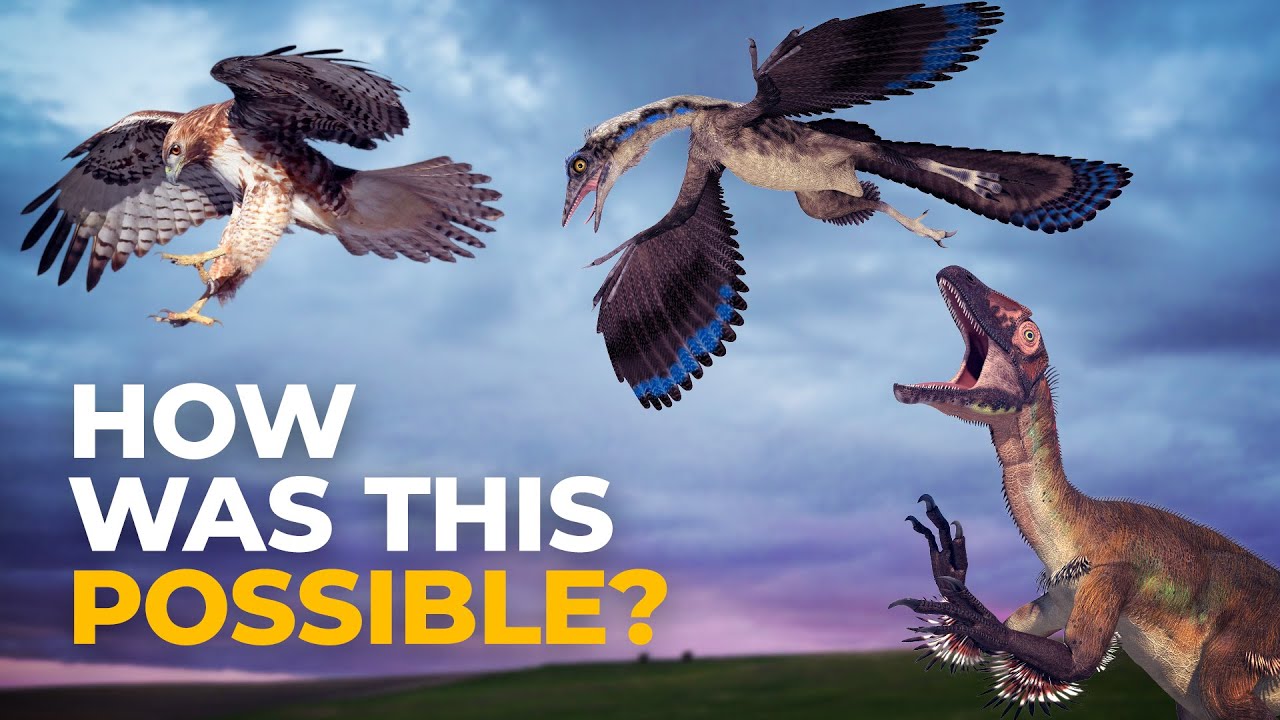
The evolution of flight is explored through the lens of biology, technology, and the impact of human innovation on aviation history.
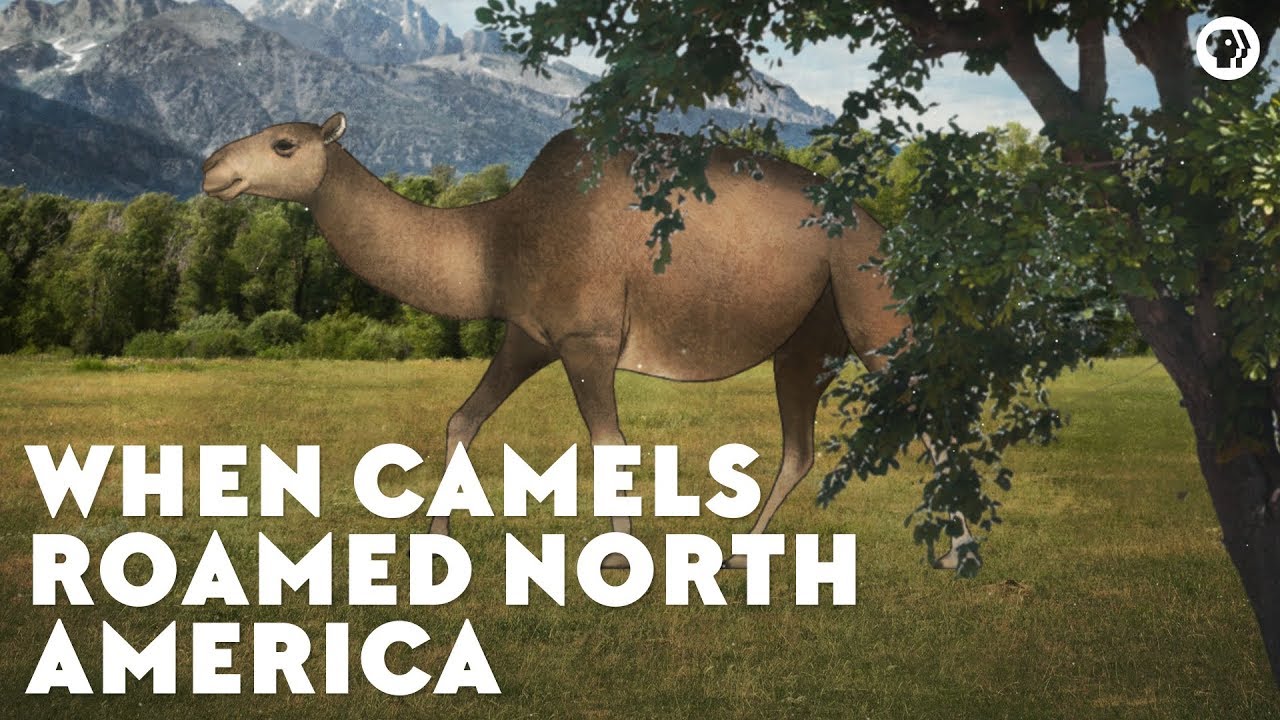
Camels originated in North America over 40 million years ago, thriving in a rainforest environment before adapting to harsher climates.
Fossils from various global locations reveal that multi-cellular life existed before the Cambrian Explosion, showcasing greater complexity and diversity than previously understood.
Rio, a ten-year-old scarlet macaw, attempts a string pull test to retrieve a peanut, demonstrating problem-solving skills previously underestimated in birds.
The Triassic period featured a diverse array of unique animals, illustrating evolutionary patterns shaped by two significant mass extinctions.
Fossilized feces and stomach contents from the Late Triassic Period provide insights into the diets and behaviors of ancient dinosaurs, shaping our understanding of their ecology.
A cuttlefish participates in a modified version of the Stanford Marshmallow Test, challenging existing notions of intelligence and self-control in marine life.
Beth Shapiro, Chief Science Officer at Colossal, explains the scientific principles behind de-extinction and why the scenarios depicted in Jurassic Park are unrealistic.
Cataclysmic eruptions in the American West, explored through geological phenomena, reveal how significant events can occur without widespread devastation.
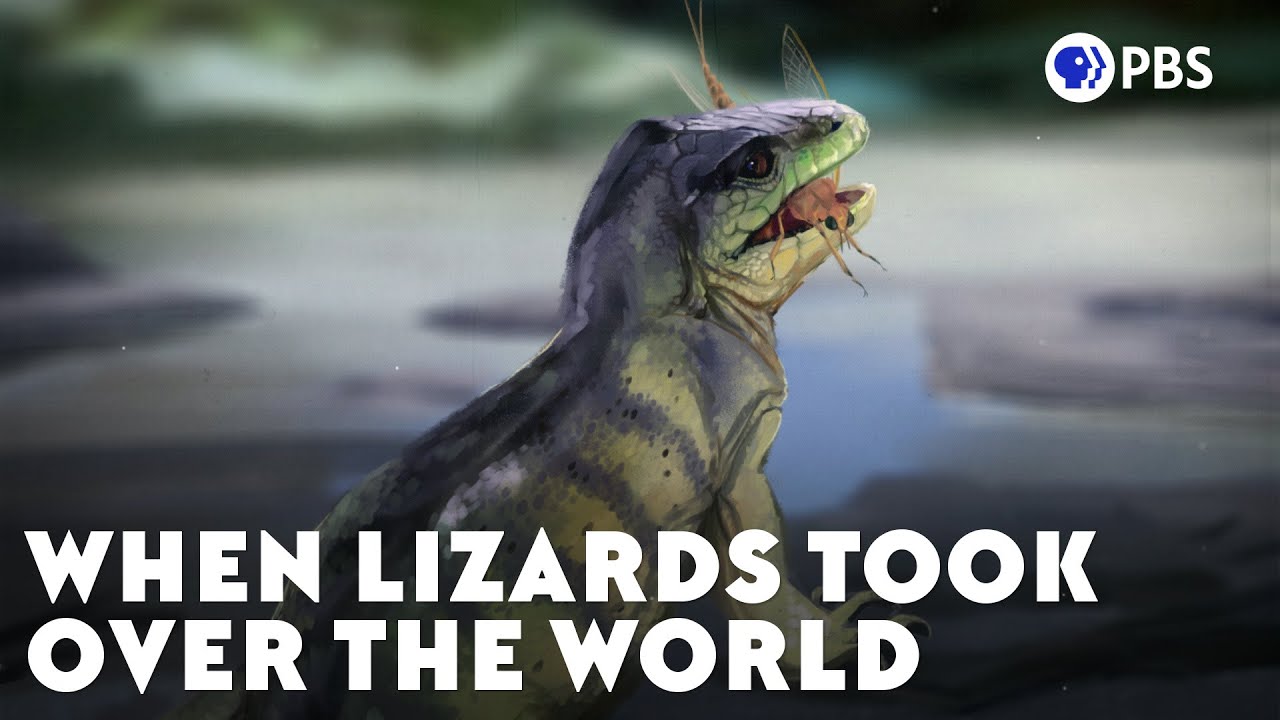
Lizards, once facing competition from similar reptiles, evolved over millions of years to become one of the most diverse and widespread groups of animals on Earth.
Smilodon, a formidable Ice Age predator with 18-centimeter-long fangs, represents the culmination of a long evolutionary trend among sabertooth cats.
In 1977, a farmer in the Andes mountains discovered a giant fossilized skeleton, raising questions about how a marine reptile ended up at such a high altitude.
In the forests of Uganda, primatologists, alongside Jane Goodall, investigate the cultural behaviors and communication skills of chimpanzees, revealing their similarities to humans.
Titanoboa, the largest snake ever known, thrived in ancient Colombia around 59 million years ago due to the effects of a warming planet.
Marty Stouffer examines the extraordinary adaptations and behaviors of unusual animal species, including a spider that has learned to fish.
300 hungry crocodiles live in the mighty river, ambushing wildebeest as they attempt to drink, while wolves coordinate pack hunts for bison.
Sauropods, the largest land animals in history, faced significant anatomical and physiological challenges due to their unprecedented size and gigantism.
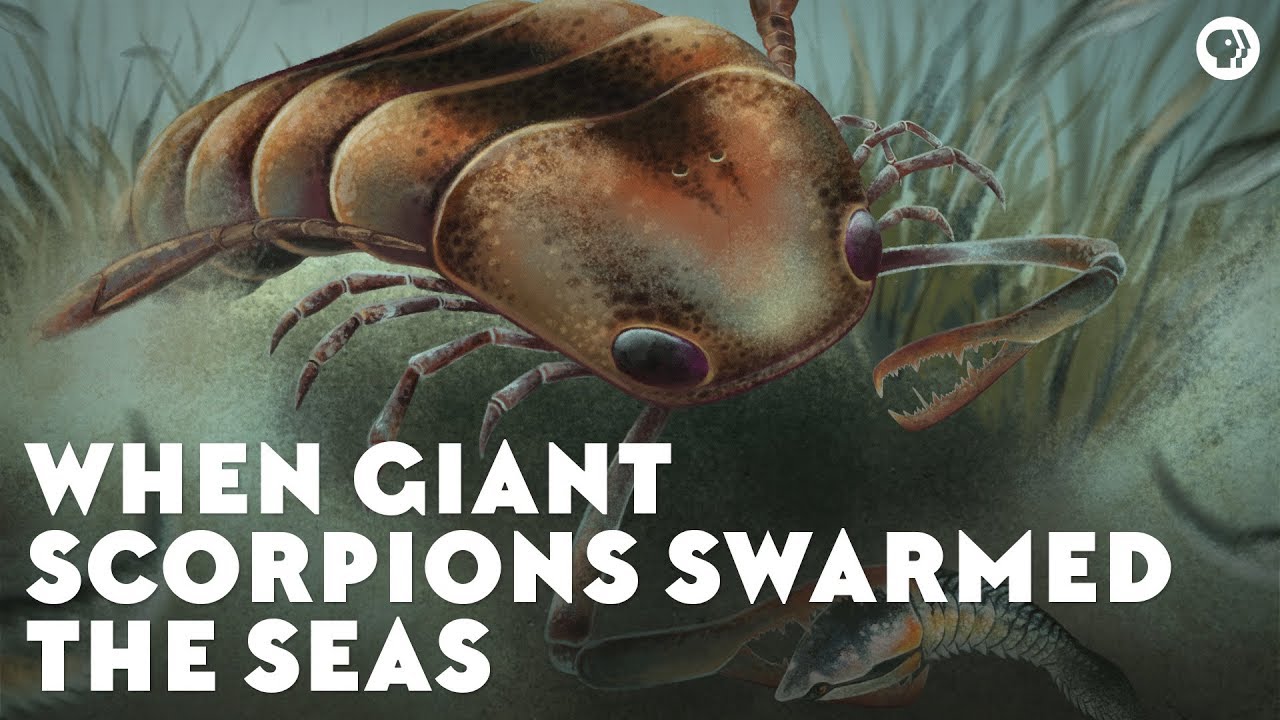
Sea scorpions, which thrived for 200 million years, evolved various adaptations, including massive sizes that made them the largest arthropods in history.
Spiders and their ancestors have driven an evolutionary arms race that led to the development of powered flight in insects long before they inhabited land.
A 7-ton male Stegosaurus, equipped with meter-long spikes on its tail, poses a lethal threat despite its small brain size.
Blood has evolved in various forms, including red, blue, and green, showcasing its transformative role in the evolutionary history of animals over millions of years.
Mammals, birds, and amphibians exhibit a maximum of five digits, with evolutionary insights provided by paleoartists like Julio Lacerda and Fabrizio de Rossi.
3 billion years ago, an excess of oxygen in Earth's atmosphere nearly led to the extinction of all life, a phenomenon known as the Oxygen Catastrophe.
Proboscis monkeys have outrageous noses that help attract mates and digest toxic leaves.
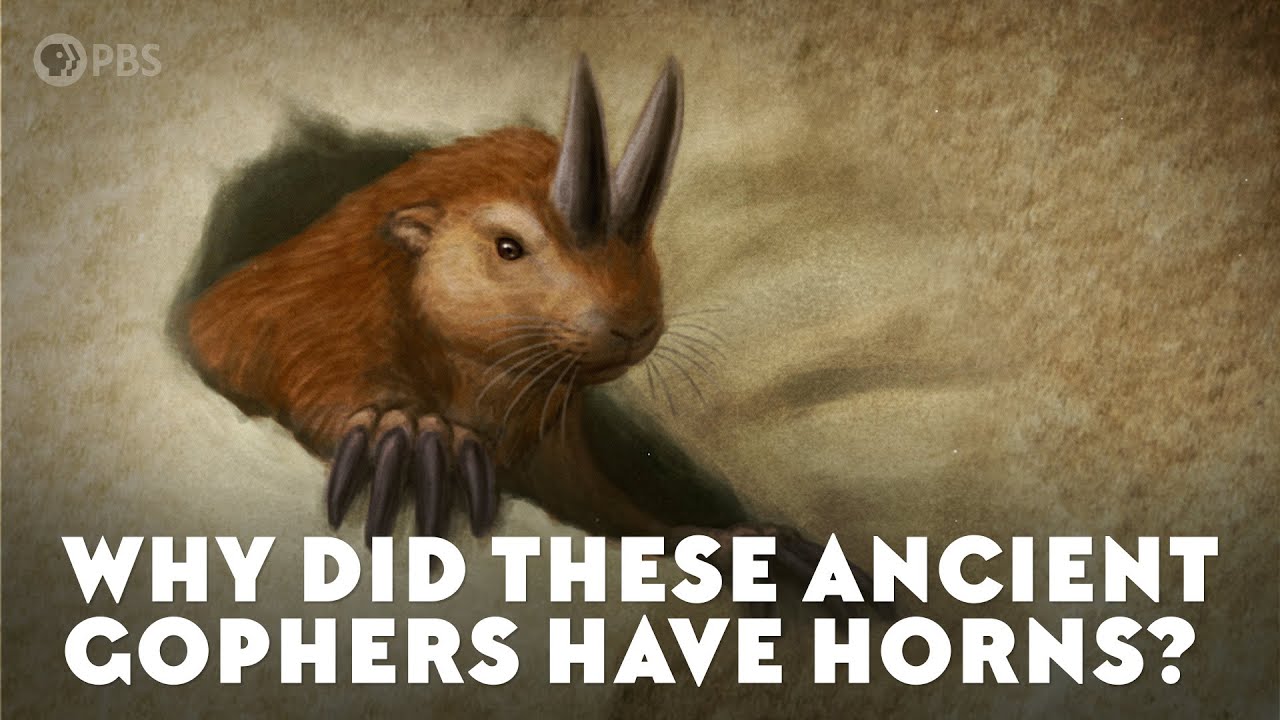
Ceratogaulus, commonly known as horned gophers, possessed horns that likely served a beneficial purpose for these ancient rodents, as explored in Samantha Hopkins' research.
Earth ploughs through about 40 tons of material in space each day, a process that has shaped its formation over 4.5 billion years.
The study of supercontinents explores Earth's dynamic geological history, highlighting key concepts such as plate tectonics and the contributions of scientists like Marie Tharp.
In the Ediacaran period, diverse worm-like organisms thrived in a region known as Wormworld, ultimately leading to its ecological decline through their own activities.
Paul Sereno has uncovered nearly 100 tons of dinosaur material in Africa, including the Spinosaurus, which challenges traditional views of dinosaur habitats.
In the deep sea, unique creatures have evolved remarkable anatomical, physiological, and behavioral adaptations to survive in extreme conditions, including high pressure and darkness.
Pterosaurs, known for their aerial dominance during the Mesozoic Era, also inhabited terrestrial environments, revealing insights into their life on land.
The Younger Dryas, a significant climatic event, has prompted extensive scientific debate regarding its causes and the potential for similar occurrences in the future.
Paleontologists have debated for two decades whether Coelophysis engaged in cannibalism, analyzing unusual fossils to find conclusive evidence.
In 2003, a nearly complete mammaliaform fossil found in a Chinese lakebed revealed insights into the diversification and extinction of Mesozoic mammals.
Beelzebufo, the giant frog that coexisted with dinosaurs, presents a complex challenge in understanding amphibian evolution and paleobiology.
In the tepuis of South America, climber Mark Synnott collaborates with ecologist Bruce Means to explore unique biodiversity and identify a new frog species.
In the Cambrian period, the emergence of terrestrial plants significantly altered Earth's climate and contributed to the first mass extinction event.
During the golden age of sharks, diverse species thrived in Earth's oceans, but most of that remarkable variety was lost over time.