From over 100,000 films, discover the handful you'll love.
Free or premium access to the world's largest documentary library.
416 G-rated films available
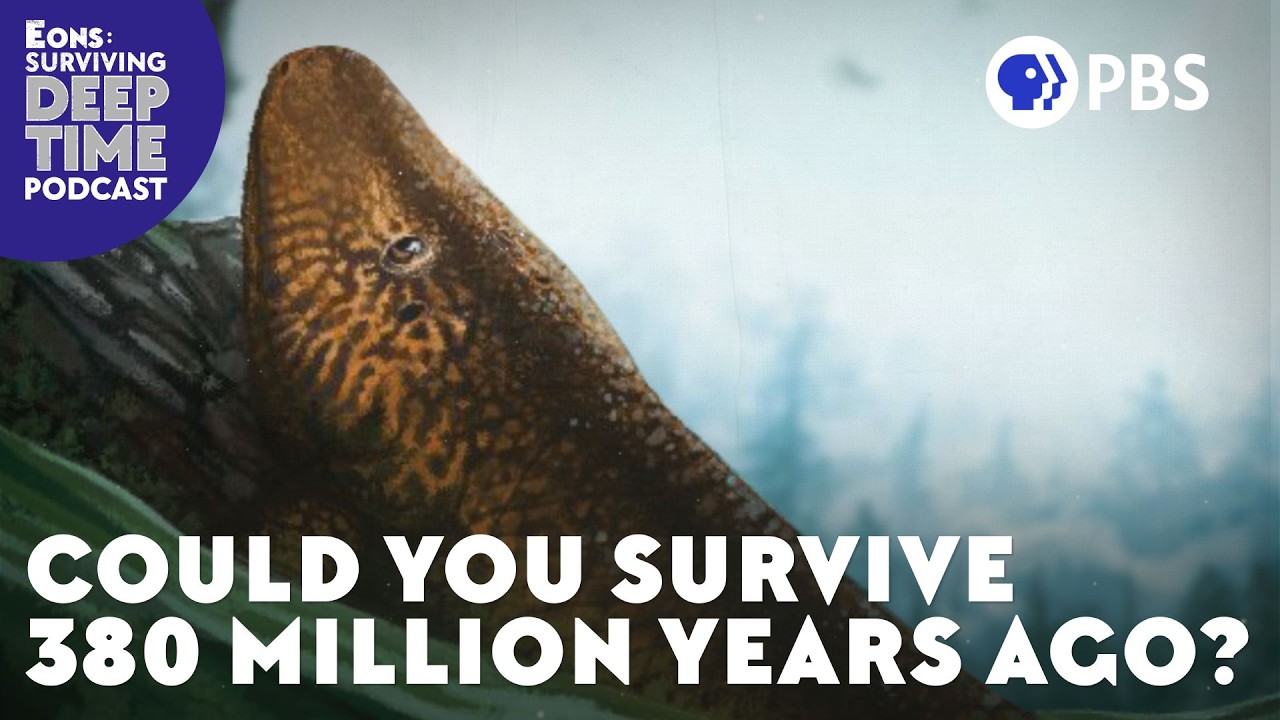
The Devonian Period saw the emergence of Tiktaalik, one of the first vertebrates to transition from water to land, amidst a flourishing of plant life and ancient invertebrates.
Plants first emerged on land over 470 million years ago, but for the initial 80 million years, leaves as they are known today did not exist due to various evolutionary constraints.
Tiny exoskeleton fragments may have enabled ancient microbes to travel across the ocean, significantly impacting Earth's ecological history.
Humans possess a unique facial feature known as the chin, which no other animal has, yet its evolutionary purpose remains uncertain.
In the animal kingdom, encounters such as a stingray ambushing crabs and a mother lioness hunting a warthog highlight the fierce struggles for survival.
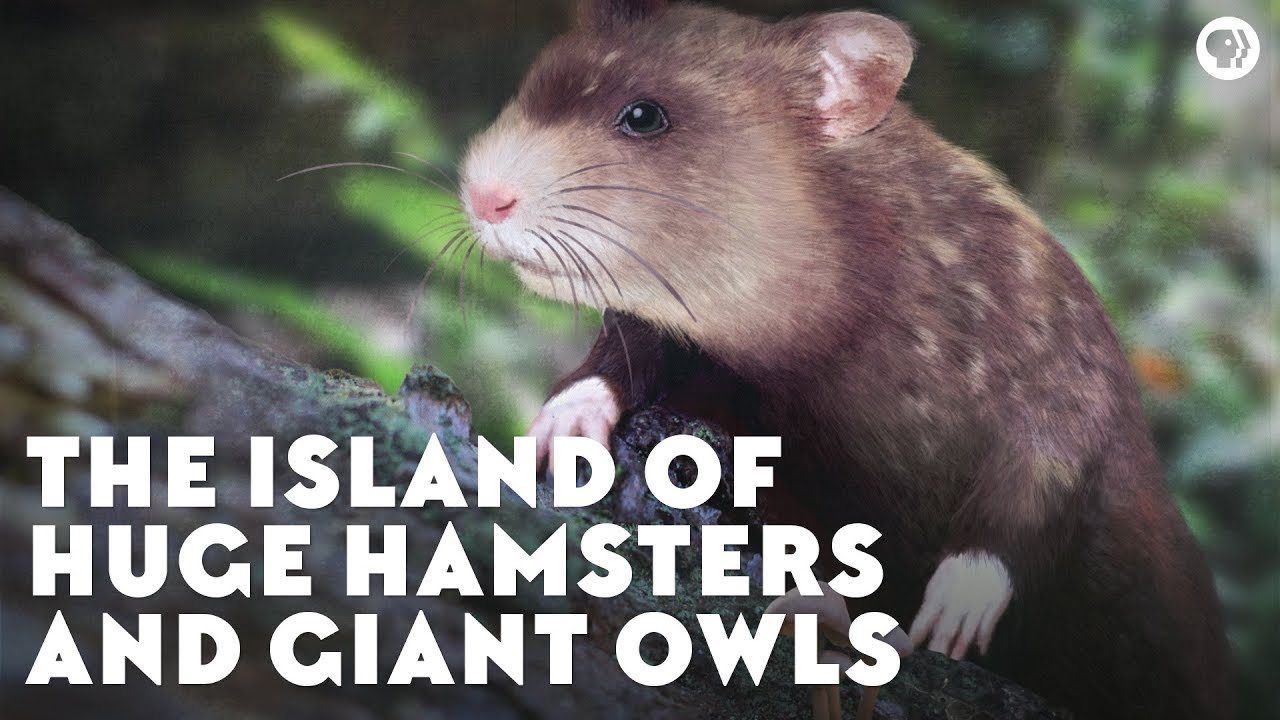
In the late Miocene epoch, an island in the Mediterranean Sea was home to extraordinary giant species, illustrating the unique effects of natural selection.
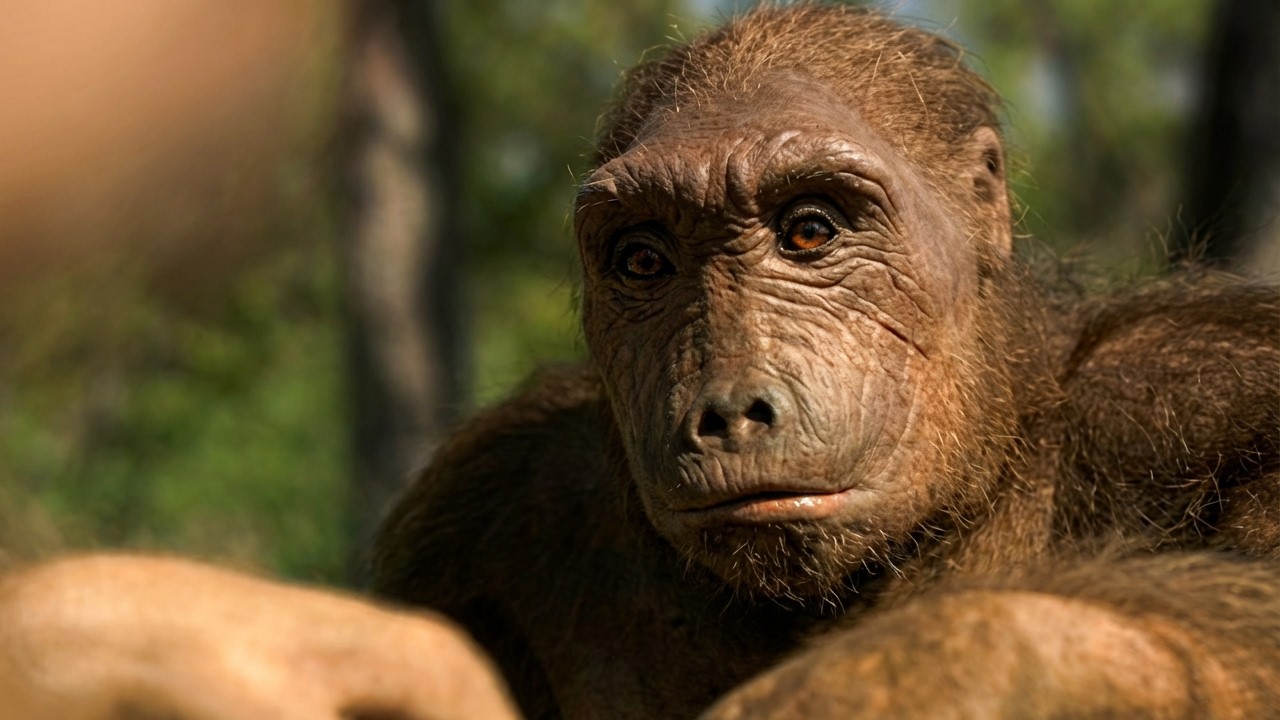
In July 2001, a Franco-Chadian expedition led by paleoanthropologist Michel Brunet discovered a seven-million-year-old fossil skull in the Djurab Desert, pushing back the timeline of hominid evolution.
In Tasmania, the survival strategies of the Tasmanian devil are examined alongside the competitive dynamics of predators like bears, sea lions, and wolves.
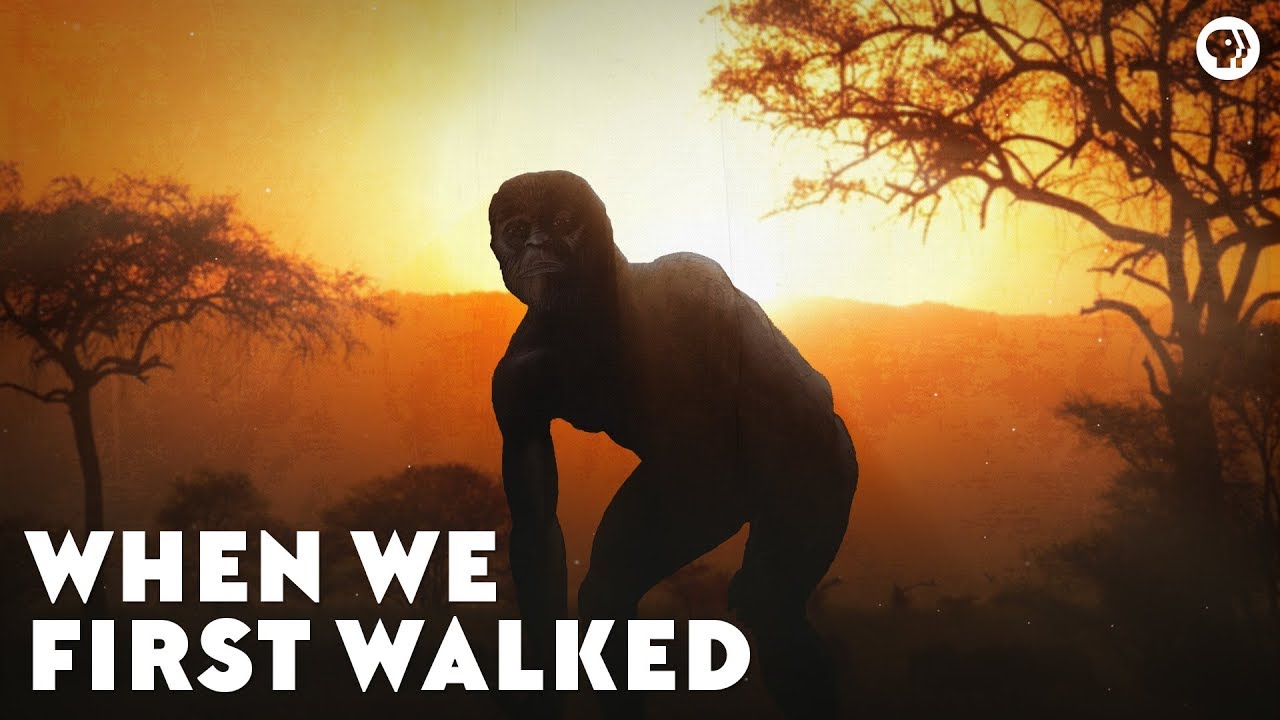
Fossilized footprints in Laetoli, Tanzania, provide evidence that human ancestors were walking on two legs 3.6 million years ago, raising questions about early bipedalism.
Borneo, the world's third largest island, is home to 400,000 square kilometers of ancient rainforest where unique species have evolved over 12,000 years.
Mammoth fossils found on California's Channel Islands reveal a unique, smaller species that evolved due to isolation and environmental factors.
Fossilized dinosaur footprints found by a palaeontologist in the 1960s suggest a dramatic hunt and kill, revealing a one hundred million year old battle.
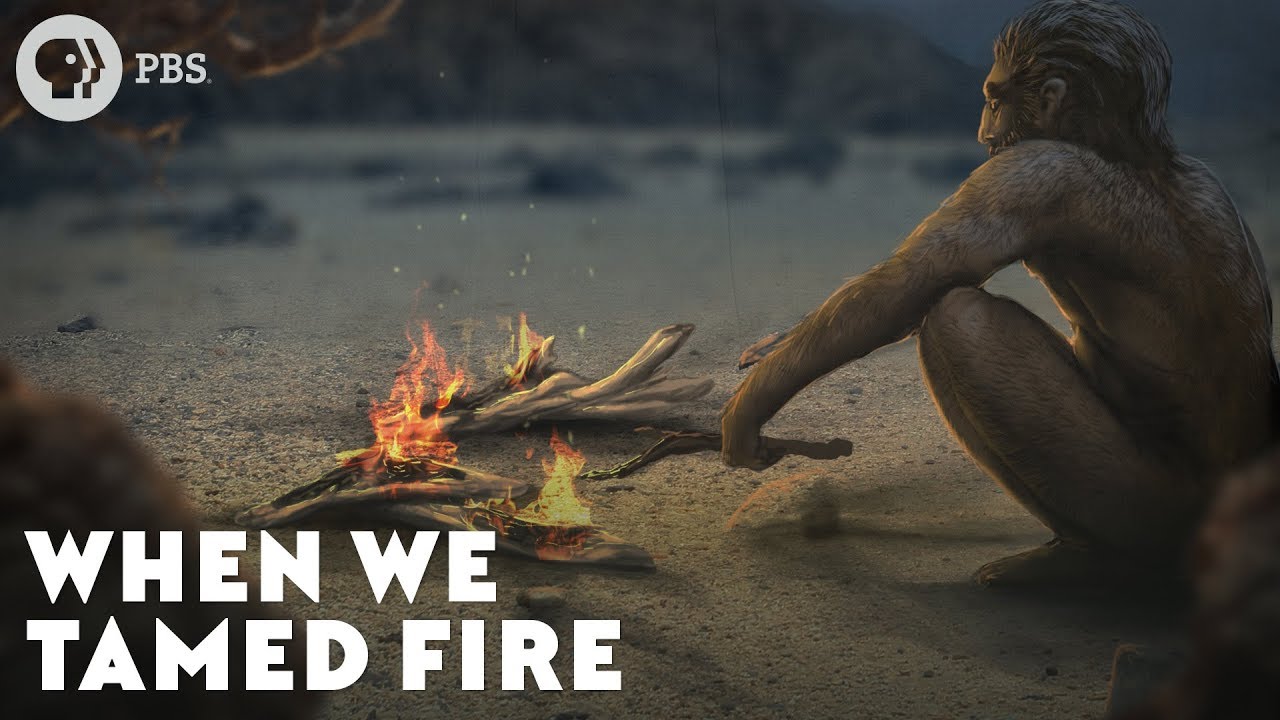
The ability to make and use fire has significantly influenced human evolution, shaping physical and social development throughout history.
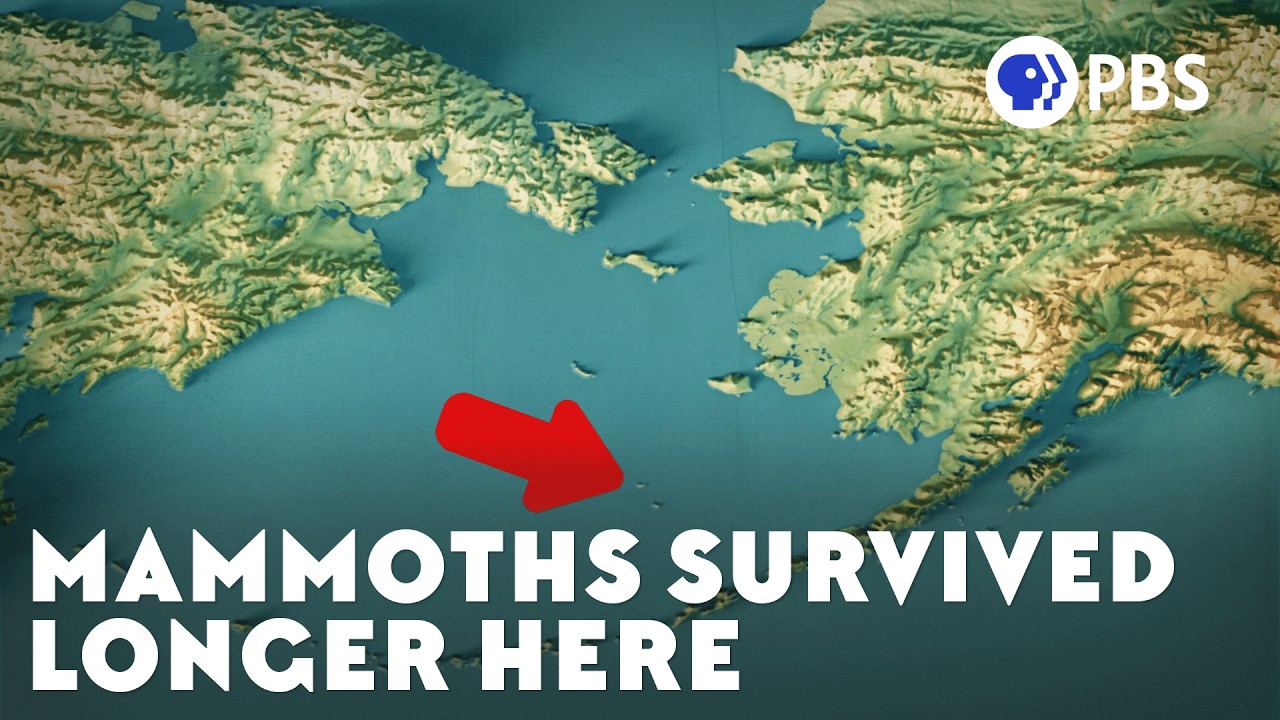
About 5,700 years ago, a herd of woolly mammoths roamed a treeless tundra on St. Paul Island, Alaska, marking one of the last chapters of their existence.
Reptiles, including crocodiles, turtles, snakes, and lizards, showcase their ancient adaptations and survival strategies across diverse habitats worldwide.
Australia's diverse ecosystems, from the tropical Top End to the arid outback, host some of the world's most dangerous wildlife, including saltwater crocodiles and venomous snakes.
Animal eyes exhibit a variety of unique adaptations, as explained by experts Dr. Dan Nilsson and Dr. Marty Banks, highlighting their evolutionary significance.
Crocodiles, sharks, and whales exemplify evolutionary adaptations that enhance survival, showcasing traits like slow metabolism, echolocation, and modified lungs.
A young male chimpanzee attempts to impress dominant troop leaders but learns the hard way that he is not yet strong enough to join their ranks.
Animals employ a variety of defense mechanisms, including camouflage, mimicry, and toxic chemicals, to survive against predators in the evolutionary arms race.
Orson Welles quotes H.G. Wells, stating that in the early 20th century, Earth was being watched by intelligences greater than man's.
Less than 100,000 western lowland gorillas remain in the wild, making every individual crucial for their survival.
Lizards exhibit remarkable adaptations that enable them to thrive in diverse environments around the world, showcasing their unique evolutionary traits.
Right-handedness in humans may have deep evolutionary roots, with left-handedness offering unexpected advantages, as explored through various scientific perspectives.
The evolution of horses from food sources to companions is explored through evidence from art, archaeology, and ancient DNA, raising questions about their domestication.
Dinosaur mating behavior is examined through fossil evidence and artistic reconstructions by paleontologists including Xing Lida and Sydney Mohr.
Two ancient humans, separated by time, contributed a small fraction of their genomes to all modern humans due to unique evolutionary circumstances.
Crocodiles, as one of the oldest living reptiles, have adapted over millions of years to thrive in various ecosystems around the world.
Ecosystems today include a variety of dietary options beyond carnivores and herbivores, prompting exploration of whether insects influenced dinosaur evolution.
420 million years ago, Prototaxites, a giant fungus, dominated terrestrial ecosystems and significantly influenced the evolution of life on Earth.
A group of hominins, including Paranthropus, followed a parallel evolutionary path to modern humans, ultimately leading to their extinction.
Graptolites reveal significant changes in ocean conditions during the Silurian period, highlighting periods of toxicity and subsequent ecological recovery.
As fossil evidence expands, the genus Homo increasingly includes diverse hominins, prompting exploration of what it means to be human.
The relationship between physical strength and cognitive ability has been intertwined throughout history, challenging the notion that they are mutually exclusive.
Thoatherium, a prehistoric relative of modern horses, thrived in an ecosystem that would not emerge for another 12 million years, raising questions about its adaptation.
David Attenborough returns to Madagascar to explore the legacy of the extinct elephant bird and assess the island's changing wildlife landscape.
Medium-sized predatory dinosaurs are notably scarce in fossil records from regions inhabited by larger predators like Tyrannosaurus rex, raising questions about ancient ecosystems.