From over 100,000 films, discover the handful you'll love.
Free or premium access to the world's largest documentary library.
416 G-rated films available
In the quest to understand woolly mammoths, scientists explore the potential for de-extinction using genetic blueprints and advancements in biotechnology.
The concept of a Missing Link in human evolution is examined, revealing that evolutionary processes do not support the existence of such a specimen.
Wolves chase hares, hawks pursue bats, and lions confront a bull in a series of intense predator-prey interactions showcased by BBC Earth.
In northeast Brazil, archaeologists Paul Bahn and Jean-Loïc Le Quellec investigate 50,000-year-old rock art and hearths at Serra da Capivara, challenging the "Clovis First" theory.
During the Triassic Period, a diverse array of croc-like animals thrived on Earth, overshadowing the newly emerged dinosaurs.
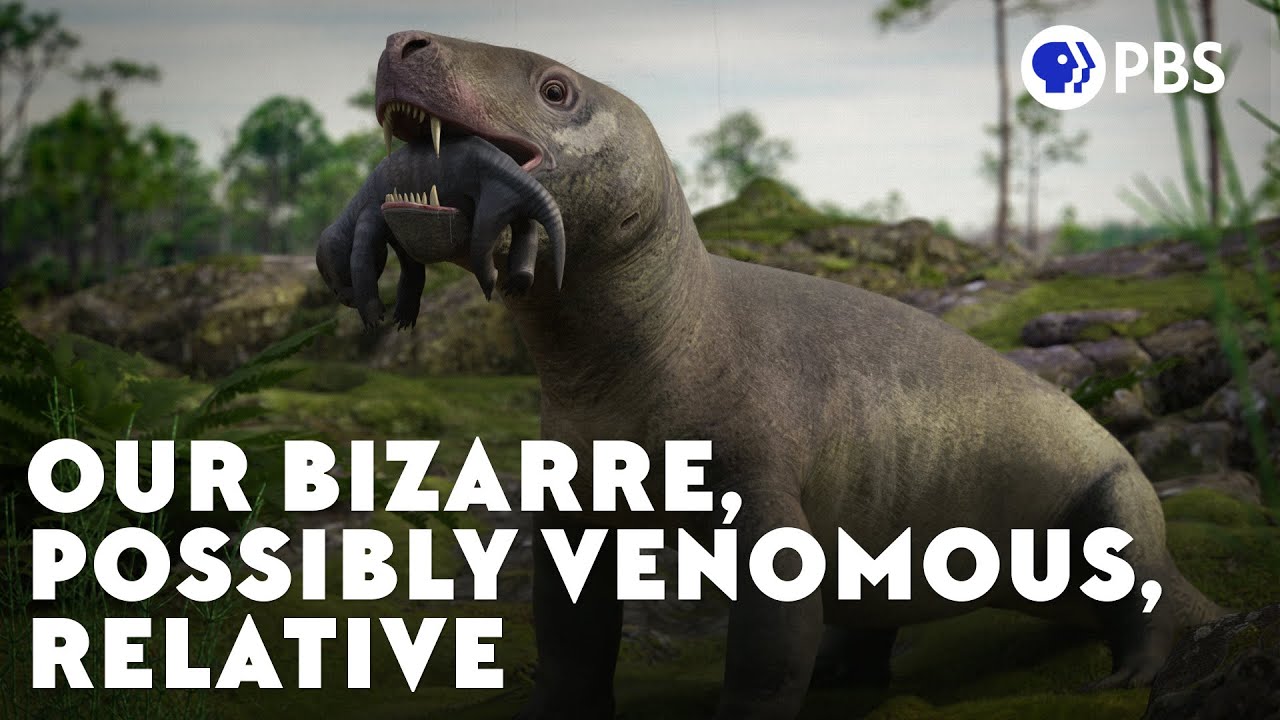
Euchambersia, a prehistoric mammal, may have possessed venom 20 million years before lizards and 150 million years before snakes, highlighting the evolution of venomous mammals.
Astronomers are using advanced telescopes and instruments to study massive black holes and cosmic eruptions that reshape galaxies and influence the universe's evolution.
Long-jawed proboscideans evolved into modern elephants, mammoths, and mastodons as climate changes prompted adaptations like the flexible trunk for better survival.
In the Late Carboniferous Period, the emergence of amniotes marked a significant evolutionary step as they adapted to life on land amidst giant insects.
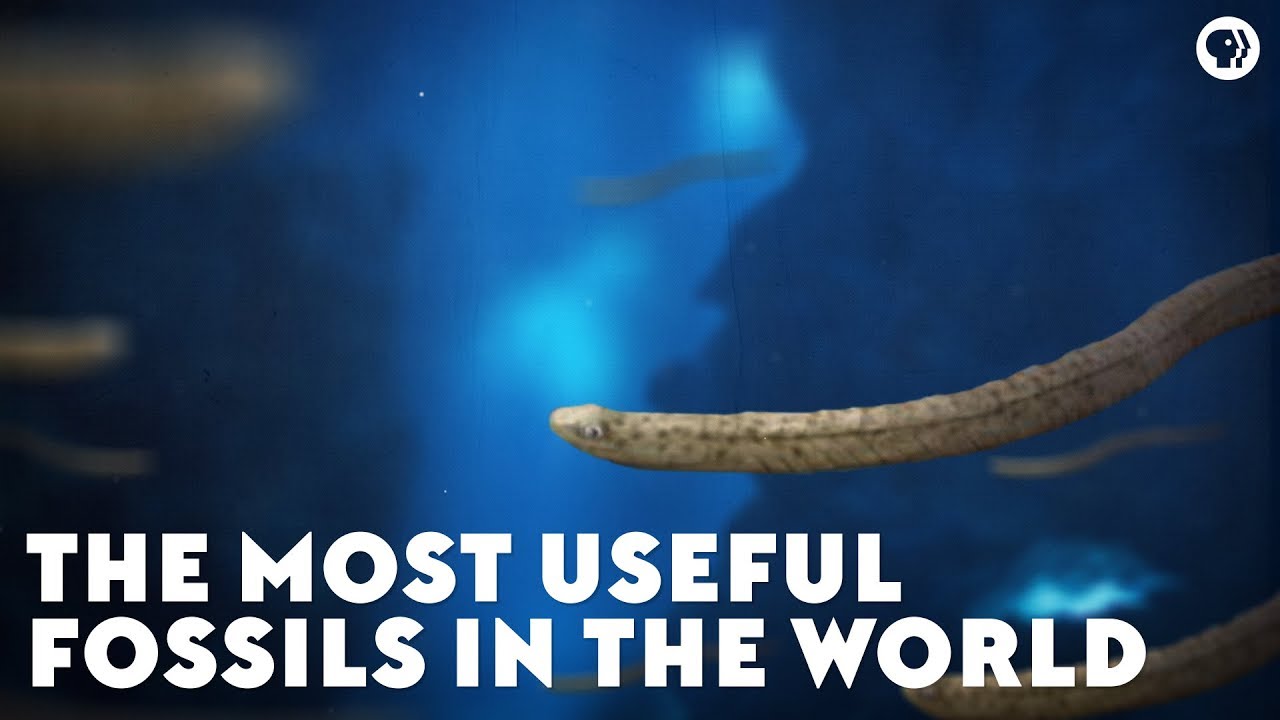
Conodont fossils, once a mystery to paleontologists, are revealed to be crucial for understanding geological time and the evolution of early vertebrates.
In Australia, a group of herbivores evolved into apex predators, showcasing the dramatic shifts in the ecosystem and the role of natural selection.
Geologists analyze Earth's layers to outline significant events in life's history, structured within the Geologic Time Scale.
The evolution of the egg is traced from the first land-dwelling vertebrates to modern mammals and birds, emphasizing that the egg came first.
Each triceratops egg measured almost a foot long, with slim chances of survival in a world dominated by dinosaurs 64 million years ago.
In Tennessee, the Paddlefish, a prehistoric species that has existed for over 100 million years, is highlighted alongside efforts to save the Giant Panda and study Komodo Dragon parthenogenesis.
Insects and arachnids showcase extraordinary adaptations like fire-resistant skin and acid-spitting abilities, while urban wildlife such as rats and raccoons thrive on human food waste.
Half a billion salmon leave the sea each year to return to their spawning grounds in the rivers of North America, with millions heading to Vancouver Island.
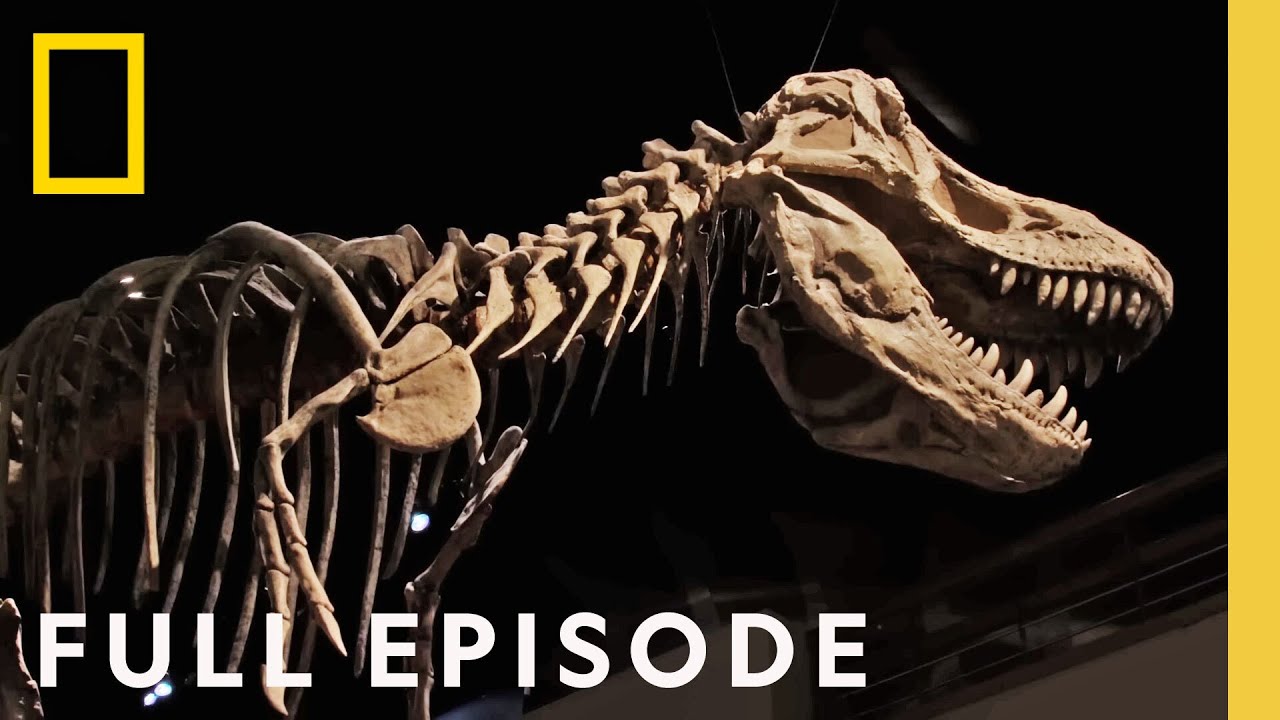
Tyrannosaurus rex, known for its massive size and small arms, presents a complex evolutionary narrative regarding the function and adaptation of its forelimbs.
Throughout the Pleistocene Epoch, the woolly rhino's range fluctuated in response to climate cycles, highlighting the interconnectedness of species and environmental changes.
A 14-foot-long fish once swam in what is now Kansas, revealing a time when much of the Midwest was underwater.
Archaeopteryx, a pivotal figure in the evolution of birds, is examined for its relationship to modern avians and its unique dental features linked to non-avian dinosaurs.
Hypercarnivorous hyaenodonts, including Simbakubwa kutokaafrika, were once the apex predators of Africa but faced extinction due to environmental changes.
Ancient DNA retrieved from Greenland's permafrost reveals an ecosystem that thrived over 2 million years ago, offering insights into climate adaptation strategies.
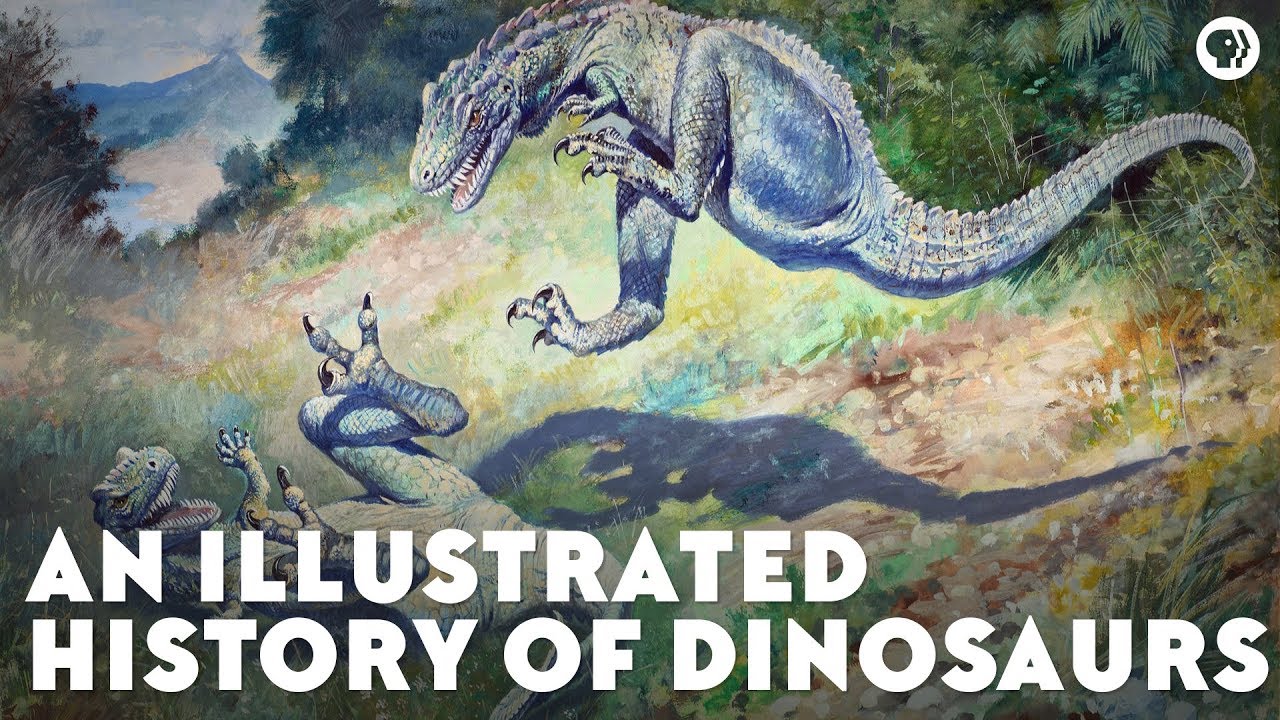
The evolution of dinosaur science over the past 350 years is illustrated through the artwork of notable paleoartists like Greg Paul and Doug Henderson.
66 million years ago, dinosaurs roamed the Americas, and recent fossil discoveries are reshaping our understanding of their behavior and intelligence.
In 2003, microbiologists identified giant viruses that challenge existing concepts of microbial life and evolution, prompting a reevaluation of what it means to be alive.
Oceanic islands, comprising a sixth of Earth's land, host unique ecosystems shaped by volcanic activity and tectonic forces, as seen in locations like Hawaii and the Maldives.
In 2015, NASA telescopes identified a promising exoplanet with Earth-like temperatures and potential liquid water, prompting astrophysicists to explore similar solar systems.
Big cats, bears, and reptiles evolve from innocent young animals into formidable predators, mastering survival skills essential for their habitats.
Two extinct relatives of horses and rhinos, chalicotheres, exhibit significant differences in body structure despite their close evolutionary relationship.
Monty Halls and his family explore the Galapagos Islands, addressing critical issues like illegal shark finning and plastic pollution while promoting conservation efforts.
Eight astronauts with over 1,000 days in space discuss the likelihood of finding simple life forms on other planets.
In the Late Cretaceous Period, Hateg Island served as a hunting ground for a giant pterosaur, presenting unique survival challenges for its inhabitants.
Atopodentatus, a unique Triassic marine reptile from China, provides insights into ecosystem recovery following the end-Permian mass extinction.
Neandertals' rise to the top of the Eurasian food chain highlights their remarkable evolutionary success, yet this dominance may have contributed to their extinction.
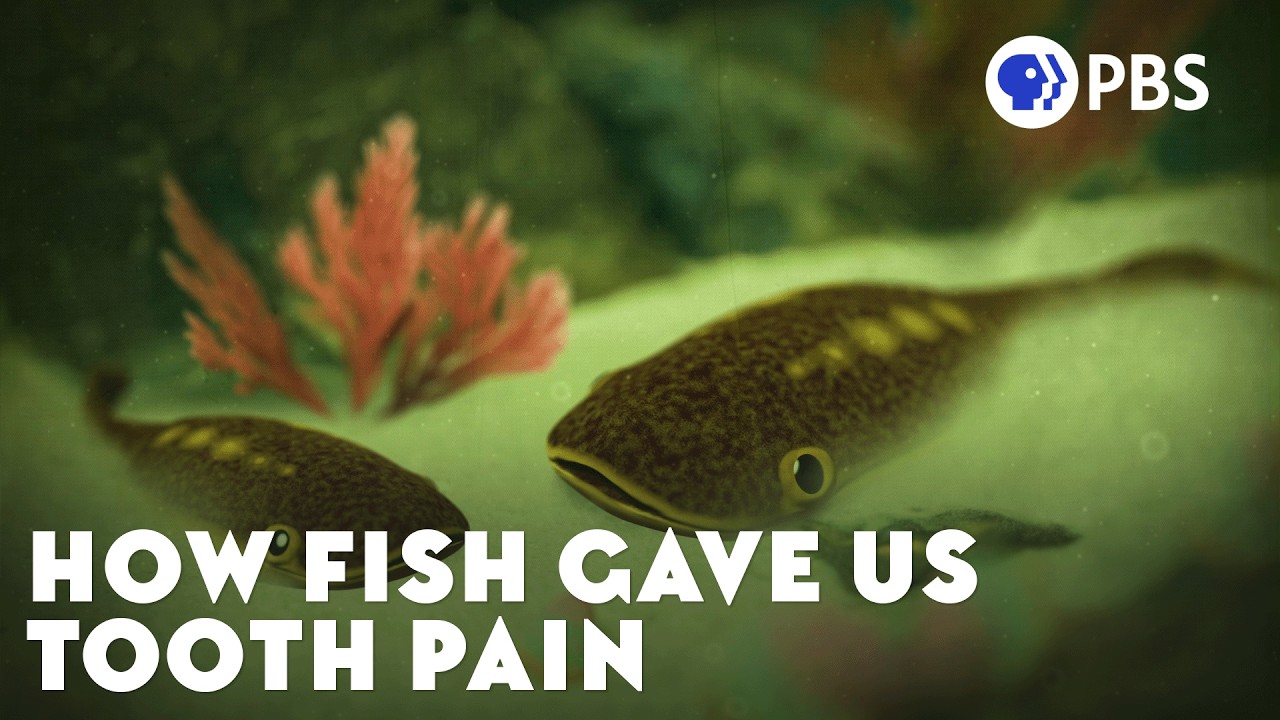
Teeth evolved from the armored skin of ancient fish, serving as an oversensitive alarm system for dental pain throughout human history.
Asteroids may have played a crucial role in the origin of life on Earth, according to research presented by Eons for PBS Digital Studios.
During the Cretaceous Period, Earth's ecosystems faced extreme conditions that led to a significant depletion of oceanic oxygen for half a million years.
400,000 years ago, a new species, Homo sapiens, emerged in Africa, adapting to various climates and developing agriculture and monumental structures.
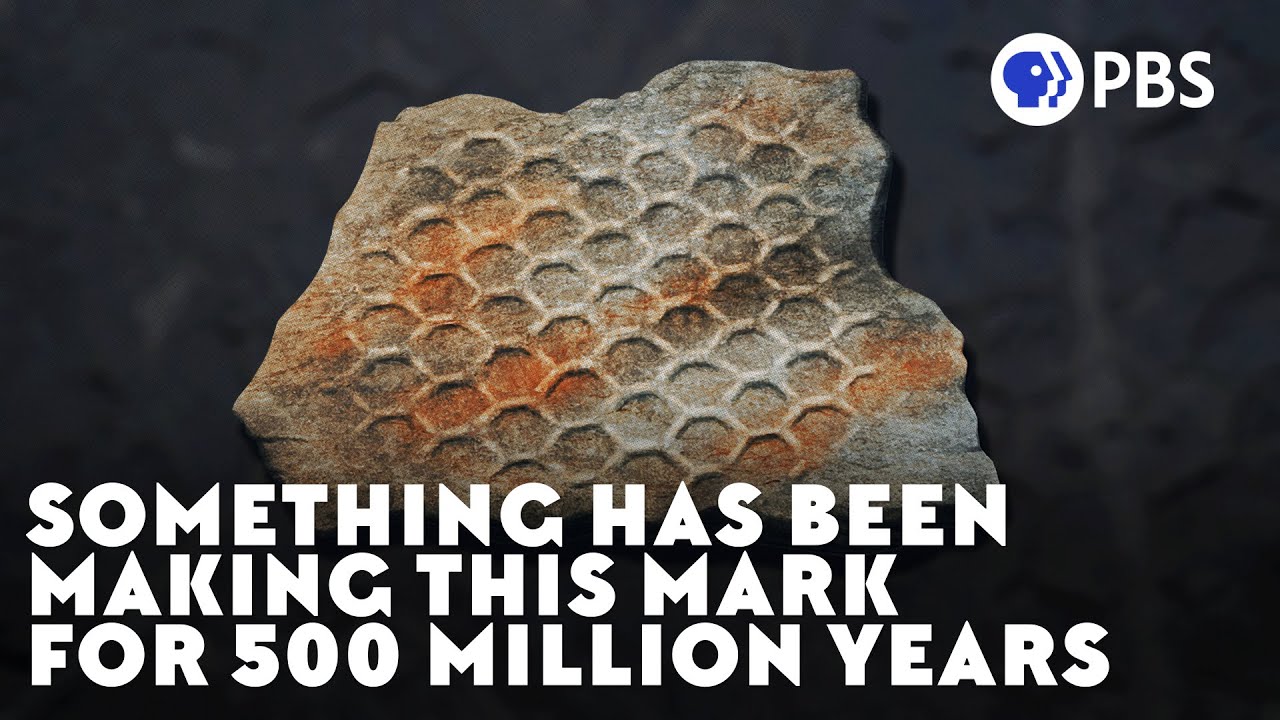
Paleodictyon, a hexagonal-patterned fossil found in various geological formations, raises questions about its classification as either a trace fossil or an organism itself.
Mountain animals, including Golden Eagles and various Wild Sheep, exhibit unique survival adaptations to thrive in harsh alpine environments.