From over 100,000 films, discover the handful you'll love.
Free or premium access to the world's largest documentary library.
416 G-rated films available
Scientists analyze sediment cores and plant fossils to explore factors beyond the asteroid impact that may have contributed to the dinosaurs' extinction.
Woods Hole Oceanographic Institution's research highlights the critical importance of deep-sea ecosystems in maintaining global biodiversity.
Fossil records indicate that vertebrates adapted to land and air before exploring the deep sea, raising questions about their delayed aquatic evolution.
Dinosaurs are examined through their anatomy, evolution, and fossil discoveries, providing insights into their history and significance in paleontology.
One fruit fly mutation resulted in legs growing in place of antennae, leading to significant discoveries about the genetic basis of animal development.
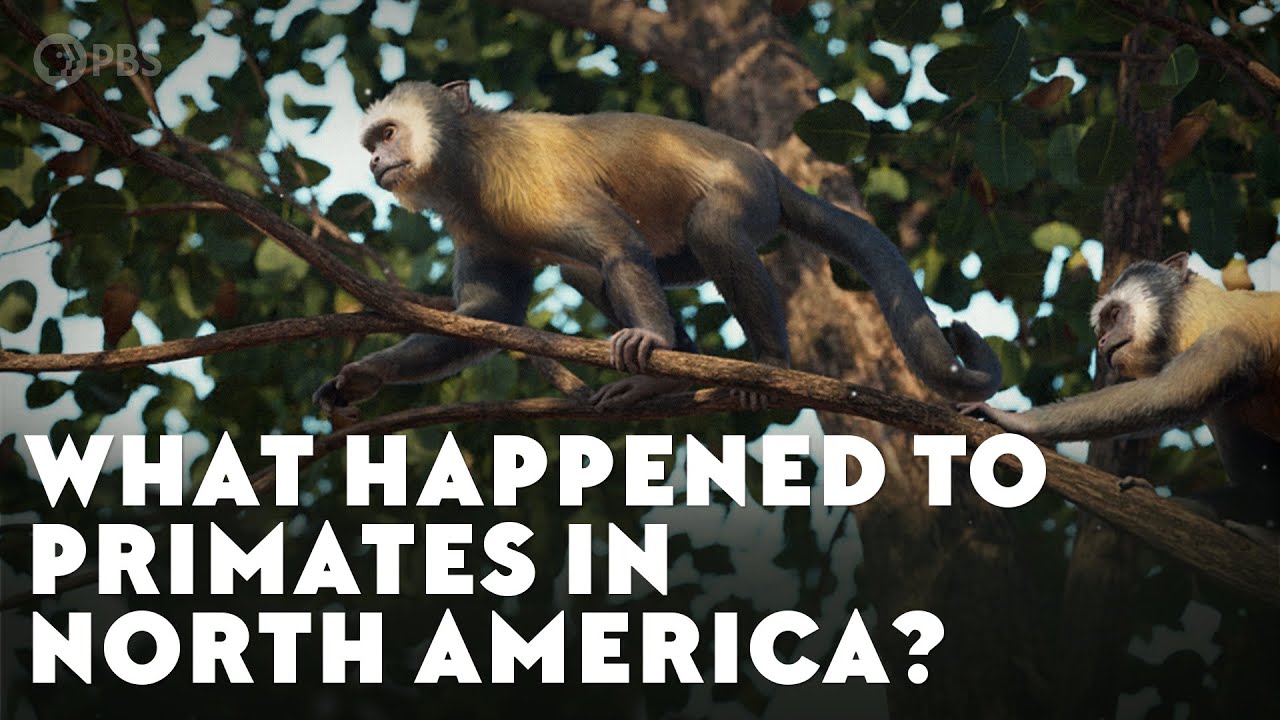
Early primates originated in North America, and research highlights their evolutionary significance and the factors leading to their extinction.
The rise of the Tibetan plateau played a crucial role in the evolution of Homotherium, a unique and successful prehistoric cat species.
Denisovans, an ancient human species known from only a few fossils, present challenges in reconstructing their morphology due to the scarcity of physical remains.
Puffin fathers hunt fish to feed their families while seahorse dads protect their eggs, showcasing the diverse roles of male parenting in the animal kingdom.
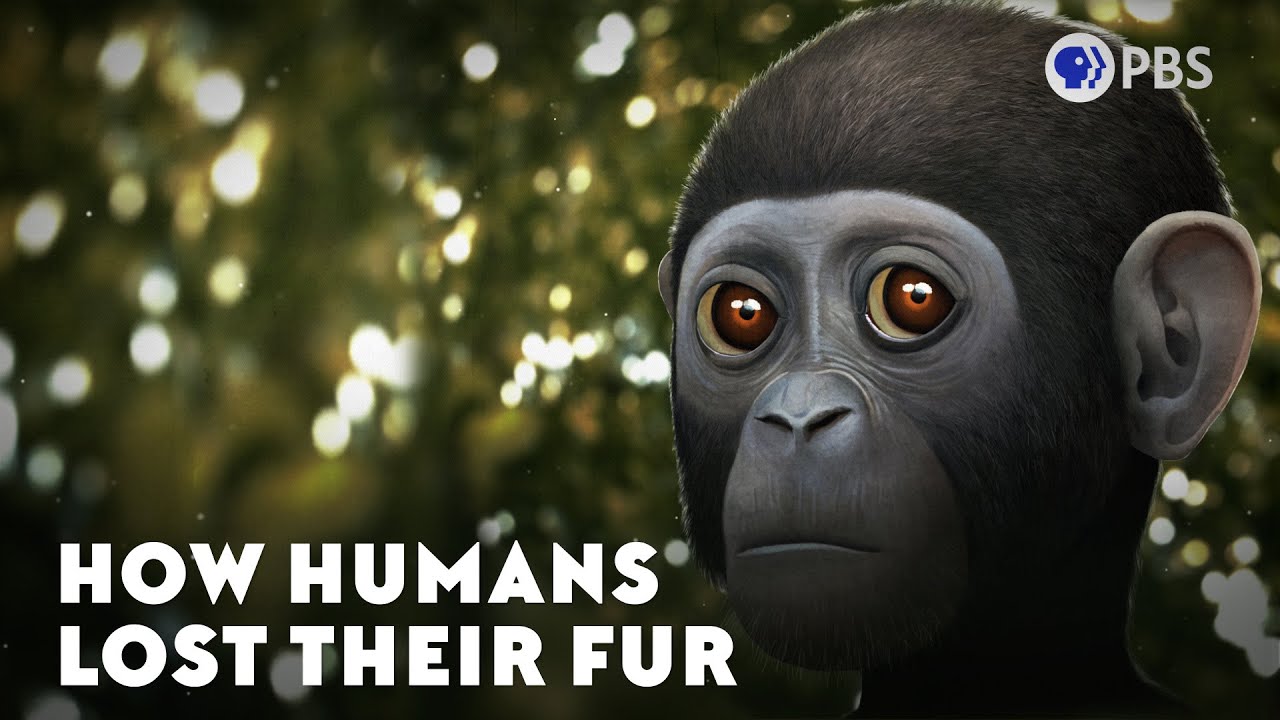
Humans are the only primates without a coat of thick fur, a change that significantly impacted body temperature regulation and shaped human evolution.
Purgatorius, a small mammal from the Paleocene epoch, is one of the earliest known ancestors of modern humans, illustrating key developments in primate evolution.
In Charnwood Forest, researchers have identified the oldest known predator of the animal kingdom in rocks previously believed too ancient to contain complex life.
The Carboniferous Rainforest Collapse marked a significant extinction event that reshaped terrestrial animal life and influenced the evolution of early ancestors.
Paleontologists debate whether the fossil LH PV18 belongs to the theropod Tarbosaurus bataar or represents a distinct species, Raptorex kriegsteini.
Homo naledi, a newly discovered human ancestor, is prompting a reevaluation of human origins, as explained by biological anthropologist Marina Elliott.
Fossorial animals, adapted to life underground, utilize their heightened senses to navigate complex ecosystems beneath the Earth's surface.
Dr. Kirk Johnson found a fossil walnut and a dolphin vertebrae near his childhood home, sparking his interest in paleobotany and fossil hunting.
Thunderbeasts, massive prehistoric creatures, raise questions about the evolutionary advantages of size, a topic of long-standing interest among paleontologists.
The last universal common ancestor, or LUCA, represents the single common ancestor of all life on Earth, a topic explored by PBS Digital Studios.
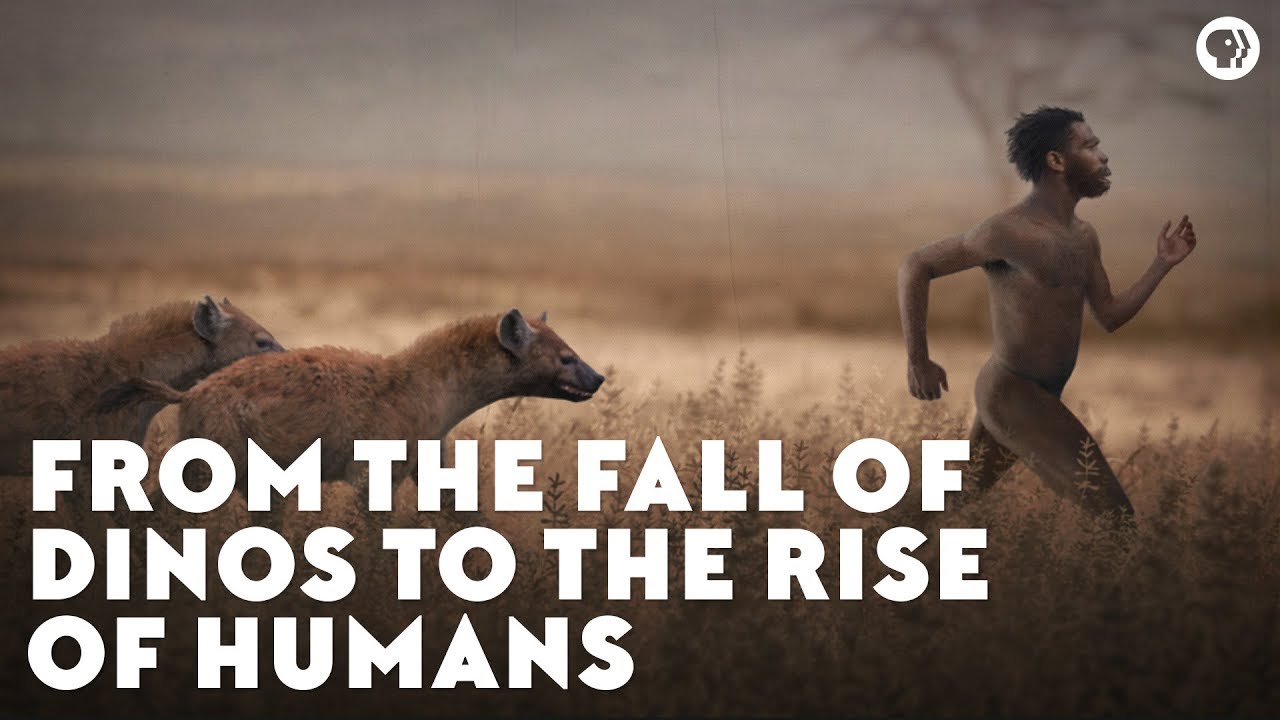
The Cenozoic Era marks a significant period in Earth's history characterized by the emergence of modern mammals and birds, leading to the rise of human-like organisms.
La Brea Woman, the only human excavated from the La Brea Tar Pits in Los Angeles, raises questions about her origins and the circumstances of her burial.
Ants achieved their ecological dominance not solely through their own evolution but by capitalizing on a broader evolutionary explosion that shaped their environment.
Life on Earth originated from single-celled organisms in deep-sea vents around 3.5 billion years ago, evolving into complex ecosystems through adaptation.
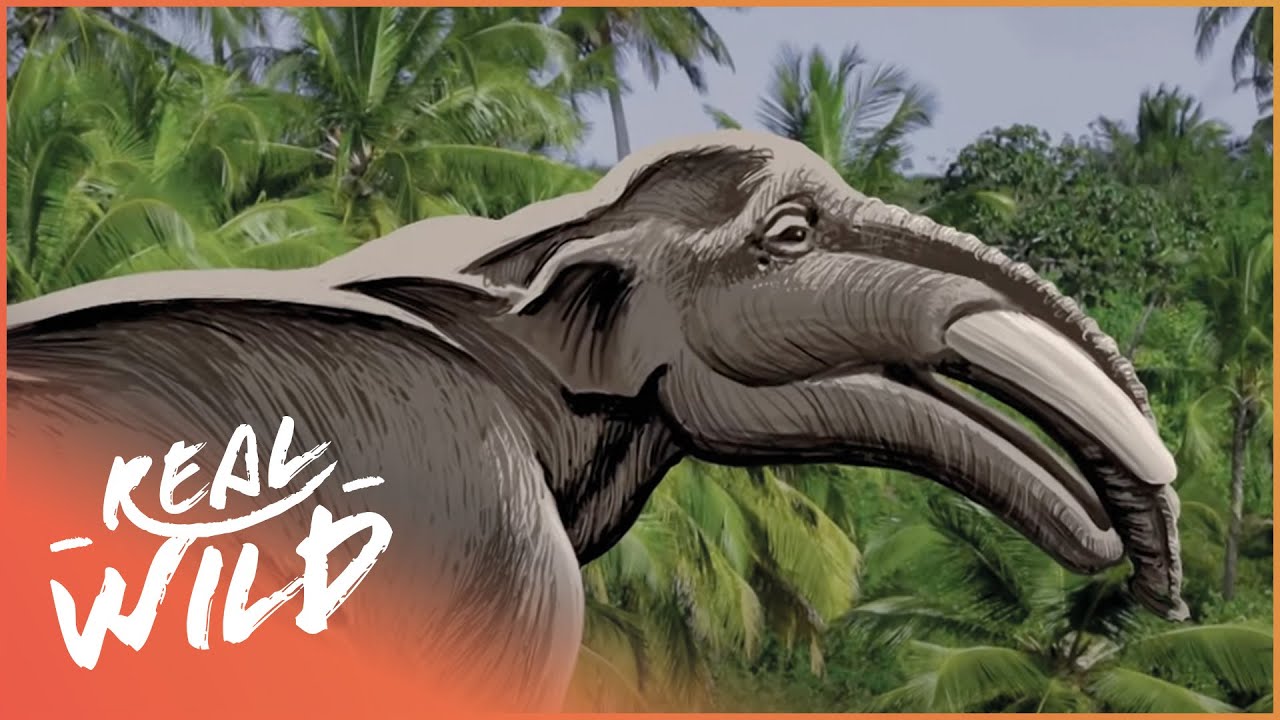
In south-central Nebraska, paleontologists explore ancient fossils, including a four-tusked elephant, revealing the region's rich prehistoric ecosystem.
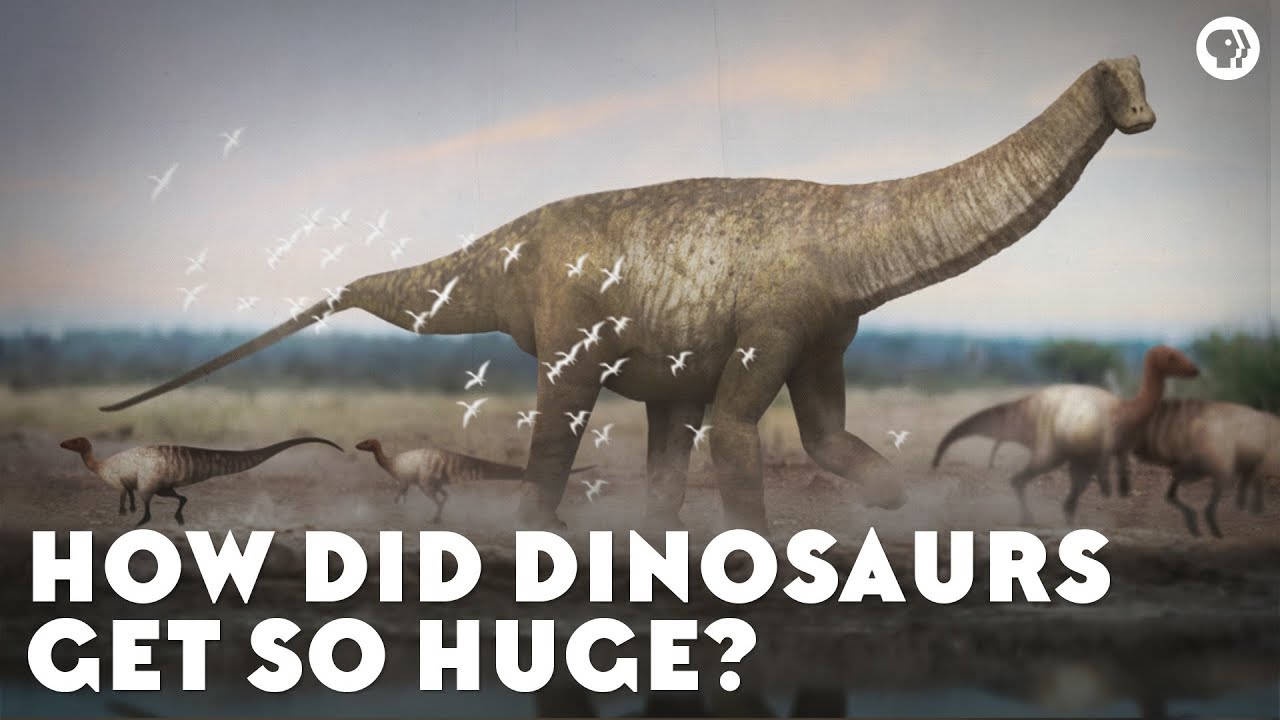
Dinosaurs, some as tall as a five-story building, roamed the Earth during the Jurassic and Cretaceous Periods, showcasing remarkable evolutionary adaptations.
More than 4 billion years ago, life emerged on Earth despite extreme conditions, as revealed by research into early microbial existence.
In the Rising Star Cave system in South Africa, paleoanthropologists study a chamber containing the bones of the extinct species Homo naledi.
Thrinaxodon and Broomistega, two prehistoric species, were found entombed together in a burrow, revealing insights into their survival behaviors during the Early Triassic.