From over 100,000 films, discover the handful you'll love.
Free or premium access to the world's largest documentary library.
416 G-rated films available
Throughout the Cenozoic Era, marsupials and their metatherian relatives thrived in South America, adapting to various ecological niches and evolving into diverse forms.
A pack of 25 wolves in northern Canada hunts bison, the largest land animals in North America, using coordinated strategies to secure their prey.
North America's deer family, including elk, moose, and caribou, employs unique survival tactics and adaptations to thrive in their diverse habitats.
Ediacaran life forms, once a mystery to scientists, were identified as early animals through the analysis of fossilized fat, revealing insights into Precambrian ecosystems.
In the Eocene Epoch, a unique reptile evolved with elongated hind legs, hoofed toes, and specialized teeth for flesh consumption, raising questions about its adaptation.
Giant skin-shelled sea turtles, distinct from modern leatherbacks, showcase evolutionary traits that have persisted through time, as explored by PBS Digital Studios.
Human activities are reshaping evolution, as seen in shorter cliff swallow wings in Nebraska and larger female turtles in Chesapeake Bay.
Tim Laman and Ed Scholes collaborate with the Cornell Lab of Ornithology to document the unique courtship behaviors of birds of paradise in Papua New Guinea.
Tony Robinson and Phil Harding explore America's dinosaur capitals, participating in digs with experts like Jack Horner and examining the lucrative dinosaur tourism industry.
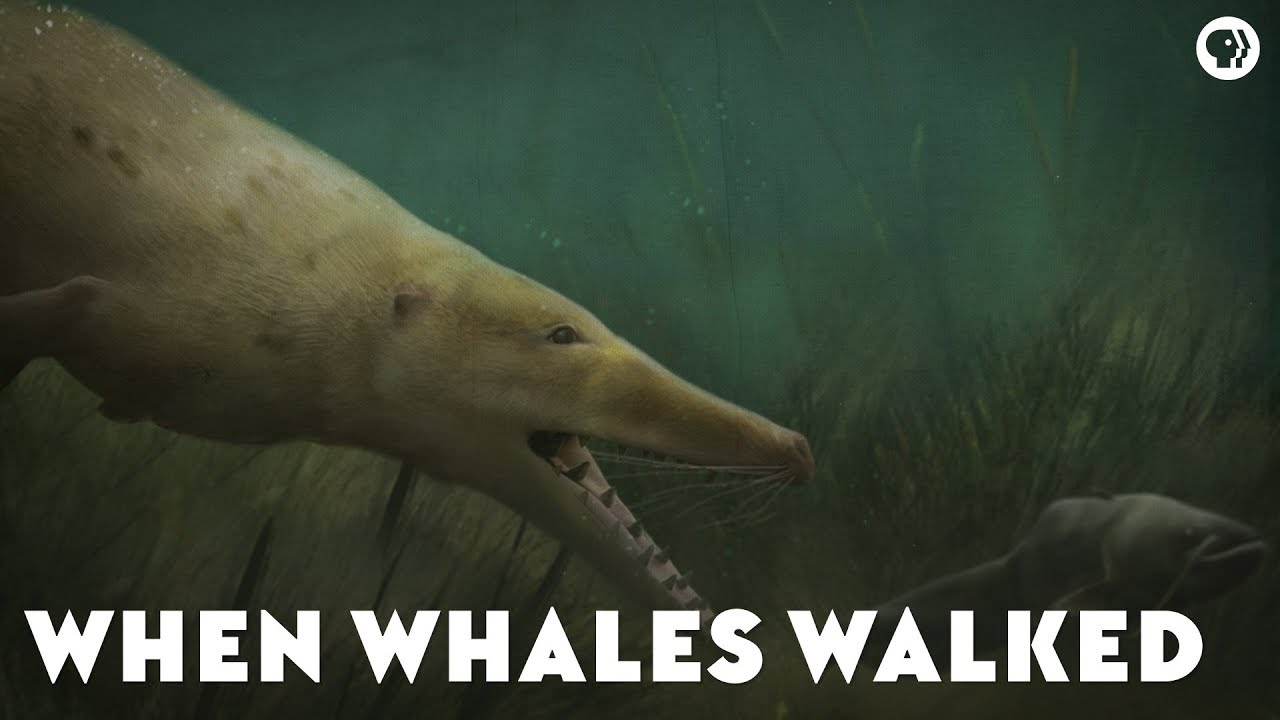
Whales evolved from land-dwelling mammals during the Eocene epoch, with significant fossil discoveries revealing their anatomical adaptations for aquatic life.
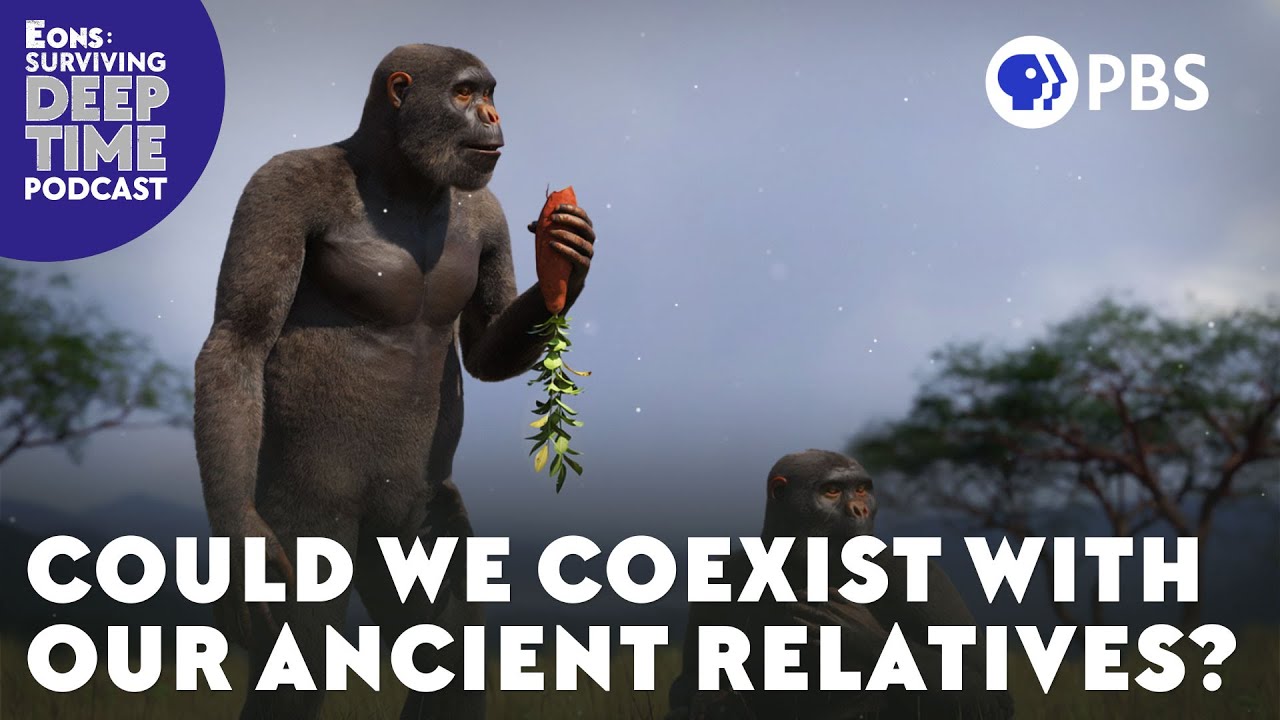
In the Early Pleistocene Epoch, various hominin species coexisted with Homo sapiens, raising questions about survival strategies and social interactions among them.
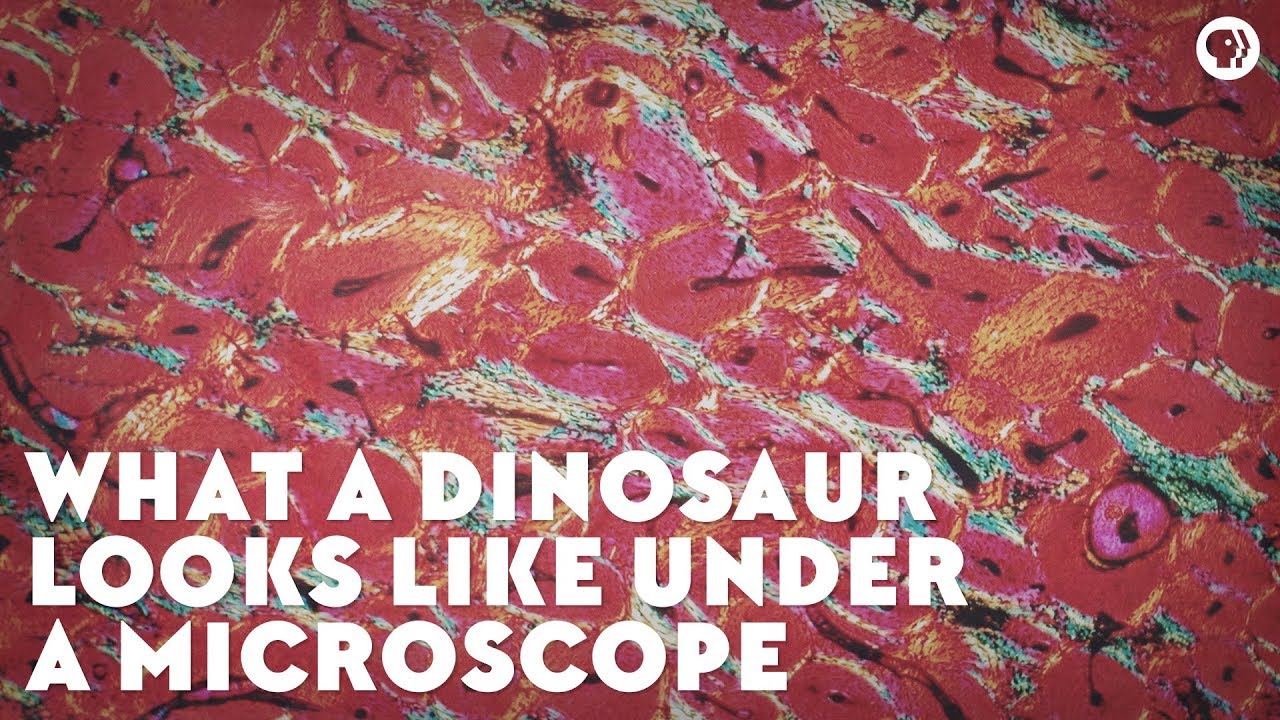
Ellen-Thérèse Lamm in Bozeman, Montana, examines dinosaur bones at the cellular level, revealing insights into ancient life through advanced microscopy techniques.
In the late 1800s, paleontologists in Nebraska identified the fossilized structures known as Daemonelix, believed to be created by ancient burrowing beavers.
During a period when Earth's ecosystems were dominated by purple hues, the planet's life forms and environments were significantly different from today.
Only one known skeleton of Spinosaurus exists, discovered in 2013, but recent excavations in Morocco have revealed additional bones that could change its history.
A lion has 30 teeth, including four canines that can grow to approximately 2.4 inches in length, making them a crucial weapon in hunting and defense.
Hateg Island's ecological niche for apex predators was filled by a giant pterosaur, showcasing the unique evolutionary adaptations of prehistoric life in Europe.
The Snake Detection Hypothesis suggests that primates, including humans, have evolved the ability to quickly identify and avoid snakes due to the long-standing threat they pose.
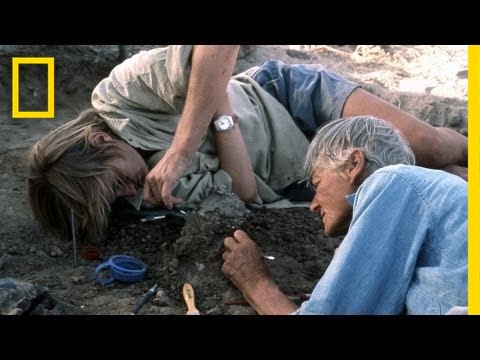
Meave Leakey continues her family's legacy of researching human origins by excavating ancient fossils in East Africa, contributing to the understanding of human ancestry.
Recent scientific findings reveal that all modern big cat species evolved less than 11 million years ago, with new clues pointing to their ancient origins in the Himalayas.
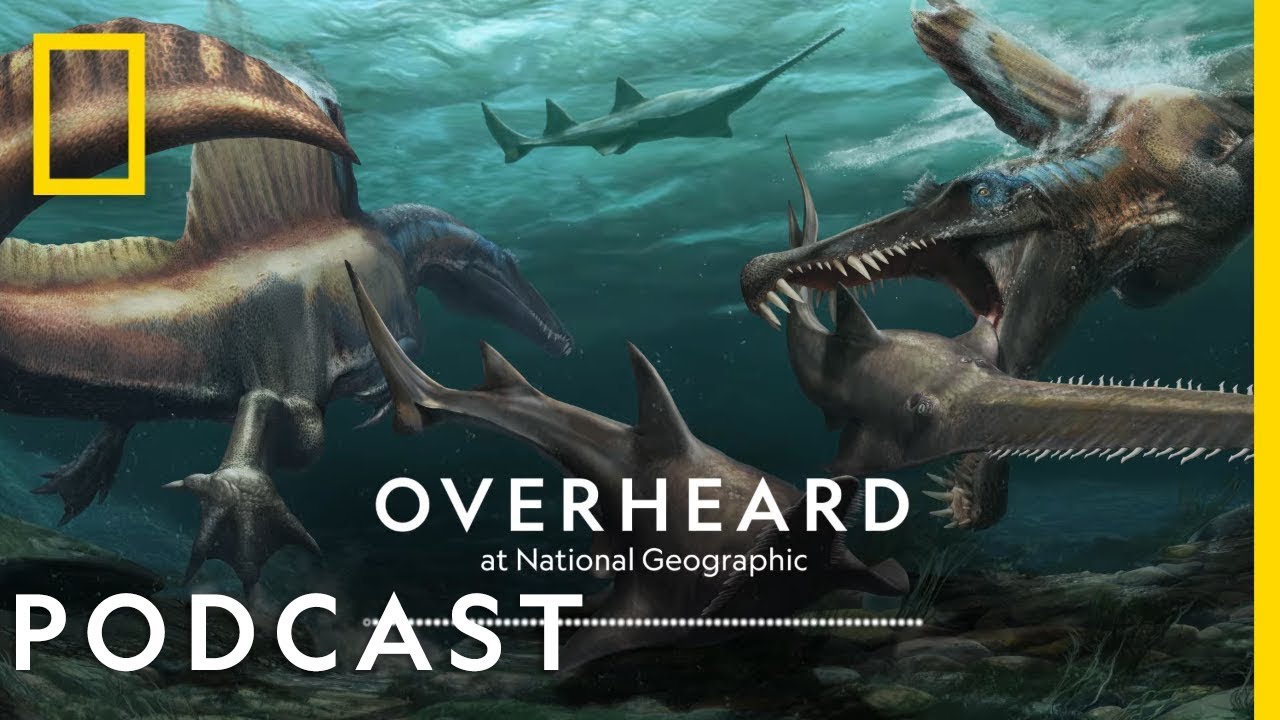
In 1912, a fossil collector unearthed bone fragments in Egypt's Bahariya rock formation, leading to the identification of Spinosaurus, the only known semi-aquatic dinosaur.
In Earth's history, the Boring Billion was a crucial period that laid the groundwork for modern plate tectonics and the evolution of life.
Turtles evolved from ancient reptiles, and their unique shells have prompted scientists to reevaluate the history of reptile evolution.
In the Malapa region of South Africa, Professor Lee Berger and his son unearthed fossils of a new ape-like species, shedding light on human evolution.
Wild animals rely on their sense of touch for survival, navigating the fine line between pleasure and pain in their daily lives.
Catarrhine primates, including African and Asian monkeys, apes, and humans, uniquely lack the alpha-gal sugar molecule found in other mammals.
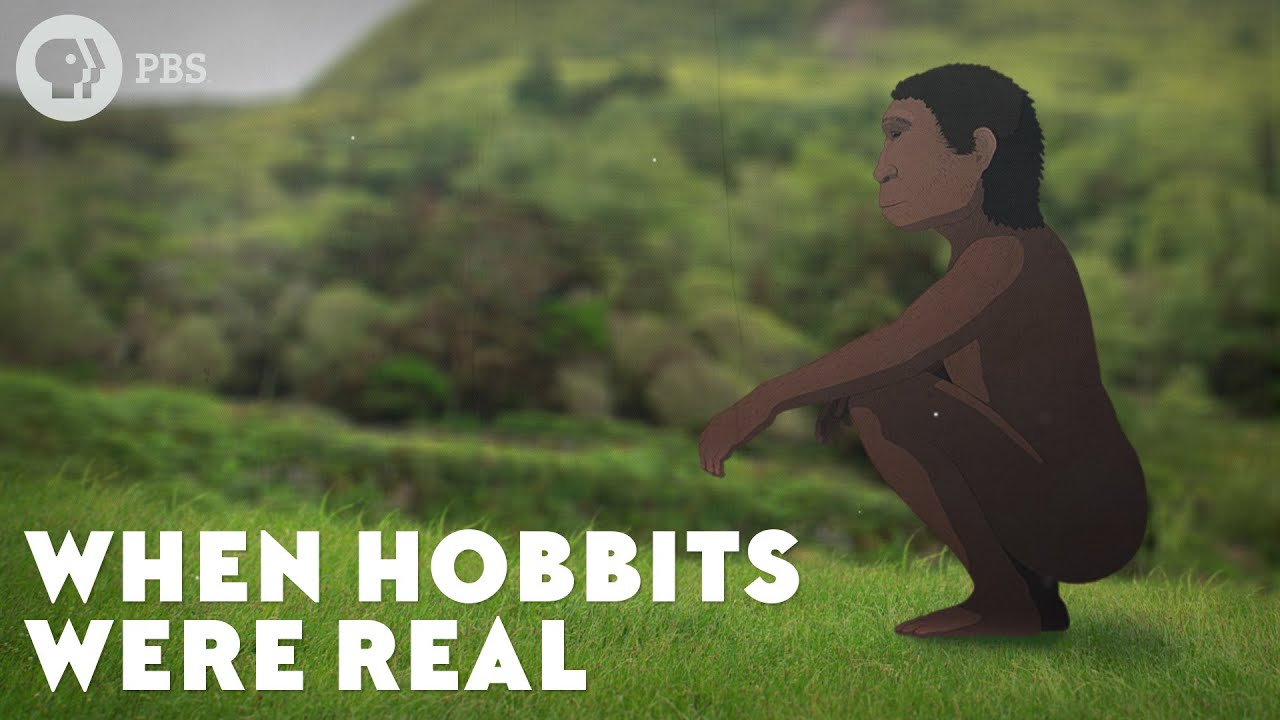
Homo floresiensis, often referred to as "the hobbit," raises significant questions about its classification as a distinct species or a variant of modern humans.
Paraceratherium, an enormous mammal that evolved from smaller rhino ancestors, represents one of the largest land mammals known to science.
In the animal kingdom, fierce battles unfold as birds clash, a tiger hunts a boar, and a crocodile feasts on a buffalo for survival and territory.
Over half a million terns crowd onto a remote atol in the Indian Ocean during the dry season, as their chicks learn to fly and hunt for food.
Eruptions along the Mid-Atlantic Ridge were pivotal in the formation of the Atlantic Ocean by tearing apart a supercontinent millions of years ago.
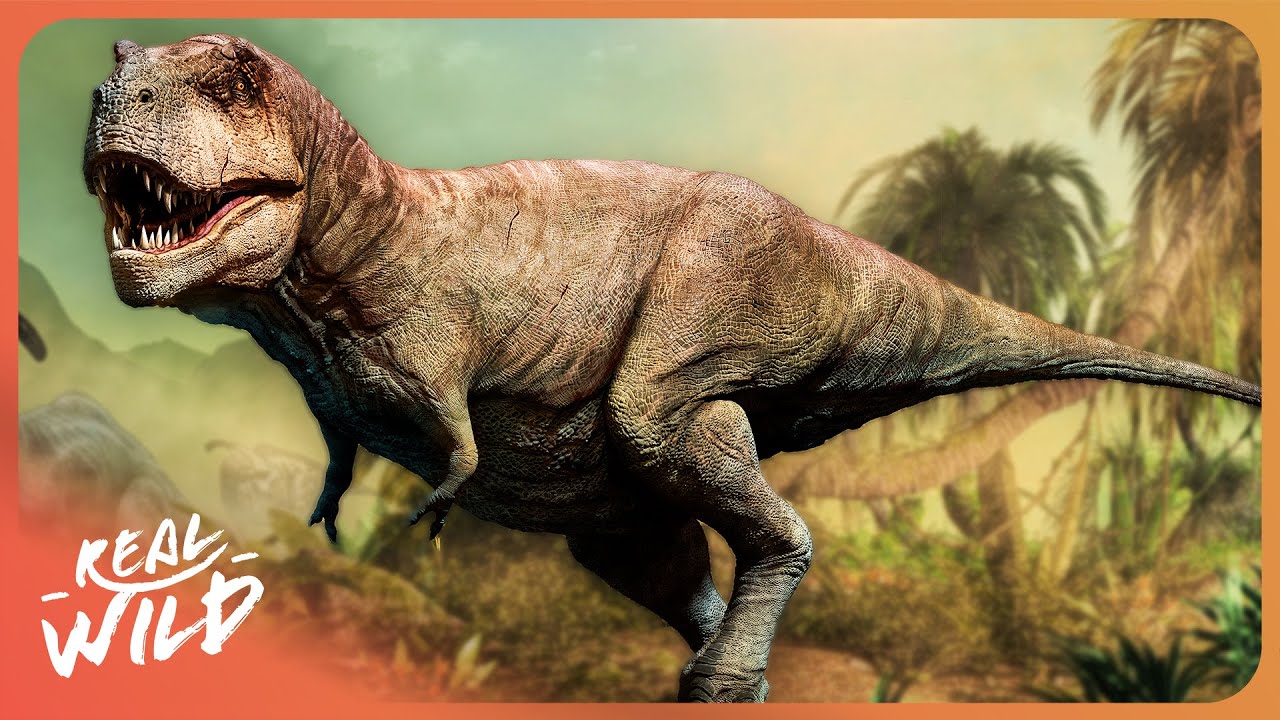
Palaeontologists in the Badlands reveal new insights into the T-Rex's power, speed, social behavior, and the possibility of feathers, challenging long-held beliefs.
In Argentina, the Giganotosaurus emerges as a formidable rival to the T-Rex, while the Linder family’s discovery of Bambi sheds light on dinosaur family dynamics.
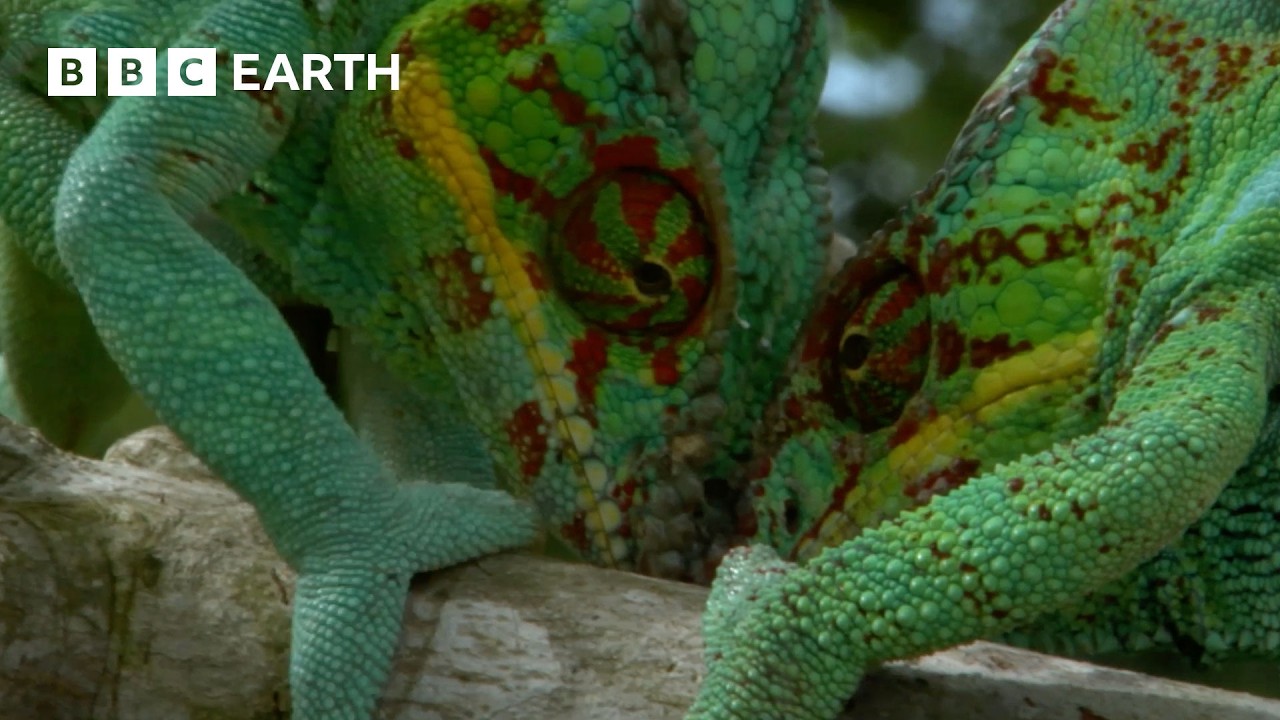
Madagascar's unique wildlife showcases intense chameleon battles and lemurs seeking refuge from predators in their natural habitat.
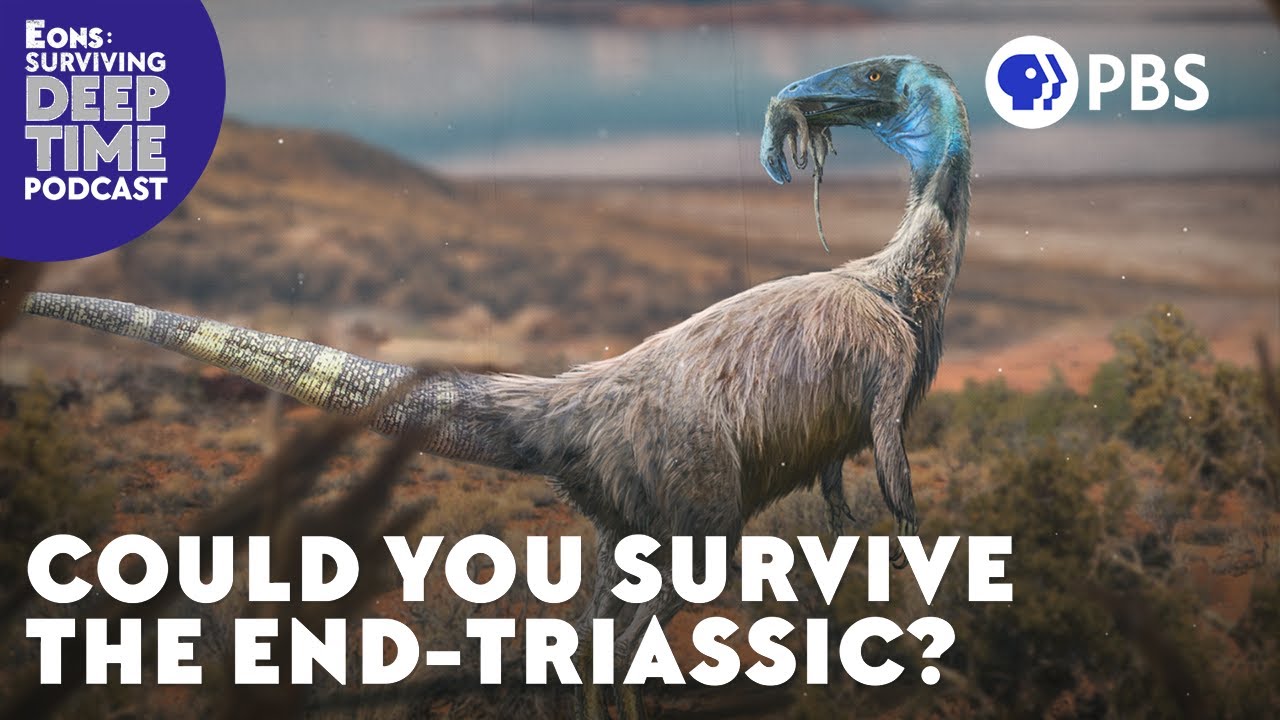
At the end of the Triassic Period, the earliest dinosaurs faced a catastrophic extinction event following the Great Dying and rapid evolutionary changes.
The Isthmus of Panama initiated a significant ecological shift by separating marine species, leading to profound impacts on global climate and biodiversity.
Human DNA contains thousands of inactive genes that reveal insights into evolutionary history, highlighting the significance of both gained and lost genetic traits.
Dinosaurs' extinction around 66 million years ago led to significant evolutionary changes in sharks, birds, and turtles, as illustrated by rare wildlife footage.
Giant beavers, which lived both on land and in water, lacked the dam-building abilities of their modern counterparts, highlighting significant evolutionary differences.
Animal behavior is explored through impressive archive footage, showcasing the brutality of orcas and the ingenuity of potter wasps, narrated by David Attenborough.
650 million years ago, Earth was locked in ice for 25 million years, nearly wiping out all life and setting the stage for complex organisms to evolve.
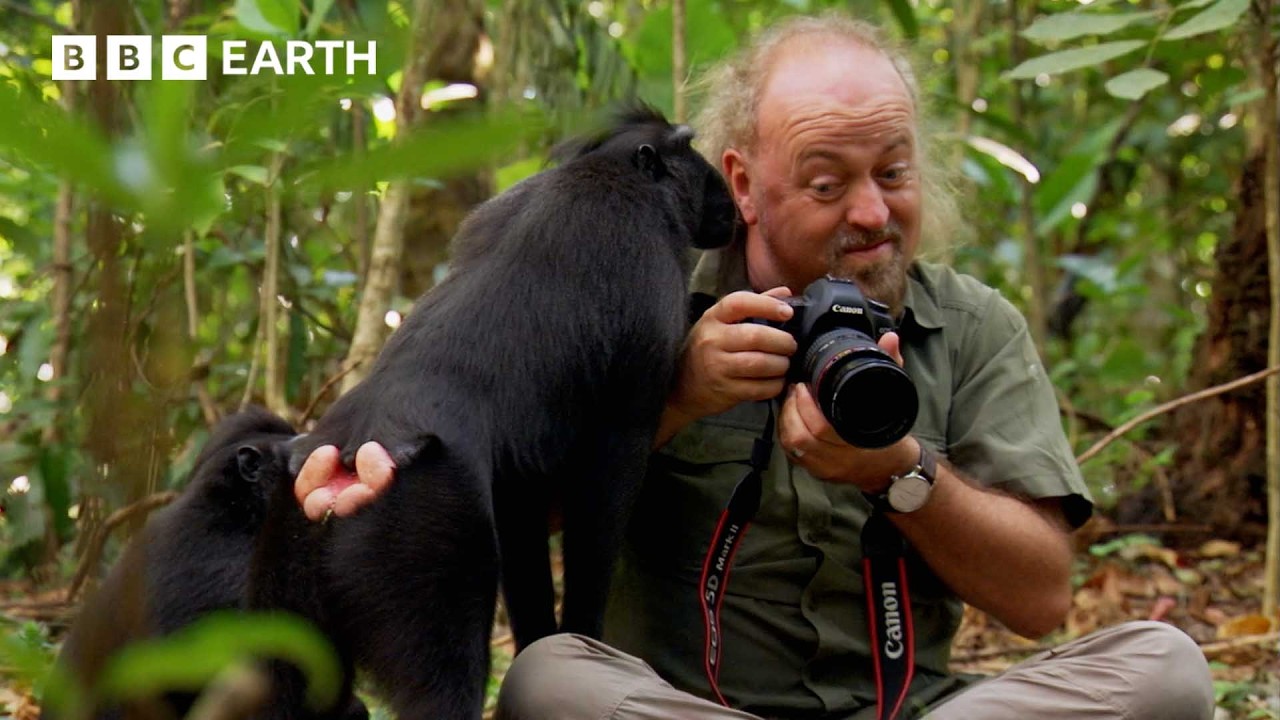
Alfred Russel Wallace's expeditions through Borneo and the Spice Islands are retraced by Bill Bailey, highlighting encounters with orangutans, flying frogs, and birds of paradise.
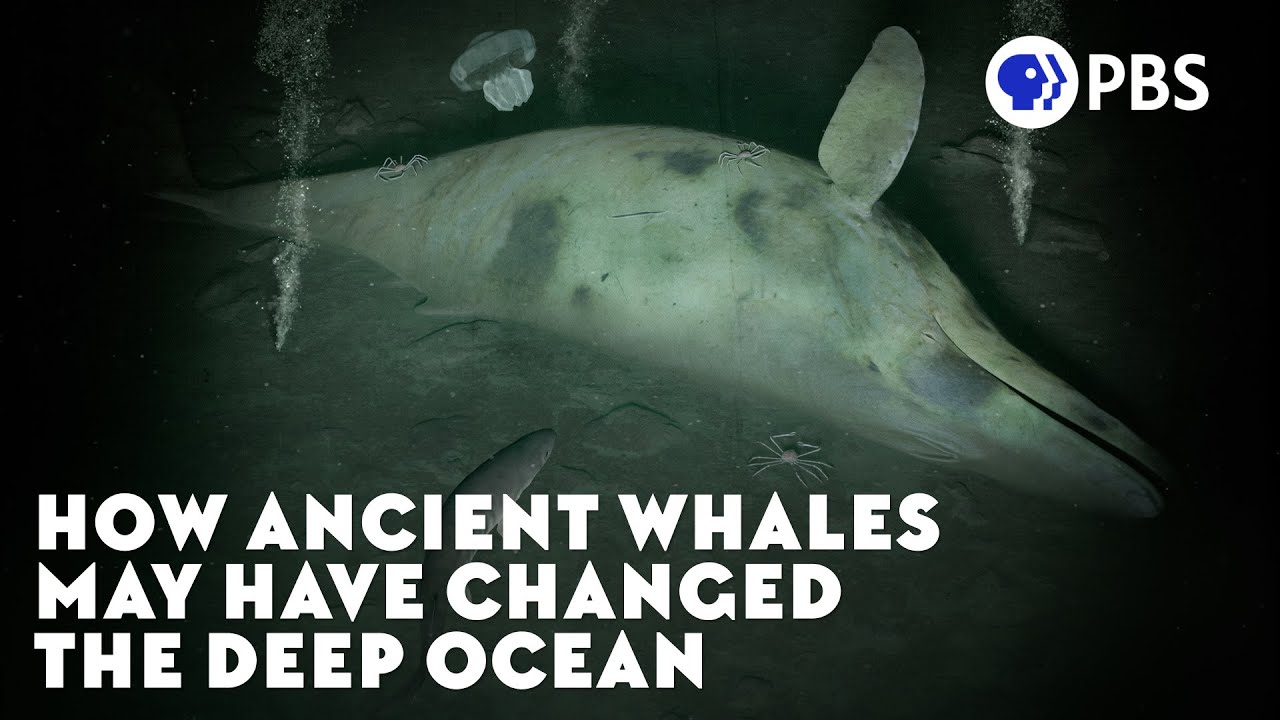
The evolution of ocean-going whales like Borealodon has significantly influenced deep ocean communities, particularly around geothermal vents, following their death.
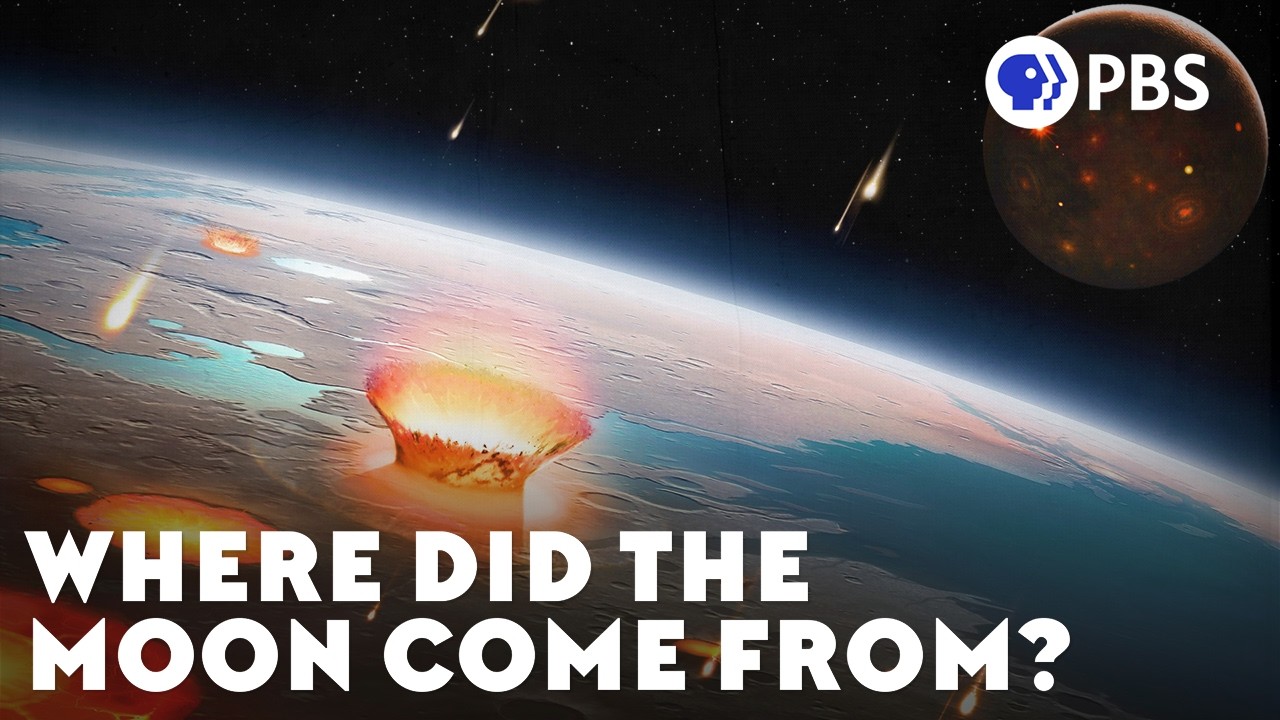
Lunar rocks collected by Apollo astronauts provide insights into the unusual origins of Earth's moon, revealing a cosmic history that challenges conventional theories.
Mystacodon, the earliest known mysticete, raises questions about the origins of baleen and how these ancient whales lived without it.