From over 100,000 films, discover the handful you'll love.
Free or premium access to the world's largest documentary library.
415 G-rated films available
In the rainforest's dark underworld, high-speed cameras capture the predatory behaviors of cobras, orange baboon tarantulas, and chicken hawks as they strike with incredible speed.
Penguins evolved from flying ancestors, once existed as giants, and have undergone significant changes in their appearance and habitat over millions of years.
Animal mating strategies are explored through various tactics employed by species to find suitable partners and ensure the survival of their offspring.
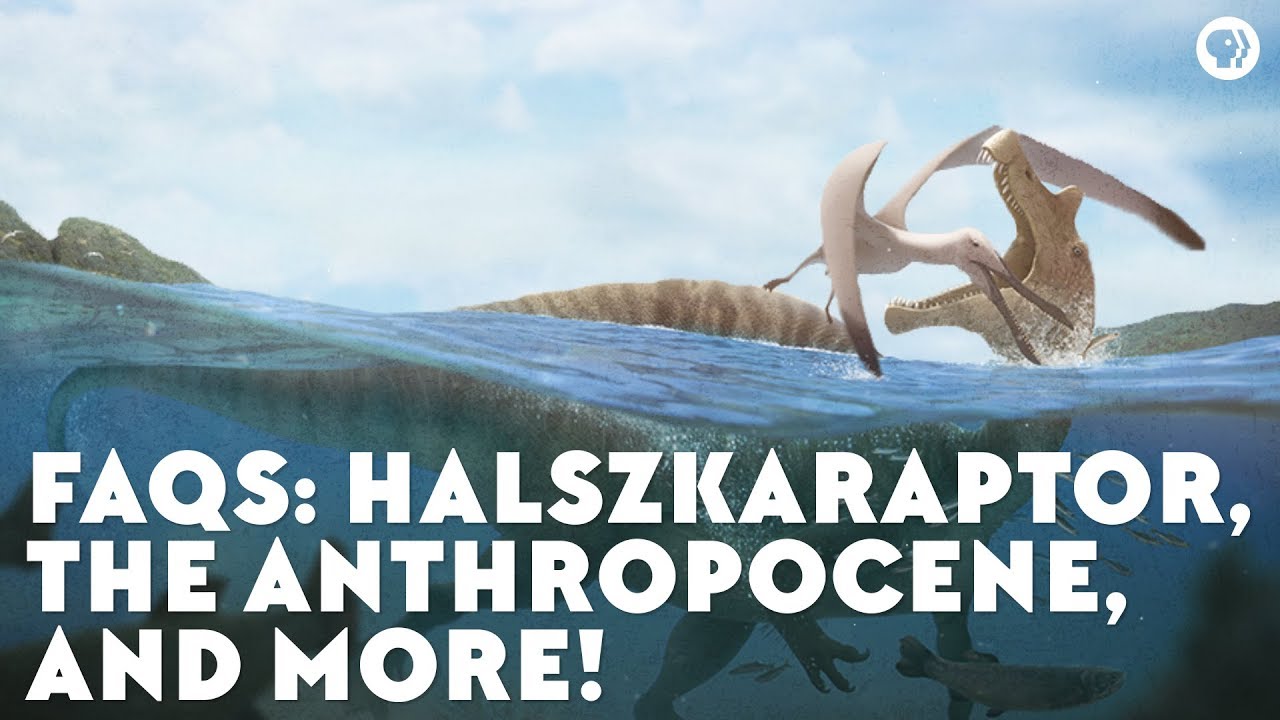
PBS Eons addresses audience questions from its first season, exploring Earth's history from the origins of life to the Cenozoic Era.
In Canada's badlands, renowned paleontologist Dr. Philip J. Curry leads teams of experts as they excavate dinosaur fossils and investigate ancient mass extinctions.
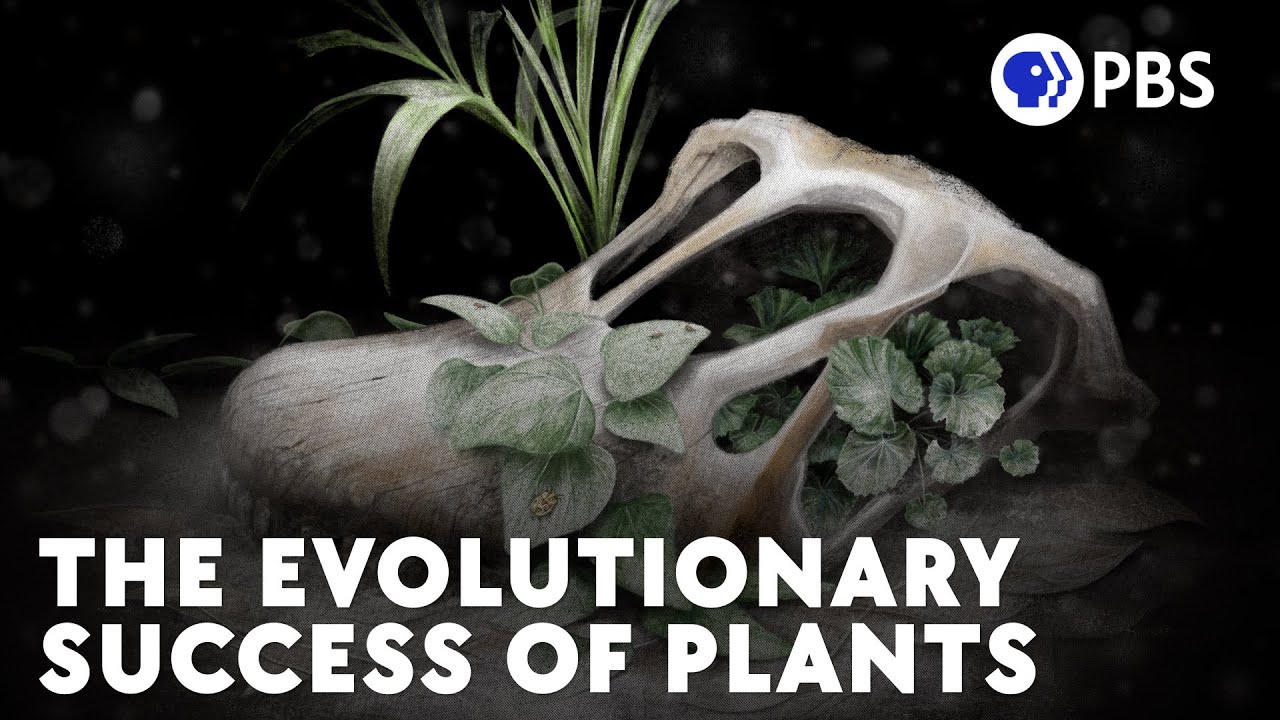
In the aftermath of the K-Pg extinction, research by Franz Anthony highlights how certain plants adapted by increasing their DNA content to survive ecological upheaval.
Therizinosaurs, with their unique anatomy and evolutionary history, exemplify the bizarre adaptations that occurred among dinosaurs during the Mesozoic era.
Sloths exhibit remarkable ecological diversity, having evolved from marine foragers and underground dwellers to their current arboreal lifestyle, with only tree-dwelling relatives remaining.
In Cuba, Hispaniola, and Trinidad, unique wildlife adaptations, including the venomous solenodon and isolated American crocodiles, highlight the challenges of island ecosystems.
At two meters in size, the green iguana is the largest lizard in Central and South America, competing for survival against the carnivorous basilisk.
Animal confrontations across various habitats highlight the fierce battles for family, food, and territory in the natural world.
The Galapagos Islands, known for their unique wildlife, are home to species like the Galapagos penguin and cormorant, which have evolved distinct adaptations for survival.
Giant millipedes, the largest known invertebrates to ever inhabit land, raise questions about their size and the environmental factors that contributed to their growth.
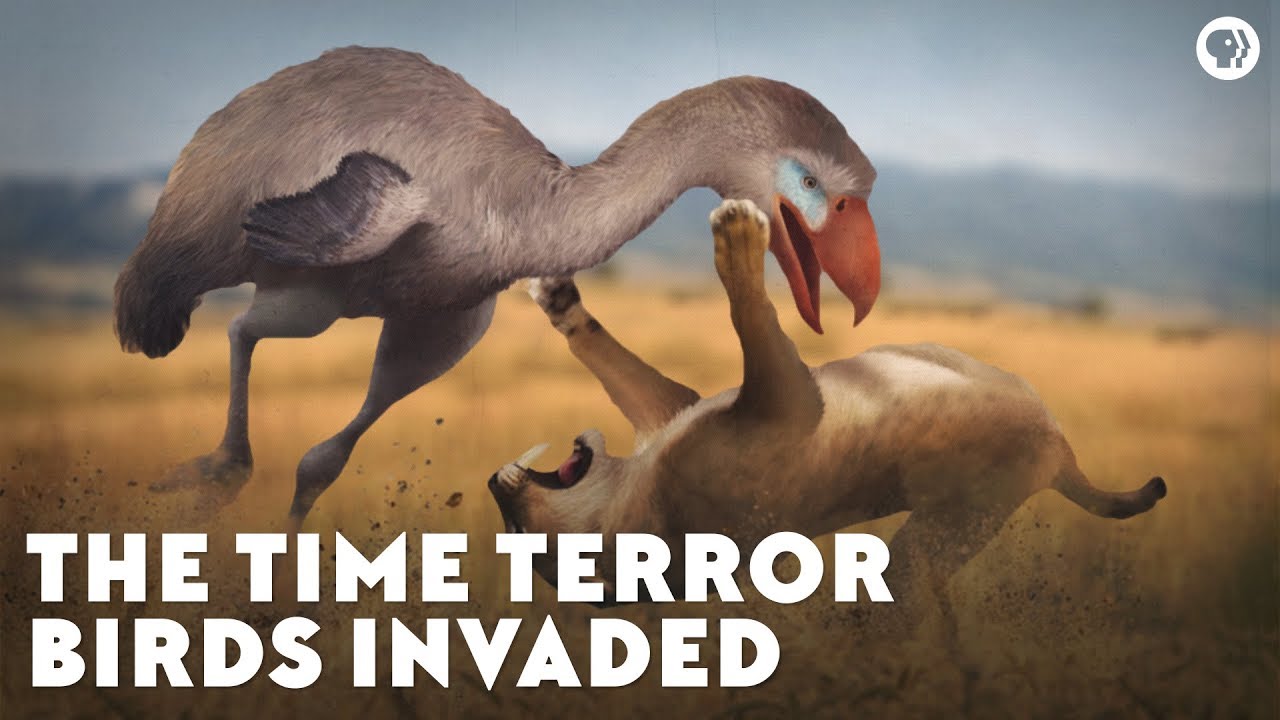
Around 5 million years ago, the giant, flightless carnivorous bird known as the terror bird emerged as a formidable predator on North America's coastal plains.
In the eastern United States, geological and evolutionary factors contributed to the absence of well-known dinosaur species like Triceratops, creating a unique prehistoric landscape.
The Paleozoic Era, marked by significant evolutionary developments and mass extinctions, represents a chaotic yet crucial period in Earth's history.
Lee Berger discusses the challenges faced by his team in recovering Homo naledi fossils and their implications for understanding human origins.
Animal vision varies dramatically across species, with eagles capable of spotting fish from great distances, highlighting the complexity of sight in the animal kingdom.
The K-Pg mass extinction event, caused by an asteroid impact, led to the decline of non-avian dinosaurs and raised questions about the subsequent dominance of mammals.
Life on Earth is shaped by cosmic forces, with the positioning of planets influencing the presence of air at high altitudes in the Swiss Alps.
In 1964, paleontologist John Ostrom's discovery of fossils in Montana catalyzed the Dinosaur Renaissance, reshaping scientific understanding of dinosaurs.
Sour taste, originally a warning signal for danger in vertebrates, has evolved in humans and some animals into a sought-after flavor, as explored by Eons.
In the animal kingdom, speed serves as a crucial survival mechanism for prey like antelope and ostriches, constantly evolving alongside their predators.
Trilobites, known for their widespread presence and remarkable preservation, are explored through illustrations by Franz Anthony, Julio Lacerda, and Lucas Lima.
Woolly mammoths, primarily found in fossil records as males, raise questions about their extinction at the end of the last ice age, explored with insights from TierZoo.
In the final episode of the series, various animals showcase their extraordinary senses, highlighting how these adaptations enable them to thrive in the wild.
Butterflies, with over 150,000 species and remarkable life stages from egg to caterpillar to cocoon, exhibit complex behaviors captured in stunning global footage.
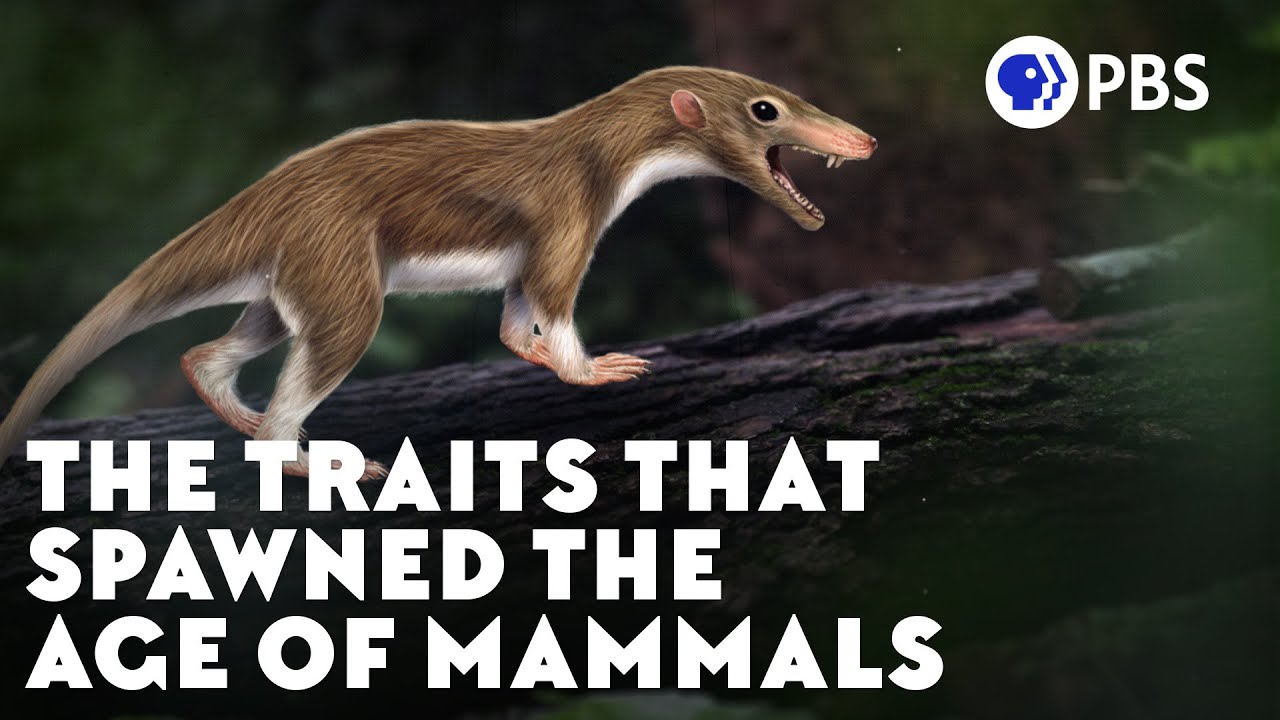
Mammalian traits, such as fur and live birth, originated much earlier than previously thought, appearing in non-mammalian species during the age of dinosaurs.
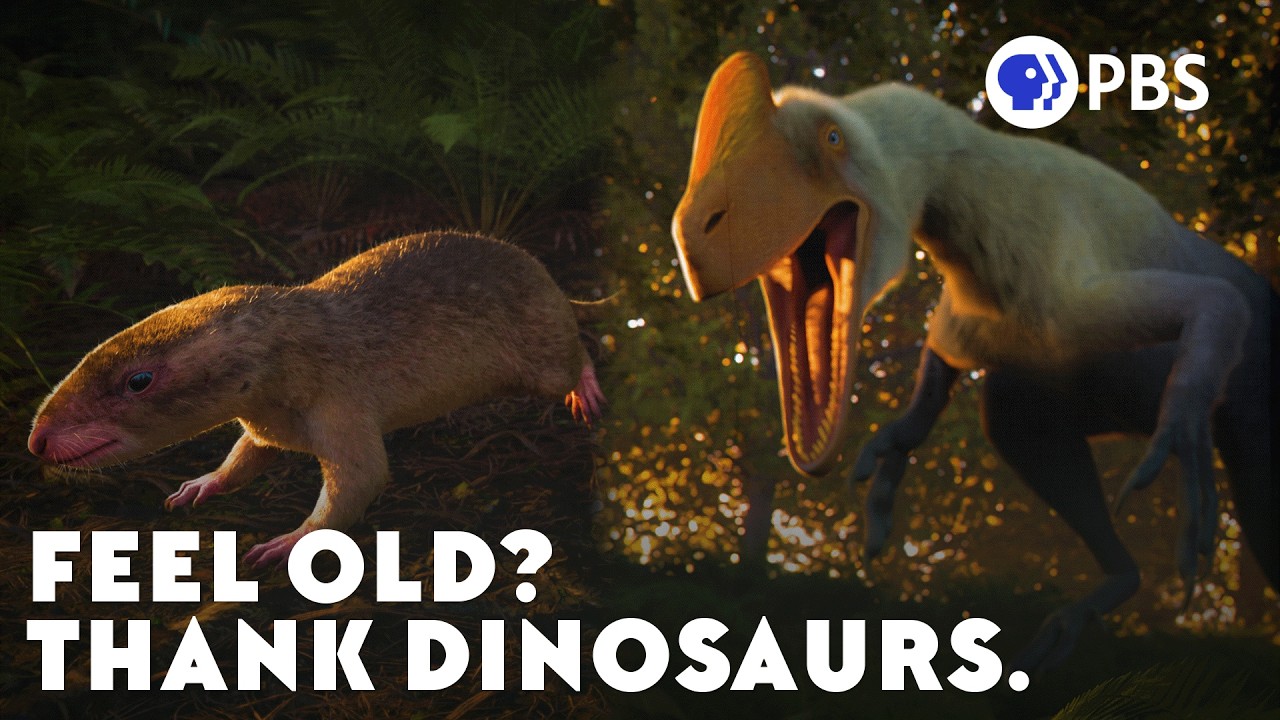
Dinosaurs may have influenced the aging process in modern vertebrates, suggesting a link between their extinction and the accelerated aging of species today.
Fire, a phenomenon unique to Earth, has evolved over billions of years through photosynthesis, influencing and being influenced by life forms.
Over a billion dogs live on the planet, with more than 75 million in the United States alone, reflecting their deep bond with humans.
Lucy, the famous fossil ancestor, is at the center of a decades-long debate regarding whether her death resulted from a fall from a tree, highlighting human evolutionary transitions.
An ancient line between two Indonesian islands represents a complex interplay of cultural and geographical boundaries that shape local identities and interactions.
Aegirocassis, the largest radiodont from the Early Ordovician, reached over 2 meters in length, enabled by a significant evolutionary shift in plankton.
In Messel, Germany, miners extracting oil in the 1800s uncovered exceptionally preserved Eocene fossils, raising questions about the conditions that led to their preservation.
Dimetrodon, a sail-backed reptile from the Palaeozoic Era, serves as a significant link in the evolutionary history leading to modern mammals.
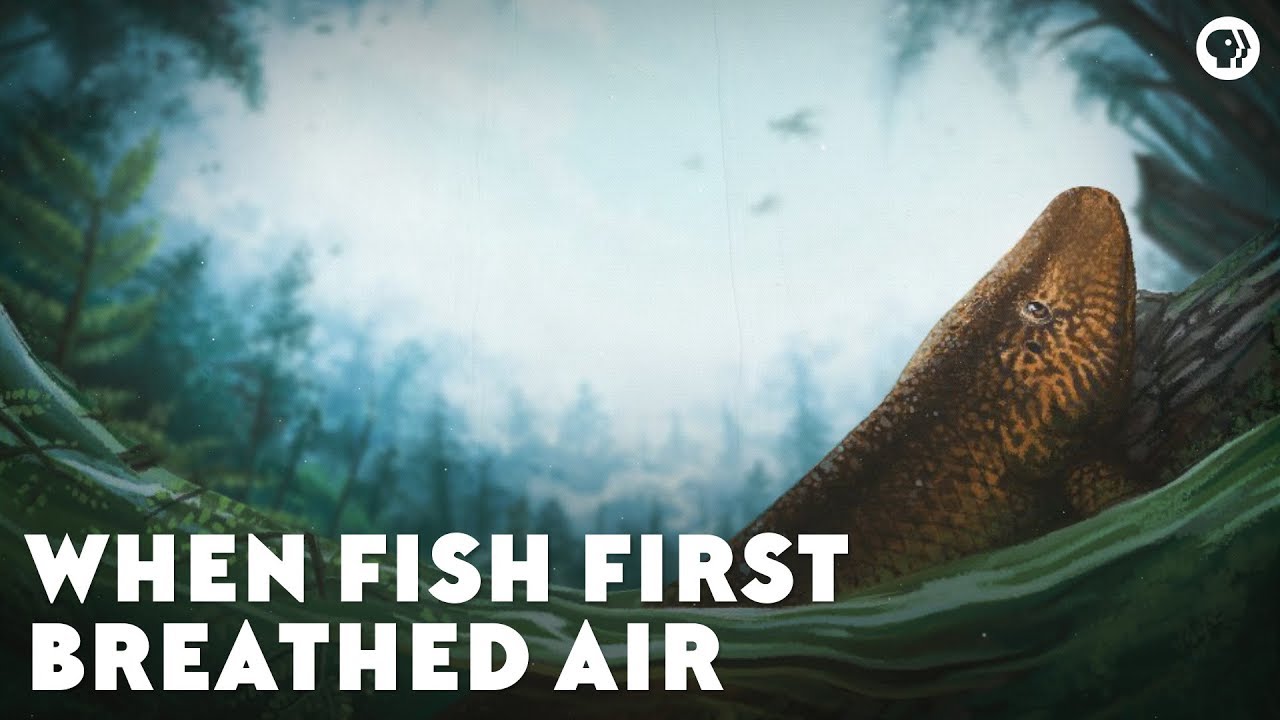
385 million years ago, fish evolved into the first air-breathing vertebrates, leading to the emergence of terrestrial species like Ichthyostega.
Tetrapods, including frogs and dinosaurs, evolved from fish in a process that was largely a fortunate byproduct of their attempts to remain aquatic.
Ancestors of modern cephalopods like octopuses and squids possessed shells that initially provided protection but ultimately became a liability in their evolution.