From over 100,000 films, discover the handful you'll love.
Free or premium access to the world's largest documentary library.
634 films(Page 9 of 14)
Ninety-five percent of the universe is thought to be dark energy and dark matter, which do not emit light and remain largely unseen.
Eight feet tall, a dominant male kangaroo defends his title against challengers in brutal fights for access to females and territory.
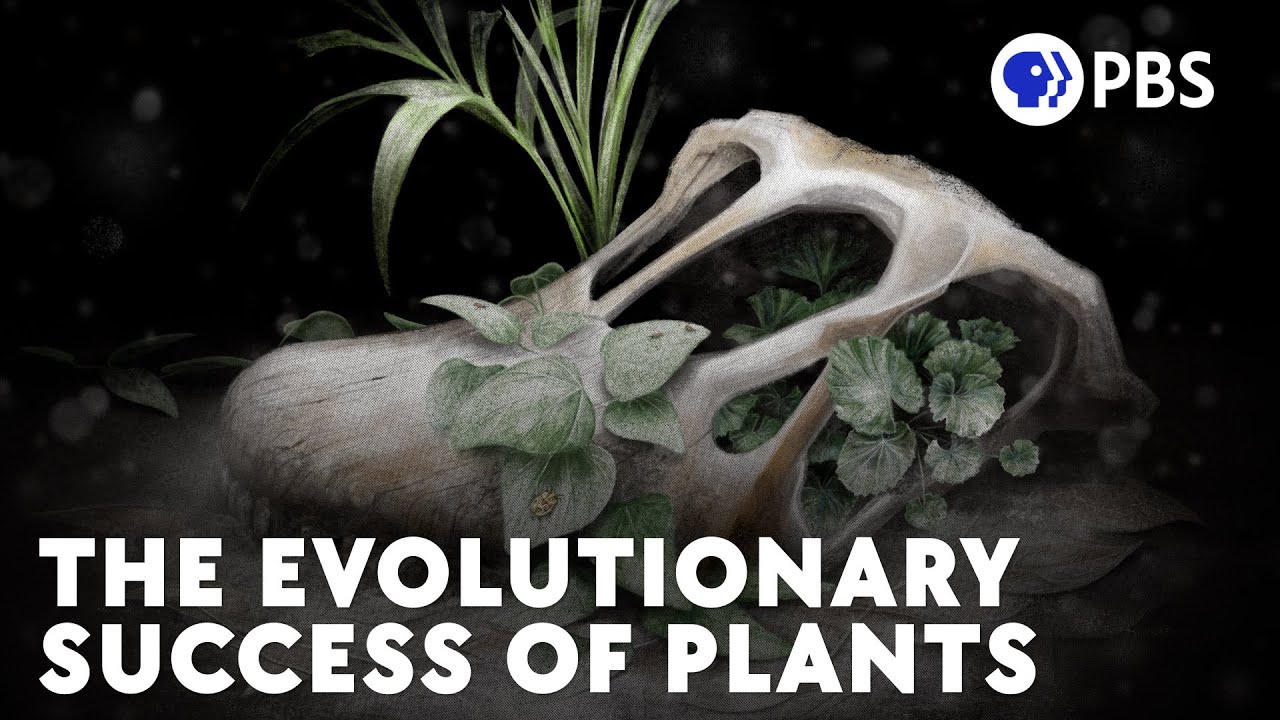
In the aftermath of the K-Pg extinction, research by Franz Anthony highlights how certain plants adapted by increasing their DNA content to survive ecological upheaval.
The rise of the Tibetan plateau played a crucial role in the evolution of Homotherium, a unique and successful prehistoric cat species.
Titanoboa, the largest snake ever known, thrived in ancient Colombia around 59 million years ago due to the effects of a warming planet.
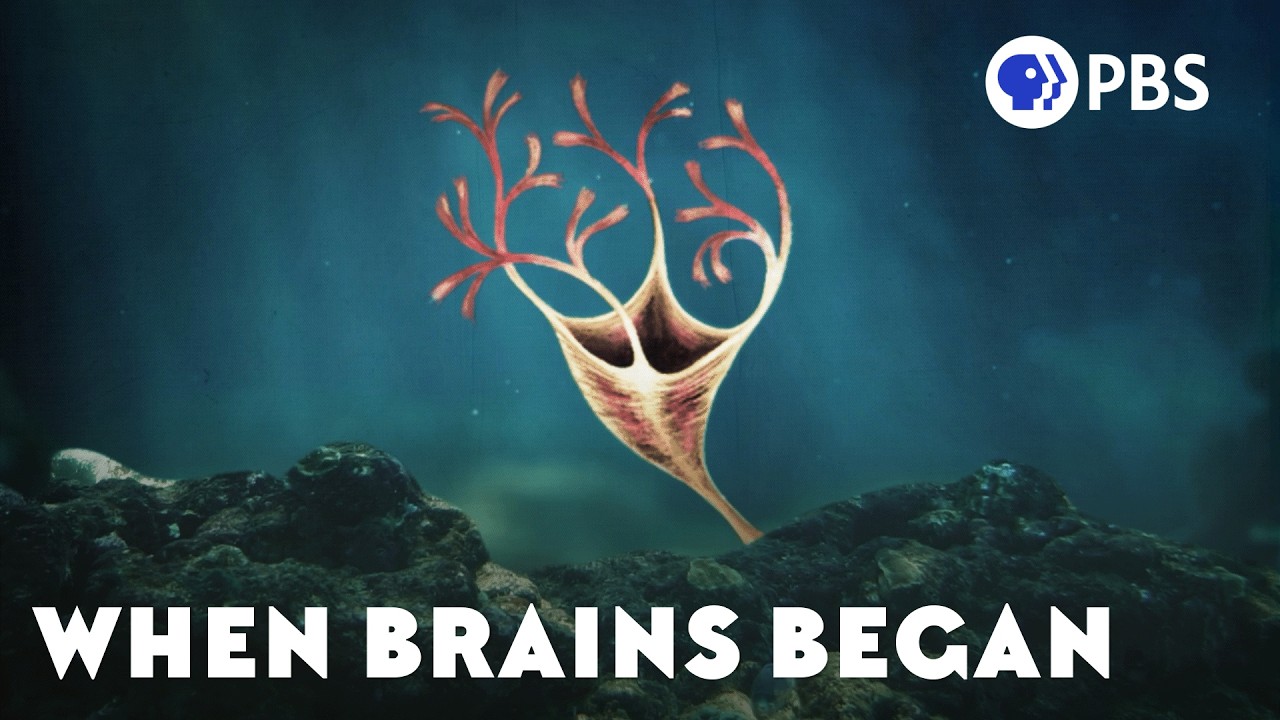
During the Cenozoic era, a significant mass extinction event led to a relative shrinkage of mammalian brains, influencing evolutionary development.
A sinkhole in North America has provided insights into the migration of a red panda relative, revealing historical connections between continents.
Toba supervolcano's massive eruption 74,000 years ago significantly impacted human evolution and the environment, as explored through scientific reconstructions.
Yellowstone, a supervolcano in North America, has played a crucial role in creating some of the continent's most remarkable fossil deposits.
Ancient rock art in Australia reveals depictions of megafauna, prompting researchers like Professor Bruno David from Monash University to explore their historical existence.
Tiny exoskeleton fragments may have enabled ancient microbes to travel across the ocean, significantly impacting Earth's ecological history.
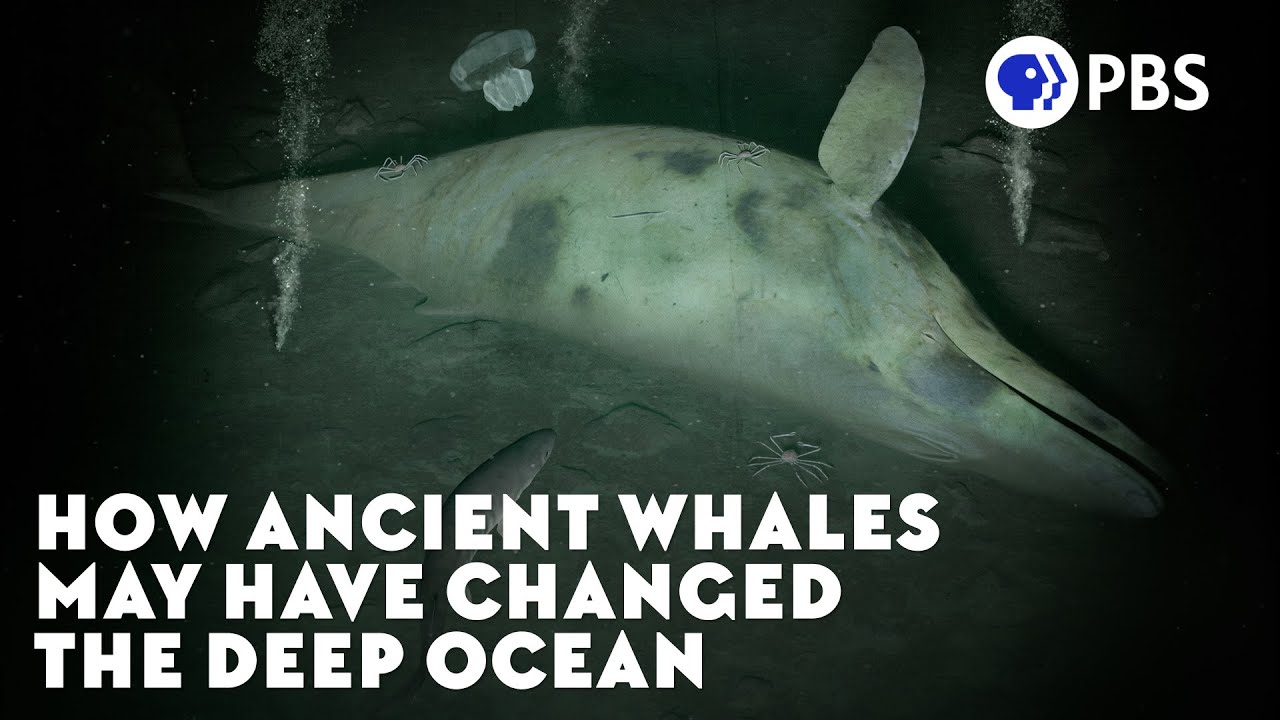
The evolution of ocean-going whales like Borealodon has significantly influenced deep ocean communities, particularly around geothermal vents, following their death.
The evolution of the butthole represents a significant milestone in animal development, challenging traditional definitions of this anatomical feature.
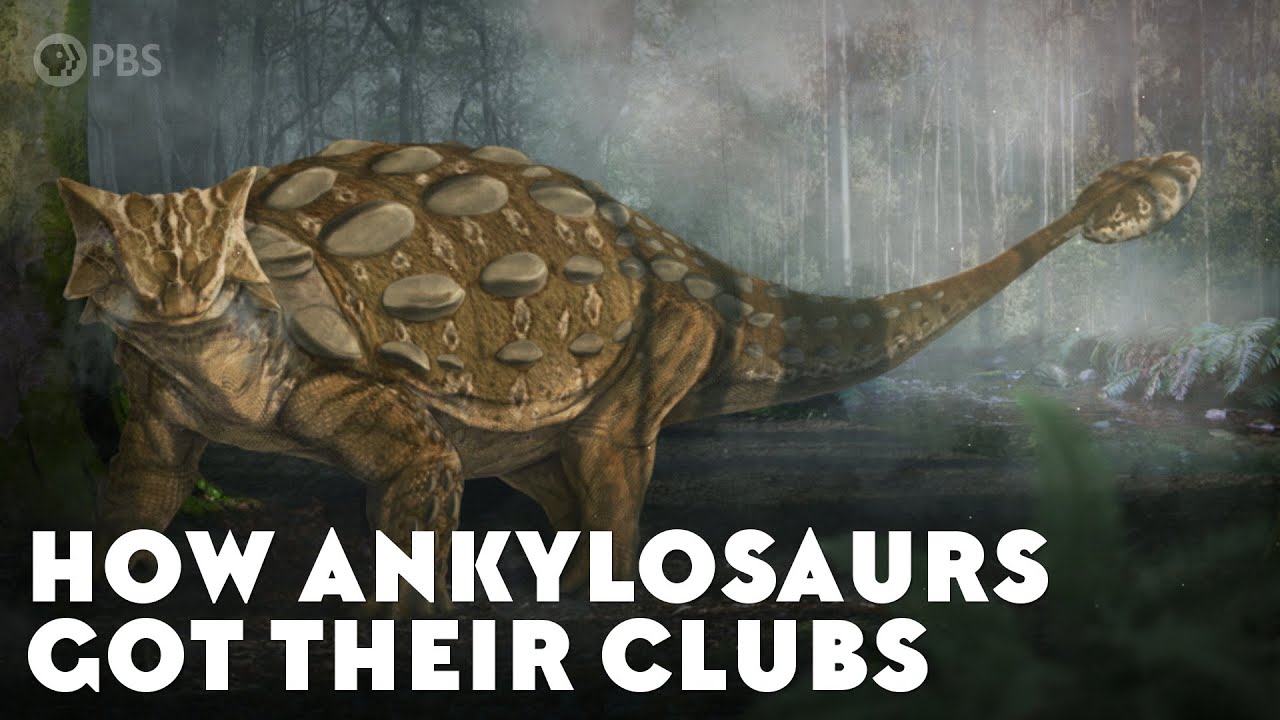
Ankylosaurs, known for their distinctive club-like tails, are examined for the evolutionary development and functional significance of this unique anatomical feature.
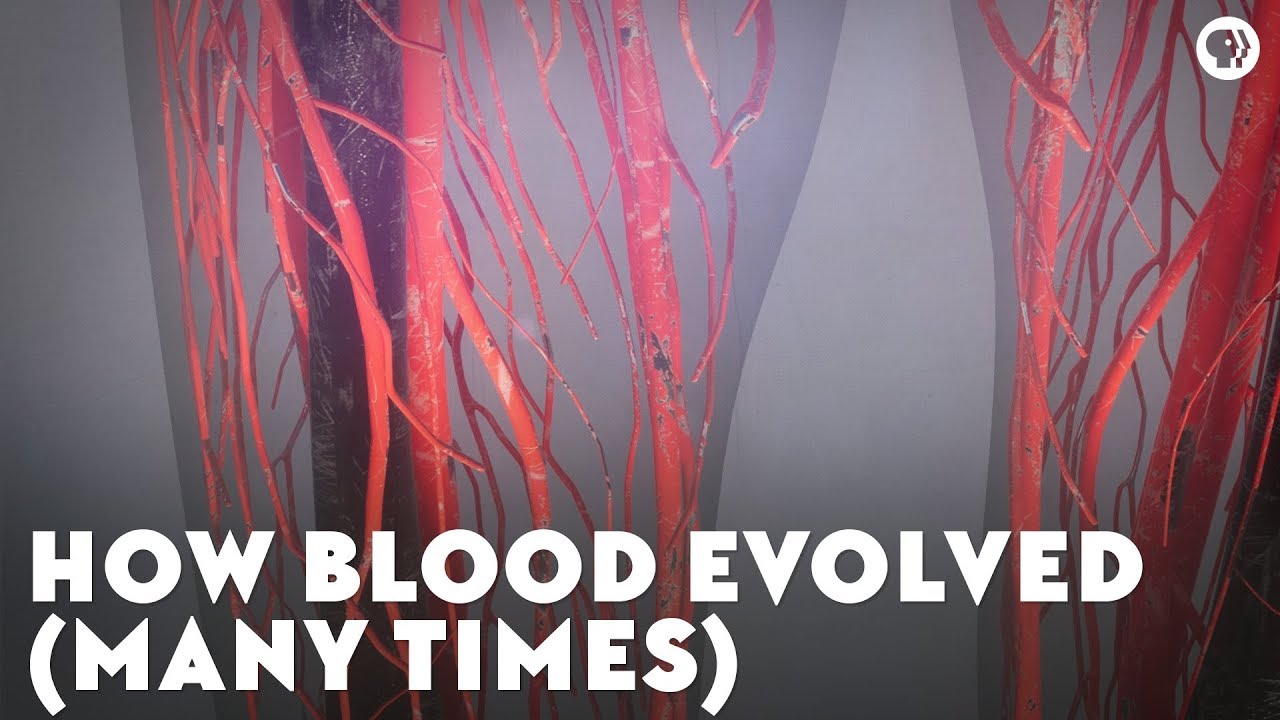
Blood has evolved in various forms, including red, blue, and green, showcasing its transformative role in the evolutionary history of animals over millions of years.
The relationship between physical strength and cognitive ability has been intertwined throughout history, challenging the notion that they are mutually exclusive.
66 million years ago, the ability to chew food effectively may have enabled tiny mammals and lizard-like reptiles to survive the mass extinction caused by an asteroid impact.
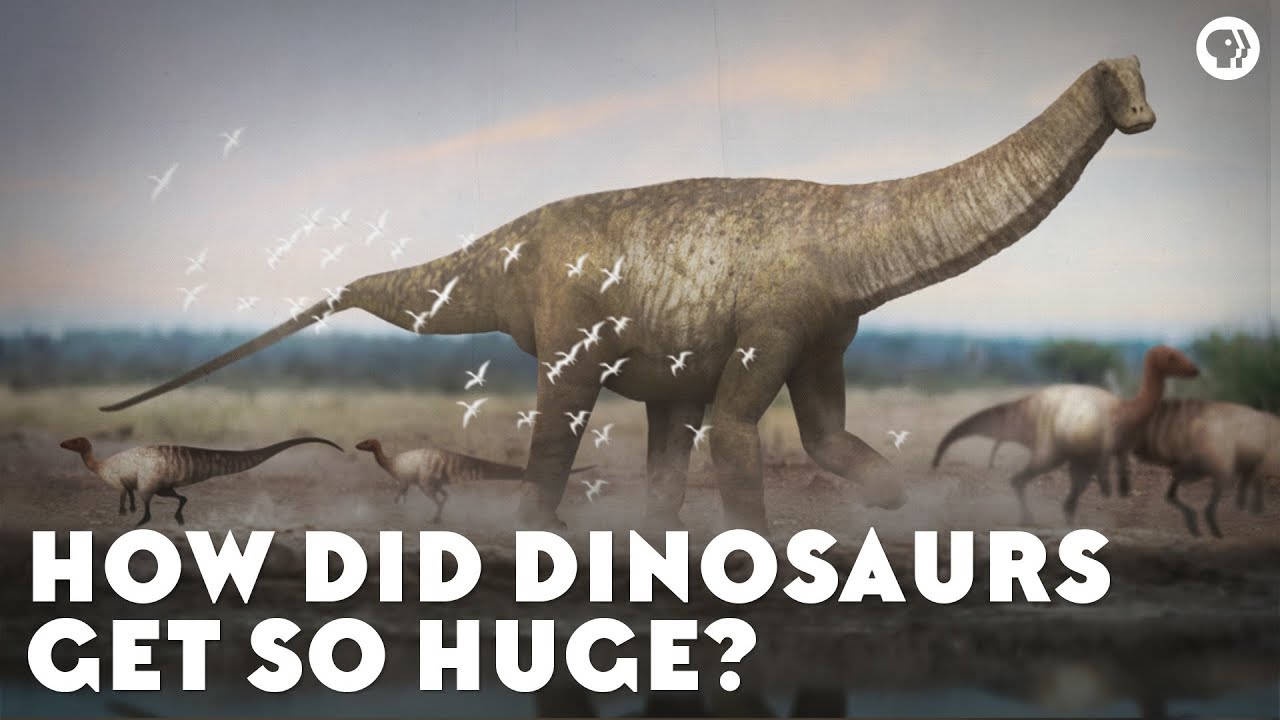
Dinosaurs, some as tall as a five-story building, roamed the Earth during the Jurassic and Cretaceous Periods, showcasing remarkable evolutionary adaptations.
Lucy, the famous fossil ancestor, is at the center of a decades-long debate regarding whether her death resulted from a fall from a tree, highlighting human evolutionary transitions.
Dinosaur mating behavior is examined through fossil evidence and artistic reconstructions by paleontologists including Xing Lida and Sydney Mohr.
The evolutionary transition from dinosaurs to birds is explored through scientific evidence, including the impact of the asteroid 66 million years ago and new survival theories.
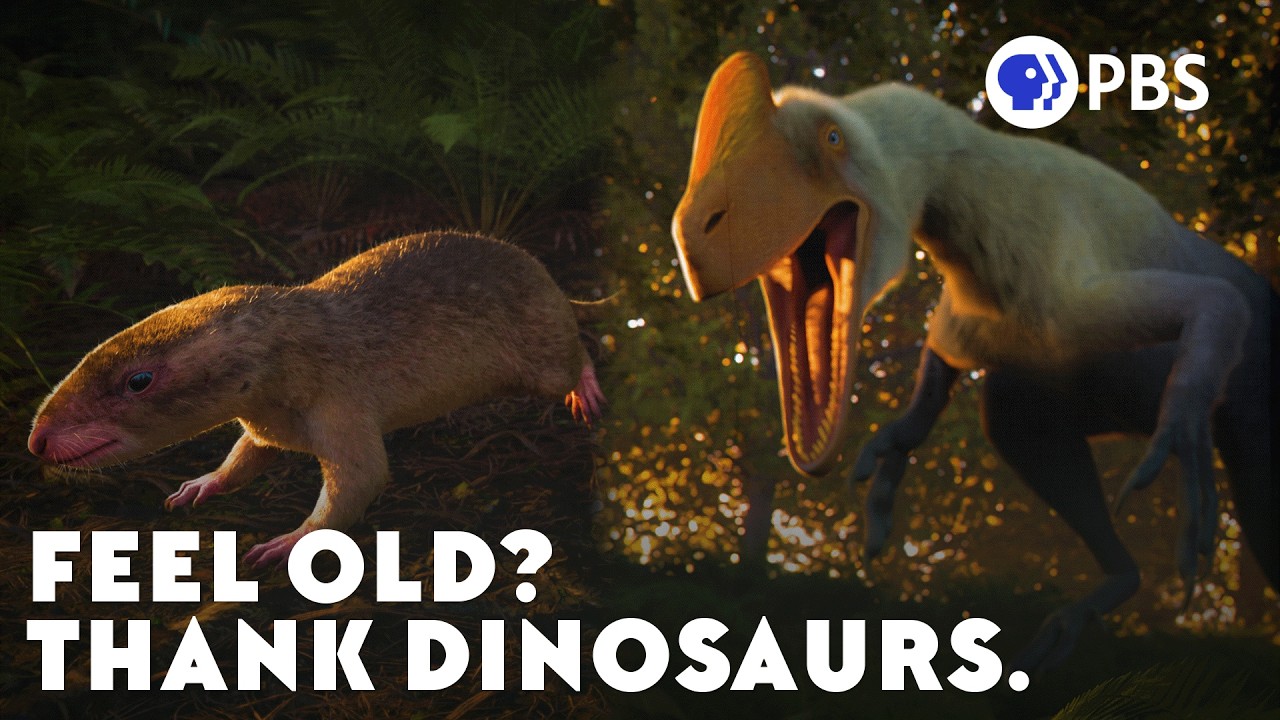
Dinosaurs may have influenced the aging process in modern vertebrates, suggesting a link between their extinction and the accelerated aging of species today.
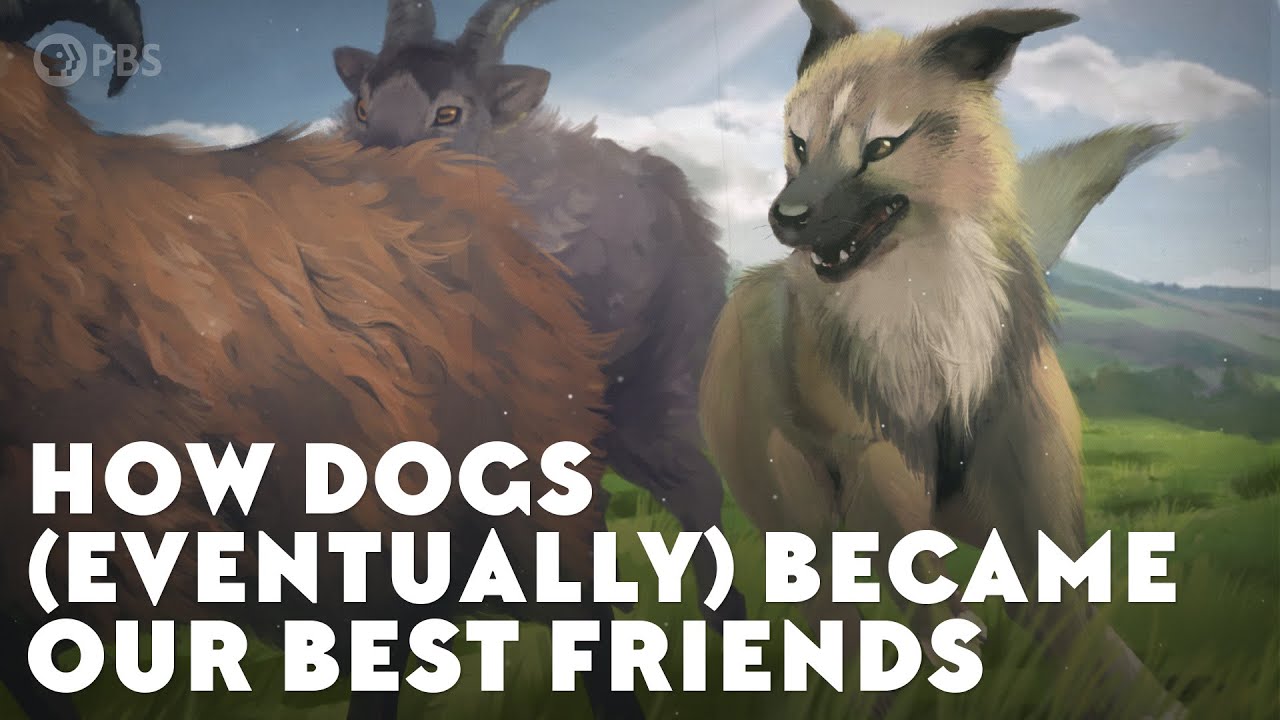
Thousands of years of interactions between humans and wolves led to the domestication of dogs, shaping their genetics and anatomy into the companions known today.
At the Smithsonian National Museum of Natural History's Deep Time Hall, experts explain the mechanisms of evolution and the historical context of its understanding.
Homo naledi, a newly discovered human ancestor, is prompting a reevaluation of human origins, as explained by biological anthropologist Marina Elliott.
The evolution of horses from food sources to companions is explored through evidence from art, archaeology, and ancient DNA, raising questions about their domestication.
Right-handedness in humans may have deep evolutionary roots, with left-handedness offering unexpected advantages, as explored through various scientific perspectives.
Humans are the only primates without a coat of thick fur, a change that significantly impacted body temperature regulation and shaped human evolution.
Modern humans migrated from Africa around 100,000 years ago, interbreeding with Neanderthals and Denisovans to shape today's genetic diversity.
Around 10,000 years ago in Africa, a parasite transitioned from gorillas to humans with the aid of mosquitoes, marking a significant evolutionary leap.
Aegirocassis, the largest radiodont from the Early Ordovician, reached over 2 meters in length, enabled by a significant evolutionary shift in plankton.
Botanical carnivory evolves as certain plants adapt to nutrient-poor environments, showcasing unique survival strategies in species like sundews.
In the Cambrian period, the emergence of terrestrial plants significantly altered Earth's climate and contributed to the first mass extinction event.
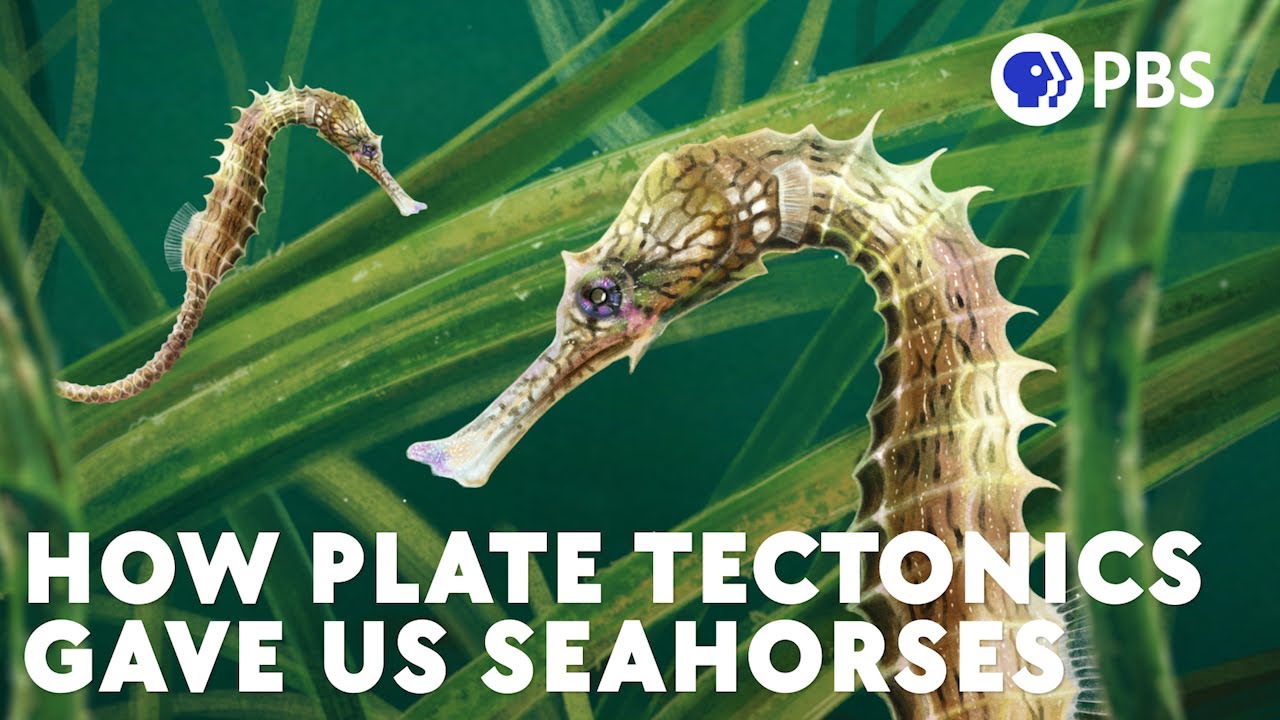
Seahorses, known for their poor swimming abilities, have a complex evolutionary history that reveals their global distribution and origins, as explored by Eons and Franz Anthony.
In the Jurassic period, insect pollination evolved twice, highlighting the changing relationships between plants and insects, as explored by experts like Dr. Conrad C. Labandeira.
Pterosaurs, the ancient flying reptiles, experienced evolutionary changes that enabled flight but ultimately contributed to their extinction.
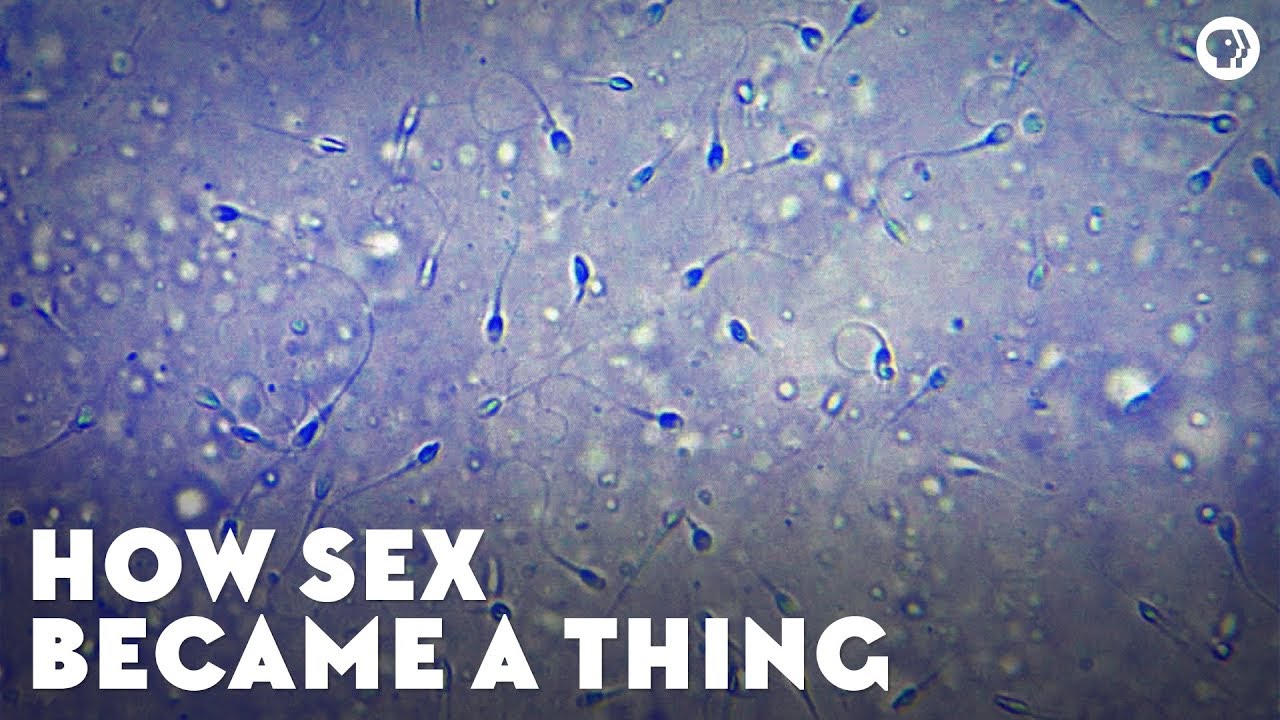
Sexual reproduction's evolutionary history is explored, tracing its origins and significance in the development of life on Earth.
During the golden age of sharks, diverse species thrived in Earth's oceans, but most of that remarkable variety was lost over time.
Sloths exhibit remarkable ecological diversity, having evolved from marine foragers and underground dwellers to their current arboreal lifestyle, with only tree-dwelling relatives remaining.
The rise of venomous elapids has triggered an evolutionary arms race, impacting not only other species but also early human ancestors.
Throughout the Cenozoic Era, marsupials and their metatherian relatives thrived in South America, adapting to various ecological niches and evolving into diverse forms.
At Cerro Ballena in Chile, over 40 skeletons of marine mammals from the Late Miocene Epoch reveal insights into the environmental changes that may have contributed to their demise.
Two extinct relatives of horses and rhinos, chalicotheres, exhibit significant differences in body structure despite their close evolutionary relationship.
The evolution of the egg is traced from the first land-dwelling vertebrates to modern mammals and birds, emphasizing that the egg came first.
Long-jawed proboscideans were rapidly replaced by modern elephants and their ancestors due to climate change, which favored the evolution of flexible trunks.
One fruit fly mutation resulted in legs growing in place of antennae, leading to significant discoveries about the genetic basis of animal development.
Myxozoans, a group of tiny and simple animals, evolved from larger and more complex ancestors, challenging the conventional view of evolutionary progress.
Ancestors of modern cephalopods like octopuses and squids possessed shells that initially provided protection but ultimately became a liability in their evolution.