From over 100,000 films, discover the handful you'll love.
Free or premium access to the world's largest documentary library.
634 films(Page 10 of 14)
Starfish, with a history spanning nearly half a billion years, illustrate the deep evolutionary connections among familiar marine animals.
Tyrannosaurus rex, known for its massive size and small arms, presents a complex evolutionary narrative regarding the function and adaptation of its forelimbs.
Turtles evolved from ancient reptiles, and their unique shells have prompted scientists to reevaluate the history of reptile evolution.
The evolution of walruses over nearly 20 million years reveals that their tusks are not linked to their feeding habits, challenging previous assumptions.
Teeth, a revolutionary adaptation in vertebrates, have evolved to disappear in certain groups, raising questions about the mechanisms behind this phenomenon.
In the evolution of primates, a key adaptation allowed ancestors to safely digest fermented fruits, leading to the nutritional benefits of fermented foods.
Ediacaran life forms, once a mystery to scientists, were identified as early animals through the analysis of fossilized fat, revealing insights into Precambrian ecosystems.
Mystacodon, the earliest known mysticete, raises questions about the origins of baleen and how these ancient whales lived without it.
In the Ediacaran period, diverse worm-like organisms thrived in a region known as Wormworld, ultimately leading to its ecological decline through their own activities.
Time travel was first proposed by Albert Einstein in 1905, raising questions about its potential impact on human evolution and contact with extraterrestrial beings.
Researchers and theorists debate human evolution in Season 1, Episode 4, highlighting new findings that challenge established beliefs about genetic origins.
Fossil evidence of Diictodon suggests that male parents may have stayed behind in burrows to feed and protect their young during breeding.
Recent research raises questions about the evolutionary significance of bird wings, challenging perceptions of their normalcy in the animal kingdom.
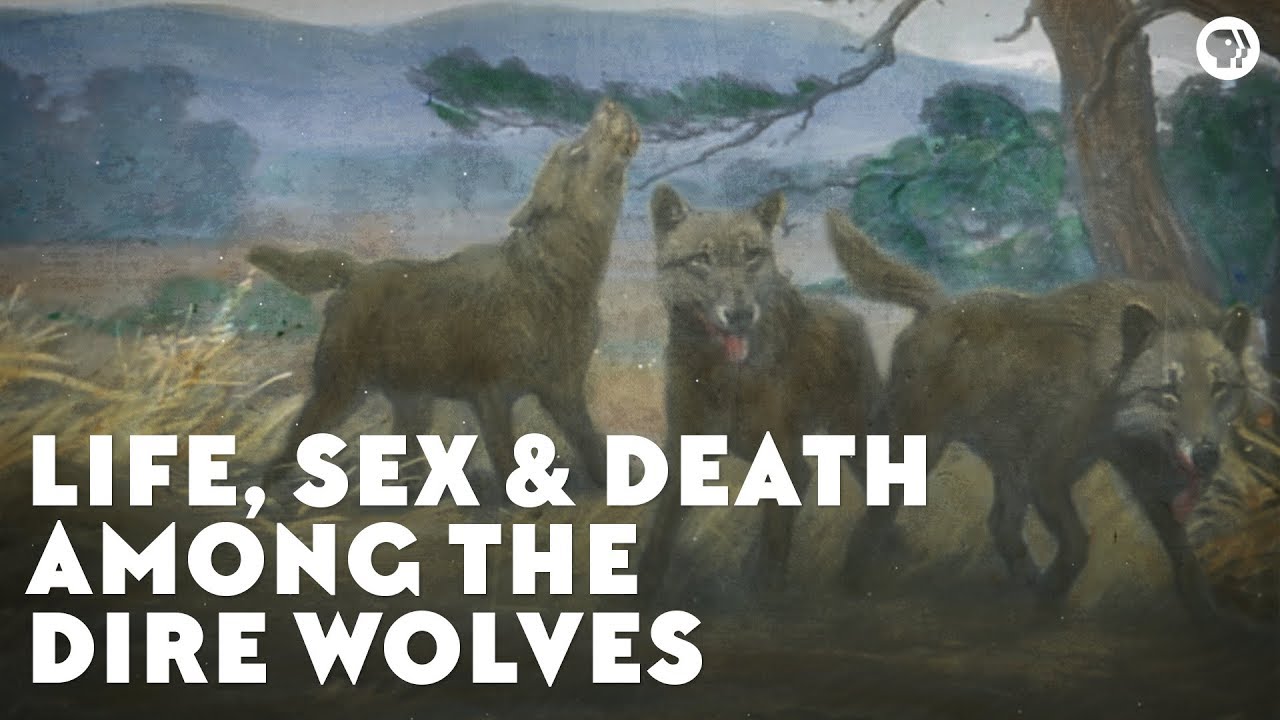
Dire wolves, once prevalent in California, left behind thousands of remains that reveal insights into their lives, hunting practices, and reproductive behaviors.
In Tennessee, the Paddlefish, a prehistoric species that has existed for over 100 million years, is highlighted alongside efforts to save the Giant Panda and study Komodo Dragon parthenogenesis.
Kenny Broad explores the submerged cave system of the Blue Holes in the Bahamas, seeking insights into evolution and climate change.
Biologist David Rubik has studied the wildlife in Panama for 30 years, noting nearly 500 different kinds of butterflies in just one acre of tropical forest.
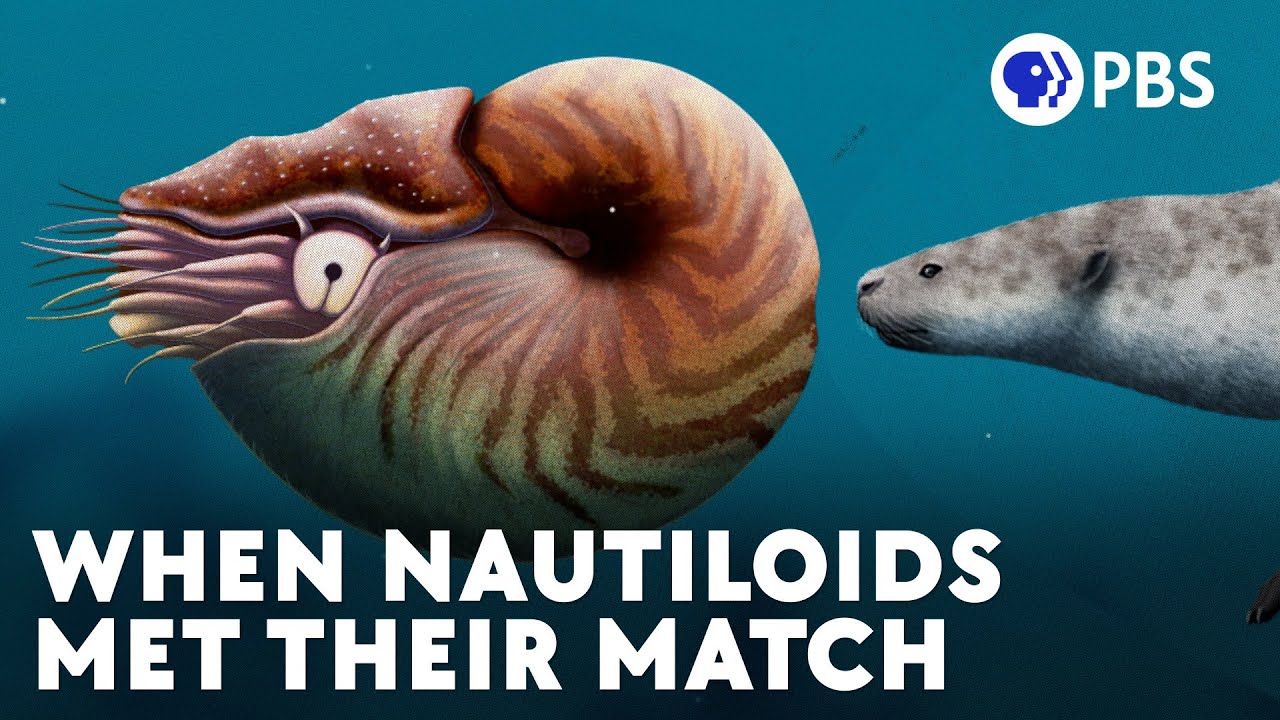
Around 30 million years ago, new predators like seals and whales began to displace nautiloids from their global habitats into a single refuge.
Paleontologist Nizar Ibrahim connects findings from the Cretaceous period, Nazi Germany, and modern Africa to trace the history of the Spinosaurus dinosaur.
Life on Earth originated from single-celled organisms in deep-sea vents, evolving over 3.5 billion years into complex forms, including Eukaryotes.
In the field of molecular genetics, research led by Riley J. Mangan at Duke University highlights the significance of previously deemed "junk DNA" in understanding human genetics.
Around the time some fishapod relatives were adapting to life on land, others, like Qikiqtania, were returning to aquatic environments.
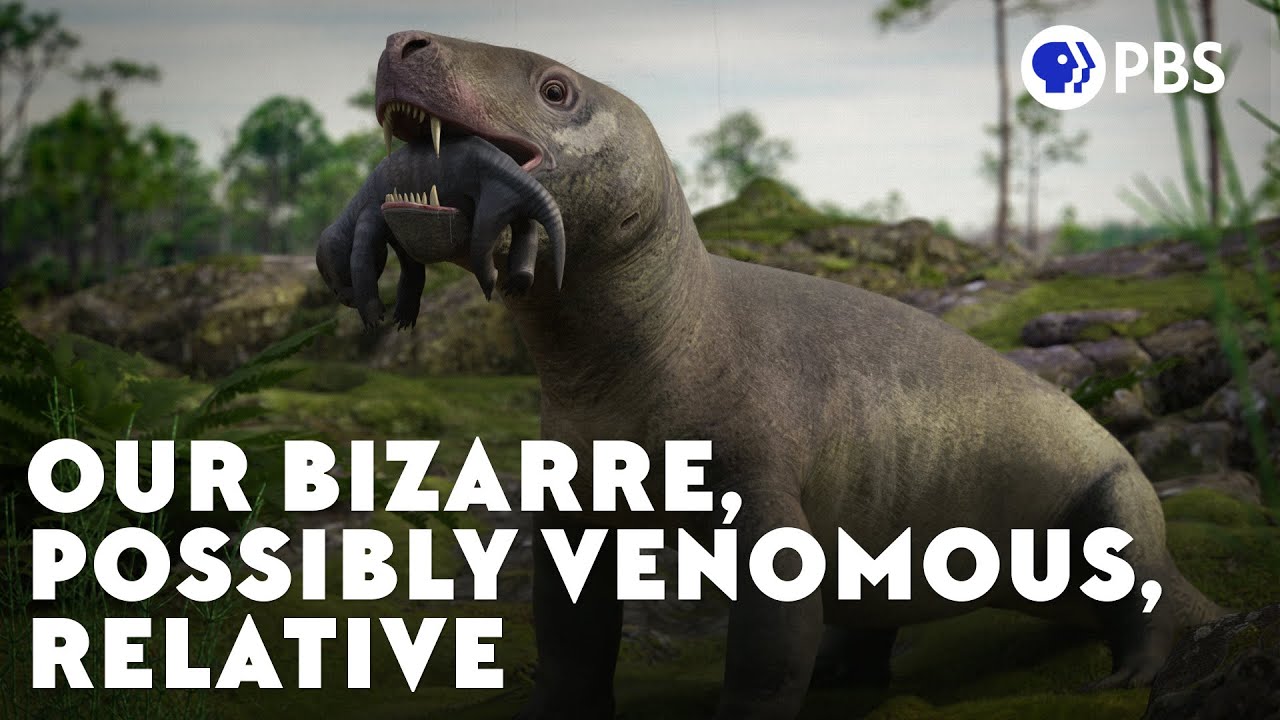
Euchambersia, a prehistoric mammal, may have possessed venom 20 million years before lizards and 150 million years before snakes, highlighting the evolution of venomous mammals.
A group of hominins, including Paranthropus, followed a parallel evolutionary path to modern humans, ultimately leading to their extinction.
The Snake Detection Hypothesis suggests that primates, including humans, have evolved the ability to quickly identify and avoid snakes due to the long-standing threat they pose.
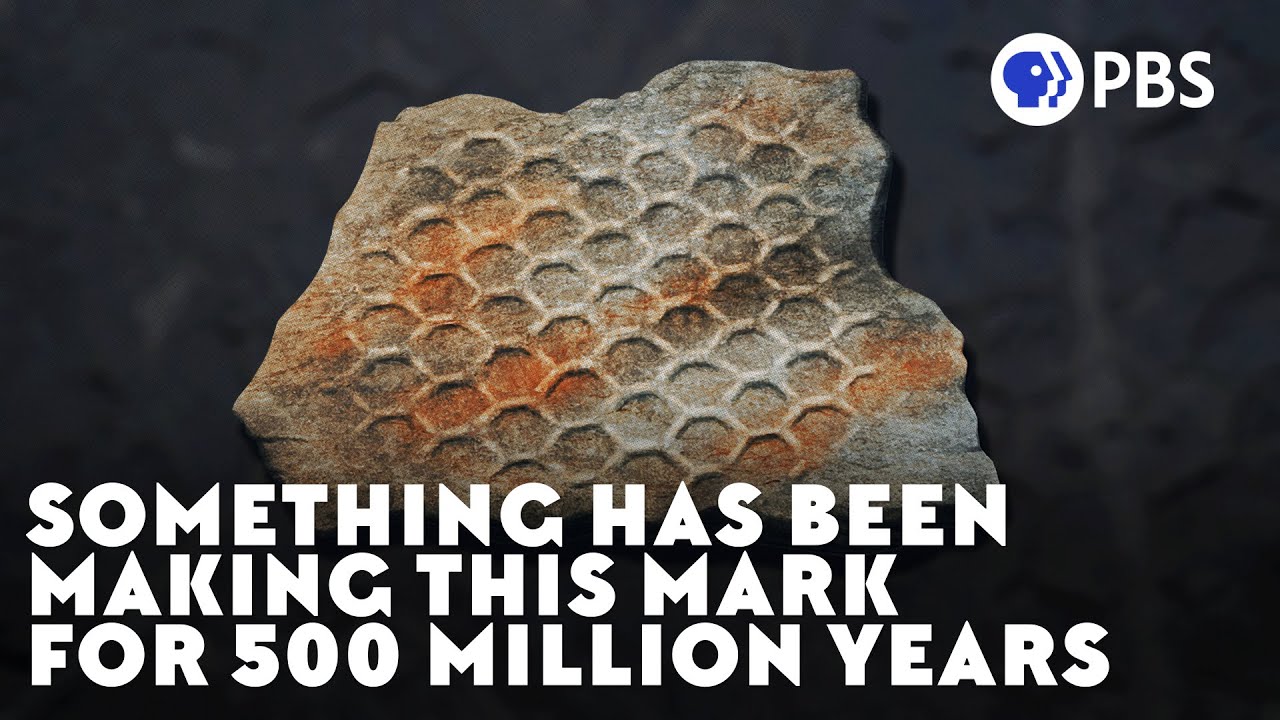
Paleodictyon, a hexagonal-patterned fossil found in various geological formations, raises questions about its classification as either a trace fossil or an organism itself.
3 billion years ago, an excess of oxygen in Earth's atmosphere nearly led to the extinction of all life, a phenomenon known as the Oxygen Catastrophe.
Cataclysmic eruptions in the American West, explored through geological phenomena, reveal how significant events can occur without widespread devastation.
The Cretaceous Resinous Interval, a 54-million-year period marked by widespread amber preservation, raises questions about the environmental conditions that caused its sudden disappearance.
During the Cretaceous Period, Earth's ecosystems faced extreme conditions that led to a significant depletion of oceanic oxygen for half a million years.
Paleontologists found a theropod dinosaur skull atop a nest of eggs, revealing that raptors like Citipati were likely caring parents rather than nest robbers.
Dental calculus, the hardened residue on teeth, serves as a unique fossil record that allows scientists to trace microbial evolution over 40 million years.
During the Carboniferous Period, approximately 315 million years ago, insects and other arthropods thrived in enormous sizes, vastly outnumbering early terrestrial life.
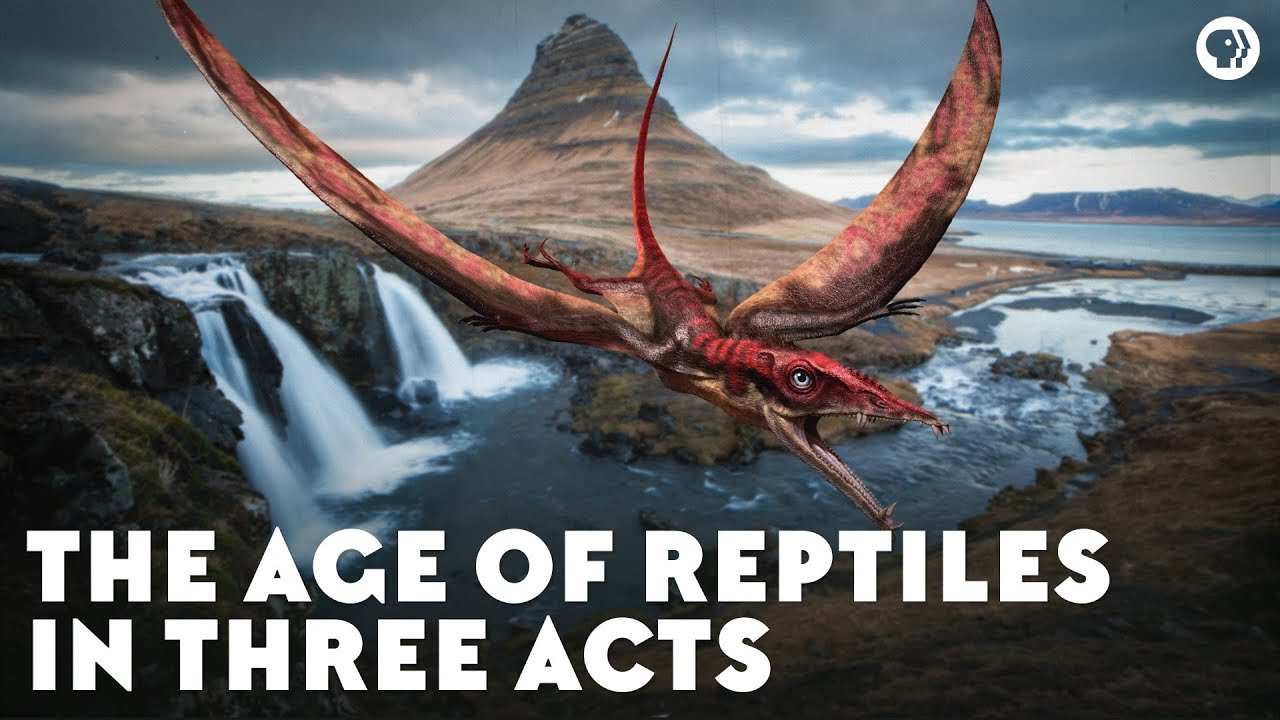
Reptiles evolved during the Mesozoic era, showcasing their transformation from modest creatures to some of the largest life forms on Earth.
Denisovans, an ancient human species known from only a few fossils, present challenges in reconstructing their morphology due to the scarcity of physical remains.
Spiders and their ancestors have driven an evolutionary arms race that led to the development of powered flight in insects long before they inhabited land.
Giant beavers, which lived both on land and in water, lacked the dam-building abilities of their modern counterparts, highlighting significant evolutionary differences.
Beelzebufo, the giant frog that coexisted with dinosaurs, presents a complex challenge in understanding amphibian evolution and paleobiology.
Toxodon, an extinct mammal that thrived in isolation for millions of years, played a crucial role in shaping Charles Darwin's theories on evolution.
In the Eocene Epoch, a unique reptile evolved with elongated hind legs, hoofed toes, and specialized teeth for flesh consumption, raising questions about its adaptation.
In Switzerland, veteran climber Jakob Schubert competes alongside rising stars Toby Roberts and Mejdi Schalk in a high-stakes men's climbing event.
Borealopelta, a uniquely preserved nodosaur studied by paleontologists Caleb Brown and Donald Henderson at the Royal Tyrrell Museum, provides insights into ancient ecosystems.
In the eastern United States, geological and evolutionary factors contributed to the absence of well-known dinosaur species like Triceratops, creating a unique prehistoric landscape.
Sauropods, the largest land animals in history, faced significant anatomical and physiological challenges due to their unprecedented size and gigantism.
The evolution of hearts traces the development of this vital organ from the earliest common ancestors, highlighting hundreds of millions of years of biological adaptation.
Venom, a lethal evolutionary adaptation found in species from snakes to jellyfish, is examined by evolutionary biologist Sean B.
Paleontologists explore Lazarus taxa, organisms once believed extinct that have reappeared, highlighting the complexities of natural history.
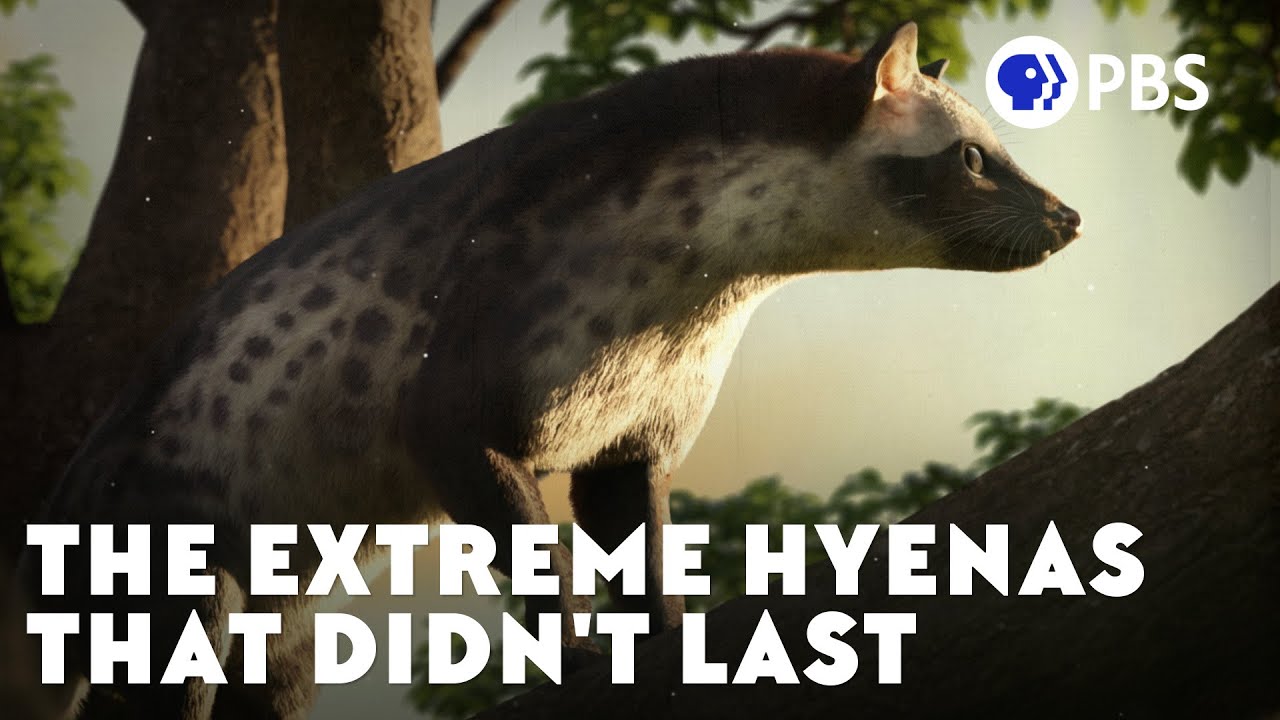
Hyenas evolved significantly over millions of years, transitioning from their ancestral forms to become specialized bone-eaters, as explored by Julio Lacerda and Roman Uchytel.