From over 100,000 films, discover the handful you'll love.
Free or premium access to the world's largest documentary library.
634 films(Page 8 of 14)
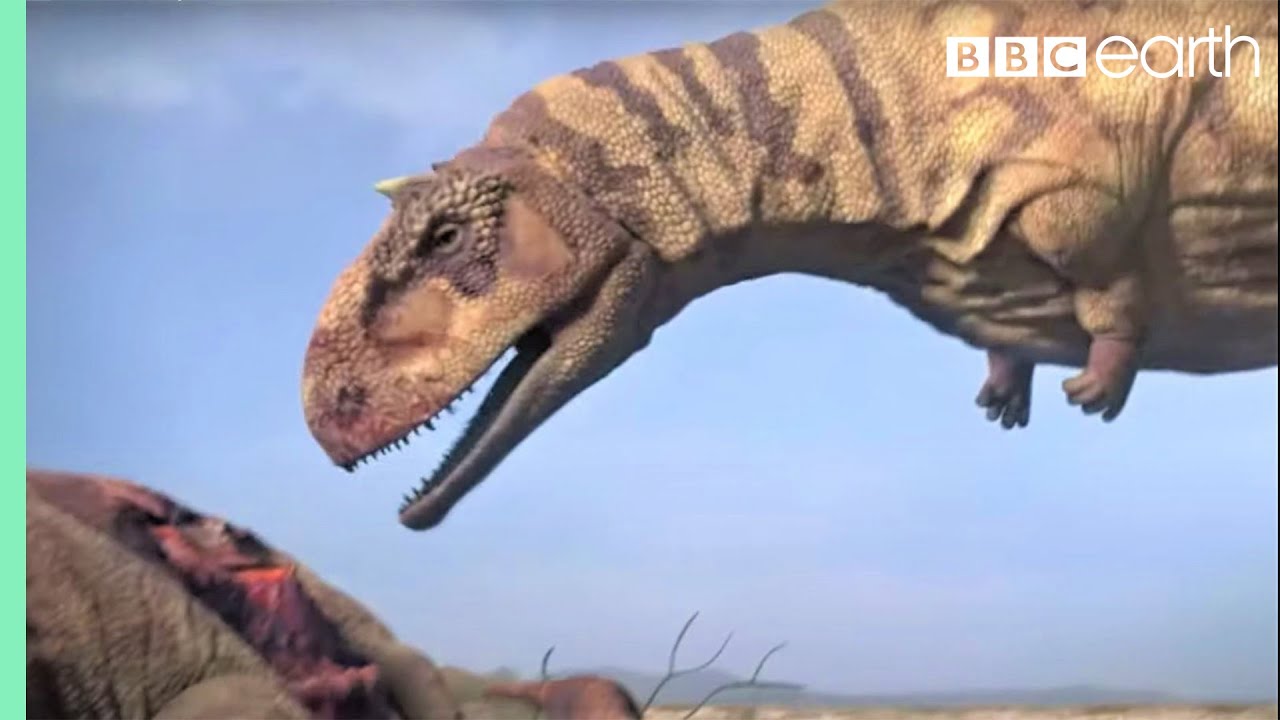
Tyrannosaurus rex, measuring 13 meters long and weighing 6 tons, was the dominant predator of its time, roaming the Earth 70 million years ago.
The fossil reveals the amazing body structure of the dimorphodon, an early flying reptile.
Birds grew feathers 150 million years ago for insulation, not flight, as shown by Attenborough.
John Scopes is tried in Tennessee for teaching evolution, violating the Butler Act in July 1925.
John Gurche creates life-like sculptures of early ancestors for Smithsonian Spotlight: Human Origins.
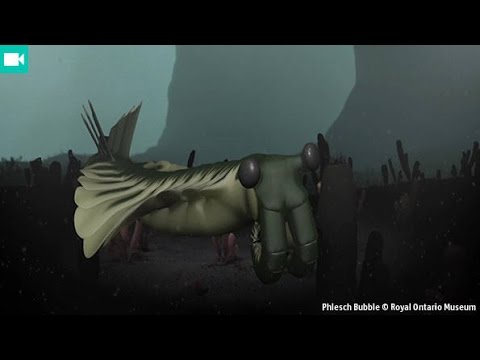
Scientists investigate the Cambrian explosion that transformed life on Earth.
Recent discoveries challenge the understanding of human origins from chimpanzees.
Resource exploitation in the Solomon Islands disrupts evolutionary processes that have shaped local ecosystems for thousands of years.
Proboscis monkeys have outrageous noses that help attract mates and digest toxic leaves.
Hippos share surprising traits with whales, as shown in Aerial Africa: Zambia series.
Pakicetus, a wolf-sized ancestor, surprises expectations in whale evolution from the Series When Whales Walked.
Viruses play a crucial role in the evolution of life on Earth, influencing genetic diversity and the development of complex organisms.
The finch's beak in the Galapagos is different from ones in Australia, showcasing evolution.
Butterflies use slow wing beats to fly erratically and evade predators effectively.
130 million years ago, the rise of flowering plants was linked to a series of catastrophic fires that reshaped Earth's ecosystems.
A paleoanthropologist in South Africa finds fossilized skeletal remains of ancient humans.
Each triceratops egg measured almost a foot long, with slim chances of survival in a world dominated by dinosaurs 64 million years ago.
Geologists analyze Earth's layers to outline significant events in life's history, structured within the Geologic Time Scale.
Mars has a complex natural history that parallels Earth's, revealing insights into planetary evolution and the potential for life beyond our planet.
Long necks provided sauropods a significant advantage in accessing food, contributing to their status as the largest terrestrial animals in history.
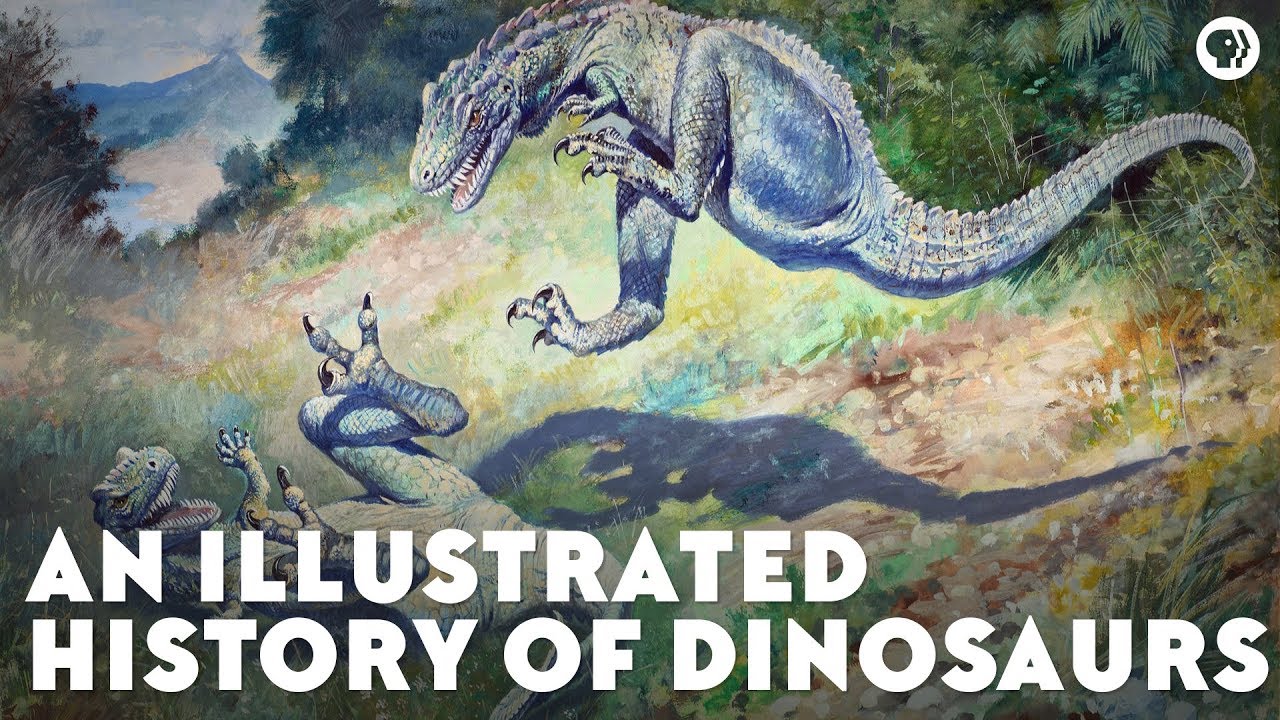
The evolution of dinosaur science over the past 350 years is illustrated through the artwork of notable paleoartists like Greg Paul and Doug Henderson.
Scientists have found ancient microbes in Yellowstone that may explain alien life.
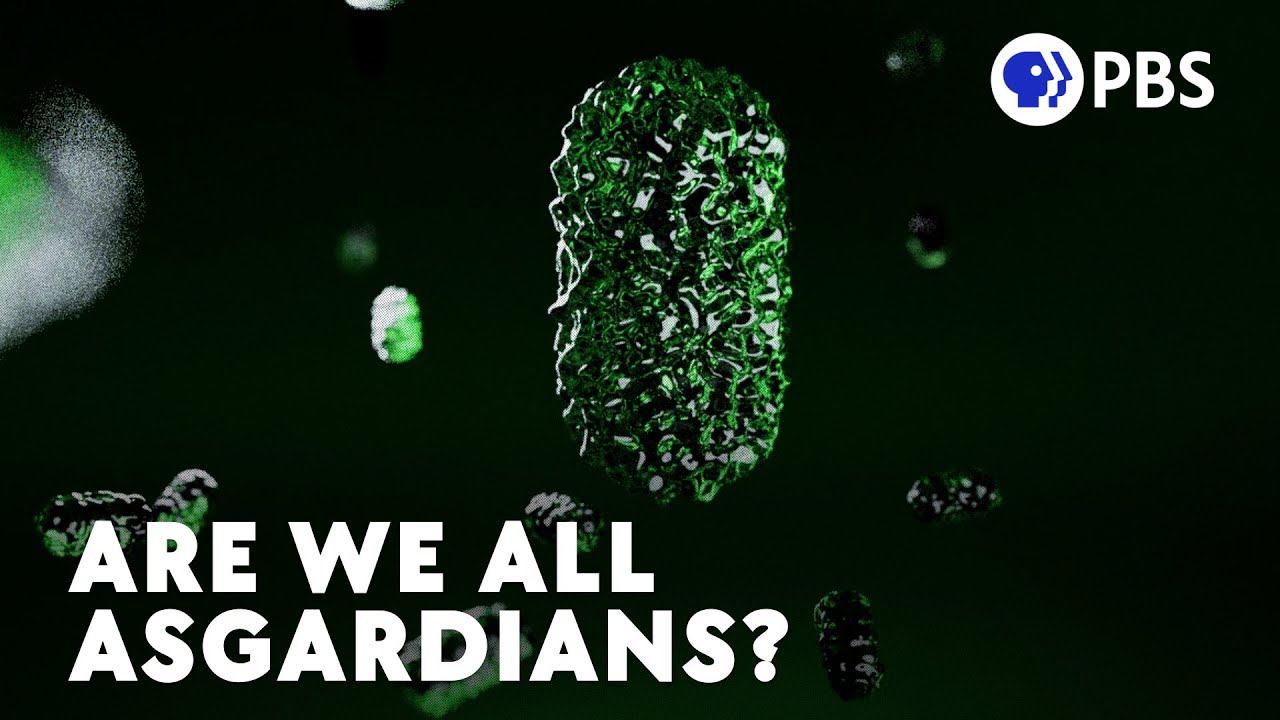
Archaea, a newly recognized domain of life, reveals surprising connections to humans and a group known as Asgard, challenging previous biological classifications.
David Attenborough returns to Madagascar to explore the legacy of the extinct elephant bird and assess the island's changing wildlife landscape.
Wolves chase hares, hawks pursue bats, and lions confront a bull in a series of intense predator-prey interactions showcased by BBC Earth.
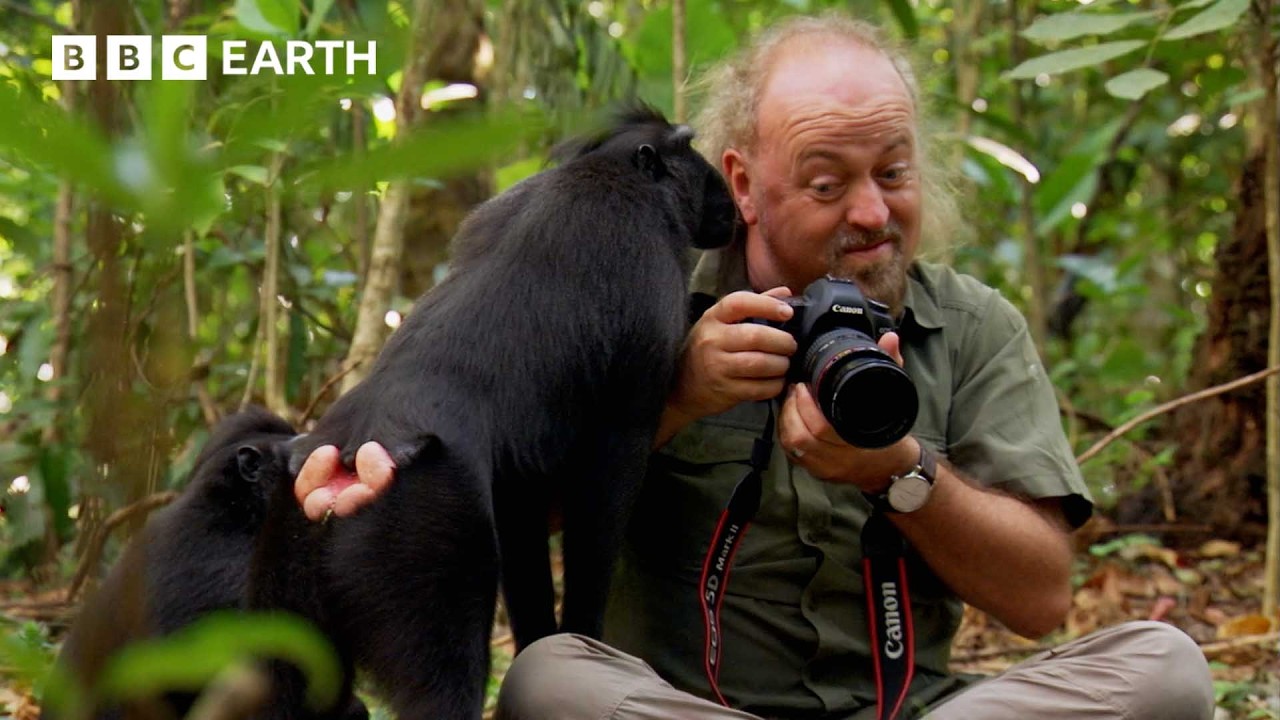
Alfred Russel Wallace's expeditions through Borneo and the Spice Islands are retraced by Bill Bailey, highlighting encounters with orangutans, flying frogs, and birds of paradise.
A cuttlefish participates in a modified version of the Stanford Marshmallow Test, challenging existing notions of intelligence and self-control in marine life.
Nobel Laureate Roger Myerson and Emerging Explorer Jill Pruetz examine how humans and chimpanzees enhance their societies through communication and conflict resolution.
In the tepuis of South America, climber Mark Synnott collaborates with ecologist Bruce Means to explore unique biodiversity and identify a new frog species.
Ophiocordyceps fungus manipulates the behavior of ants, compelling them to act against their natural instincts, as explored through reconstructions by Franz Anthony and Dr. João Araújo.
Livyatan melvillei, a massive prehistoric predator, raises questions about its origins, lifestyle, and potential self-extinction due to its enormous appetite.
Tetrapods, including frogs and dinosaurs, evolved from fish in a process that was largely a fortunate byproduct of their attempts to remain aquatic.
Charles Darwin encountered a small fox-like creature during his voyage on the HMS Beagle but failed to recognize its significant evolutionary implications.
Charles Darwin's later years were marked by an intense focus on earthworms, culminating in his final scientific work that explored their ecological significance.
Catarrhine primates, including African and Asian monkeys, apes, and humans, uniquely lack the alpha-gal sugar molecule found in other mammals.
Asteroids may have played a crucial role in the origin of life on Earth, according to research presented by Eons for PBS Digital Studios.
Ecosystems today include a variety of dietary options beyond carnivores and herbivores, prompting exploration of whether insects influenced dinosaur evolution.
Paleontologists debate whether the fossil LH PV18 belongs to the theropod Tarbosaurus bataar or represents a distinct species, Raptorex kriegsteini.
Dimetrodon, a sail-backed reptile from the Palaeozoic Era, serves as a significant link in the evolutionary history leading to modern mammals.
Lee Berger discusses the challenges faced by his team in recovering Homo naledi fossils and their implications for understanding human origins.
Tiktaalik, a crucial fossil from the Devonian period, illustrates the evolutionary transition from aquatic life to land-dwelling animals and connects modern humans to their fish ancestors.
Thunderbeasts, massive prehistoric creatures, raise questions about the evolutionary advantages of size, a topic of long-standing interest among paleontologists.
Tyrannosaurus rex, one of the most famous dinosaurs, may have been misnamed, prompting a reevaluation of its classification and historical significance.
Dolphin embryos exhibit leg-like limb buds during early development, providing evidence of their evolutionary ancestry linked to the land-dwelling Pakicetus.
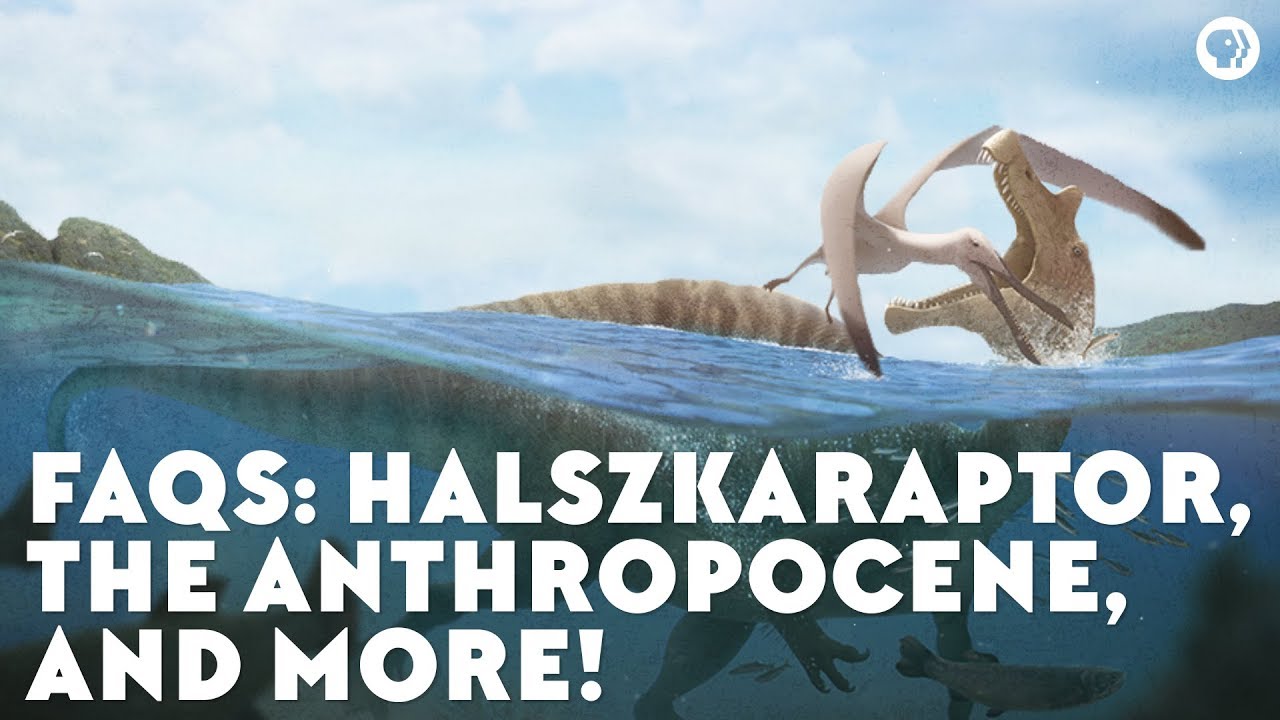
PBS Eons answers frequently asked questions from its first season, covering Earth's history from the origins of life to the Cenozoic Era.
Puffin fathers hunt fish to feed their families while seahorse dads protect their eggs, showcasing the diverse roles of male parenting in the animal kingdom.
A colossal argentinosaurus grew from 5 kilograms at birth to an astonishing 75,000 kilograms over 40 years, laying tens of thousands of eggs in Patagonia.
In 2003, microbiologists identified giant viruses that challenge existing concepts of microbial life and evolution, prompting a reevaluation of what it means to be alive.