From over 100,000 films, discover the handful you'll love.
Free or premium access to the world's largest documentary library.
634 films(Page 6 of 14)
Urban environments like Times Square drive rapid evolutionary changes in species, revealing how plants and animals adapt to urbanization and pollution.
A group of scientists gathers each summer on Bonaire to investigate whether squid can communicate through distinct messages on their skin.
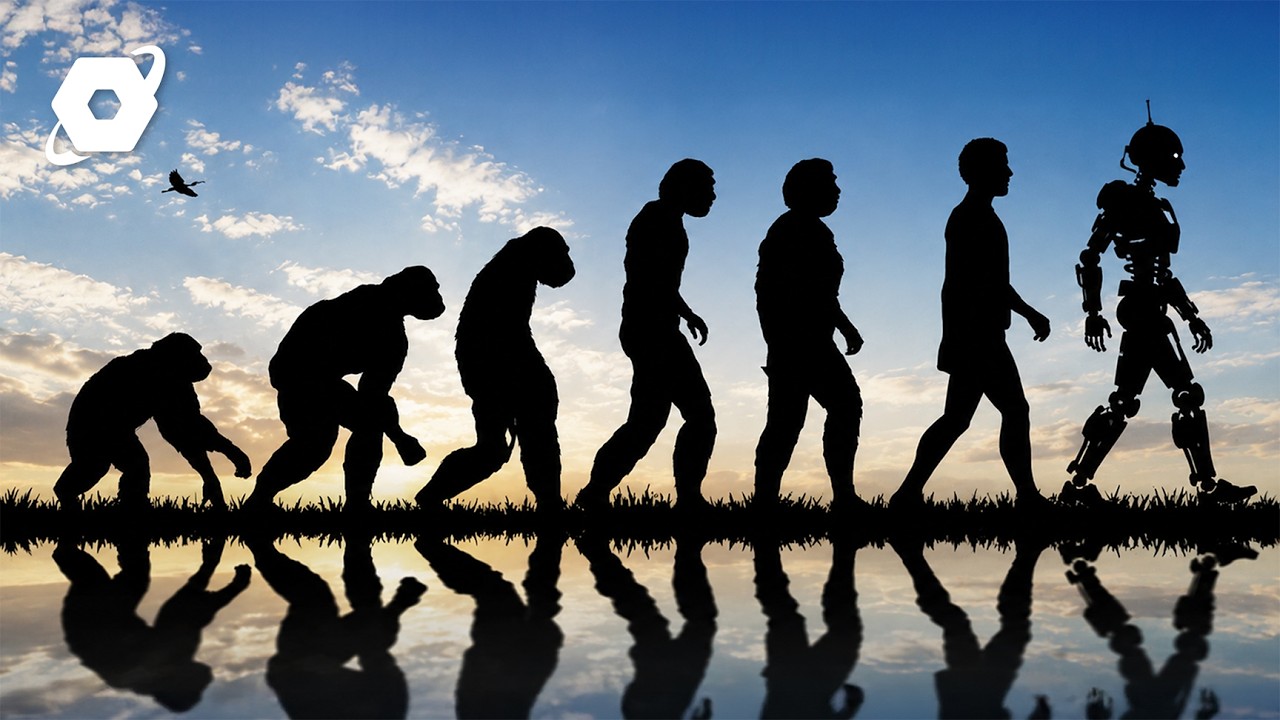
Primate evolution, spanning 65 million years from Madagascar to modern humans, highlights the diverse adaptations and significance of these species in understanding human ancestry.
ALMA, the largest radio telescope in the world, conducts research in Chile to explore the origins of the universe while examining life in extreme conditions.
Reptiles, often perceived as primitive, showcase remarkable diversity and adaptability, having existed for over 300 million years alongside Earth's changing ecosystems.
Alex Vikoulov argues that consciousness can be defined as a degree of autonomy gained through dynamic relations with the environment.
In a world where CRISPR technology enables genetic modification of embryos, Lena grapples with the ethical implications of altering her future children's hearing abilities.
In the wild landscapes of Australia and the depths of the Pacific, unique species like the cane toad and giant squid exhibit extraordinary adaptations for survival.
In a futuristic exploration, Arthur Kroker examines how advancements in science may lead to a society where human identity is defined by artificial intelligence.
NASA and ESA's upcoming space telescopes, including TESS, CHEOPS, and the James Webb, aim to find evidence of extraterrestrial life beyond Earth.
The origins of the universe, life, and humanity are explored through insights from scientists like Pascal Picq and Jim Peebles, alongside visits to significant sites such as the Peak du Midi and the Large Hadron Collider.
The Sun, as the central star of our solar system, influences the formation and characteristics of planets like Mercury and Venus, revealing insights into cosmic origins.
In Alberta and British Columbia, paleontologists and amateur fossil hunters excavate rich dinosaur graveyards, revealing preserved specimens and ancient footprints.
Neanderthals, who thrived for 300,000 years across Europe and Asia, vanished around 40,000 years ago, prompting scientific inquiry into the reasons behind their extinction.
Research on smaller body sizes in the animal kingdom suggests that humans could benefit from reduced size, similar to successful species like mosquitoes.
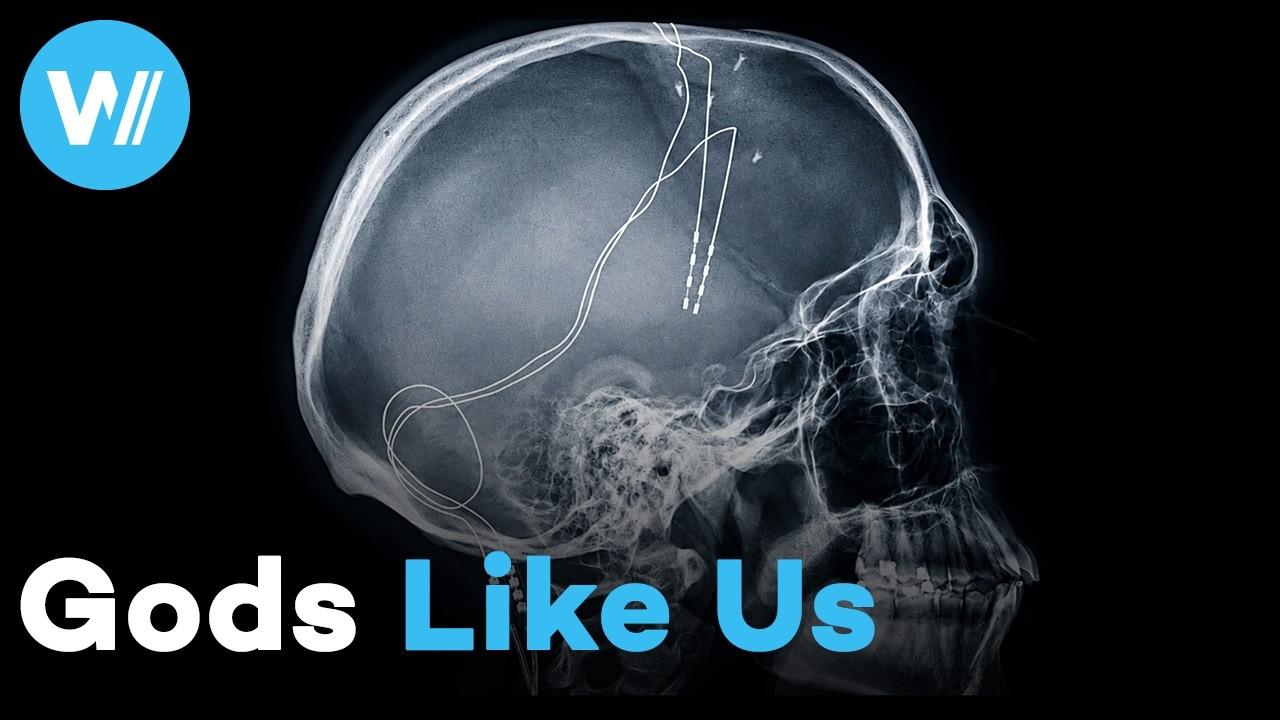
Transhumanism, biohacking, and artificial intelligence raise questions about the future of humanity and the potential limits of human evolution.
Epigenetics reveals that environmental factors, lifestyle choices, and experiences can influence gene expression, challenging the long-held belief that DNA solely determines identity.
In 1976, William Shatner narrates a short documentary that explores the sun, planets, black holes, and galaxy formations within the Solar System.
In the wild, the jaw serves as a critical weapon for predators like lions, crocodiles, and sharks, showcasing their evolutionary adaptations for survival.
Social structures of various animal species, especially ants, are examined to highlight potential lessons for human societies in resilience and organization.
In the Austrian Alps, a family of Alpine Marmots navigates threats from Golden Eagles and cunning foxes while defending their burrow from intruders.
Sixty-six million years ago, an asteroid impact off the coast of Mexico triggered a mass extinction event that wiped out 75% of all species, including dinosaurs.
Paleontological research since 1993, influenced by Steven Spielberg's "Jurassic Park," reveals that dinosaurs likely had feathers and diverse appearances, challenging previous perceptions.
Epigenetics reveals how environmental factors like nutrition and trauma can influence gene expression, challenging the belief that genetics solely determine an organism's traits.
Epigenetics is explored through the work of leading scientists as they investigate how gene manipulation could enhance traits like intelligence and athleticism.
Cognitive abilities of early humans, including Homo sapiens and Neanderthals, are examined through archaeological findings and anthropological research, challenging perceptions of their intelligence.
Homo sapiens' impact on global biodiversity is examined alongside technological solutions like genome editing and synthetic biology for wildlife conservation.
Evolutionary anthropologists evaluate new evidence for Bigfoot's existence while physicists investigate a haunted Dybbuk box linked to strange phenomena.
Recent research from experts like Stuart Brown and Elisabetta Palagi highlights the critical role of play in the development and survival of various species, including humans.
Resurrection science explores the potential of genetic engineering and cloning to bring extinct species like dinosaurs, mammoths, and Neanderthals back to life.
In a Colombian coalmine, scientists reveal the fossil remains of Titanoboa, a 50-foot snake that thrived in a prehistoric ecosystem alongside giant turtles and crocodiles.
Earth's formation is traced from the early solar system through geological and astronomical developments to the present day, featuring insights from expert John Smith.
In Tierra del Fuego, Argentina, a booming electronics industry attracts migrants seeking jobs, raising concerns about its environmental impact on the surrounding mountains.
Wild animals employ various strategies, such as self-medication and social isolation, to combat diseases, offering insights into survival amid rising global health threats.
Monty Halls and his family explore the Galapagos Islands, addressing critical issues like illegal shark finning and plastic pollution while promoting conservation efforts.
Transhumanism advocates for humanity's evolution beyond current physical and mental limitations through advancements in technology and science.
Scientists investigate the evolution of viruses and the development of vaccines and treatments to combat emerging viral threats, featuring insights from experts.
Life's Story examines the relationship between science and faith by analyzing macro evolution and evidence for special creation through wildlife physiology.
Tasmania's diverse ecosystems feature ancient forests, unique fauna, and stunning geological formations, showcasing the island's unspoiled natural beauty.
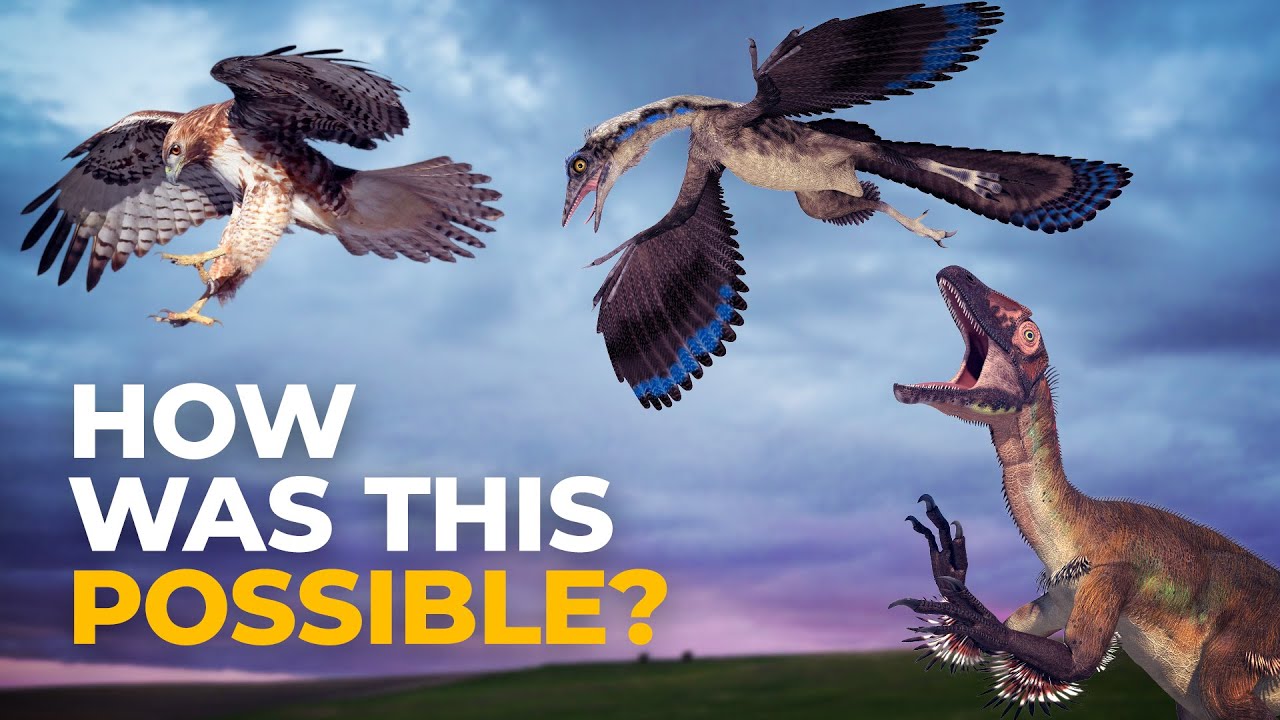
The evolution of flight is explored through the lens of biology, technology, and the impact of human innovation on aviation history.
An asteroid the size of Mount Everest struck Earth 65 million years ago, causing the extinction of 70% of all species, including the dinosaurs.
Specialized animals like the Bottlenose Dolphin, Barn Swallow, and Gray Wolf exhibit extraordinary adaptations that enhance their survival in diverse environments.
In the Pacific Ocean, the Galapagos Archipelago's unique biodiversity is shaped by the alternating influences of the cold Humboldt Current and the warm Panama Current.
A lion has 30 teeth, including four canines that can grow to approximately 2.4 inches in length, making them a crucial weapon in hunting and defense.
In 2015, NASA telescopes identified a promising exoplanet with Earth-like temperatures and potential liquid water, prompting astrophysicists to explore similar solar systems.
The episode examines the strength of various animals, including grizzly bears, ants, crocodiles, rhino beetles, and mantis shrimp, highlighting their unique behaviors and adaptations.
Animal confrontations across various habitats highlight the fierce battles for family, food, and territory in the natural world.
In the rainforest's dark underworld, high-speed cameras capture the predatory behaviors of cobras, orange baboon tarantulas, and chicken hawks as they strike with incredible speed.