From over 100,000 films, discover the handful you'll love.
Free or premium access to the world's largest documentary library.
634 films(Page 7 of 14)
Animals employ a variety of defense mechanisms, including camouflage, mimicry, and toxic chemicals, to survive against predators in the evolutionary arms race.
Over half a million terns crowd onto a remote atol in the Indian Ocean during the dry season, as their chicks learn to fly and hunt for food.
Chimpanzees, elephants, dolphins, and octopuses are among the intelligent species examined for their complex behaviors and social structures in the animal kingdom.
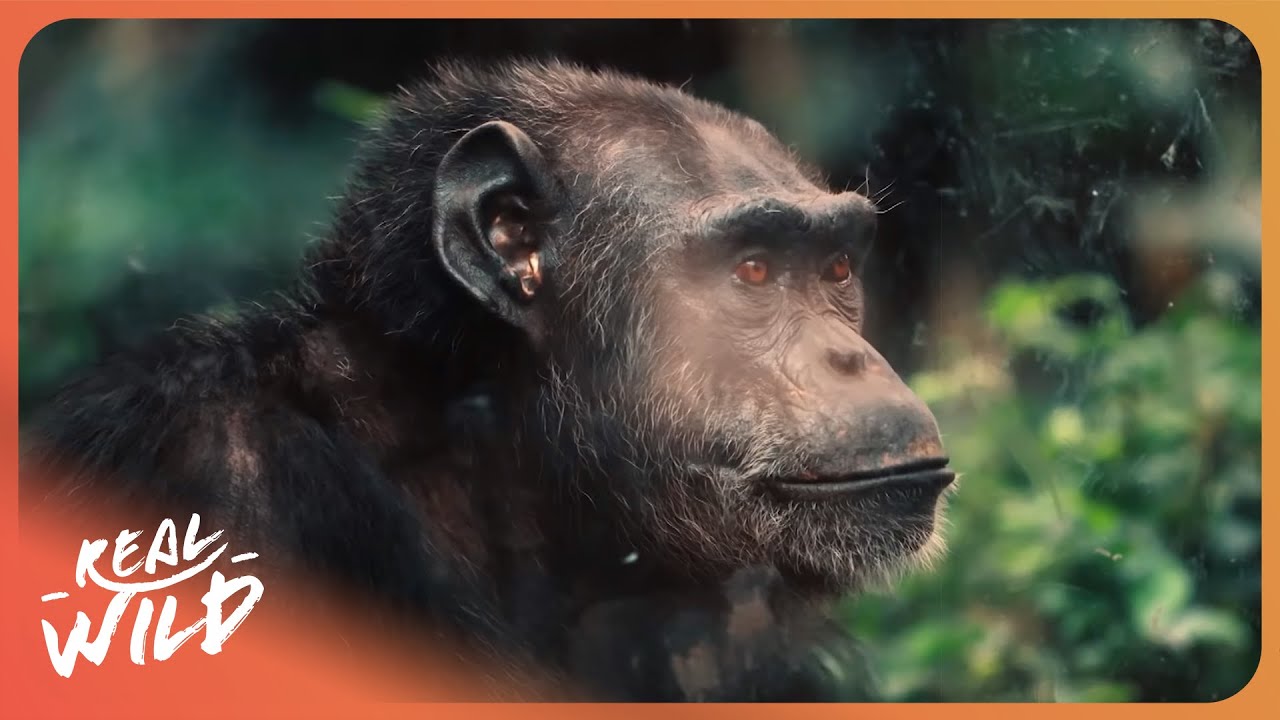
Chimpanzees share 98.8% of their DNA with humans and can exhibit violent behavior, including warfare and cannibalism, despite their intelligence.
Reptiles, including crocodiles, turtles, snakes, and lizards, showcase their ancient adaptations and survival strategies across diverse habitats worldwide.
The Galapagos Islands, known for their unique wildlife, are home to species like the Galapagos penguin and cormorant, which have evolved distinct adaptations for survival.
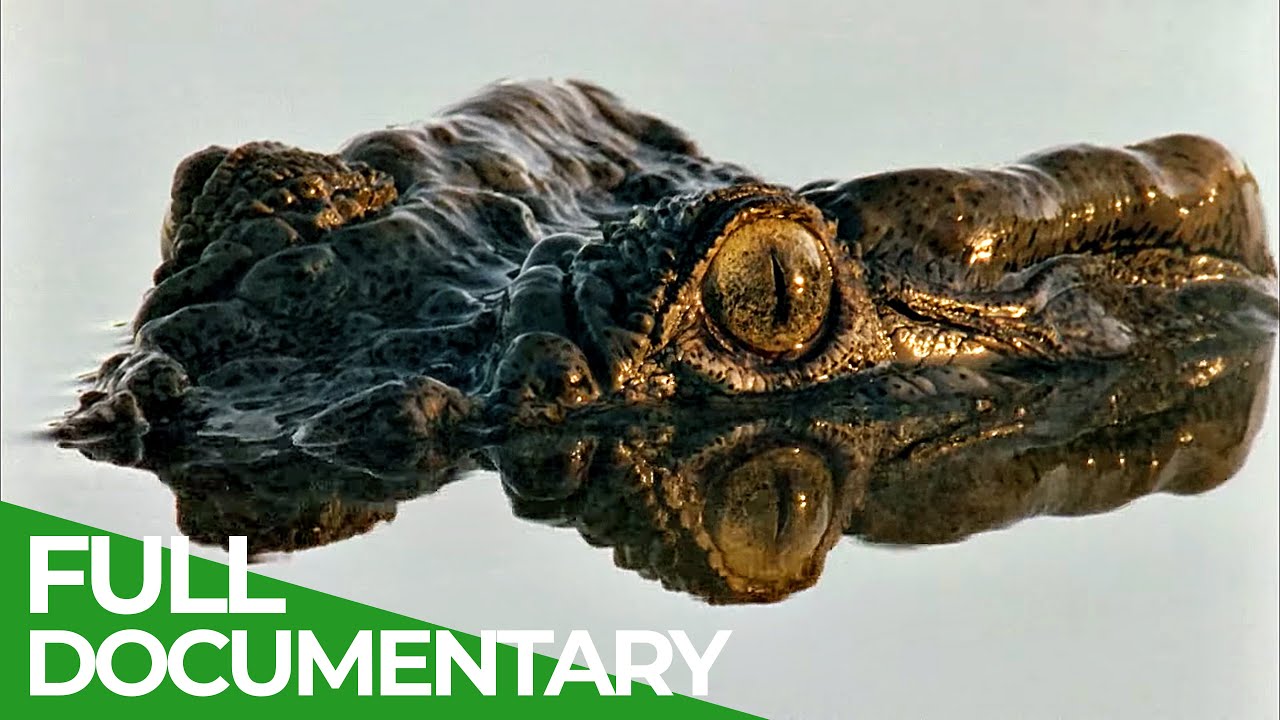
300 hungry crocodiles live in the mighty river, ambushing wildebeest as they attempt to drink, while wolves coordinate pack hunts for bison.
Animal mating strategies are explored through various tactics employed by species to find suitable partners and ensure the survival of their offspring.
650 million years ago, Earth experienced a deep freeze that encased the planet in ice, pushing life to the brink of extinction.
Borneo, the world's third largest island, is home to 400,000 square kilometers of ancient rainforest where unique species have evolved over 12,000 years.
In the animal kingdom, certain species have evolved advanced senses that enable them to excel as elite hunters and communicators in their natural environments.
Crocodiles, sharks, and whales exemplify evolutionary adaptations that enhance survival, showcasing traits like slow metabolism, echolocation, and modified lungs.
A young male chimpanzee attempts to impress dominant troop leaders but learns the hard way that he is not yet strong enough to join their ranks.
In the animal kingdom, various species utilize specialized adaptations, from stealthy spiders to massive sperm whales, to enhance their survival in nature's challenges.
In the animal kingdom, speed serves as a crucial survival mechanism for prey like antelope and ostriches, constantly evolving alongside their predators.
In the animal kingdom, fierce battles unfold as birds clash, a tiger hunts a boar, and a crocodile feasts on a buffalo for survival and territory.
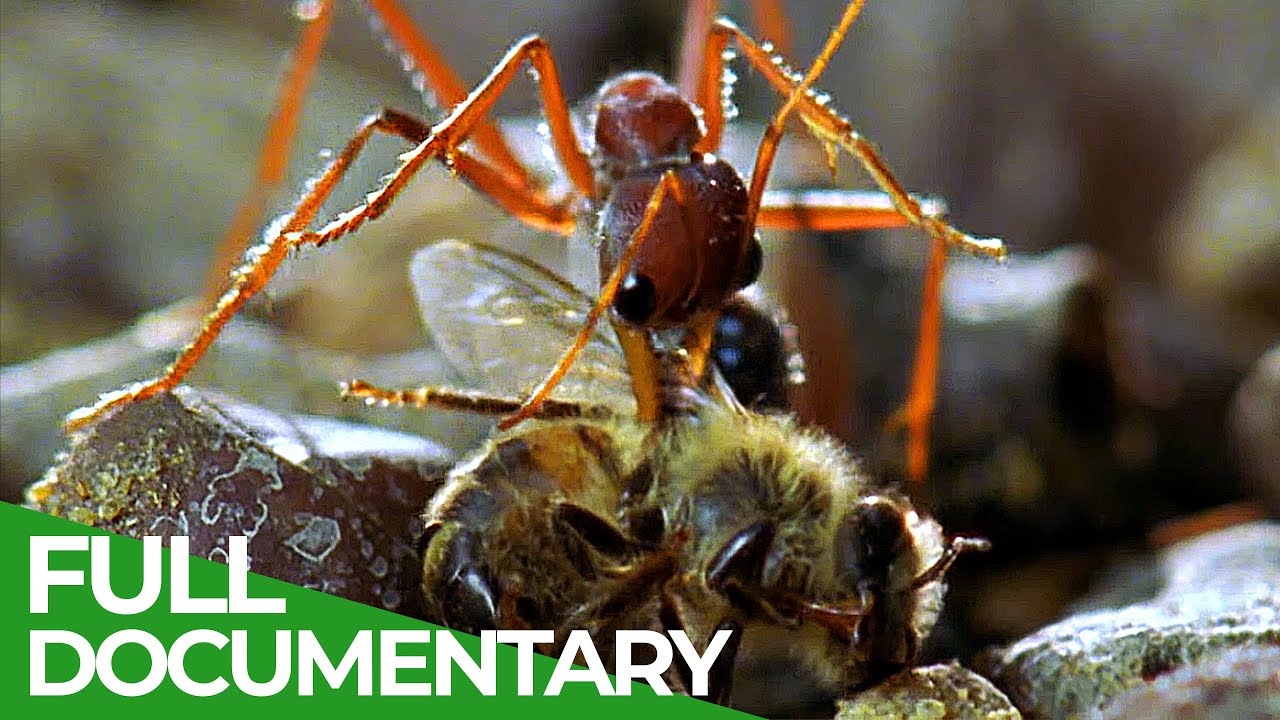
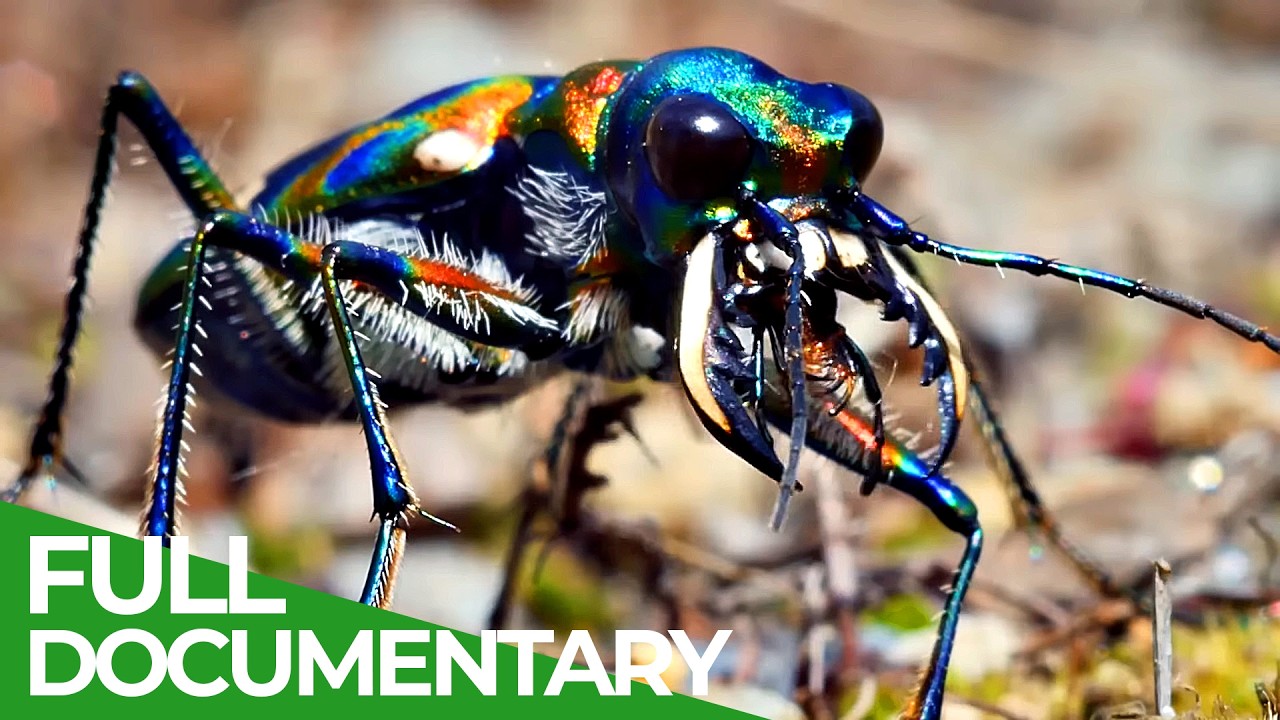
Insects exhibit remarkable survival strategies, showcasing their adaptability through behaviors such as the dragonfly's agile hunting and the monarch butterfly's metamorphosis.
Over 7,700 amphibian species exist, but the pipa pipa toad's unique reproductive method involves raising offspring in its back for up to five months.
Great apes, including gorillas, chimpanzees, and bonobos, exhibit complex social structures and behaviors while facing critical conservation challenges in their habitats.
Eons celebrates its one-year anniversary with a livestream event featuring contributions from various Patreon patrons and highlights from its educational content.
Aggressive behavior among animals, particularly in defense of food, territory, social status, and mates, plays a crucial role in survival and population dynamics.
On National Fossil Day, October 12, 2022, the Eons team hosted a 4-hour livestream featuring paleontology games, a studio tour, and a Q&A session.
Horseshoe crabs and trilobites, with origins dating back 445 million and 540 million years respectively, illustrate the deep evolutionary history of arthropods.
Three women paleontologists discuss their research on dinosaurs and vertebrate animals during a panel moderated by Shaena Montanari.
Seven experts debate whether the earth was created or came into existence on its own, discussing the implications of evolution versus creationism.
Animated shorts revisit the principles of evolution in a humorous style that aligns with Charles Darwin's theories.
The video highlights how seals use their whiskers for hunting and navigation in water.
A meat-eating marsupial capable of killing large prey roamed the Darling Downs in Queensland 45,000 years ago alongside giant wombats and massive birds.
Evolution is happening in cities like New York, driven by pollution and urban life.
Beth Shapiro, Chief Science Officer at Colossal, explains the scientific principles behind de-extinction and why the scenarios depicted in Jurassic Park are unrealistic.
Dogs may have hijacked baby features to appear cuter to humans, according to new research.
Lizard biologists in the Caribbean reveal surprising insights about how long evolution takes.
A naked mole rat survived for 18 minutes in an oxygen-free environment by switching its metabolism from glucose to fructose, a process that could inform medical research.
Over 150 million years before the Tyrannosaurus Rex, the Gorgonopsian was the Earth's most efficient carnivore, armed with serrated interlocking teeth.
Dinosaurs evolve into birds while facing survival challenges in this docu series.
Geladas have unique adaptations for grazing, making them the only true grazing primates.
Lizard biologists in the Caribbean reveal surprising traits shared among island lizard species.
Sibling rivalry among lion cubs may be crucial for their survival in the wild.
Marine iguanas expel excess salt through their nostrils after underwater feasting.
Dolphins evolved from land-dwelling ancestors, adapting to diverse marine environments over millions of years, as explored through their evolutionary history.
The babirusa pigs of Sulawesi showcase unique traits due to their isolation from the mainland.
Microraptors and pterosaurs illustrate the evolution of flight in vertebrates, highlighting insects as the first flying species and their significance in prehistoric ecosystems.
Neanderthals and modern humans coexisted in Europe and Asia, competing for resources and adapting to changing environments over thousands of years.
The video details human evolution, highlighting long legs and sweat glands for Savanna running.
Growing skepticism about evolution in American classrooms highlights the tension between scientific principles and religious beliefs, impacting education policies nationwide.
A 17-minute presentation outlines the evidence for evolution and discusses the relationship between science and religion.
The science behind the blue appearance of the sky is explained through light scattering and atmospheric phenomena, enhancing understanding of natural optics.
A dragonfly larva emerges from water, showcasing the transformation of its back lumps into wings, marking a crucial stage in its life cycle.