From over 100,000 films, discover the handful you'll love.
Free or premium access to the world's largest documentary library.
186 films(Page 3 of 4)
Henry, a Belgian expat, transforms his passion for Moleskine notebooks into an artistic career, featuring contributions from artists like Sam Bronowski and Dana Berger.
Melanie Bilenker uses human hair to draw small portraits, reviving Victorian hairwork art.
James May leads a team at Man Lab HQ to tackle challenges aimed at reviving essential skills lost in modern society.
Willard Wigan creates record-breaking micro-sculptures using unique self-made tools.
After months of training, Jean Menard Derenoncourt uses individual threads from a scrap of canvas to repair a painting with a significant tear.
Artisan builders at Uhuru furniture workshop in Brooklyn use reclaimed bourbon barrels and Coney Island boardwalk wood to create unique furniture pieces.
The Smithsonian conservators adapt to preserve artworks made from unorthodox materials.
Fishers on Fogo Island catch cod one at a time using handlines, a method practiced since the 1600s, to ensure quality and sustainability.
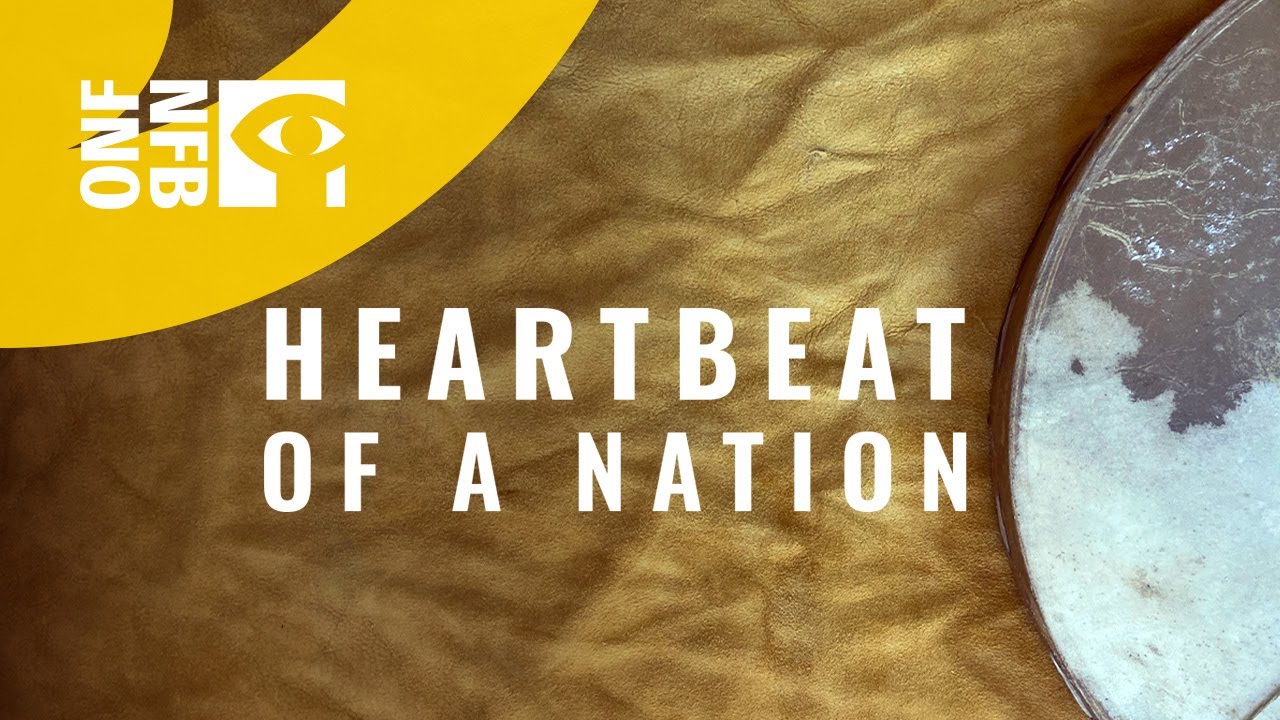
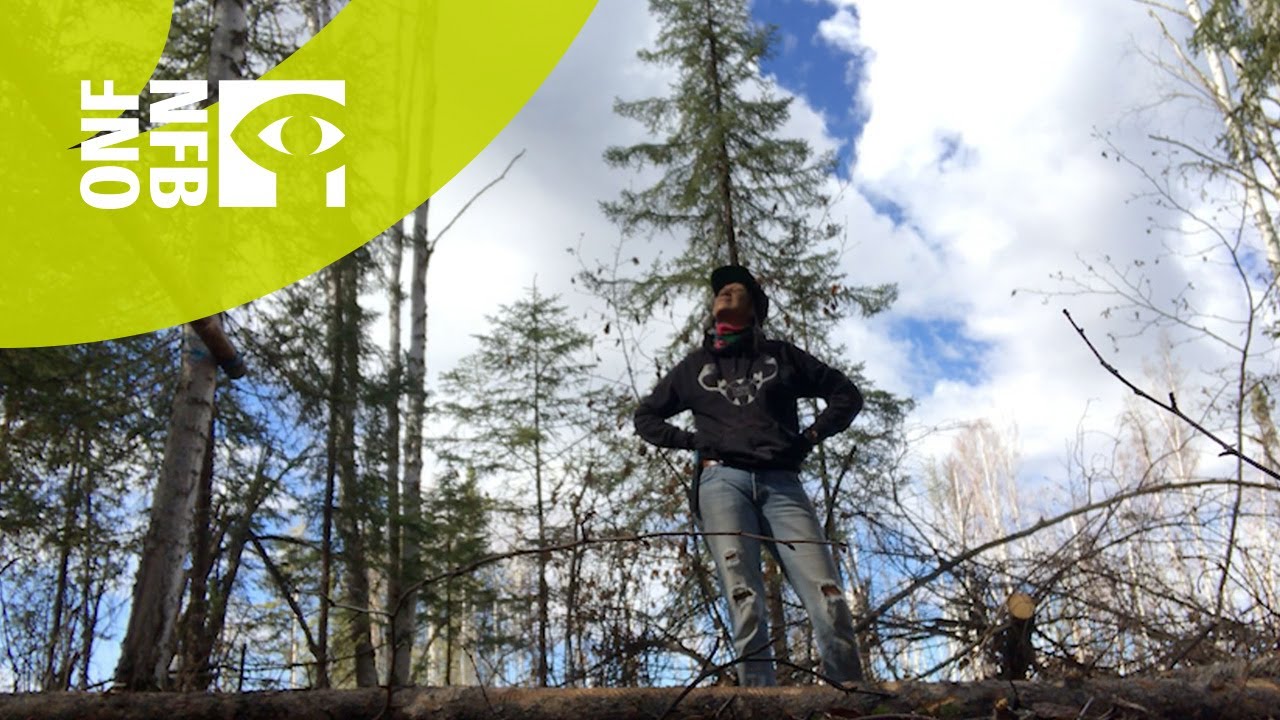
In Chipewyan Prairie Dene First Nation, a father teaches his child the art of creating a caribou drum, highlighting cultural reclamation and traditional knowledge.
A Syrian artist uses found objects and miniature furniture to recreate the architecture of Damascus, reflecting on his homesickness and family separation.
A procession of almost 500 flower growers marks the annual Medellín Flower Festival, recognized by UNESCO as part of Intangible Cultural Heritage since 2016.
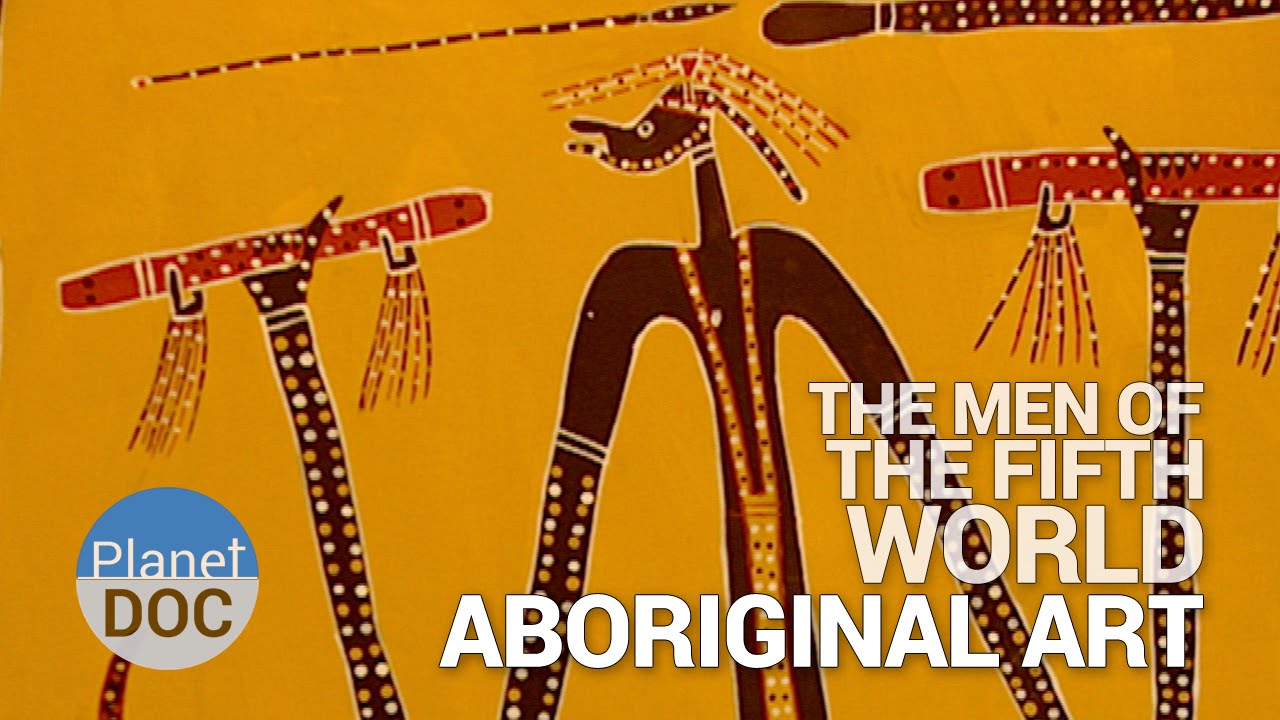
Garimala Yakar, an elder of the Australian Aboriginal community, emphasizes the vital role of the didgeridoo and traditional rhythms in connecting his people to their land.
A 2004 invention by Tetsuya Miyamoto, KenKen puzzles combine math and logic, sparking discussions about the future of puzzle-making and technology.
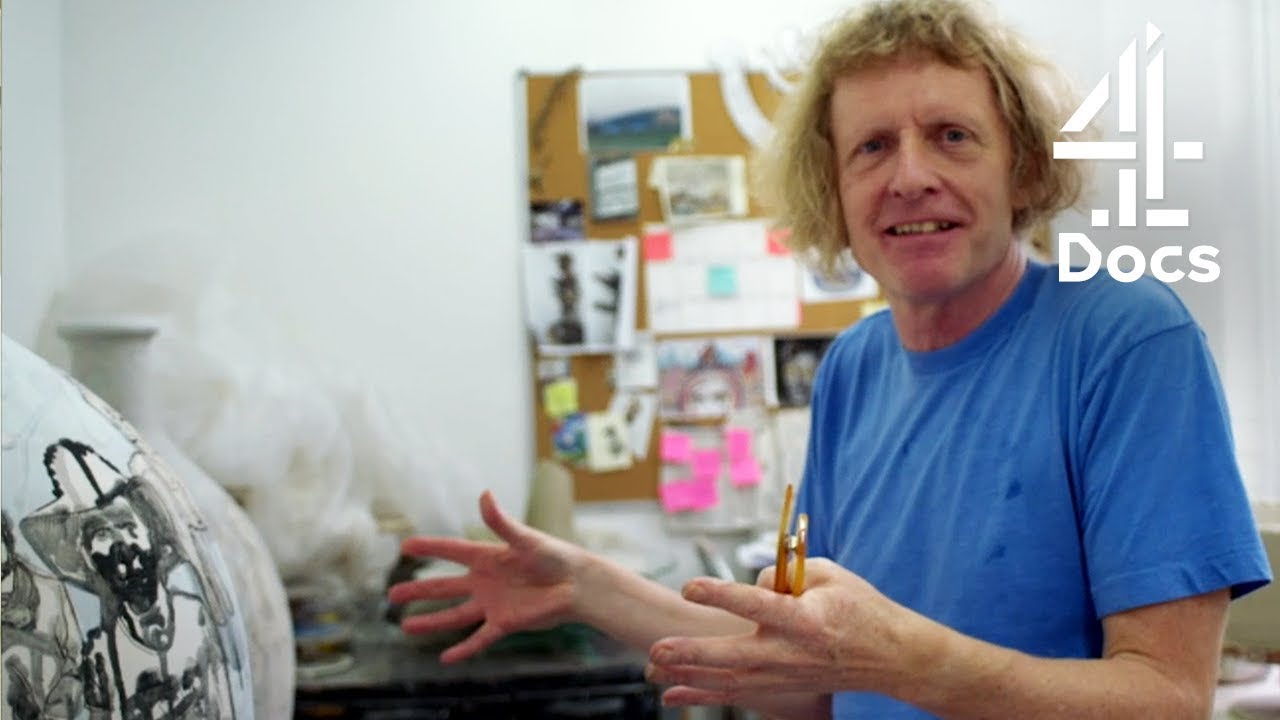
Grayson Perry asks people from Boston, where 75% voted to leave the EU, to help create two large vases that reflect their views on Brexit.
Artisans in the Sahara continue traditional crafts as described by Julio Caro Baroja in the 1950s.
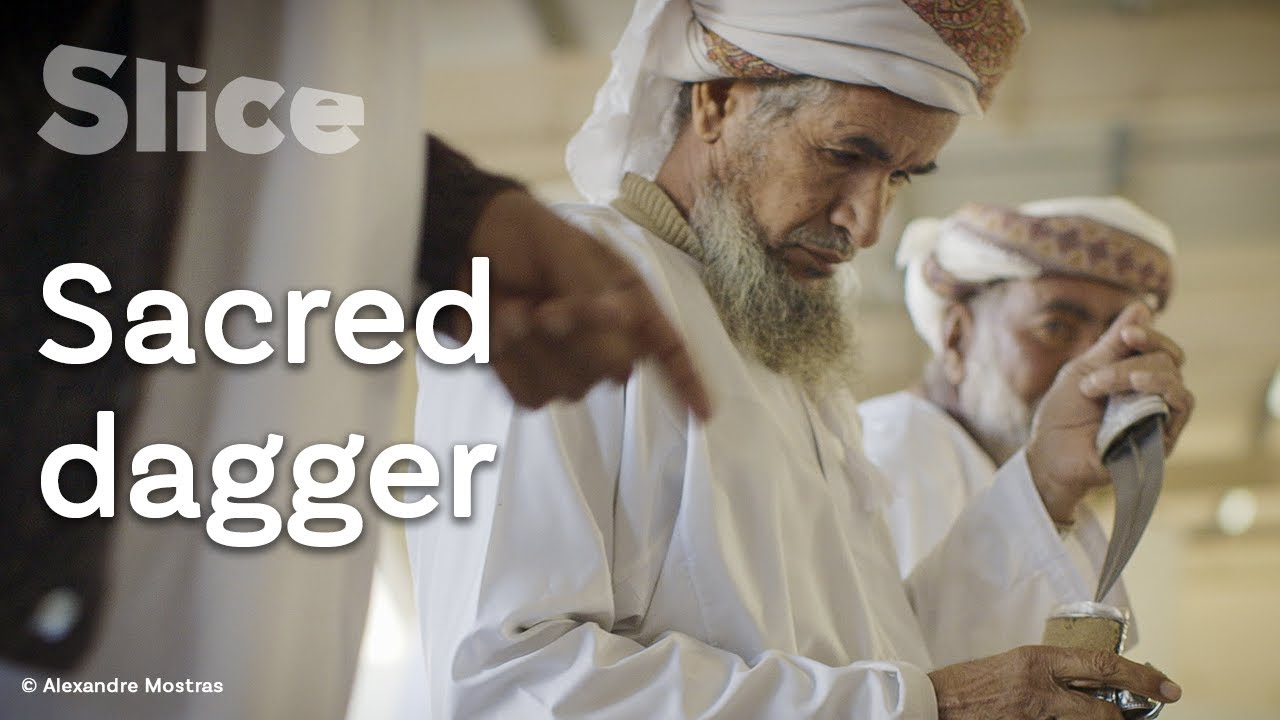
Every Omani would prefer to own a khanjar, a dagger that symbolizes cultural heritage, rather than borrow or rent one.
Pamela Mei Yee Leung reflects on her cancer diagnosis, stating she now lives life "12 months at a time or 6 months at a time" while creating personal ceramic art.
Kim Young-Jun and Gabe Sin revive mother-of-pearl art in South Korea's Yangpyeong.
Around 100 students attend an Annex school in Hlebine, Croatia, where local art reflects their strong ties to nature and farming.
Dimitrios Katsikis revives ancient Greek armor in Spata, using self-made tools and simple materials to recreate historical artifacts.
50 miles up the coast, Cree trapper George McLeod travels to check his trap lines and sell furs to the Hudson's Bay Company at Moose Factory.
Scoopa's garbage alchemists upcycle discarded items into functional art for a sustainable lifestyle.
A three-ton wooden buffalo, created by sculptor Russ Yuristy, travels 240 kilometers from Silton to Swift Current for its installation in a local park.
A trip of a hundred miles from his home in the Queen Charlotte Islands leads a young Haida carver to source argillite for his intricate sculptures.
Retired machinist Lorne Collie transforms everyday objects into whimsical stringed instruments, showcasing his creativity alongside filmmaker Mike Maryniuk's unique visual style.
Five thousand pounds of wool are processed in a traditional hand weaving studio in northern Georgia, where the craft continues to thrive today.
Quilts from Gee's Bend, Alabama, are displayed in museums around the world, reflecting the artistry and heritage of the women who created them.
Paul McCartney plays K Yairi Guitars, handcrafted by skilled Japanese artisans.
Yvan builds a fishtrap and repairs a fishnet in Polynesia's fishing culture.
A 106-year-old pizza recipe, passed down through five generations, is a centerpiece of the culinary traditions found on Arthur Avenue in the Bronx.
Edward Couvillier, a skilled craftsman, creates intricately designed cypress boats, translating his mental images into precise, three-dimensional vessels.
The Senufo extract iron from dangerous underground shafts near Korogo, risking their lives daily.
Every summer, Japanese people celebrate horimono tattoos on a mountain pilgrimage.
Jim Decker and five men spent 10 to 12 days cutting timber on Tart Island to build a longliner for fishing off Fogo Island, Newfoundland.
In Appalachia, Josh innovates a moonshine hauler to support a centuries-old tradition of craft whiskey-making amidst legal and natural challenges.
Hassan, a Kyrgyz eagle hunter, preserves a dying art in Central Asia's remote heart.
More than 25,000 handmade lacrosse sticks are produced each year by Mohawk artisans at a factory in Cornwall, Ontario.
Two hot dogs are consumed in a day at a remote land camp in the Northwest Territories during the COVID-19 pandemic.
The Khanjar, a symbol of Omani culture featured on the national flag, is crafted through a meticulous process that showcases the skill of local artisans.
Mark plans to make a big run of corn liquor, selling it for $10 a jar, the lowest price since the 1990s, while evading law enforcement.
This video showcases Italian craftsmanship through Bertoni, cheese banks, and violin makers.
Fatê Temel preserves the Kurdish deq tattoo tradition against modern decline.
Heviin boov, a traditional Mongolian biscuit, symbolizes family status during Lunar New Year.
Dying professions in India, such as calligraphy and tuk-tuk driving, are explored through personal stories from Delhi, Varanasi, and Kolkata, highlighting cultural significance.
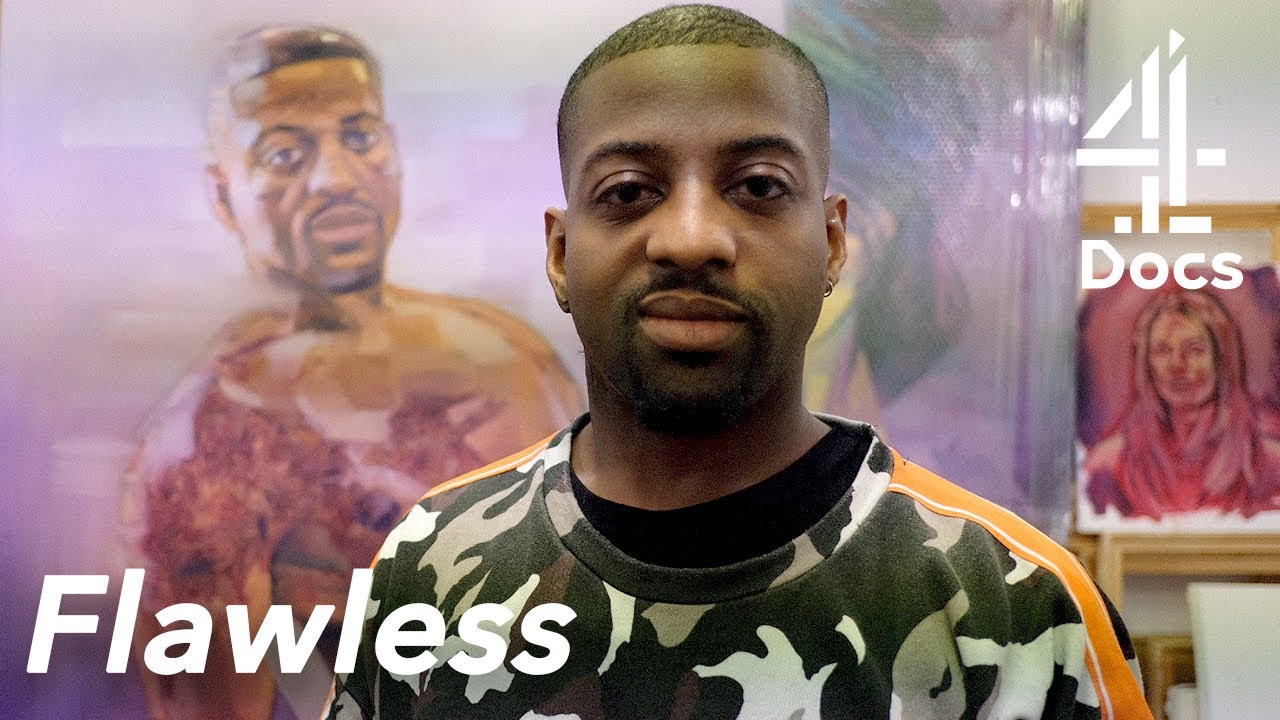
Justyn, a burn survivor who suffered third-degree burns at age one, collaborates with artist Brad to create a portrait that celebrates his scars.
Self-taught artists from Charlevoix, including Marie Bouchard and Alfred Deschênes, showcase their individuality and vitality in contemporary Québec art.
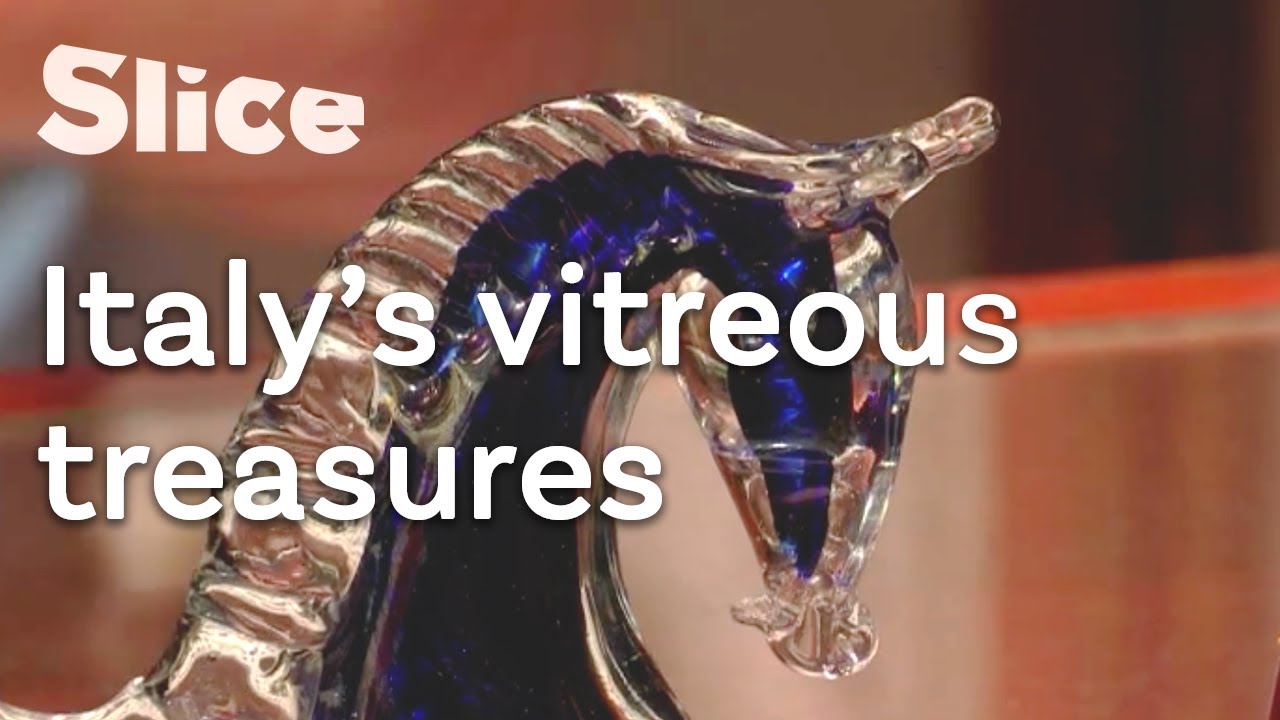
Murano's glassmakers face threats from counterfeiting in Venice today, impacting their tradition.
In Ayacucho, Peru, artisans continue the centuries-old tradition of crafting retablos, or religious altars, highlighting the craft's historical and cultural significance.