From over 100,000 films, discover the handful you'll love.
Free or premium access to the world's largest documentary library.
760 films(Page 9 of 16)
In Italy, a ghost town, the peculiar Dr. Seuss House, and the deadly bird's nest harvest in Malaysia highlight unique cultural and environmental phenomena.
Historic homes across the United States, including tropical palaces and governors' mansions, reveal the architecture and stories that shaped the nation.
Ramses II's quest for immortality is examined through his military conquests and monumental architectural projects in Ancient Egypt.
Belfast's hidden tunnel, connecting the courtroom to the cell, reveals the city's complex history and its role in shaping Northern Ireland's past.
John Portman, an influential architect, transformed urban landscapes across 60 cities worldwide with his innovative designs and iconic interiors over 45 years.
More than 1,600 people have died in stadium disasters worldwide over the past century, prompting engineers to prioritize safety in new designs.
A 122-meter-high railway deck sits on the Garabit Viaduct, the highest iron arch bridge in the world, built in the 19th century.
Stonehenge, Hadrian's Wall, and the Pyramids of Giza are examined by archeologists to reveal insights into their construction and historical significance.
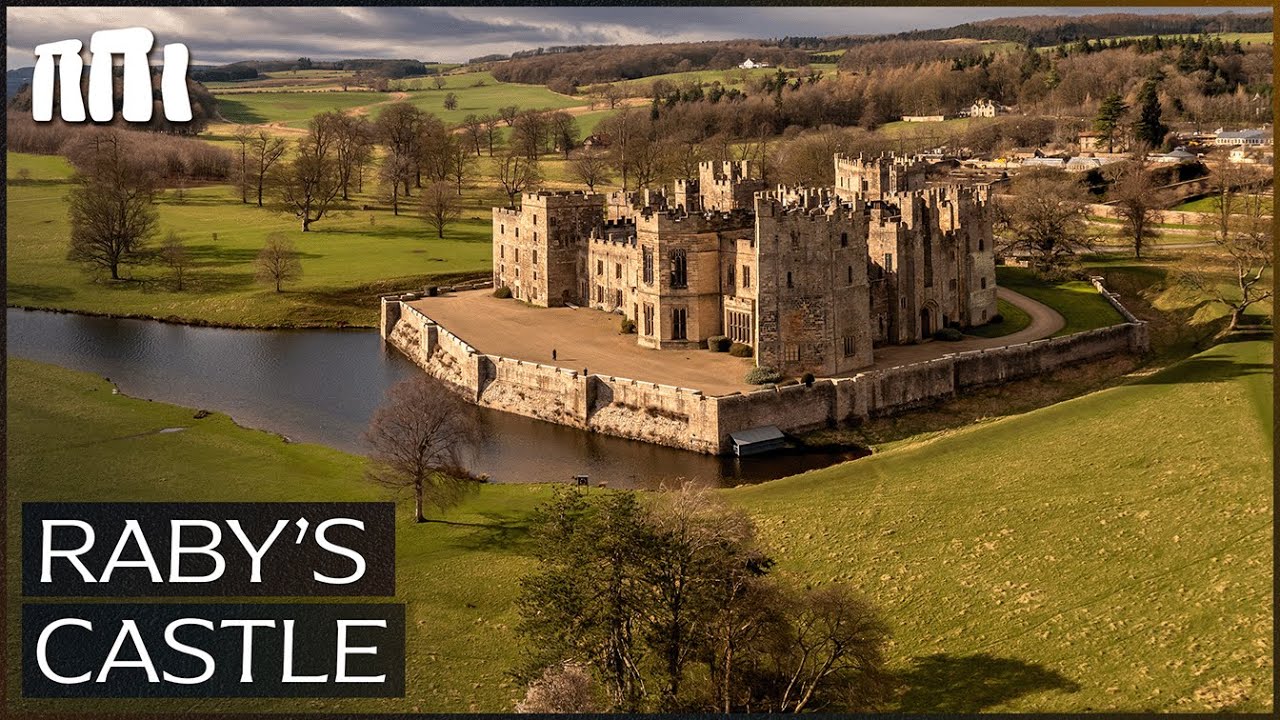
Raby Castle's thousand-year history spans its medieval origins under the Neville family to its restoration by Lord and Lady Barnard, showcasing significant interiors and gardens.
Desert cliffs in Wadi Rum rise up to 400 metres high, revealing a rich history of Bedouin culture and ancient trade routes in Jordan and Iran.
In just a few decades, Dubai has evolved from a small trading port into a global hub characterized by record-breaking architecture and rapid urban development.
Teotihuacan, an ancient Mexican metropolis, showcases remarkable engineering feats like the Pyramid of the Sun, revealing the capabilities of a lost civilization.
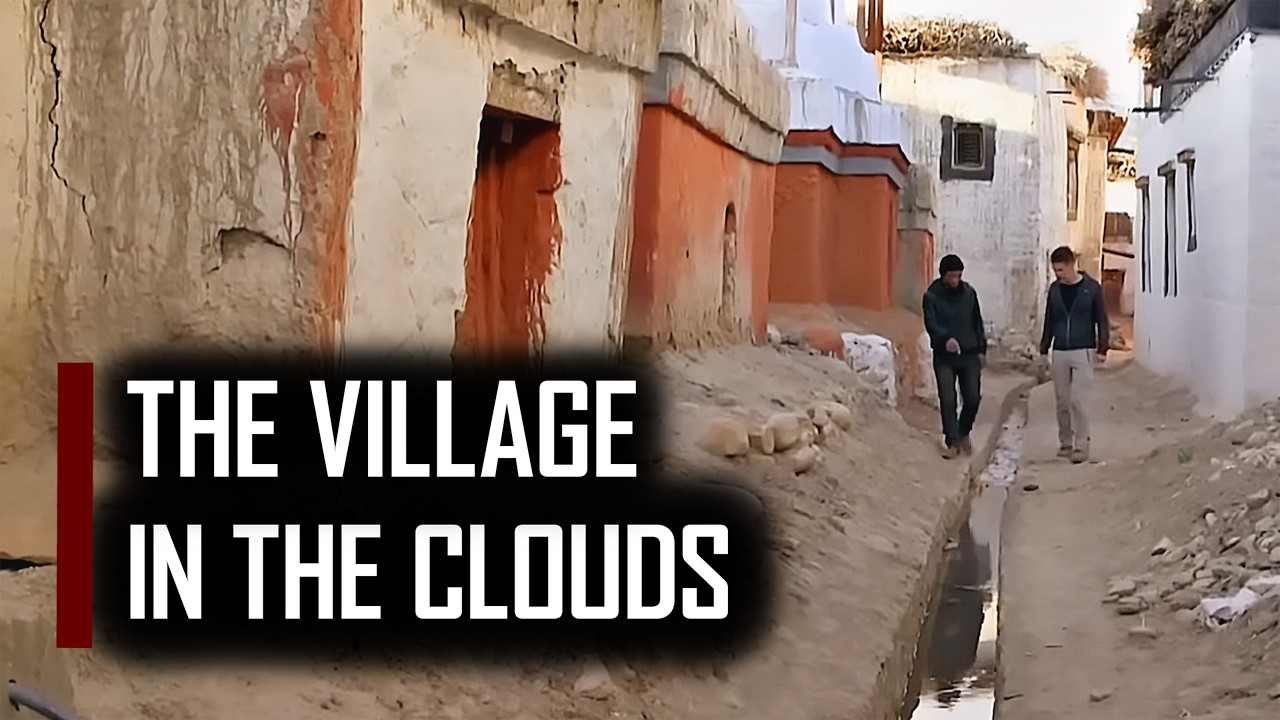
Lo Manthang, a remote walled city in Nepal’s Upper Mustang region, showcases unique mud-brick architecture shaped by Tibetan Buddhist traditions and high-altitude resilience.
Ancient architectural marvels such as the Pyramids of Giza, the Great Wall of China, and Stonehenge are examined for their engineering significance and influence on modern construction.
Fujian Province in China is home to the Hakka people, who built tulous-fortress-like communal homes designed for living and defense against invasions.
Ancient engineering marvels, from the Pyramids of Giza to Roman aqueducts, laid the groundwork for modern technology and architectural practices.
The Giza Pyramids, constructed with 2.3 million stones, exhibit precise alignments with cardinal points and celestial bodies, revealing the ancient Egyptians' advanced astronomical knowledge.
800 years ago, the quest for height began in Tuscany, where 15 medieval towers remain from an original 72, reflecting wealth and family rivalry.
Teotihuacan, an ancient Mesoamerican city in Mexico, is explored through its monumental architecture and cultural significance, narrated by Stacy Keach.
The Antonov An 124-100m transports a generator from England to South Korea with precision.
Athens evolved from a tribal settlement to a major center of democracy and culture, marked by architectural achievements like the Parthenon and the Theatre of Dionysus.
Teotihuacan, Tikal, and Chichen Itza reveal new archaeological findings and LiDAR technology that illustrate the complex interactions and achievements of the Maya civilization.
Somerleyton Hall, a Victorian manor built on a Viking settlement, showcases restoration and rewilding efforts led by Hugh and Laura Crossley.
In New Hampshire, Stacy Keach explores America's Stonehenge, examining its origins, significance, and the mysteries surrounding this ancient site.
West Coast Modernist architecture is celebrated through the legacies of its pioneers, showcasing their unique connection to nature and design along the Pacific Northwest.
Paris Metro, designed by Fulgence Bienvenüe, has evolved over more than a century to become a vital transportation network with 220 km of rail and 302 stations.
Woolton Hall in Liverpool becomes the site of unexplained phenomena as Bex and Sean are forced to leave by an unknown force during their investigation.
Off the coast of Réunion Island, engineers constructed a 13-kilometer highway over the Indian Ocean, designed to withstand extreme weather and erosion.
In Crete, Stacy Keach investigates ancient cities, unusual geological formations, and sacred sites that reveal the island's rich historical significance.
In Dahshur, the Bent Pyramid and the Red Pyramid represent significant advancements in ancient Egyptian pyramid construction, marking a pivotal evolution in architectural design.
Ancient Egypt's pyramids, built over centuries, are evaluated by experts to determine which are the most significant and what they reveal about pyramid construction.
Lyon, once known as Lugdunum, showcases 2,000 years of architectural evolution, featuring Roman theatres, medieval structures, and 19th-century fortifications.
Masada, an ancient fortress in Israel, is explored by Stacy Keach, highlighting its historical significance and the mysteries surrounding its past.
Tutbury Castle, a historic fortress in England, has been a site of significant events involving Vikings, royalty, and cultural inspiration over nearly a millennium.
Glasgow, Scotland's second city, is explored through its historical significance, highlighting figures like Saint Mungo and architect Charles Rennie Mackintosh.
Château de Chenonceau, Chambord, and Chantilly exemplify France's architectural innovation and royal history, revealing the power dynamics and artistry of their eras.
Ottawa is explored through the insights of a veteran tourist guide who shares historical details about landmarks like the Peace Tower and the Rideau Canal.
Medieval castles across Europe, from Spain to Scotland, evolved from impenetrable strongholds to vulnerable structures as artillery changed warfare forever.
Chartres Cathedral in France is explored for its historical significance, architectural marvels, and the sacred traditions that surround it.
The reconstruction of the Bridge of Mostar, destroyed during the Croat-Bosniak War, involved global experts striving to replicate its original 16th-century design while ensuring modern safety standards.
Over 100,000 castles still stand in Europe, with Bodiam Castle using forced perspective to create the illusion of greater size and strength.
Stonehenge, a prehistoric monument in Wiltshire, England, is examined for its historical significance and the mysteries surrounding its construction.
Jerusalem's architectural evolution over 3,000 years showcases monumental achievements by Roman engineers, Emperor Constantine, and Islamic builders, reflecting faith and innovation.
Khufu, the powerful pharaoh of Egypt’s Old Kingdom, orchestrated the construction of the Great Pyramid of Giza, a monumental achievement still studied today.
Britain's oldest towns, from Roman settlements to medieval hubs, reveal their rich histories through ancient landmarks and local expert insights.
In the Middle Ages, master masons and engineers constructed iconic fortresses, including Edward I's Iron Ring, which strained the English crown's finances.
Vienna's historical landscape is explored through the influences of figures like Maria Theresa and Franz Joseph, alongside a notable performance by a young Mozart.
Djoser, an Old Kingdom pharaoh, commissioned the Step Pyramid at Saqqara around 2,650 BC, revolutionizing ancient Egyptian architecture with Imhotep's innovative designs.