From over 100,000 films, discover the handful you'll love.
Free or premium access to the world's largest documentary library.
760 films(Page 2 of 16)
Cluny Abbey, founded in the 10th century, was a monumental center of Romanesque architecture and Cluniac monastic reform, significantly influencing medieval Europe before its destruction during the French Revolution.
High Worsall, a nearly vanished 14th-century village near Middlesbrough, is explored by Time Team as historians Robin Bush and Dawn Hadley research its historical significance.
Changi Airport recorded a new high of 62 million passengers in 2017 and plans to expand capacity to 135 million with the opening of Terminal 4.
About 1,000 cone-shaped houses carved from volcanic rock make up the village of Kandovan, which has been inhabited for nearly 1,500 years.
Richmond Palace, a significant Tudor monument and residence of Queen Elizabeth I, was extensively searched for remains after its demolition in the 18th century.
Europe's largest shunting station, the longest suspension bridge in Reutte, and the world's biggest intersection showcase remarkable engineering feats.
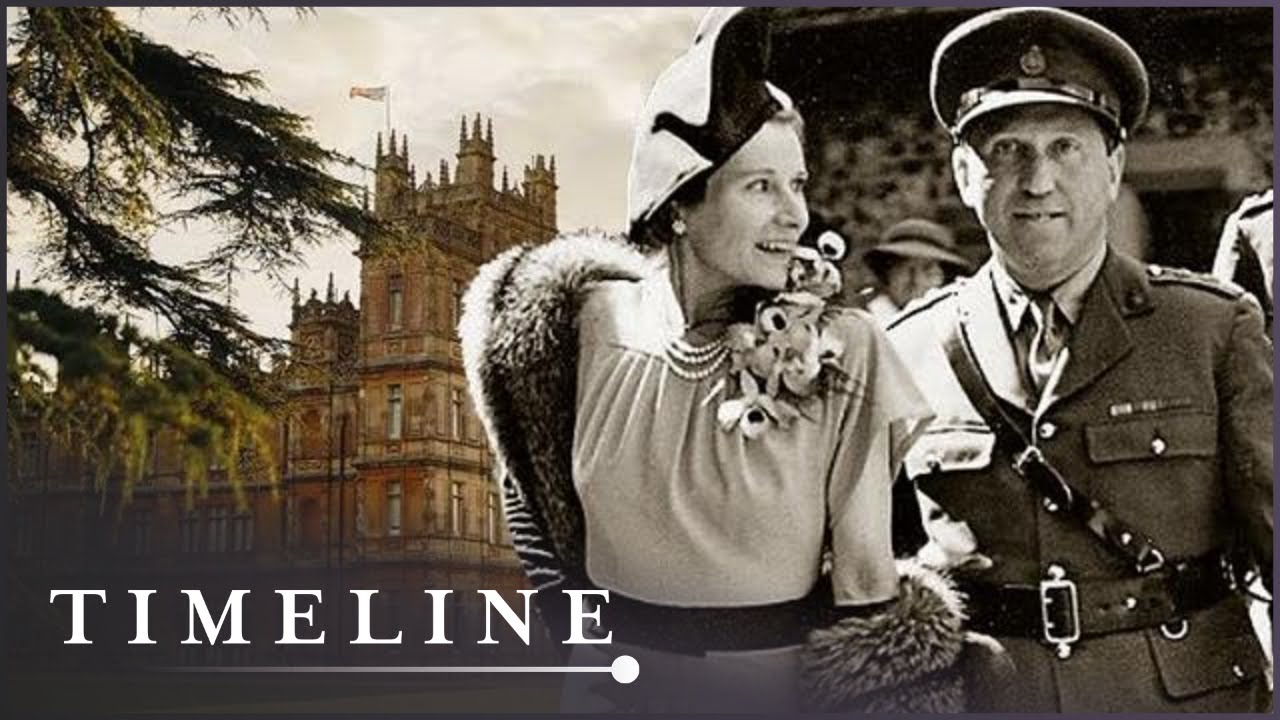
A 6,000-acre estate in Hampshire requires the current Lord Carnarvon to find one million pounds each year to maintain Highclere Castle.
A whole round trip around Nauru takes just over 15 minutes, as the tiny island measures only 21 square kilometers in size.
A lift takes workers up 55 meters to restore the Colosseum, revealing details hidden beneath centuries of grime.
Hagia Sophia's dome soars 180 feet high and has survived centuries of earthquakes since its completion in 537 AD, transforming from church to mosque to museum.
In the orchards of Kent, Time Team investigates the potential sites of the lost Anglo-Saxon palace of Eastry, digging the longest trench in the show's history.
Medieval fortresses, known for their formidable defenses, were often breached through innovative siege strategies employed by skilled warlords throughout history.
Six million tons of stone were shaped and transported over 30 years to build the Great Pyramid, a monumental achievement of ancient engineering.
Scone Palace, the historic site of Scottish royal coronations since the 9th century, features the Stone of Destiny, symbolizing the divine right to rule.
In Italy, the ghost town of Appice, the Bollate Prison, and the Dr. Seuss House in Alaska are explored alongside the edible bird's nest harvesting in Malaysia.
Ancient Rome's monumental achievements, explored by historian Mary Beard, continue to influence modern society in various ways.
Archaeological investigations at Thetford Grammar School in Norfolk reveal the remains of a 12th-century Norman cathedral beneath a Dominican friary.
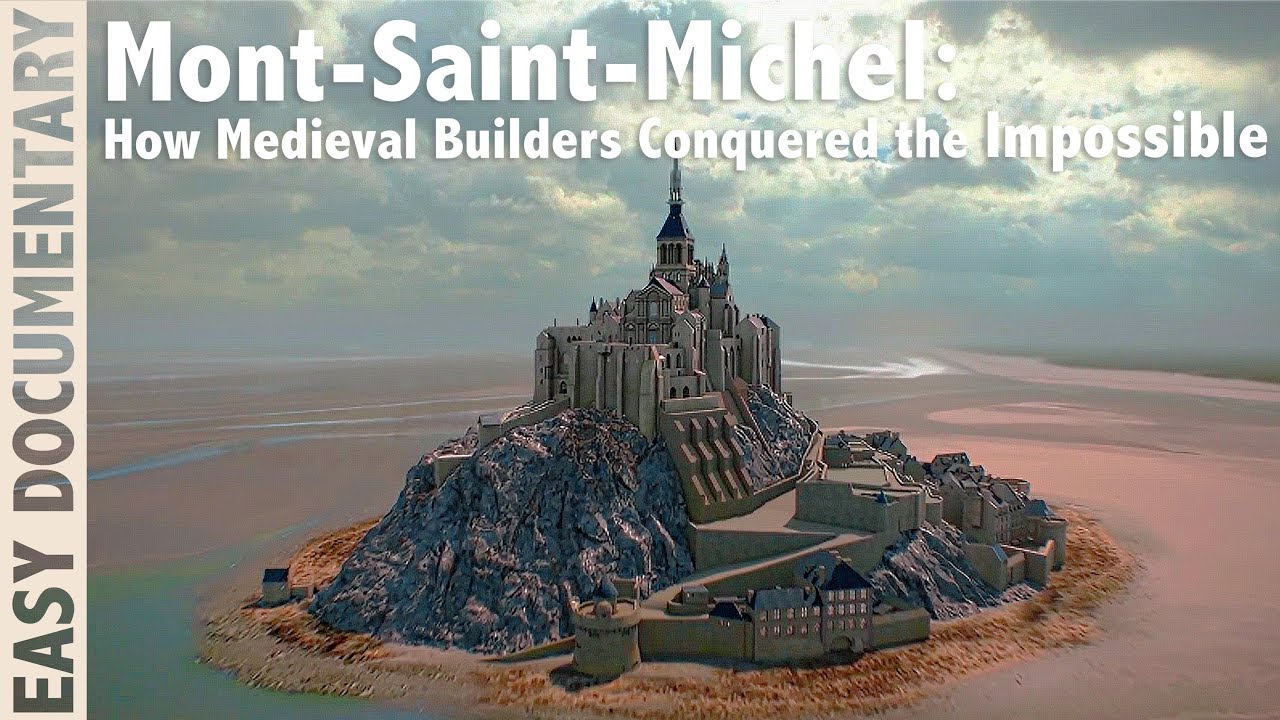
Nearly 3 million visitors each year flock to Mont-Saint-Michel, a UNESCO World Heritage site known for its striking silhouette and powerful tides.
In Bridgnorth, Shropshire, archaeologists investigate back gardens to locate the remains of a medieval castle, with only a leaning tower remaining.
Mont-Saint-Michel, a rock 80 meters high, has stood for 1,300 years and attracts 2.5 million visitors each year to its unique architectural structures.
The Colosseum in Rome, an architectural marvel, hosted brutal spectacles and innovative sea battles, showcasing advanced engineering techniques of ancient Rome.
The Nile River shapes the lives of communities in its valley, showcasing a blend of tradition, creativity, and the remnants of ancient civilizations.
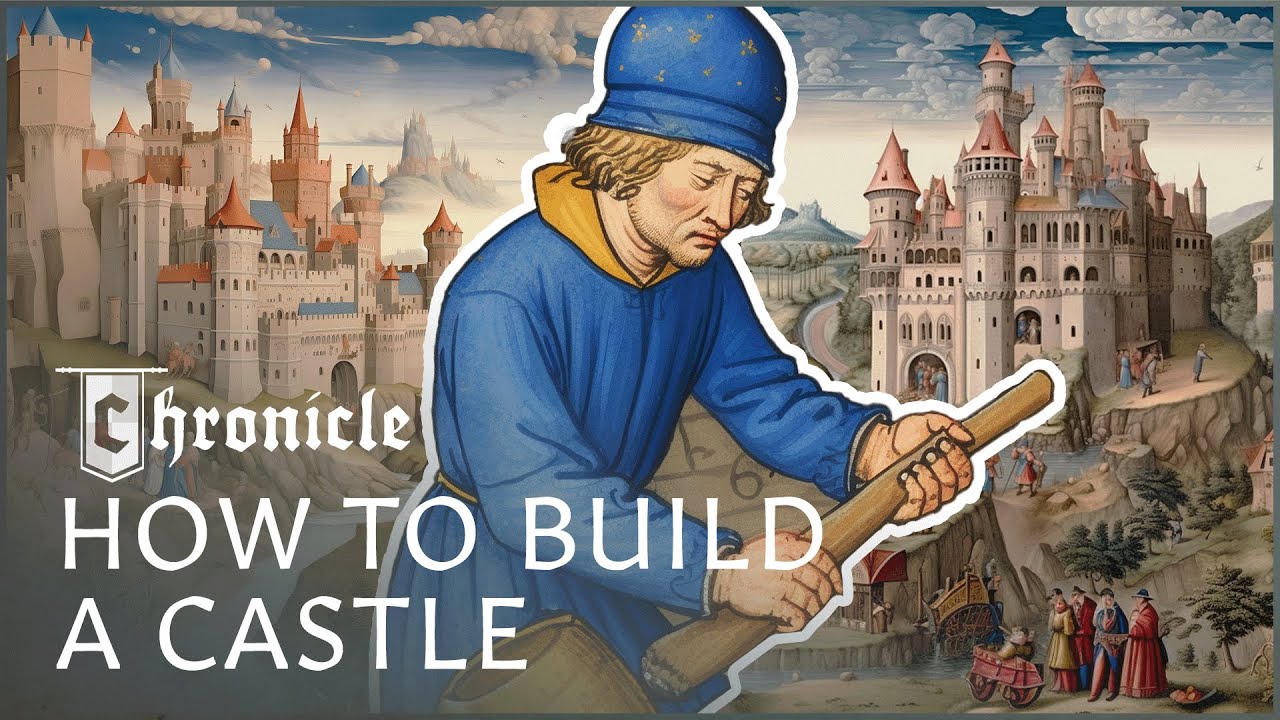
In France, Ruth Goodman, Peter Ginn, and Tom Pinfold use traditional tools and 13th century techniques to construct a medieval castle.
China's mega projects, including the world's longest cross-sea bridge, exemplify the evolution of bridge engineering from ancient techniques to modern marvels.
In London, archaeologists from Time Team investigate the remnants of the first Roman road that once traversed the ancient city of Londinium.
A two-ton stone sarcophagus was uncovered beneath the Protestant Church of St. John, possibly belonging to a medieval bishop from the year 1021.
Uzbekistan's diverse landscapes, from the ancient oases of Samarkand to the Soviet ghost town of Jangiabad, reveal a rich tapestry of history and cultural transformation.
Albert Lin uses lasers to scan deserts and oceans in search of the Knights Templar's command center and treasure in modern-day Acre, Israel.
In Henley-in-Arden, medieval archaeologists investigate the remnants of the lost Beaudesert Castle to reconstruct its historical significance and appearance.
300,000 people lived in Athens at its peak in the fifth century BC, a city that significantly influenced the development of democracy and philosophy.
The Suez Canal expansion project aims to double its width and deepen the waterway, utilizing 500 million cubic meters of sand and soil from around the globe.
Ancient cities, hidden villages, and extreme landscapes of Iran are explored, highlighting the country’s rich history and architectural marvels beyond political narratives.
Tokyo's micro homes, such as a 3-meter-wide house in Shibuya and a 16-square-meter design by architect Manabu Maya, illustrate innovative living solutions in a densely populated megacity.
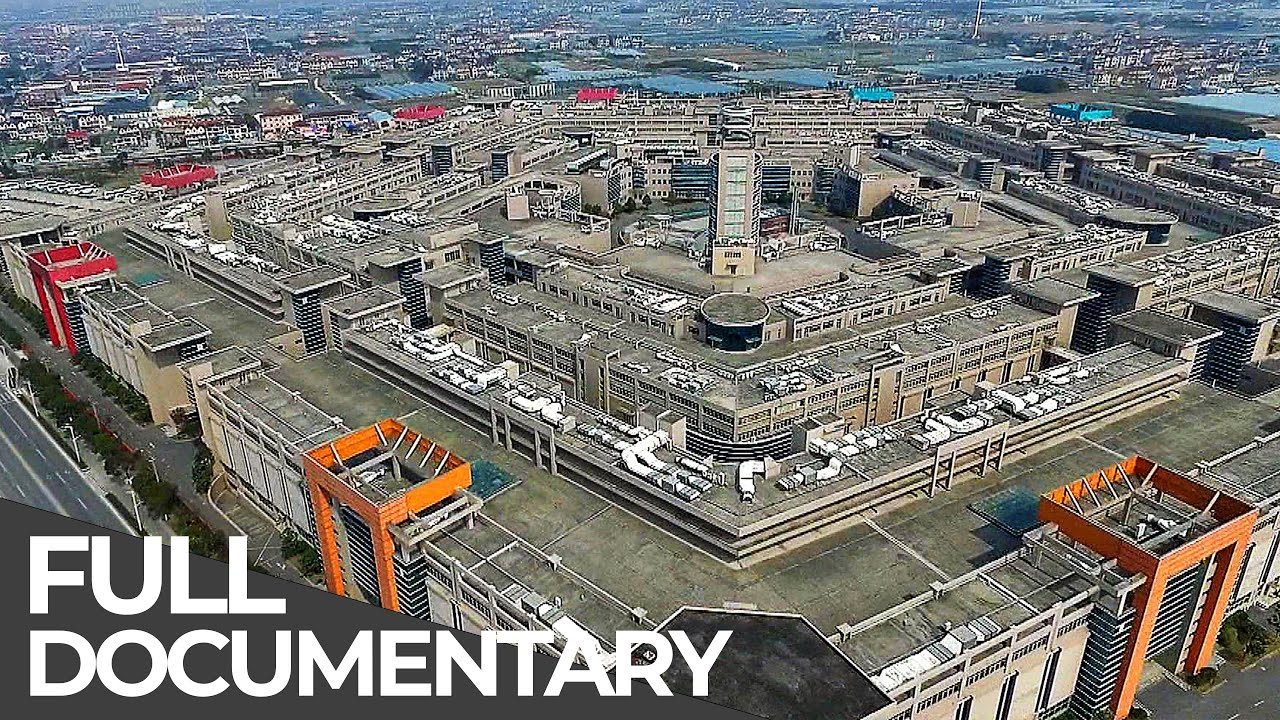
A luxury survival condo in Kansas, a minefield in Sarajevo, and an abandoned fake Pentagon in Shanghai are among the locations explored in this episode.
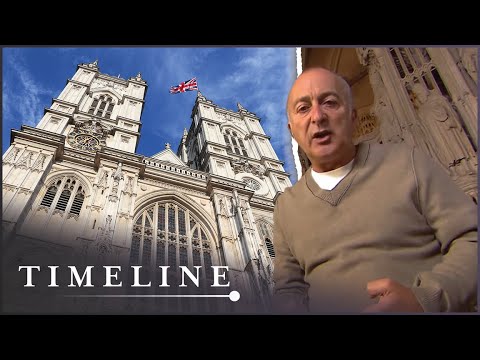
Westminster Abbey serves as the backdrop for archaeologists Tony Robinson and Professor Mick Aston as they search for Henry III's lost sacristy, believed to contain significant treasures.
In Siberia, the Mirny diamond mine stands as one of the deepest mines in the world, while the episode also explores a dangerous hotel and a replica Austrian village in China.
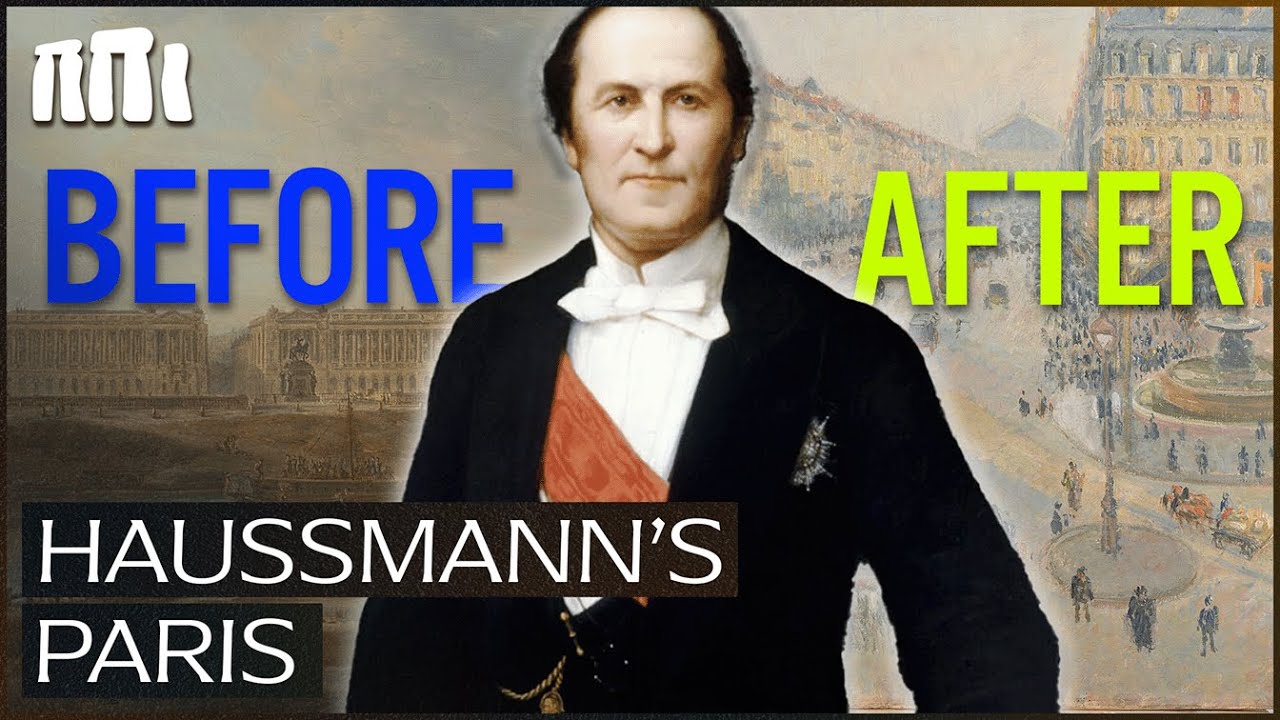
Baron Haussmann's modernization of Paris under Napoléon III transformed the city with iconic structures like the Arc de Triomphe and major transportation hubs.
850 cubic meters of concrete are removed and reprocessed after a Bavarian demolition crew successfully tears down a bridge over the A8 Autobahn.
Burj Khalifa rises to 2,717 feet, making it the tallest building in the world and a symbol of Dubai's architectural ambition.
A medieval castle built atop an ancient Roman fort reveals insights into the historical significance and cultural evolution of the region's inhabitants.
Stanford White designed the Washington Square Arch, a prominent symbol of New York City, and was a key figure in the city's Gilded Age architecture.
An underground subway station in Chongqing, China, remains unused despite having functioning ticket machines and trains running every five minutes.
Roman engineering reveals the secret of an empire that still stands through Roman concrete.
In Switzerland, secret bunkers are explored alongside flooded passages in France and unique seaweed farms in South Korea, highlighting various mysterious locations.
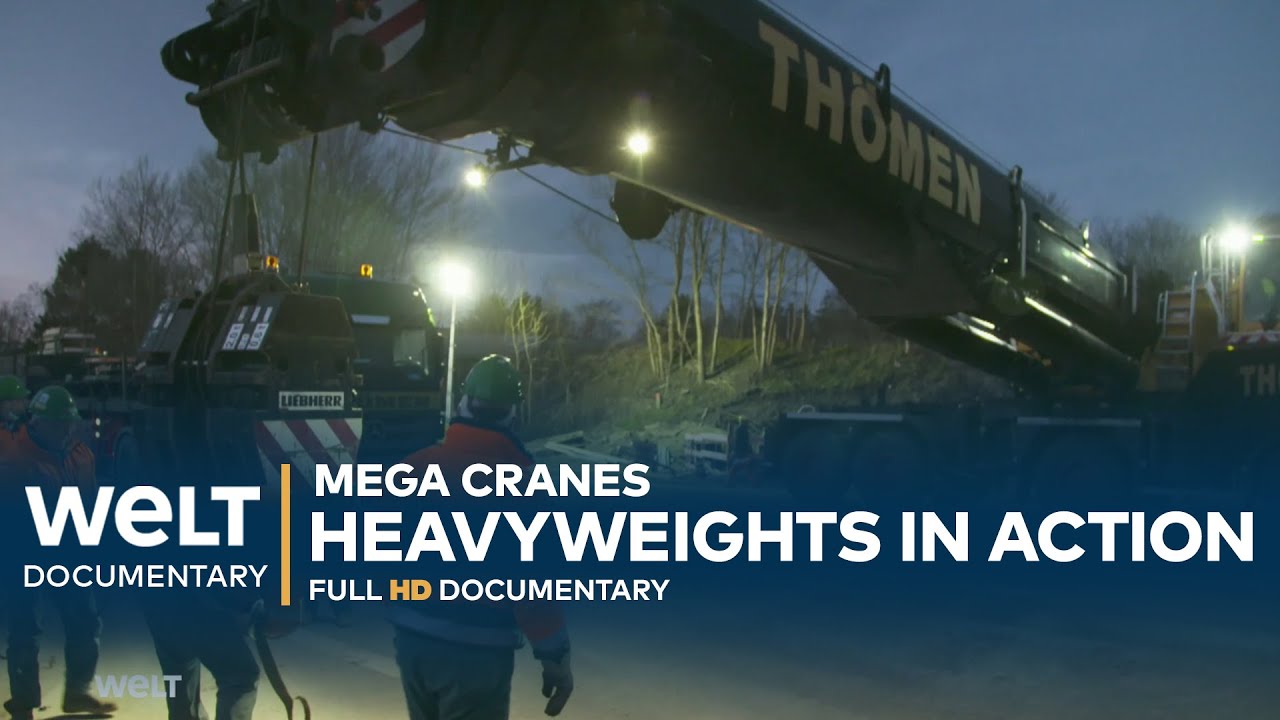
In Flensburg, a 267-ton steel railroad bridge is assembled and lifted into place using two mobile cranes capable of lifting up to 1,000 tons.
The Golden Gate Bridge showcases 50 years of engineering excellence and food exploration.
I.M. Pei returned to Suzhou, China, to design a museum, marking his first major project in his birthplace since leaving in 1935.
A 1,600-foot main span connects Manhattan and Brooklyn in the iconic Brooklyn Bridge, a marvel of engineering completed in 1883.