From over 100,000 films, discover the handful you'll love.
Free or premium access to the world's largest documentary library.
760 films(Page 5 of 16)
Wayneflete Tower in Surrey serves as the last remnant of a grand palace built during the Wars of the Roses, which influenced the design of Hampton Court.
As urban populations surge from 10 percent in the early 20th century to 50 percent today, cities face challenges like pollution and resource scarcity while offering opportunities for sustainable building solutions.
In Lourdes, France, the Sanctuary of Our Lady was built following 18 apparitions of the Virgin Mary, reflecting the influence of Napoléon and modern urban planning.
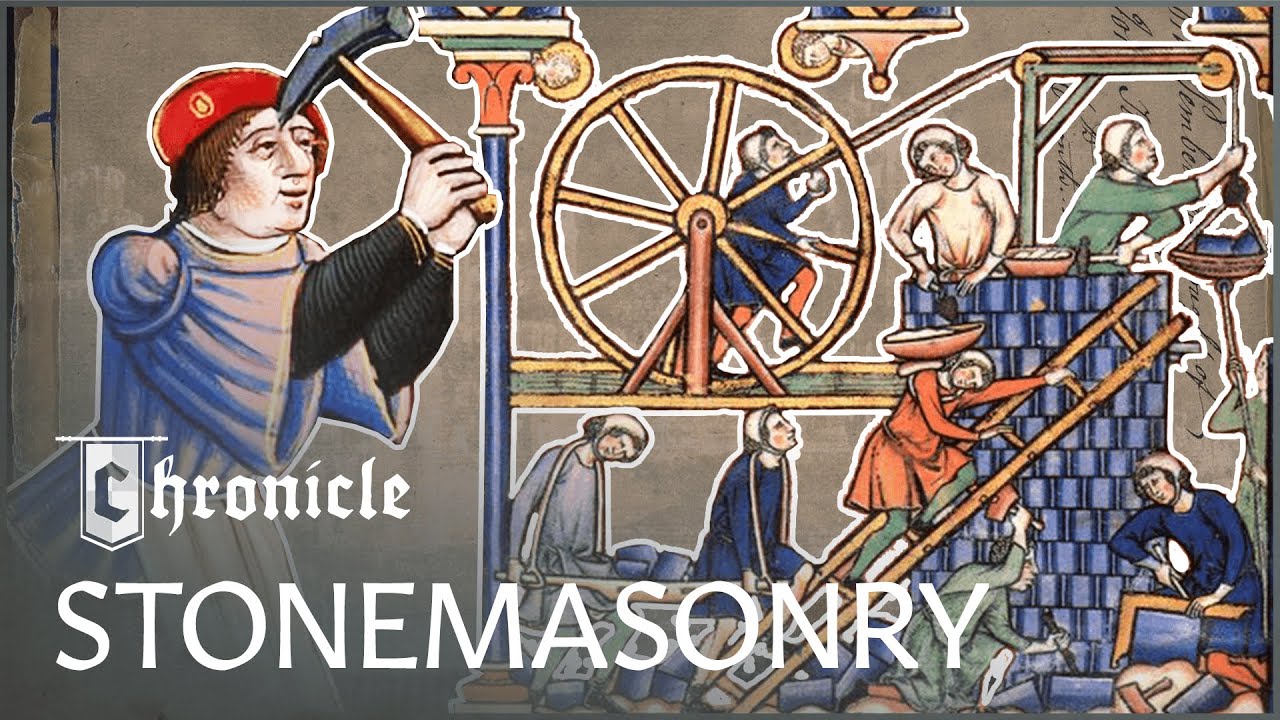
Skilled communities in medieval England, including stonemasons, blacksmiths, and carpenters, employed advanced techniques to construct formidable castles.
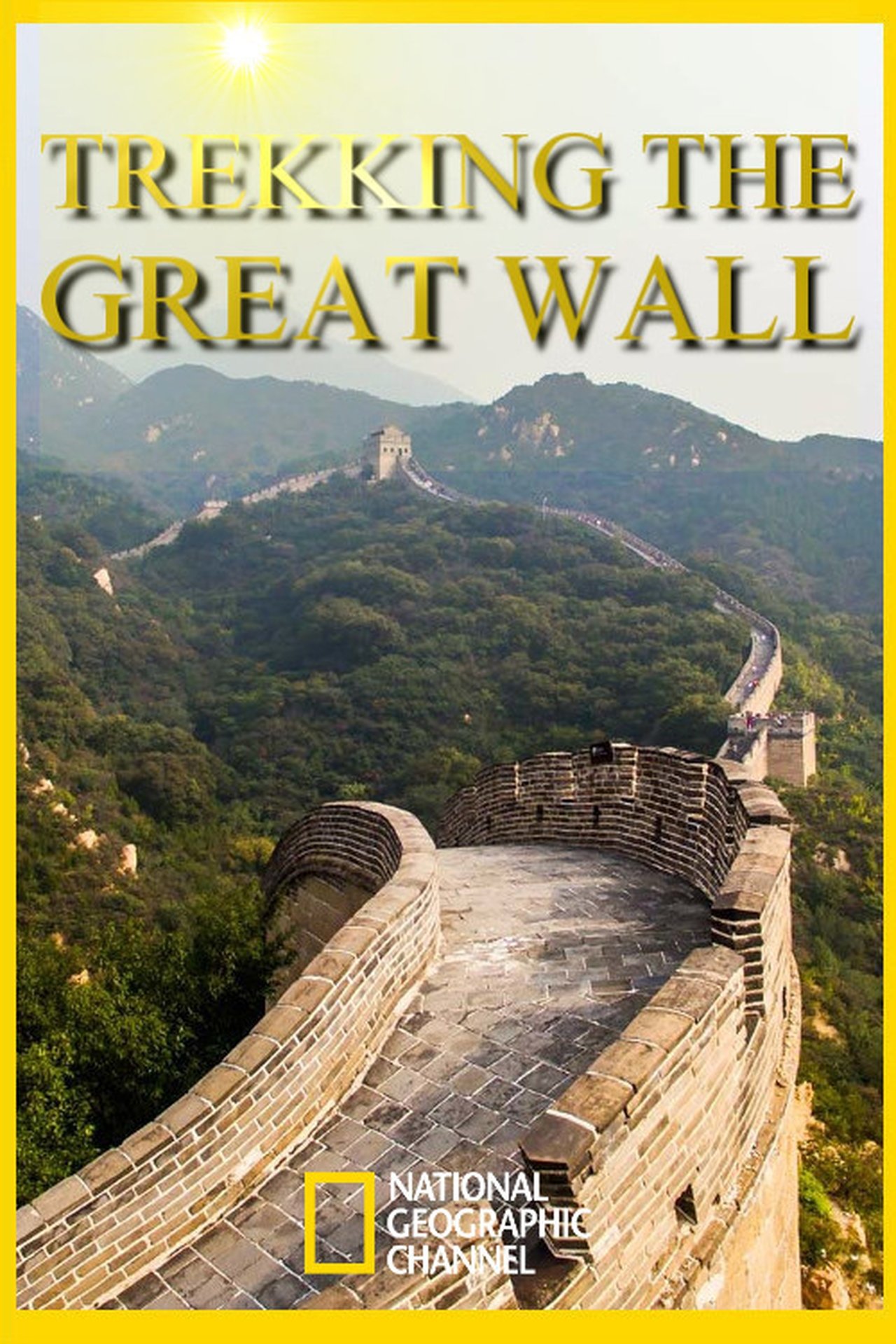
Over 4,000 miles of the Great Wall of China, built over 2,000 years ago, present significant engineering challenges and historical narratives.
Grimsthorpe Castle, along with five other historic houses in Britain, showcases rare royal artefacts and significant collections nominated for the 2024 Historic Houses Collections Award.
Throughout Europe, thousands of streets and place names reflect the historical presence of medieval castles, many of which have left only their names behind.
Four legs, each 100 meters long, support the "Ship on Legs," designed to install wind turbines in rough seas off the German and English coasts.
Sheikh Zayed Mosque in Abu Dhabi covers 20,000 square meters and can accommodate up to 7,000 people in its main hall at one time.
Restoration of the Colosseum requires a budget of 25 million euros to preserve its facade and create a welcome center for visitors.
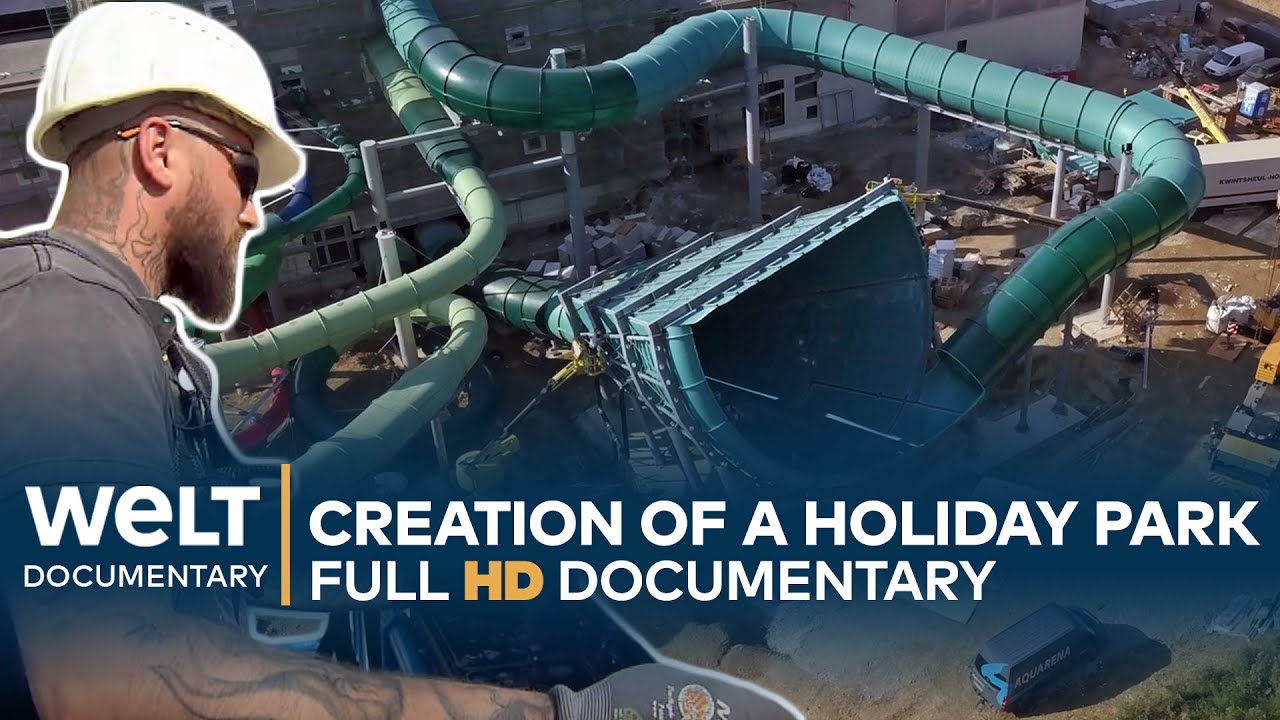
1,100 workers are constructing a holiday park in Germany's Allgäu region, which will feature 1,000 holiday homes for up to 5,000 guests.
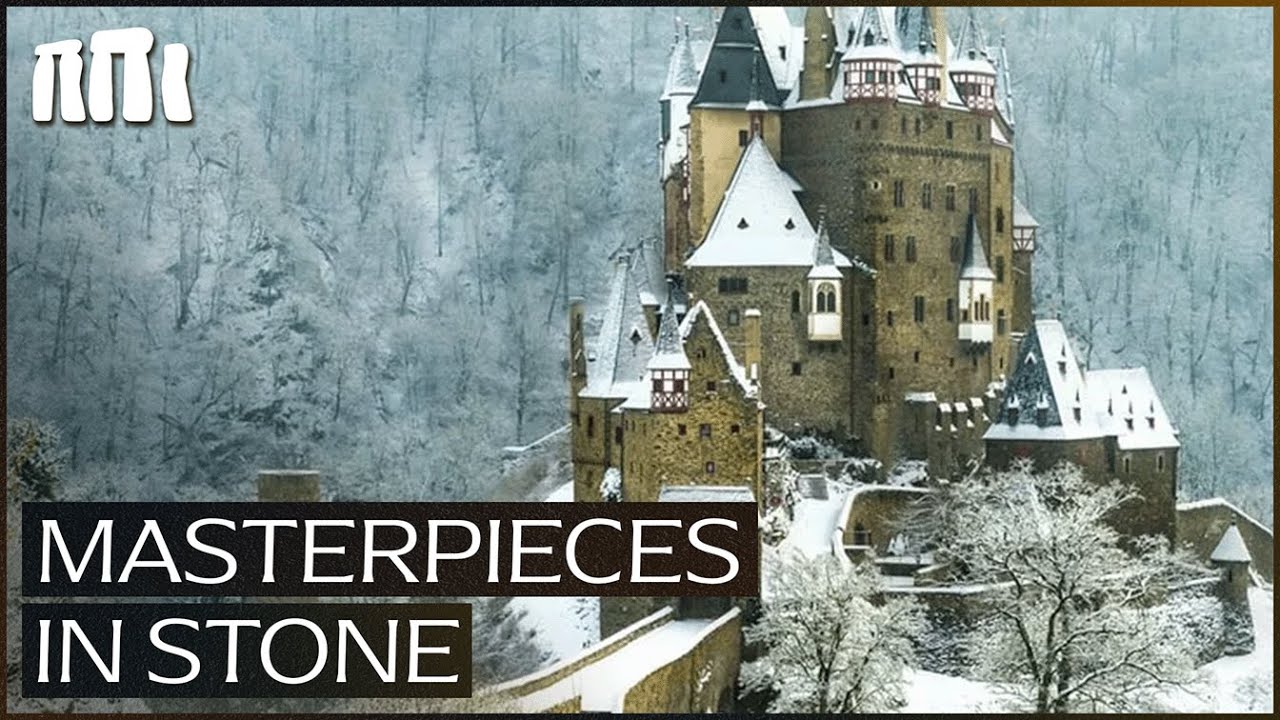
Medieval castles, symbols of military power and nobility, evolved from the siege warfare of the Middle Ages to the luxurious palaces of the Industrial Revolution.
Snodhill Castle, a long-overlooked stronghold in the borderlands of England and Wales, reveals a fortified design featuring a double-portcullis and a 14th-century panic room.
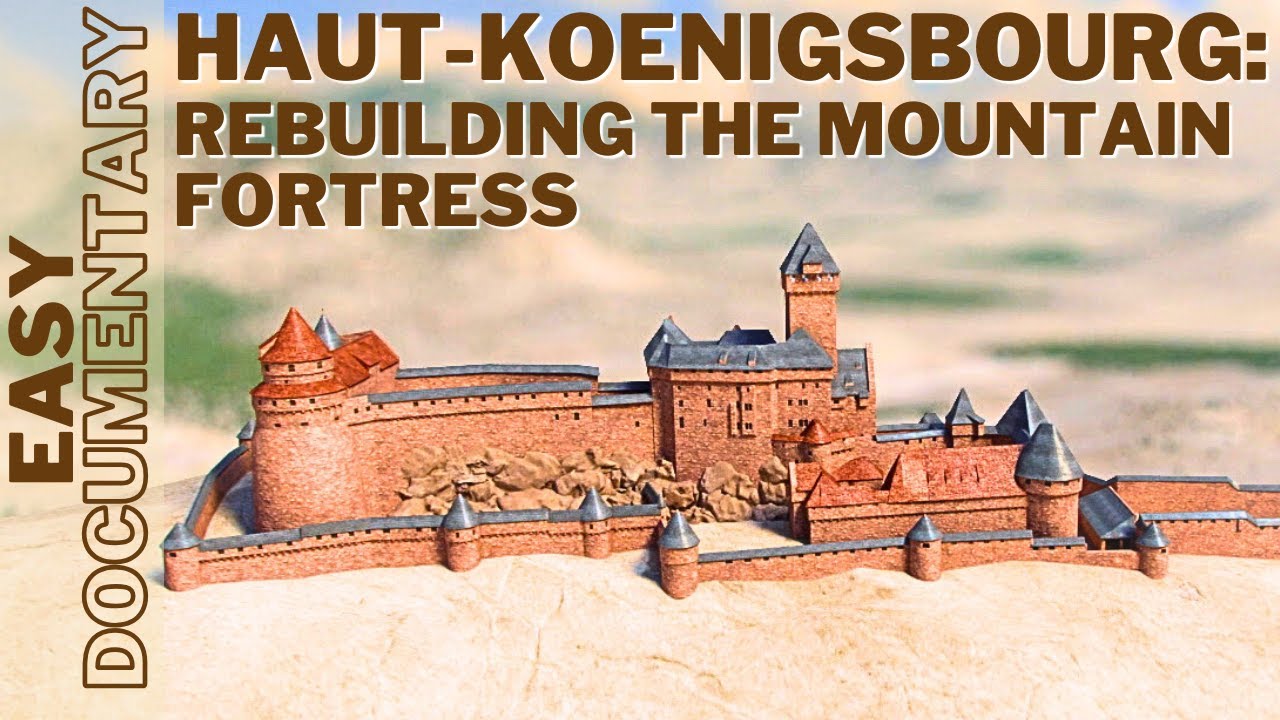
Château du Haut-Koenigsbourg, a 12th-century fortress in Alsace, was extensively rebuilt in the early 20th century under architect Bodo Ebhart for Emperor Wilhelm II.
The Seven Wonders of the Ancient World are explored alongside the remarkable civilizations of the Aztecs and Maya in this examination of ancient empires.
Rowan LeCompte and Dieter Goldkuhle create their final stained glass windows for Washington National Cathedral, showcasing a 1,500-year-old Christian craft.
The JR Central Towers in Nagoya will encompass over 4.5 million square feet, making it one of the largest buildings in Japan.
Athelhampton House in Dorset, a Tudor manor with origins dating back to the Domesday Book, showcases significant restoration and aims to be the first solar-powered manor in the UK.
In the village of Ponging, Arunachal Pradesh, the Adi tribe showcases their unique bamboo houses, reflecting their deep connection to this versatile material.
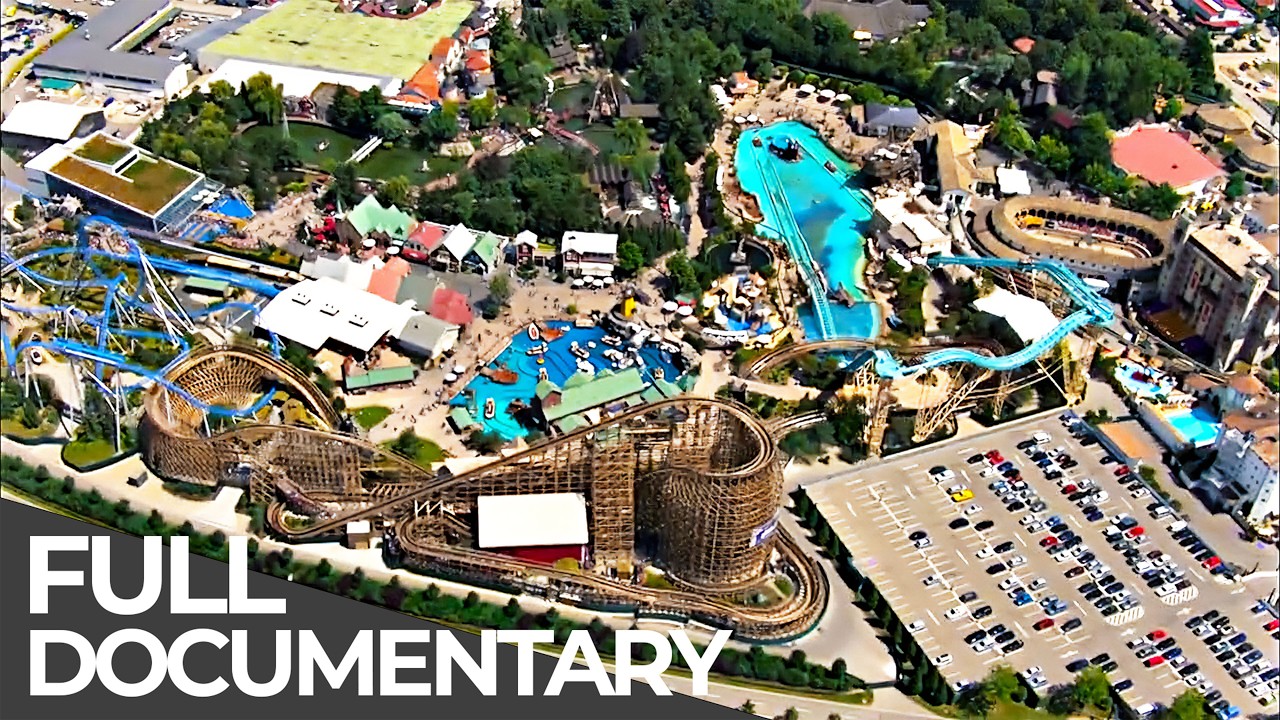
Siam Park, Europa Park, and Ferrari World showcase the innovative design, construction, and operational challenges behind some of the world's largest amusement parks.
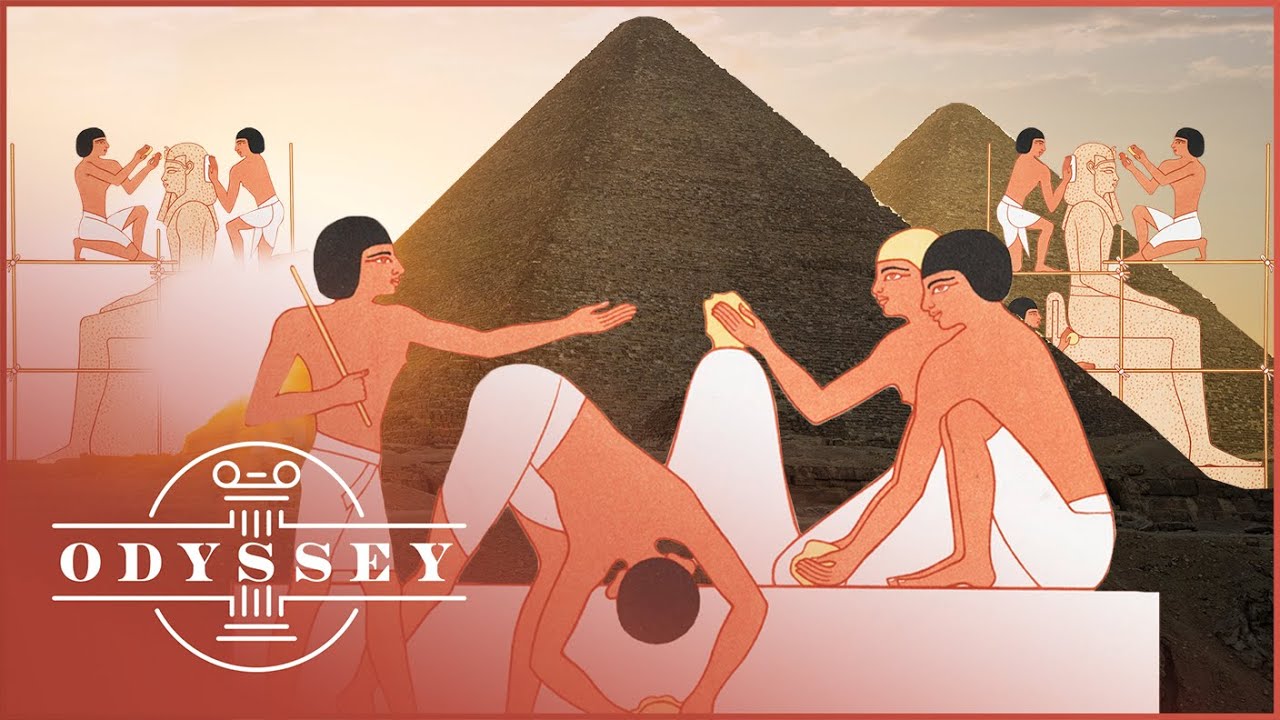
Ancient Egypt's pyramids, monumental achievements of engineering, are examined for their true origins and the labor force behind their construction.
The Dark Ages are reexamined as a period of cultural and artistic achievement in northern Europe, highlighting Viking shipbuilding and manuscript illumination by the Irish and Anglo-Saxons.
In the 1960s, a multi-national alliance undertook an ambitious engineering project to relocate ancient Egyptian temples threatened by the Aswan High Dam.
At Guedelon Castle, Ruth, Peter, and Tom explore the creation of medieval paints, tiling, and lime-washing, highlighting the era's vibrant artistry.
Bodiam Castle, a 14th-century fortress in East Sussex, exemplifies medieval architectural strategies designed to intimidate French invaders through optical illusions.
Autun, once known as Augustodunum and a major city in Roman Gaul, reveals its historical significance through recent archaeological findings and advanced digital technology.
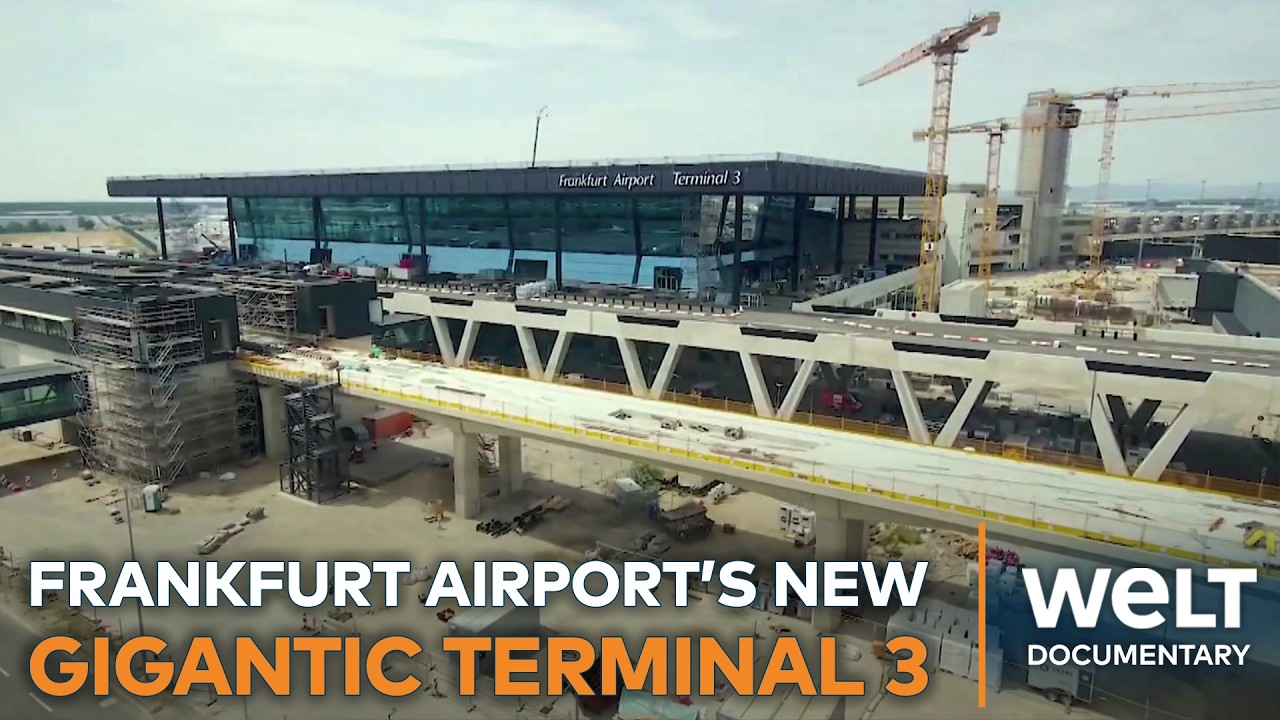
Frankfurt Airport's Terminal 3, a €4 billion project spanning over 400,000 square meters, is set to enhance passenger capacity and experience starting in 2026.
In Central Myanmar, the Pagan Empire's 11th-century ruins reveal advanced hydraulic engineering, including a recently discovered water reservoir system.
The Antonov AN-225 has a maximum take-off weight of 800 tons, making it the largest aircraft in the world capable of transporting the heaviest air freight.
Hanoi's tunnel houses, characterized by their narrow and deep designs, exemplify innovative architectural solutions to urban space limitations in Vietnam's capital.
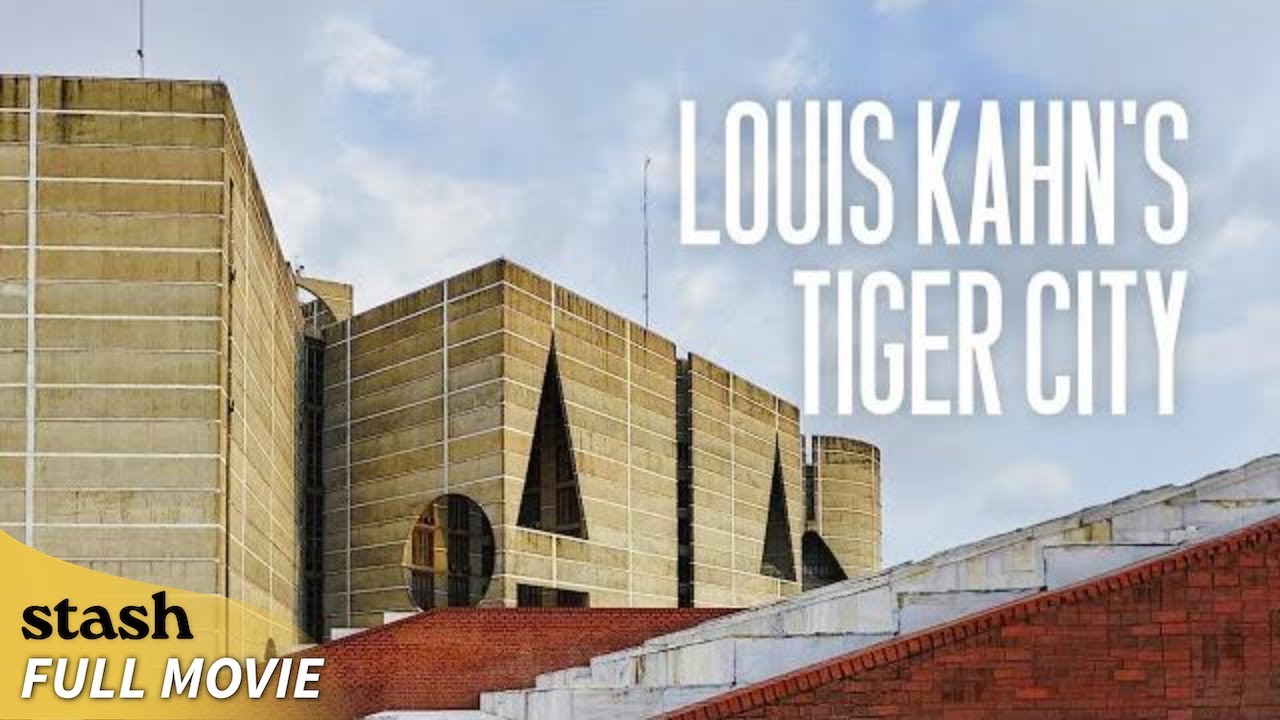
Louis Kahn died in 1974 with $450,000 in debt, leaving behind a legacy marked by his architectural work in Dhaka, Bangladesh.
Over 100,000 castles still stand in Europe, with Bodiam Castle built in 1385 using forced perspective to create the illusion of greater size and strength.
Arles, once a Roman colony founded by Julius Caesar in 46 BCE, showcases impressive Roman architecture that reflects the city's historical significance in Gaul.
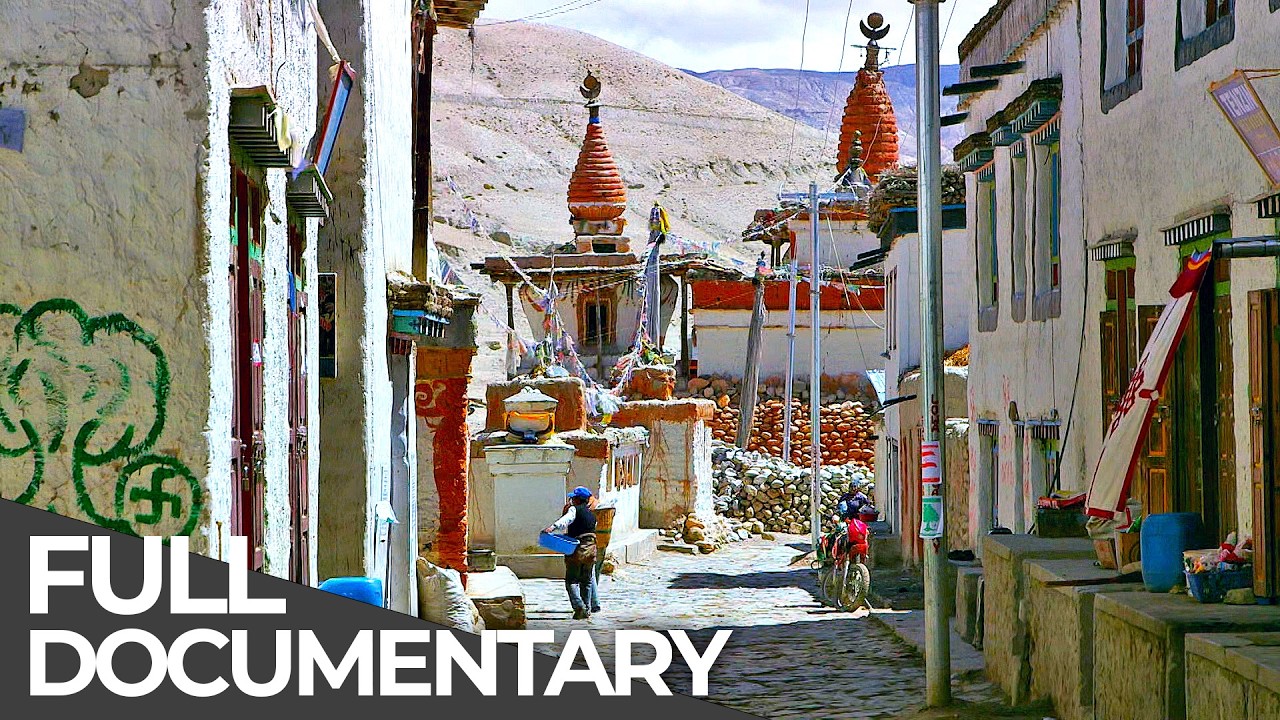
Lo Manthang in Nepal showcases ultra-high altitude life and unique habitats in the clouds.
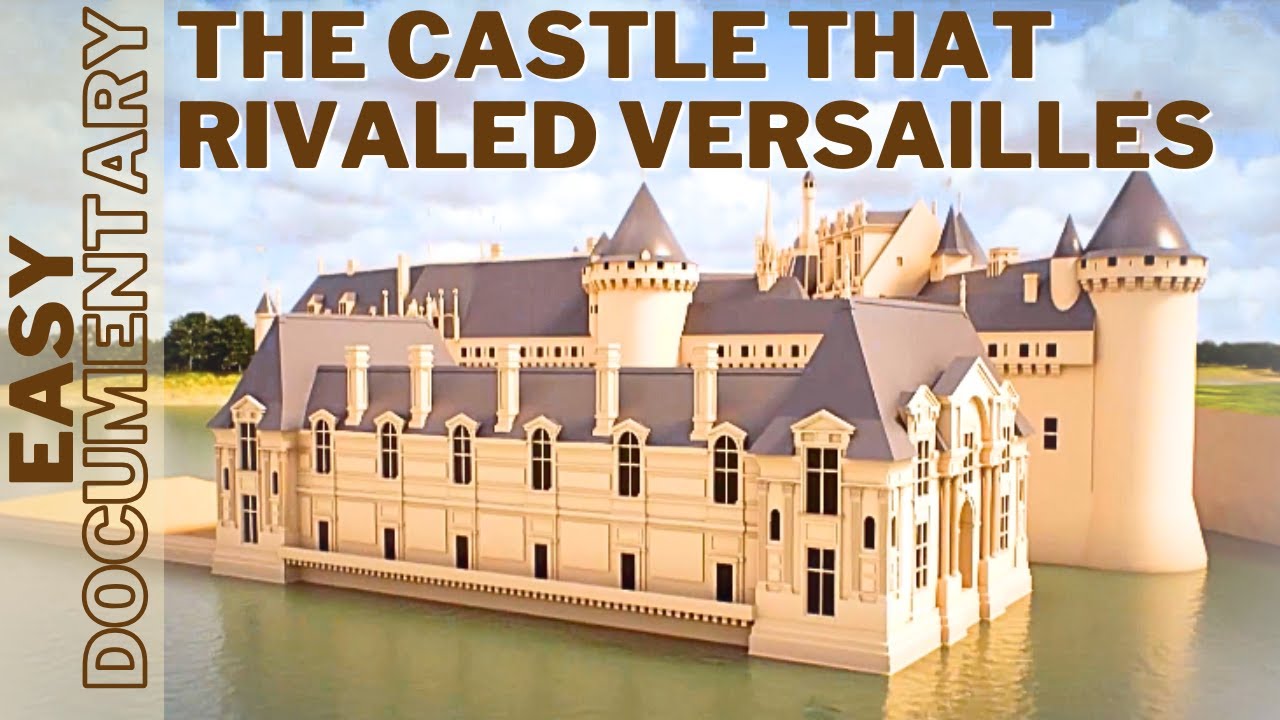
Chantilly Castle, designed by André Le Nôtre for Louis II de Bourbon-Condé, showcases revolutionary landscaping and houses an extensive art collection, rivaling Versailles.
Château de Chenonceau, known as the "Ladies' Castle," showcases 16th-century engineering with its unique river-spanning design and rich historical significance.
Abandoned hospitals, hotels, and factories across Germany, Italy, and Poland, along with the Baikonur Space Station in Kazakhstan, highlight the stories of forgotten places.
Pythagoras and Plato's philosophies are examined for their lasting influence on modern thought, architecture, and societal structures across North America and Europe.
The Colosseum, a symbol of ancient Rome, faces significant threats as restorationists and historians work to preserve its rich history and structural integrity.
Architectural historian Dan Cruickshank and designer Charlie Luxton explore the process of dismantling and reconstructing historic buildings to preserve their significance.
Brochs, the Iron Age towers of Scotland, reveal insights into their construction, purpose, and the sophisticated societies that built them across locations like Glenelg and Orkney.
Washington D.C. is examined for its potential design as a temple dedicated to Goddess Worship, featuring sacred geometry and symbols linked to Freemasons and the Founding Fathers.
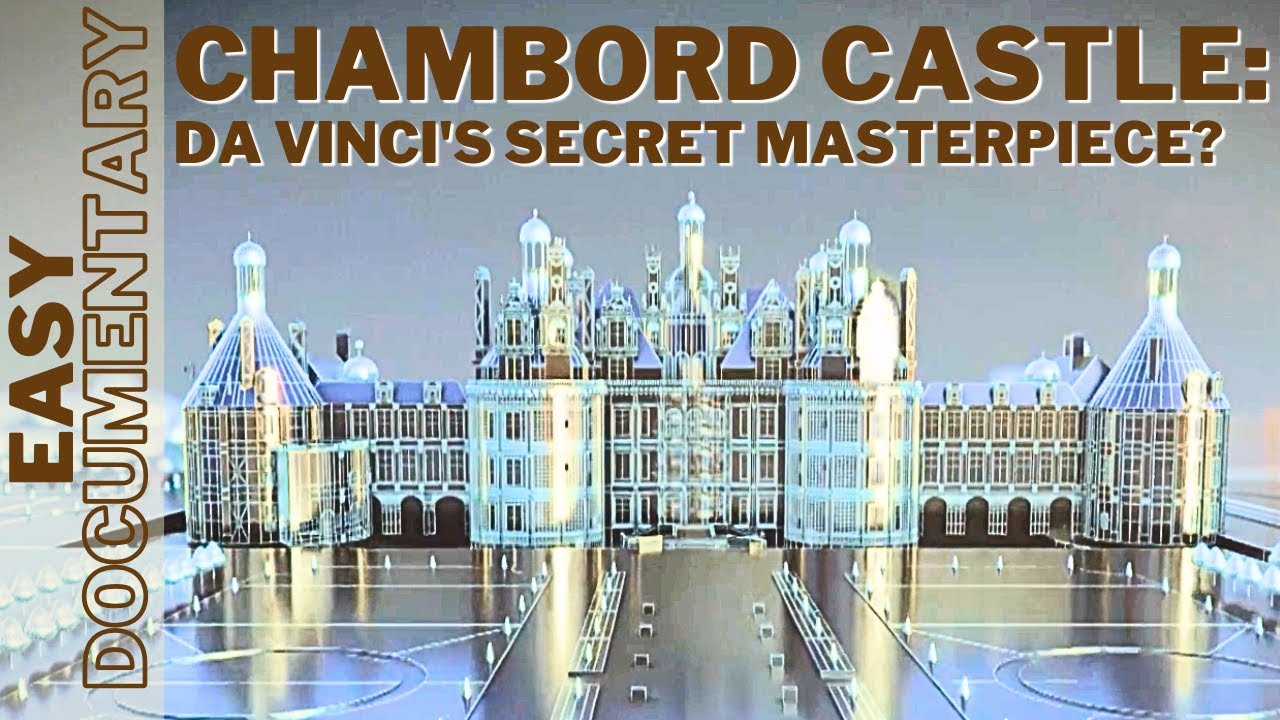
Chambord Castle, commissioned by François I in the 16th century, is examined for potential connections to Leonardo da Vinci's architectural influence and hidden meanings.
Medieval cathedrals, designed as monumental expressions of faith, showcased innovative architectural techniques like flying buttresses and ribbed vaults, transforming European skylines.
Templar fortresses across Europe, including the Castle of Miravet, illustrate the architectural prowess and complex history of the Knights Templar during the Middle Ages.
Fort Knox, the U.S. Bullion Depository, houses an estimated $73 billion in gold within its highly secure vaults, serving as a symbol of national wealth and security.
Renowned archaeologist Zahi Hawass explores the ancient necropolis of Saqqara in search of Imhotep's tomb, the architect of the Step Pyramid of Djoser.
Strasbourg, a city on the Rhine River, features a Gothic cathedral with a 142-meter spire, the Vauban Dam for defense, and a Central Station built during German annexation.