From over 100,000 films, discover the handful you'll love.
Free or premium access to the world's largest documentary library.
760 films(Page 8 of 16)
A 365-meter skyscraper in Moscow aims to be the strongest and safest super high-rise ever built, employing expertise from 20 different countries.
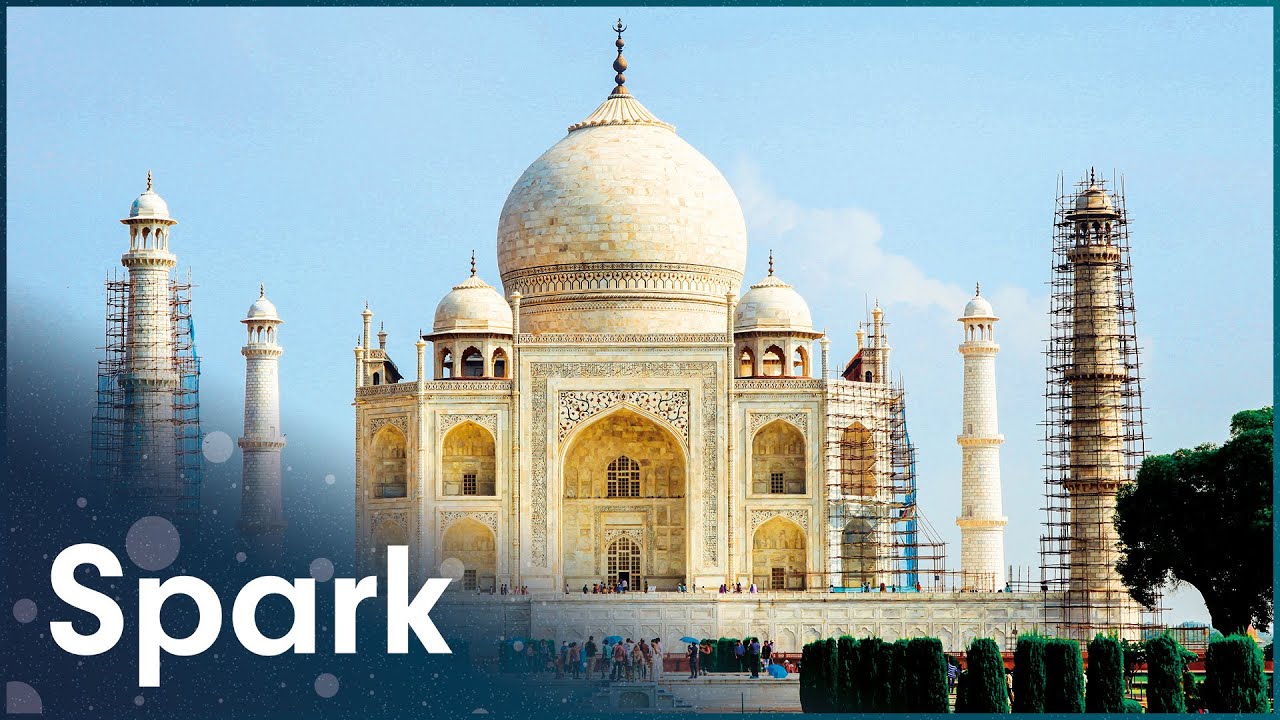
An army of government employees works to restore the Taj Mahal's sandstone pillars and marble inlay before the Commonwealth Games begin on October 1.
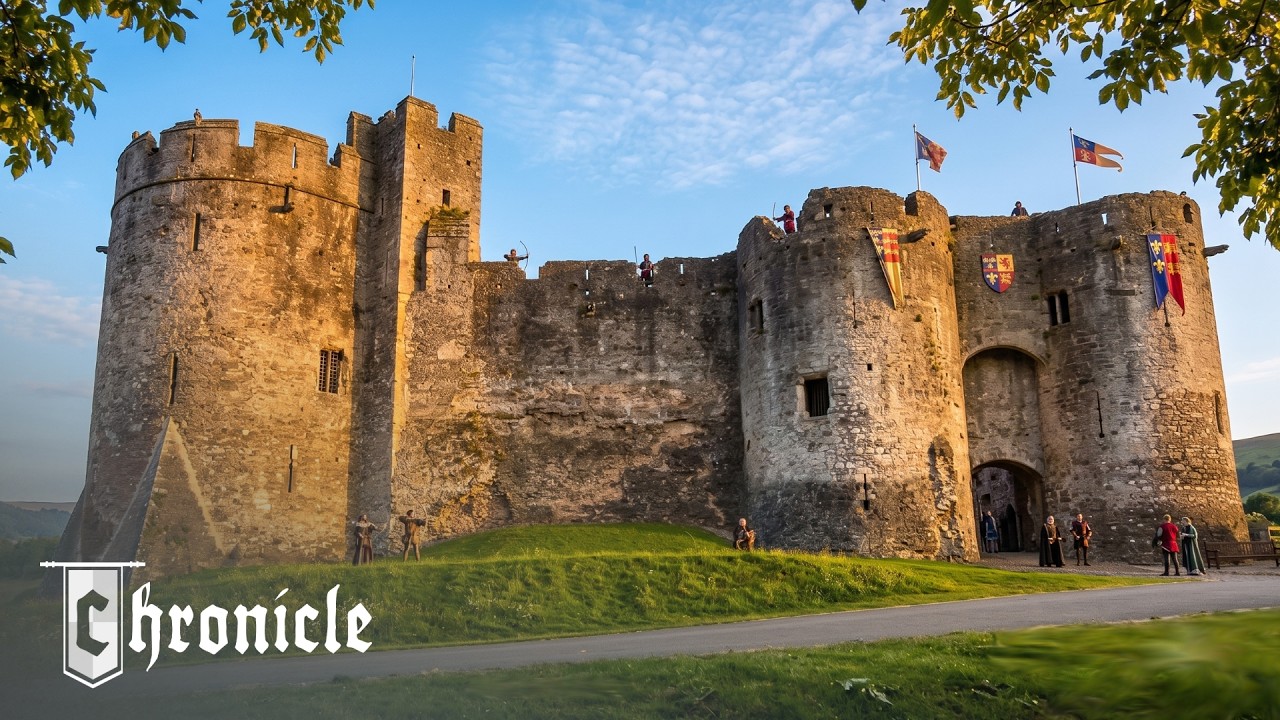
Medieval fortresses, such as Caernarfon Castle and Chteau Gaillard, were engineered using innovative techniques and materials to withstand sieges and evolving military strategies.
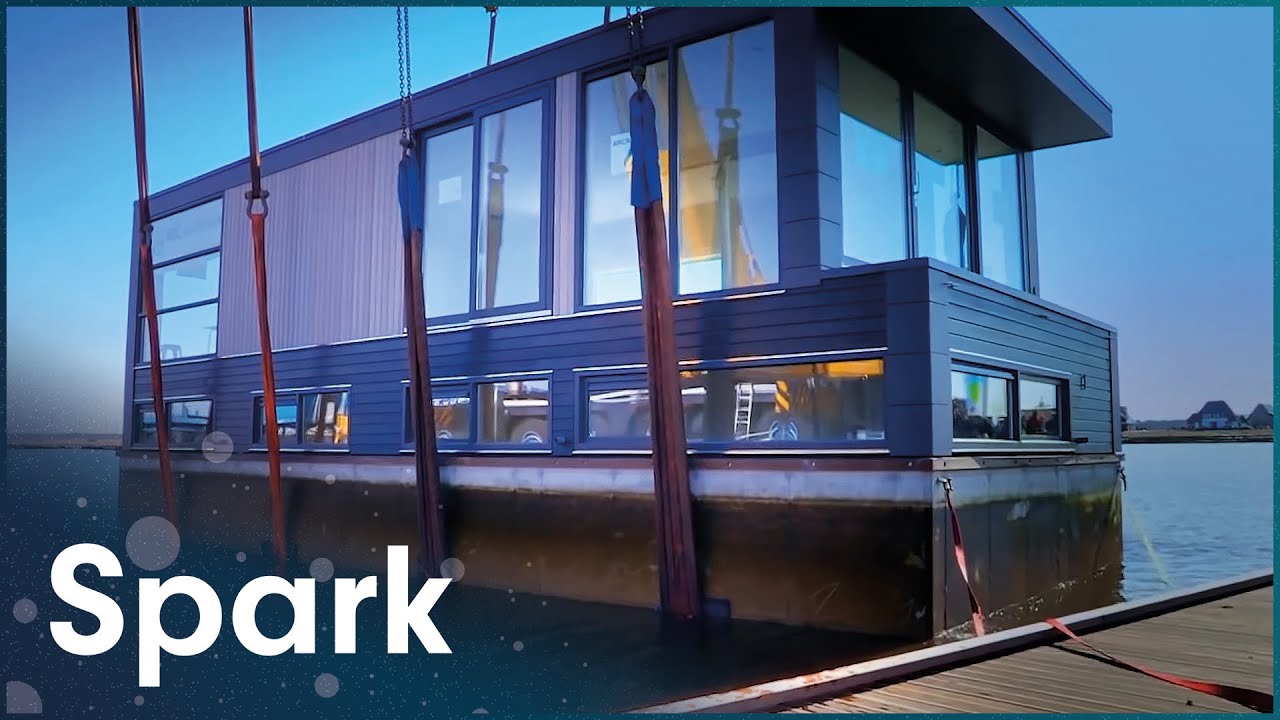
This week, engineers build and transport floating homes across 70 miles in the Netherlands.
Europe's hidden villages and medieval towns, from Italy's picturesque landscapes to France's quaint charm, preserve unique traditions and architectural styles.
Medieval fortresses across the Iberian Peninsula, including Loarre and the Alcázar of Segovia, served as centers of engineering, religion, and royal intrigue.
Seven wonders of the modern world, including the Coliseum in Rome and the Temple of Ta Prohm in Cambodia, are explored for their architectural and cultural significance.
The Great Pyramid of Giza, an architectural marvel, is examined by a team of Egyptologists who analyze its construction techniques and historical significance.
The Eiffel Tower, standing 324 meters tall, has welcomed nearly 280 million visitors since its opening in 1889.
In 50 BC, Julius Caesar's military campaigns in Gaul initiated extensive Roman construction projects, including aqueducts, roads, and amphitheaters, transforming the region.
Sixteen wooden churches on Chiloé Island are recognized as UNESCO World Heritage sites, reflecting the region's unique architectural heritage.
A vast underground pool measuring 54 meters by 45 sits six levels beneath the stage of the Opéra Garnier, accessible only to its chief concierge.
Land's End, a remote location in Cornwall, England, is explored for its ancient structures, mystical legends, and unexplained phenomena that intrigue historians.
Lille, a city in northern France, showcases revolutionary architectural feats such as the Citadel of Vauban, the Vieille Bourse, and the Town Hall Belfry.
Historic buildings are carefully dismantled and reconstructed in new locations, highlighting their significance and the importance of preserving history.
Topkapi Palace Museum in Istanbul reveals its historical significance through tales of assassins, sultans, and the world's first peace treaty.
Inside the Palacio Real in Madrid, a clock powered by witchcraft and the actions of King Felipe VI against fascism reveal the palace's hidden secrets.
Chichen Itza, a UNESCO World Heritage site in Mexico, is explored through its historical significance and architectural marvels, narrated by Stacy Keach.
Venice faces an existential threat from rising sea levels and high tides, prompting the implementation of the MO.S.E. project to protect the city's future.
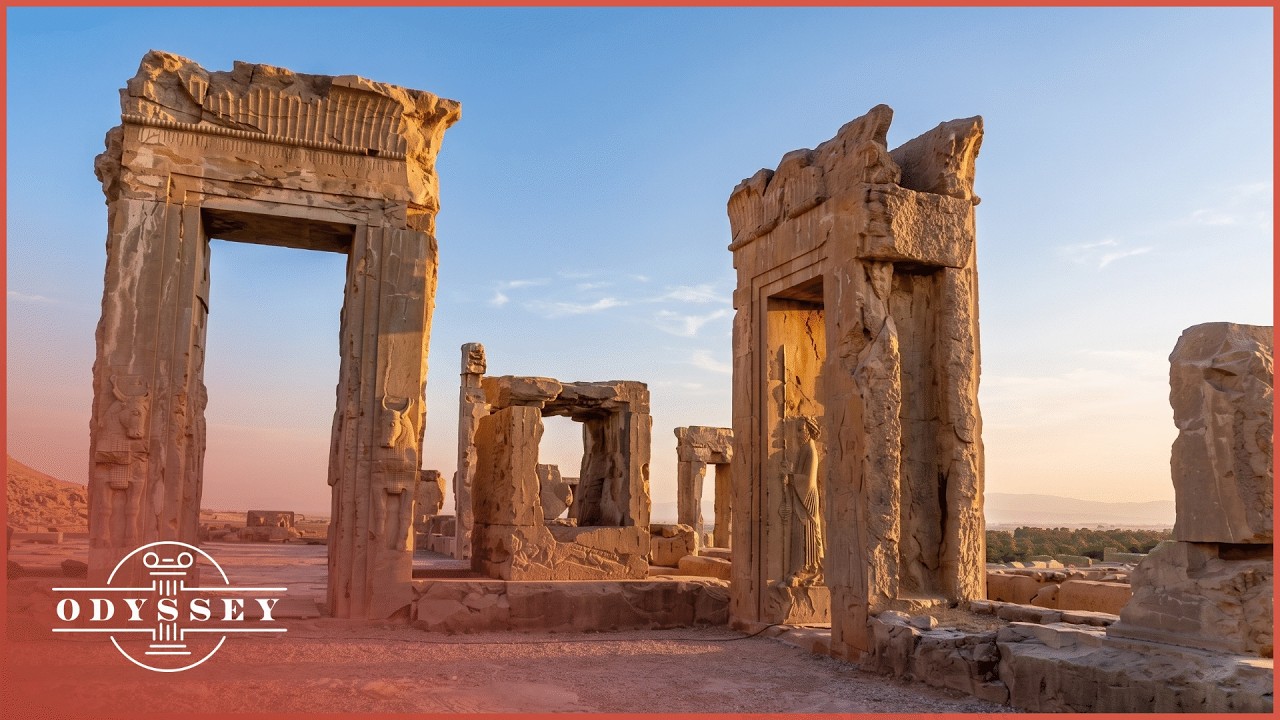
Carthage, Troy, and Persepolis are examined through expert insights and advanced techniques to reveal their architectural innovations and the mysteries of their decline.
The Roman Empire dominated Europe for over 500 years, laying the groundwork for modern infrastructure with innovations like aqueducts and concrete.
The Colosseum in Rome is undergoing an extensive restoration that integrates science, fashion, archaeology, and culture to preserve its historical significance.
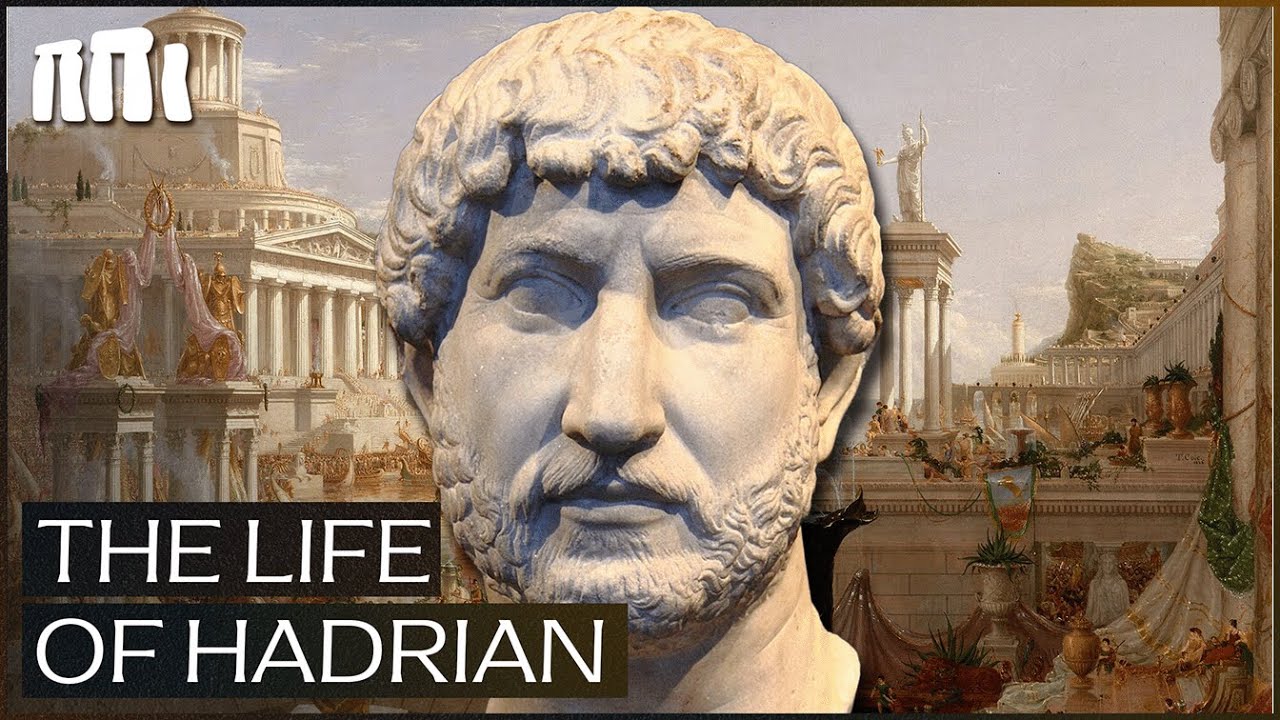
Hadrian's reign marked a pivotal shift in the Roman Empire during 117 AD, as he prioritized consolidation over expansion, reinforcing borders and restoring cities.
On the Giza plateau, the Sphinx and the two other main pyramids provide insights into the builders and the broader context of Ancient Egypt.
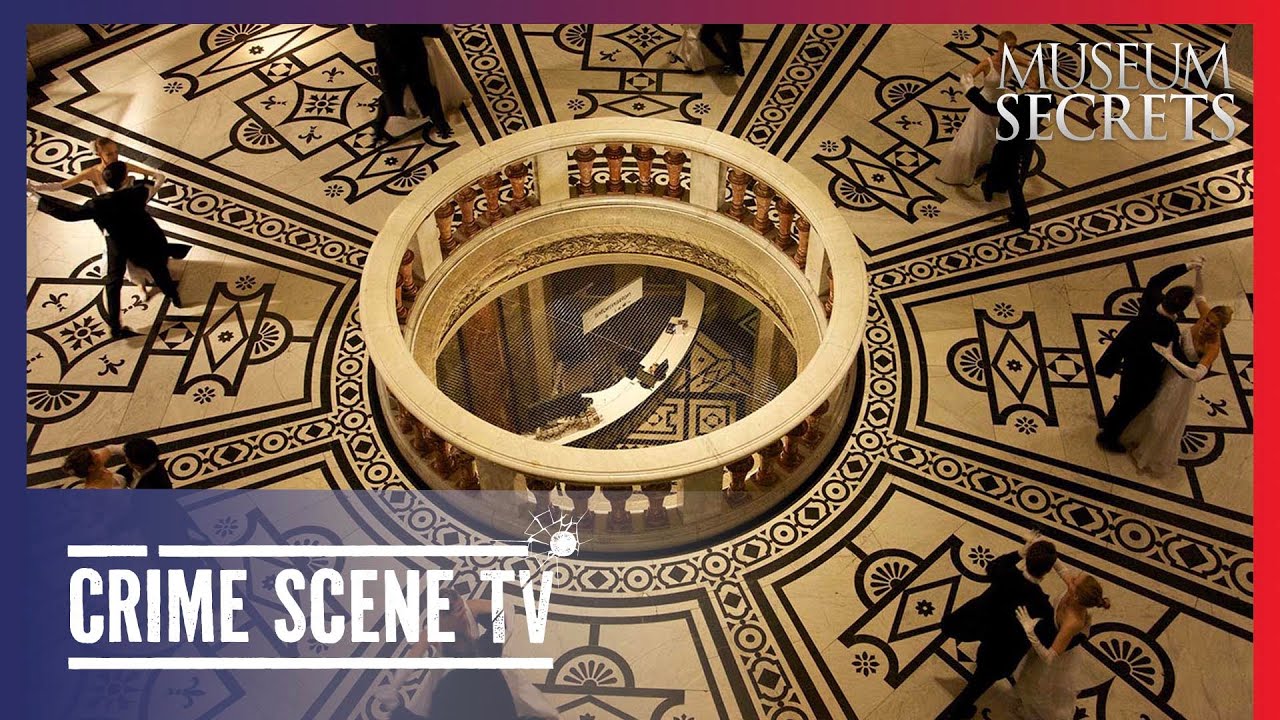
The Kunsthistorisches Museum in Vienna reveals its historical significance through the transformation of silver into gold and the impact of a revolutionary dance craze.
Engineering feats like the construction of railroads and the carving of Mt. Rushmore played pivotal roles in shaping America's development and urban landscapes.
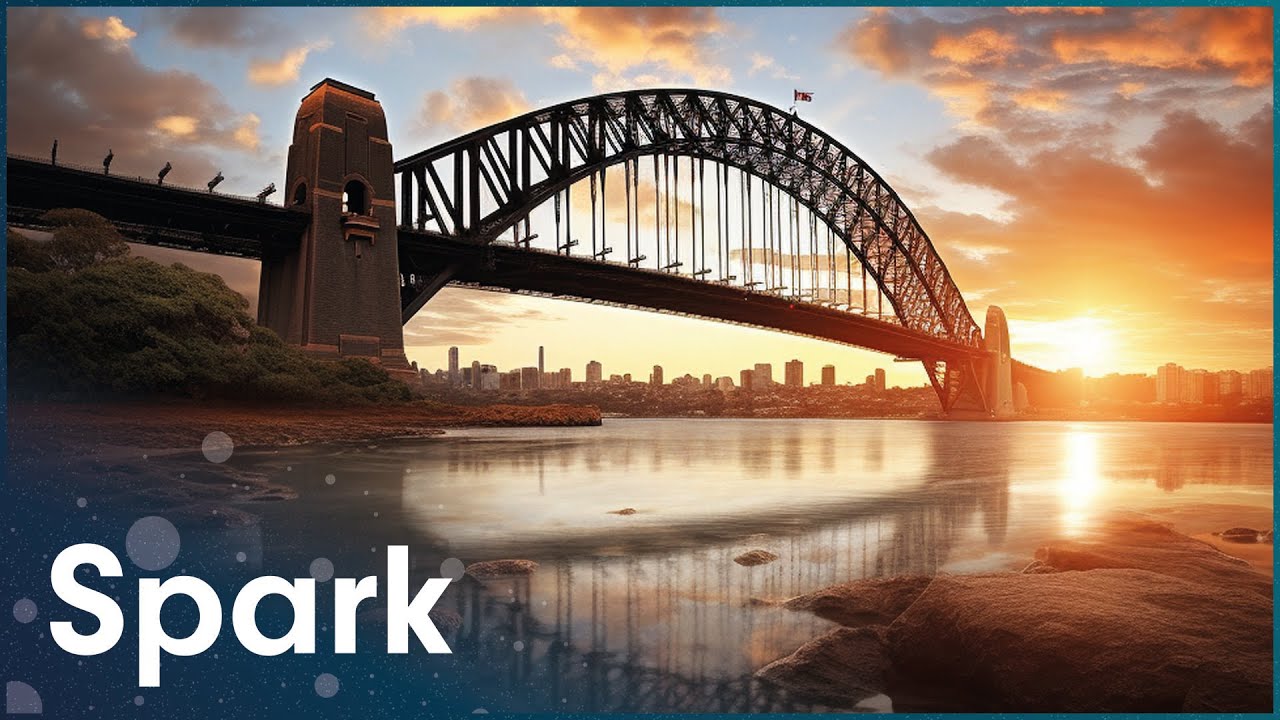
On October 10, 6,000 people gathered to eat breakfast on the Sydney Harbor Bridge, transforming it into a giant picnic spot for a day.
Towering skyscrapers are examined through their engineering evolution, complex internal systems, and the human environments that sustain these massive structures.
Abandoned hotels along the Black Forest High Road, once frequented by royalty and celebrities, now stand in decay, reflecting the decline of this historic travel route.
More people can work in the same building thanks to elevators, which have transformed urban living and allowed for the construction of taller structures.
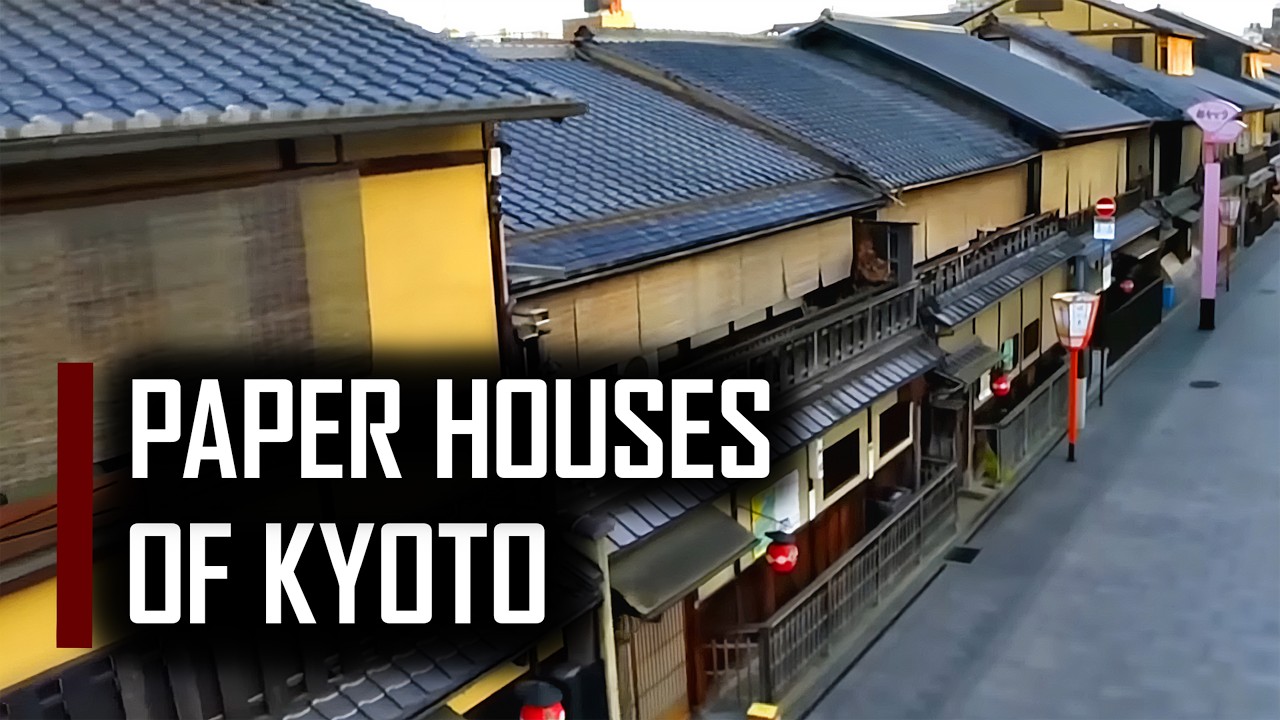
In Kyoto, Japan, traditional machiya homes embody centuries-old architectural and cultural practices, reflecting the harmony and aesthetics of Japanese life.
Construction of the Sagrada Familia in Barcelona, designed by Antoni Gaudí, is nearing completion after over 130 years, showcasing innovative techniques and historical insights.
In the U.S.A. and Belgium, urban explorers Josh and Cody visit abandoned locations, including a notorious hotel and a derelict village, highlighting their histories.
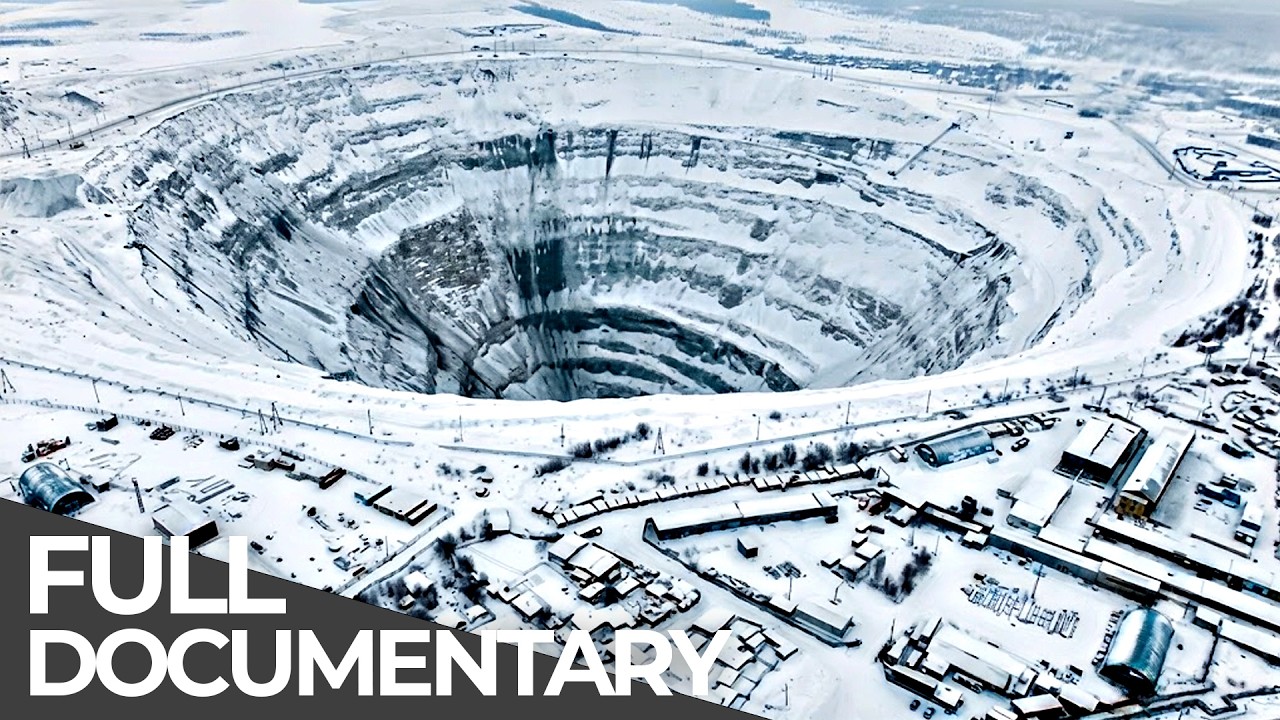
In Luoyang, China, a housing development mimics an Austrian UNESCO village, while the episode also features the world's most dangerous hotel and a diamond mine in Mirny.
The Roman Forum, built with 163 tons of gold and twice as much silver, includes a basilica, two libraries, and a colonnaded courtyard.
Medieval castles, from Norman keeps to Carcassonne's concentric walls, showcased advanced engineering and strategic designs that withstood brutal sieges, including King John's assault on Rochester Castle.
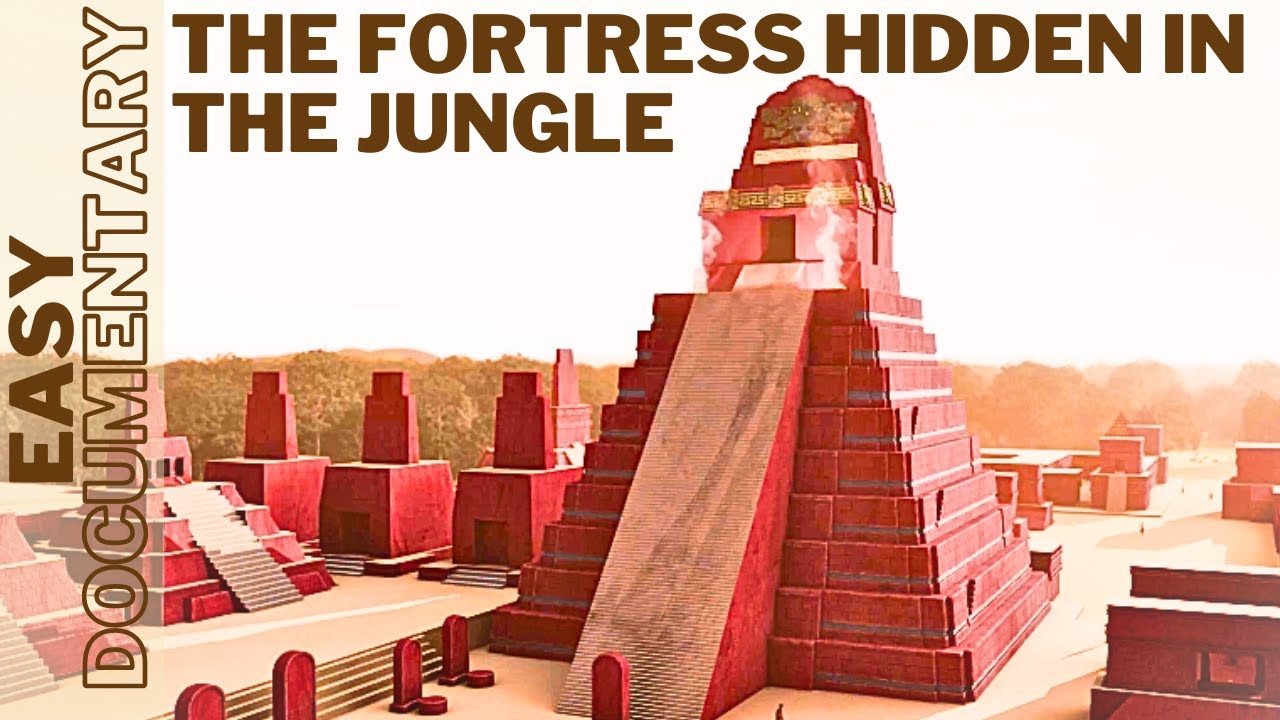
Tikal, an ancient Maya city in Guatemala, reveals its complex urban design and defensive structures through advanced LIDAR technology and archaeological analysis.
Since its opening on January 31, 1977, the Centre Pompidou has welcomed more than 200 million visitors, becoming a key site in Paris.
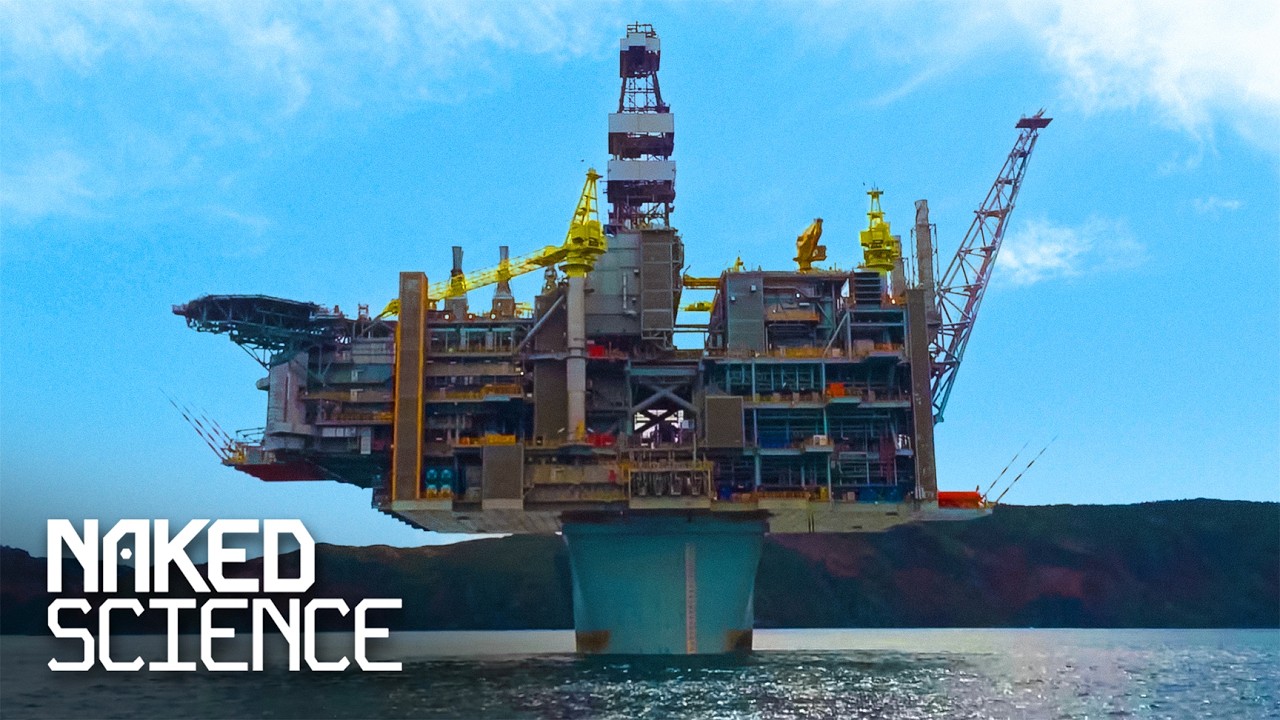
These enormous oil platforms rank among the largest man-made structures ever constructed.
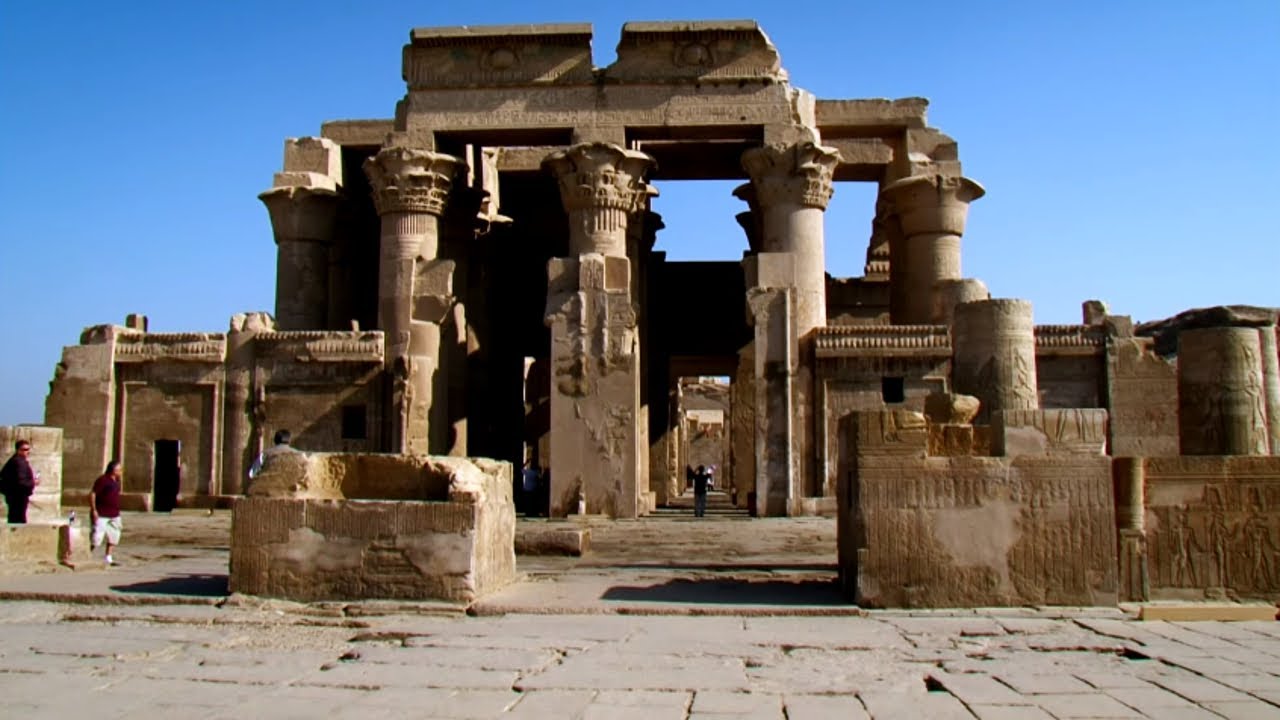
Abu Simbel, built by Pharaoh Ramses II over 3,000 years ago, showcases ancient engineering prowess and modern preservation efforts against the Aswan High Dam's threat.
Construction of Hoover Dam began in March 1931 and took five years, employing thousands of workers during the Great Depression.
The National Maritime Museum in London houses artifacts ranging from Admiral Nelson's musket to evidence of anti-piracy commando raids.
Extreme jobs around the world are highlighted, featuring a pyrotechnician, a jockey, and an Eiffel Tower engineer, showcasing their unique skills and challenges.
The Guangjo TV Tower will reach a height of 610 meters, making it the tallest TV tower in the world when completed.
Luxury survival condos in Kansas, a minefield in Sarajevo, and King Cobra Village in Thailand are among the unique locations explored in this episode.
Ten bridges are featured, ranging from the historic Brooklyn Bridge to modern engineering marvels, each demonstrating unique design and construction techniques.
Innovative materials and construction techniques have enabled architects and engineers to redefine architectural standards through the creation of monumental dome structures.
Germany's castles, including Neuschwanstein and Castle Frankenstein, reveal centuries of history, tragedy, and the inspiration behind Mary Shelley's Frankenstein.