From over 100,000 films, discover the handful you'll love.
Free or premium access to the world's largest documentary library.
760 films(Page 10 of 16)
In the seaside city of Nice, architectural masterpieces like the Hotel Negresco, St. Nicholas Orthodox Cathedral, and Fort du Mont Alban showcase the city's rich history and innovative construction techniques.
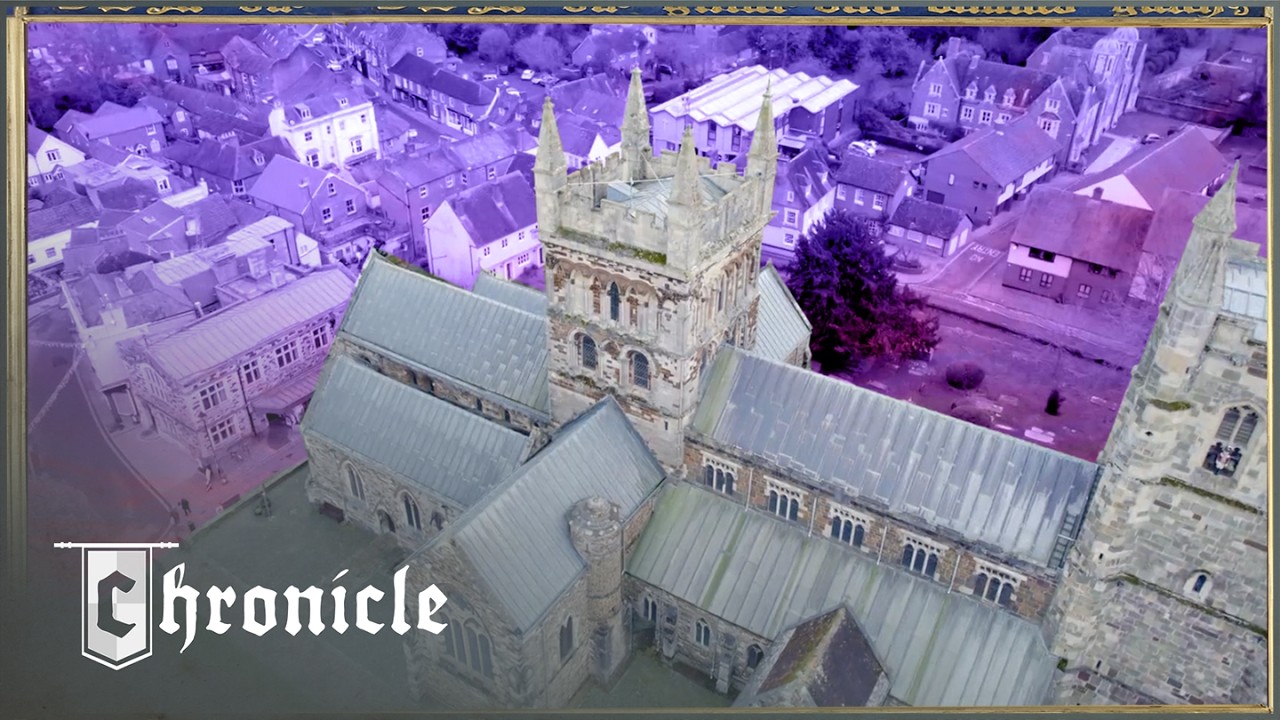
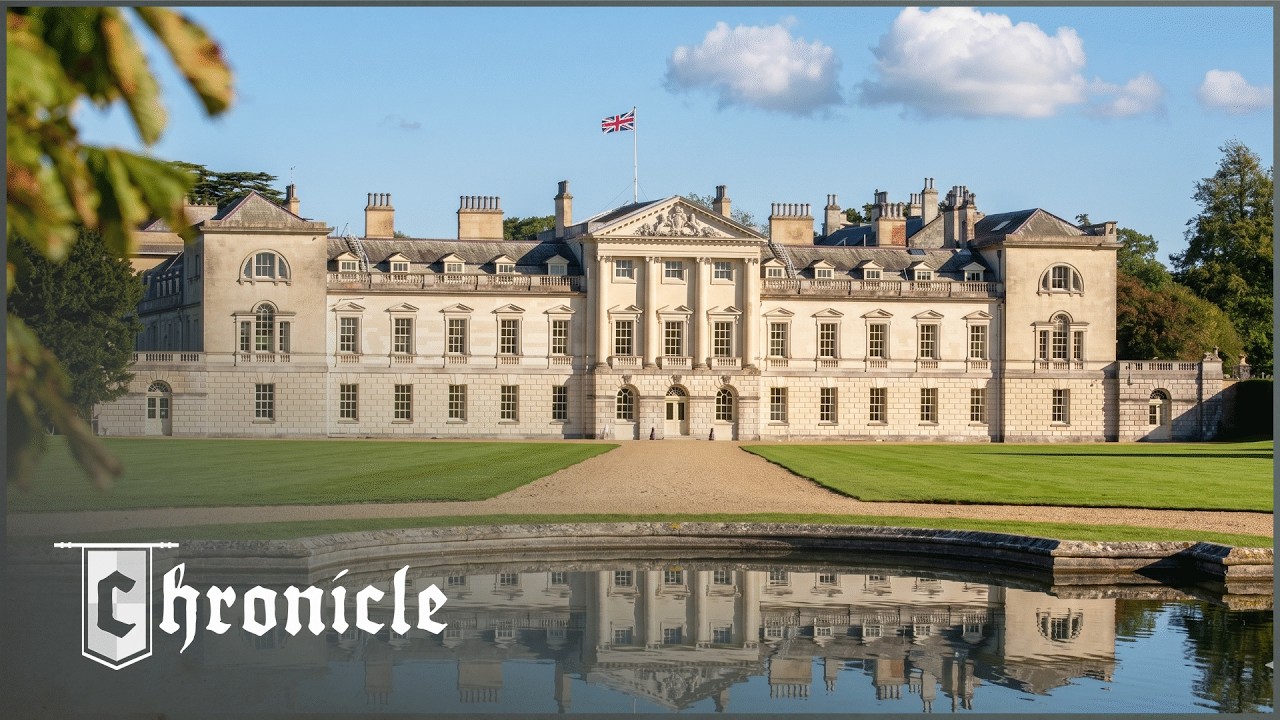
Wimborne Minster in Dorset, England, showcases its 1,300-year history through a 14th-century astronomical clock, a Chained Library, and connections to aristocracy.
Arthur Erickson reflects on architecture's impact on perception while discussing his notable projects, including the Canadian Pavilion at Expo 70 and designs in Saudi Arabia.
HMS Prince of Wales, a $3 billion aircraft carrier, showcases the Royal Navy's advanced modular assembly and global logistics in naval engineering.
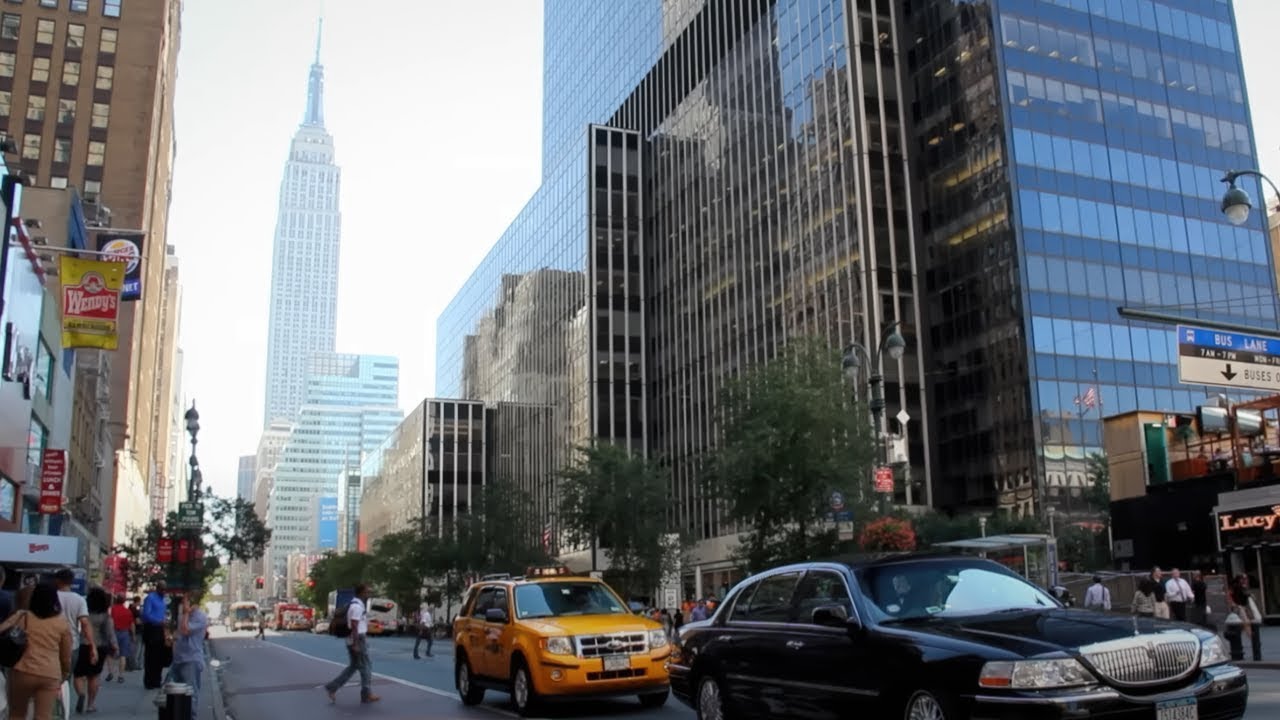
The Empire State Building, standing at 443 meters, was the tallest building in New York from 1931 to 1973 and is considered one of the seven wonders of the modern world.
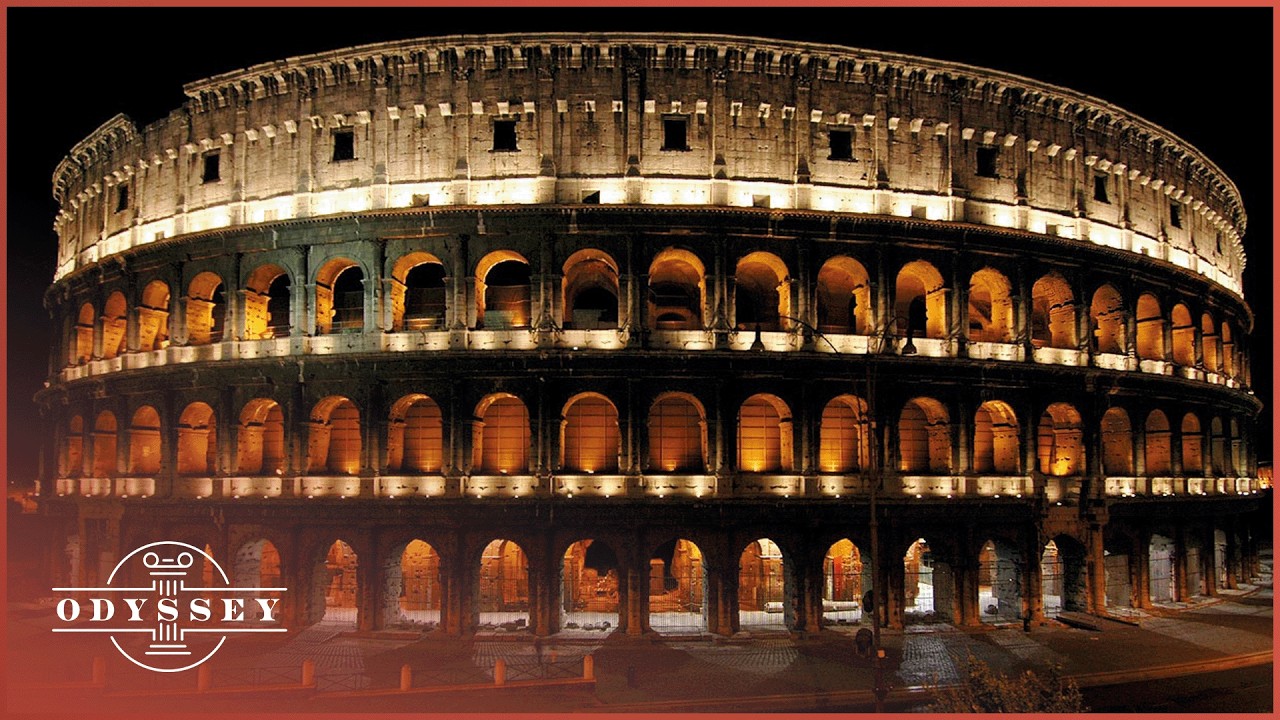
The Colosseum, built with 1 million bricks by 30,000 slaves, exemplifies Roman engineering and remains a symbol of the Empire's architectural prowess.
Petra, the ancient city in southern Jordan, showcases the Nabataeans' advanced hydraulic engineering and architectural prowess in a harsh desert environment.
Chichén Itzá, a once-thriving Maya city in Mexico, showcases remarkable structures like El Caracol and El Castillo while exploring the reasons behind its sudden decline.
Stacy Keach investigates ancient Maya tombs and temples, exploring their historical significance and the mysteries surrounding these sacred sites.
One of the largest steel works in the United States, the former Bethlehem Steel complex remains largely untouched since its closure in the 1960s.
Tenochtitlan, the Aztec capital in modern-day Mexico City, showcases the civilization's religious practices, agricultural innovations, and cultural heritage.
Biophilia, a movement advocating for healthy home design, is explored through its impact on blood pressure, heart rate, and stress hormones in architecture.
Moscow's Cathedral of Christ the Saviour, the tallest Orthodox Christian church in the world at 103 metres, stands prominently on the northern bank of the Moskva River.
Britain's oldest towns, from Roman settlements to medieval hubs, are explored through their historical sites, local experts, and significant events that shaped the nation.
Ely Jacques Kahn, an influential architect from the Austrian Jewish community, designed around 60 skyscrapers that significantly shaped New York City's skyline.
The Burj Khalifa, at 828 meters, is the tallest building in the world, surpassing the Empire State Building by 385 meters.
40 tons of frozen fish are at risk of falling as high winds challenge crane operators in construction sites across the globe.
The creation of the Statue of Liberty, a symbol of freedom and the American Dream, is explored through the insights of author Elizabeth Mitchell, who dispels surrounding myths.
The Shenzhen-Zhongshan Link, a 24-kilometer infrastructure project in southern China, revolutionizes travel between two major cities with its complex combination of bridges, artificial islands, and an immersed tunnel.
Machu Picchu, built by the Inca civilization in the 15th century, showcases advanced engineering with its intricate drainage systems and precise stonework at 2,400 meters above sea level.
Chichen Itza and Uxmal, two of Mexico's most significant Mayan cities, are explored for their architectural marvels and cultural significance.
Bruges, a medieval city in Belgium, showcases its rich religious history through landmarks like the Beguinage convents and a stolen Michelangelo masterpiece.
Ancient architectural achievements from Egypt, Greece, and Rome continue to shape modern building design, influencing skyscrapers, stadiums, and urban planning.
China's ambitious infrastructure projects include the Hong Kong-Zhuhai-Macau Bridge, the Shanghai Tower, and the expansive Beijing Metro network.
Dr. Nehemiah Mabry, an engineer and educator from Raleigh, North Carolina, hosts "Building Stuff with NOVA," a livestream series on Twitch dedicated to engineering topics.
Hong Kong's ancient religious sites, including the Tin Hau Temple, Man Mo Temple, and the Giant Buddha, are explored in a guided tour of the city.
Historic strongholds like William the Conqueror’s White Tower and Hampton Court's kitchens reveal the engineering and daily operations that shaped the British monarchy.
Jerusalem's sacred sites and historical significance are explored through the insights of narrator Stacy Keach in this examination of the city's rich heritage.
Rocks shaped the architectural achievements of ancient civilizations, influencing the construction of Egypt's pyramids, Greece's Parthenon, and Rome's Colosseum.
Easter Island's Rapa Nui people constructed nearly 900 moai statues between the 13th and 17th centuries, showcasing advanced engineering techniques and cultural heritage.
The Hermitage Museum in St Petersburg, housed in the Winter Palace, showcases a rich history of art and culture spanning centuries.
Wembley Stadium, with a capacity of 90,000 spectators, dwarfs the Colosseum, which could hold over 50,000 in its prime.
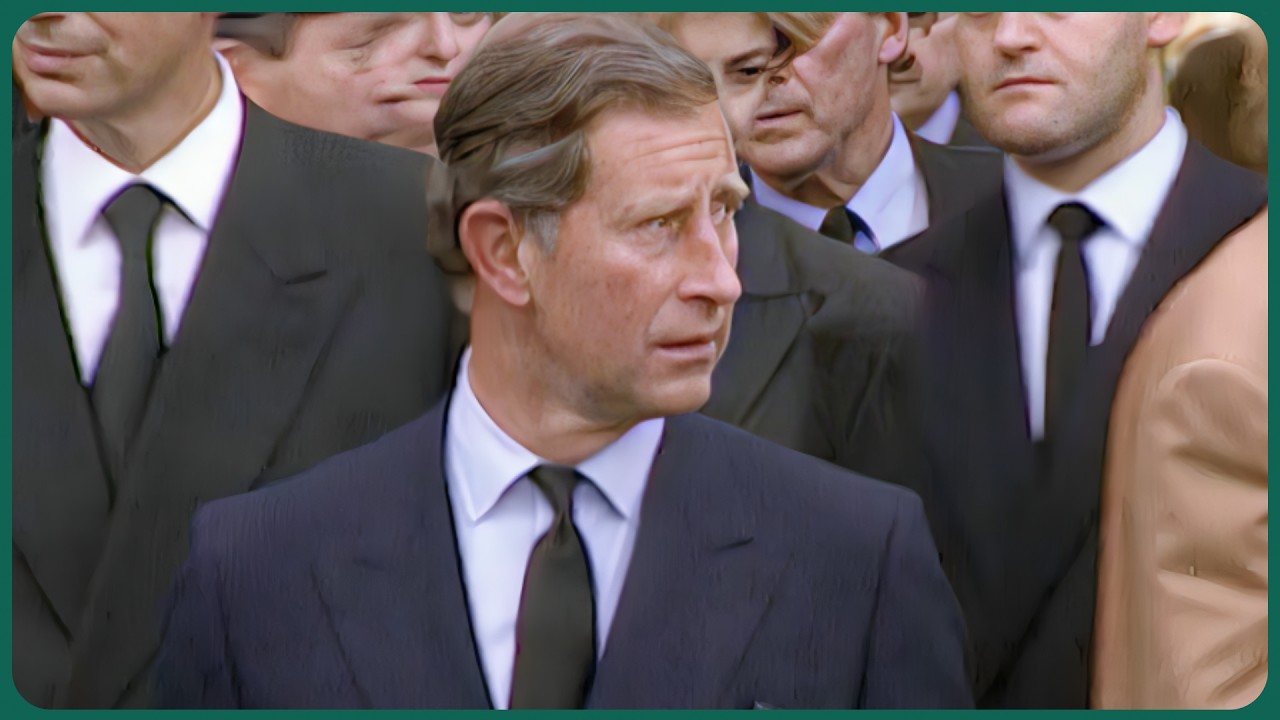
King Charles's wedding to Camilla serves as a backdrop to explore his controversial views on architecture, medicine, and religion, alongside his complex family dynamics.
150,000 ships and 470 million tons of cargo are handled annually at the Port of Rotterdam, contrasting with the ancient trade hub of Alexandria.
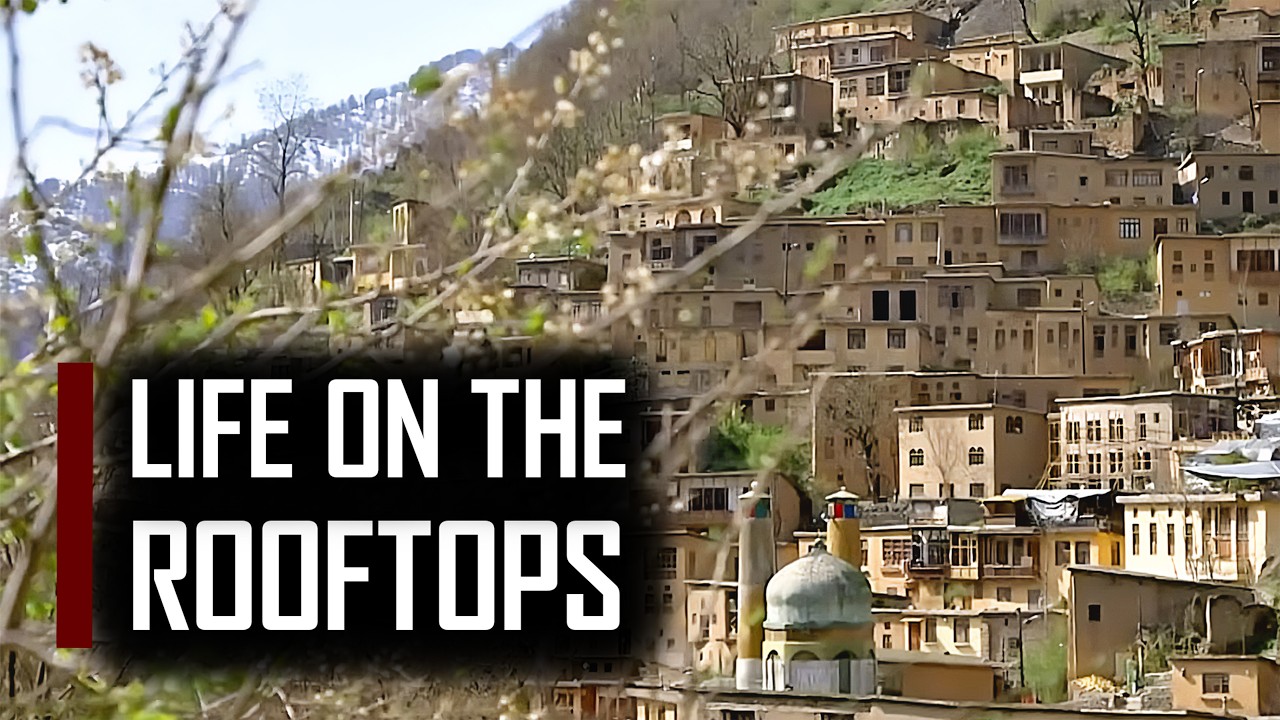
In Northern Iran's Masuleh village, unique architecture allows homes to be interconnected by rooftops, creating a vibrant community above the lush Alborz Mountains.
In Miami, Italian shipbuilders at Fincantieri race to construct the Seven Seas Explorer, a luxurious cruise ship designed for just 750 passengers.
In rural England, families and couples face challenges and triumphs as they restore historic properties and build new homes in the countryside.
Dover Castle, England's most formidable coastal fortress, reveals its military history, including the 12th-century Great Tower and Operation Dynamo's secret tunnels.
Paul Goldberger discusses Zaha Hadid's influential architecture and her Olympic projects.
In the Monastery of Agios Nicolaus Faron in the Peloponnese, six monks exemplify a life designed around meaning, exploring Byzantine architecture and Orthodox traditions.
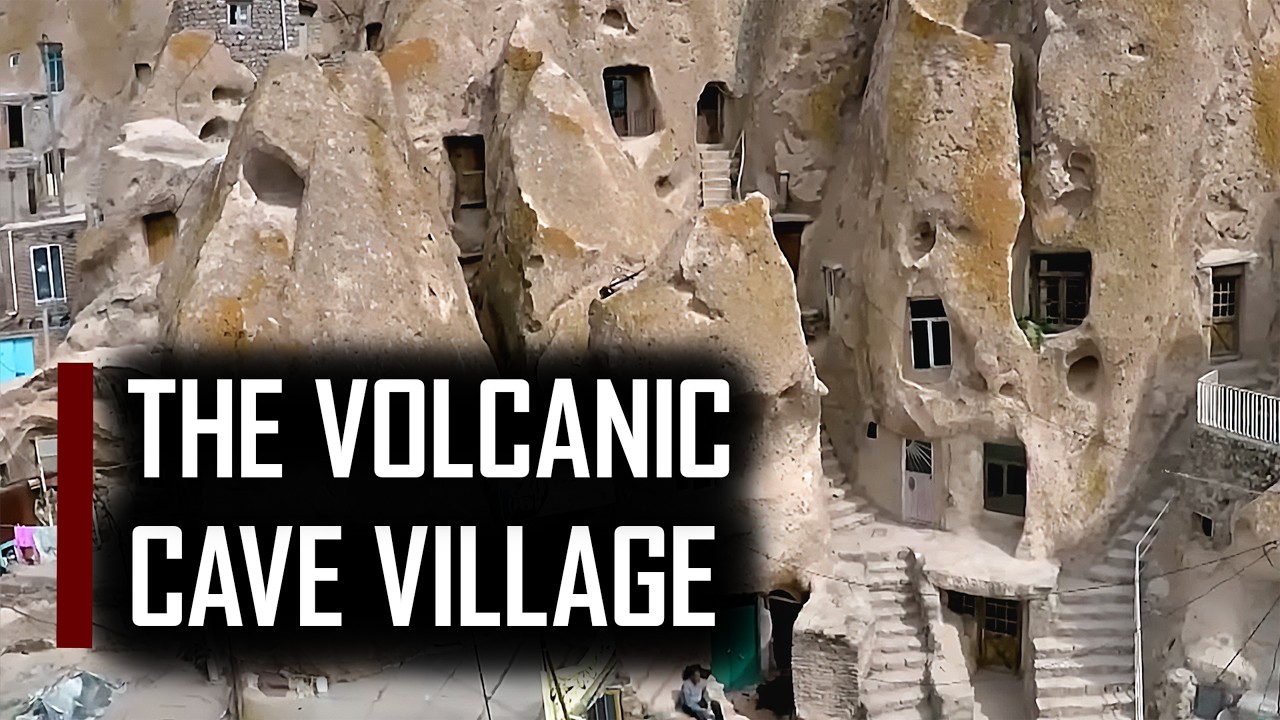
Kandovan, a troglodyte village in Iran's Azerbaijan province, showcases a unique lifestyle shaped by its volcanic tuff architecture and a history of resilience.
In Britain, a millennium of architectural evolution is explored through iconic structures like Caernarfon Castle, St. Paul’s Cathedral, and The Leadenhall Building.
Ancient Rome's historical landmarks, including the Roman Forum and Colosseum, illustrate its enduring legacy and influence on Western civilization.
The Great Wall of China, spanning 4,000 miles and built over 1,800 years, is explored through the lens of National Geographic photographer Michael Yamashita.
374 suites and a 400 square meter penthouse, priced at £8,000 a night, will be featured on the Seven Seas Explorer, the most luxurious cruise ship ever built.
Concrete, a material both celebrated and criticized, is explored through its historical development and architectural applications, featuring insights from architects like Jean Nouvel and Sylvia Gmür.
Over four and a half million people live in Mexico City, the largest Spanish-speaking city in the world.
Suspension bridges like the Akashi Kaikyō Bridge in Japan and the Golden Gate Bridge in San Francisco exemplify engineering innovation and community connectivity.