
How To Build A Skyscraper
Synopsis
The JR Central Towers in Nagoya will encompass over 4.5 million square feet, making it one of the largest buildings in Japan.
Synopsis
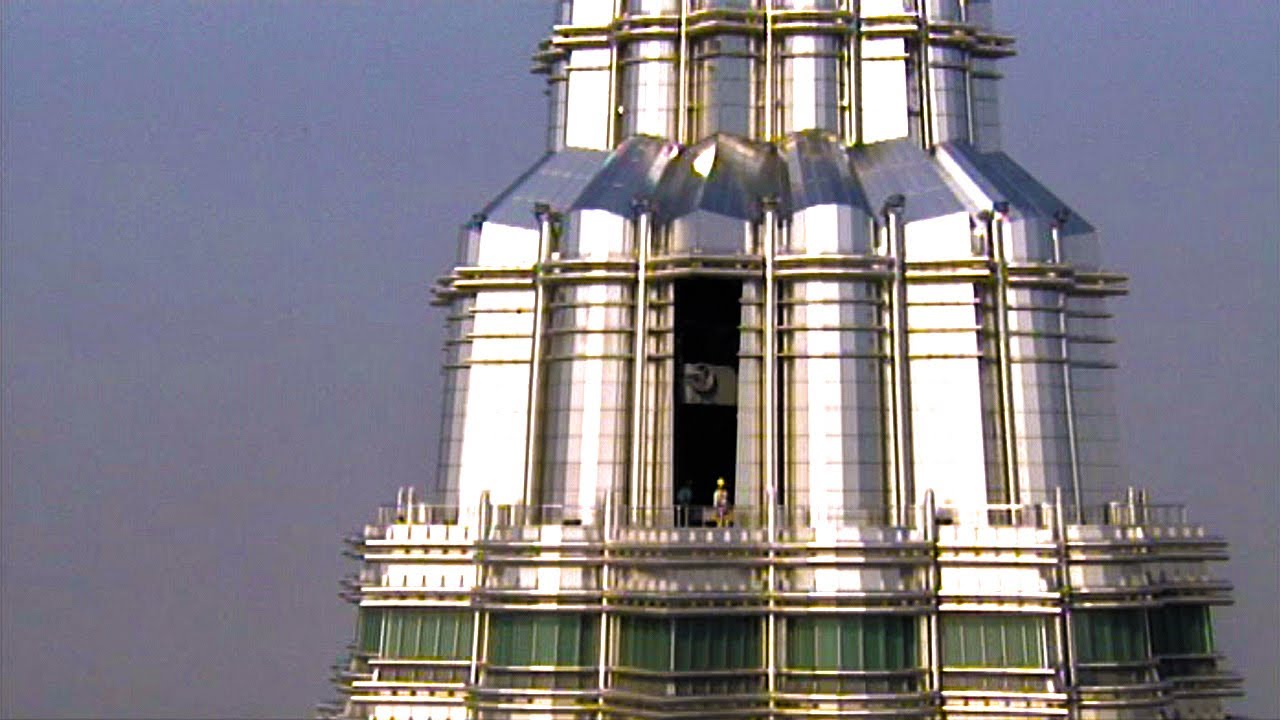
In Nagoya, Japan, engineers work on the JR Central Towers, one of the largest skyscrapers in the world. The structure will cover over 4.5 million square feet and is being built above a busy train station. Meanwhile, in Kuala Lumpur, the Petronas Towers rise to 1,400 feet, designed by architect Cesar Pelli. The documentary details the history of skyscraper construction, including the invention of the safety brake by Elisha Otis in 1852. This innovation revolutionized vertical transportation and enabled the rise of modern skyscrapers.
Deep Dive
Why Watch
- See how engineers tackle challenges in crowded cities.
- Find out about the massive JR Central Towers in Japan.
- Meet architect Cesar Pali and his vision for the Petronas Towers.
Did You Know
- The JR Central Towers in Nagoya will encompass over 4.5 million square feet.
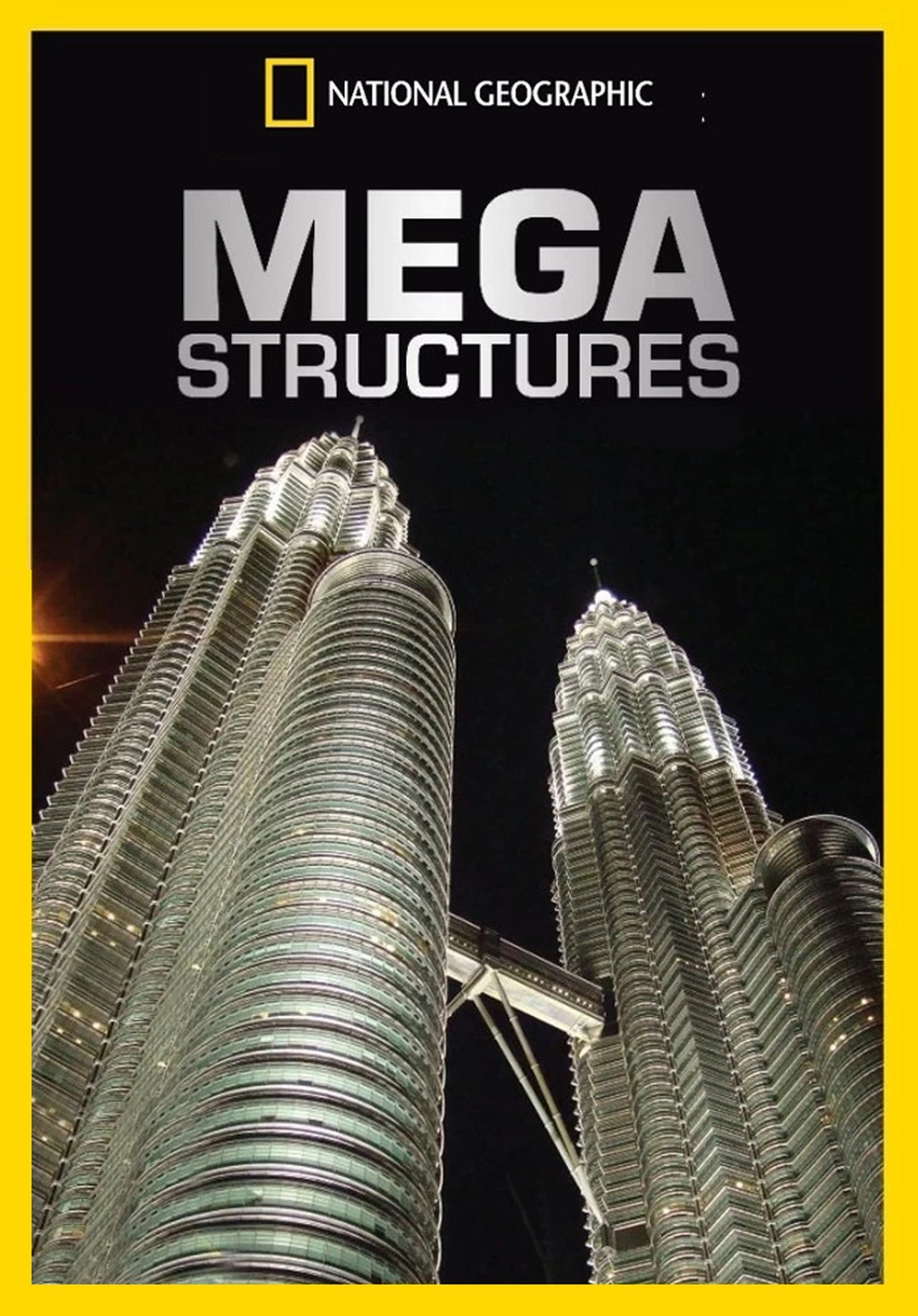
- The Petronas Towers in Kuala Lumpur stand at 1,400 feet tall with 88 floors.
- Elisha Otis invented the safety brake for elevators in 1852.
- Skyscrapers are built as a response to soaring real estate prices in urban areas.
Perfect For
Frequently Asked Questions
What is the size of the JR Central Towers in Nagoya?
The JR Central Towers will encompass over 4.5 million square feet.
How tall are the Petronas Towers in Kuala Lumpur?
The Petronas Towers are 1,400 feet tall and have 88 floors.
Who invented the safety brake for elevators?
Elisha Otis invented the safety brake that locks the platform to its guides in 1852.
What are people saying?
Play More Like This







Where else to watch









Related Films
Is this your film?
If you made this film or hold the rights to it, we'd like to talk. We can license it and pay you a share of what it earns.
Comments