From over 100,000 films, discover the handful you'll love.
Free or premium access to the world's largest documentary library.
71 films(Page 1 of 2)
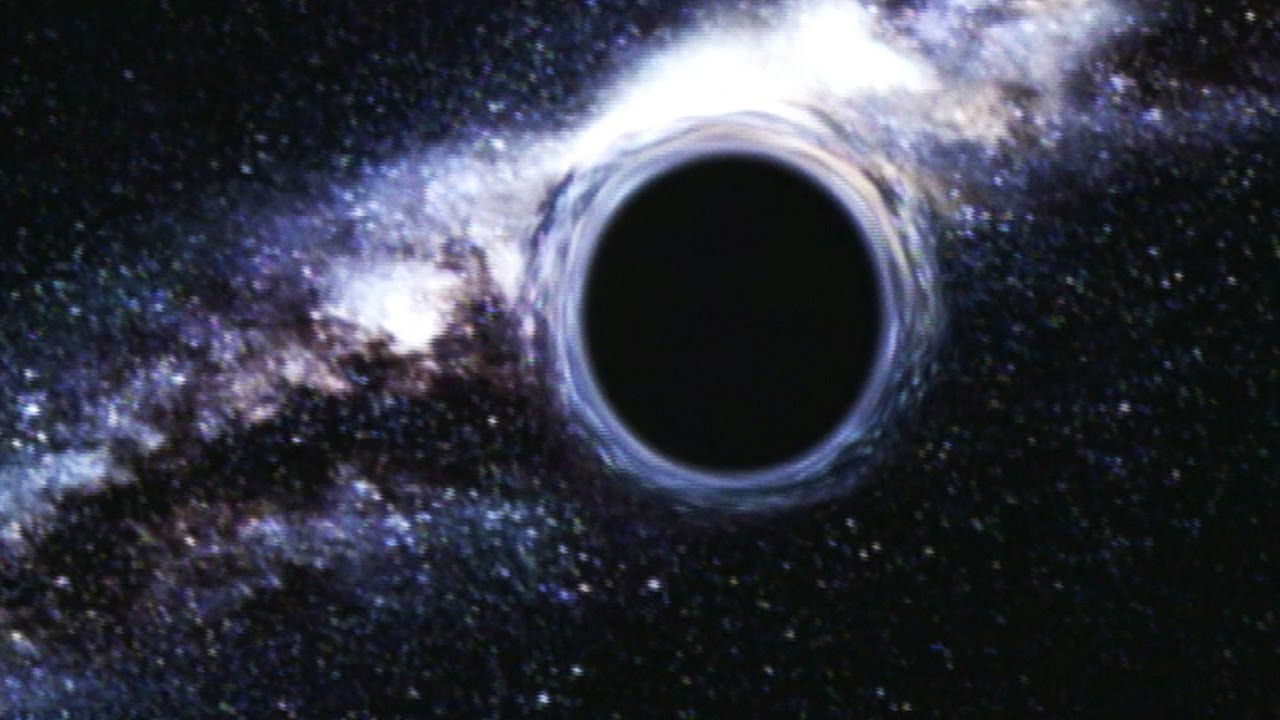
A black hole is born when a large star dies in a supernova explosion, which can be as bright as a billion billion suns.
In July 1994, 21 fragments of the comet Shoemaker Levy 9 collided with Jupiter, releasing energy equivalent to 6 million megatons of TNT.
Three numbers-mass, electric charge, and angular momentum-are all that is needed to define a black hole, regardless of its size or origin.
Thousands of volunteers contribute gravity readings to investigate how this force affects weight, height, and aging in everyday life.
A billion neutrinos outnumber ordinary matter particles across the universe, offering potential insights into the cosmos and dark matter.
500 years passed before a manned vessel emerged from a wormhole near Neptune, with its crew long dead and the ship barely functioning.
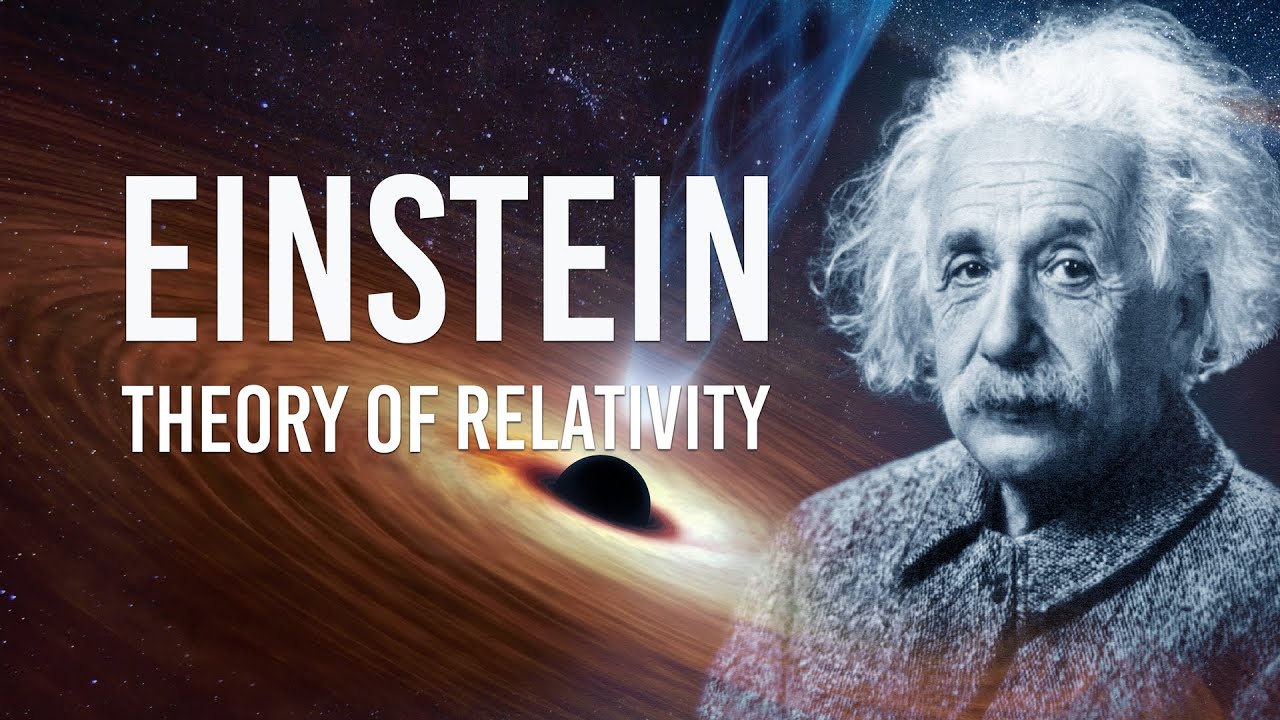
General relativity, a theory developed 100 years ago, transformed the understanding of gravity and the relationship between space and time.
One mathematical sentence from Albert Einstein's 1915 work on general relativity explains the entire universe on the largest scales.
Twelve humans have walked on the Moon, returning samples that support the giant impact theory of its formation from a collision with a Mars-sized body.
Black holes, regions of spacetime with immense gravitational pull, are explored through their structure, formation, and impact on the universe.
Gravity governs the solar system, with the Sun's mass influencing planetary orbits.
In the summer of 213 BC, Archimedes used giant mirrors to set Roman ships on fire during their siege of Syracuse.
A hammer and a feather dropped simultaneously on the moon in 1971 confirmed Galileo's theory that all objects fall at the same rate in a vacuum.
The solar system, centered around the Sun, includes eight planets and the heliosphere, a protective bubble formed by solar wind.
The moon, an 81 million billion ton mass, orbits nearly a million miles from Earth and has temperatures ranging from 250° to -380°.
A lander intended for Mars crashed 3.7 kilometers above the surface due to a false altitude reading, illustrating the challenges of space exploration.
Space exploration and scientific phenomena are explored through a series of engaging segments, providing fascinating insights to ease viewers into sleep.
In 1900, Max Planck tackled the mystery of why a heated light bulb filament changes color, sparking the birth of quantum mechanics.
The JR Central Towers in Nagoya will encompass over 4.5 million square feet, making it one of the largest buildings in Japan.
Gravity, the invisible force that shapes the universe, influences everything from the orbits of planets to the collision of galaxies and the nature of black holes.
Over the past two decades, fragments from missiles and satellites have accumulated in space, threatening vital infrastructure and future missions.
More than 700 exoplanets have been discovered beyond the solar system, many of which exhibit extreme conditions that challenge the possibility of life.
A black hole can form when a star's energy runs out, causing gravity to compress its atoms into an ultra-dense state known as a white dwarf.
Trillions of asteroids, ranging from the size of a car to hundreds of miles across, played a crucial role in the formation of the solar system.
This video reveals how physics describe interactions in our Universe and the solar system.
Current estimates suggest there are approximately two trillion galaxies in the observable universe, each containing around 100 billion stars.
Seven new stars form each year within the Milky Way, driven by events like supernova explosions and interactions with other stars.
Asteroids, which formed the Earth 4.5 billion years ago, are essential for understanding the origins of life and the future of human space exploration.
Physicists explore the quantum realm, investigating the fundamental nature of existence and the potential of hidden dimensions in this thought-provoking documentary.
Gravity is the force keeping us grounded, with secrets revealed through The Ionosphere.
A 21-day launch window allowed NASA to send the Lucy spacecraft to study Trojan asteroids, which have remained untouched since the Solar System's formation.
Gravity influences light in space, affecting its emission, absorption, and reflection, which shapes our perception of stunning nebulae and galaxies!
Gravity, as explored through Newton's laws and Einstein's theories of spacetime, is essential for understanding the cosmos and the effects of weightlessness on astronauts.
Gravity's influence on light reveals how it is emitted, absorbed, and reflected, shaping our perception of stunning nebulae and galaxies.
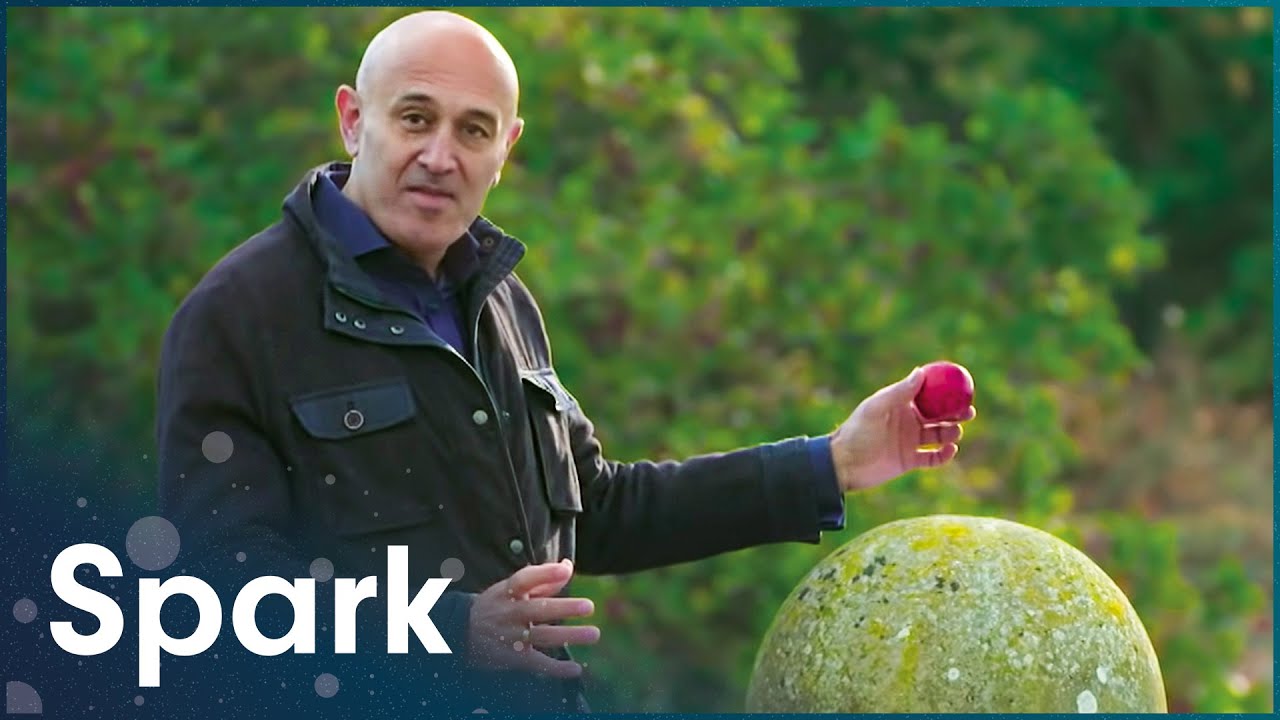
Jim Al-Khalili explains how gravity shapes the universe and affects daily life.
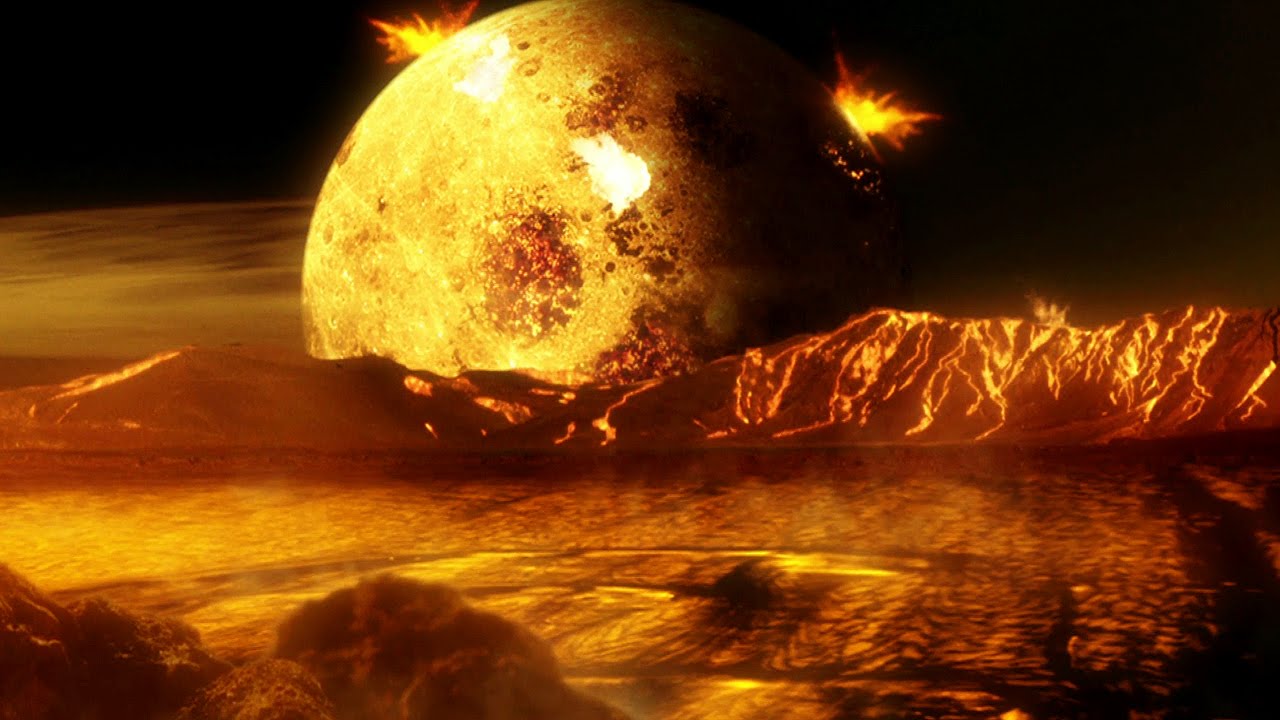
A Mars-sized planet named Thea collided with Earth 4.5 billion years ago, leading to the formation of the Moon and enabling life to thrive.
Bizarre forces such as gravity and unusual cosmic objects influence the structure of the universe and the potential for life on alien moons.
Galileo's experiments on gravity, recreated by Professor Jim Al-Khalili, highlight their historical significance and foundational role in modern scientific inquiry.
In Adélie Land, the Cap Prud'homme science base hosts a team of researchers studying the impacts of climate change and deglaciation in Antarctica.
Jupiter's interior is mostly liquid hydrogen, allowing it to spin on its axis at high speed, completing a rotation in just 10 and a half hours.
Gravity's influence on the human body is explored through its effects on height, posture, and even the aging process, revealing its complex mysteries.
Jim Al-Khalili explores the intersection of General Relativity and Quantum Mechanics, revealing the mind-bending possibilities of our universe's true nature.
A 1,000 square kilometer sea inlet connects Tampa Bay to the Gulf of Mexico, where engineering failures have led to significant disasters and lessons learned.
Canadian astronaut Chris Hadfield describes the experience of weightlessness in space, where movement becomes effortless and the body floats freely.
Alicja Kwade, a Polish mixed-media artist, explores the concepts of time, space, and gravity through her thought-provoking sculptures in her Berlin studio.
Astrophysicists reveal Planet Nine's influence on Sedna's orbit in the solar system.
Black holes are mind-blowing objects essential to understanding our universe's fabric.