From over 100,000 films, discover the handful you'll love.
Free or premium access to the world's largest documentary library.
399 G-rated films available
In the Rising Star Cave system in South Africa, paleoanthropologists study a chamber containing the bones of the extinct species Homo naledi.
Supermountains, which formed only twice in Earth's history, coincide with significant evolutionary shifts, highlighting their impact on the planet's geological and biological development.
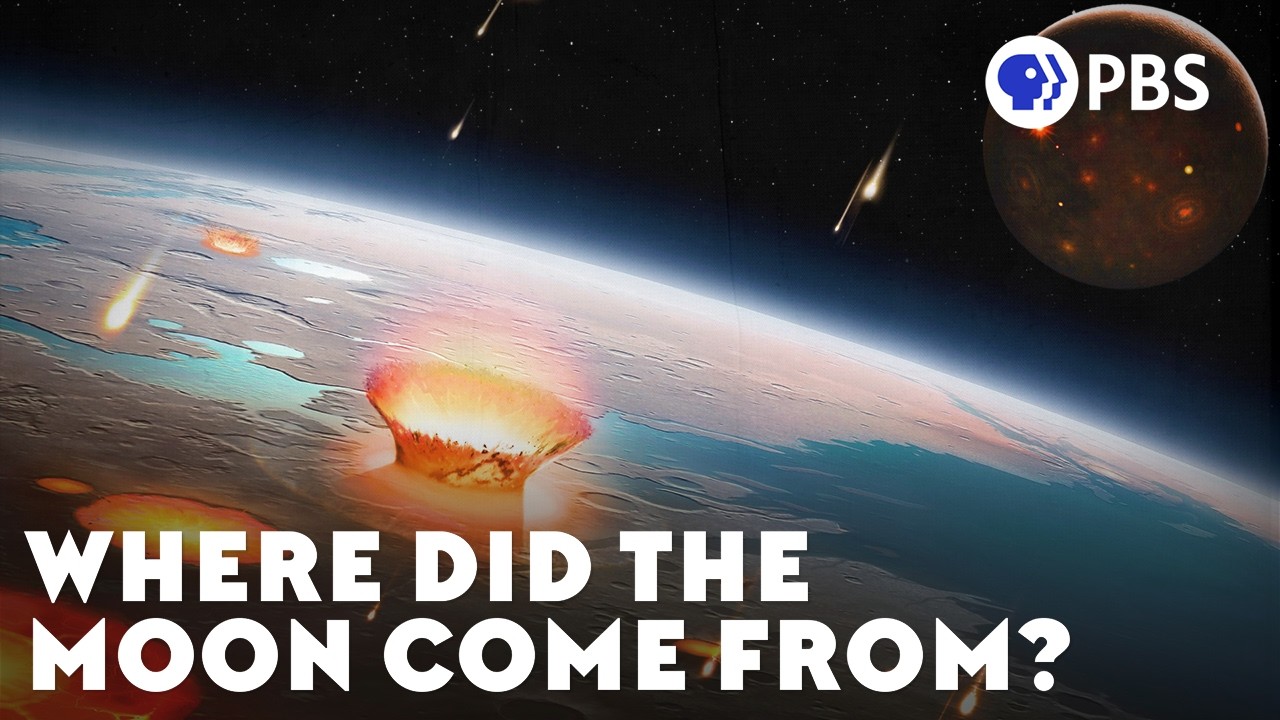
Lunar rocks collected by Apollo astronauts provide insights into the unusual origins of Earth's moon, revealing a cosmic history that challenges conventional theories.
Fossorial animals, adapted to life underground, utilize their heightened senses to navigate complex ecosystems beneath the Earth's surface.
A pack of 25 wolves in northern Canada hunts bison, the largest land animals in North America, using coordinated strategies to secure their prey.
Najash, an ancient snake with legs that lived 90 million years ago, raises questions about the evolutionary origins of snakes and their limb development.
In South Africa, Professor Lee Berger and his son discover two-million-year-old fossils of an unknown species of ape-like creatures.
Scientists analyze sediment cores and plant fossils to explore factors beyond the asteroid impact that may have contributed to the dinosaurs' extinction.
650 million years ago, Earth was locked in ice for 25 million years, nearly wiping out all life and setting the stage for complex organisms to evolve.
The evolution of hearts traces the development of this vital organ from the earliest common ancestors, highlighting hundreds of millions of years of biological adaptation.
Livyatan melvillei, a massive prehistoric predator, raises questions about its origins, lifestyle, and potential self-extinction due to its enormous appetite.
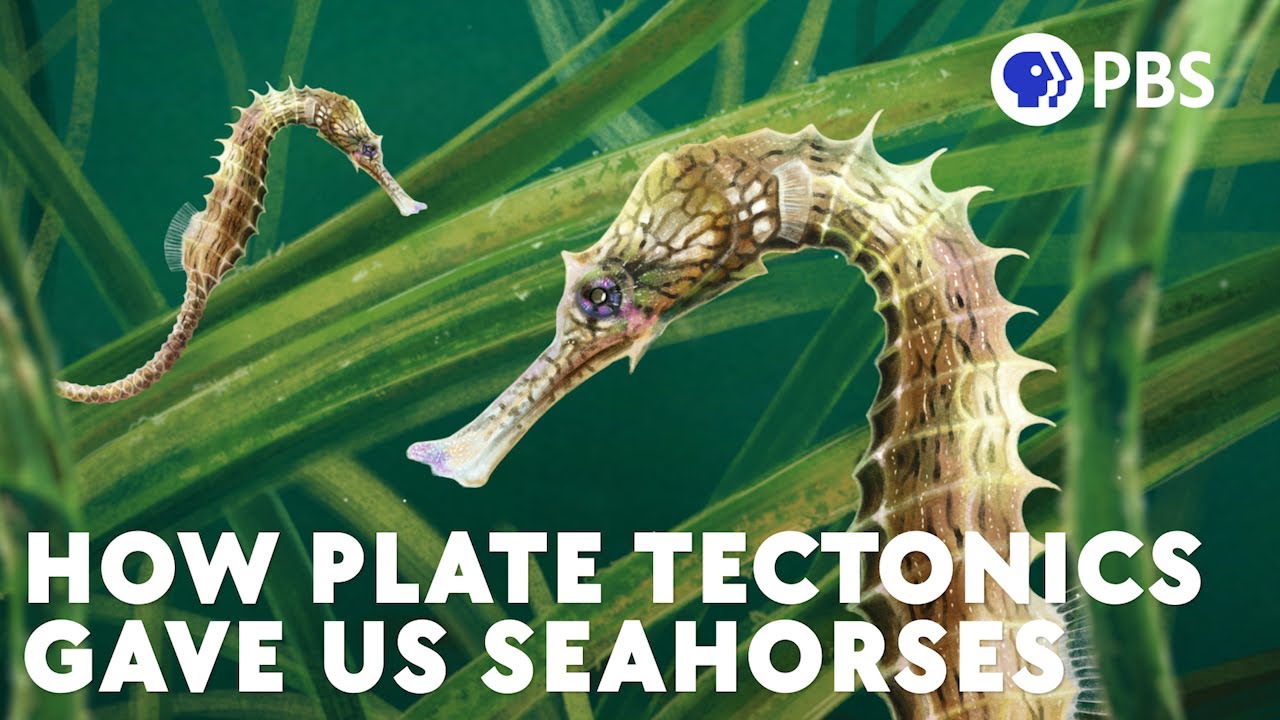
Seahorses, known for their poor swimming abilities, have a complex evolutionary history that reveals their global distribution and origins, as explored by Eons and Franz Anthony.
Tim Laman and Ed Scholes collaborate with the Cornell Lab of Ornithology to document the unique courtship behaviors of birds of paradise in Papua New Guinea.
Research on mammalian fossils and dinosaur biology challenges the long-held belief that dinosaurs were diurnal while mammals were exclusively nocturnal.
In the Jurassic period, insect pollination evolved twice, highlighting the changing relationships between plants and insects, as explored by experts like Dr. Conrad C. Labandeira.
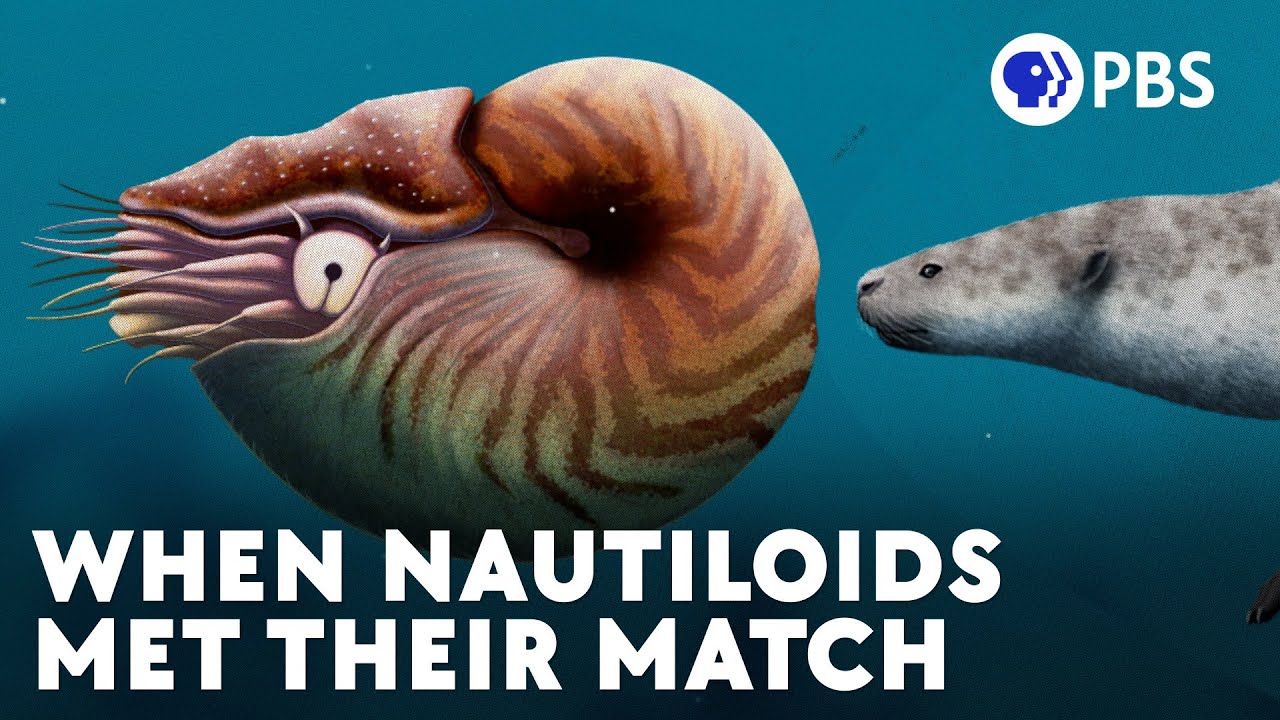
Around 30 million years ago, new predators like seals and whales began to displace nautiloids from their global habitats into a single refuge.
The evolution of the butthole represents a significant milestone in animal development, challenging traditional definitions of this anatomical feature.
Prehistoric fossils may have influenced the creation of mythical monsters, as explored through various legends and the work of paleoartists like Julio Lacerda and Ceri Thomas.
During the Cenozoic era, a significant mass extinction event led to a relative shrinkage of mammalian brains, influencing evolutionary development.
An enormous ichthyosaur, comparable in size to a modern sperm whale, evolved rapidly within a few million years, highlighting significant evolutionary changes.
Yellowstone, a supervolcano in North America, has played a crucial role in creating some of the continent's most remarkable fossil deposits.
Starfish, with a history spanning nearly half a billion years, illustrate the deep evolutionary connections among familiar marine animals.
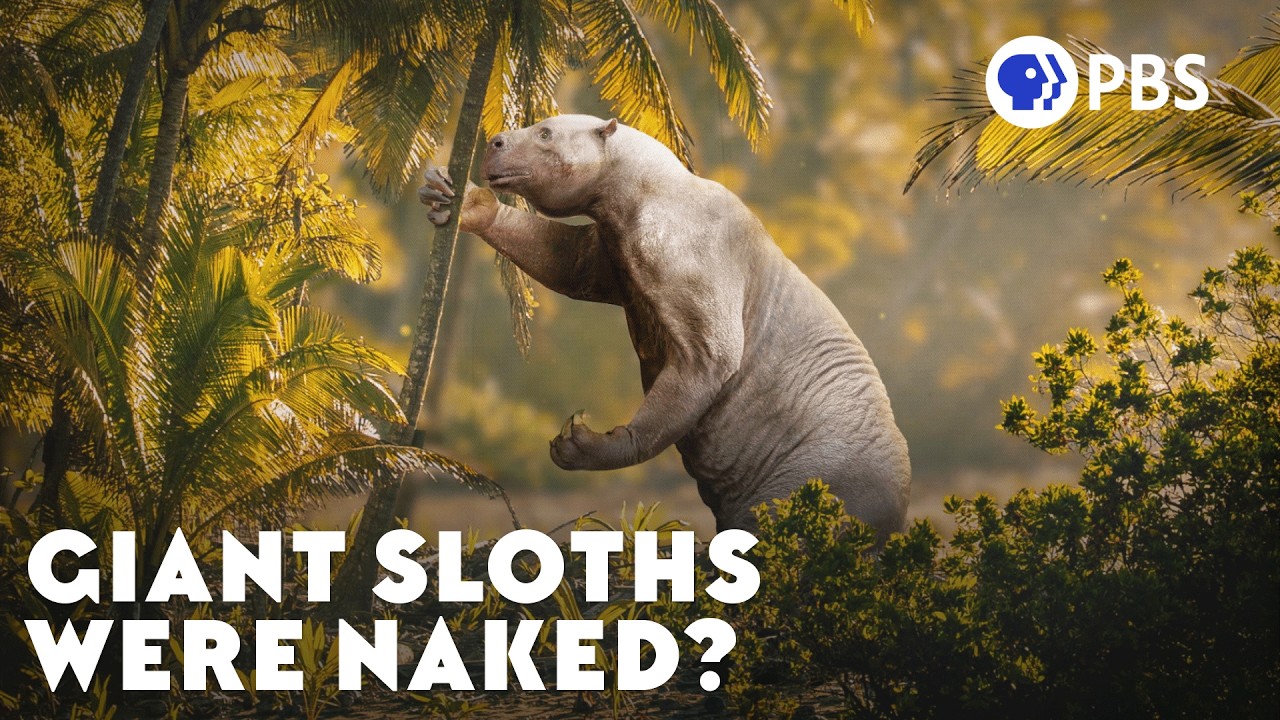
Giant sloths, once familiar to ancient peoples, have left a gap in human knowledge regarding their biology and behavior that remains largely unexplored today.
Ancient rock art in Australia reveals depictions of megafauna, prompting researchers like Professor Bruno David from Monash University to explore their historical existence.
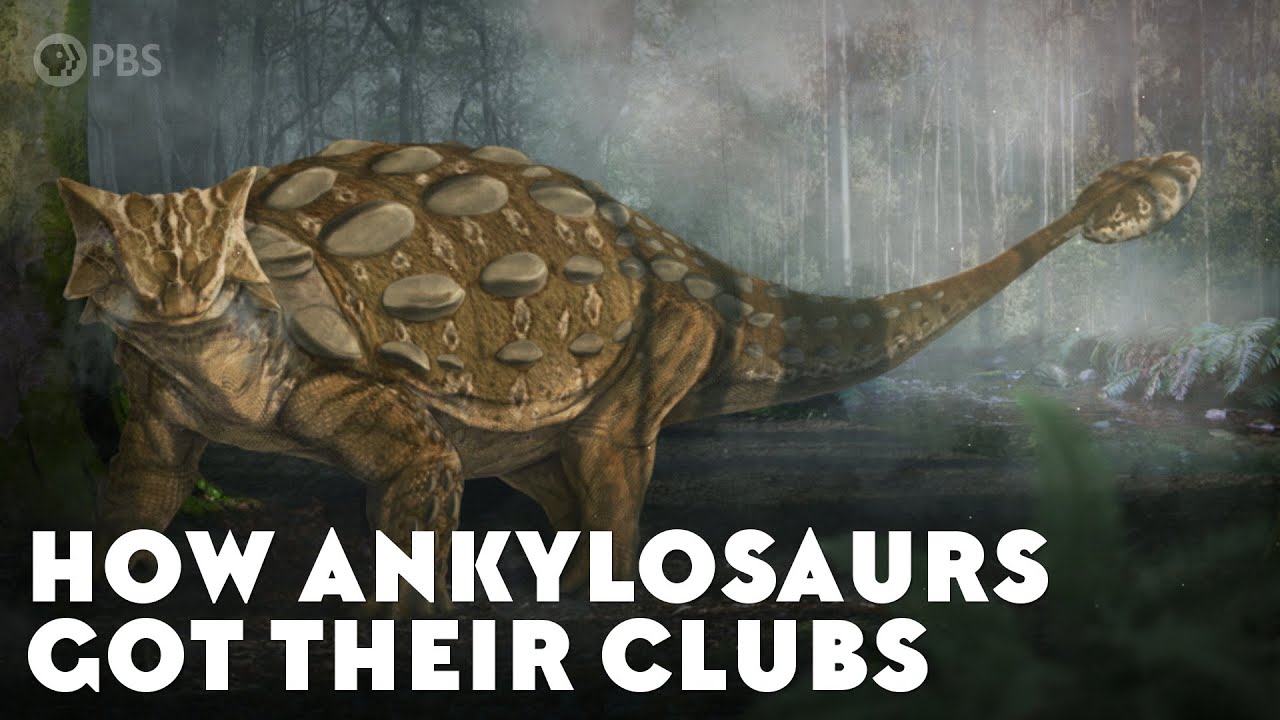
Ankylosaurs, known for their distinctive club-like tails, are examined for the evolutionary development and functional significance of this unique anatomical feature.
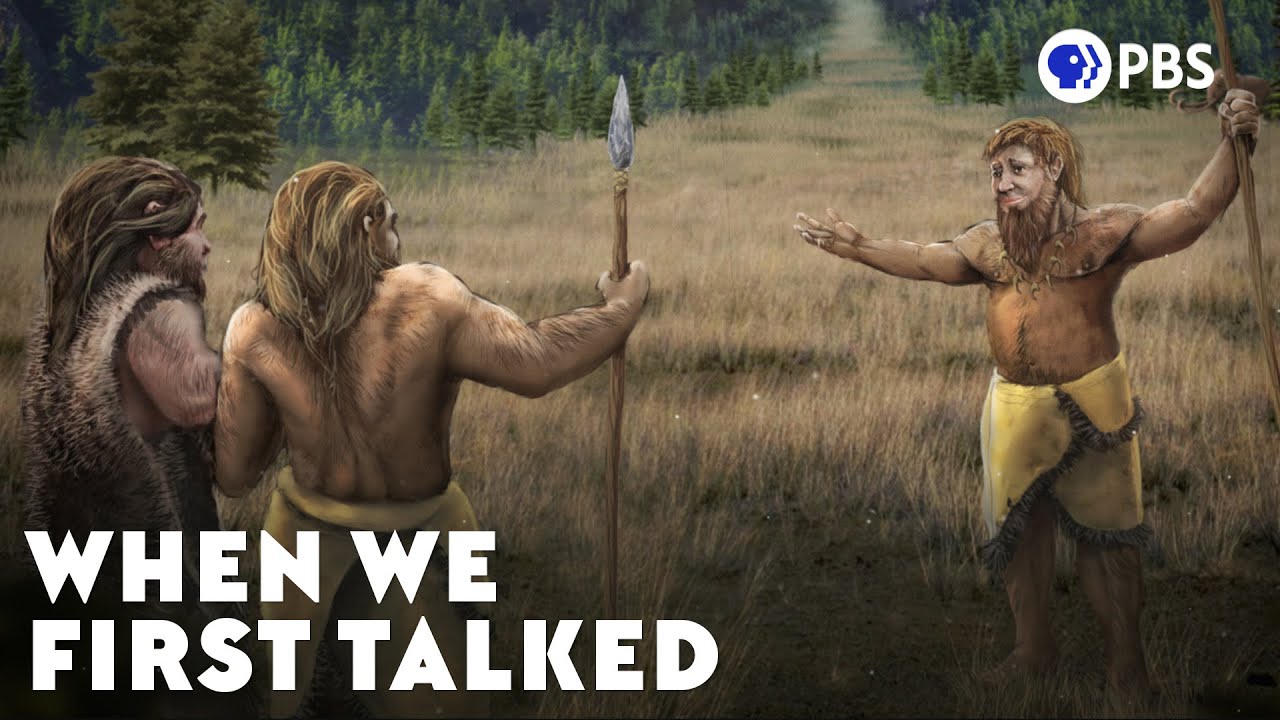
The evolution of human speech spans several million years, highlighting the complex journey from primitive communication to modern language.
Insects exhibit remarkable survival strategies, showcasing their adaptability through behaviors such as the dragonfly's agile hunting and the monarch butterfly's metamorphosis.
Caffeine, a molecule produced independently by various flowering plants, evolved multiple times across distantly-related lineages, influencing global consumption patterns.
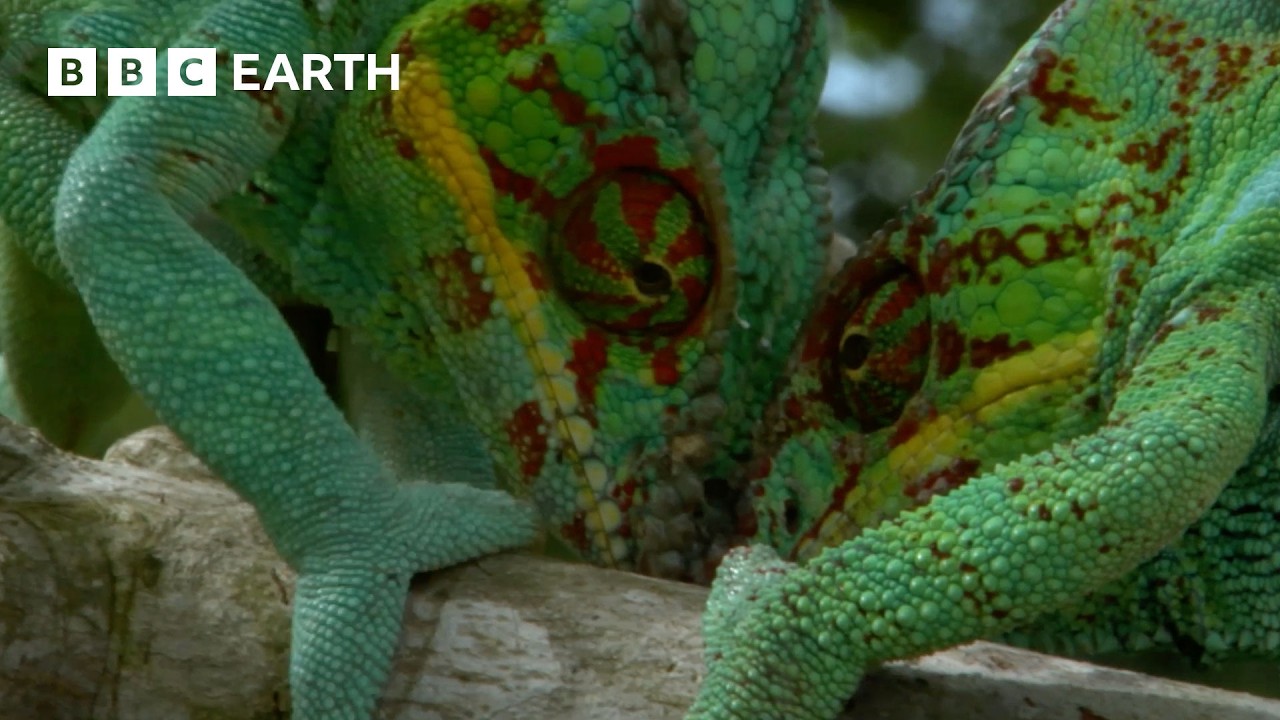
Madagascar's unique wildlife showcases intense chameleon battles and lemurs seeking refuge from predators in their natural habitat.
During the Miocene epoch, apes thrived across Europe, but today, they are confined to small regions in Africa and Asia due to evolutionary changes.
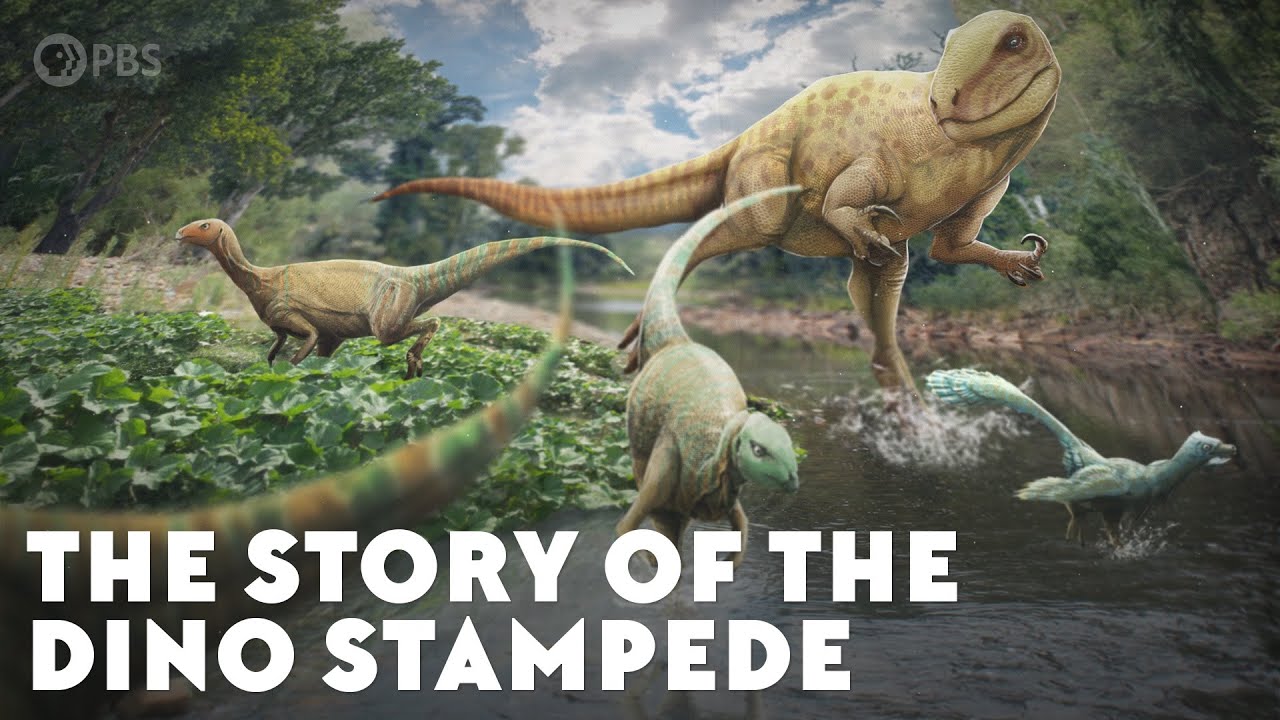
Lark Quarry in Australia serves as a key site for paleoichnology, where experts analyze trace fossils to reconstruct a dinosaur stampede that occurred nearly 100,000 years ago.
The science behind the blue appearance of the sky is explained through light scattering and atmospheric phenomena, enhancing understanding of natural optics.
The rise of venomous elapids has triggered an evolutionary arms race, impacting not only other species but also early human ancestors.
Toxodon, an extinct mammal that thrived in isolation for millions of years, played a crucial role in shaping Charles Darwin's theories on evolution.
The creation of early stone tools by hominins marks a significant milestone in human technological evolution and the development of our species.
Cephalopods, despite having a robust fossil record, present a mystery regarding the absence of squid fossils, raising questions about their evolutionary history.
In the 1990s, measurements of distant supernovas revealed that the universe is not slowing down but accelerating, challenging existing astrophysical theories.
Wrangel Island's mammoths, the last of their kind, faced a mutational meltdown in their final years after millions of years of thriving across the globe.
Animals in various ecosystems take significant leaps of faith for survival, food, and learning to fly, showcasing the challenges of nature.
Long necks provided sauropods a significant advantage in accessing food, contributing to their status as the largest terrestrial animals in history.
Penguins evolved from flying ancestors, once existed as giants, and have undergone significant changes in their appearance and habitat over millions of years.
Animal mating strategies are explored through various tactics employed by species to find suitable partners and ensure the survival of their offspring.
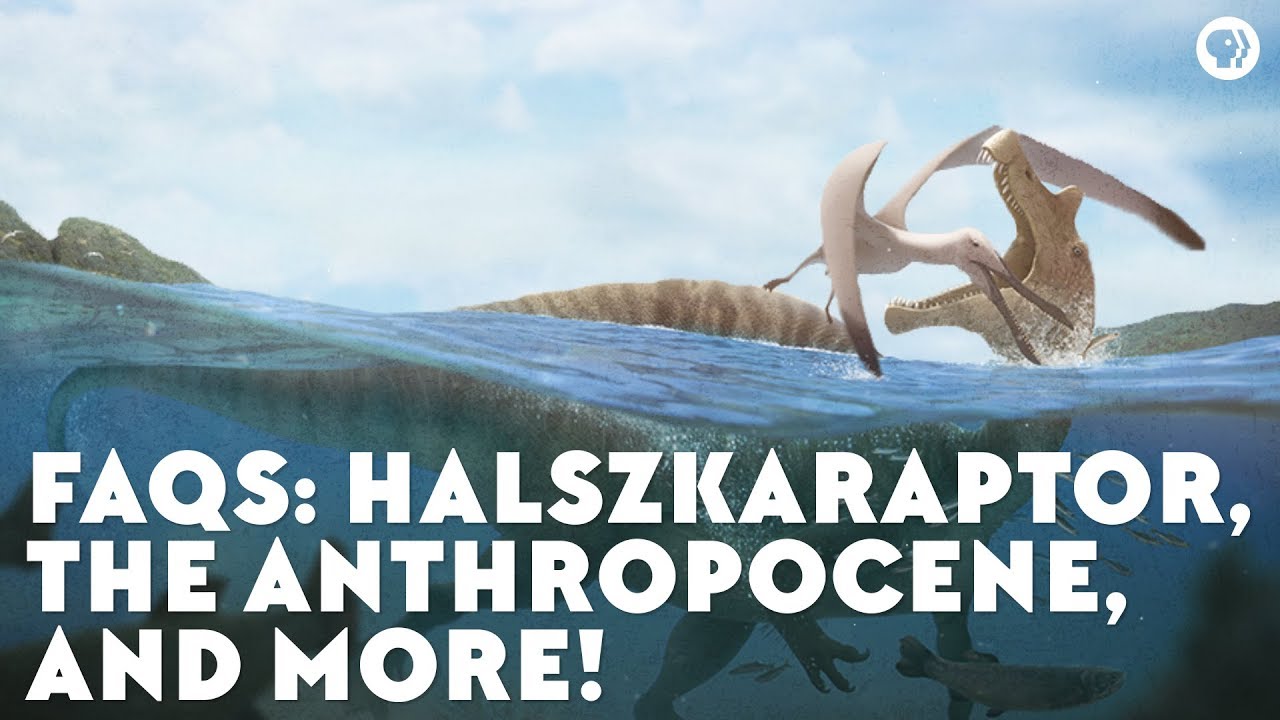
PBS Eons answers frequently asked questions from its first season, covering Earth's history from the origins of life to the Cenozoic Era.
400,000 years ago, a new species, Homo sapiens, emerged in Africa, adapting to various climates and developing agriculture and monumental structures.