From over 100,000 films, discover the handful you'll love.
Free or premium access to the world's largest documentary library.
3589 films(Page 74 of 75)
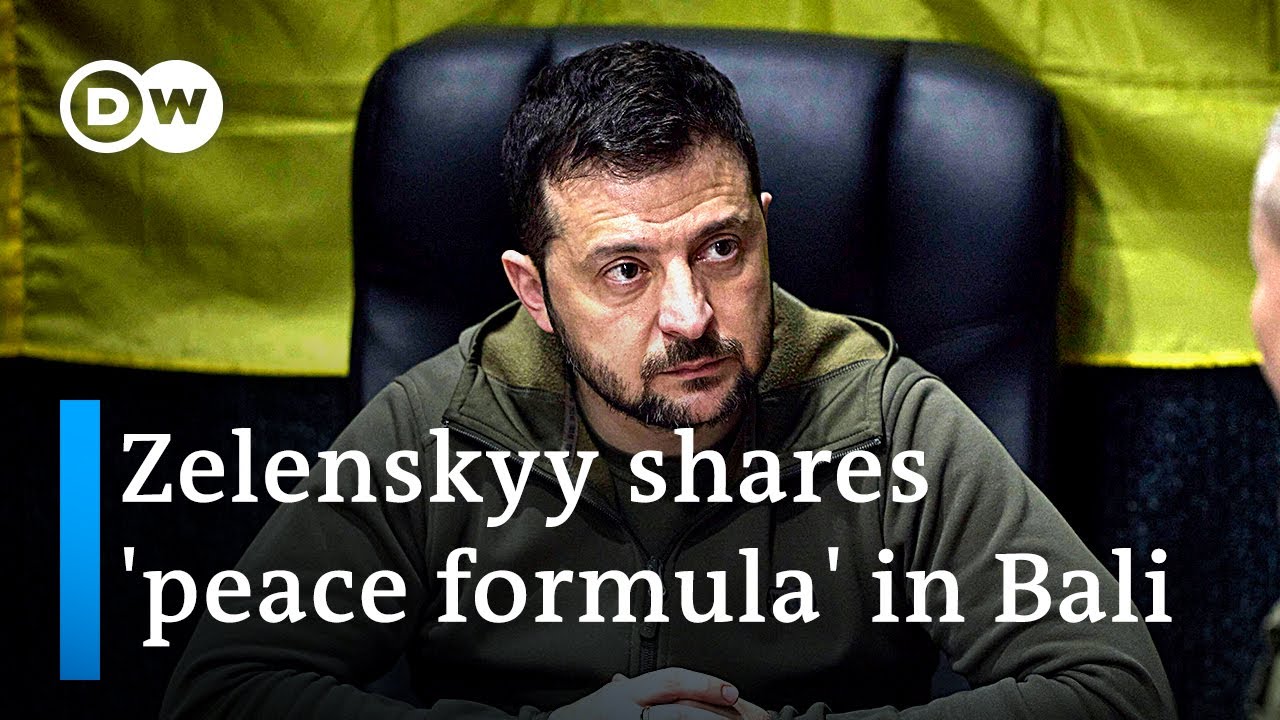
Ukrainian President Vladimir Zelenskyy calls for an end to Russia's war at the G20 Summit.
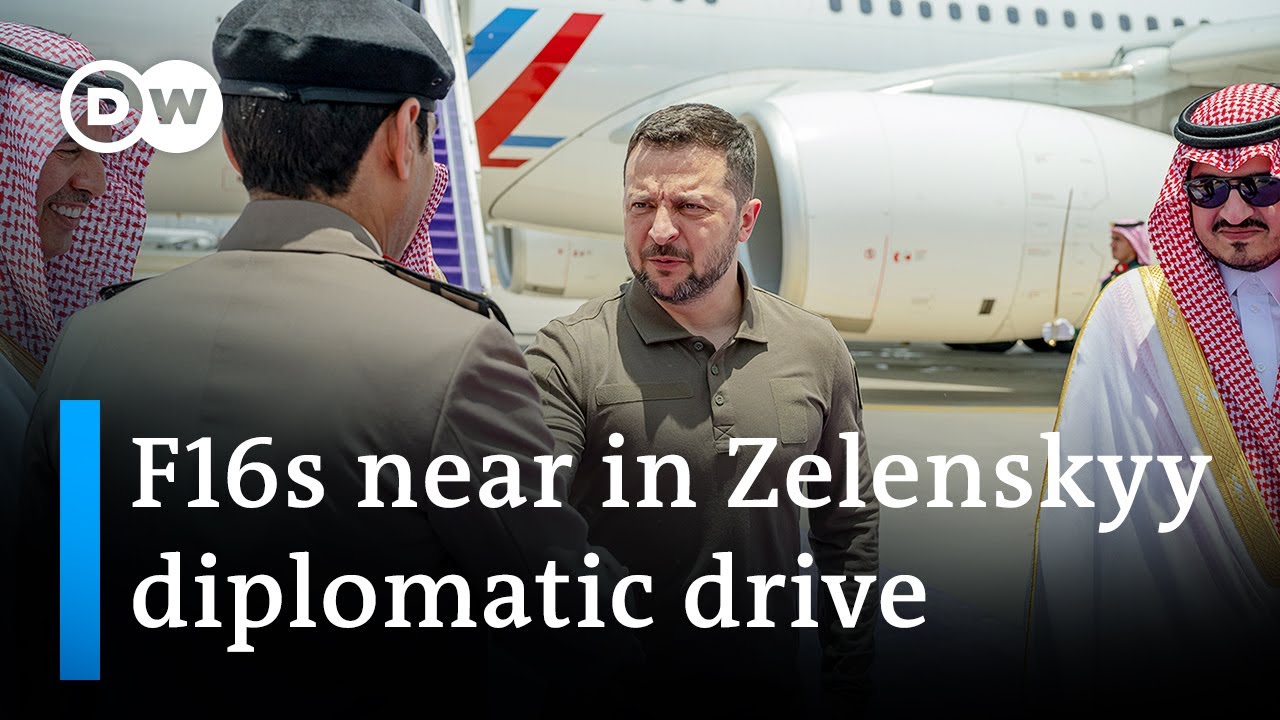
Ukraine's President Vladimir Zelenskyy is expected to meet Indian Prime Minister Narendra Modi at the G7 Summit in Japan to seek support against Russia.
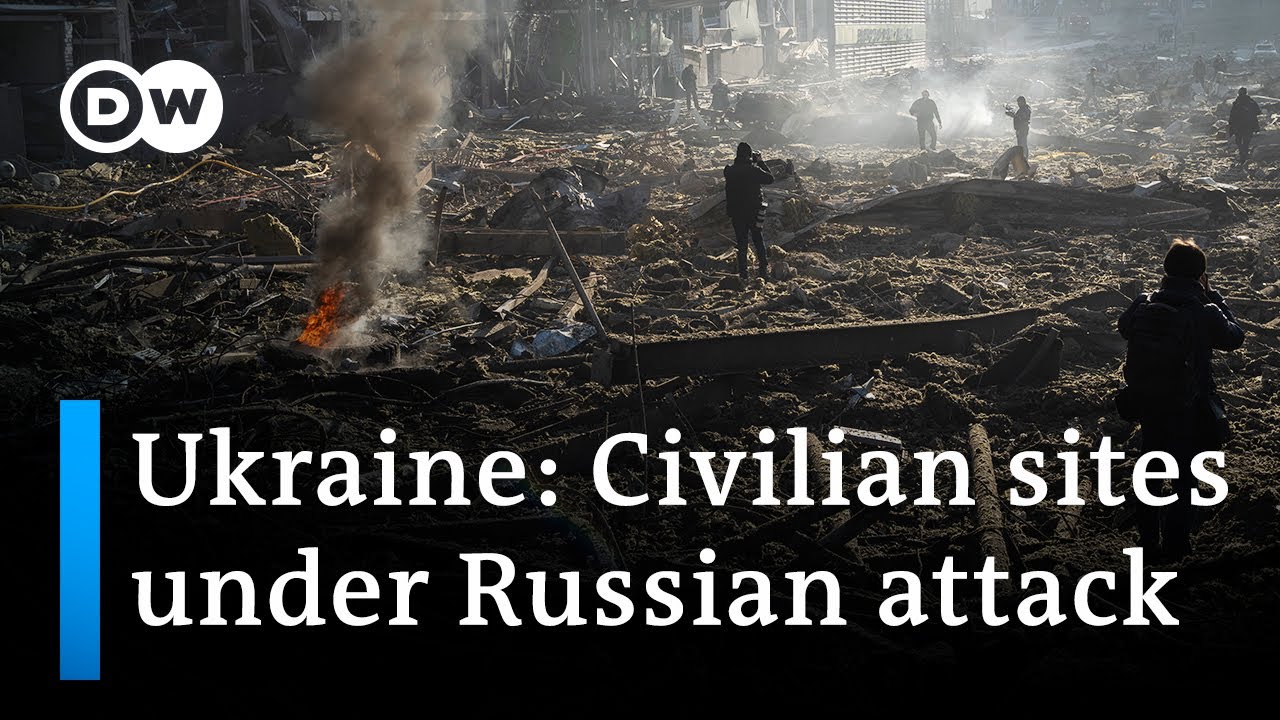
Ukraine's front lines extend over 1,000 kilometers, with cities far from the front regularly under attack as the country seeks peace talks.
Ukrainian president Vladimir Zelenskyy rejects Russia's ultimatums and vows to fight back.
The army's takeover in Zimbabwe signals a potential end to Robert Mugabe's long rule.
Zimbabwe's election campaign reveals deep divisions and hopes for change in Matabeleland.
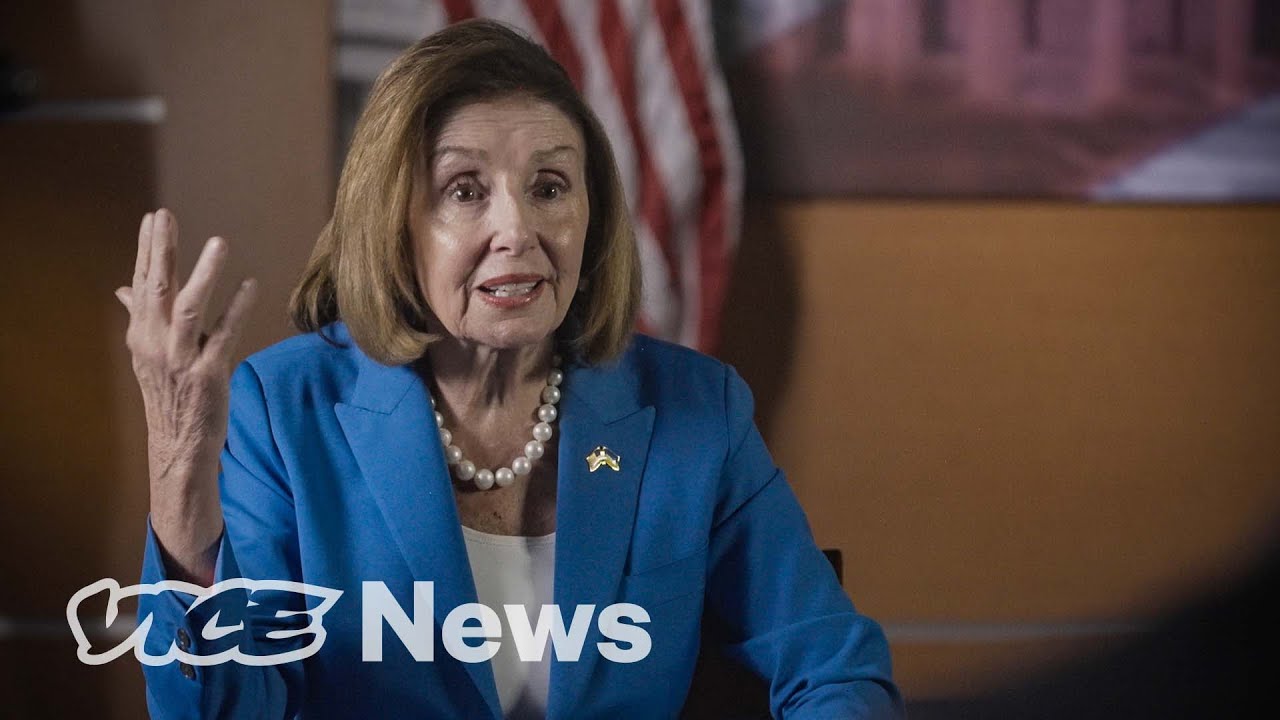
Nancy Pelosi discusses U.S. support for Ukraine in an exclusive Vice interview.
Ayaan Hirsi Ali highlights the dangers of Islamism and the need for free expression.
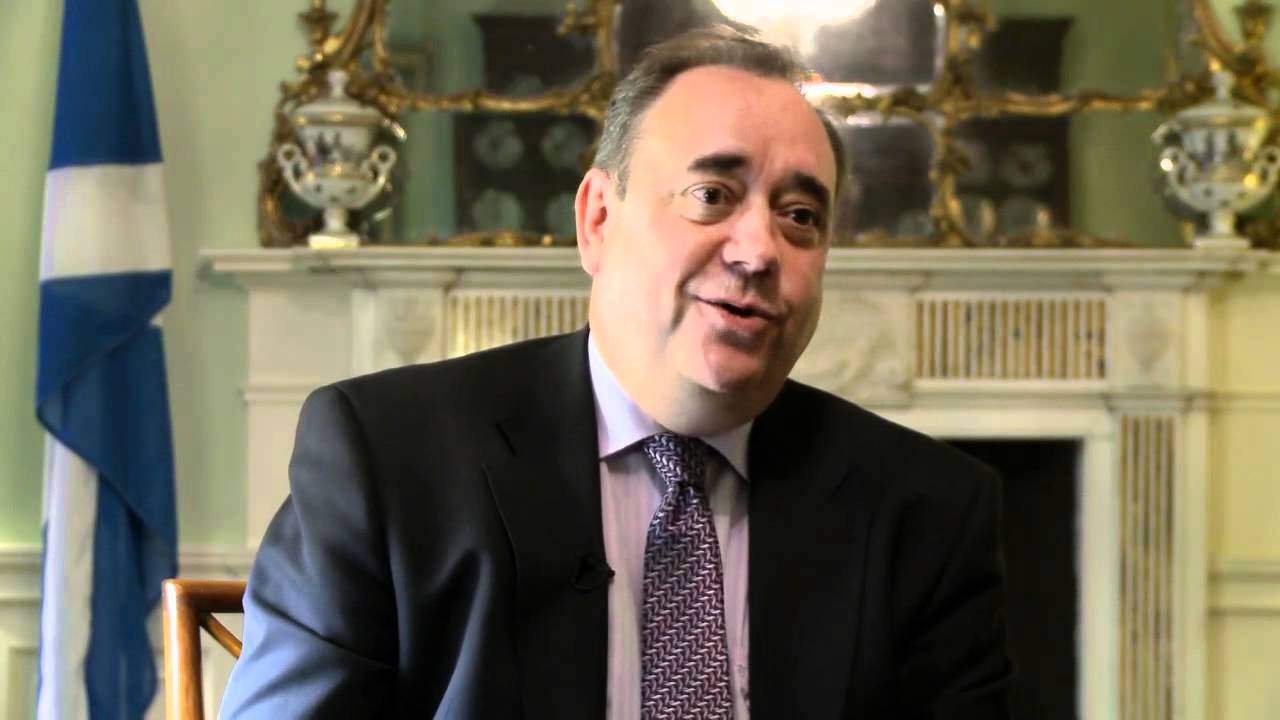
In 2007, Alex Salmond became the Scottish First Minister, leading a majority SNP government and advocating for Scotland's independence from England.
Alexis Tsipras tells Seumas Milne that Syriza offers an alternative to Europe's neoliberal order.
Rasha Al Aqeedi discusses Middle Eastern geopolitics and Iraqi politics in a FRONTLINE interview.
Trump's election was described as a manifestation of a grievance-fueled backlash to a black president and demographic change in America.
Barack Obama and Donald Trump represent opposing views on leadership, with Obama seeking consensus and Trump embracing conflict and division.
Joseph Kony discusses his fight for democracy in a rare 2006 interview from Africa.
Jamal Khashoggi discusses Saudi Arabian reforms in a 2004 interview, fourteen years before his death.
José Ramos-Horta states that Australia should retain command of peacekeeping operations in East Timor, opposing Malaysia's bid for leadership.
18 years in government left Ken Clarke largely stress-free, contrasting with many colleagues who struggled under pressure and strict political norms.
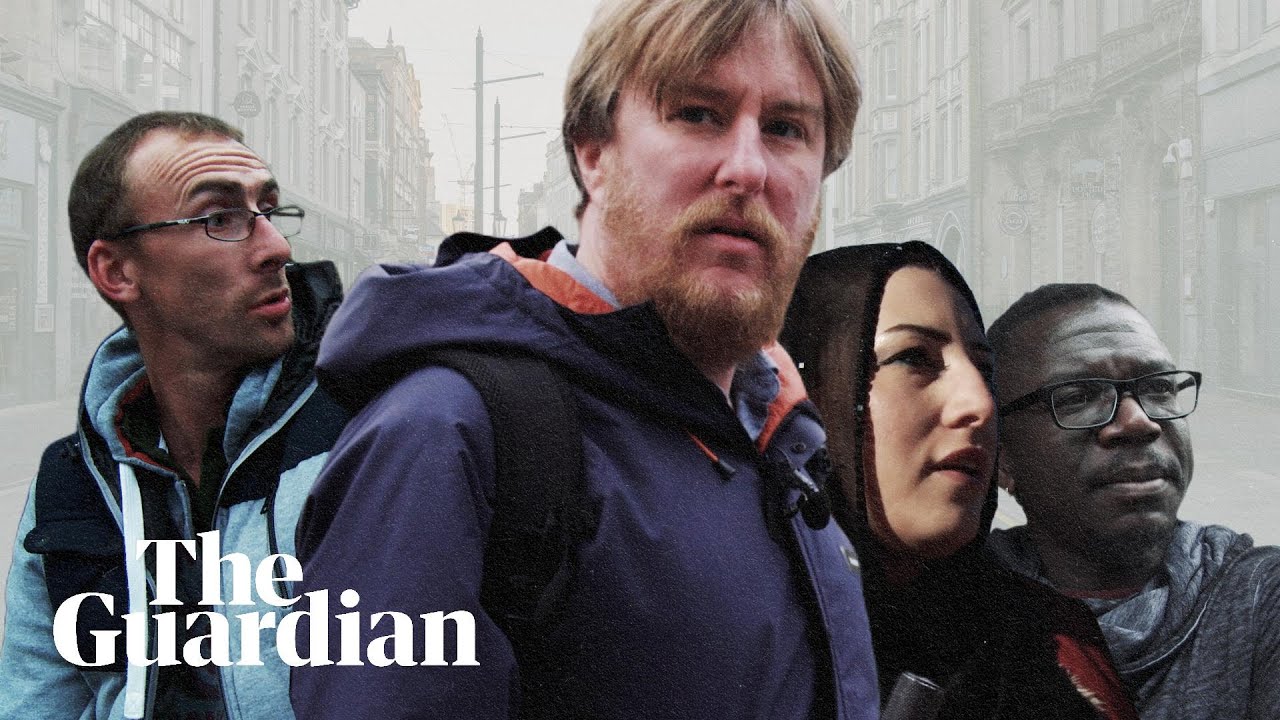
John Harris and John Domokos reflect on a decade of Guardian reporting and seek viewer input.
Brittany Kaiser discusses Cambridge Analytica's misleading role in Brexit and her personal struggles.
A UK journalist interviews the Chandlers, over seven months after their Somalian pirate captivity.
Shane Smith interviews Ashton Carter on Russian cyberattacks and global security threats.
Evan Osos highlights Jia Zhangke's critical films about China in the magazine this week.
Michael Hayden criticizes Donald Trump's qualifications and potential risks to national security.
In June 2005, Yoon Sun-Duk discusses life in a village in Korea's demilitarised zone.
Sidney Rittenberg reflects on his transformation from an American soldier to a Communist cadre in China, sharing anecdotes about his interactions with Mao Zedong.
Glenn Beck discusses conservatism's future with Michael Moynihan at his Idaho ranch.
Ashton Carter discusses America's challenges in leaving Afghanistan and the Taliban's threat.
Three bullets struck Imran Khan during a rally, leaving him with serious injuries as he navigates political unrest and potential arrest in Pakistan.
Dr. Subramanian Swamy discusses Muslims and discrimination in India from New Delhi.
Benny Gantz discusses Israeli politics and Netanyahu's potential ousting in an exclusive interview.
In 2007, U.S. State Department cables referred to Imran Khan as Pakistan's one-man party, reflecting the skepticism he faced in his early political career.
During a family vacation, Paul Ryan calls Donald Trump to express disbelief over his comments regarding the white nationalists involved in the Charlottesville riot.
BDS, a campaign launched in 2005, calls for boycotting, divesting from, and imposing sanctions on Israel until it ends its occupation of the 1967 territories.
Carlo Lukas discusses the dangers of Boris Johnson's politics and Brexit's impact on democracy.
40 percent of children in Islington grow up in poverty, despite the area's affluent image and the presence of wealthy residents.
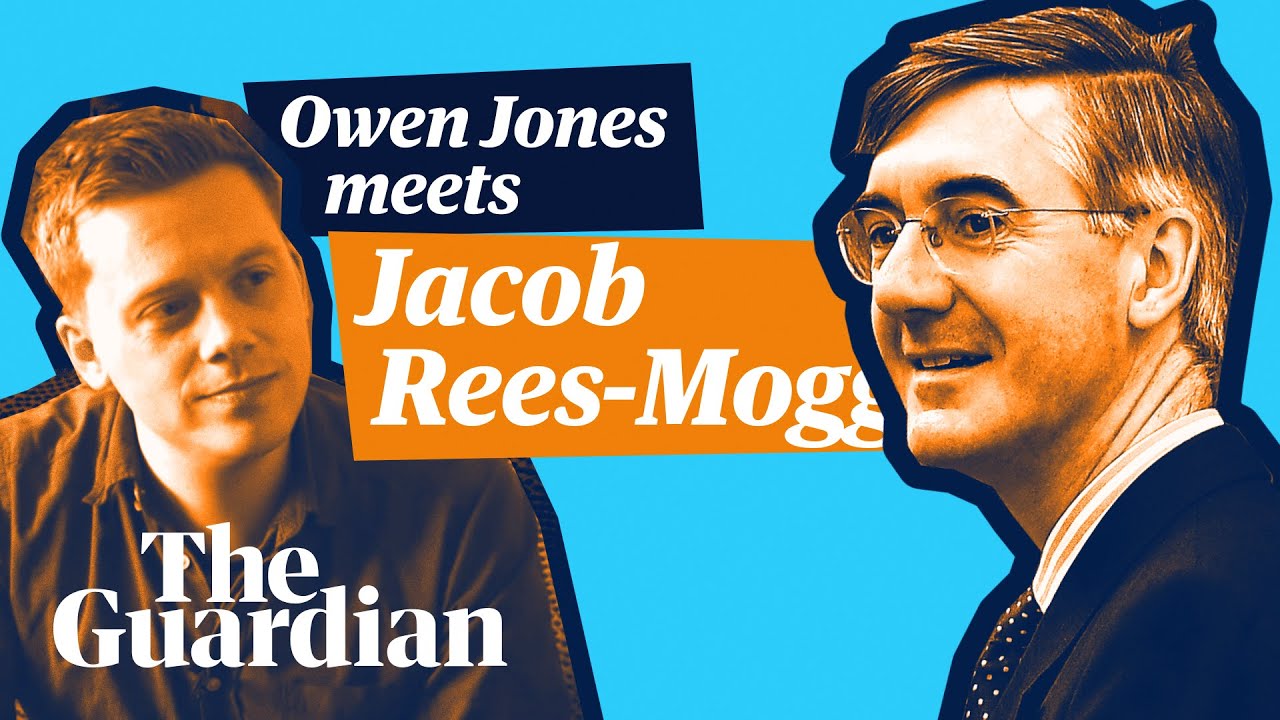
Jacob Rees-Mogg recalls his record for the longest word in Hansard, "floccinaucinihilipilification," during a conversation with Owen Jones.
James O'Brien states that the Remain campaign lost the referendum partly because they tried to fight emotions with facts and then emotions with emotions.
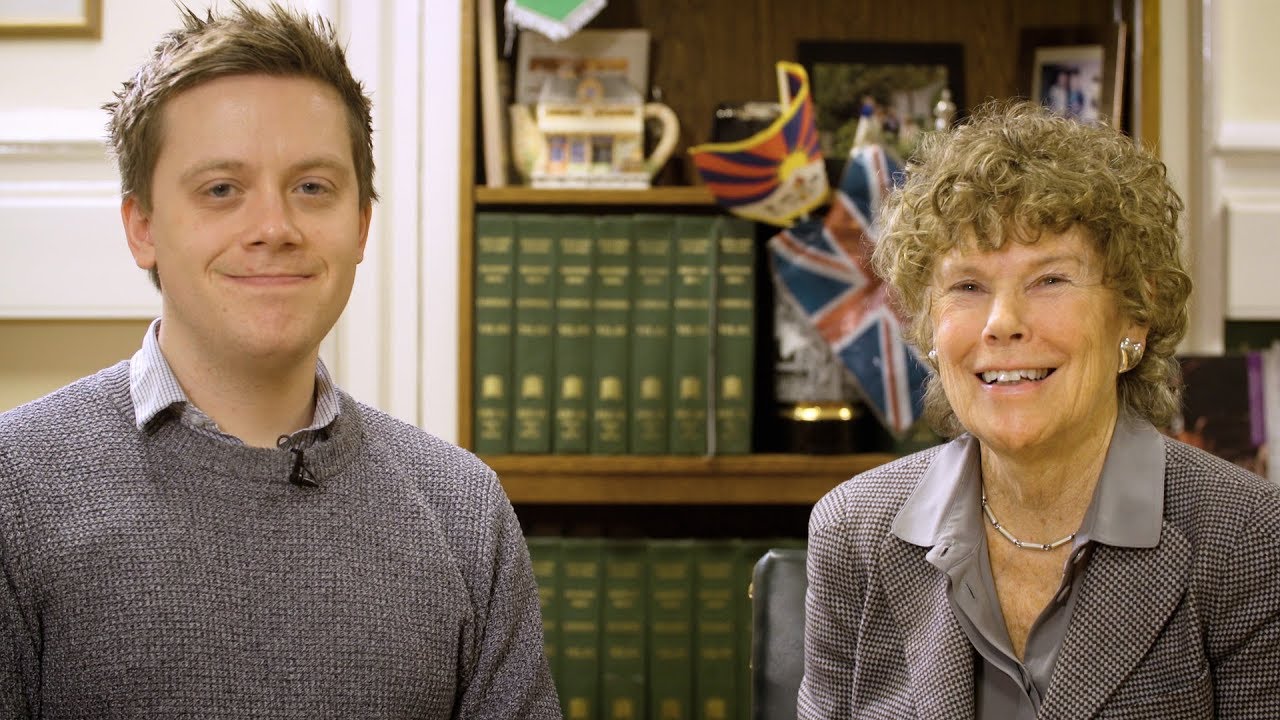
Kate Hoey, a Labour MP, discusses her political evolution, support for Brexit, and critiques of social democracy in a conversation with Owen Jones.
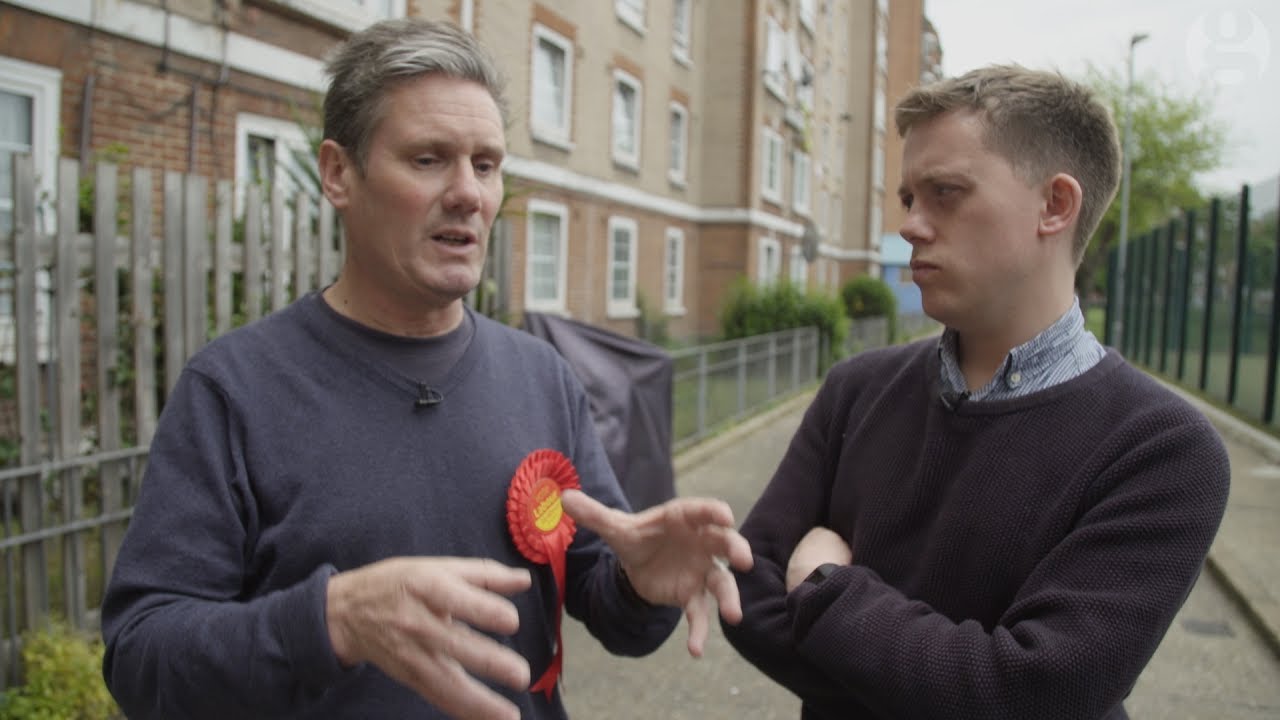
Two-thirds of Labour MPs represent constituencies that voted to leave the European Union, complicating the party's stance on Brexit.
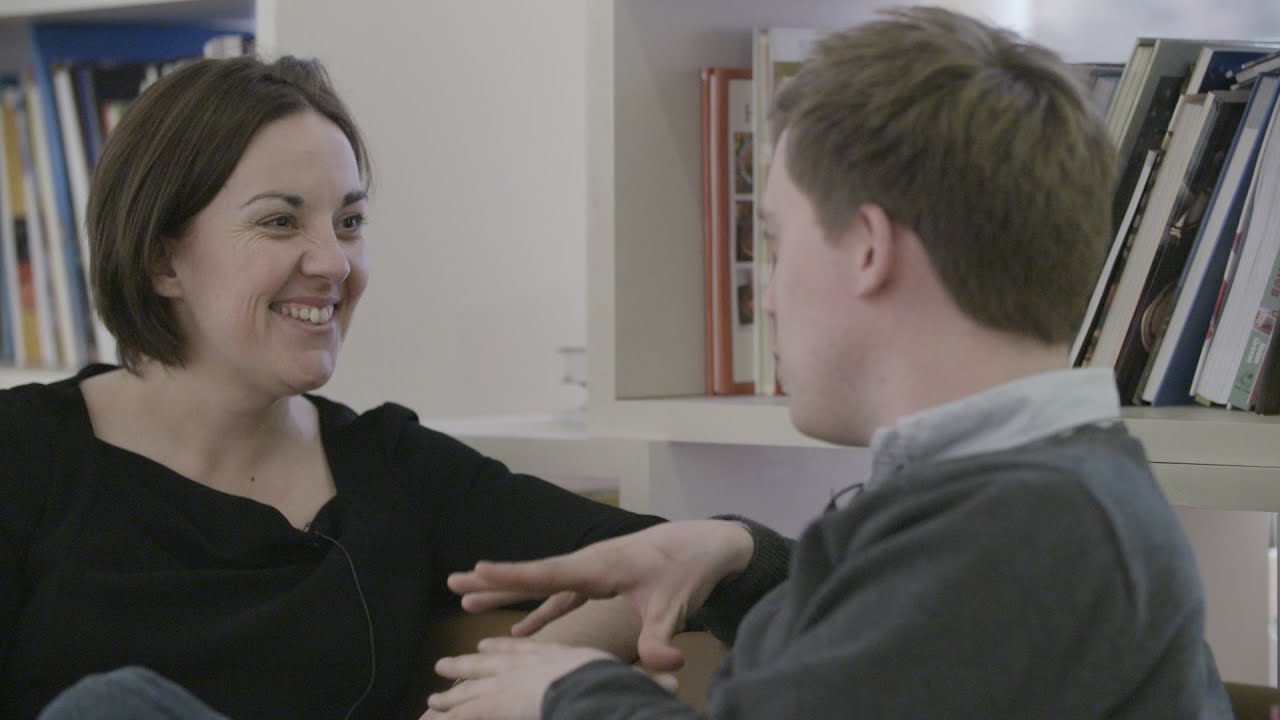
Owen Jones and Kezia Dugdale discuss Scottish Labour's challenges on a very sunny warm Scottish day.
Mary Lou McDonald discusses Brexit's impact on Northern Ireland's peace process and rights issues.
Yanis Varoufakis resigned as Greece's finance minister after the government accepted austerity measures imposed by the European Union.
In September, Vladimir Putin escalates aggression with the annexation of Ukrainian territory.
John Bolton discusses the initial optimism of the Bush Administration regarding Vladimir Putin's presidency, believing it could lead to cooperation against emerging threats.
300,000 men were called up for partial mobilization by Vladimir Putin in a September 2022 speech, citing American interference in peace talks.
In late 2021, President Joe Biden is briefed on Russia's plans for a full-scale invasion of Ukraine, marking a significant escalation since 2014.
Timothy Snyder discusses the urgent intelligence received by Joe Biden's administration in late 2021 regarding Vladimir Putin's plans to invade Ukraine.
In January 2022, President Biden receives a briefing indicating that a Russian invasion of Ukraine is likely to occur soon.