From over 100,000 films, discover the handful you'll love.
Free or premium access to the world's largest documentary library.
3589 films(Page 6 of 75)
Seven years in the Middle East shape Canadian freelance reporter Jesse Rosenfeld's perspective as he covers the region's evolving news stories.
In Yemen, the Houthi rebels engage in conflict over control and disrupt global trade, raising questions about their identity as terrorists or freedom fighters.
Mohammad 'Mo' Rabie returns to Syria after the civil war to search for his missing brother Ahmad and assess his future between Syria and Germany.
In Quebec, a group of young people reflect on their identity and the historical narrative surrounding the 1995 referendum while exploring their vision for the future.
The Camp David Summit lasted 13 days, where U.S. President Jimmy Carter facilitated negotiations between Israeli Prime Minister Menachem Begin and Egyptian President Anwar Sadat.
The Balkans serve as a focal point for discussions on colonization and contamination, featuring insights from Noam Chomsky and Jeffrey Sachs.
Dan Gibson presents evidence suggesting that the original Islamic holy city may not be Mecca, challenging the direction of prayer for 1.6 billion Muslims.
Three young Americans hiking near Iraqi Kurdistan were arrested by Iranian forces and held for 781 days in Evin Prison amid a geopolitical crisis.
In Zagreb, modernist architecture reflects the ambitious design and urban planning of Yugoslavia's socialist era, showcasing both innovation and decline.
Aerial views of Arizona showcase the Grand Canyon, Monument Valley, deserts, forests, and unique landforms, highlighting the state's diverse landscapes.
An American photographer travels across Eastern Europe in search of Lenin statues, revealing the ironic realities of post-Cold War society.
In Israel, Camille Clavel interviews intellectuals and locals to explore the complexities of coexistence in a region marked by conflict and division.
Thirty years ago, 50 companies dominated American media, but now just six corporations control most of the mainstream outlets in the country.
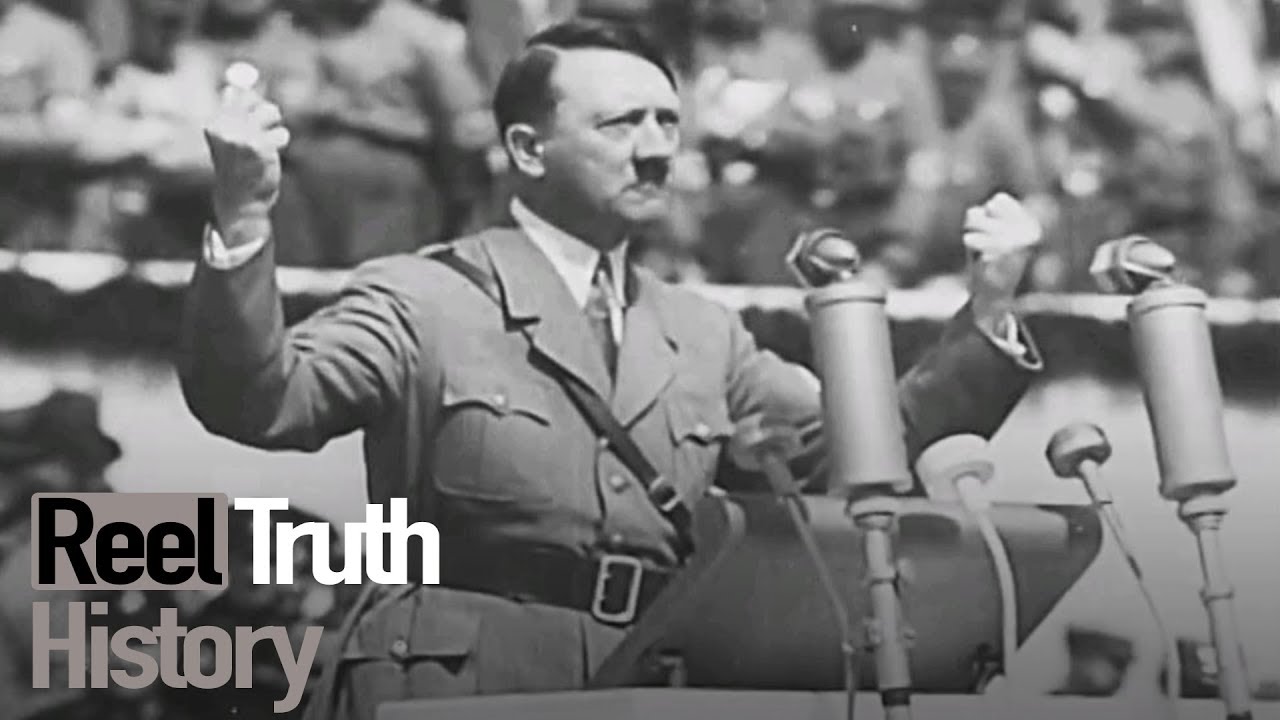
More than 20 million people died as a result of Germany's aggressive expansion during the 20th century, leading to the outbreak of World War II.
In 2030, China leads the race to Mars with advanced rovers, prompting an international team from Canada, the U.S., Russia, France, and Japan to prepare for a historic human mission.
The New Silk Road connects China to the West through a vast infrastructure project.
Nelson Mandela was released from Victor Verster prison in 1990 after 27 years, while Winnie Mandela played a crucial role in the anti-apartheid movement.
Iran's nuclear program faced significant setbacks due to a series of targeted assassinations that slowed its progress but did not halt it entirely.
Hitler plans to invade Czechoslovakia during the Sudetenland crisis, reshaping Europe.
6,300,000 residents of Hong Kong faced uncertainty as the territory prepared for its handover to China in June 1997.
Russia's state corporation Rosatom plays a crucial role in the global nuclear power landscape, influencing energy security from locations like Germany to Ukraine and Turkey.
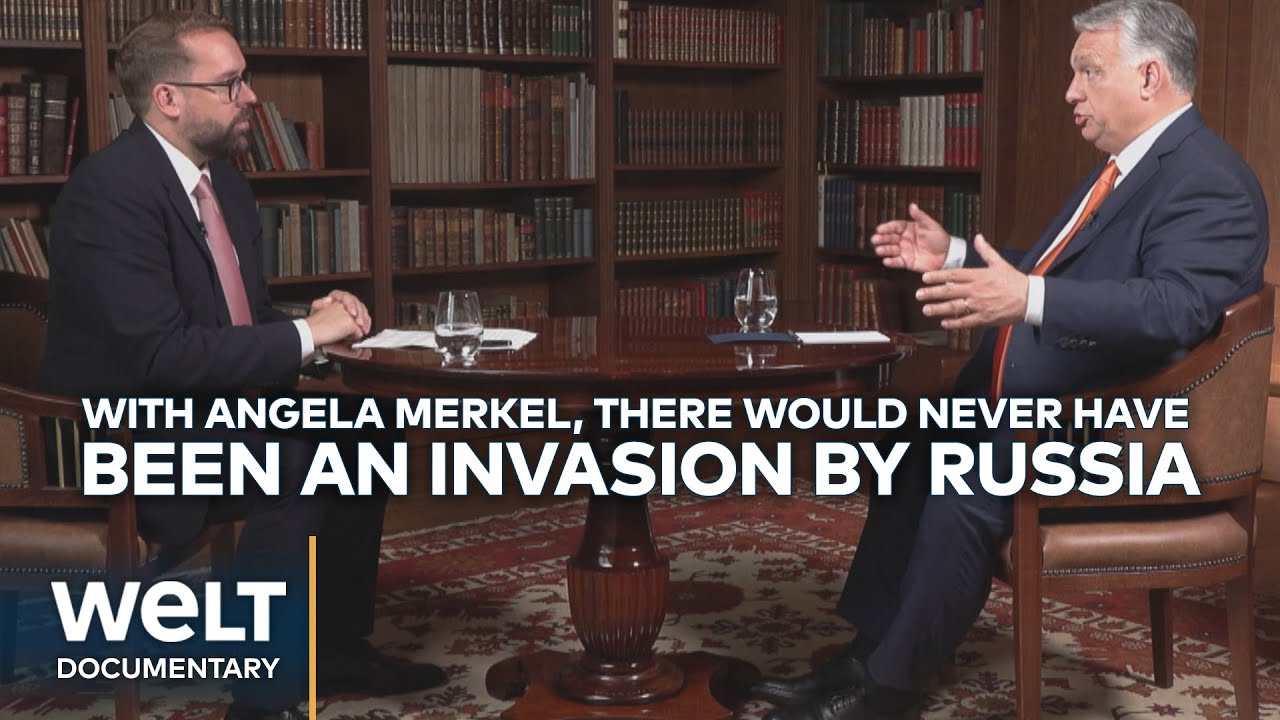
Hungarian Prime Minister Viktor Orban warns that the next two to three months of the Ukraine war will be "far more brutal" than the previous seven months.
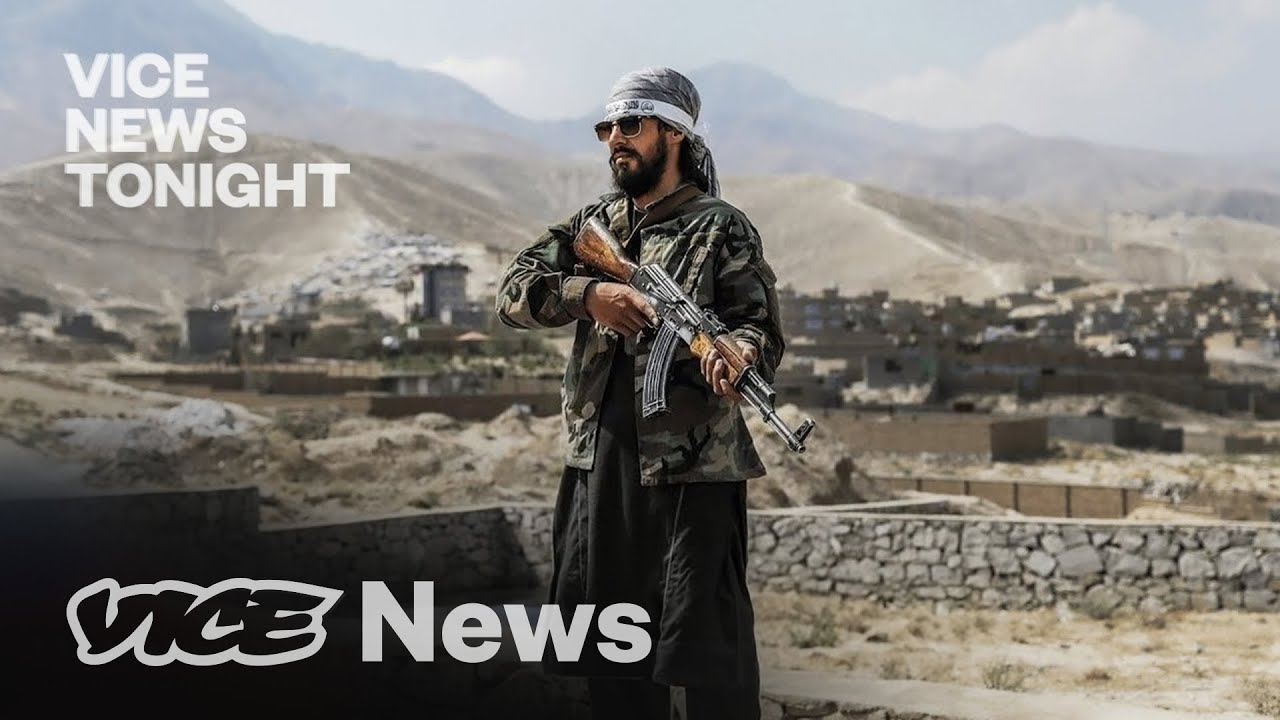
97% of Afghans may fall below the poverty line this year, as the Taliban government enforces strict restrictions on women's rights and public life.
$2 billion is generated annually by North Korea's illicit trade, sustaining Kim Jong-un's regime amid heavy international sanctions.
Indonesia has over 270 million people, making it the most populous Muslim country in the world, yet faces rising Islamist influence and intolerance.
Russia's interference in American politics intensifies as the 2024 elections approach.
A passenger train with 21 bulletproof cars departs Pyongyang on March 26, 2018, carrying Kim Jong-Un to a meeting in Beijing.
130,000 Iranian soldiers are currently deployed in Iraq, as tensions rise following the assassination of nuclear scientist Mohsen Fakhrizadeh.
China's defense Ministry published videos of its forces training in Tibet, signaling a readiness for potential conflict amid rising tensions with Taiwan.
A century of unexplained aerial phenomena in the Middle East, from the 1924 vanishing of British pilots in Iraq to the 1980 Kuwaiti entity, raises questions about non-human intelligence.
Nearly 75 million people voted for Donald Trump in the 2020 election, reflecting a significant divide between Washington and the broader electorate.
Twelve people died and around thirty were injured in a car bomb attack in Mogadishu, a city plagued by almost daily violence.
Kim Jong-un is believed to possess at least 40 nuclear missiles and is developing a new submarine capable of launching ballistic missiles.
British double-dealing during WW1 ignites the conflict between Arabs and Jews in the Middle East.
China's military has mounted its largest show of force in a generation, raising fears of a potential blockade or invasion of Taiwan.
Camp Bastion, Britain's largest military base, closes after eight years of operations in Afghanistan.
Alexander Litvinenko, a former KGB officer, was poisoned with radioactive polonium in London in 2006, leading to a complex investigation by Scotland Yard.
Vladimir Putin discusses global changes and U.S. relations in an exclusive Financial Times interview.
70% of China's energy depends on imports, with Russia positioned as a key supplier amid their deepening alliance during the Ukraine conflict.
A military convoy of Russian vehicles stretches over 60 kilometers and is reported to be about 25 kilometers from Kyiv amid ongoing air raid sirens.
20,000 troops are deployed to remove 8,500 Jewish settlers from the Gaza Strip, igniting a national debate over land and identity in Israel.
Estonia has provided about 10 times more military aid per capita to Ukraine than Germany, according to Foreign Minister Urmas Reinsalu.
More than 70 meters below the Baltic Sea, investigators search for clues about the sabotage of the Nord Stream pipelines, which occurred in September 2022.
Donald Trump links the coronavirus outbreak to China, calling it worse than Pearl Harbor.
Vladimir Putin's national security council meeting occurs just days before the invasion, with 190,000 troops positioned at Ukraine's borders.
Germany's trade with China raises concerns amid Xi Jinping's authoritarian regime.
A focus group of Trump voters reveals deep divisions over his presidency, with some expressing disappointment and others unwavering support.