From over 100,000 films, discover the handful you'll love.
Free or premium access to the world's largest documentary library.
3589 films(Page 4 of 75)
Japan's attack on Pearl Harbor in 1941, driven by resource shortages and military ideology, significantly altered the trajectory of World War II.
On July 17, 1975, one billion viewers watched as American astronaut Thomas Stafford and Soviet cosmonaut Alexey Leonov shook hands in space.
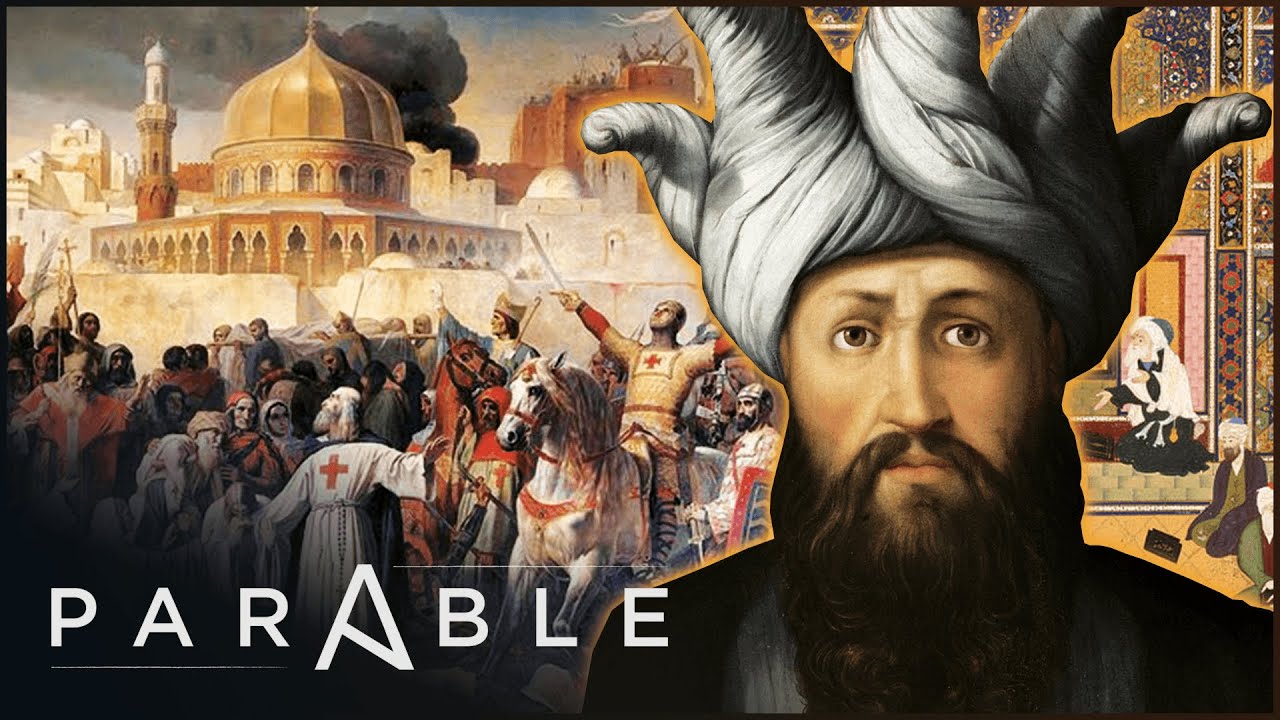
The Crusades, spanning two centuries, were military campaigns by Christian forces to reclaim Jerusalem from Islamic control, significantly impacting the spread of Islam.
Giuseppe Garibaldi is a key figure in Italian unity and a notable 19th-century revolutionary.
Anwar Ibrahim was jailed for six years after being sacked as deputy prime minister in 1998, facing charges widely seen as politically motivated.
The Commonwealth, established in 1931, evolved from the British Empire into a coalition of 56 nations, symbolizing unity and shared values.
D-Day, the Blitzkrieg in France, the Battle of Britain, and the Battle of Austerlitz are pivotal conflicts that shaped Europe's military history.
February 24, 1991, marked the start of the Battle of 73 Easting, where American tanks faced Iraq's Republican Guard in a decisive armored clash.
Osama Bin Laden's transformation from a wealthy Saudi youth to the leader of al-Qaeda illustrates his radicalization and violent campaign against the West, culminating in the 9/11 attacks.
As many as 70,000 people are instantly killed by the atomic bomb dropped on Hiroshima on August 6, 1945, marking the start of the nuclear age.
On January 16, 1979, Mohammad Reza Pahlavi boarded a military helicopter for his last trip from Iran, marking the beginning of his 19-month exile.
The German invasion of Poland in 1939 marked the beginning of World War II, as Mussolini allied with Hitler and Winston Churchill became British Prime Minister.
The global dependence on crude oil is examined through the lens of the 2010 Deepwater Horizon disaster, highlighting the risks and environmental costs of extraction.
240 kilometers of electrical fences along Hungary's border with Austria were designed to prevent crossings, but by 1989, they were failing.
Christopher Boyce reveals his past as a CIA double agent selling secrets to the KGB.
Vyacheslav Ivankov emerged as a prominent figure in the Russian underworld following the U.S.S.R. collapse, leading organized crime's global expansion.
Charles the Great, born on April 2, 742 AD, unified Western and Central Europe, laying the groundwork for future dynasties in France and Spain.
In occupied Palestine, a young baker named Omar navigates love and resistance as he faces the consequences of his actions amid a backdrop of conflict and betrayal.
On September 1, 1939, Hitler's invasion of Poland marked the beginning of World War 2, highlighting the urgent diplomatic efforts and military strategies of the time.
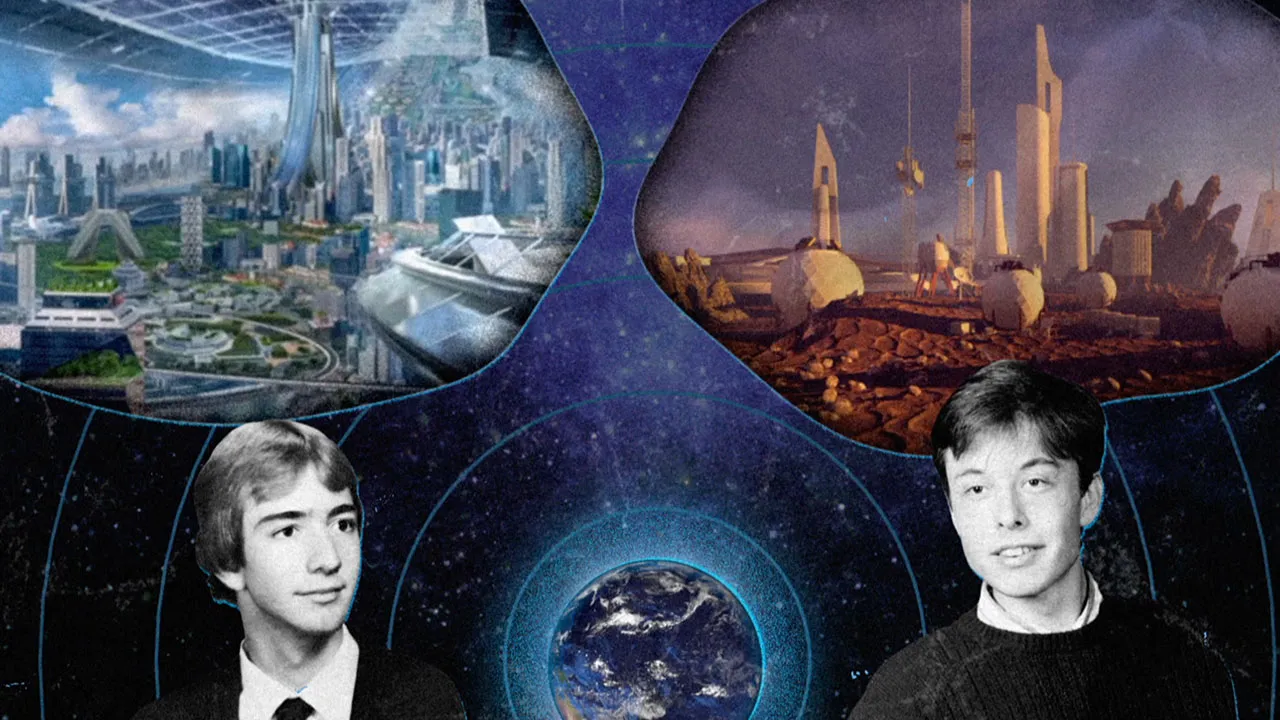
Six astronauts, all space tourists, board a rocket launched by Jeff Bezos's Blue Origin, marking a significant shift in commercial space travel.
In 1975, the FBI recruited mobster James Whitey Bulger to help take down the Patriarca crime family, granting him immunity from prosecution.
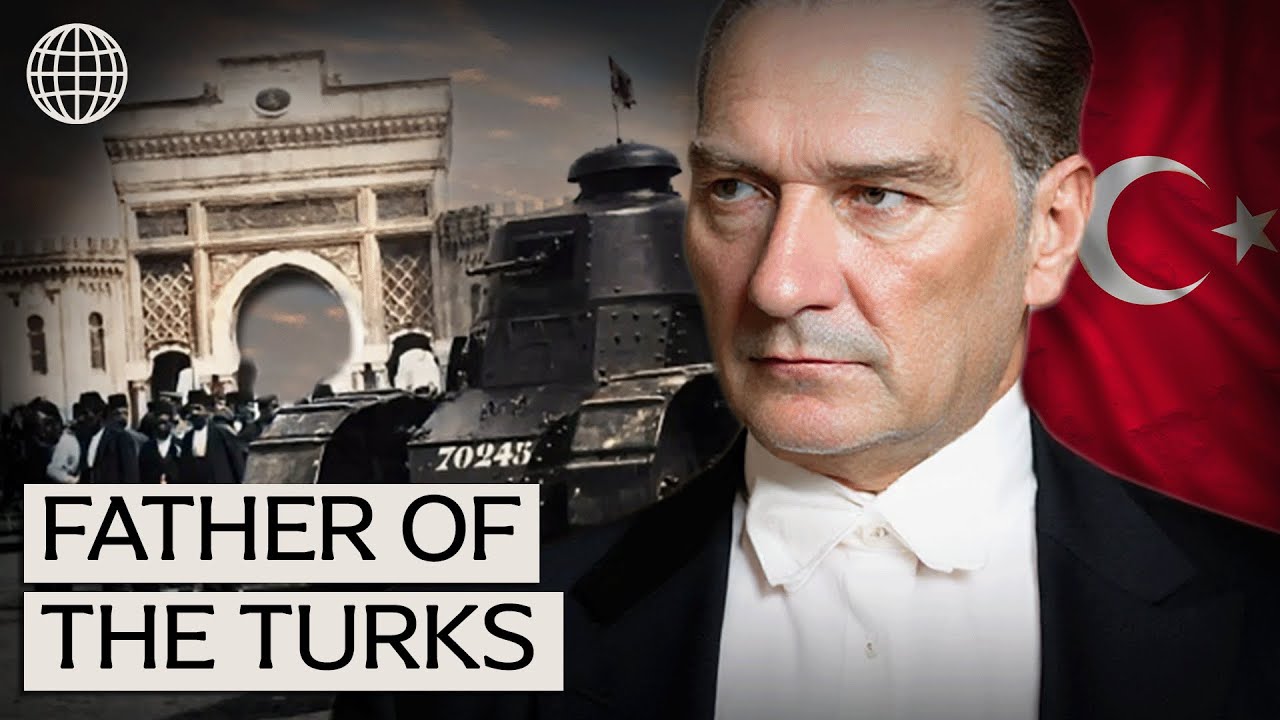
Mustafa Kemal Atatürk was born in Salonica in early 1881 and later became known as the father of modern Turkey after significant reforms in the 20th century.
Almost five million allied troops participated in the liberation of Western Europe, leading to the unconditional surrender of Nazi forces on May 7, 1945.
A 70-km long fence was erected along the Danish-German border to keep out wild boar infected with African swine fever, disrupting local communities.
The brutal Russian winter of 1941 significantly halted the advance of the Wehrmacht during the early years of the German invasion of the Soviet Union.
Pyla, the only inhabited village within the United Nations buffer zone in Cyprus, showcases the coexistence of Greek and Turkish Cypriots amid ongoing divisions.
The Eastern Front of World War II highlights the brutal conflict between the Red Army and Nazi Germany, featuring key events like the Siege of Leningrad and the Battle of Stalingrad.
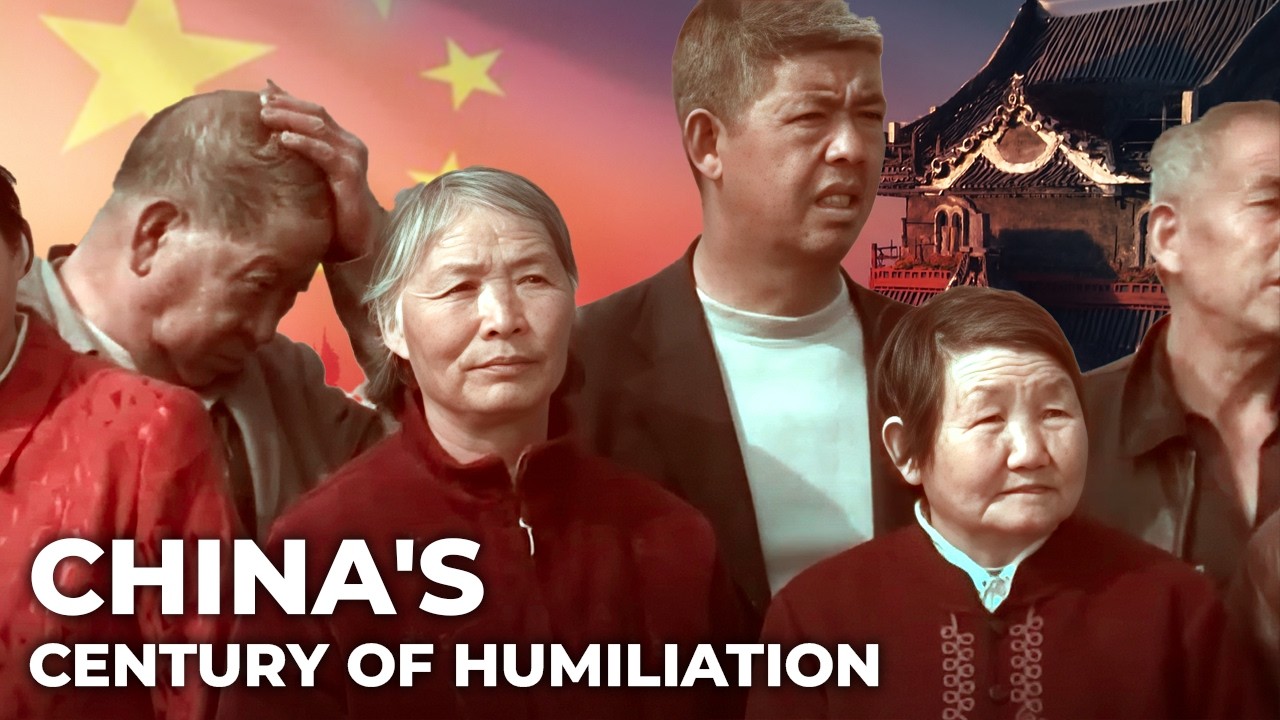
China's interactions with Western powers, particularly during the Opium Wars, shaped its political thought and social systems, influencing its economic development.
In 1914, as World War I erupted in Europe, most Americans remained indifferent, focused on their own prosperity and the perceived insignificance of the conflict.
Alberto 'Chino' Carias, a former criminal turned government official, exemplifies the complex legacy of the Tupamaros in Caracas amid Venezuela's economic collapse.
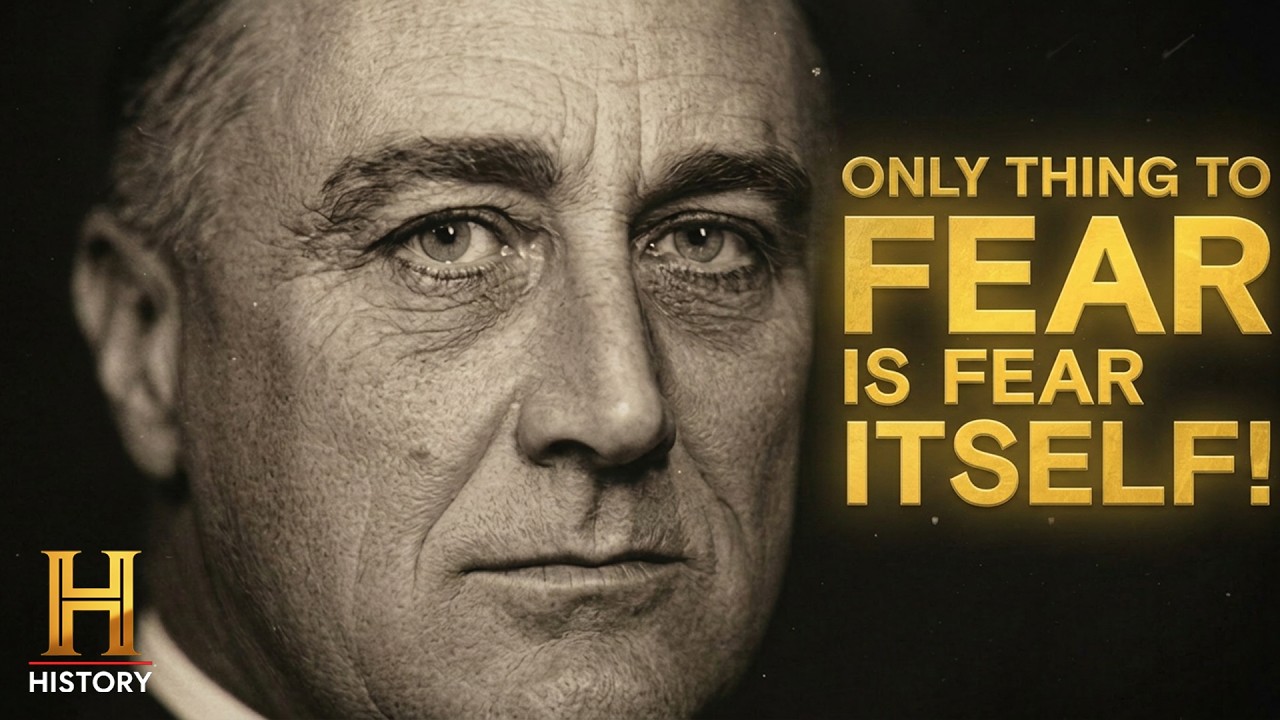
Franklin D. Roosevelt's leadership during World War II is examined, highlighting D-Day and his unexpected death amid crucial wartime negotiations.
In the slums of Caracas, Venezuela, armed leftist groups known as 'colectivos' provide vigilante justice amid rampant crime and political instability.
The Habsburg Dynasty utilized strategic marriages, political maneuvering, and forgery to establish dominance over medieval Europe and create a vast empire.
Aboard the HDMS Absalon, Danish naval forces engage in anti-piracy operations to protect vital shipping lanes threatened by modern piracy in Asia.
The Crusades, spanning 200 years, exemplified the intersection of Christianity and violence in the quest to reclaim Jerusalem from Islamic control.
In July 1945, Harry Truman, Winston Churchill, and Joseph Stalin met in Potsdam to negotiate the post-war order in Europe and address the conclusion of World War II.
In 1971, the Shah of Iran hosted a lavish 2,500-year celebration of the Persian monarchy, which ultimately intensified opposition led by Ayatollah Khomeini.
China has over 1,000 overseas military bases, a fact that raises concerns about its growing influence as it becomes the world's largest economy.
Operation Barbarossa marked Hitler's massive invasion of the Soviet Union in 1941, leading to critical battles that reshaped World War Two's trajectory.
In Jaffna, the aftermath of a brutal battle reveals the emotional toll on families and the deepening ethnic struggle between Tamils and Sinhalese in Sri Lanka.
Mustafa Kemal Atatürk's foundational reforms and Recep Tayyip Erdoğan's contemporary governance illustrate Turkey's ongoing struggle between modernity and traditionalism.
The critical events of 1941 and 1942, including the attack on Pearl Harbor and the battles of Moscow and El Alamein, reshaped the course of World War II.
Three bodies of Palestinian fighters killed in an attack on Israeli soldiers return to Nablus, igniting mourning and anger among local youth.
China's rapid ascent as a global technology leader is examined through its high-profile companies, innovation strategies, and the implications for the world economy.
Luxury survival condos in Kansas, a minefield in Sarajevo, and King Cobra Village in Thailand are among the unique locations explored in this episode.
In 1944, the Axis powers faced significant setbacks as Allied forces launched major offensives, including the D-Day landings and the Italian campaign at Monte Cassino.
Gaza's residents confront the extensive physical and psychological damage from the May 2021 conflict between Israel and Hamas while striving to rebuild their lives.
In November 1991, Nelson Mandela visited Goree Island in Senegal, marking his first trip to Africa after 27 years of imprisonment.