From over 100,000 films, discover the handful you'll love.
Free or premium access to the world's largest documentary library.
3589 films(Page 3 of 75)
Afghanistan's diverse landscapes, from the Bamiyan Buddha niches to the remote Wakhan Corridor, reveal a resilient culture shaped by ancient history and geography.
Nearly 40,000 Italian soldiers were taken prisoner after a swift British counterattack in December 1940 during Italy's campaign in North Africa.
In 1906, San Francisco experienced a catastrophic earthquake that reshaped the city and highlighted the vulnerabilities of urban infrastructure.
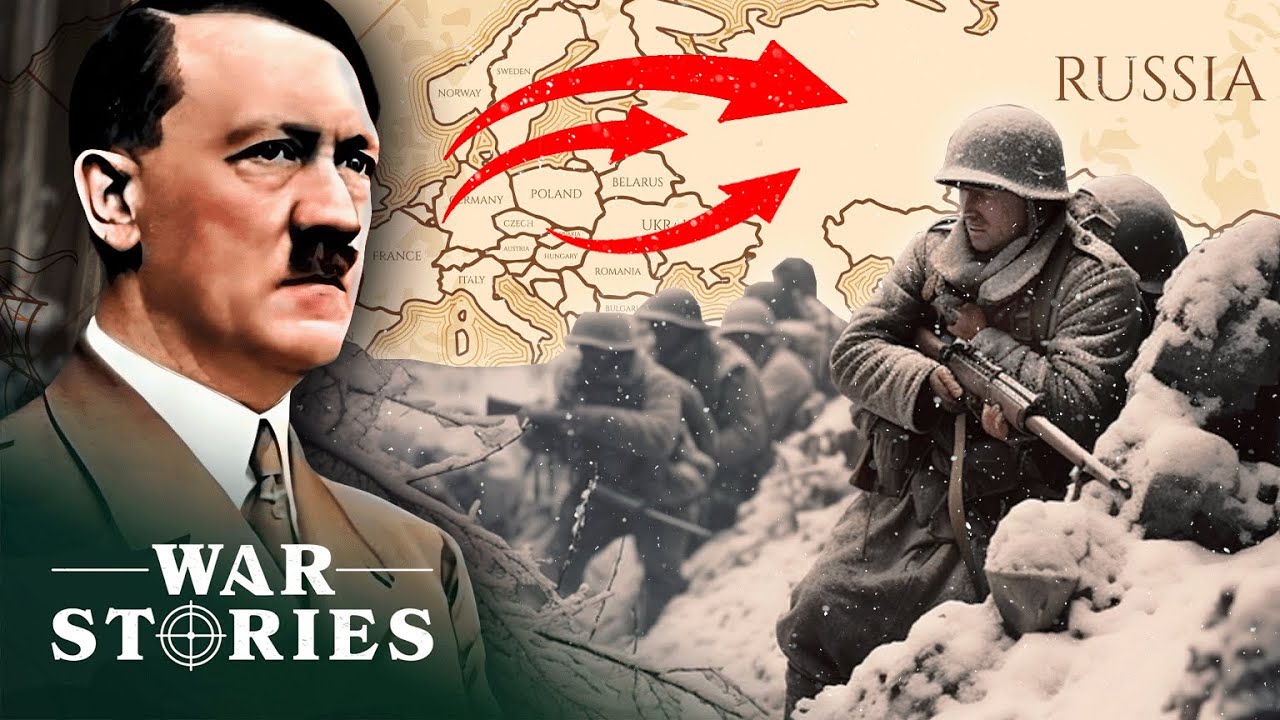
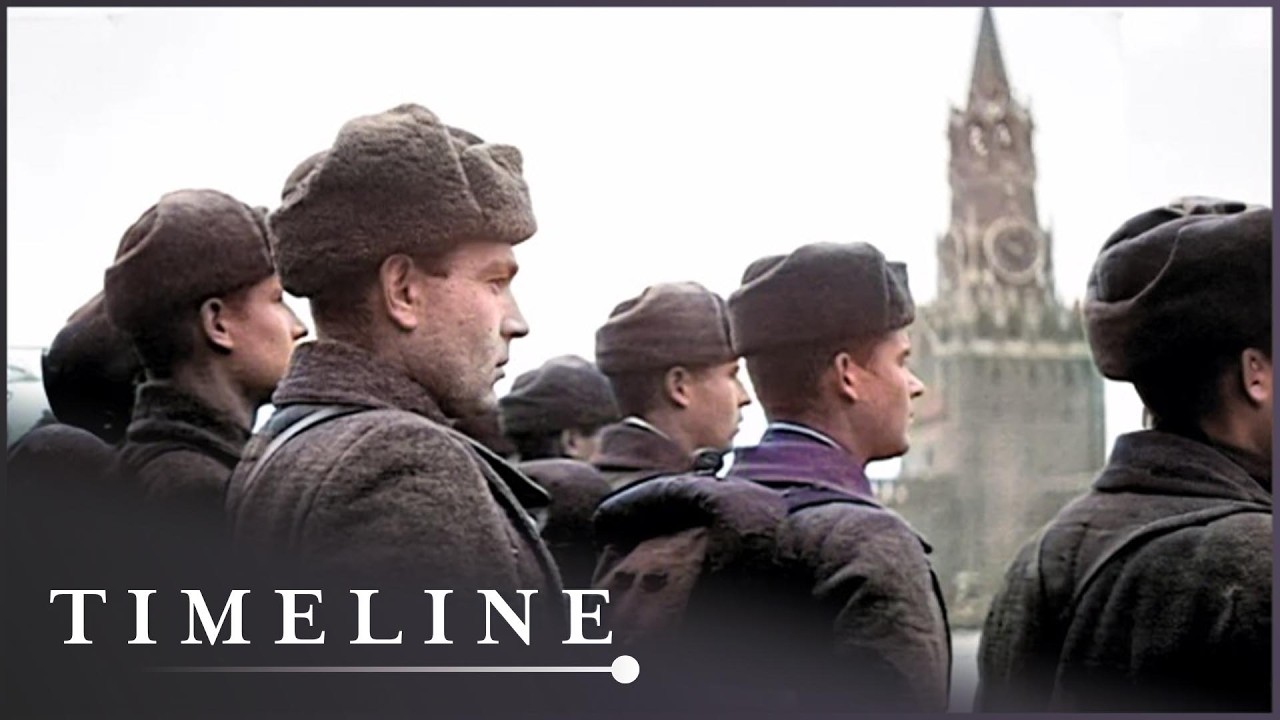
Operation Barbarossa marked Hitler's 1941 invasion of the Soviet Union, involving three million German troops and resulting in significant suffering and destruction.
Seven Bolivian soldiers are killed and 12 taken prisoner as revolutionary Che Guevara seeks to destabilize South America and threaten U.S. interests.
Mozambique has a history marked by a civil war that lasted 17 years and resulted in nearly one million deaths.
In July 1945, Berlin faced immense destruction and uncertainty as residents navigated the challenges of rebuilding amid rising Cold War tensions.
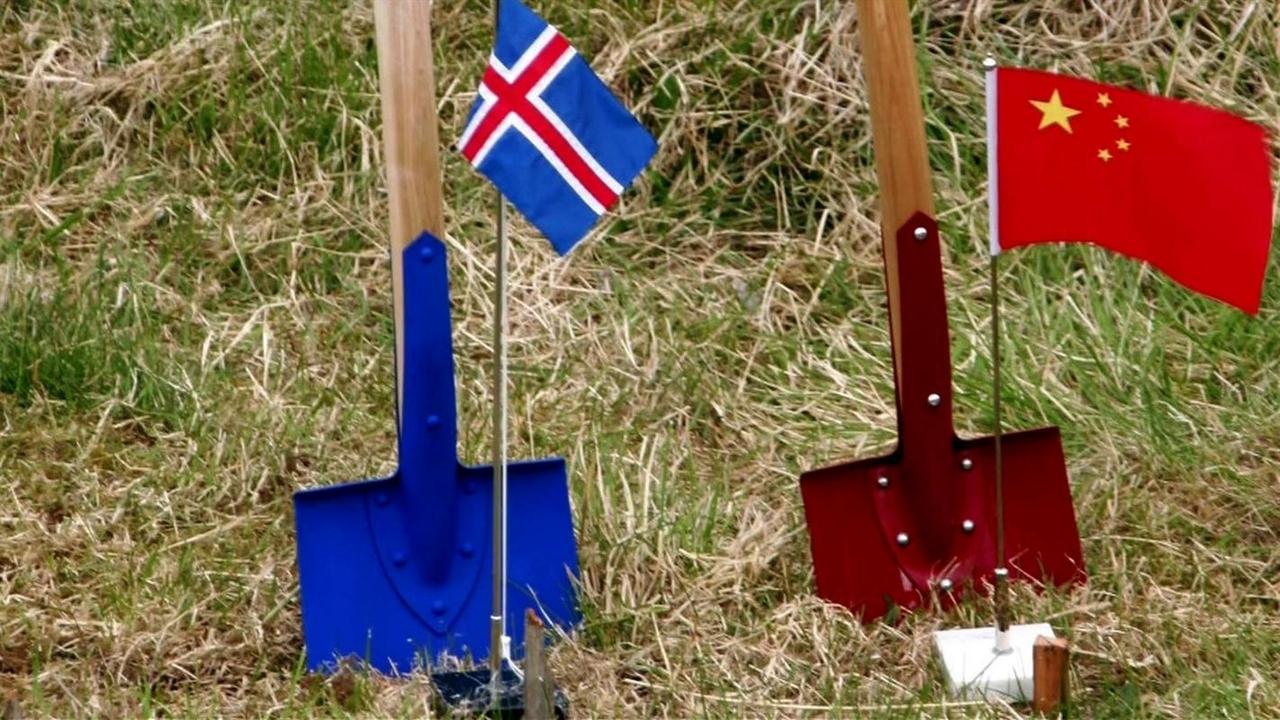
China's expansion in the Arctic region is reshaping global geopolitics, prompting nations to reassess their strategies and alliances in response.
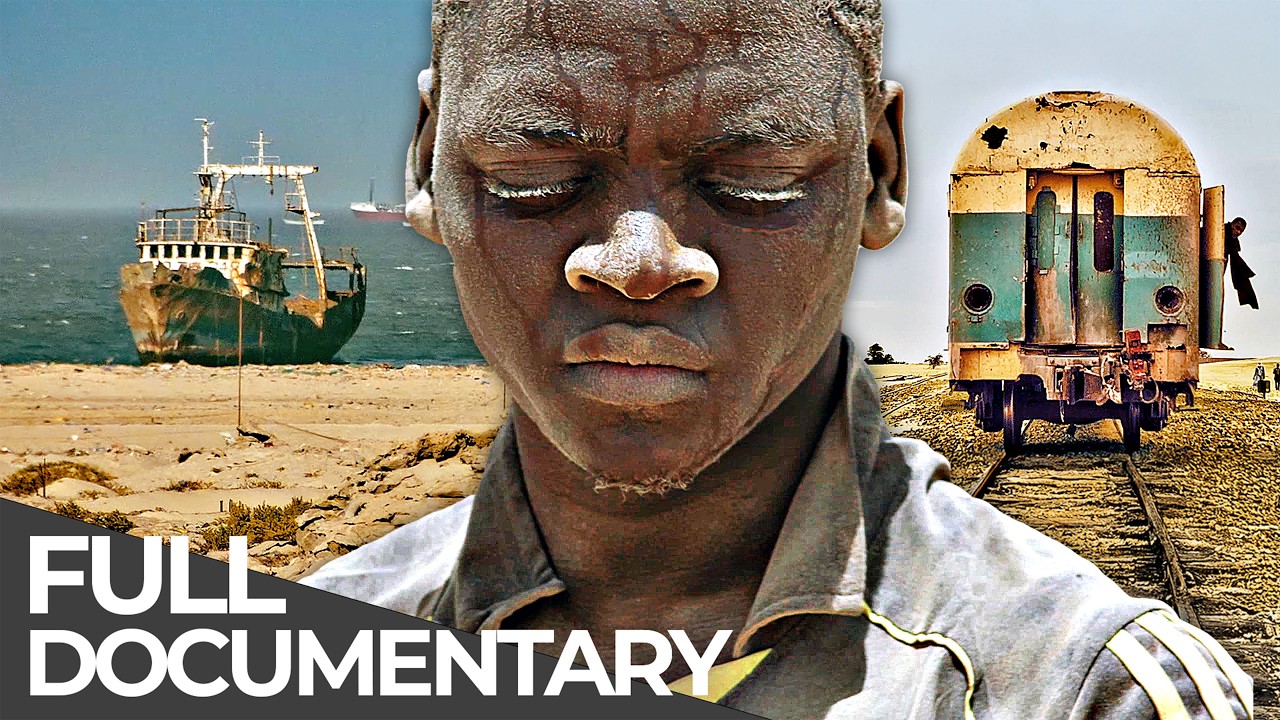
Inhabitants of the Sahara confront the challenges of migration, jihadism, and human trafficking as Bram Vermeulen traverses the desert from west to east.
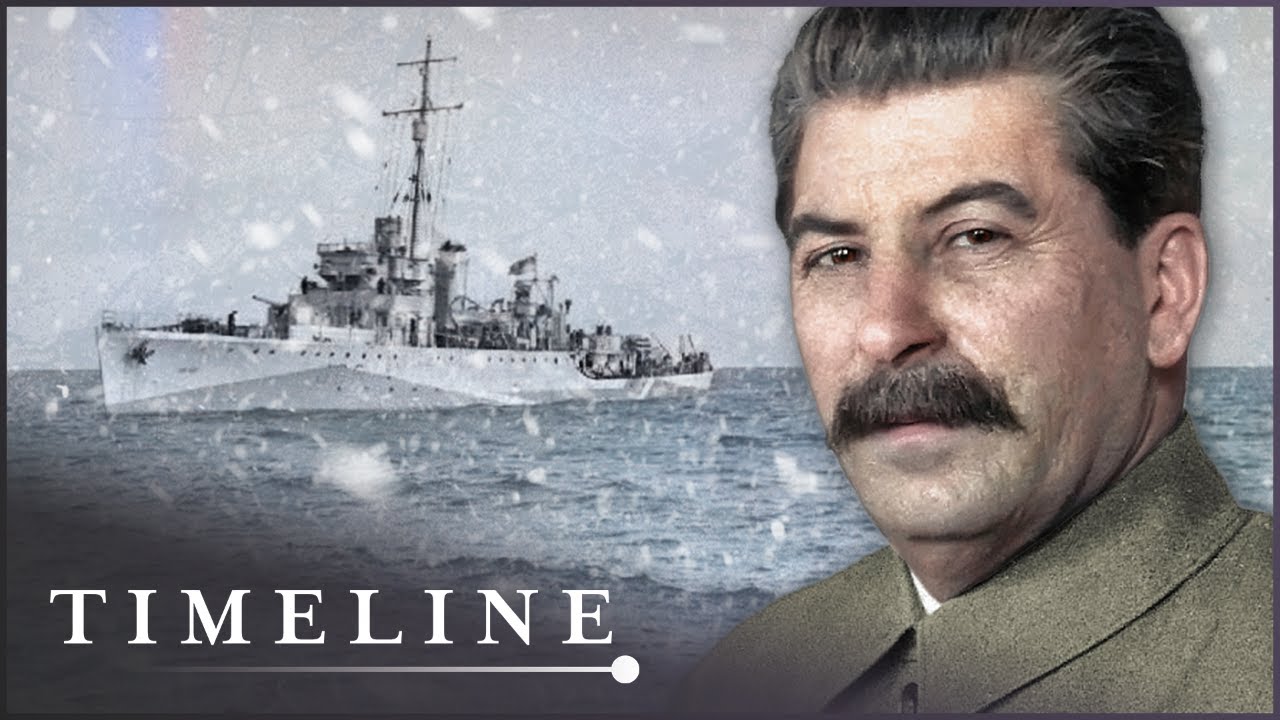
In August 1941, the Allies launched Operation Dervish to support the Soviet Union during WWII.
Human rights organizations estimate that 6 million people have died over 30 years of conflict in the eastern Democratic Republic of Congo.
Around 14,000 Allied soldiers, including 7,000 Americans, lost their lives in the fight for Papua New Guinea during World War II.
In June 1941, Hitler launched Operation Barbarossa, invading the Soviet Union across a thousand-mile front with the aim of quickly defeating Stalin.
The Russians prepared a total of five main defensive lines around Kursk, with the first two positioned just 10 to 12 miles apart.
At the onset of World War I, major powers like Germany, France, and Britain were equipped with advanced military technology, including artillery, ships, and aircraft, setting the stage for unprecedented conflict.
In 1915, the Ottoman Empire achieved a surprising victory over British forces at Gallipoli, highlighting strategic errors made by the West.
7,000 people died in the defense of Malta during World War II, a conflict that significantly influenced the outcome of the war in Europe.
After the battle of Kursk, Nazi Germany faced a disastrous retreat to Berlin, marked by Hitler's insistence on fighting to the last man despite mounting losses.
Dr. Mansour, the only veterinarian in the oasis of Bahariya, cares for the livestock of local farmers in Egypt's vast Sahara Desert.
One hundred seventy years of freedom is framed as the basis for America's fight against totalitarian regimes during World War II.
Carthage, once the dominant power of the Mediterranean, faced annihilation by Rome due to their intense rivalry as Rome expanded its influence.
Following the defeats at Stalingrad and Kursk, the Red Army launched a series of rapid and brutal offensives against the Wehrmacht during World War II.
On September 2, 1945, Japan signed the instrument of surrender aboard the USS Missouri, marking the end of World War II.
In February 1945, Stalin, Roosevelt, and Churchill met at the Yalta Conference to negotiate the post-war order, revealing a complex interplay of espionage and psychological tactics.
Five years after the arrests of Julian Assange and Chelsea Manning, journalists travel through Tajikistan discussing U.S. foreign policy and media influence.
Hitler's invasion of the Soviet Union, the Holocaust, and the Allies' denazification efforts highlight the brutal final acts of Nazi Germany and its aftermath.
Post-World War II Germany faced immense challenges, including occupation, famine, and the management of millions of refugees amid a devastated infrastructure.
The Vietnam War's origins are rooted in centuries of cultural and geopolitical tensions, from French colonialism to Ho Chi Minh's rise and Cold War ideologies.
In late September 1941, firsthand accounts from German doctors and Soviet civilians illustrate the brutal realities of Operation Typhoon and its impact on the Eastern Front.
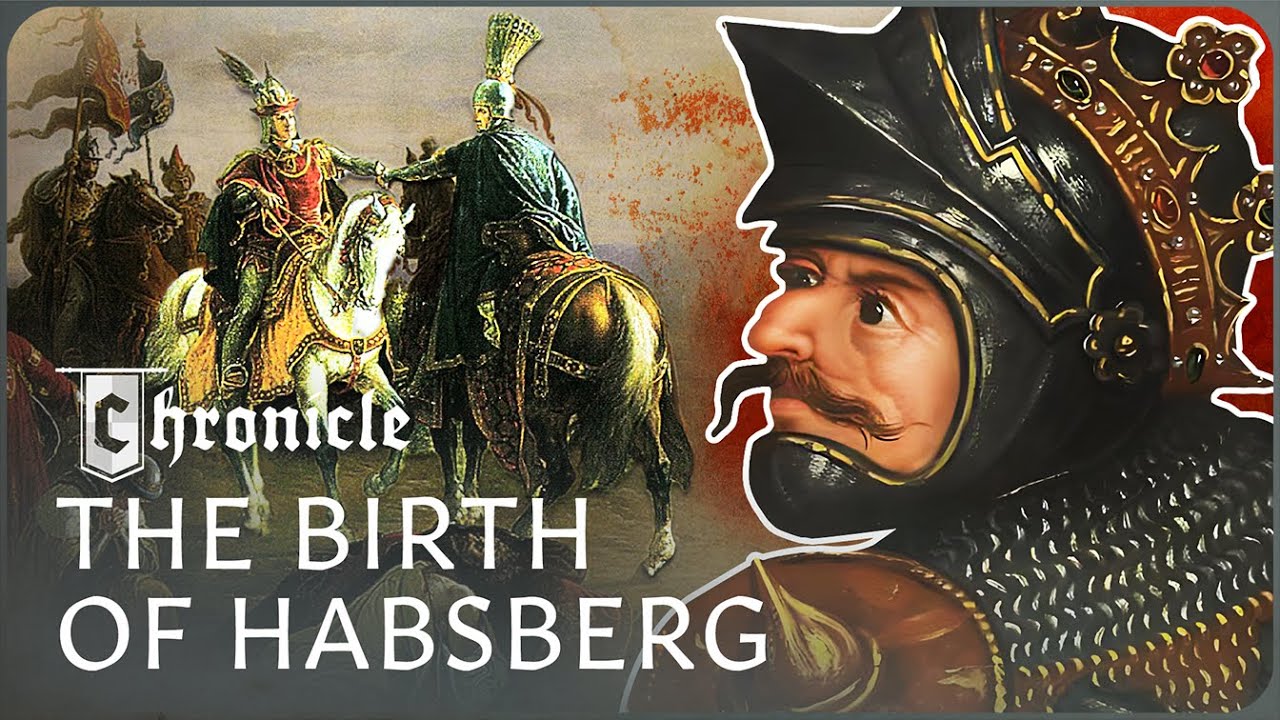
In 1278, the battle between Rudolph of Habsburg and Ottokar II in Eastern Austria marked a pivotal moment in European power dynamics, establishing Habsburg dominance.
Sudan, ancient Nubia, holds many unique treasures yet remains isolated from the world.
More than 30,000 East Germans fled to the West in the late 1980s, prompting massive uprisings and significant political changes in Eastern Europe.
Japan's attack on Pearl Harbor on December 7, 1941, marked a pivotal moment that led to America's entry into World War II and altered the course of the conflict.
In June 1967, Israel's strategic preemptive strikes and leadership under Moshe Dayan led to a swift victory over Egypt, Jordan, and Syria in the Six-Day War.
In 701 BC, the Assyrian army's potential success in besieging Jerusalem could have led to the extinction of Judaism and altered the development of Christianity and Islam.
Malta's strategic significance during World War II is highlighted through its relentless defense against Axis bombardments and its vital role in maintaining supply lines.
The Naham 3 hostage situation illustrates the complexities of modern piracy, as 29 fishermen are held captive by Somali pirates for nearly five years.
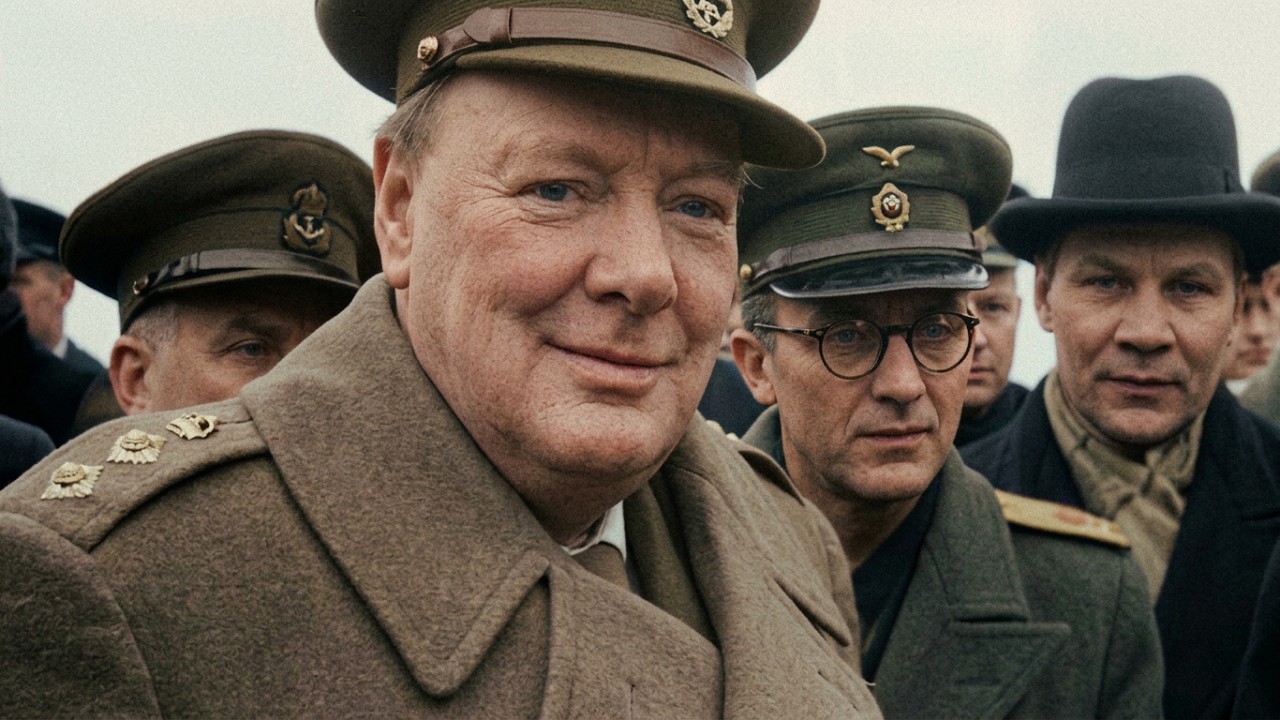
In 1940, Adolf Hitler and Winston Churchill engaged in a fierce war of words, with each leader's propaganda portraying the other as a tyrant bent on destruction.
The Mediterranean theatre played a crucial role in World War II by serving as a vital supply route and drawing German resources away from other fronts.
In 1918, Germany launched the Kaiserschlacht offensive on the Western Front, aiming for a decisive victory before American forces could impact the war.
23 years as a comedian and television host preceded Volodymyr Zelensky's election as Ukraine's president in 2019 and his rise to global prominence in 2022.
On May 10, 1940, Winston Churchill assumed the role of Prime Minister as Germany launched its offensive into Western Europe.
In January 2019, China's Chang'e 4 mission to the far side of the Moon reignited global interest in lunar exploration, prompting a new space race involving NASA's Artemis program and international collaborations.
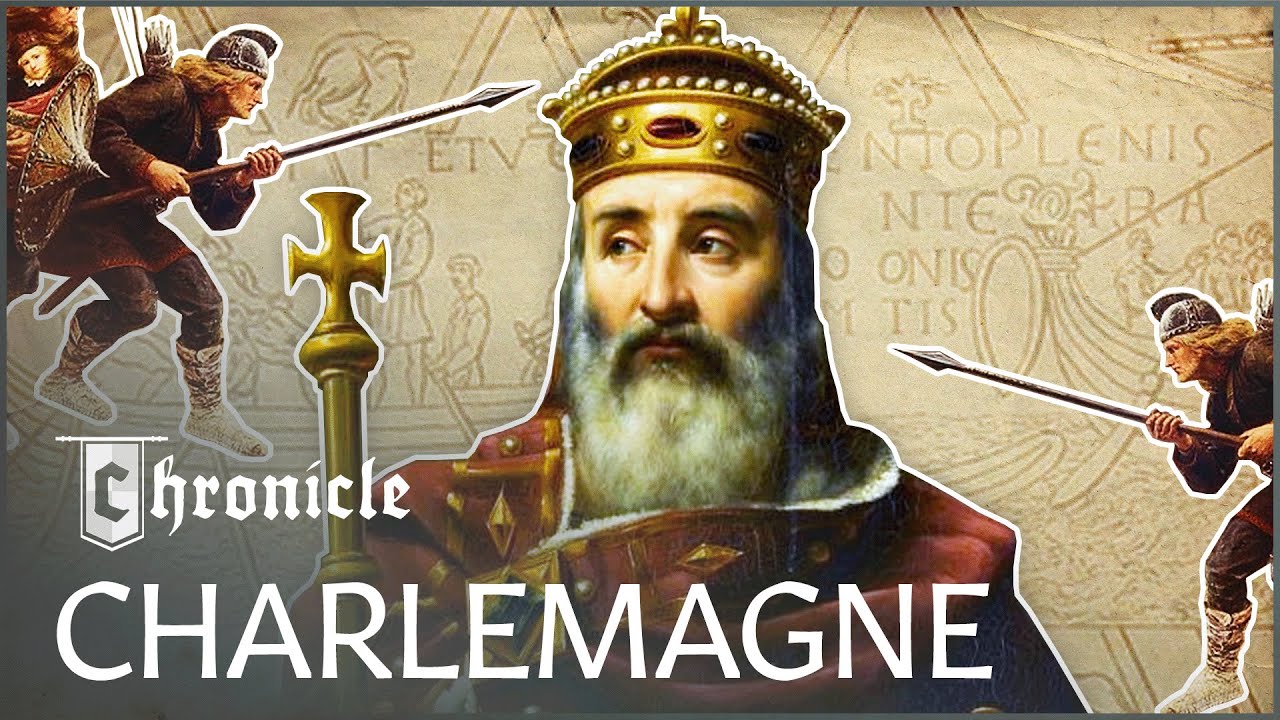
Charlemagne, the Frankish emperor, confronts Viking raids on Northern Europe, highlighting the clash of religion, power, and empire during this turbulent period.
Two brothers fled Tibet 30 years ago, one killed in an ambush, while the other now returns to his homeland after decades in exile.
The aftermath of World War II saw the liberation of Nazi death camps, violent reprisals against collaborators in France, and the mass displacement of millions across Europe and Asia.
As Allied forces advanced on Berlin, Nazi Germany faced the consequences of its defeat, leading to the dismantling and punishment of Hitler's regime.
The Greco-Persian Wars began in 499 BCE when a small band of Greek warriors prepared to battle a much larger Persian army in Asia Minor.