From over 100,000 films, discover the handful you'll love.
Free or premium access to the world's largest documentary library.
538 films(Page 9 of 12)
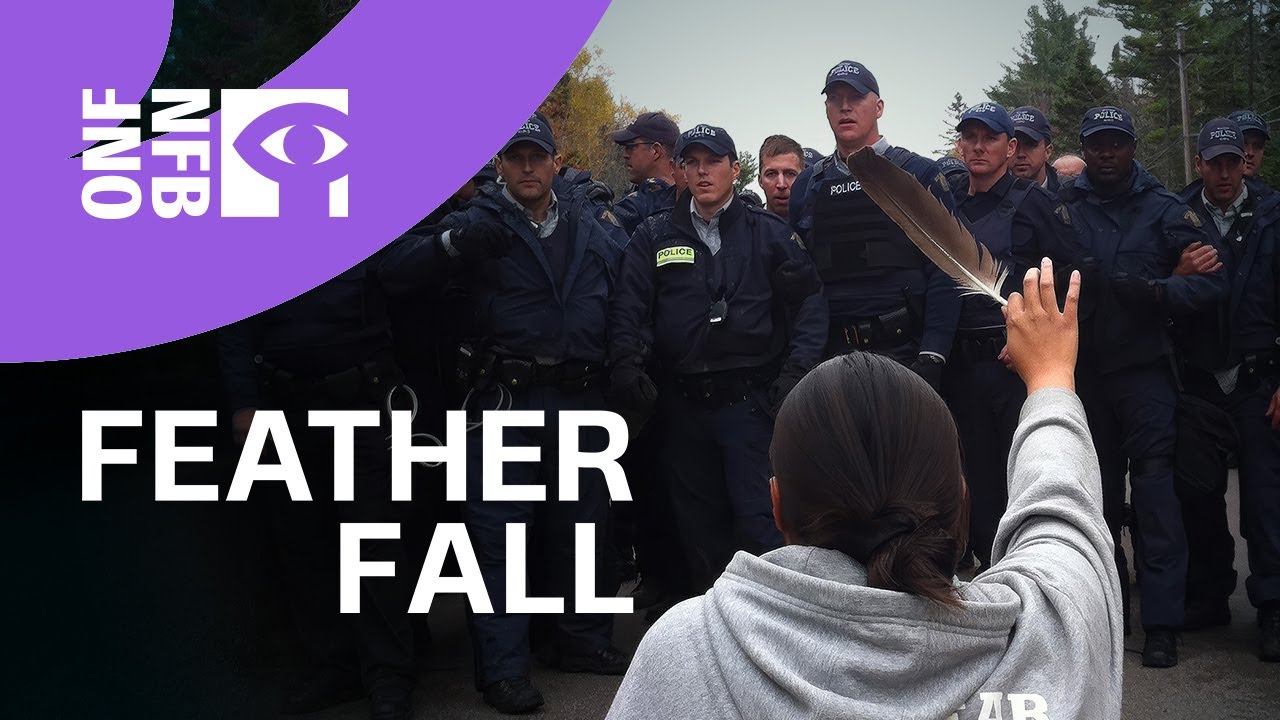
In Elsipogtog, Indigenous journalist Ossie Michelin revisits the community ten years after a historic protest against oil giant SWN, reflecting on its lasting impact.
Lydia, a soil microbiologist in Tucson, engages with fellow runner Alfred Urbina to address environmental damage from mining and its impact on Native communities.
Smartphones have rapidly evolved into the fastest growing industry in history, showcasing remarkable advancements and surprising statistics about their capabilities.
A West African man travels from Senegal to South America, Europe, and East Africa, exploring innovative waste management solutions and community practices.
Mineral extraction has shaped human history, from Tutankhamun’s iron dagger to the coltan essential for smartphones, influencing technological revolutions worldwide.
In two years, the Civilian Conservation Corps employed hundreds of thousands of young men to restore and develop America's natural resources during the Great Depression.
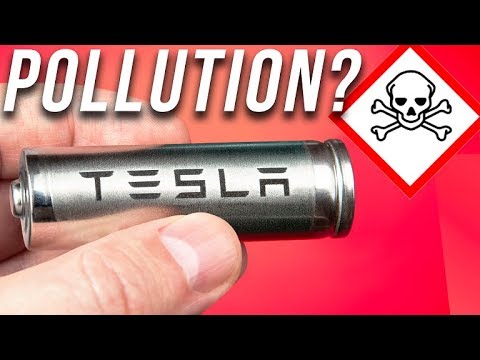
Lithium ion battery recycling is examined in relation to the environmental challenges posed by the impending battery revolution.
Since 2009, poachers have killed around 100 helmeted hornbills each year to sell on the black market, pushing the species closer to extinction.
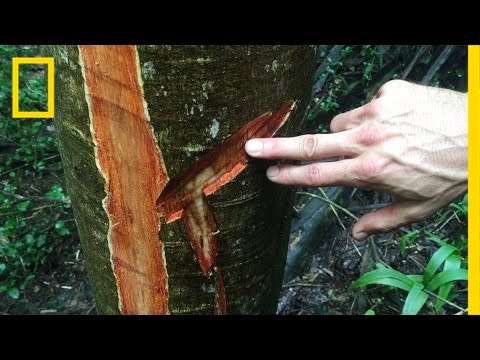
In Thailand's Thap Lan National Park, rangers confront the escalating threat of rosewood trafficking as poachers devastate forests in pursuit of lucrative timber.
A sniffer dog at a border checkpoint identifies a potentially deadly threat, highlighting the critical role of trained animals in ensuring safety.
A tower in Cameroon can collect and filter up to 25,000 liters of rainwater, providing clean drinking water to vulnerable communities.
54 young men are rescued from the Spanish Sea while migrants in southern Spain face harsh working conditions and refugees in Germany seek family reunification.
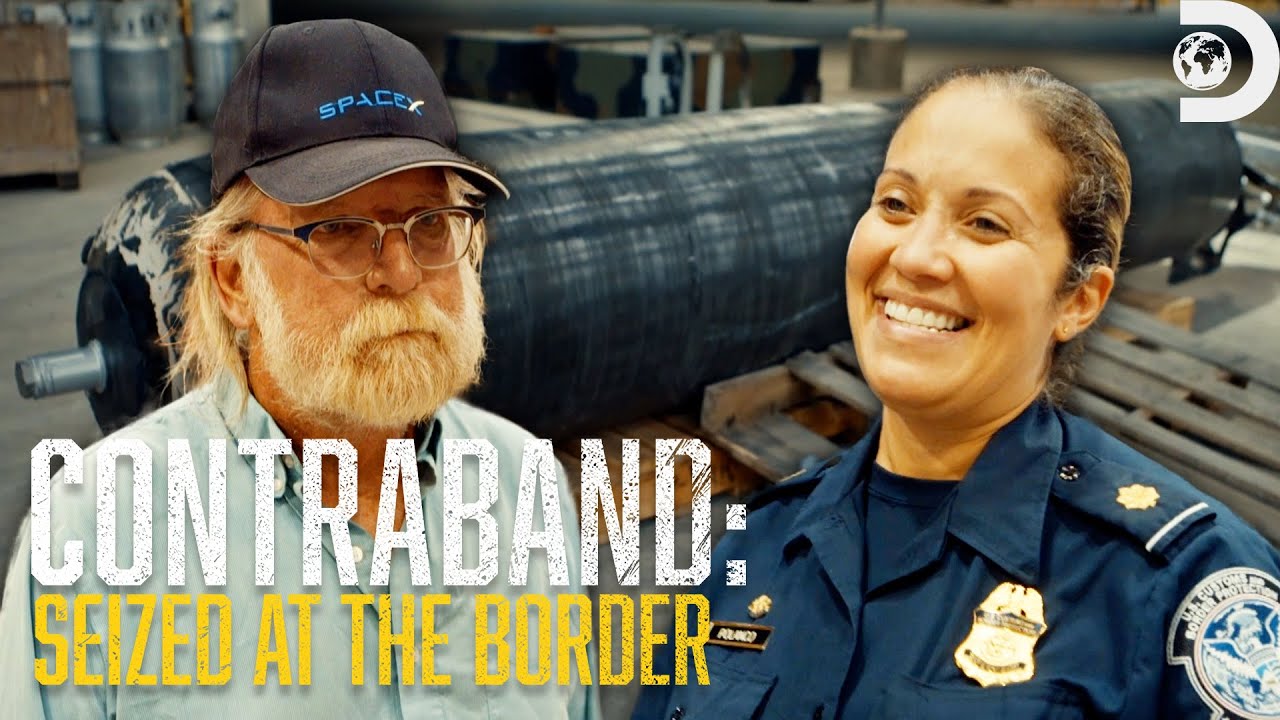
71-year-old Ron Parker is detained by U.S. Border Patrol while transporting a carbon fiber fuel tank from a SpaceX Starship rocket he bought for $1,850.
Lucilla's son suffers from lung disease, which she blames on the nearby coal mine owned by international corporations.
Josh Ewing's relocation to Bluff, Utah, ignites his commitment to conservation as he confronts environmental threats from proposed oil and gas leases near Monument Valley.
500 miles remain in a challenging hike through the Grand Canyon as winter conditions threaten food supplies and safety.
Chile's salmon industry, the second largest, faces criticism for its environmental impact.
In Bhutan, a country that prioritizes Gross National Happiness over GDP, Nils explores how individuals can shift their consumer habits to preserve nature.
Gold mining activities in Ecuador threaten a local town, raising concerns about environmental damage and social disruption.
A 3,500-foot climb along the Walter Powell Trail tests the limits of hikers Kevin Fedarko and Pete McBride in the Grand Canyon's rugged terrain.
Artificial light is erasing stars, disrupting wildlife, and impacting human health, highlighting the urgent need to address light pollution in urban areas.
Microplastics are increasingly found in the human body, raising significant health concerns and prompting discussions on potential mitigation strategies.
Sand dredging in Cambodia's mangrove forests, driven by Singapore's demand for land expansion, threatens the home and livelihood of islander Phalla Vy.
Wildlife tourism accounts for 10-20% of the global tourism industry, yet many animals suffer in captivity under harsh conditions.
In London, Dan O'Neill investigates the illegal wildlife trade by touring the Metropolitan Police's 'Dead Shed' with Detective Constable Sarah Bailey, examining confiscated items.
A recent study found that several million euros worth of red coral is sold illegally every year, often via southern Italy.
Côte d'Ivoire, the world's largest cocoa producer, faces a crisis as over 100,000 tonnes of cocoa are smuggled out, impacting local farmers and prompting government action.
Kasha Clay collaborates with the National Academy of Sciences to document oral histories of elders from the United Houma Nation as their land disappears.
60 butterflies take flight in Louisiana as Indigenous women fight against fossil fuel companies threatening their land and way of life.
Each day, legionnaires at a checkpoint in French Guiana stop ten to fifteen vehicles to combat illegal gold mining in the rainforest.
More than 4 billion years ago, heavy elements were pushed to Earth's center, leaving its crust largely devoid of precious metals found in asteroids.
Six pangolins are rescued from a market in Nigeria, where poaching has surged due to rising demand for their scales and meat.
Fishermen at Lake Balkhash are allowed to catch up to 100 tons of fish a year, but many return home with nearly empty boats.
China's increasing investment in the Arctic, driven by climate change and new economic opportunities, highlights its strategic interests in the region.
Ghana becomes a global dumpster for fast fashion, receiving 11 million pounds weekly.
A young woman's suspicious bag contents raise alarms at customs, while a group of fishermen faces questioning in the South Pacific.
Canada's First Nations protest against fish farms, aiming to protect local ecosystems and their traditional ways of life.
531 megawatts is the amount of electricity the Alto Maipo hydroelectric project aims to contribute to Chile's central electric system.
32 hectares of garbage near Moscow create unbearable air quality for residents, forcing some families to relocate to escape the pollution.
In Bosnia and Herzegovina, Serbs, Croats, and Bosniaks unite against small dam constructions on the country's free-flowing rivers, achieving a legal victory in July.
Over 65% of King Island residents oppose the expansion of the fish farming industry, citing concerns about environmental degradation and local culture.
Apple Inc. may owe Italy around one billion euros in back taxes due to its financial practices and tax agreements with Ireland.
Over 77% of Mongolia's territory suffers from desertification, largely due to the environmental impact of increased cashmere production.
Ebenezer "Stooge", a power company CEO, faces a critical reassessment of his motto on energy waste after encounters with the spirits of Energy Past, Present, and Future.
Toxic waste dumping in Somalia costs just $2.50 per tonne, harming local communities.
Irina leads protests against a massive garbage dump near Moscow, risking arrest for her activism.
Thirty thousand people work as scavengers in the coal mines of Jharia, where toxic fumes and illegal conditions threaten their health and safety.
From 1961 to 1971, the US military sprayed 72 million liters of Agent Orange in Vietnam, causing severe health issues that persist today.