From over 100,000 films, discover the handful you'll love.
Free or premium access to the world's largest documentary library.
538 films(Page 8 of 12)
Protesters in Rossport oppose Shell's controversial gas pipeline project amid local concerns.
In July 2001, Soviet leaders' actions lead to the Aral Sea's environmental disaster.
Between 50,000 and 100,000 illegal miners work in perilous conditions on Bangka Island, contributing to Indonesia's status as the world's largest tin exporter.
Mount Vernon, New York faces a sewage crisis impacting residents' health and homes.
Every year, almost 4 million tons of electronic waste arrives at Karachi's harbor, contributing to a toxic recycling industry that employs around 150,000 people.
Every year, the Dutch government spends 6 million euros on clean-up operations for toxic waste from illegal drug production.
In Vietnam, doctors report that Agent Orange, a toxic herbicide used by US forces during the war, is causing severe health issues in a new generation of children.
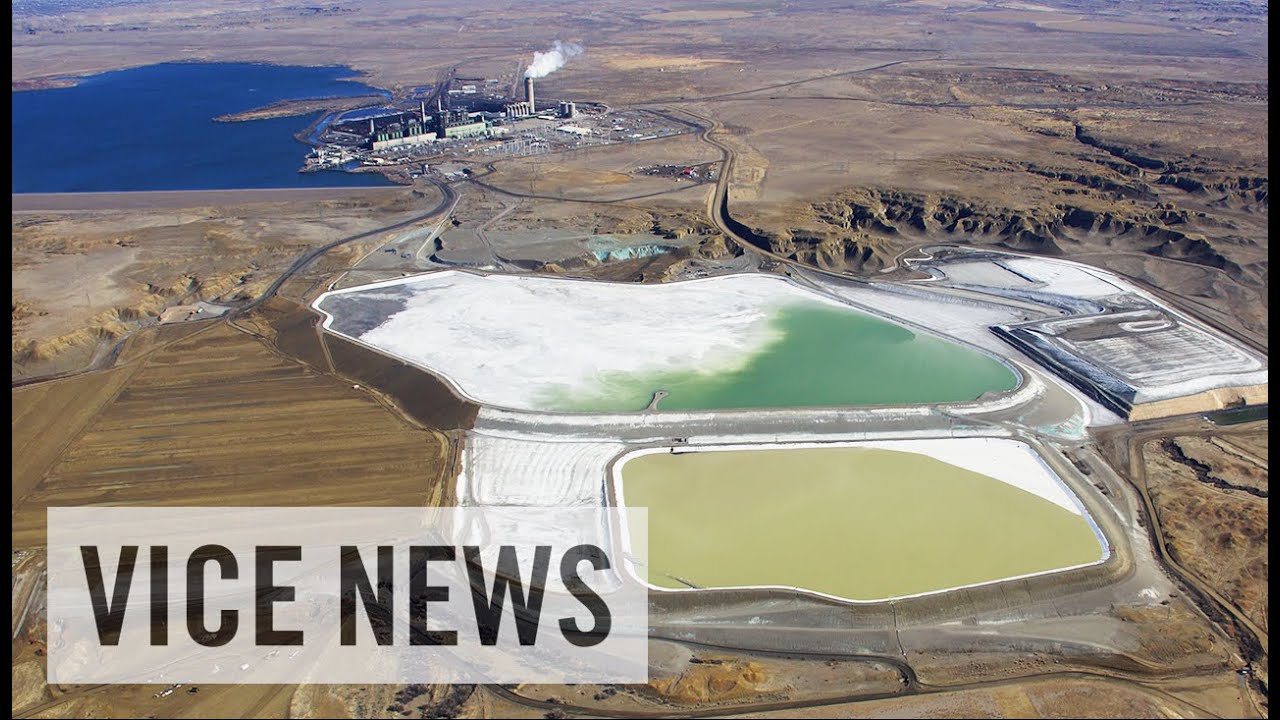
Residents of Juliette, Georgia, drink from wells that tap into an aquifer containing an ash pond storing decades of waste from the nearby coal plant.
Barron Partlow documents the wastewater crisis at Goat Canyon affecting the United States.
A group of environmental activists employs drones and FLIR cameras to document corporate polluters in an effort to enforce accountability and protect ecosystems.
Operation Avalanche highlights efforts to keep the Alps safe for tourists in Austria.
Curtis Shuck, a retired oil executive, leads efforts to plug abandoned wells in north central Montana through the Well Done Foundation to reduce methane emissions.
The Chicago river's recovery leads to a lawsuit against the Trump Organization in Illinois.
Cobalt mining in the Democratic Republic of Congo, particularly in Kolwezi, raises significant health concerns as it fuels the global demand for electric vehicles.
2,000 miles separate the Alberta tar sands from Chicago, yet petroleum coke dust from a nearby facility impacts the city's Southeast side neighborhoods.
The Dan River spill reveals the dangers of coal ash and its impact on North Carolina's water supply.
The Compania Guatemalteca's nickel mine threatens the indigenous Maya Q'Eqchi in Guatemala.
Cancun Cancer reveals the dark side of Spring Break and its impact on local communities.
China's investment in Latin America and the Caribbean reached nearly 16 billion dollars last year, significantly impacting Guyana's natural resources.
The Crimes Investigation Unit targets illegal ivory sales in Queens, New York City.
A Danish eco-terrorist, wanted for burning down two oil refineries, complicates the Journeyman team's efforts to secure a missing film for French TV.
In 2021, 33 environmentalists were murdered in Colombia, where protecting nature can lead to deadly consequences for activists like Gonzalo Cardona.
A German Court allows cities to ban heavily polluting diesel cars, affecting Stuttgart and automakers.
California regulators scramble to make rules addressing marijuana's pesticide problem.
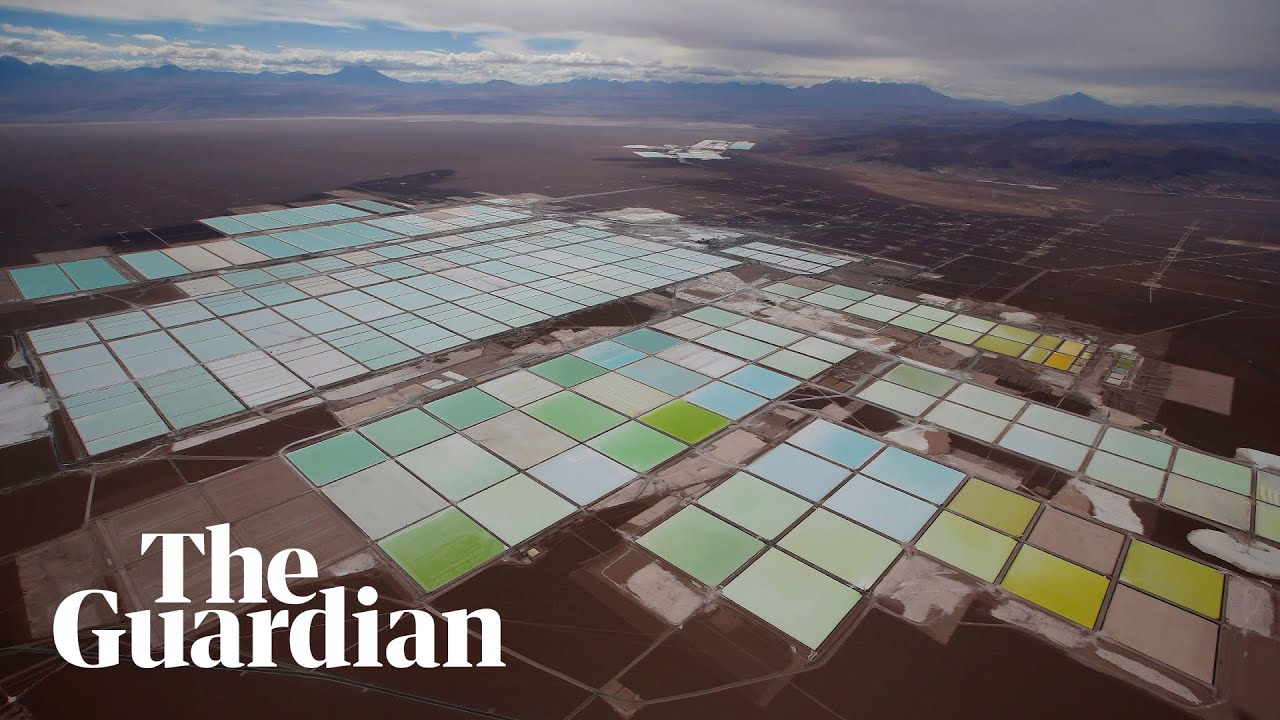
Sonia Ramos protests lithium mining in Chile's Atacama Desert, citing environmental destruction.
Sand, a crucial component in everyday items and construction, faces alarming depletion due to excessive consumption and environmental degradation worldwide.
Pripyat, Ukraine, once home to 50,000 residents, remains a stark reminder of the Chernobyl disaster, showcasing ongoing cleanup efforts and its long-term implications.
Mount Rainier in Washington State is a recognized landmark and a national park since 1899.
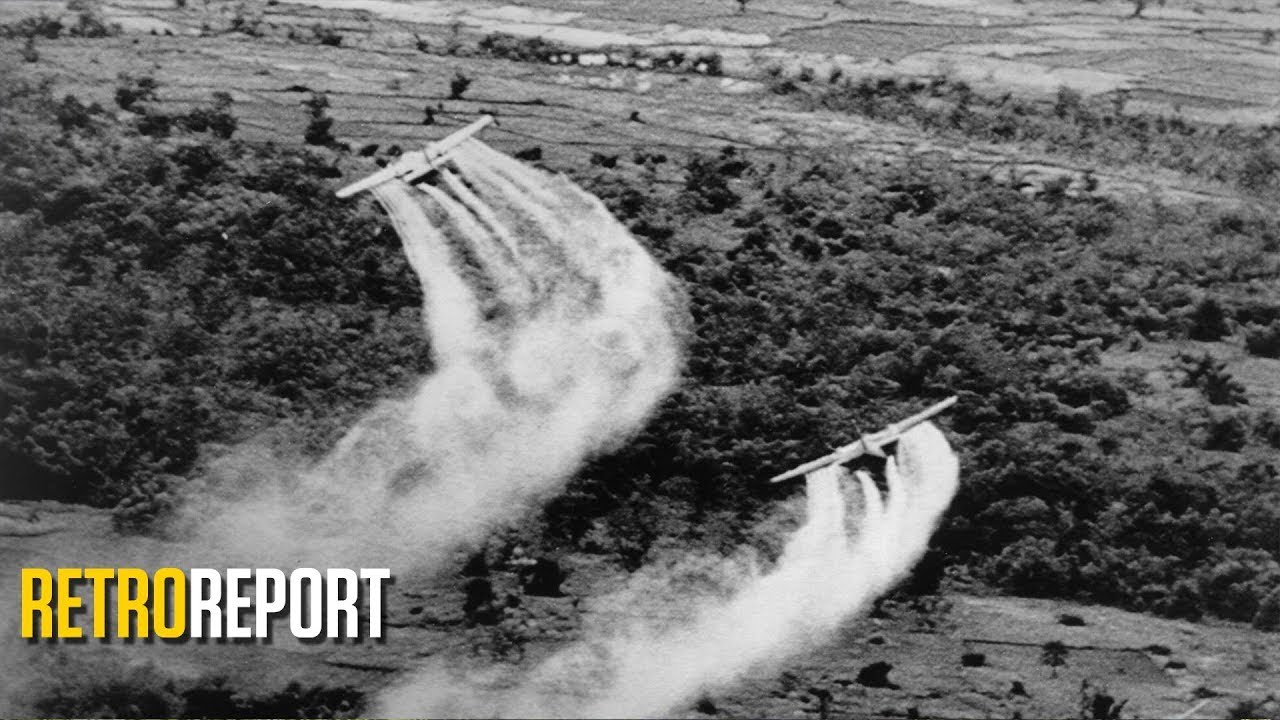
Agent Orange, a defoliant used during the Vietnam War, continues to impact American veterans and Vietnamese citizens through long-term health effects and environmental damage.
In 2022, 443 commercial ships and offshore units were sold for scrap, with more than a third ending up in Bangladesh's hazardous shipbreaking yards.
Five whistleblowers reveal how ships illegally dump toxic bilge water into the ocean, contributing to severe environmental damage.
Evidence suggests that a fire in the coal bunker may have compromised the Titanic's structure, contributing to its sinking on April 15, 1912.
In 1903, President Teddy Roosevelt spent three days in Yosemite with conservationist John Muir, leading to the protection of Yosemite Valley and the creation of five national parks.
41 new coal mining blocks covering 470 square kilometers were announced in India in June 2020, displacing local communities and damaging the environment.
In Galicia, Spain, a Supreme Court ruling in July 2025 affirmed that pollution from industrial livestock farms violates residents' rights to a healthy environment.
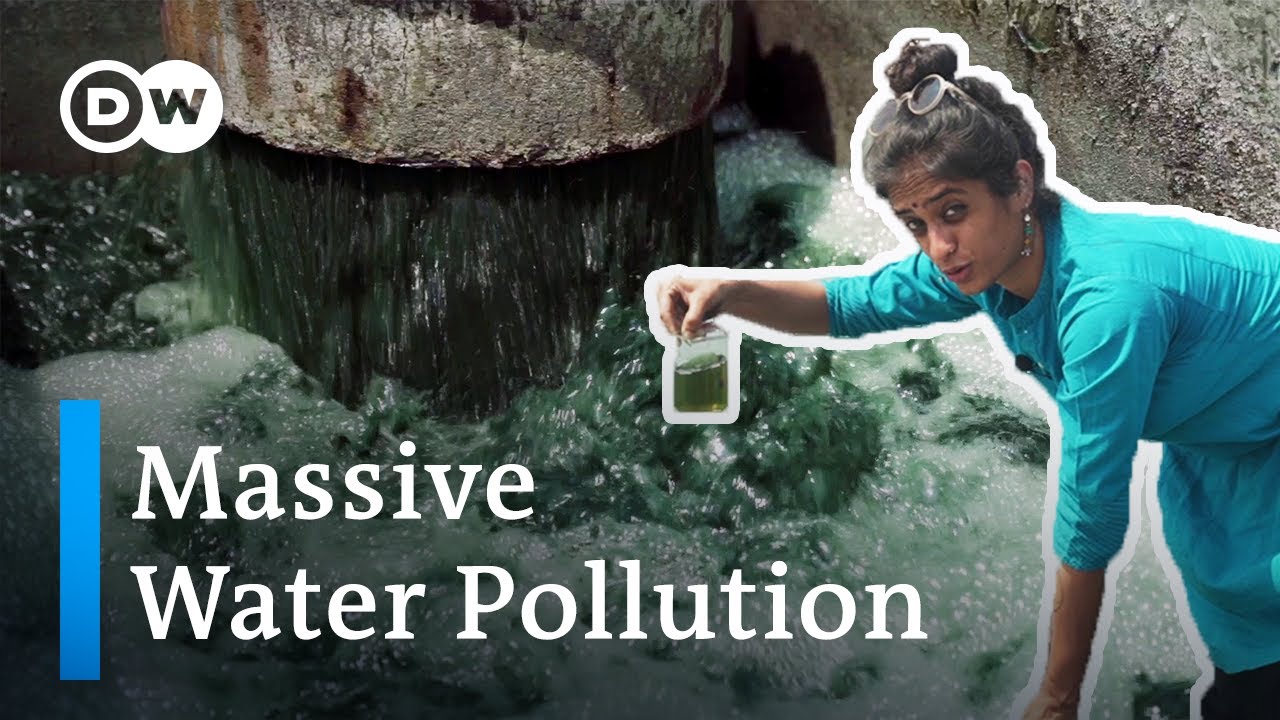
250 billion rupees, or nearly 3 billion euros, is generated annually by Tirupur's textile industry, which heavily pollutes the Noyyal River.
A surge of affordable electric vehicles from China poses a threat to European industry, prompting Dr Peter Tom Jones to advocate for sustainable mining practices across the Nordic countries.
More than 2,000 contaminated sites in the U.S. pollute the drinking water of an estimated 200 million people with PFAS, or "forever chemicals."
Harita Nickel, one of the largest nickel mining companies, contaminated waters on Obi Island with toxic heavy metals while misleading investors during a $660 million IPO.
1500 species of sea cucumbers are trafficked globally, with a black market in India valued at $200 million threatening marine ecosystems and local communities.
The Mississippi River, a vital resource for power and wildlife, also conceals approximately 10,000 bodies and poses significant flooding risks to surrounding communities.
Billions of euros in illegal hydrofluorocarbons (HFCs) are smuggled into Europe, posing significant environmental threats and challenging law enforcement efforts.
The Pacific Northwest risks a major earthquake, threatening the Columbia River and local environments.
Buying clothes has never been easier, leading to significant waste at Savanna Rags in Nottingham.
Rare Earths Norway plans to extract 10,000 meters of core samples from the Fen deposit, which contains Europe's largest known source of rare earth elements.
In 1978, the Love Canal disaster in Niagara Falls, New York, highlighted the dangers of toxic waste exposure and sparked a national environmental movement.
People normally use between 10 and 17 personal care products every day, many of which contain petrochemicals derived from fossil fuels.
Less than 9% of all plastic ever produced has been recycled, revealing the failures of the global plastic waste management system.