From over 100,000 films, discover the handful you'll love.
Free or premium access to the world's largest documentary library.
538 films(Page 2 of 12)
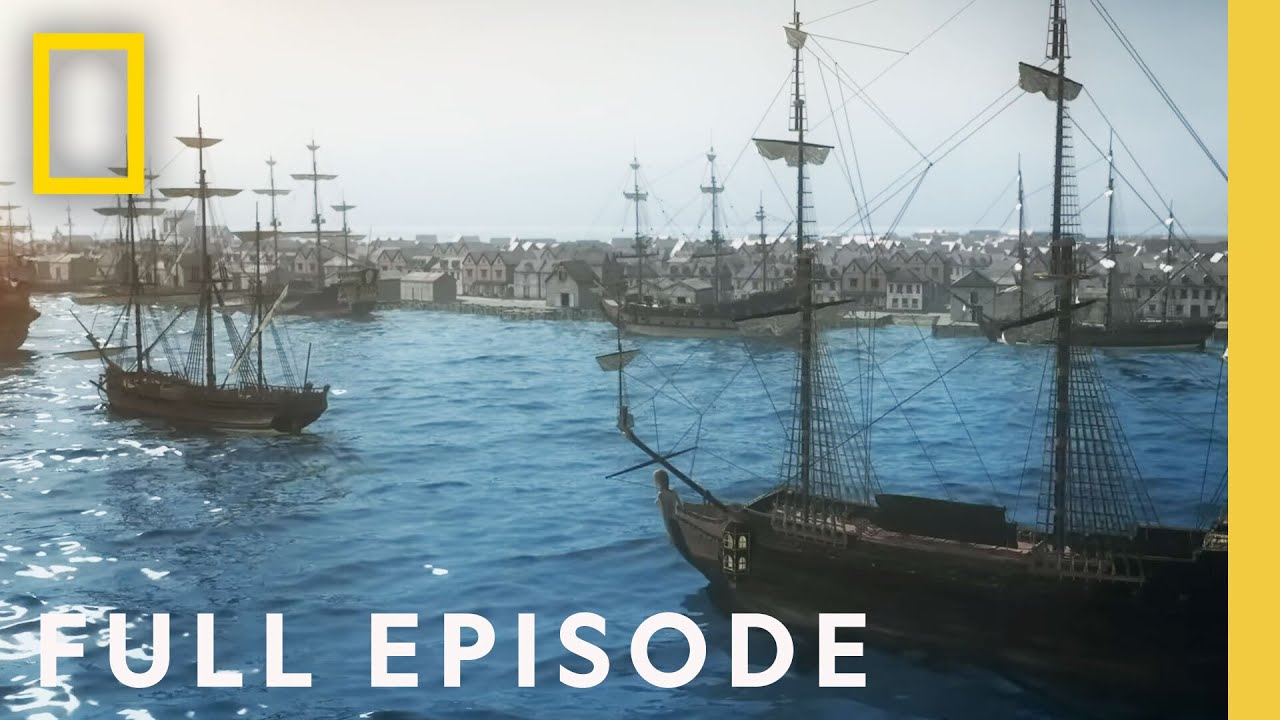
On June 7, 1692, a massive earthquake destroyed two-thirds of Port Royal, sending the city to the ocean floor in just two minutes.
Orca whales along the Pacific Coast are facing extinction due to declining chinook salmon populations, exacerbated by four dams disrupting their habitat.
On August 14, 2018, the Morandi Bridge in Genoa collapses, sending vehicles and debris 50 meters to the ground and resulting in the deaths of 43 people.
Over the past 50 to 60 years, many rivers in central Europe have been irreparably harmed, leaving a generation without experience of a living river.
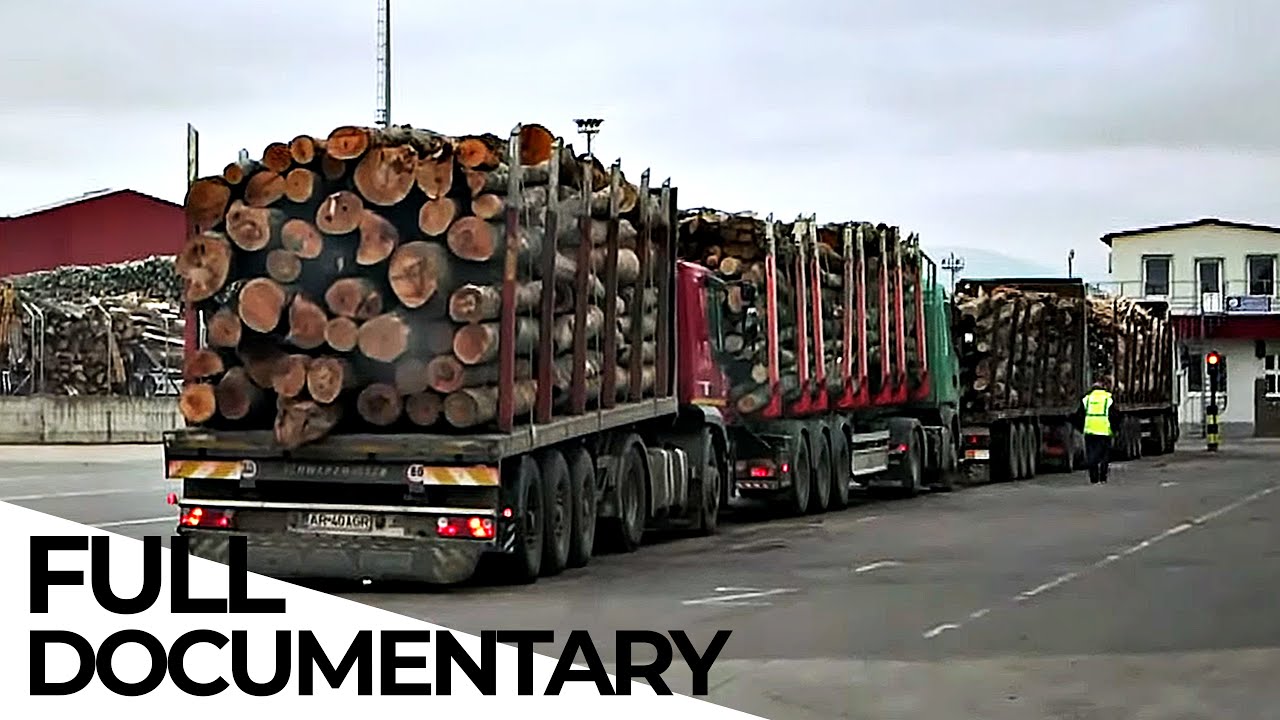
15 to 30% of wood sold globally is estimated to be of illegal origin, often sourced from trees felled without permits or in prohibited zones.
Prince William, the Prince of Wales, balances royal duties, charitable work through The Royal Foundation, and family life as the heir to the British throne.
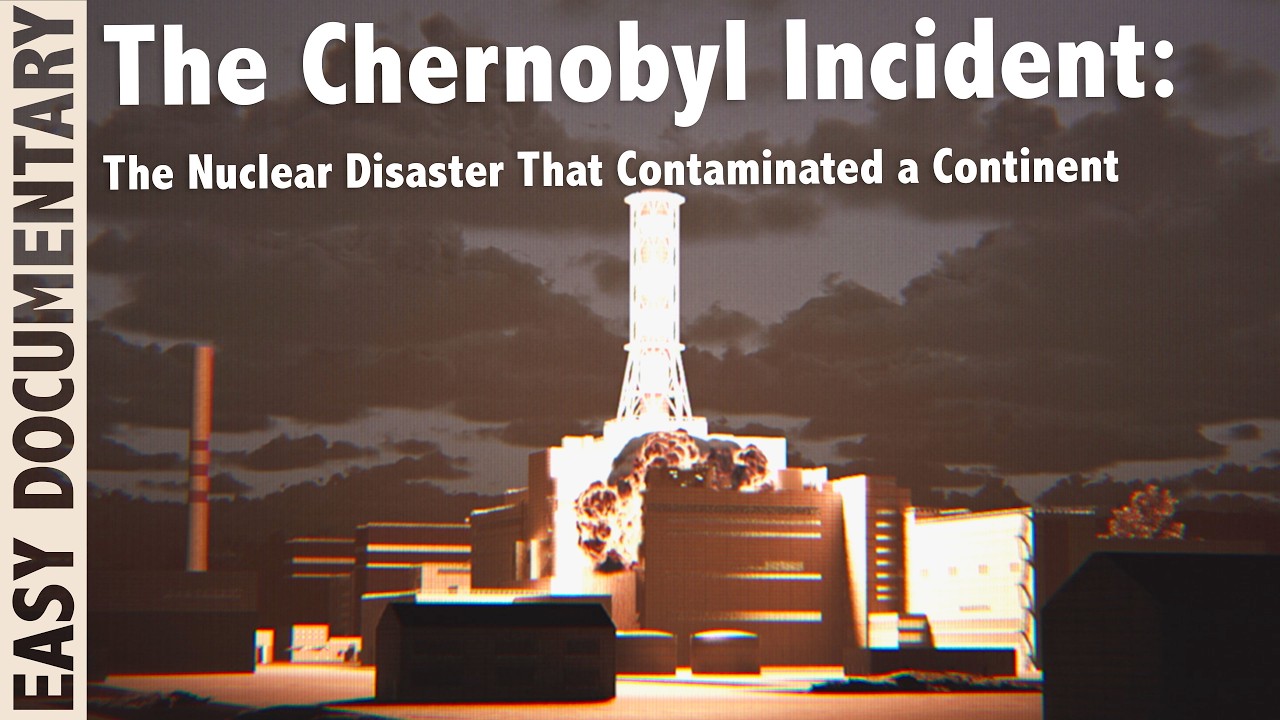
On April 26, 1986, Reactor No. 4 at the Chernobyl Nuclear Power Plant exploded, releasing vast amounts of radiation across Europe and leading to a controversial cover-up by the Soviet Union.
Chernobyl and Fukushima exclusion zones illustrate the enduring impact of nuclear disasters on the environment and the lives of communities in contaminated areas.
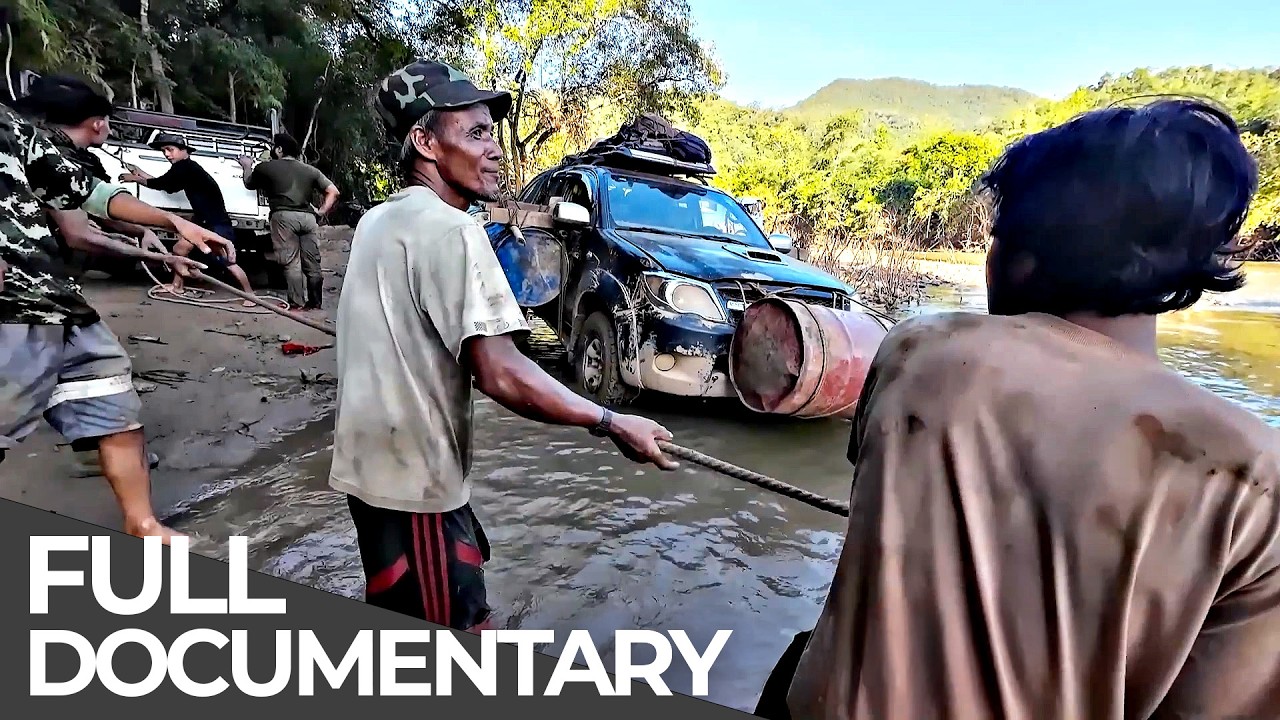
Gold production in Latin America reveals a stark contrast between luxury retail and the horrific conditions faced by miners, highlighting urgent ethical concerns.
2,000 liters of gasoline and three tons of diesel oil are loaded into a canoe to support a gold mining expedition deep in the Amazon jungle.
Captain Francesco Schettino faces intense scrutiny following the chaos and confusion of the Costa Concordia disaster, which highlights the complexities of maritime safety.
A 63-year-old nomad prepares her animals for a three-week migration covering hundreds of kilometers to the Anatolian highlands.
Tin miners in Indonesia face perilous conditions for minimal pay, while Bolivia's Death Road poses deadly risks for travelers, and construction progresses on Europe's longest suspension footbridge.
Only one in a thousand streams in Germany remains intact, as 94% of flowing waters have lost their native animal species.
In the Table Mountain region, baboons have become notorious for car break-ins and restaurant raids, prompting intervention from local authorities and scientists.
Luxury golf resorts in Croatia, Dubai, and China face scrutiny for their environmental impact, as highlighted by Anthony Baxter and interviews with Alec Baldwin and Robert Kennedy, Jr.
In the United States, approximately 5,000 privately owned tigers exist, raising concerns about the ethics and regulations surrounding the captive tiger trade.
In 2022, 2.9 million tons of scrap from ships were dismantled in Chittagong's shipbreaking yards, contributing to severe environmental pollution.
Natural disasters such as tsunamis, volcanic eruptions, and forest fires are interconnected phenomena that act as climate regulators, revealing a complex natural world.
Seven wilderness study areas were designated in the Red Desert after local activists marked potential sites on a topo map in the late 1970s.
Wildlife investigator Ivan Carter collaborates with Kruger National Park rangers to track down poachers responsible for the brutal killing of an elephant for its ivory.
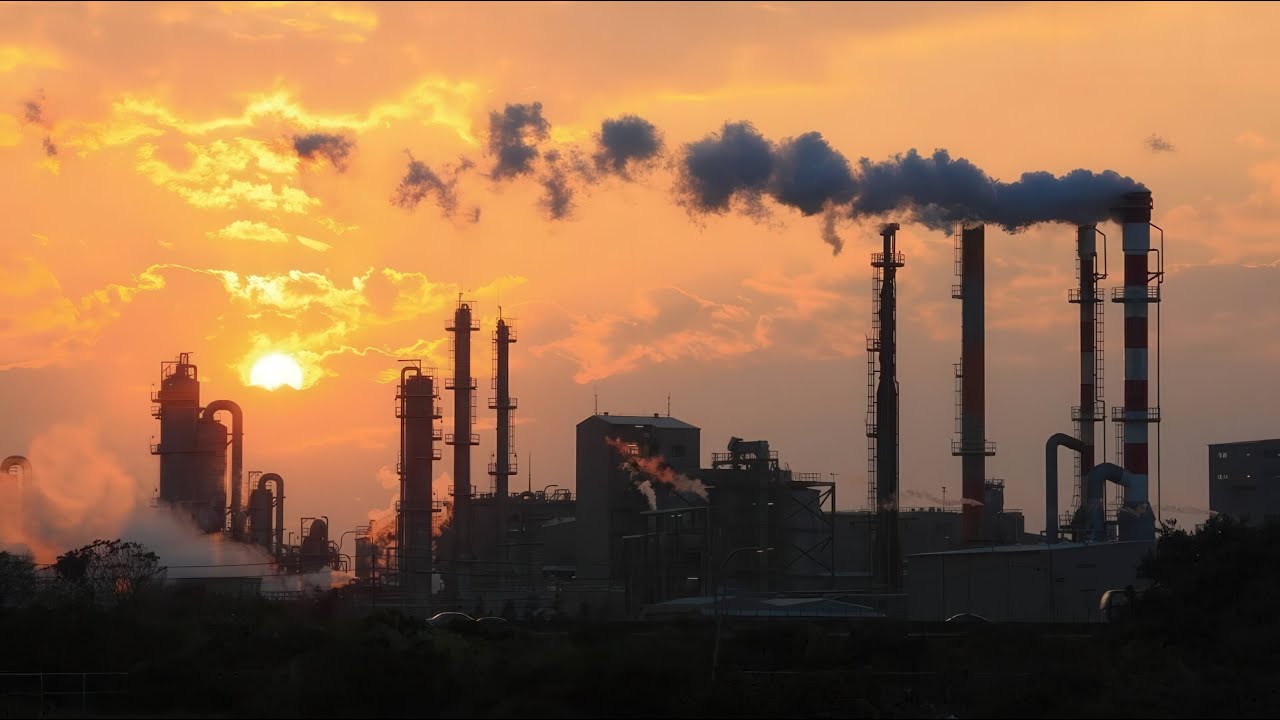
Norilsk is the world's most isolated and toxic city, showcasing extreme pollution and harsh living conditions.
In the Democratic Republic of Congo, wildlife investigator Ivan Carter joins park rangers in their efforts to combat illegal poaching of Grauer’s gorillas.
In the Trans-Pecos region of the Chihuahuan Desert, Patrick McMillan explores diverse landscapes and encounters unique wildlife, including North America's largest spider and the Javelina.
Every year, 500,000 Europeans die prematurely due to air pollution, with coal being a significant contributor to this crisis.
Manganese nodules, found at depths of four kilometers in the Pacific, are considered a potential new source of metals for modern technology.
More than 15,000 small businesses in New Orleans faced significant challenges in the aftermath of Hurricane Katrina's devastation in 2005.
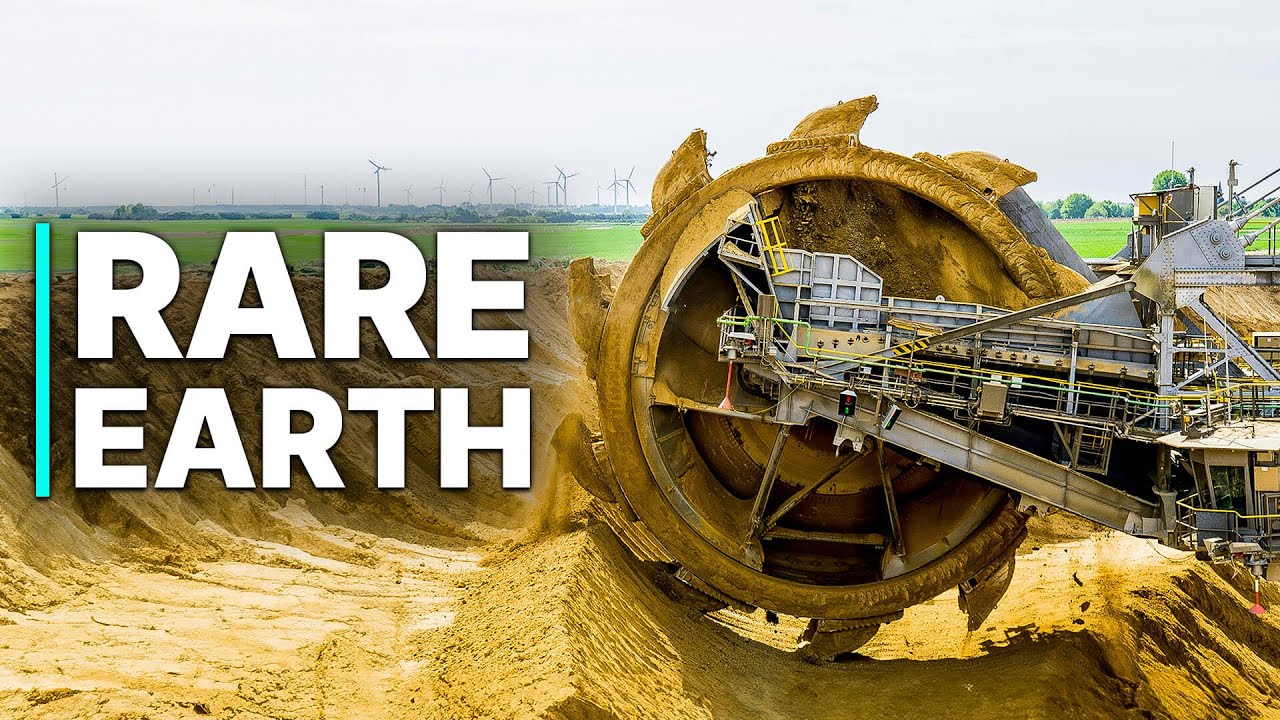
97% of the world's supply of rare earths is mined in China, where these elements are crucial for producing smartphones, electric vehicles, and wind turbines.
Dow Chemical, with an annual turnover of $48 billion, conducted secret tests on prisoners in the late 1960s, exposing them to dangerous chemicals.
In Assam, the last operation to capture elephants for forestry work is documented, highlighting a practice now banned by the Indian government.
Social media platforms like Facebook are facilitating a billion-dollar illegal exotic pet trade in Malaysia, threatening endangered species and biodiversity.
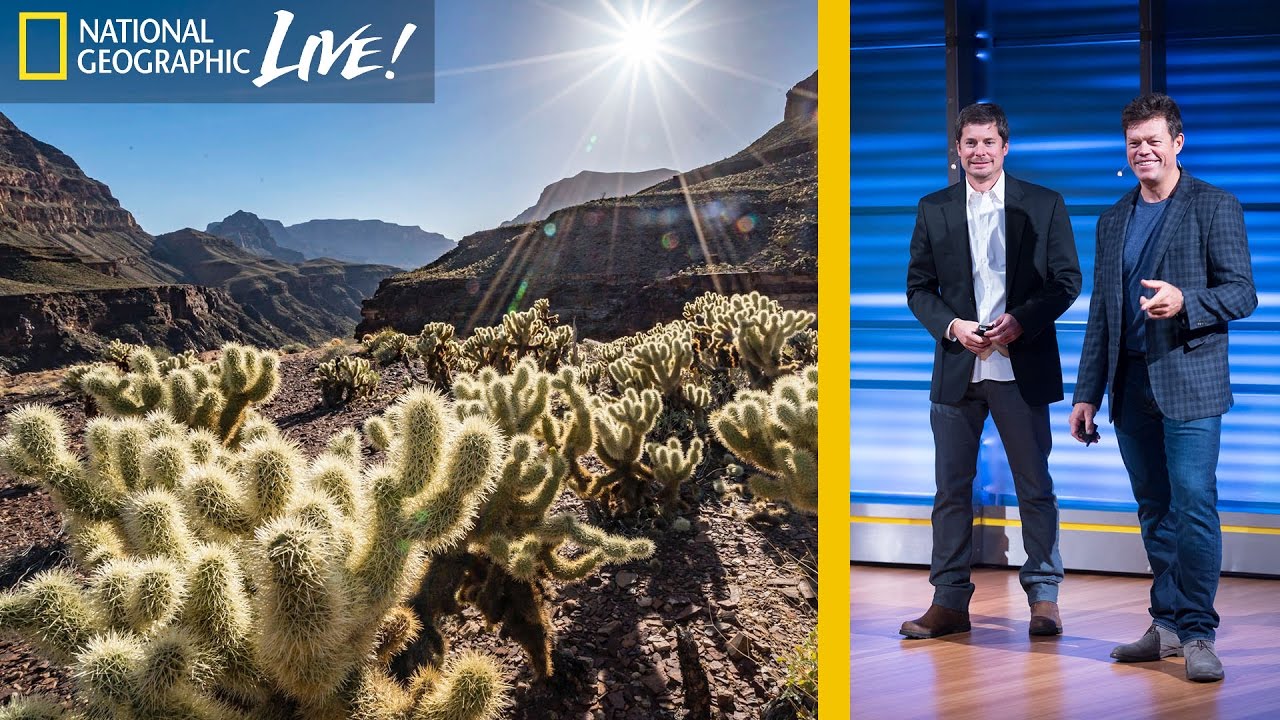
A 750-mile hike through the Grand Canyon tested the limits of explorers Kevin Fedarko and Pete McBride, pushing them to the brink of exhaustion.
In Indonesia, the Sedna 4 team collaborates with biologists Achmad and Denny to conduct a population census of Komodo dragons while exploring local coexistence.
Fewer than 3,900 tigers remain in the wild, while over 10,000 are estimated to be held in captivity across the United States.
In South Africa, private militias like Pit Track patrol nature reserves to combat rampant rhino poaching, where four rhinos are killed daily for their valuable horns.
Close to 56 million tons of clothes are sold every year, with fast fashion brands like Zara producing 65,000 new models annually.
40 million people in the Philippines depend on marine resources, while illegal fishing practices like grenade fishbombing threaten their livelihoods and ecosystems.
Oil and gas operations are occurring in 32 states, with the Rocky Mountain region experiencing the majority of the expansion near residential areas.
In South Australia, the intricate relationship between native marsupials and poisonous plants is threatened by invasive species like foxes and rabbits.
Giant Nomura jellyfish are invading Japan's coastal waters, with rising sea temperatures leading to a population surge that threatens local fishing industries.
In Florida's Everglades, biologist Sean Heflick, cop Greg Graziani, and python expert Michael Cole track a prolific Burmese python threatening local ecosystems.
The global dependence on crude oil is examined through the lens of the 2010 Deepwater Horizon disaster, highlighting the risks and environmental costs of extraction.
Lake Norman, a man-made reservoir in North Carolina, is the center of local legends about a possible mutated creature, sparking fear and speculation among residents and visitors.
Shark finning remains a critical threat to various shark species in South Africa, fueled by the high demand for shark fin soup in Asian markets.
In Germany's Ruhr District, the Emscher River is being transformed from Europe's most polluted waterway into a thriving natural ecosystem through extensive restoration efforts.
Florida's Everglades face ecological threats from invasive species like Burmese pythons and green iguanas, with experts like Sean Heflick and Greg Gratziani leading the response.
In Addo Elephant National Park, South Africa, a unique herd of elephants has thrived after being protected from extinction since 1931.
In Sumatra, Indonesia, critically endangered orangutans face extinction due to rampant deforestation for palm oil, prompting scientists to intervene and rehabilitate survivors.







![Documentary backdrop image for West Texas's Incredible Desert Wildlife [4K] | Expeditions With Patrick McMillan (2021)](https://i.ytimg.com/vi/bB6BjII9Usk/maxresdefault.jpg)