From over 100,000 films, discover the handful you'll love.
Free or premium access to the world's largest documentary library.
538 films(Page 4 of 12)
In Texas, a population of African Black Rhinos and Asian Axis Deer highlights the complex consequences of introducing exotic species, leading to ecological and economic challenges.
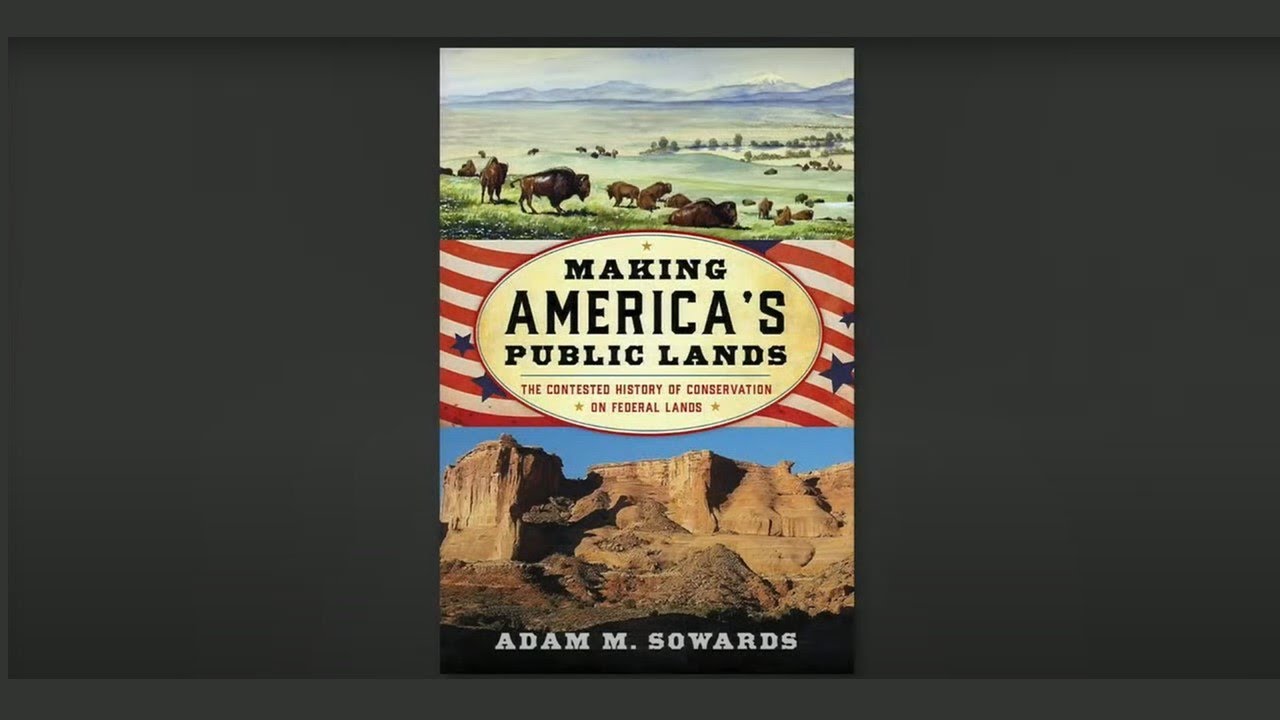
Over 640 million acres of federal land in the United States are managed by four key agencies, shaping the economy and national identity.
Craig Potton explores the River Clarence in New Zealand, emphasizing the cultural significance and historical ties of the local Māori communities to the landscape.
Pete Seeger and his team launched the Clearwater sloop in the 1960s to combat pollution in New York's Hudson River, leading to ongoing environmental education efforts.
Tubbataha Park in the Philippine Archipelago is highlighted for its exceptional coral reef preservation, featuring Prince Albert II's efforts in marine conservation and turtle research.
In British Columbia's Great Bear Rainforest, the Gitga'at First Nation, whale researchers, and the government confront the challenges posed by the gas industry.
Pioneers in the climate movement advocate for a revolutionary economic system that prioritizes sustainability amid the ongoing climate crisis.
Oceans, covering over 70% of the Earth, contain vast currents that regulate climate and ecosystems, raising concerns about their stability amid climate change.
Wildlife habitat loss, environmental destruction, and climate change are examined through insights from experts like Prof. Paul Ehrlich and Sofia Pineda Ochoa.
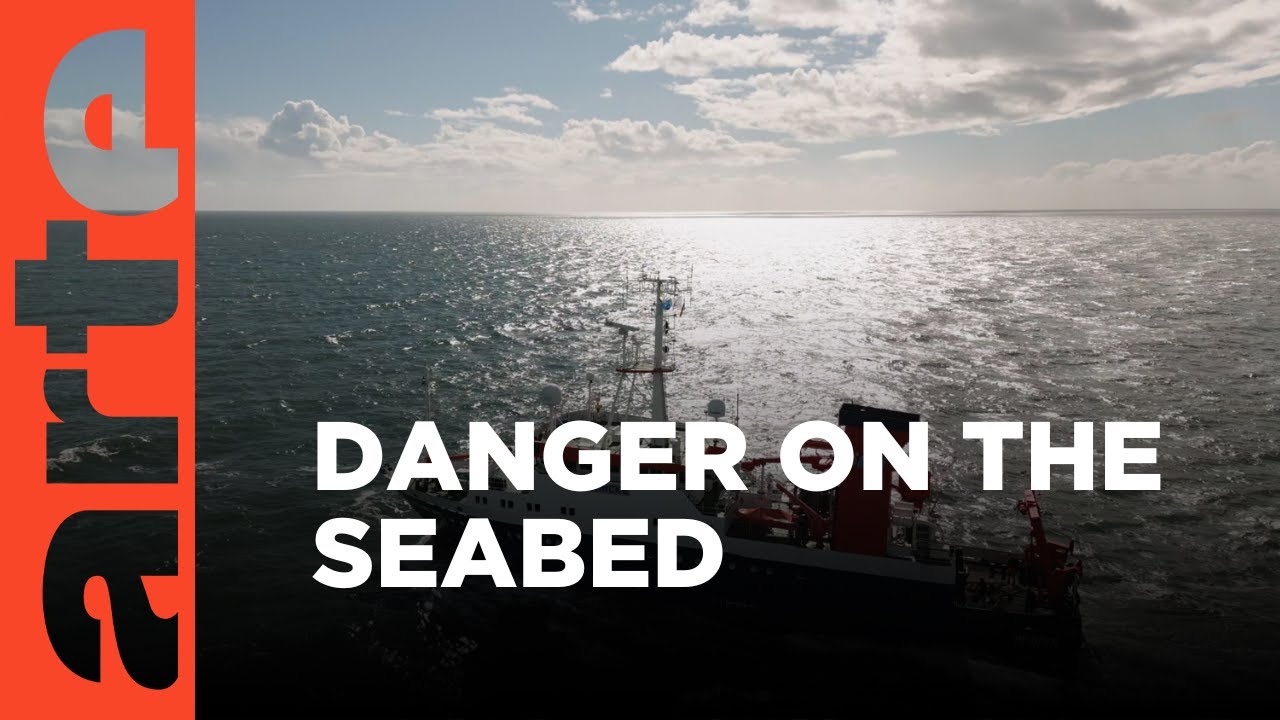
Approximately 10,000 shipwrecks in the North Sea, remnants of World War I and II, pose environmental hazards and safety threats to marine life and humans.
Climate change's impact on human health is examined globally by Dr Darragh O'Carroll, highlighting its effects on cultures and daily lives.
In the context of the illegal wildlife trade, conservation experts like Dr. Jane Goodall examine the connections between crime cartels, child soldiers, and corrupt officials.
America's public lands encompass approximately 614 million acres, representing 25% of the nation's soil and raising ongoing debates about their use and protection.
On December 14, 1990, the cargo ship Rosso washed ashore in Calabria, revealing a history of toxic waste trafficking linked to organized crime.
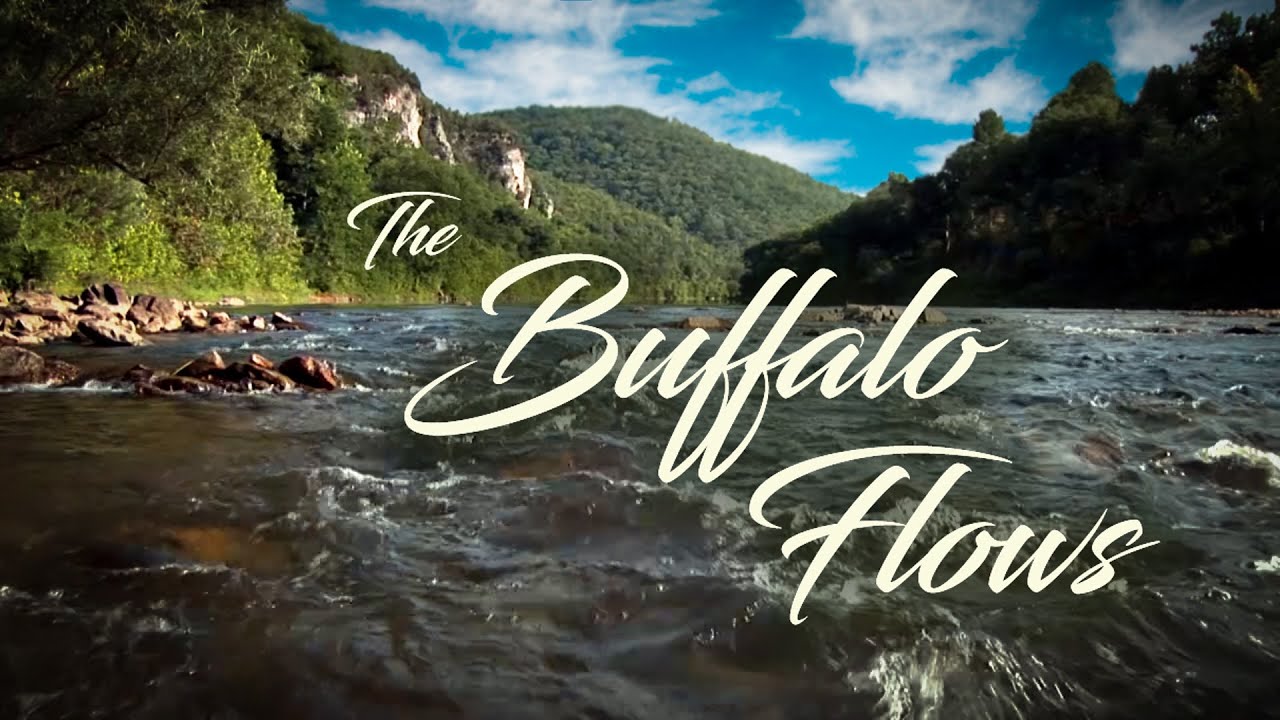
In the Ozarks, environmental advocates successfully fought to protect the Buffalo River, a 135-mile stream renowned for its canoeing and natural beauty.
In South Africa, Ben Fogle examines the escalating conflict between armed security forces and illegal poachers targeting the endangered white and black rhinoceros.
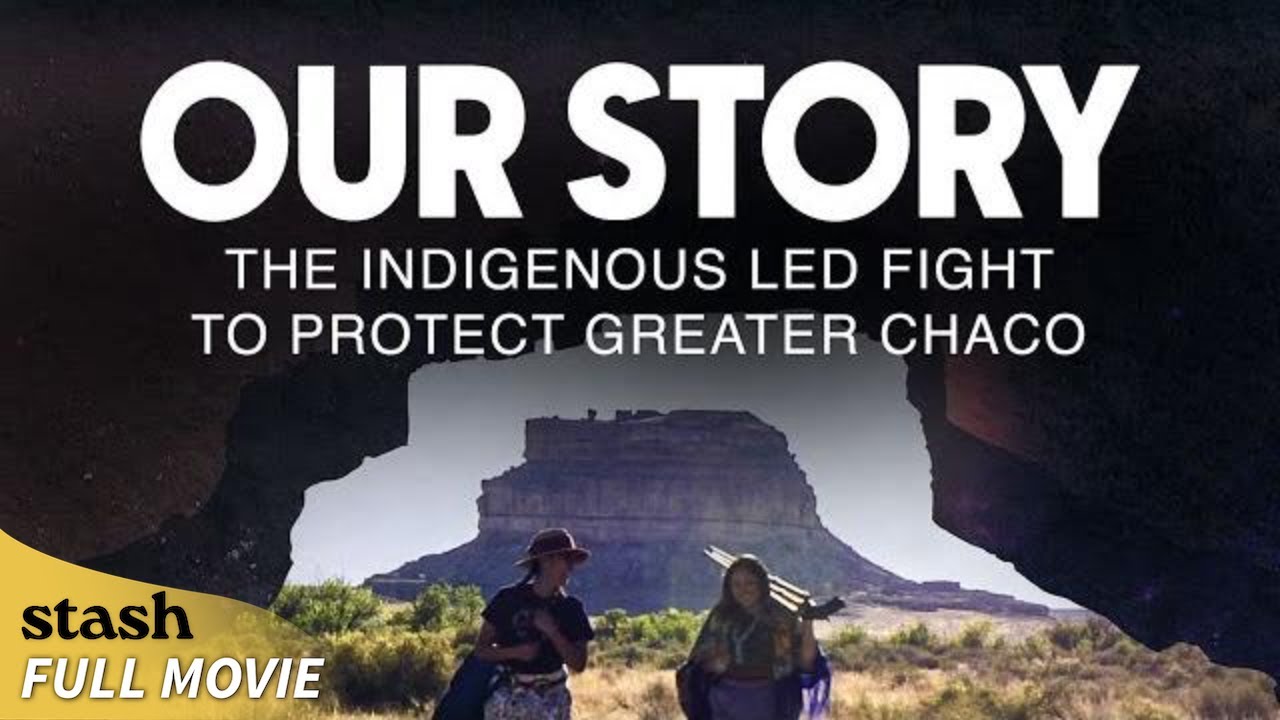
Indigenous activists in the Greater Chaco region of the American Southwest work to protect their land from oil and gas extraction while advocating for community health.
Three black rhinos remain in the Serengeti today, a stark contrast to their once abundant population in 1937 when they were considered a pest.
Time travel theories, the social structures of skunks, and nuclear waste management are analyzed through scientific and environmental perspectives.
In Quebec, ordinary citizens mobilize to challenge oil companies and halt the expansion of pipelines, highlighting the accessibility of power in democratic processes.
Lead poisoning in America is examined as a root cause of cyclical issues in impoverished communities, featuring insights from Ruth Ann Norton and Dr. Lawrence Brown.
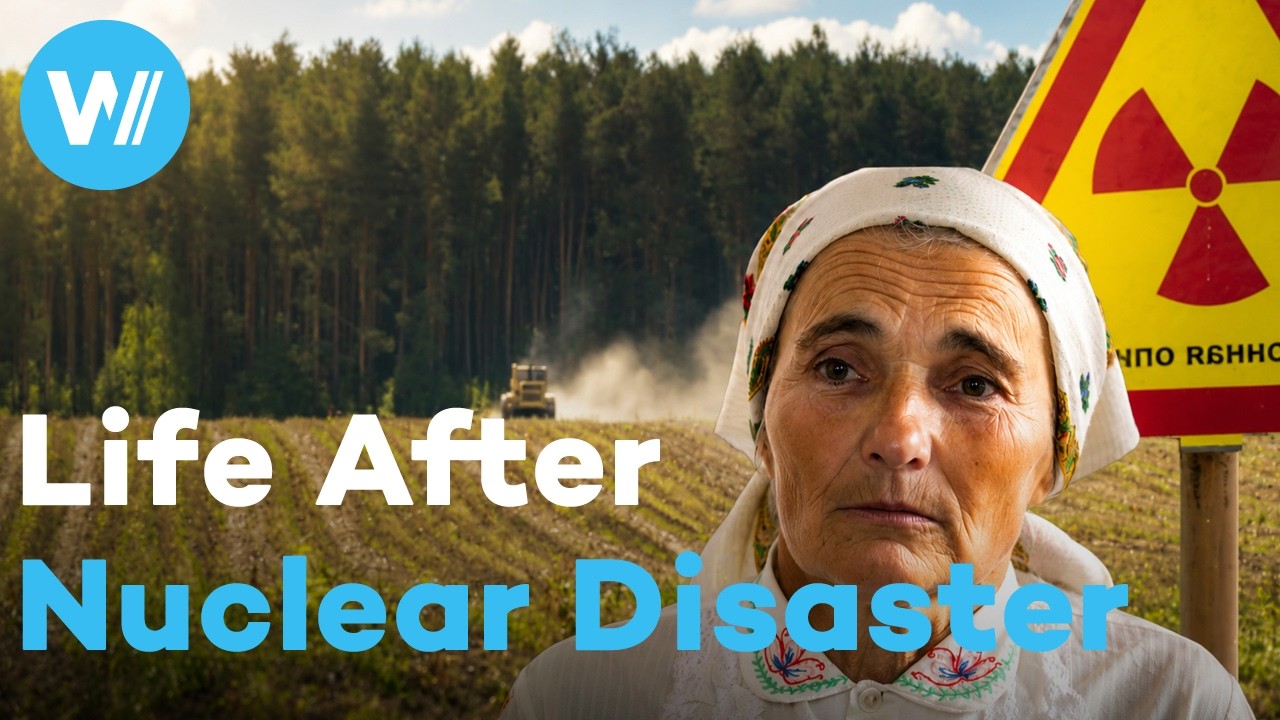
In Belarus, Norway, and Japan, communities continue to navigate life in contaminated territories decades after the Chernobyl and Fukushima nuclear disasters.
Extinction rates are now comparable to those of the greatest mass extinction in Earth's history, driven by human activity and environmental impact.
In a community near a landfill, parents and teachers at an elementary school raise concerns about a mysterious illness and deaths affecting children.
In Peru's Amazon rainforest, illegal gold mining led by biologist Enrique Ortiz and journalists Ron Haviv and Donovan Webster results in severe environmental destruction.
In the foothills of the Appalachians, Dr. Billy Campbell advocates for green burials as a means to fund land conservation and establish wildlife preserves.
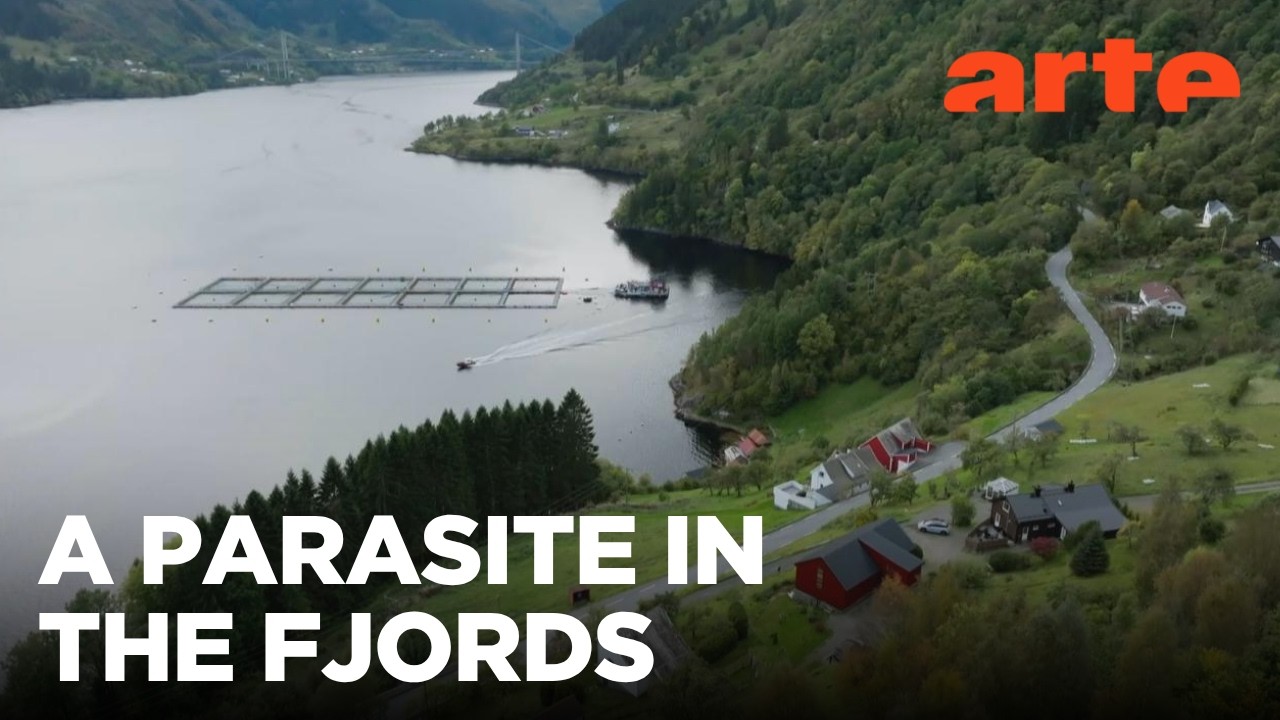
Intensively farmed salmon in Norway's fjords faces a crisis as an outbreak of sea lice threatens both farmed and wild fish populations, prompting collaboration between scientists and anglers.
Global shipping routes, from Rotterdam to Los Angeles, reveal the economic complexities and human costs behind the transportation of goods in a consumer-driven world.
An oil spill in the Gulf of Mexico led to extensive environmental and economic repercussions, revealing the interests of key figures like Dean Blanchard and Billy Nungesser.
A wave of whale strandings along the British coastline, including a Sei whale near Edinburgh, highlights the impact of industrial pollution and ocean noise on marine life.
In May 1973, the Nimbin Aquarius Festival drew 10,000 participants, transforming a small dairy town into a center for alternative culture and activism.
Museums of Natural History and Zoological gardens are examined through the insights of historians, authors, and architects, highlighting their role in environmental awareness.
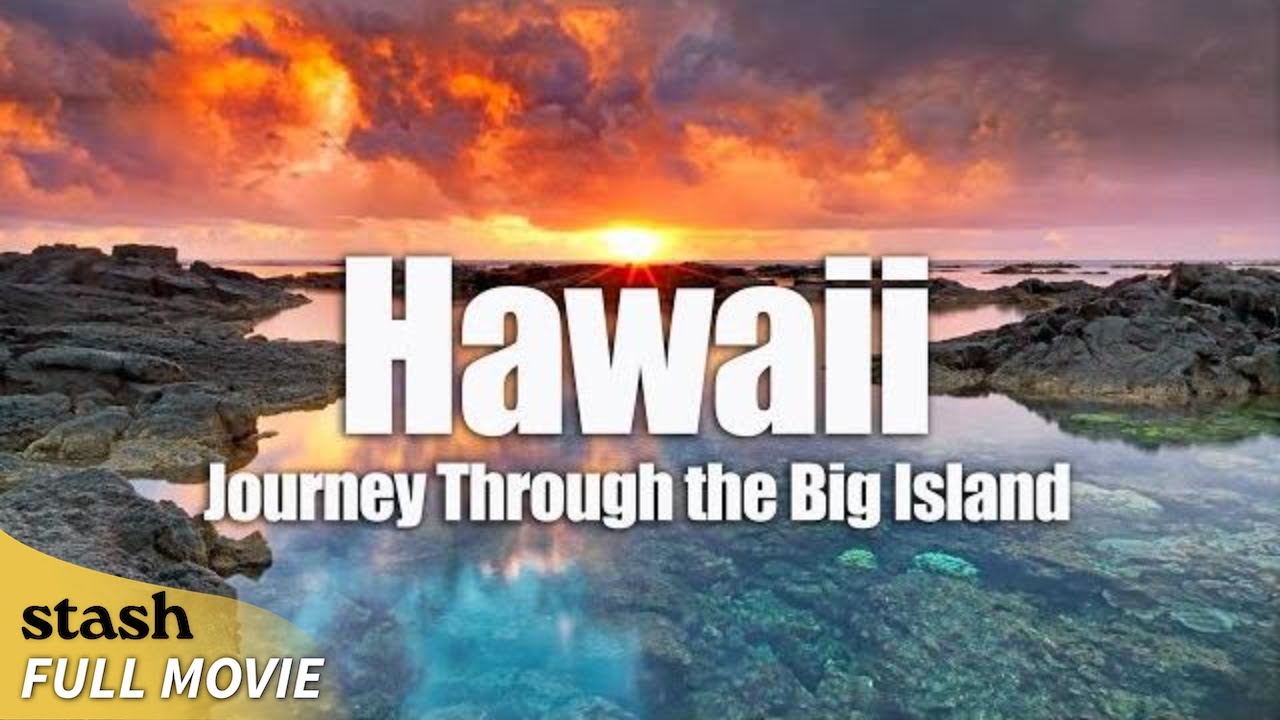
Hawaii's Big Island showcases its natural beauty through aerial views of waterfalls, serene beach sunsets, and lush palm trees in a two-hour nature film by Elizabeth Carmel.
Sasyk Estuary in Southern Ukraine faces an ongoing environmental crisis due to Soviet-era irrigation projects, with eco-activists battling poachers and corrupt officials.
The Fox River faces significant challenges related to PCBs, urbanization, and agriculture, as explored by environmental experts Josh Dukelow, Gordon Hintz, and Reid Ribble.
Two activists, evicted by 20 police officers, continue to fight for the protection of Hambach Forest against deforestation and coal mining expansion.
Three volunteers work to extinguish a wildfire on the hilltop of Langol, demonstrating community efforts to protect and restore the forest.
In Pasadena, California, a neglected tree in the Rose Bowl parking lot becomes the focus of an activist artist's efforts to save it from extinction.
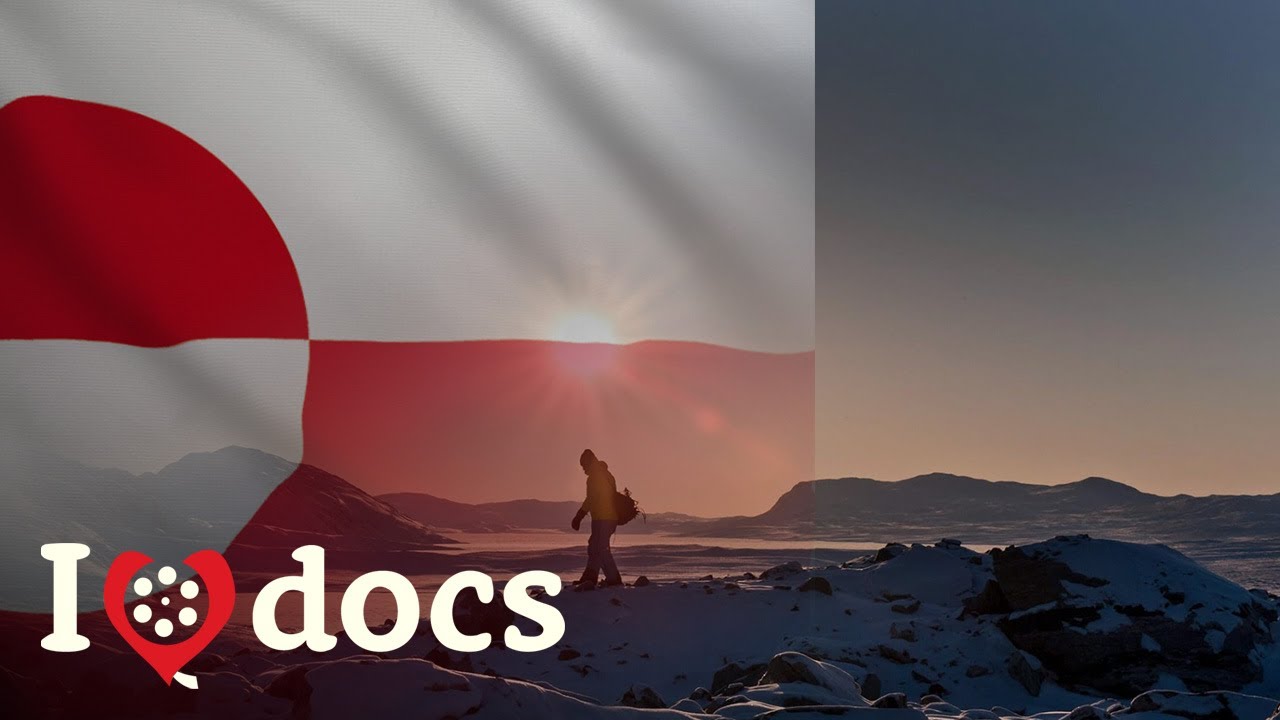
Greenland's majestic wildlife and stunning scenery are increasingly threatened by climate change, as explored by Stewart McPherson in his voyage around the island.
On August 24, 2006, water flowed freely into the Bolsa Chica Wetlands for the first time in 107 years, marking a significant restoration milestone.
In 1665, Sir William Penn arranged for a land grant in the Americas for his son, a pacifist Quaker, leading to the founding of Philadelphia.
Over 1,000 homes were destroyed in the Houma Nation by Hurricane Katrina, followed by nearly 4,000 more lost to Hurricane Rita.
In Western Australia, citizens of Broome and traditional landowners oppose Woodside's plans to build the world's second largest liquefied natural gas plant.
Arsenic mining in the Cornish countryside and a secret Nazi facility in Poland reveal the toxic legacies of abandoned engineering and human ingenuity.
More than 4,000 kilometers away from Uzbekistan's abandoned town of Moynok, the environmental impact of cotton farming has led to the Aral Sea's drastic shrinkage.
Microplastics are increasingly found in the human body, as journalist Ziya Tong tests their presence in her home, food, and health, highlighting their potential dangers.
In the Brazilian rainforest, the Ashaninka people, led by Benki and Moises Piyako, utilize the Internet to combat illegal logging and promote environmental sustainability.
At 27, Ana Rafaela D’Amico leads the fight against illegal activities threatening the Campos Amazonicos National Park in Brazil, achieving notable conservation successes.