From over 100,000 films, discover the handful you'll love.
Free or premium access to the world's largest documentary library.
502 films(Page 6 of 11)
Hundreds of thousands of listeners engage with "Lo Que Haces Cuenta," a podcast addressing climate change in accessible episodes for Spanish speakers in Latin America.
The Nile River is showing alarming signs of drying up, raising urgent concerns about the potential economic devastation for Africa amid global warming.
Dr. Muhammad Ali reports that tide levels in the Maldives are now three to four times higher than they were a century ago, threatening the nation's survival.
Twenty-three people died in a mass shooting in Texas in August 2019, motivated by an extremist ideology known as eco-fascism.
Nine activists face imprisonment for demanding the UK government fulfill its election pledges to insulate homes and address climate change.
Droughts in major rivers like the Rhine and Yangtze threaten businesses this summer.
Thousands of wind turbine blades in Germany will be shredded next year as the country may close more wind farms than it opens annually.
The Amu Darya, a vital river in Central Asia, has been drastically altered by Soviet policies, leading to the desiccation of the Aral Sea and profound community impacts.
Kolei questions his identity as a warrior while facing climate change's impact on culture.
More than 2 million people have died from extreme weather events in the last 50 years, with Hurricane Otis causing at least 48 fatalities in 2023.
An estimated 50,000 horseshoe crabs die each year due to the extraction of their blood, which is used in medical testing and vaccine production.
This Spanish video showcases a cenote in Cuba and its unique ecosystem.
In 2021, scientists from Harvard planned a test flight of a balloon over Sami territory to research solar geoengineering's potential effects.
On November 20, 2022, rich countries agreed to establish a fund to compensate for climate damage caused by their emissions, impacting developing nations.
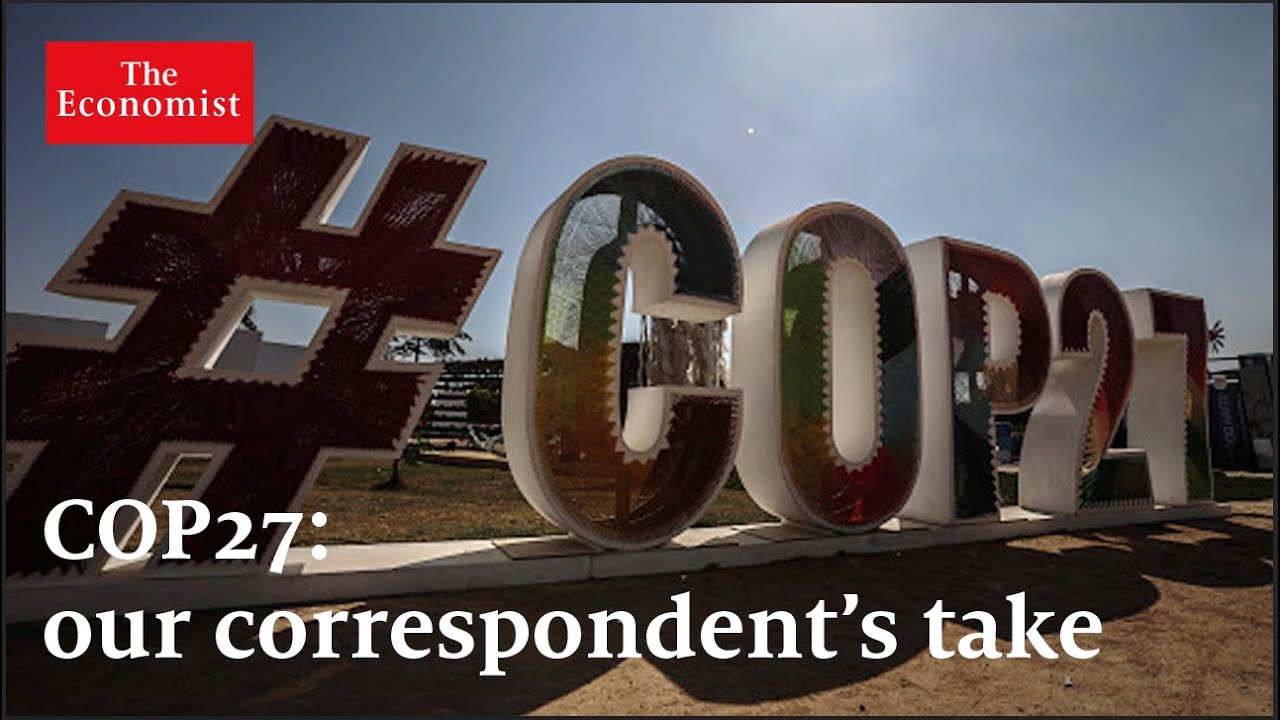
Catherine Bayik discusses COP27 outcomes in Charnel Shake, Egypt, highlighting key wins and losses.
Copenhagen's Cloudburst Management Plan aims to transform the city into a flood-resistant environment by integrating spongier urban designs in response to climate change.
The upcoming episode of COSMIC JOURNEYS looks at the Eemian climate period and its relevance today.
Cyclone Bhola killed between 250,000 and 500,000 people in 1970, prompting Bangladesh to invest heavily in disaster management and early warning systems.
One billion people live within 10 kilometers of the coast, facing the threat of rising sea levels that have increased by more than 20 centimeters since 1880.
Every year, heatwaves are happening more frequently, affecting communities worldwide.
Snowfall in Western New York reached record levels during one of the strongest storms ever recorded, illustrating the effects of El Nino and La Nina.
Climate change calculations rely on scientific data and models that assess the impact of human activity and natural processes on global temperatures.
Around 6 million people live in Singapore, a city-state with no natural freshwater resources, which has developed innovative strategies to ensure water security.
Kunlé Adeyemi designs a floating system to help Makoko adapt to rising sea levels.
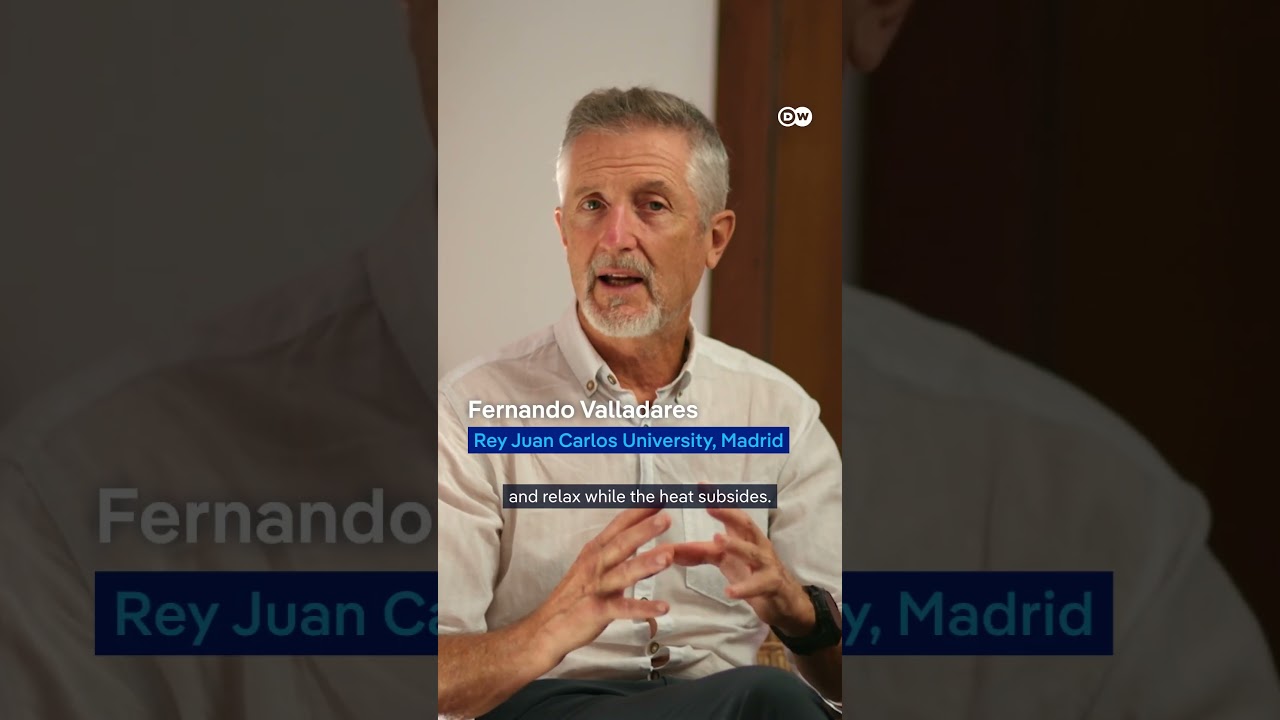
Barcelona has over 350 climate shelters, providing refuge for residents during extreme heat and ensuring 98% of the population is within a ten-minute walk.
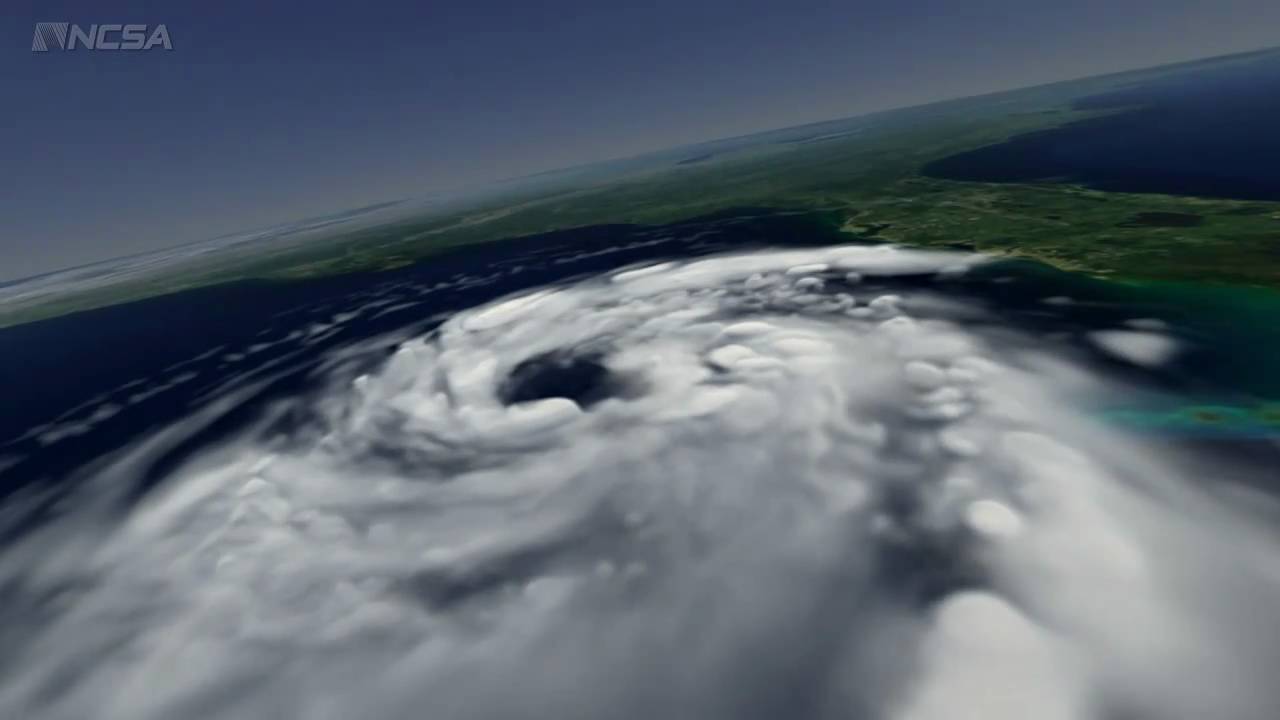
Hurricane Katrina's peak intensity in 2005 is visualized through a computer simulation created by the Advanced Visualization Lab at the University of Illinois.
Sergey Zimov proposes reintroducing large herbivores to stabilize melting permafrost.
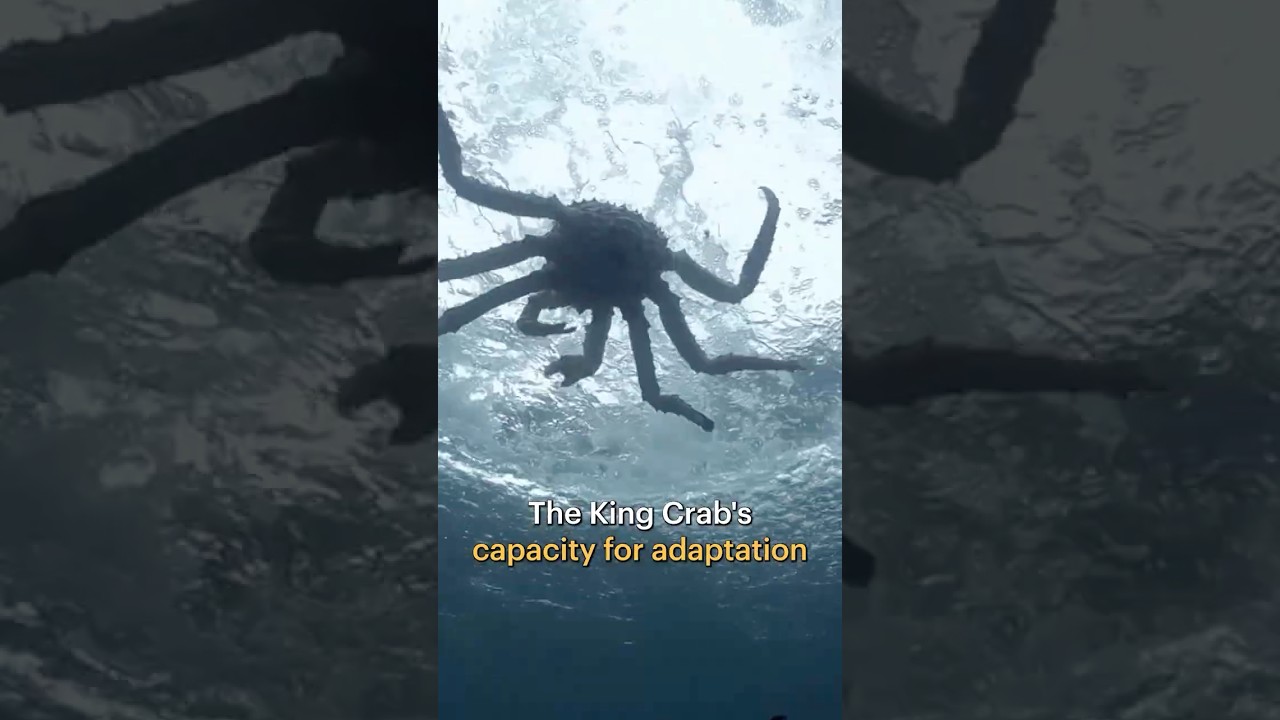
King crabs are expanding into the Atlantic as they adapt to warming ocean temperatures.
Marty returns to help the Black family protect their chickens and ducks from severe weather.
A one in four chance exists that global temperatures could rise by three degrees Celsius by the end of the century under current policies.
75% of Haiti's population lacks access to electricity, prompting the development of a DIY solar power system to address energy needs.
Proxima B, a planet slightly more massive than Earth, may be our best option for colonization, but it is still thousands of years away.
The latest episode of Cosmic Journeys examines the rise of super hurricanes and their impacts.
Protecting the planet is a difficult task despite warnings about climate change and inaction.
The Pacific Northwest risks a major earthquake, threatening the Columbia River and local environments.
A storm chaser captures a tornado, urging viewers to find their safe place amid the chaos.
In the Mendip Hills of the UK, paleo climatologist Gina Mosely studies calcite crystals in Shatter Cave to reveal climate changes over the last 600,000 years.
MIT scientists teach first graders about climate change and Bionic plants using firefly enzymes.
A network of 35 beaver-built structures along the Sophienfließ river has transformed the polluted waterway into a cleaner ecosystem over the past decade.
Companies from British Airways to Facebook commit to achieving net zero emissions.
The globally average surface temperature has not increased in any significant way since 1998, raising questions about climate change predictions.
More than 1,000 people died in catastrophic flooding in Pakistan, prompting legal actions against governments and fossil fuel companies for climate change damages.
Morland Sanders explores climate change and its impact on heatwaves in London.
Political inaction on climate change is examined through the lens of global institutions and the challenges faced by both developed and developing nations.
Lydia, a soil microbiologist in Tucson, engages with fellow runner Alfred Urbina to address environmental damage from mining and its impact on Native communities.
Residents of Longyearbyen, Norway, confront extreme cold, months of darkness, and avalanche risks in one of the world's harshest living environments.
A family in northern China survives on just one and a half buckets of water per day after four years of drought, forcing them to abandon farming.
Emus can run at speeds of 50 km per hour, adapting to the open plains of Australia as the climate shifts from jungle to temperate.