From over 100,000 films, discover the handful you'll love.
Free or premium access to the world's largest documentary library.
502 films(Page 3 of 11)
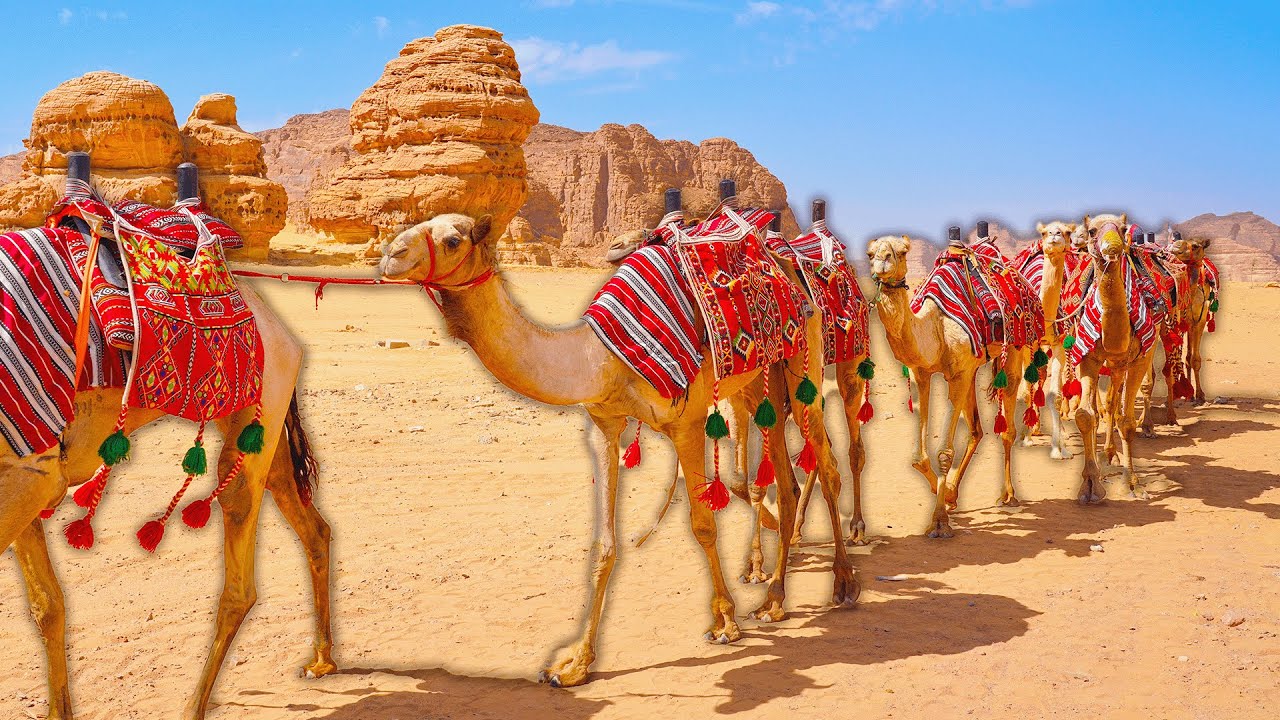
In extreme climates like deserts and polar ice caps, animals such as meerkats and musk oxen exhibit remarkable adaptations for survival.
Extreme heatwaves cause thousands of deaths in Russia and Europe, highlighting deadly disasters.
Autumn showcases the vibrant colors and survival strategies of wildlife as they prepare for the impending challenges of winter.
Humanity faces existential threats from climate change, planetary collapse, and the eventual demise of Earth, prompting discussions on survival through space colonization and AI evolution.
850 kilovolts of simulated lightning zap a volunteer, demonstrating the extreme conditions the human body can endure during severe weather events.
Biologists Kathrin Theissinger and Jean-Yves Georges reintroduce the European pond turtle to the Upper Rhine.
Cyclone Sandy struck New York on October 29, 2012, causing $19 billion in damage and resulting in 53 fatalities.
Four meters is the potential rise in sea levels if the West Antarctic ice sheet breaks up, threatening coastal communities worldwide.
One out of every two creatures on Earth faces extinction due to unchecked global warming, which threatens agriculture, sea levels, and civilization itself.
Floods kill more people each year than any other form of extreme weather, with damages reaching up to 440 billion US dollars annually in the United States alone.
Up to 10 tons of raw sand can be extracted from a single wind turbine blade through a new recycling process.
In the Siberian Taiga, filmmaker Werner Herzog explores the lives of the indigenous people who adapt to the harsh natural landscapes throughout the year.
India's wildlife, including the Asiatic wild buffalo and Indian rhinoceros in Kaziranga, adapts to the extreme conditions of the monsoon season.
A football field of land disappears every hour in Louisiana due to erosion and rising sea levels, threatening homes and communities in the Bayou.
The Mofu people of northern Cameroon rely on Jaglavak, a fierce army ant, to combat invading termites that threaten their granaries and homes.
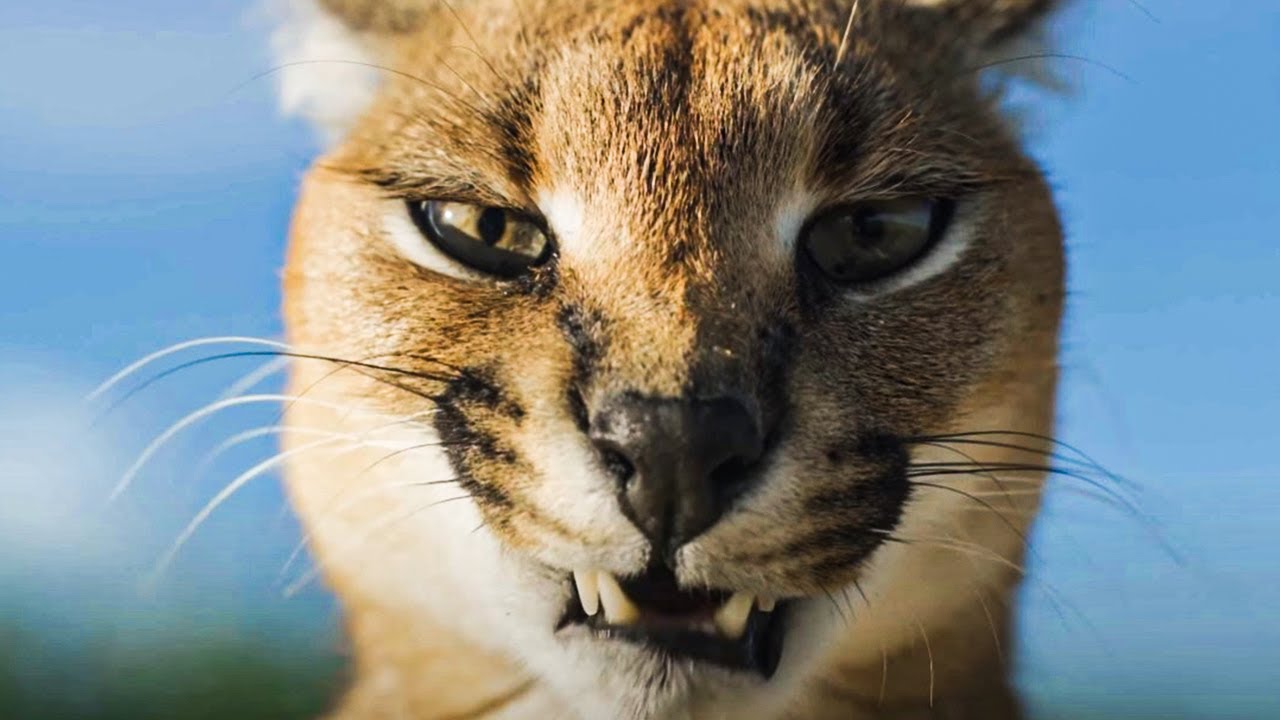
Wild cats adapt to diverse environments, thriving in Mediterranean islands and virgin forests.
Sea level has been rising at an average rate of 3.2 millimeters per year since the 1990s, with recent acceleration pushing it above 4 millimeters annually.
Temperatures in parts of the northern hemisphere could drop to -9° F, leading to infrastructure collapse and societal struggles during a potential ice age.
Millions of young spiders produce gossamer flight threads to travel hundreds of kilometers in search of new habitats before winter arrives.
A day on Mercury lasts 58 Earth days, with temperatures ranging from minus 300°F to 840°F, making it an inhospitable candidate for human life.
People in Indonesia and India adapt their lifestyles for survival in a world of water.
A super volcano's magmatic chamber could fill the Grand Canyon in Colorado more than 11 times, posing a significant threat to global ecosystems.
Venice faces an existential threat from rising sea levels and high tides, prompting the implementation of the MO.S.E. project to protect the city's future.
More than 20 homes were burned to ashes as bushfires engulfed suburbs in Queensland, Australia, amid catastrophic drought-like conditions.
Flames soar more than 100 meters high in Canadian wildfires, threatening thousands of acres and prompting urgent firefighting efforts.
Two thousand miles is the distance that demoiselle cranes fly from India to Mongolia, returning each spring to breed in their native valley.
By the end of the century, sea levels are expected to rise as much as one meter, threatening coastlines around the world.
In Arctic regions, wildlife filmmaker Gordon Buchanan explores the survival strategies of snow-dwelling animals, including polar bears, owls, and penguins.
Extreme habitats around the globe, from polar regions to deserts, showcase the remarkable adaptations of wildlife that survive in harsh environments.
Wildlife adapts to disasters, using unique strategies to survive and thrive in harsh conditions.
A local salt scraper in Lac Rose earns a living by collecting salt, a task he describes as "slave labor" but views as essential for his family's survival.
The Nature of Life presents solutions to Global Climate Change and promotes sustainable living.
For three years, no rain has fallen in Shaba, a region in northern Kenya where drought and floods create extreme challenges for wildlife and survival.
In arid regions plagued by dust storms, communities engage in extensive reforestation efforts to combat desertification and protect their livelihoods.
Bangladesh faces a dire future as rising waters threaten 30% of its land and 60 million people.
Three million people inhabit the Tibet Autonomous Region, an area almost the size of Western Europe, where ancient traditions meet modern change.
Climate Chaos highlights the devastating impact of climate change on southern hemisphere communities.
On May 18, 1980, Mount St. Helens erupted, killing 26 people and leaving more than 40 missing in a blast zone covering approximately 100,000 acres.
A Mars-sized planet named Thea collided with Earth 4.5 billion years ago, leading to the formation of the Moon and enabling life to thrive.
Changing Ocean Asia highlights urban challenges and solutions in Singapore's sinking cities.
Off the coast of Réunion Island, engineers constructed a 13-kilometer highway over the Indian Ocean, designed to withstand extreme weather and erosion.
Extreme weather events, including powerful hurricanes and unprecedented wildfires, are intensifying due to accelerated climate change, posing significant threats to life on Earth.
In Yakutsk, the coldest city on Earth, rising temperatures are causing permafrost to melt, threatening the stability of buildings and infrastructure.
European forests face severe health declines due to climate change, prompting initiatives to reintroduce climate-resistant tree species and restore ecosystems.
Human activity profoundly reshapes the Earth, marking the Anthropocene era and its consequences.
500 years after Martin Luther's Reformation, young innovators are pushing for sustainability and generational equality in a rapidly changing world.
Urban foxes and resilient plant species adapt to human-altered environments, highlighting the importance of environmental protection for wildlife survival.
Wildfires in British Columbia's Okanagan Valley prompt Indigenous voices, firefighters, and evacuees to share their experiences and insights on fire stewardship and resilience.