From over 100,000 films, discover the handful you'll love.
Free or premium access to the world's largest documentary library.
502 films(Page 2 of 11)
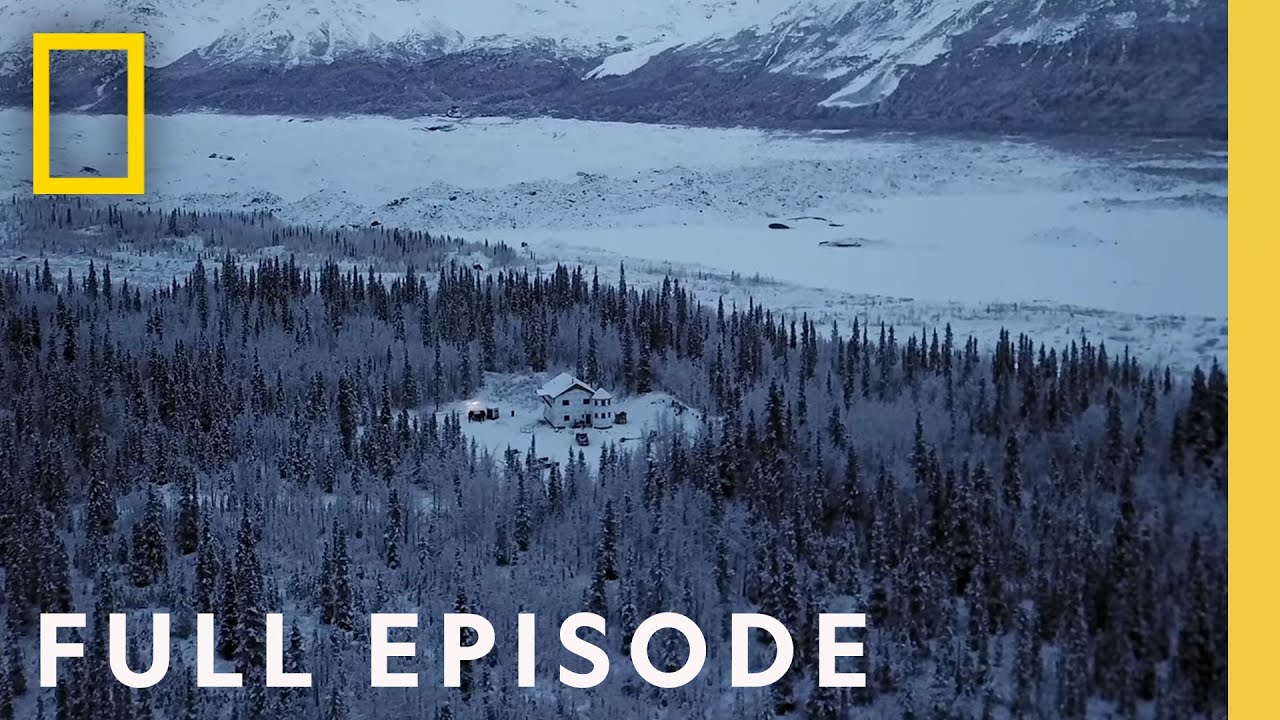
300 gallons of ice are needed to provide drinking water for a family living in the harsh winter conditions of Alaska.
Genetic engineering has advanced a thousand-fold since Gregor Johann Mendel's pea experiments, reshaping the future of medicine and agriculture.
A team sails over 3,000 miles through the Drake Passage and sub-Antarctic islands, retracing Ernest Shackleton's historic expedition route.
A herd of 300,000 reindeer in Swedish Lapland faces increasing threats from rising temperatures and unpredictable winter weather conditions.
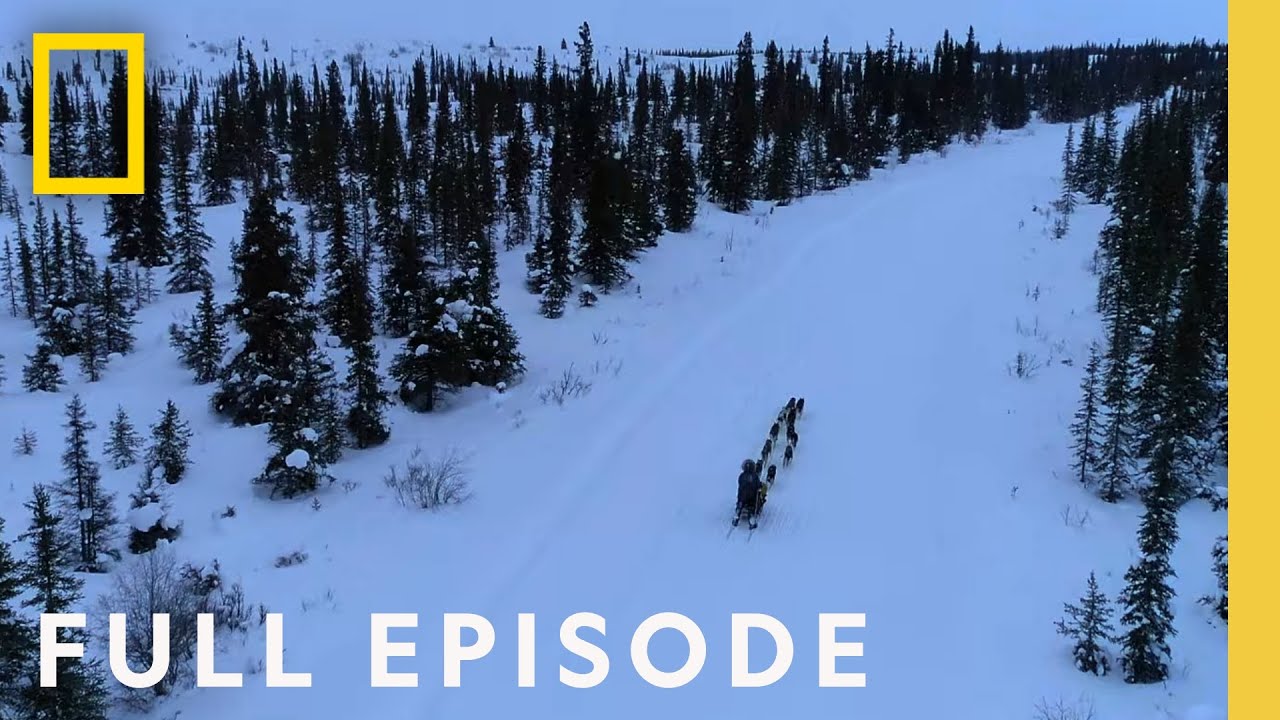
Indigenous Peoples of Alaska navigate the challenges of winter's short days to secure food for their families and communities.
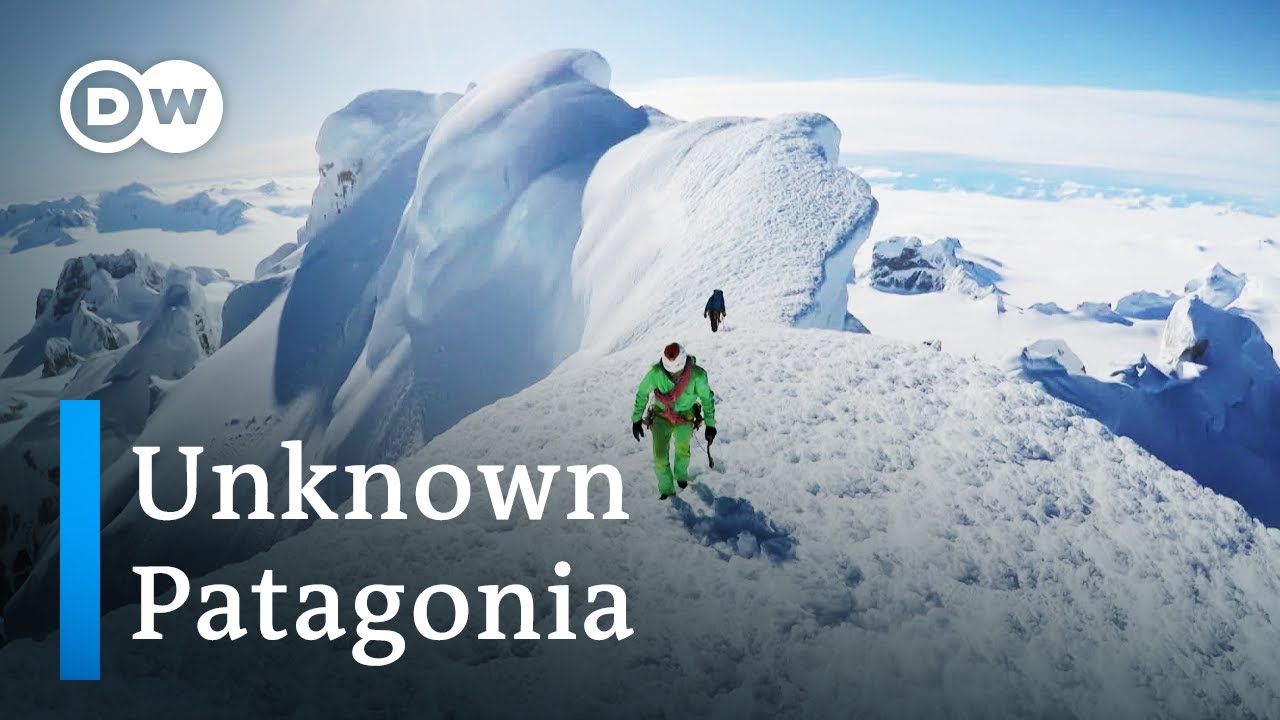
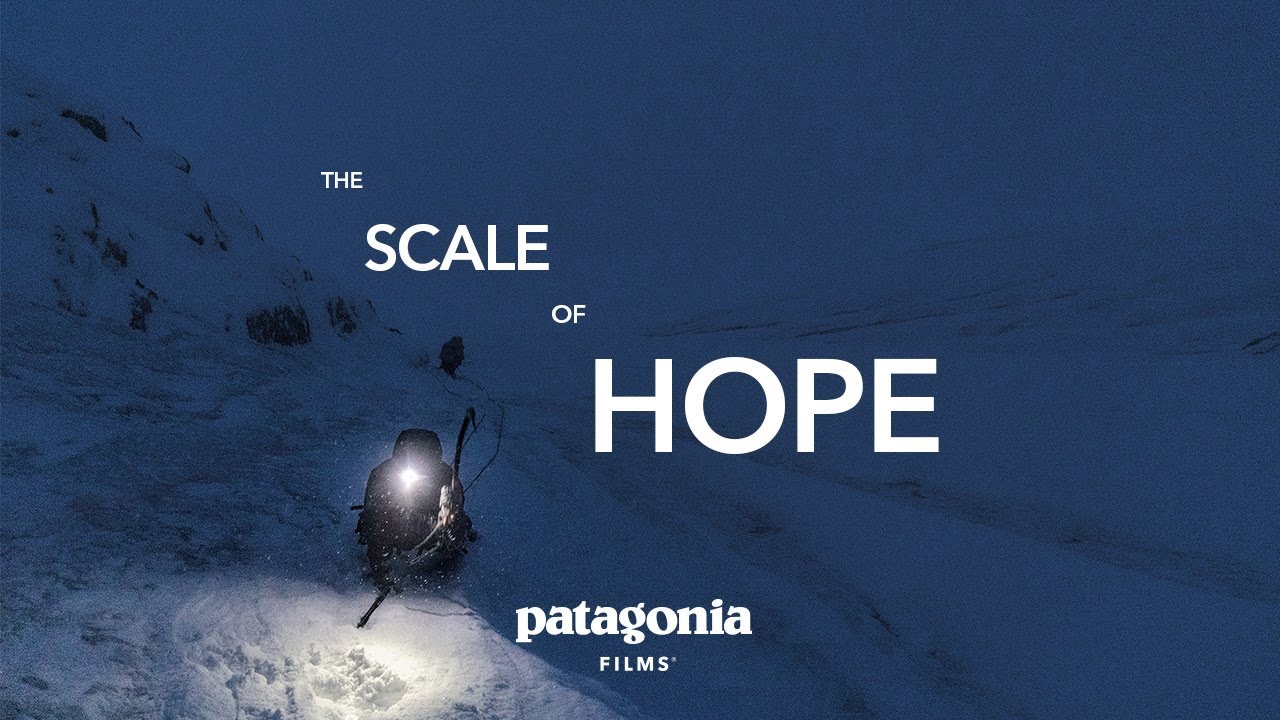
Patagonia's icefields challenge climate researchers like Tobias Sauter, who, alongside mountaineers Robert Jasper and Jörn Heller, seeks vital data on climate change impacts.
The Galapagos Islands host unique wildlife that adapts to extreme conditions in the Pacific Ocean.
Ny-Ålesund is the northernmost town on Earth, home to scientists in the High Arctic.
A 120 km long corridor along the Zanskar River serves as the only route for residents to reach neighboring Ladakh during winter's harsh conditions.
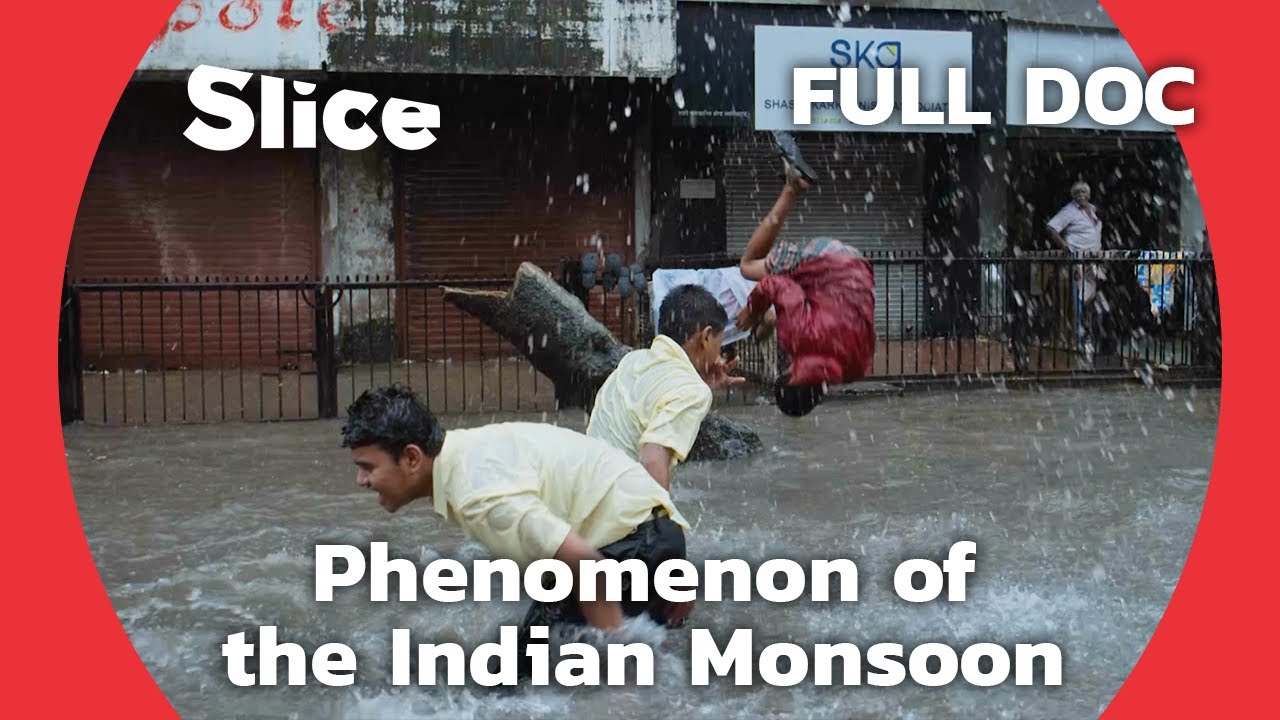
75% of India's annual rainfall occurs during the monsoon season, which runs from June to September and is vital for agriculture and water supply.
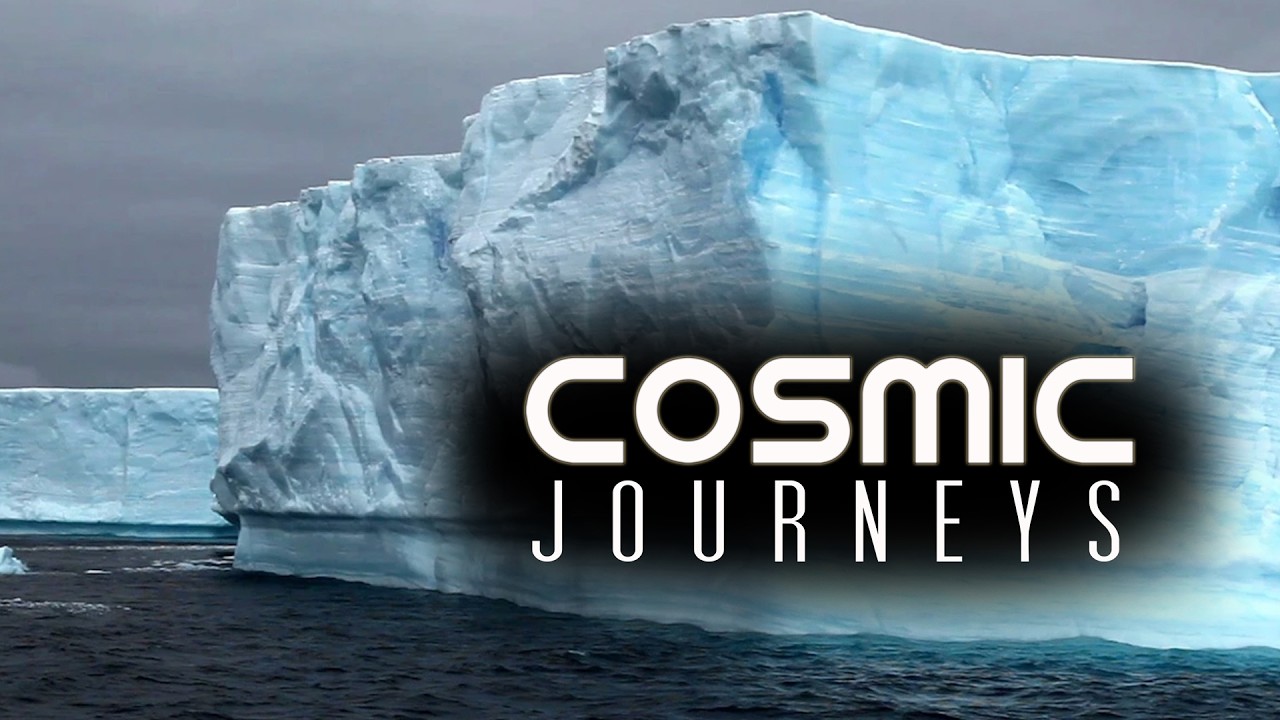
An asteroid up to 50 kilometers in diameter struck East Antarctica 250 million years ago, leading to one of the worst mass extinctions in history.
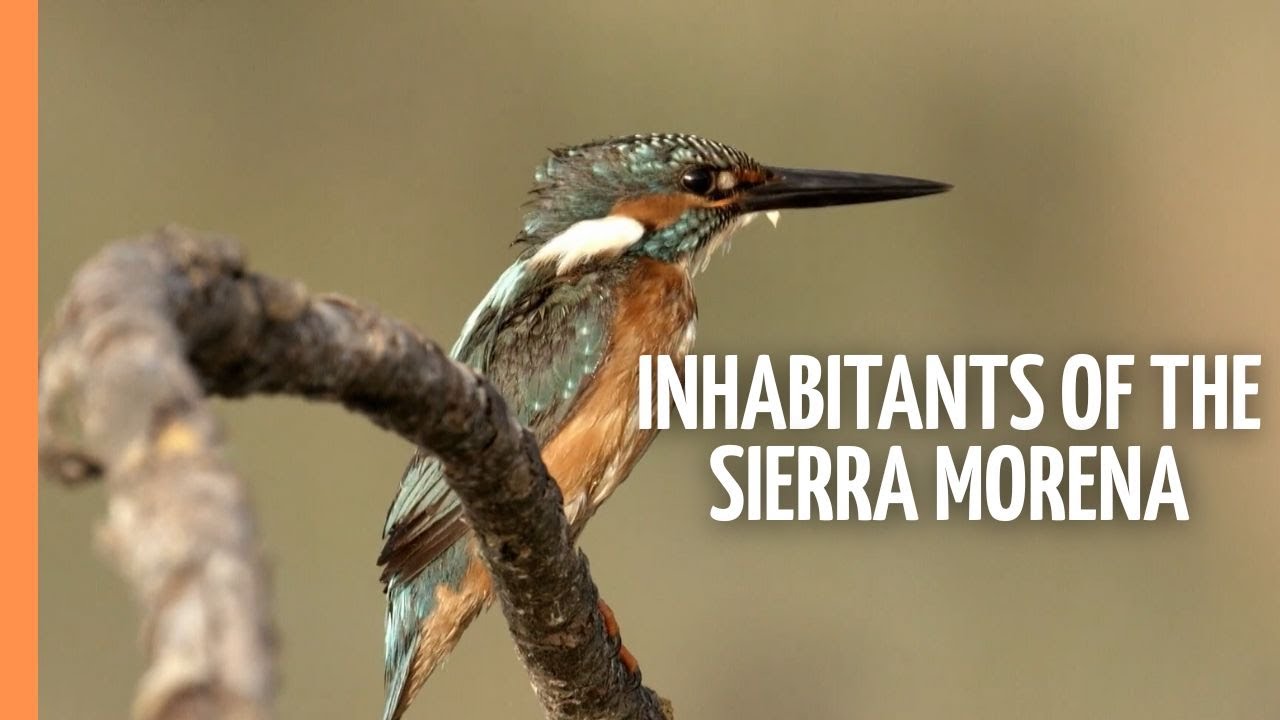
Summer temperatures in the Sierra Morena often exceed 30 degrees Celsius, while the region receives less than 500 millimeters of rain each year.
Kawésqar and Yagán indigenous peoples collaborate with National Geographic Pristine Seas to protect the ecosystems of the Kawésqar National Reserve in southern Chile.
A 3-meter-high house on stilts in Inle Lake is home to a family of farmers and fishermen who adapt their lives to the changing water levels.
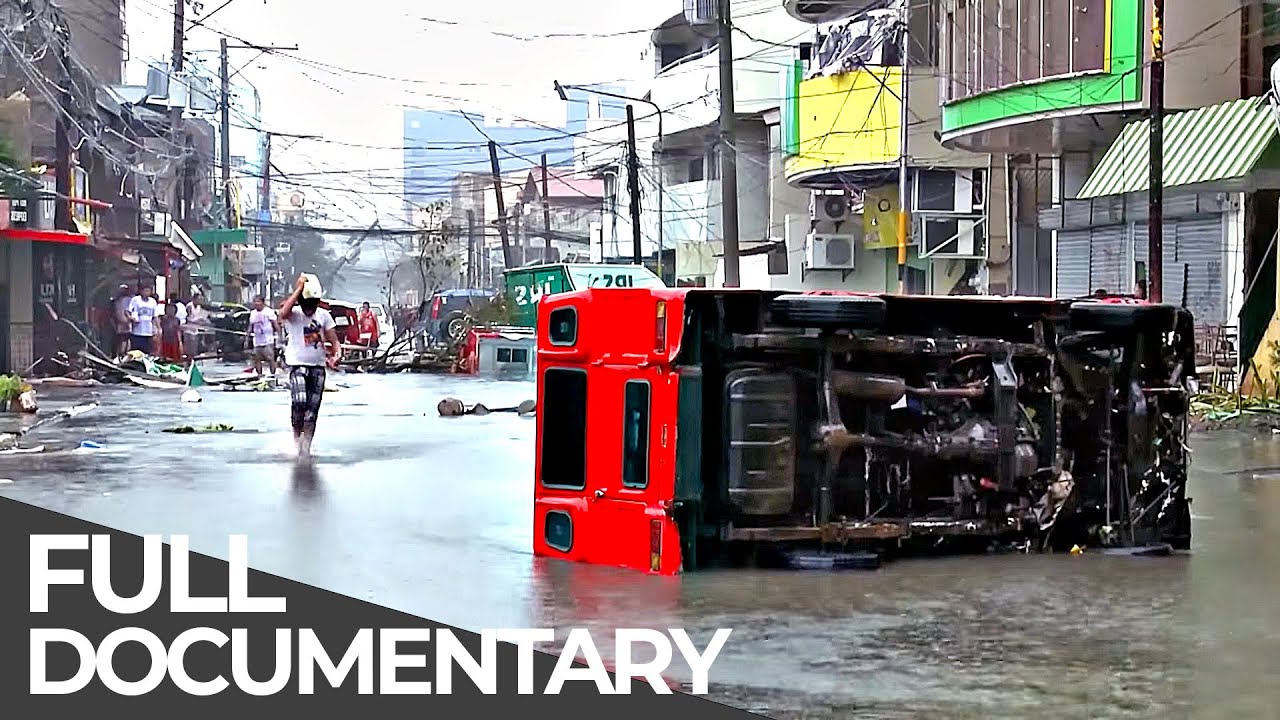
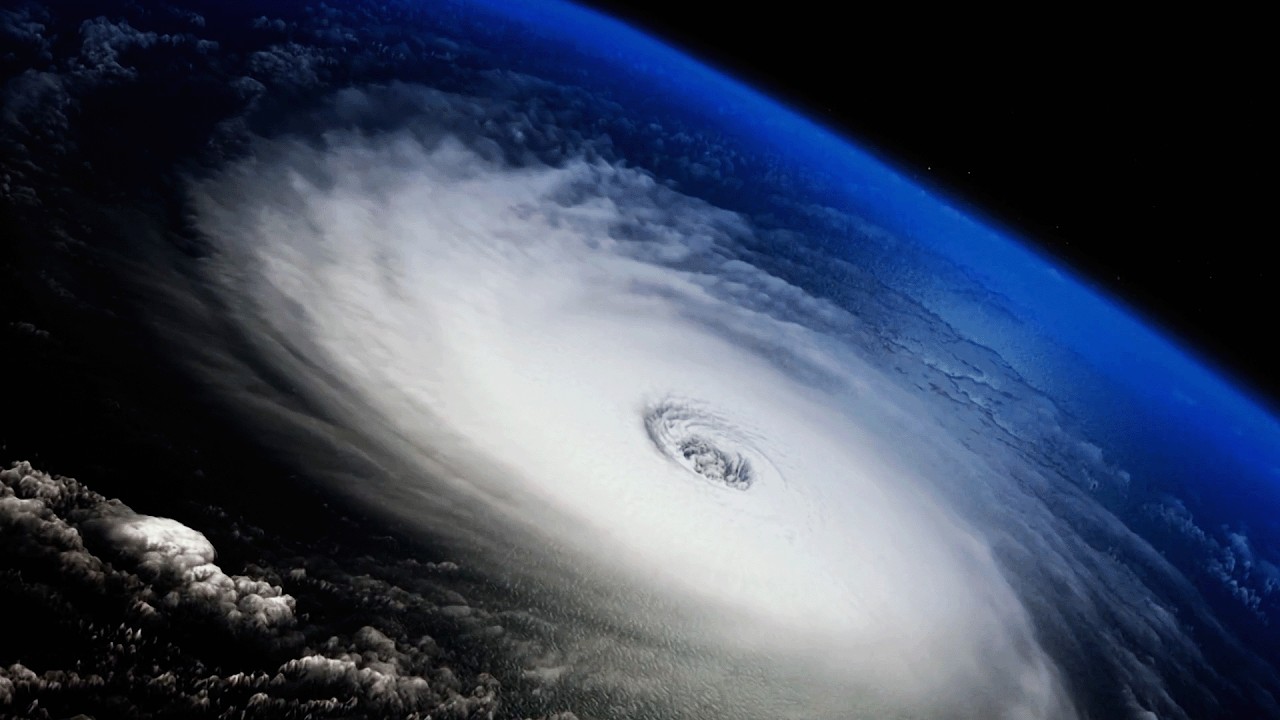
A hurricane can unleash as much energy in a day as 10,000 nuclear bombs, causing catastrophic damage to low-lying areas when they make landfall.
1,800 kilometers of lagoons and natural lakes in Kerala provide the Malayalis with a vital means of livelihood and cultural expression.
The 2016 Disaster Diaries captures La Nina's powerful impact on global weather in Ultra High Definition.
More than half of Malawi's 16,000 kilometers of road network remains unpaved, complicating transportation and access to essential services.
In collaboration with the IPCC and leading climate scientists, critical insights from the Fifth Assessment Report reveal urgent challenges posed by climate change.
A lander intended for Mars crashed 3.7 kilometers above the surface due to a false altitude reading, illustrating the challenges of space exploration.
Molly Kawahata, a former climate advisor, emphasizes the need for hope in the climate movement while reflecting on her experiences with mental illness and alpine climbing.
Bangkok faces severe environmental challenges from rising sea levels, land subsidence, and extreme weather, threatening its livability and survival.
A snow leopard must patrol a territory of 80 square miles in search of food as rising temperatures threaten its survival in the Himalayas.
In the Arctic, residents living off-grid face the challenges of obtaining essential resources as winter conditions intensify in Alaska's remote wilderness.
A plane carrying four ecologists crashes in Zambia, leaving them with serious injuries and forcing one to walk for help in a remote wilderness.
In Alaska's harsh winter, the next generation learns to maximize the limited sunlight to navigate the challenges of survival in extreme conditions.
Pema, the only son, struggles with family expectations in the world's most remote village.
Climate-induced collapse threatens global stability, prompting a focus on climate science and civil disobedience efforts led by activists and scientists.
El Niño, a weather phenomenon occurring every two to seven years, caused 24,000 deaths and $34 billion in damages globally between 1997 and 1998.
On April 27, 2011, Alabama experienced its worst tornado outbreak on record, with 62 tornadoes touching down and 252 fatalities in less than 24 hours.
On September 23, 2014, the United Nations hosted a historic climate summit, prompting a global rally that drew hundreds of thousands of participants.
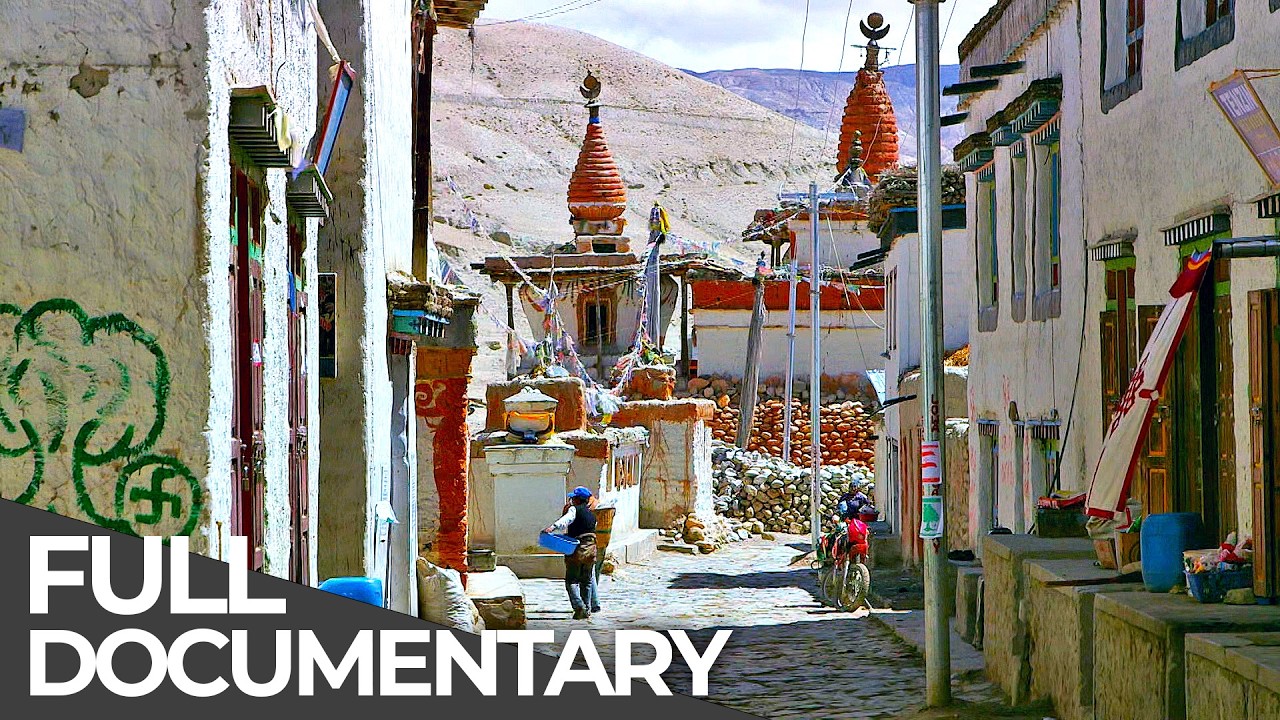
Lo Manthang in Nepal showcases ultra-high altitude life and unique habitats in the clouds.
By the turn of the millennium, poachers had reduced the Tatra chamois population to 200, but strict protection has since increased their numbers to 1,500.
In Alaska's harsh winter, the next generation of residents navigates extreme conditions to secure essential resources for survival.
Less than four inches of rain fall annually in the world's most populated desert, where communities rely on ancient techniques to survive.
Tropical cyclones cause catastrophic destruction, as seen in Cyclone Nargis and Cyclone Ida.
A young Weddell seal gains two kilos per day from its mother's high-protein milk during the first six weeks of life in Antarctica's icy waters.
Burning a ton of coal releases up to 4 tons of carbon dioxide into the atmosphere, a fact Shell Oil acknowledged in a 1991 documentary on climate change.
Hurricane Sandy caused an economic loss of over $68 billion in the United States, illustrating the severe impact of these powerful storms.
South Norway is known for its fjords, glaciers, and rich cultural heritage, all shaped by the mild climate of the warm Gulf Stream.
In northern Chad, nomadic communities navigate the Ennedi massif, relying on ancient knowledge of gueltas and oral histories to survive in a transforming Sahara.
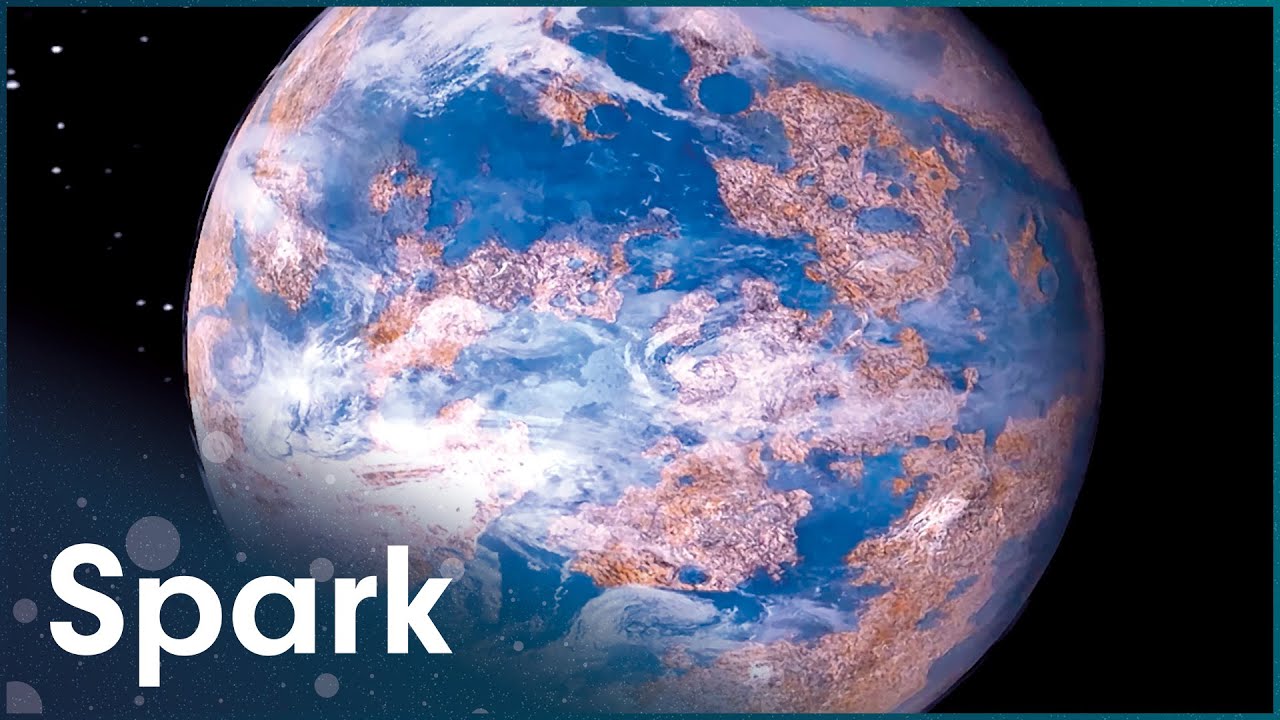
Scientists estimate there could be as many as 40 billion Earth-like planets in the Milky Way galaxy alone.
Rapidly melting ice sheets in the Arctic and Antarctic reveal critical climate change indicators, prompting scientists to study their ecological impacts and ancient secrets.
Half of the 400 residents in Kivalina, Alaska, are under 18, facing an uncertain future as climate change threatens their community's existence.
Across the Arctic, Siberia, and the Himalayas, wildlife such as polar bears, reindeer, and snow monkeys adapt to survive the harsh winter conditions.
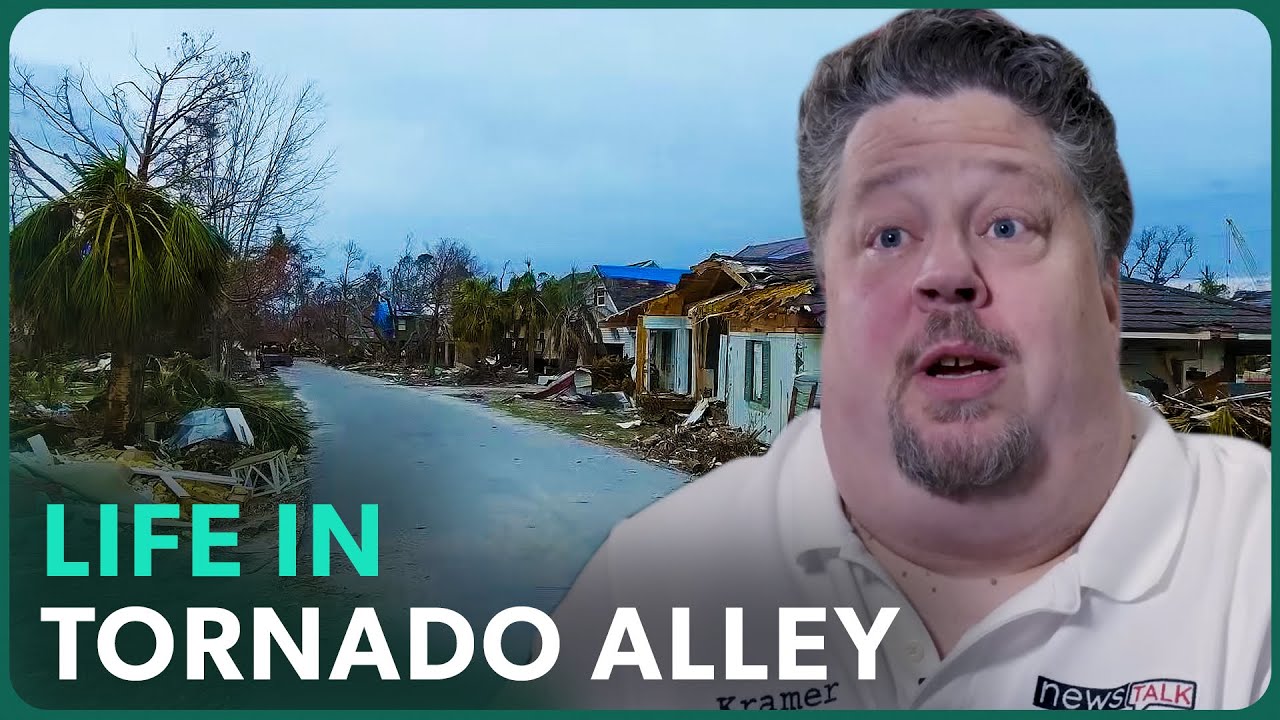
In Tornado Alley, a construction industry veteran critiques building practices and highlights the urgent need for homes that can withstand extreme weather events.
500 millimeters of rain fell on Taiwan in 24 hours during a record-breaking typhoon, marking one of the extreme weather events of 2015.
Animal species in mountains, oceans, polar regions, grasslands, jungles, and deserts exhibit unique adaptations to survive Earth's extreme climates.