From over 100,000 films, discover the handful you'll love.
Free or premium access to the world's largest documentary library.
502 films(Page 7 of 11)
Ichthyostega, an early vertebrate, marks a pivotal moment in evolution as it develops lungs to breathe air after being chased into stagnant water.
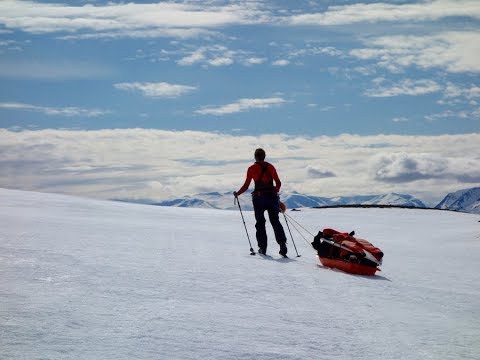
French Polar Explorer Vincent Colliard and Surfer Léa Brassy undertake a week-long ski expedition in Northern Iceland, seeking remote waves to surf.
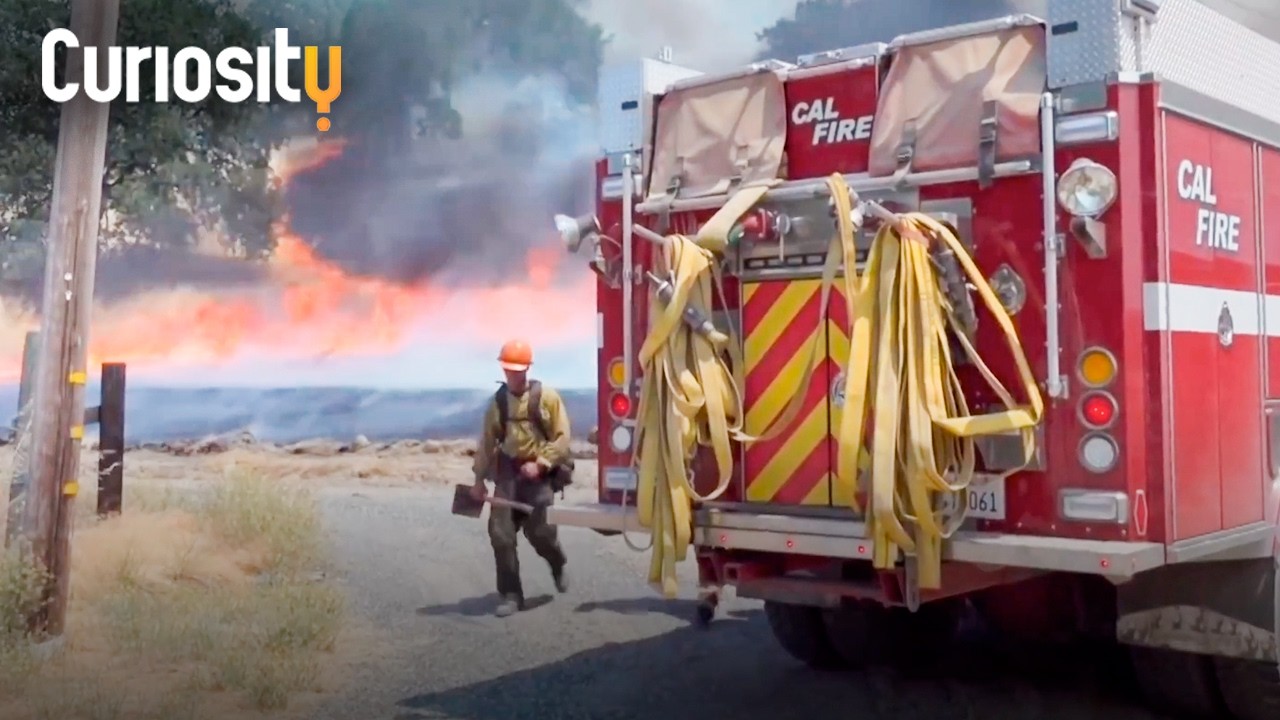
Longer droughts lead to higher risks of catastrophic forest fires in California and beyond.
Kansai Airport, built on a man-made island, sank 27 feet by March 1990, prompting urgent engineering solutions to address its instability.
Firefighters in the United States adapt to rising challenges as the world grows drier and hotter.
Venice faces an escalating threat from flooding due to natural subsidence and climate change, prompting the ambitious MOSE project to construct a protective barrier system.
A violent storm in Kamchatka disrupts the Even people's summer and signals change.
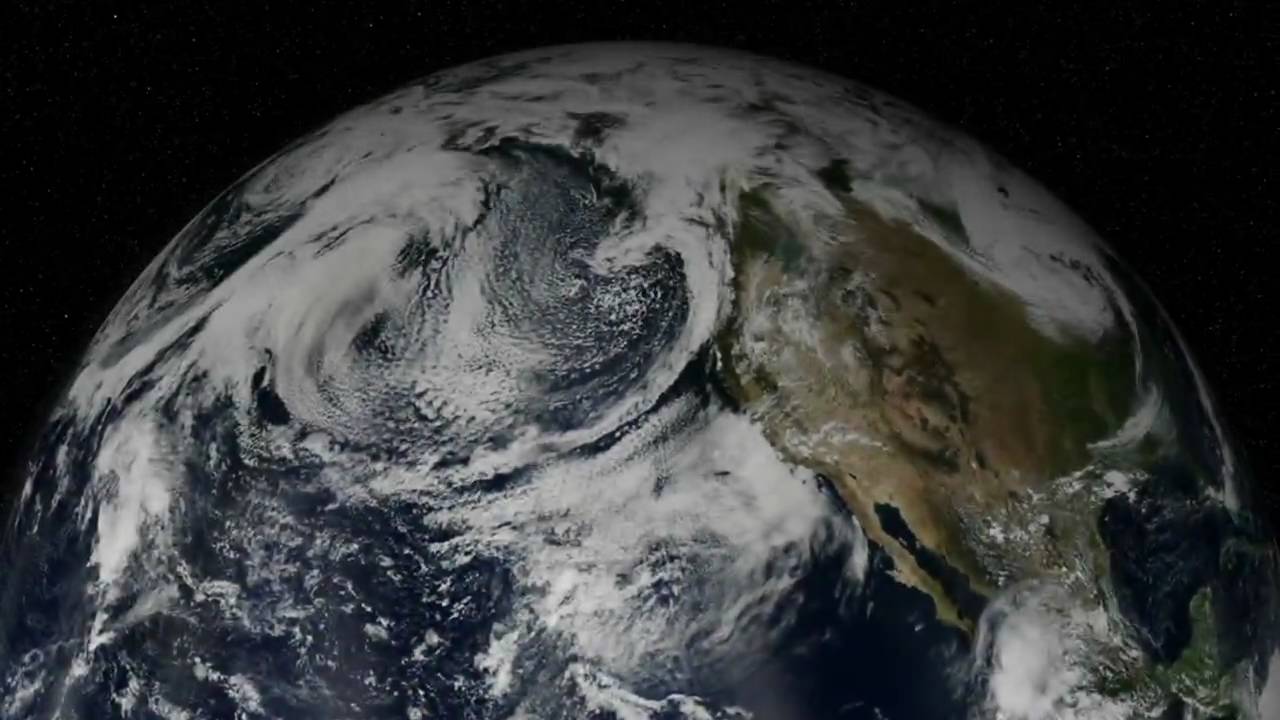
This video summarizes the Fourth National Climate Assessment on current climate change impacts.
For over two years, residents of the small town of Sionbi have dug into the riverbed to access water as the region faces severe drought and hunger.
Eleni Myrivili tackles Athens' heat challenges as the city's chief heat officer.
On October 7, 1842, George and Rebecca Latimer arrive in Boston, where they hope to live free after escaping slavery in Virginia.
Scientists highlight the potential to manipulate weather amid climate change challenges.
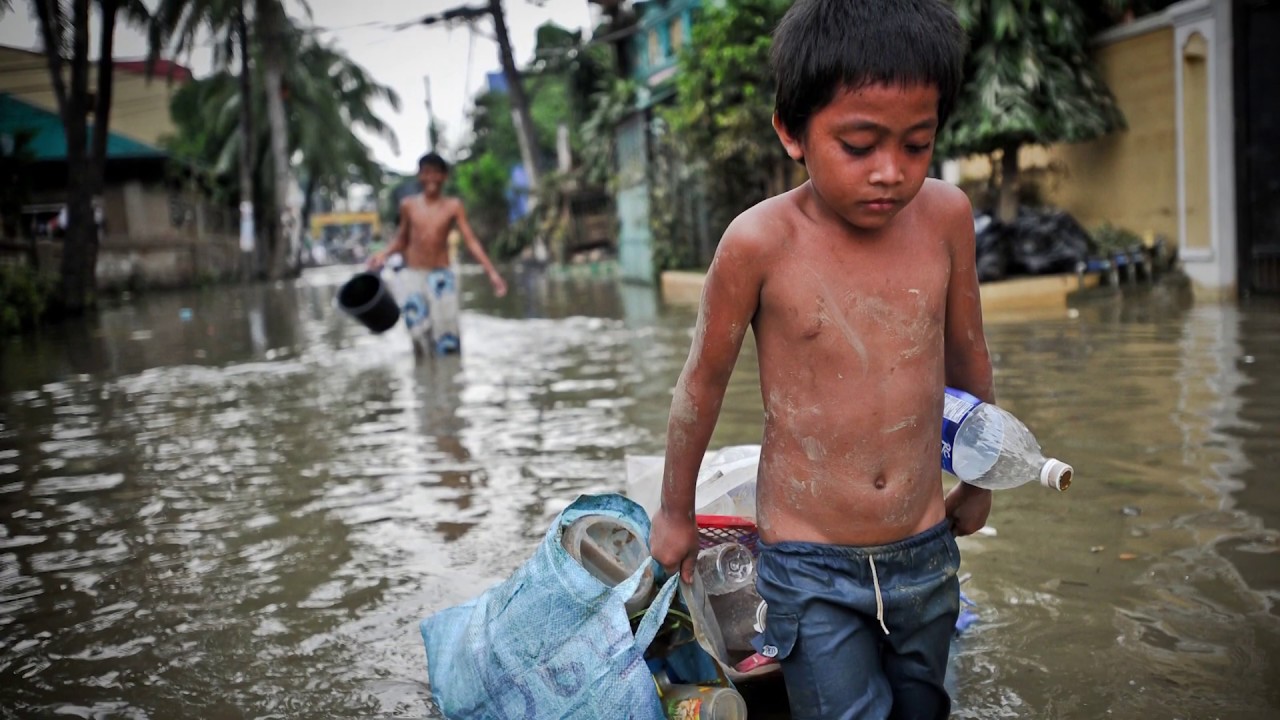
Southeast Asia's coastal communities face rising sea levels and intensified storms, prompting innovative engineering solutions to combat climate change and enhance resilience.
In the Tordrillo Mountains of Alaska, Liz Daley and Caroline Gleich camp on a glacier for two weeks, honoring Daley's legacy through a scholarship fund for women adventurers.
Nine young female activists, aged 12 to 24, confront climate change, advocating for immediate action against political inaction and environmental degradation.
The last decade is measured as the hottest globally, driven by rising carbon dioxide levels.
Three ice caps visible from a farm in southern Iceland are shrinking, reflecting the emotional impact of climate anxiety on local residents.
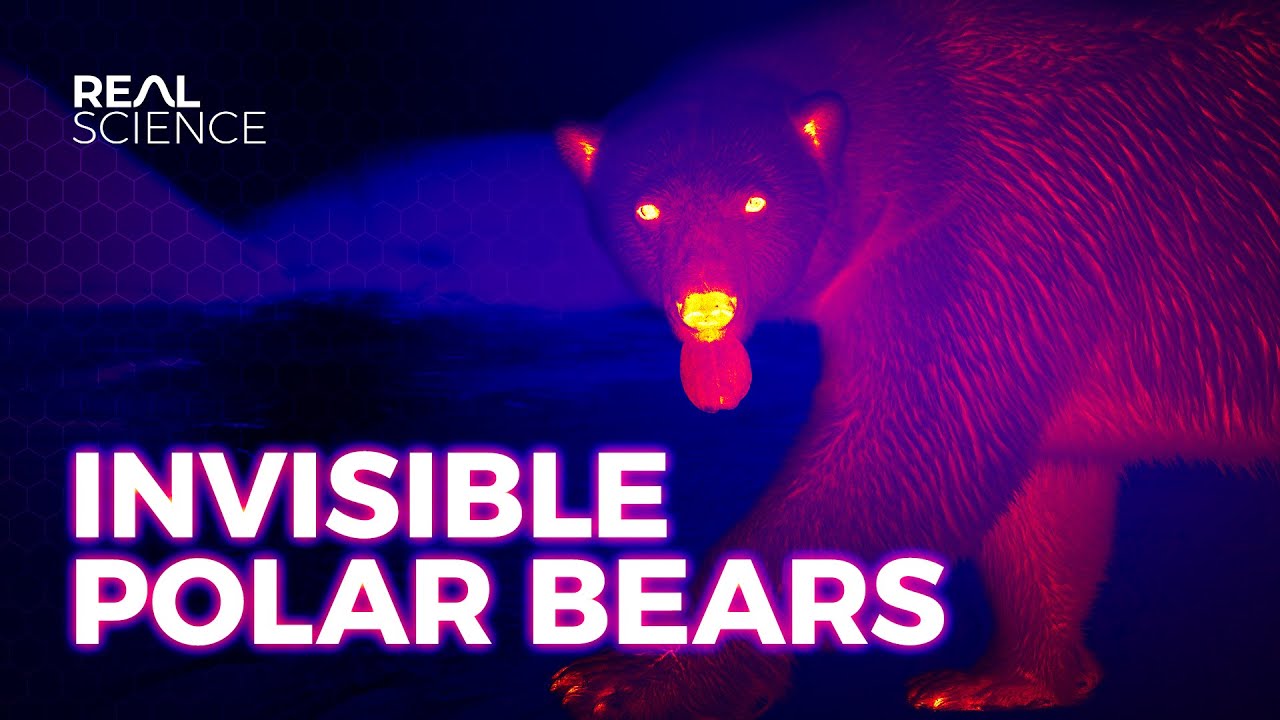
Polar bears, Arctic foxes, and other wildlife in Antarctica and the Arctic exhibit unique adaptations that enable their survival in extreme cold.
Extreme heat, as experienced in a simulated New York City subway environment, significantly impacts the human body's ability to regulate temperature and maintain cardiovascular function.
Kenya faces rising lakes in the Rift Valley while drought areas in the Northeast suffer.
Hurricane Florence dropped 10 trillion gallons of rain on North and South Carolina in its first five days, causing widespread flooding and power outages.
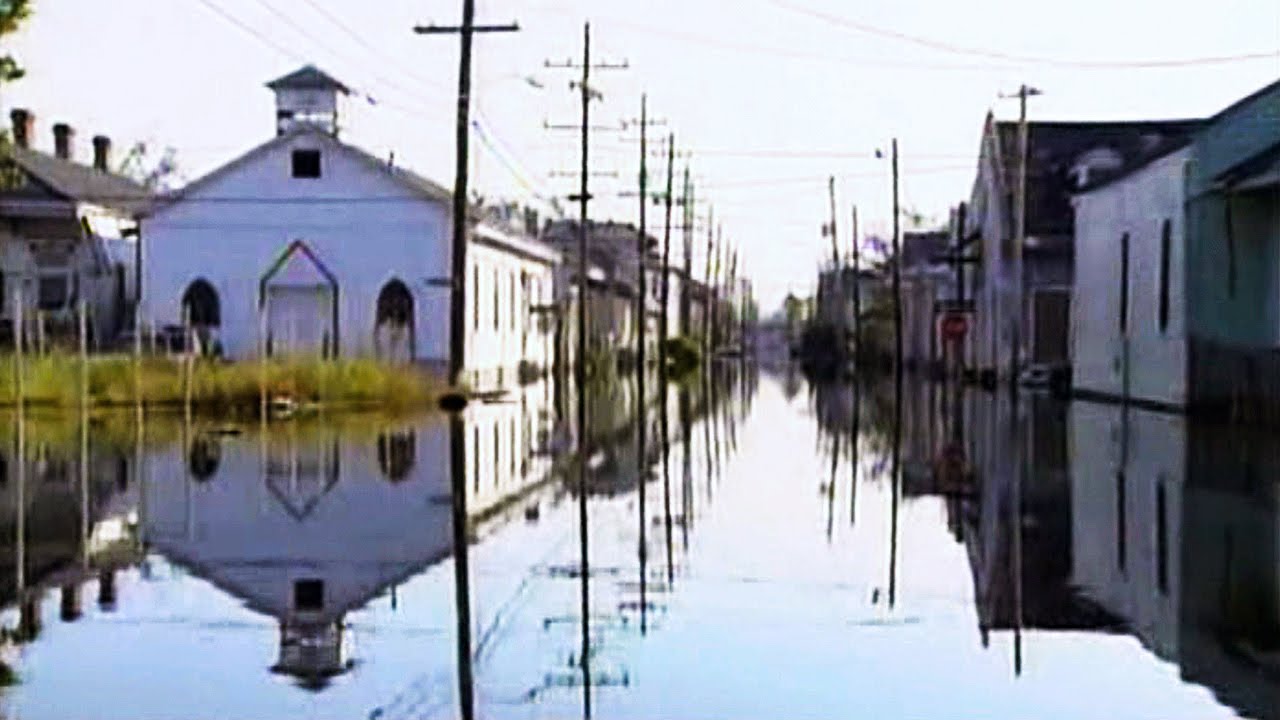
Katrina rapidly intensified from a category 1 to a category 5 hurricane, gaining the power equivalent to 100 atomic bombs before striking the Gulf Coast.
A truckload of people escapes the Superdome after Hurricane Katrina, as poet Shelton Alexander documents the chaos and challenges faced by evacuees.
Young climate activist Noga Levy-Rapoport led a protest in London that attracted 5,000 participants, demanding urgent action on climate change from global leaders.
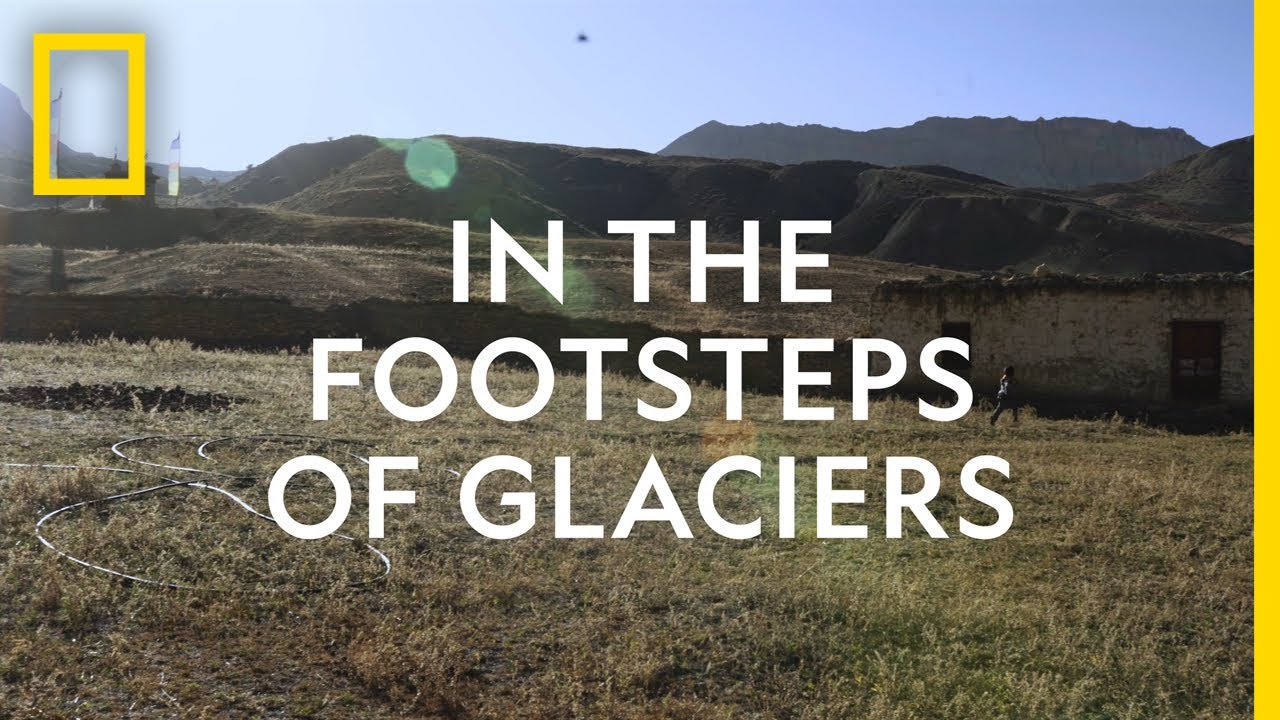
In the Mustang District of Nepal, the Gurung family navigates the challenges of climate change by splitting their livelihoods to secure a sustainable future.
In 2024, India faced its longest heatwave on record, with temperatures exceeding 50°C in New Delhi and reaching 56°C in Nagpur.
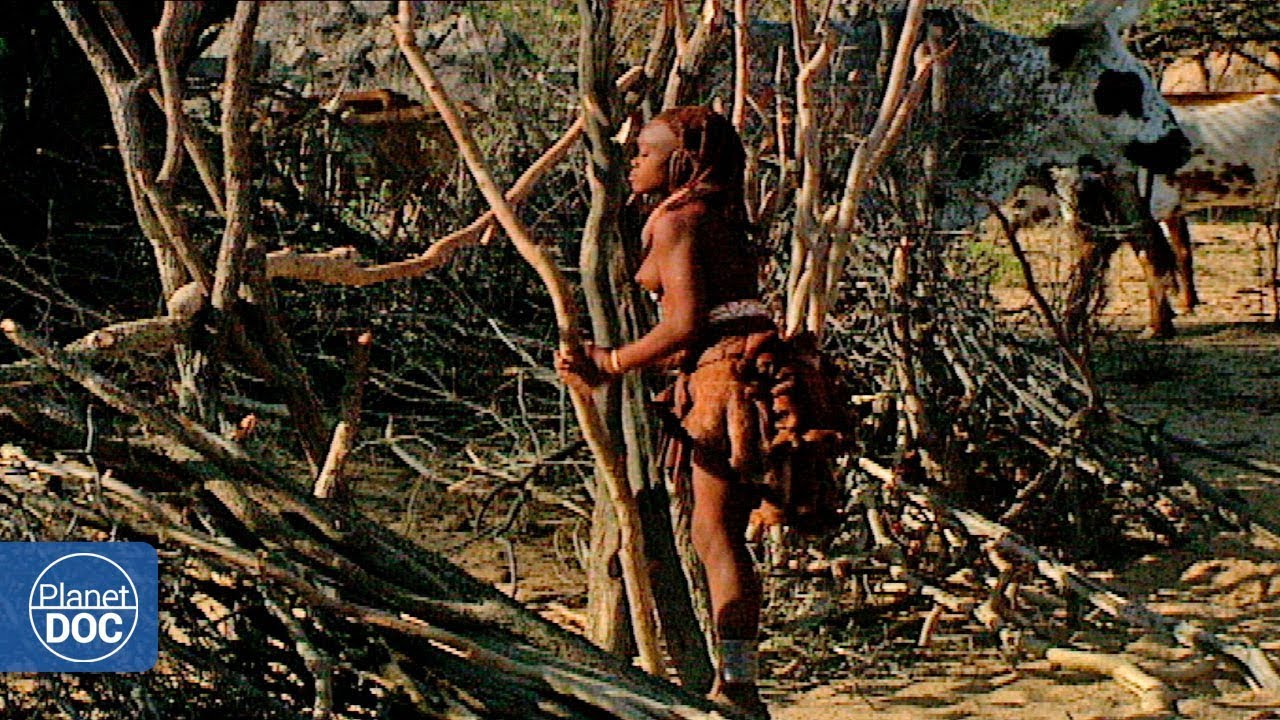
Fourteen years can pass in the Namib Desert without a single drop of rain, creating a harsh environment for its unique plant and animal life.
Fourteen years may pass in the Namib Desert without a single drop of rain, creating one of the most extreme ecosystems on the planet.
Mist descends almost weekly in the Namib Desert, providing 50 liters of water per square meter per year, double the amount of rain.
Over 1 million seals gather along the Namibian coast each year to give birth, but their survival is threatened by overfishing and reduced sardine populations.
The Namib, the oldest desert in the world, showcases extreme adaptations of life in Namibia.
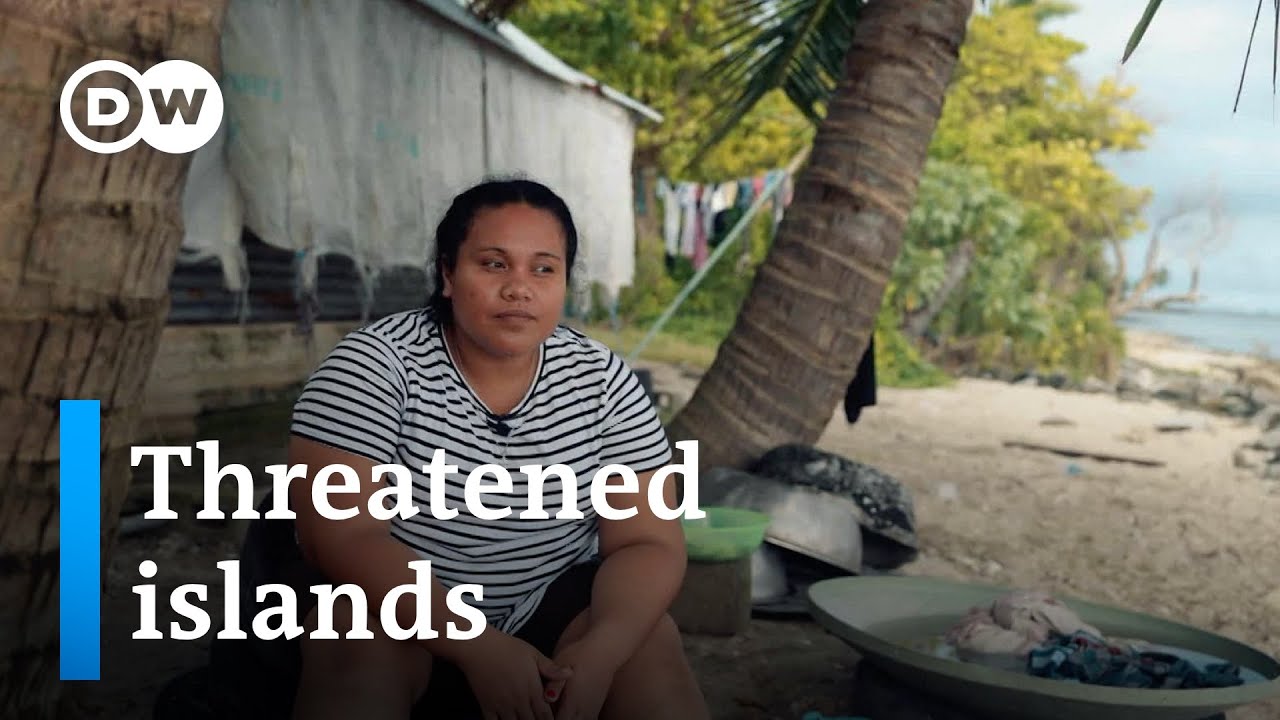
Rising sea levels threaten Kiribati, where nearly all of its 33 islands are at risk of becoming uninhabitable, prompting residents to seek urgent help.
Mongolia's steppe, covering 1.5 million square kilometers, faces severe winter challenges as nomadic herders struggle to feed their animals through heavy snow.
Lauren MacCallum highlights climate change impacts and plans to meet Ryan Furman in March.
New York City confronts the urgent challenge of rising waters and natural disasters, exploring innovative solutions for sustainable urban coexistence with nature.
Staten Island residents share their experiences during Hurricane Sandy's devastation.
Nico Brinkmann uses artificial snow to attract skiers to Winterberg amid climate change challenges.
A full-time activist reflects on the destruction of their childhood river, which sparked their involvement in climate activism and the fight for the Amazon rainforest.
More than 33 million people were affected by the 2022 floods in Pakistan, with one-third of the country submerged under water.
Prince Charles promotes sustainable practices and climate action through initiatives like The Prince's Trust and collaborations with environmental organizations.
The Aral Sea is reviving as water flows back, bringing hope and economic revival.
Rising sea levels, which have increased by 21 centimeters since 1900, threaten coastal regions in China, the Netherlands, and small island nations in the South Pacific.
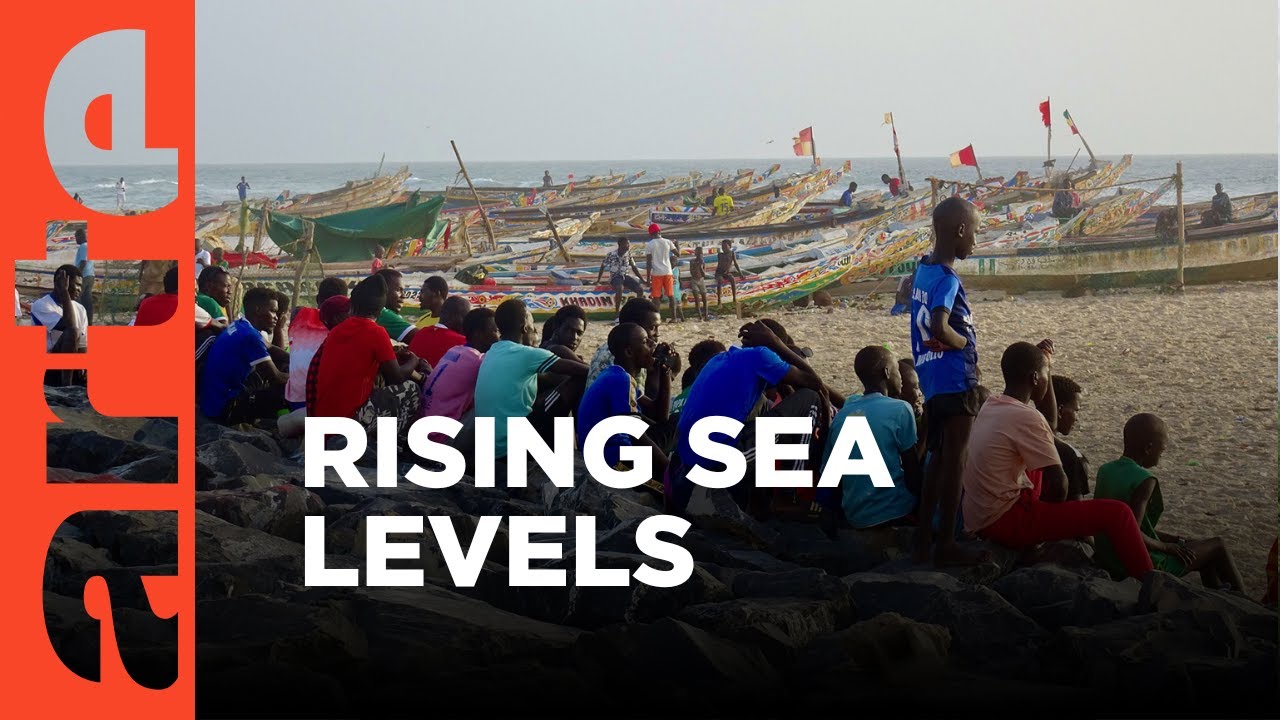
More than 10,000 people will need to be relocated from the Langue de Barbarie peninsula due to rising sea levels and coastal erosion.
Grevy’s zebras and Burchell’s zebras form mixed herds in Shaba during the rainy season before migrating to the Aberdare mountains for year-round pasture.
In Kenya's savannah, drought severely affects wildlife, as elephants gather near the last green patches on limestone hills to survive the harsh conditions.
On May 25, 2009, Cyclone Aila struck Bangladesh, affecting nearly 4 million people and resulting in 190 deaths as it devastated villages and farmland.
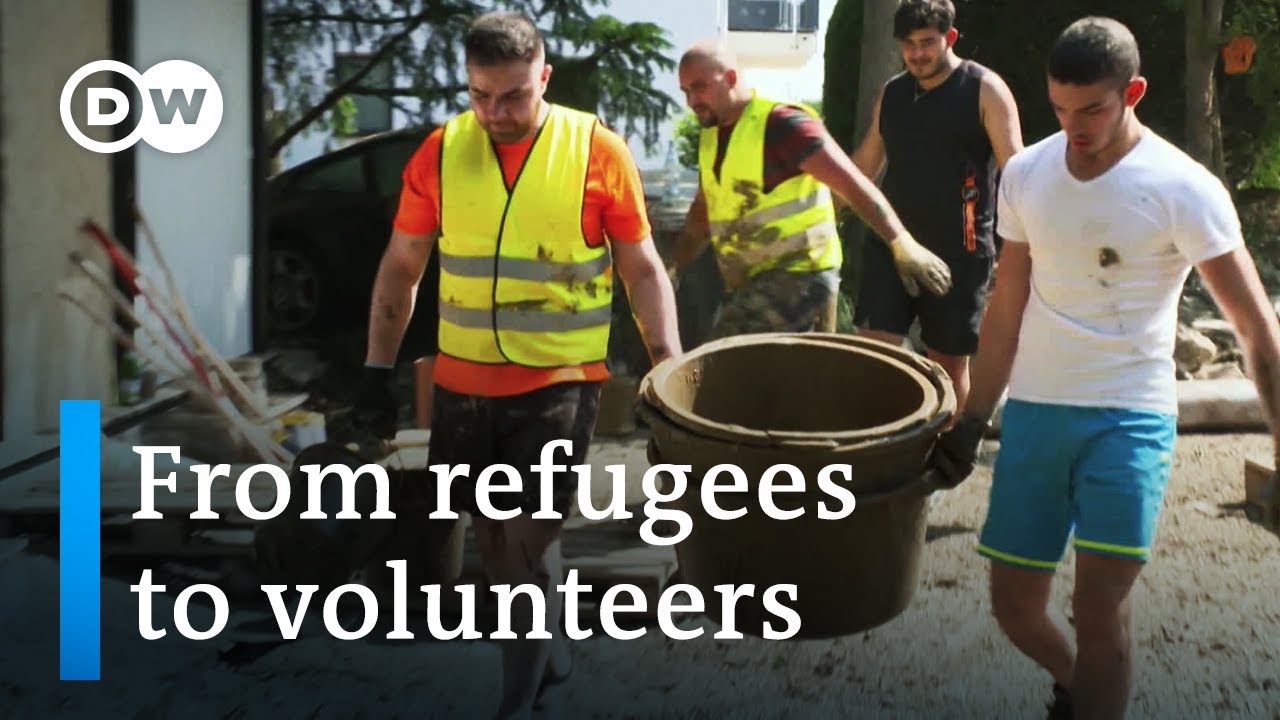
Hundreds of Syrian volunteers responded to a call for help in July 2021, assisting flood victims in Germany's Ahr Valley and later in Sinzig.
Zanskar, a remote region in the Himalayas, features a perilous 120-kilometer trek along the Chaddar river, highlighting the resilience of its inhabitants.