From over 100,000 films, discover the handful you'll love.
Free or premium access to the world's largest documentary library.
193 films(Page 4 of 5)
Gigantopithecus, the largest known great ape, offers insights into its lifestyle and extinction, highlighting lessons for modern primates.
The last universal common ancestor, or LUCA, represents the single common ancestor of all life on Earth, a topic explored by PBS Digital Studios.
A camera on Voyager 1 captured Earth as a pale blue dot from 6 billion kilometers away, revealing the planet's life as invisible from such a distance.
The Great Unconformity reveals a missing chapter in Earth's history, potentially linked to a fracturing supercontinent and the diversification of life.
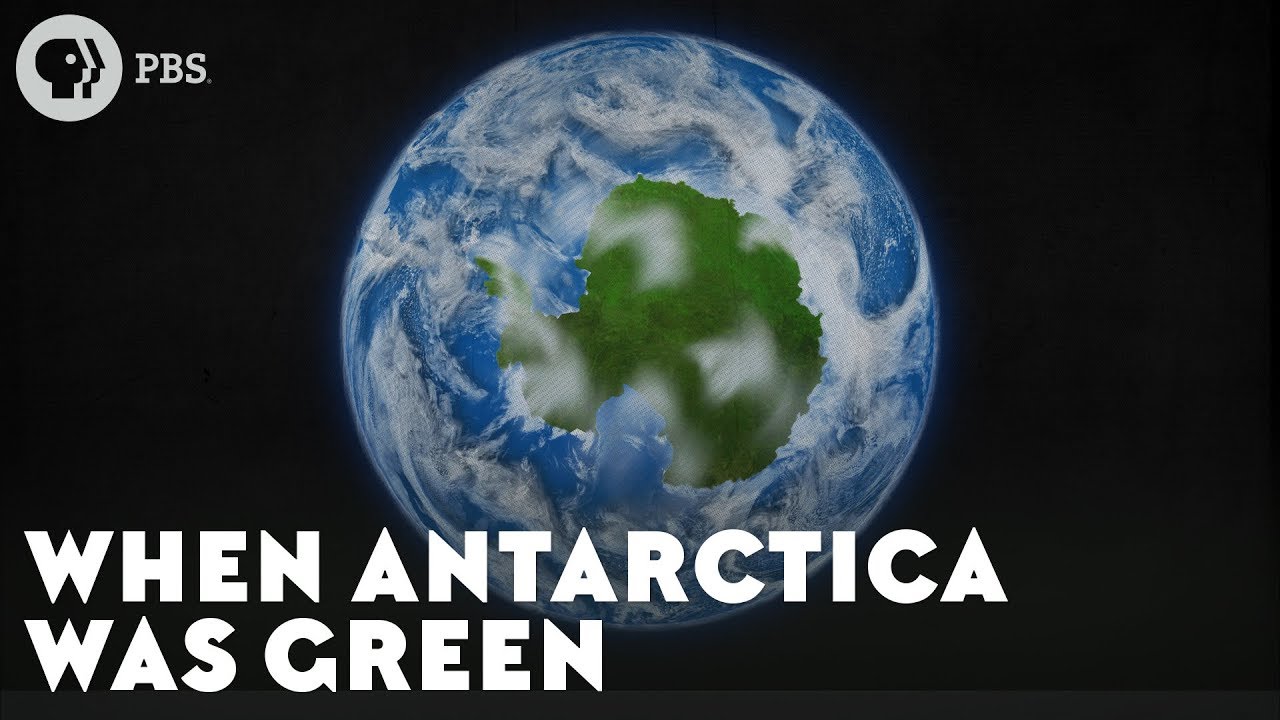
Before the Eocene Epoch, Antarctica was a lush, green landmass connected to Australia and South America, shaping the southern hemisphere's ecological history.
During the Miocene epoch, apes thrived across Europe, but today, they are confined to small regions in Africa and Asia due to evolutionary changes.
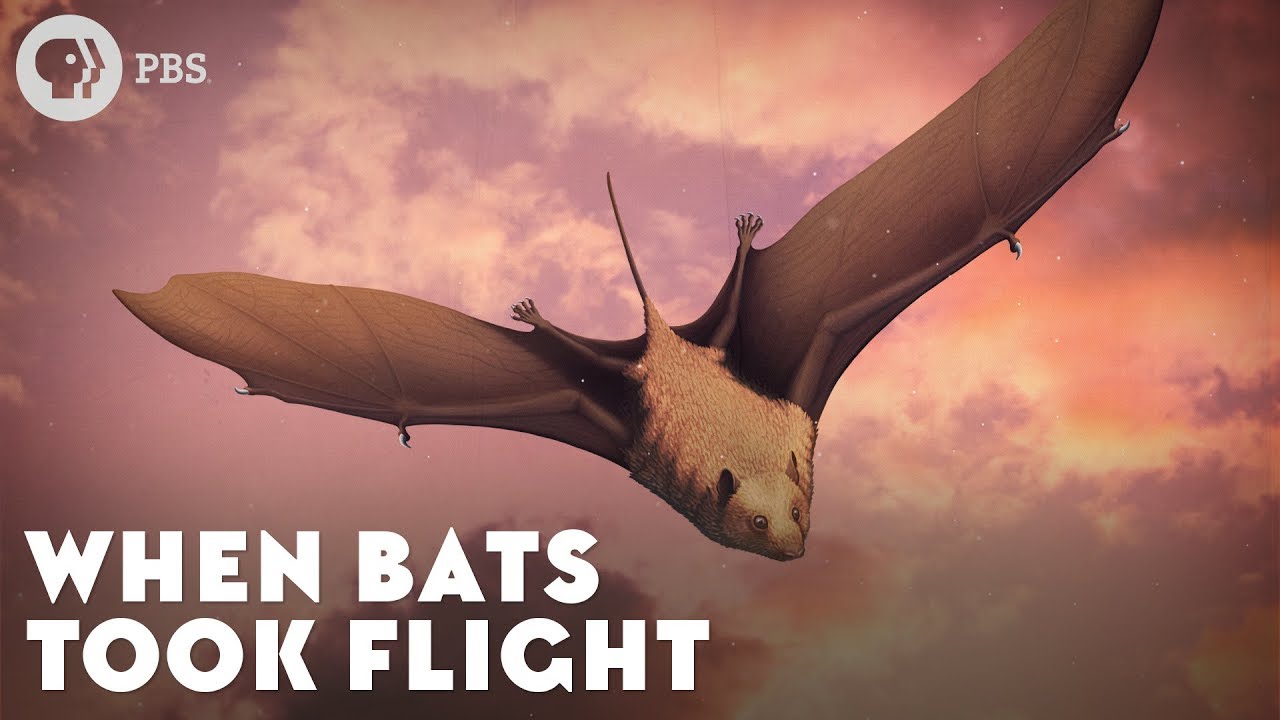
Bats appear in the fossil record as fully developed flying mammals across all continents except Antarctica, raising questions about their origins and evolutionary features.
Archaeopteryx, a pivotal figure in the evolution of birds, is examined for its relationship to modern avians and its unique dental features linked to non-avian dinosaurs.
Ratites, a group of flightless birds, have a diverse global distribution across continents, with fossil evidence indicating their historical presence in Europe, Asia, and North America.
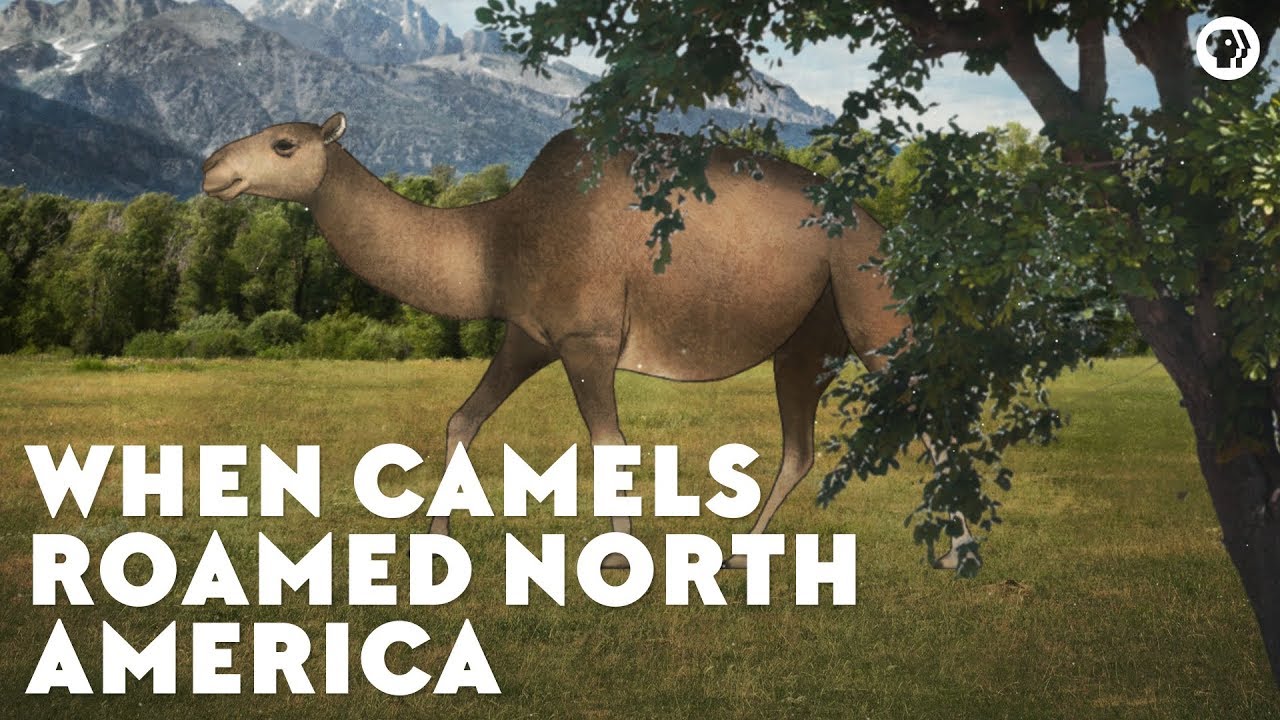
Camels originated in North America over 40 million years ago, thriving in a rainforest environment before adapting to harsher climates.
Metriorhynchids, a group of marine reptiles, thrived in prehistoric seas while dinosaurs dominated the land, showcasing unique adaptations for aquatic life.
During the Triassic Period, a diverse array of croc-like animals thrived on Earth, overshadowing the newly emerged dinosaurs.
In the Cretaceous Period, the Arctic was a challenging environment for dinosaurs, yet fossils reveal their remarkable adaptations for survival in extreme winter conditions.
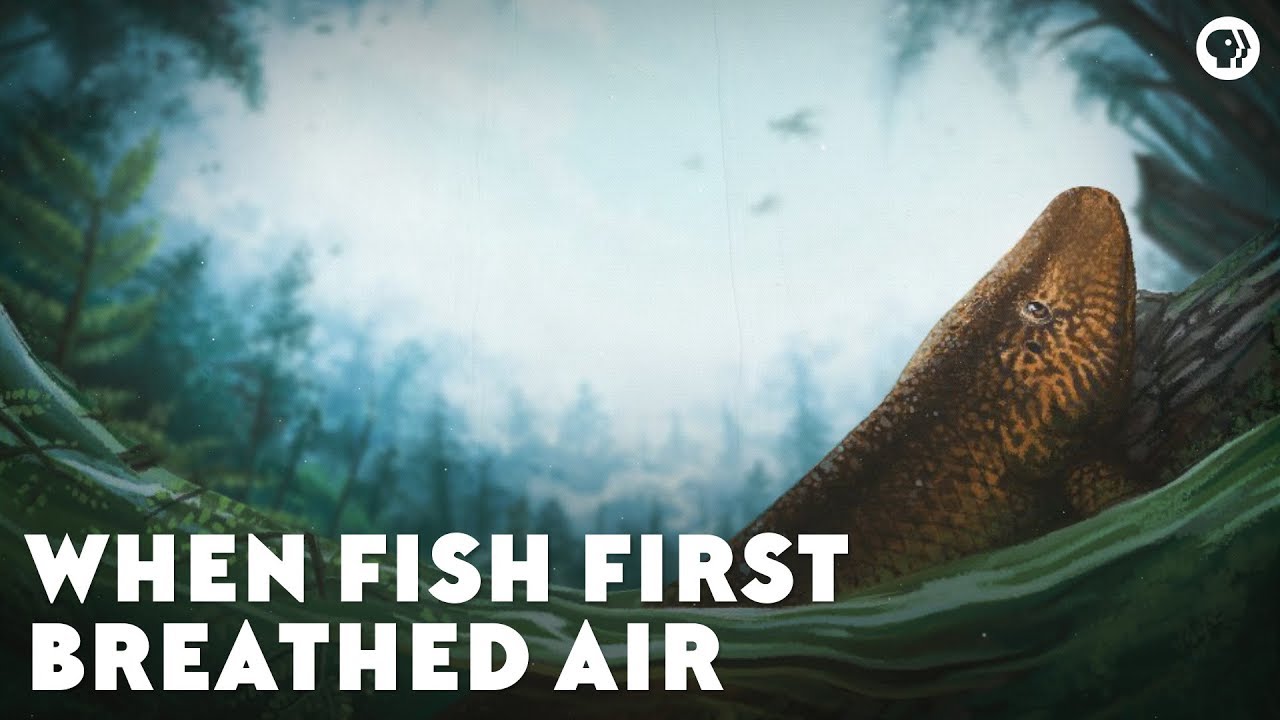
385 million years ago, a group of fish evolved the ability to breathe air, marking a pivotal moment in the transition to life on land.
420 million years ago, some fish evolved armor made of plates and interlocking scales, which may have served purposes beyond protection.
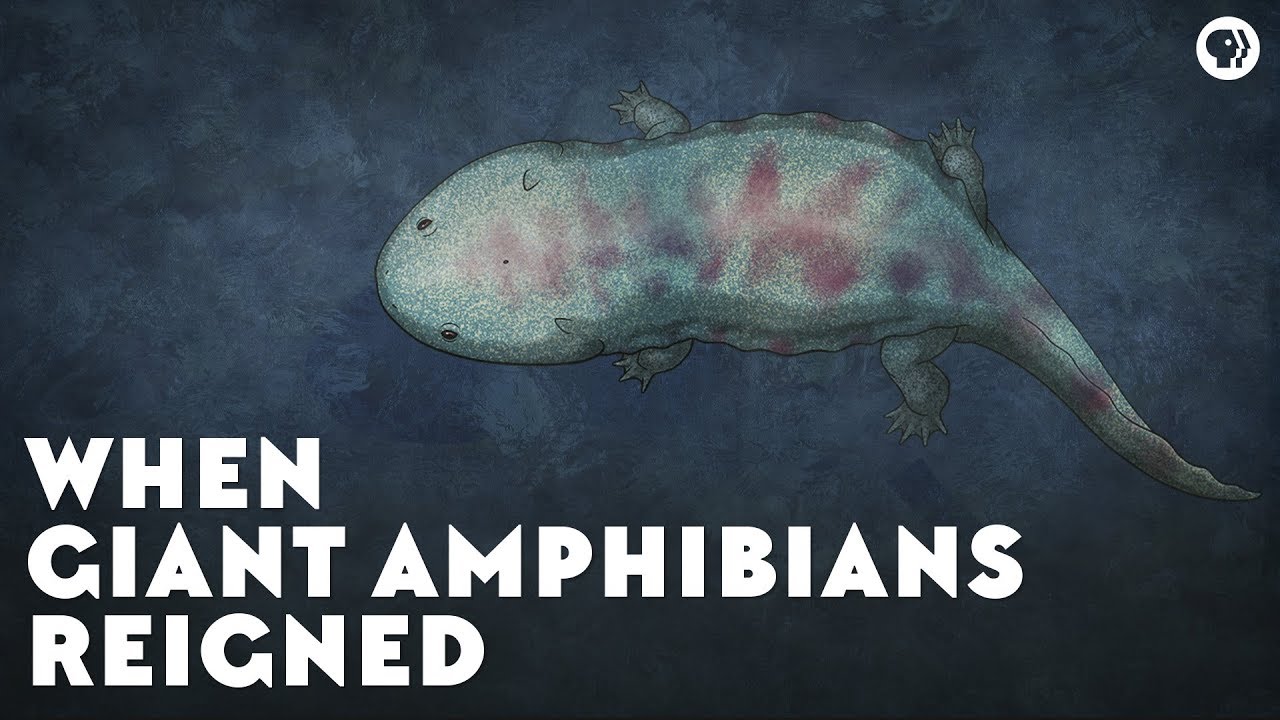
Temnospondyls, a diverse group of amphibians that thrived for 210 million years, faced extinction due to climate change and the emergence of the amniote egg.
Megaloceros, one of the largest deer species, coexisted with early humans in Eurasia, leading to significant interactions that shaped both species' histories.
420 million years ago, Prototaxites, a giant fungus, thrived as the largest living organism on land, playing a crucial role in the evolution of terrestrial life.
Hypercarnivorous hyaenodonts, including Simbakubwa kutokaafrika, were once the apex predators of Africa but faced extinction due to environmental changes.
Giant lemurs once roamed Madagascar, evolving into a diverse group of primates that significantly influenced the island's unique ecosystems before their extinction.
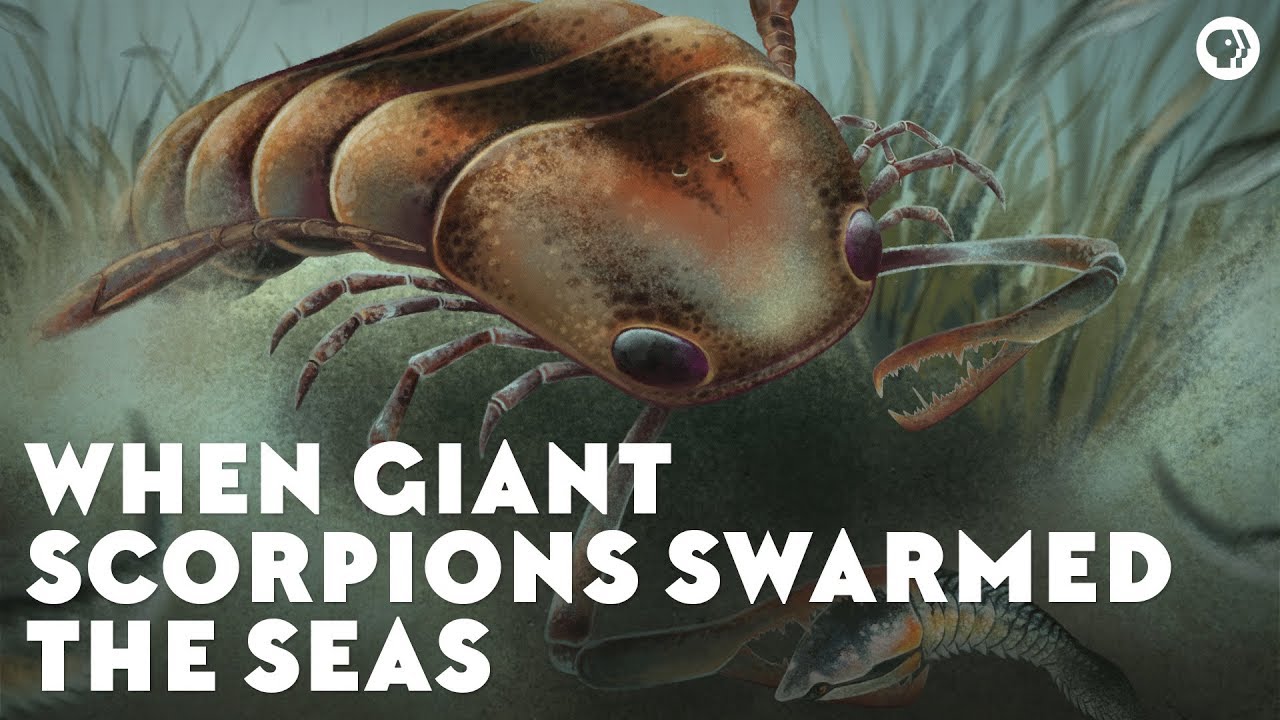
Sea scorpions, which thrived for 200 million years, evolved various adaptations, including massive sizes that made them the largest arthropods in history.
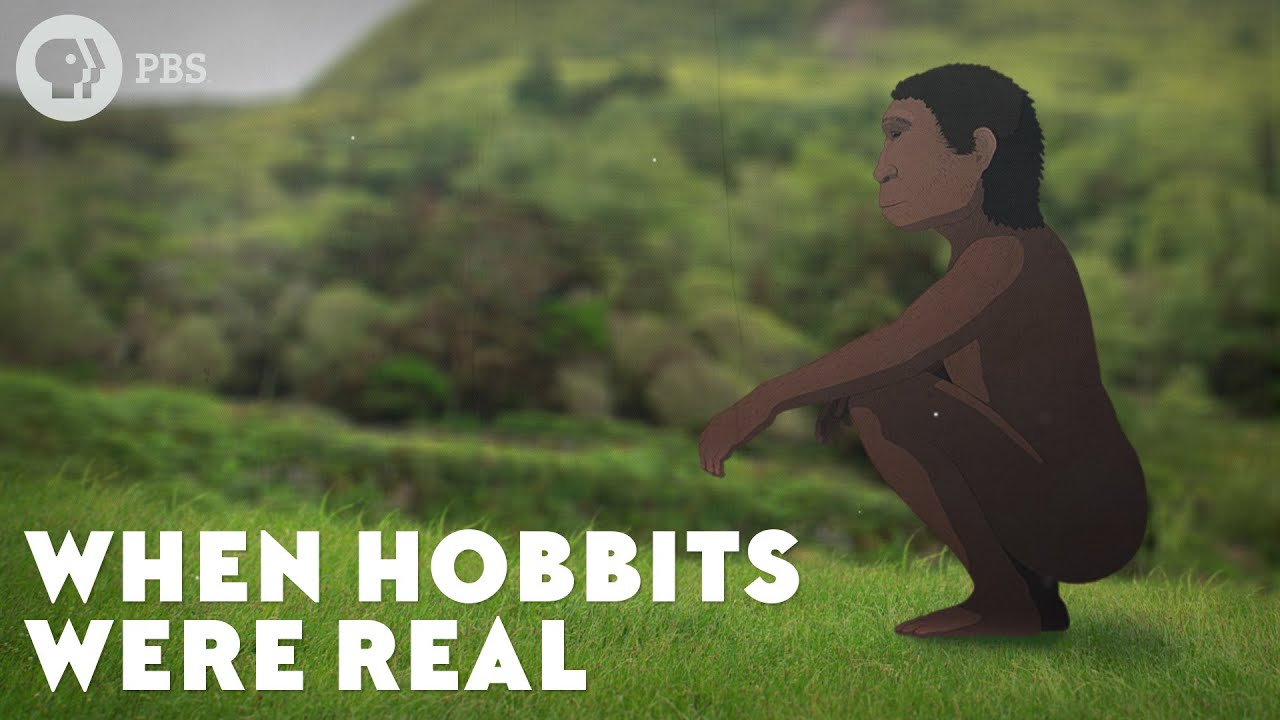
Homo floresiensis, often referred to as "the hobbit," raises significant questions about its classification as a distinct species or a variant of modern humans.
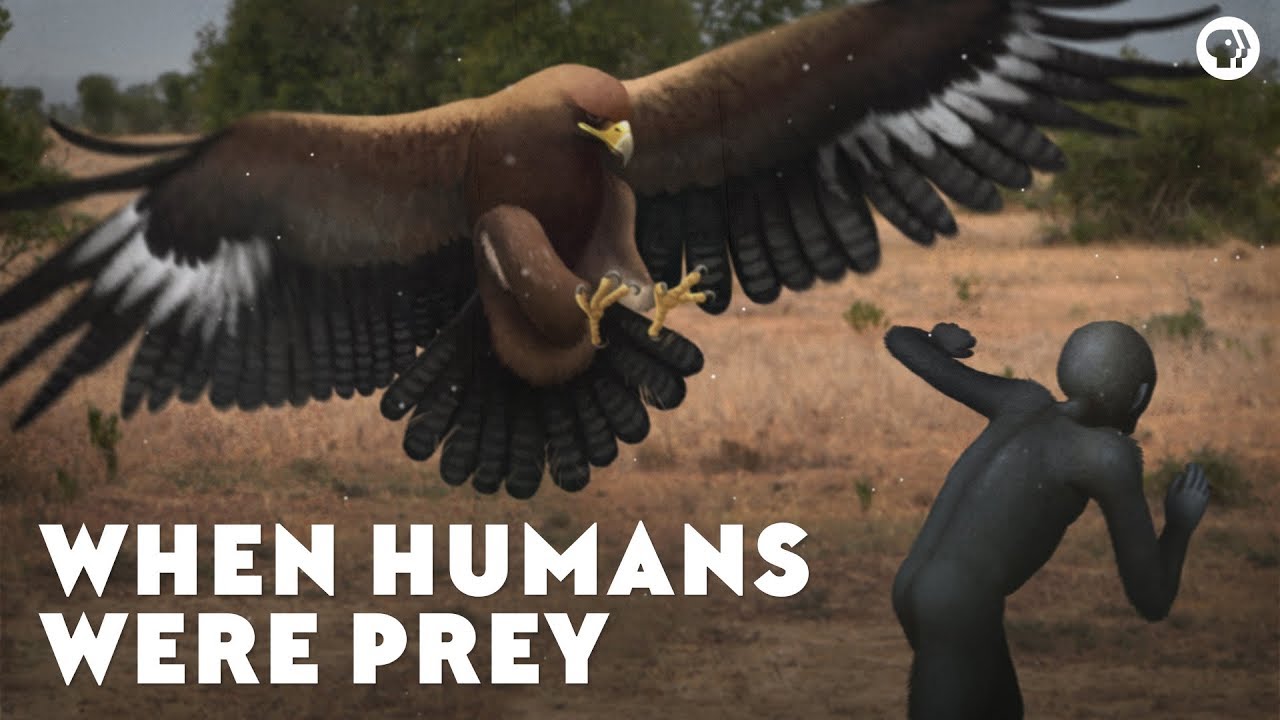
Early human ancestors faced constant predation, which significantly influenced their evolutionary adaptations and survival strategies.
Ichthyosaurs emerged after The Great Dying, a mass extinction event that eliminated 90 percent of marine life, leading to a new evolutionary dynamic in the oceans.
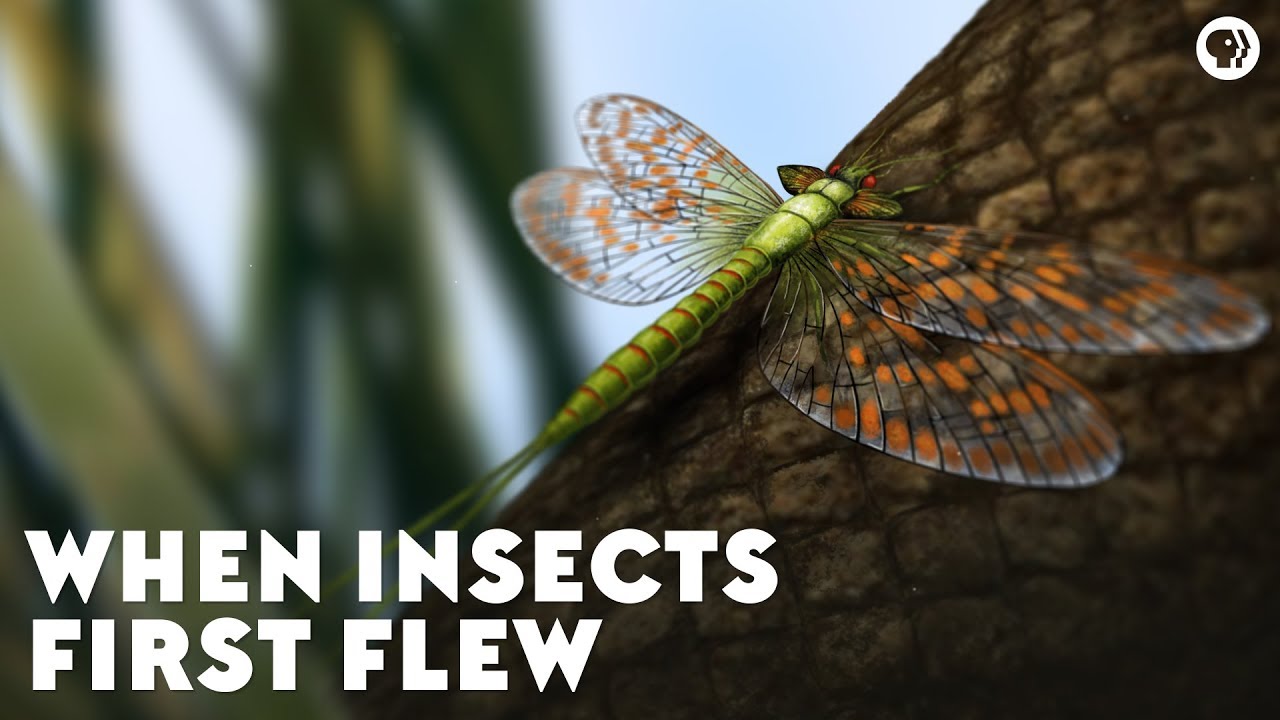
Insects were the first animals to evolve flight, prompting ongoing scientific debate about the origins and development of their wings.
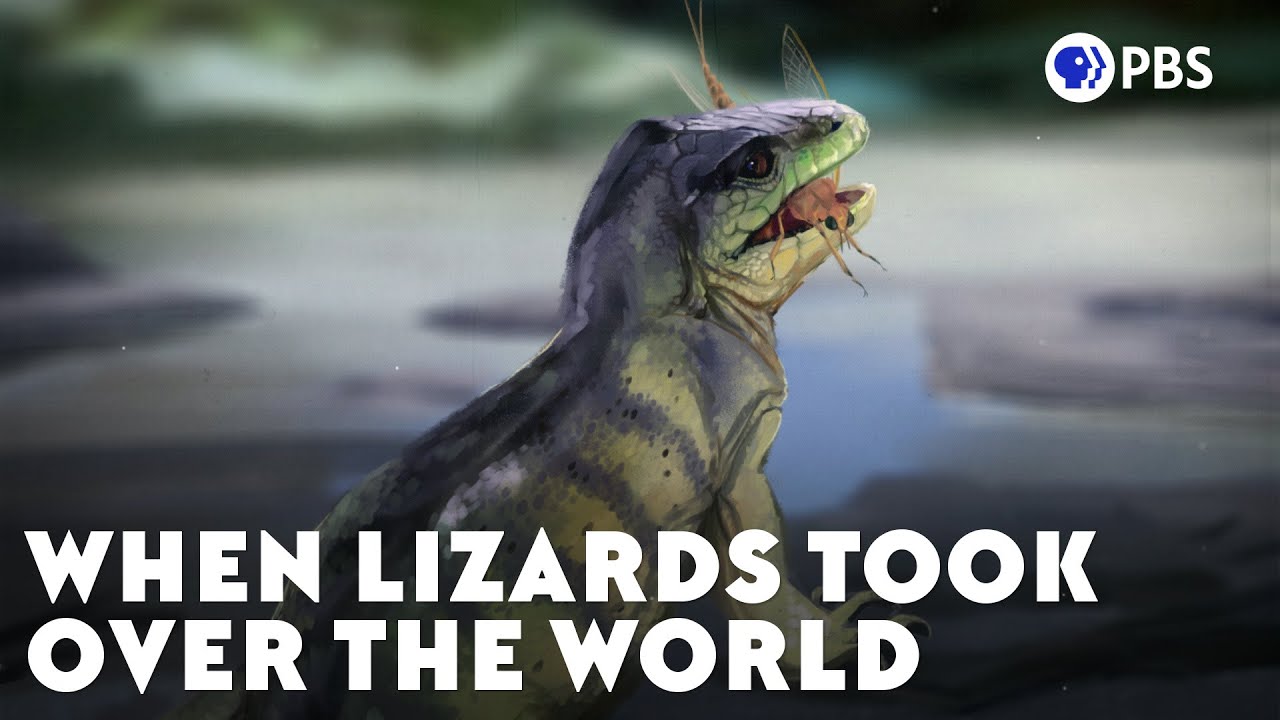
Lizards, once facing competition from similar reptiles, evolved over millions of years to become one of the most diverse and widespread groups of animals on Earth.
Research on mammalian fossils and dinosaur biology challenges the long-held belief that dinosaurs were diurnal while mammals were exclusively nocturnal.
Penguins evolved from flying ancestors, once existed as giants, and have undergone significant changes in their appearance and habitat over millions of years.
Caviomorpha, a group of rodents that originated in South America, are believed to have descended from African ancestors over 40 million years ago.
The Younger Dryas, a significant climatic event, has prompted extensive scientific debate regarding its causes and the potential for similar occurrences in the future.
During a time when Earth's dominant color was purple, the planet's ecosystems and life forms were vastly different from those of today.
The Carboniferous Rainforest Collapse marked a significant extinction event that reshaped terrestrial animal life and influenced the evolution of early ancestors.
The Sahara was once a lush environment that supported diverse wildlife and human habitation, contrasting sharply with its current arid climate.
Synapsids, the first terrestrial megafauna, faced extinction while some adapted to coexist with dinosaurs, shaping the evolutionary path of modern ecosystems.
420 million years ago, the forest floor of present-day New York was dominated by a wooden-rooted plant that reshaped the understanding of tree evolution.
The creation of early stone tools by hominins marks a significant milestone in human technological evolution and the development of our species.
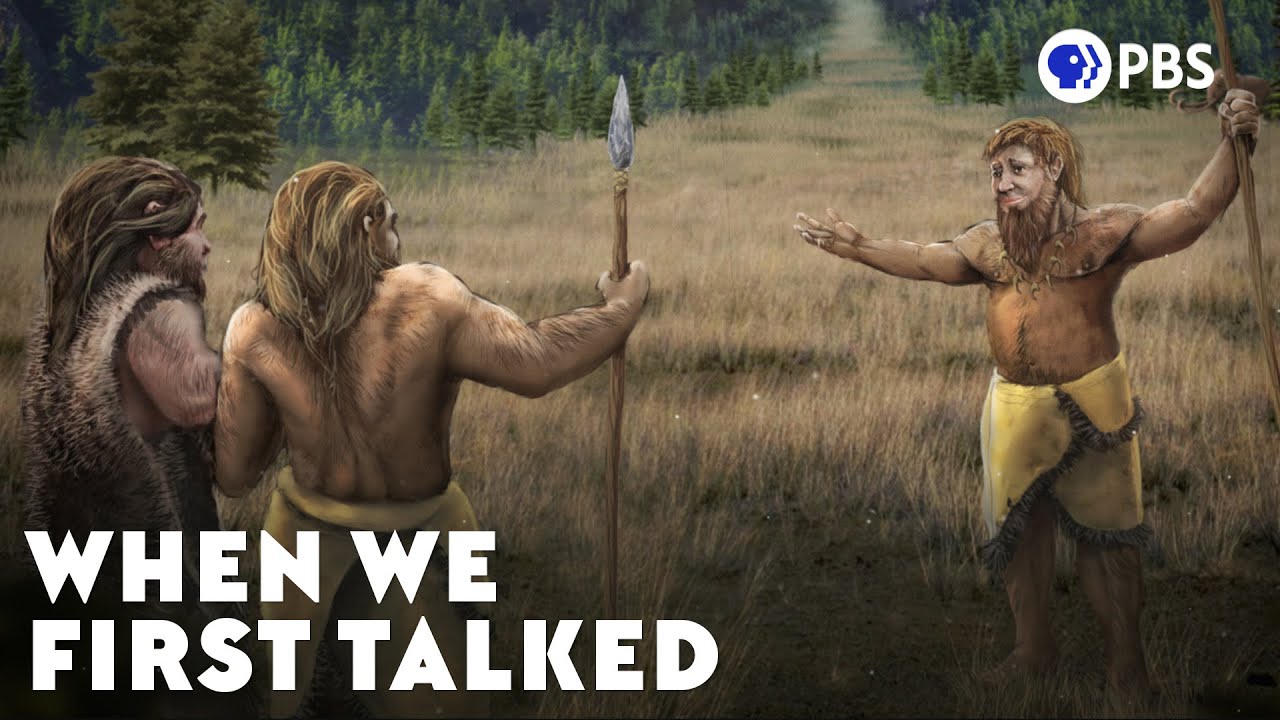
The evolution of human speech spans several million years, highlighting the complex journey from primitive communication to modern language.
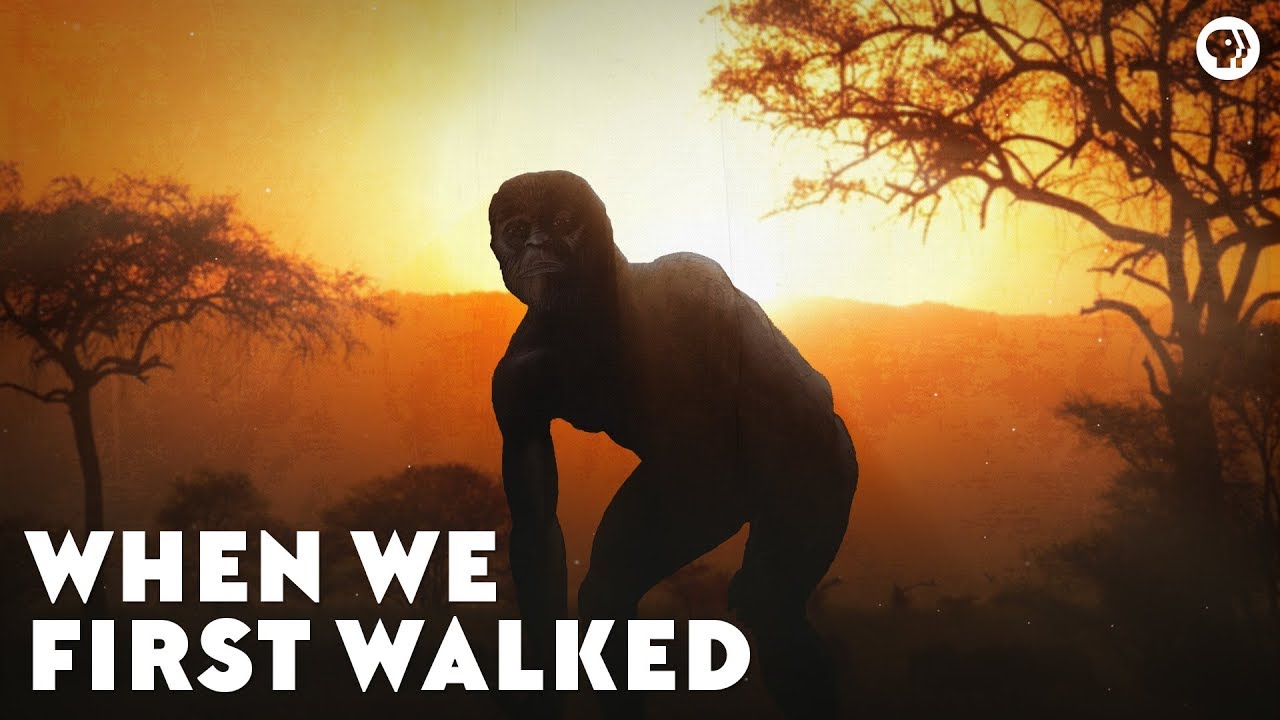
Fossilized footprints in Laetoli, Tanzania, provide evidence that human ancestors were walking on two legs 3.6 million years ago, raising questions about early bipedalism.
Eurasia 100,000 years ago was inhabited by multiple hominin species, with evidence suggesting interactions between them and early human ancestors.
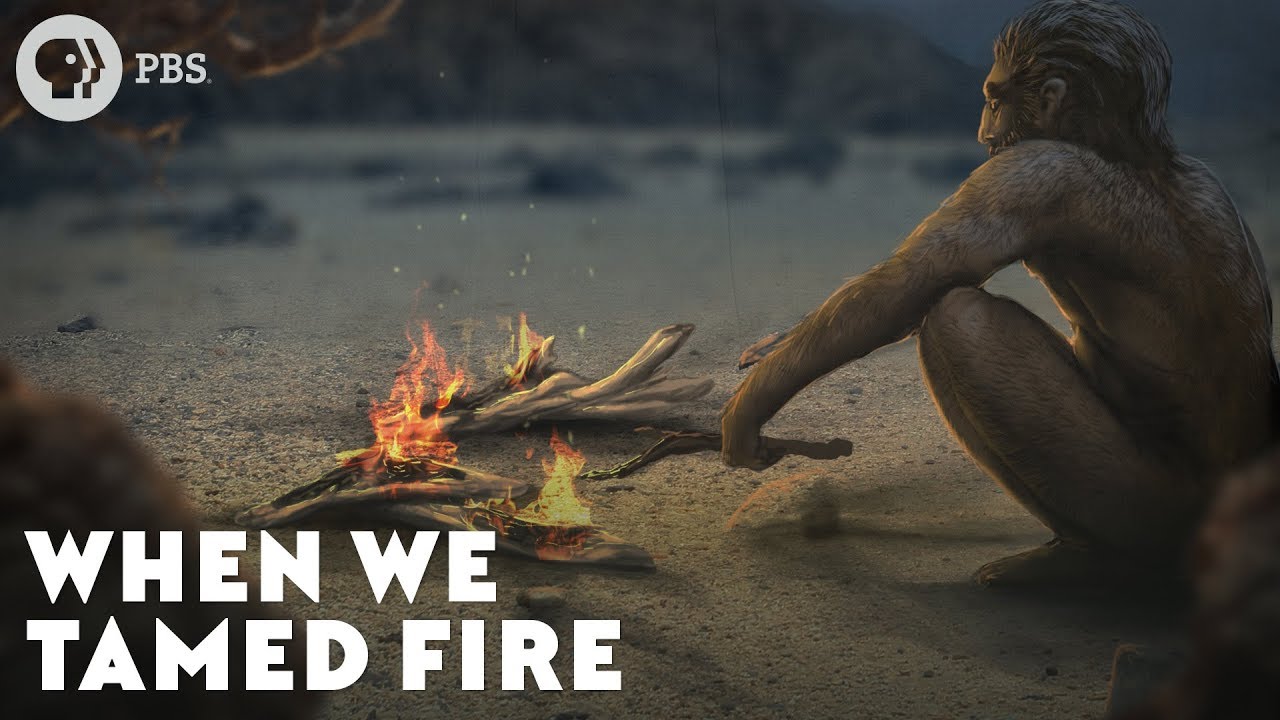
The ability to make and use fire has significantly influenced human evolution, shaping physical and social development throughout history.
Human migration from Africa to the Americas is traced through fossils and archaeological materials, highlighting the significant period of global expansion.
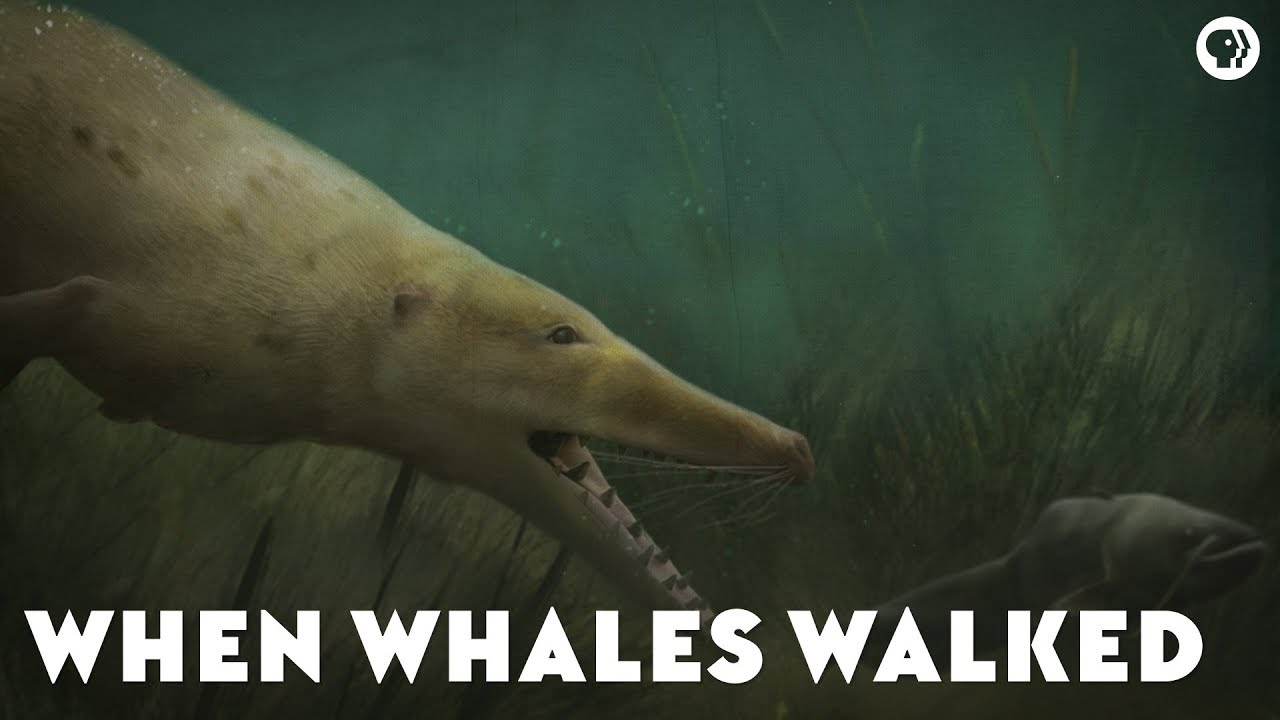
Whales evolved from land-dwelling ancestors, showcasing a fascinating transition from terrestrial to aquatic life over millions of years.
Molecular fossils found in the DNA of infected hosts provide insights into the origins and evolution of viruses, raising questions about their status as living entities.
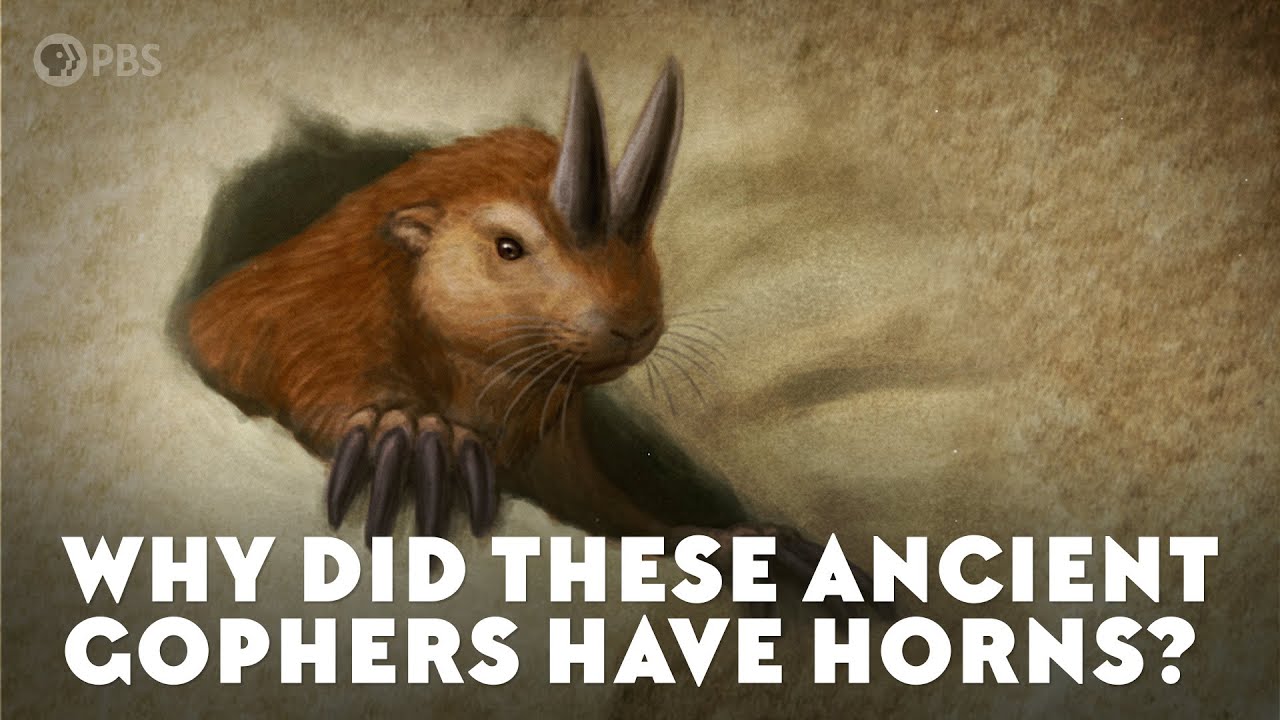
Ceratogaulus, commonly known as horned gophers, possessed horns that likely served a beneficial purpose for these ancient rodents, as explored in Samantha Hopkins' research.
Crustaceans repeatedly evolve into crab-like forms across various species, raising questions about the evolutionary advantages of this morphology.
Woolly mammoths, primarily found in fossil records as males, raise questions about their extinction at the end of the last ice age, explored with insights from TierZoo.
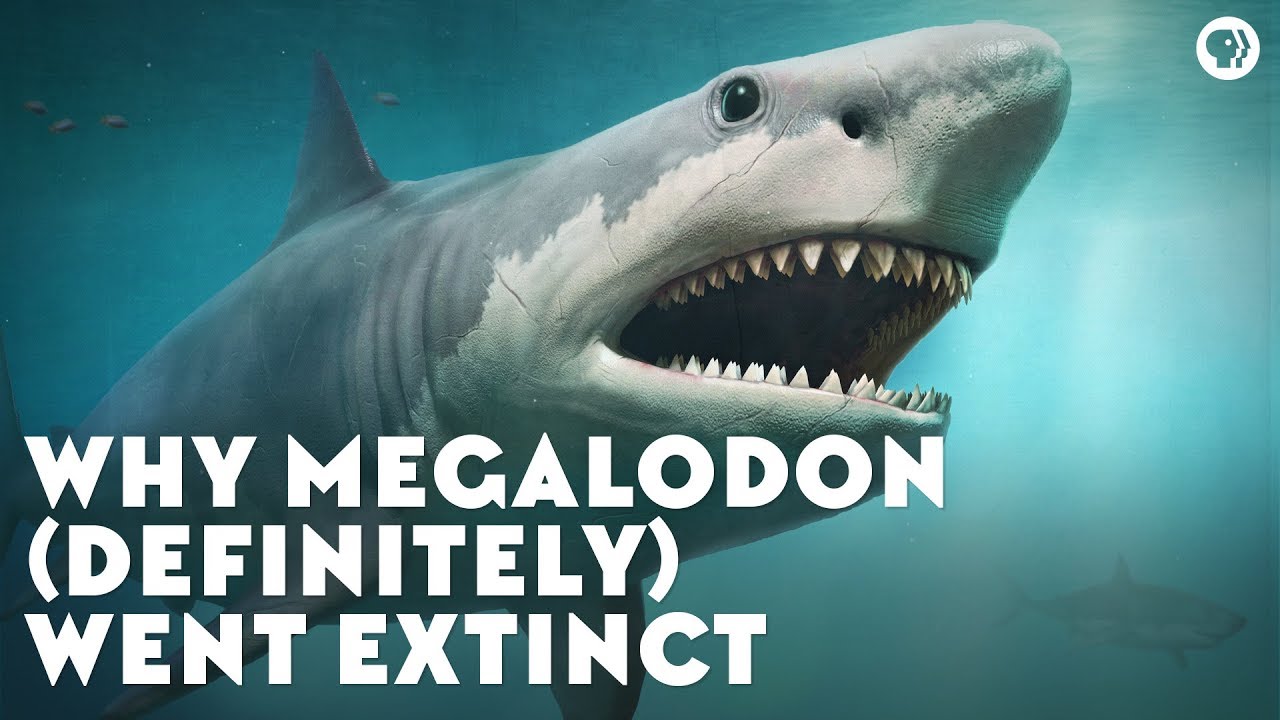
Megalodon, the largest shark in history, dominated the oceans for over 10 million years before its extinction 2.6 million years ago, raising questions about its demise.
The Triassic period featured a diverse array of unique animals, illustrating evolutionary patterns shaped by two significant mass extinctions.