From over 100,000 films, discover the handful you'll love.
Free or premium access to the world's largest documentary library.
193 films(Page 2 of 5)
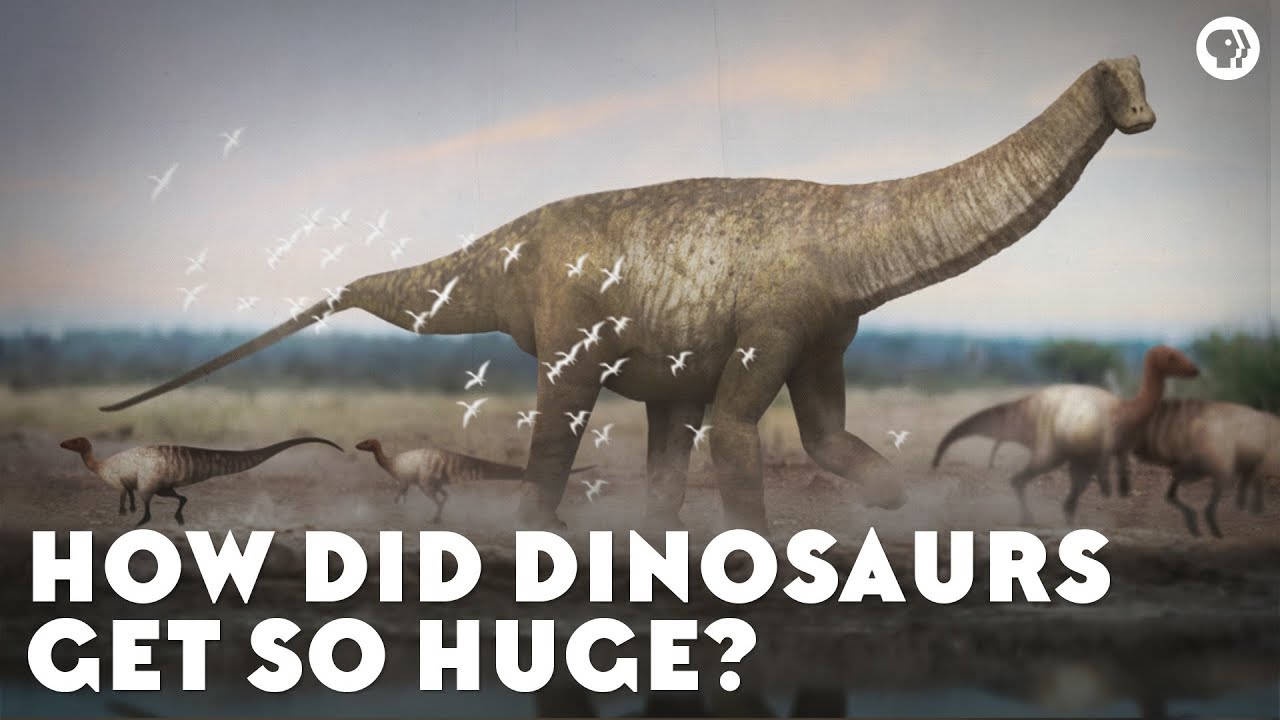
Dinosaurs, some as tall as a five-story building, roamed the Earth during the Jurassic and Cretaceous Periods, showcasing remarkable evolutionary adaptations.
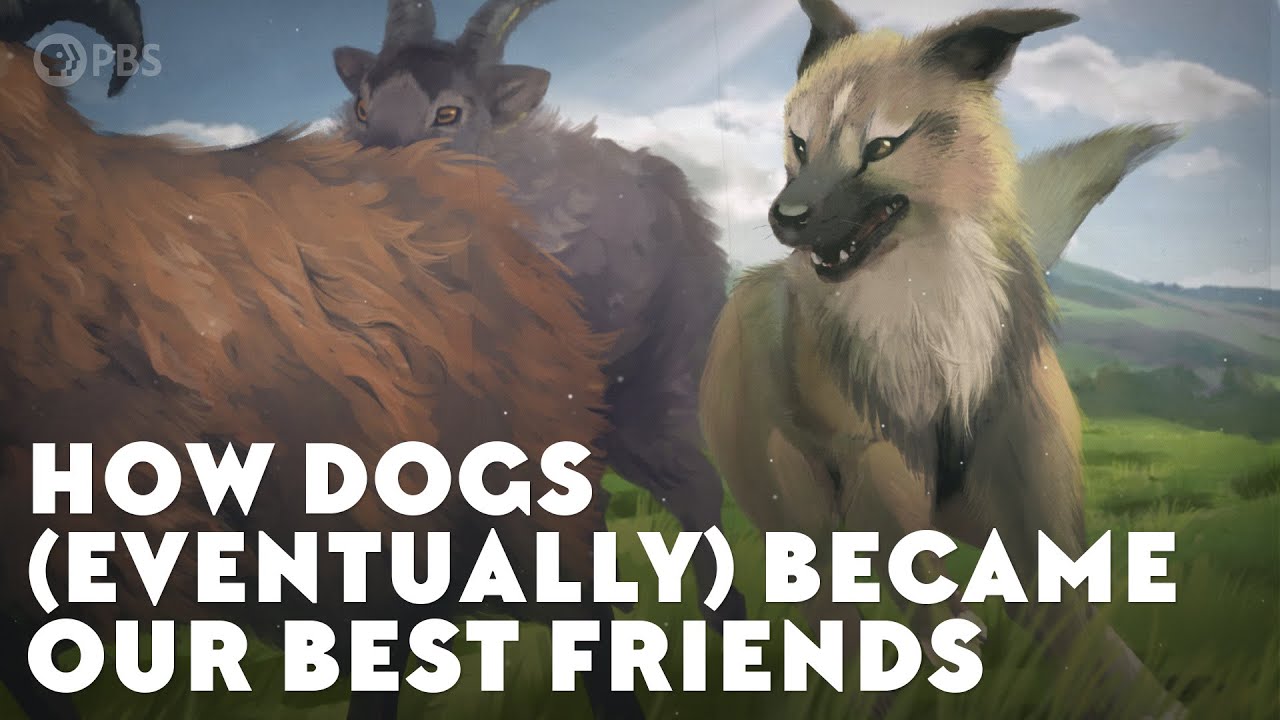
Thousands of years of interactions between humans and wolves led to the domestication of dogs, shaping their genetics and anatomy into the companions known today.
Sponges, resilient filter-feeding organisms, have survived multiple mass extinction events and played a crucial role in maintaining Earth's ecosystems.
At the Smithsonian National Museum of Natural History's Deep Time Hall, experts explain the mechanisms of evolution and the historical context of its understanding.
Horses, which thrived globally, vanished from North America for 10,000 years before being reintroduced by Spanish explorers in the 16th century.
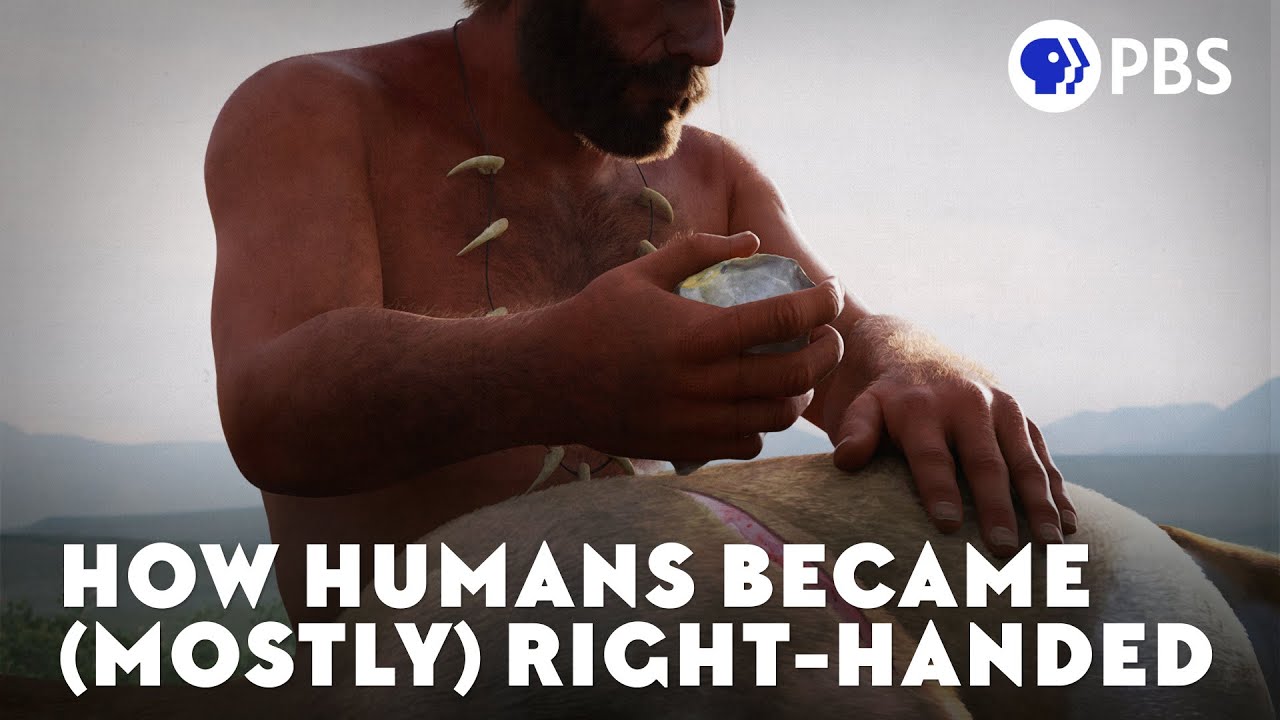
Right-handedness in humans may have deep evolutionary roots, with left-handedness offering unexpected advantages, as explored through various scientific perspectives.
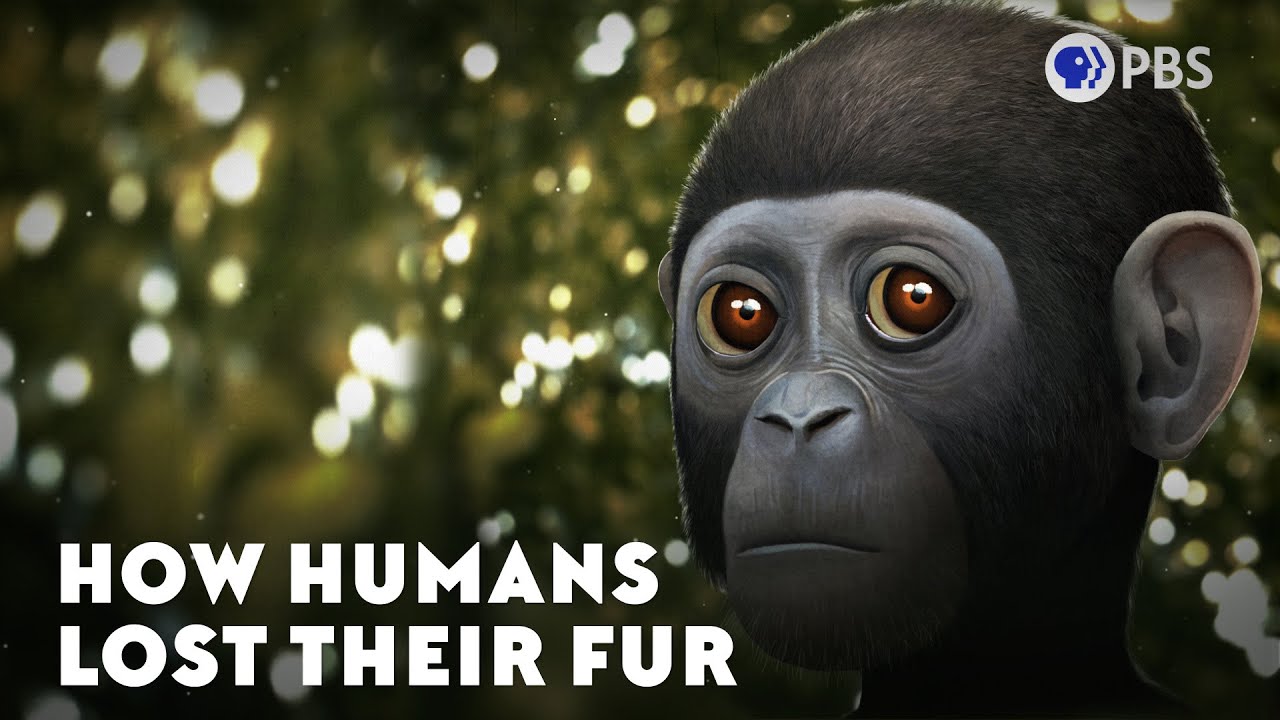
Humans are the only primates without a coat of thick fur, a change that significantly impacted body temperature regulation and shaped human evolution.
Aegirocassis, the largest radiodont from the Early Ordovician, reached over 2 meters in length, enabled by a significant evolutionary shift in plankton.
Botanical carnivory evolves as certain plants adapt to nutrient-poor environments, showcasing unique survival strategies in species like sundews.
In the Cambrian period, the emergence of terrestrial plants significantly altered Earth's climate and contributed to the first mass extinction event.
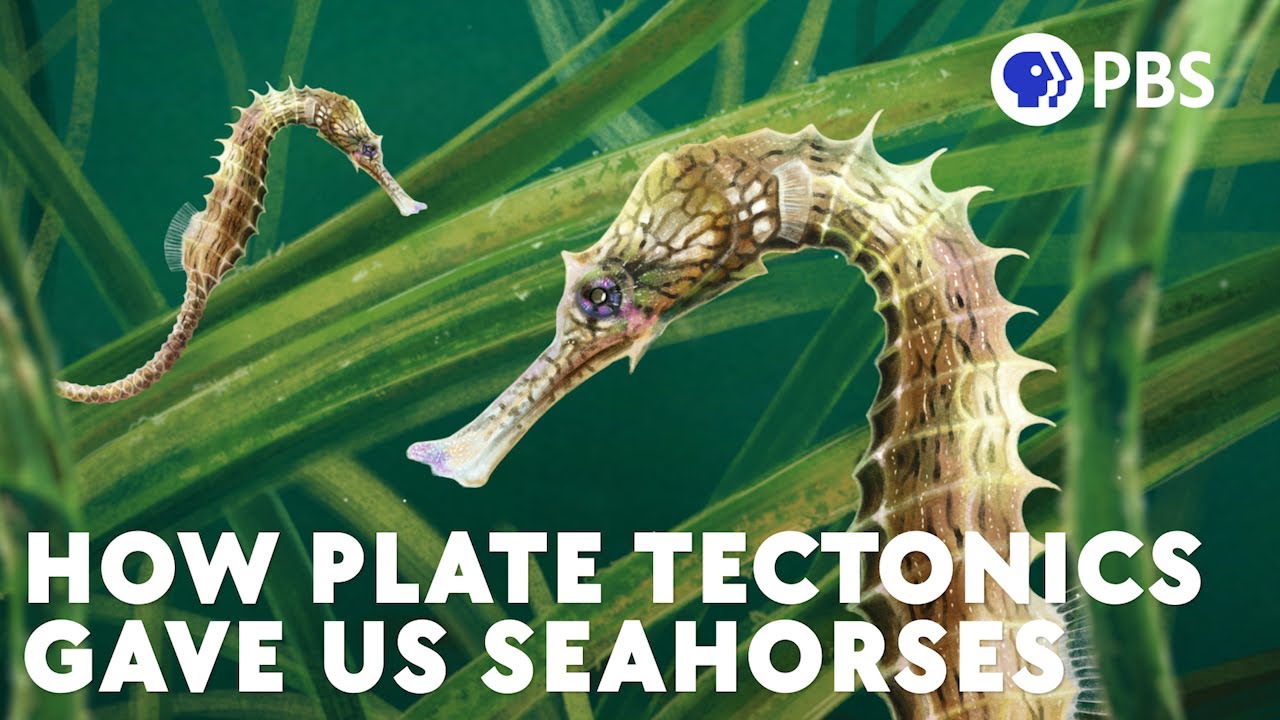
Seahorses, known for their poor swimming abilities, have a complex evolutionary history that reveals their global distribution and origins, as explored by Eons and Franz Anthony.
Pterosaurs, the ancient flying reptiles, experienced evolutionary changes that enabled flight but ultimately contributed to their extinction.
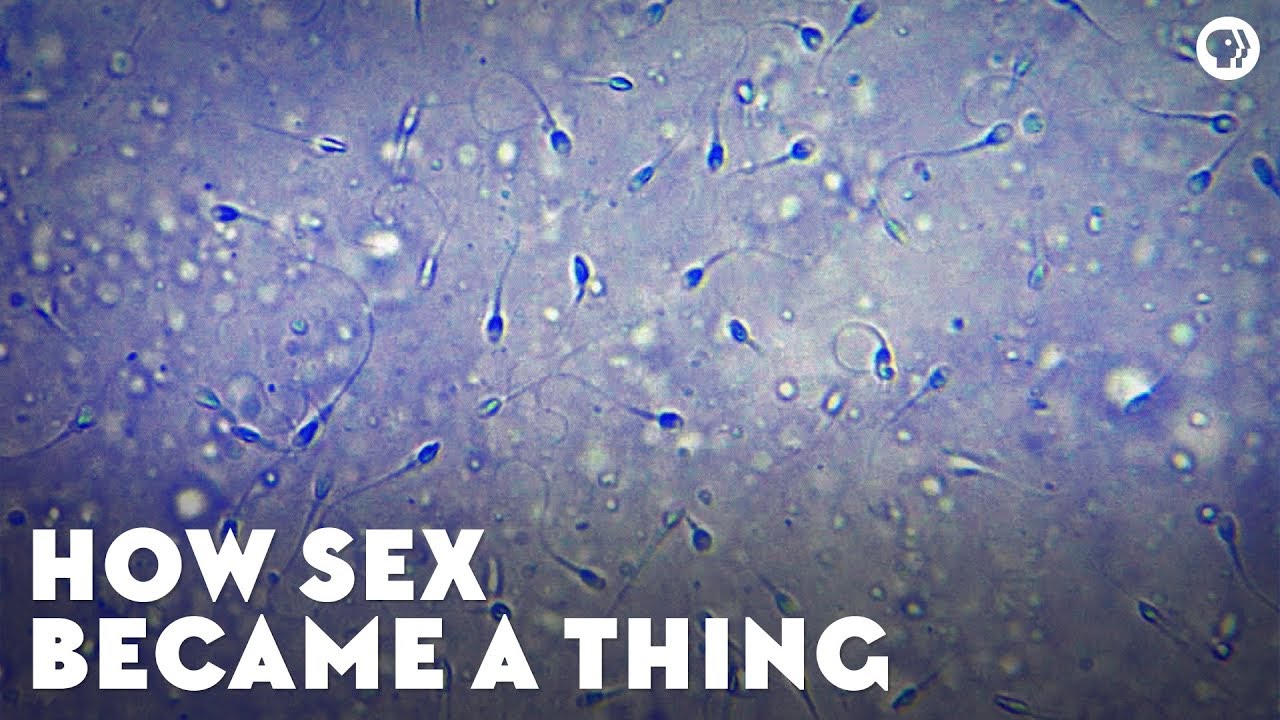
Sexual reproduction's evolutionary history is explored, tracing its origins and significance in the development of life on Earth.
Sloths exhibit remarkable ecological diversity, having evolved from marine foragers and underground dwellers to their current arboreal lifestyle, with only tree-dwelling relatives remaining.
Throughout the Cenozoic Era, marsupials and their metatherian relatives thrived in South America, adapting to various ecological niches and evolving into diverse forms.
At Cerro Ballena in Chile, over 40 skeletons of marine mammals from the Late Miocene Epoch reveal insights into the environmental changes that may have contributed to their demise.
Two extinct relatives of horses and rhinos, chalicotheres, exhibit significant differences in body structure despite their close evolutionary relationship.
The evolution of the egg is traced from the first land-dwelling vertebrates to modern mammals and birds, emphasizing that the egg came first.
Ancestors of modern cephalopods like octopuses and squids possessed shells that initially provided protection but ultimately became a liability in their evolution.
Tyrannosaurus rex, known for its massive size and small arms, presents a complex evolutionary narrative regarding the function and adaptation of its forelimbs.
Turtles evolved from ancient reptiles, and their unique shells have prompted scientists to reevaluate the history of reptile evolution.
The evolution of walruses over nearly 20 million years reveals that their tusks are not linked to their feeding habits, challenging previous assumptions.
Nunalleq, a village in southwest Alaska, thrived during the Little Ice Age, prompting exploration of its survival strategies and the climate change causes of that era.
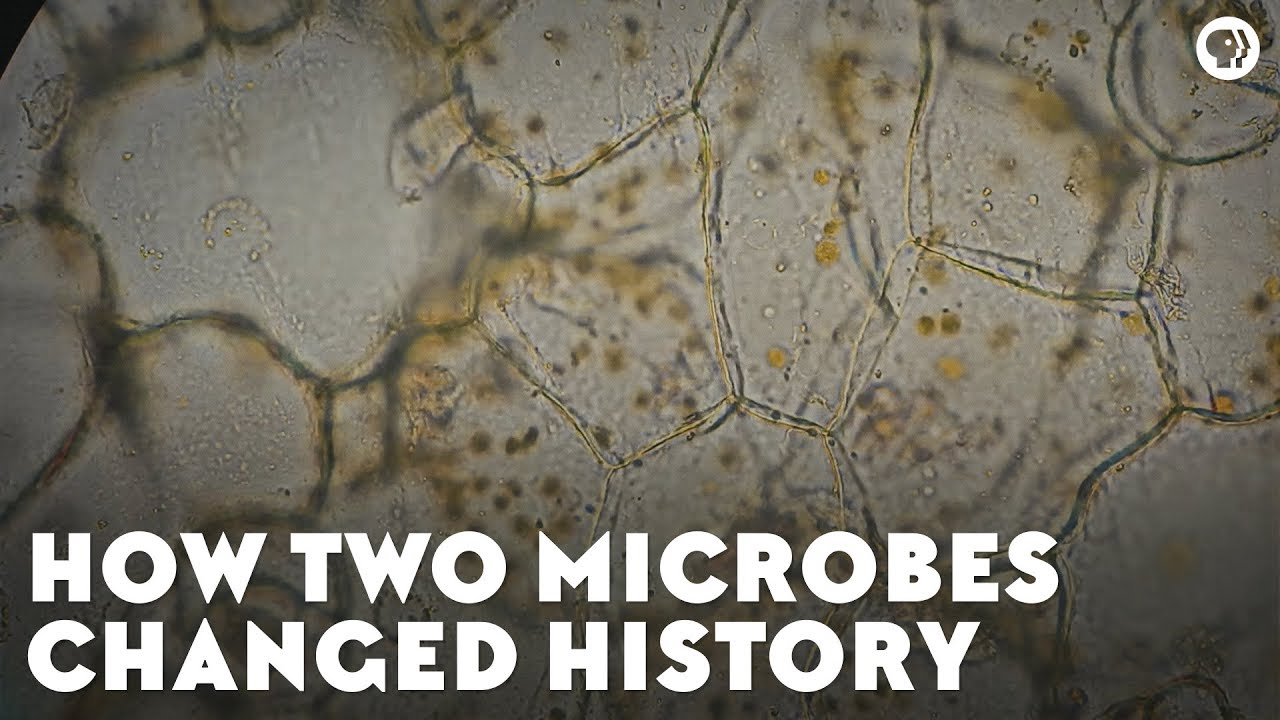
Two billion years ago, a symbiotic relationship formed between two microbes, leading to the evolution of complex life and the organelles found in modern cells.
Over 600 million years ago, Earth experienced two significant glaciation events known as Snowball Earth, which left evidence of ice coverage on every continent.
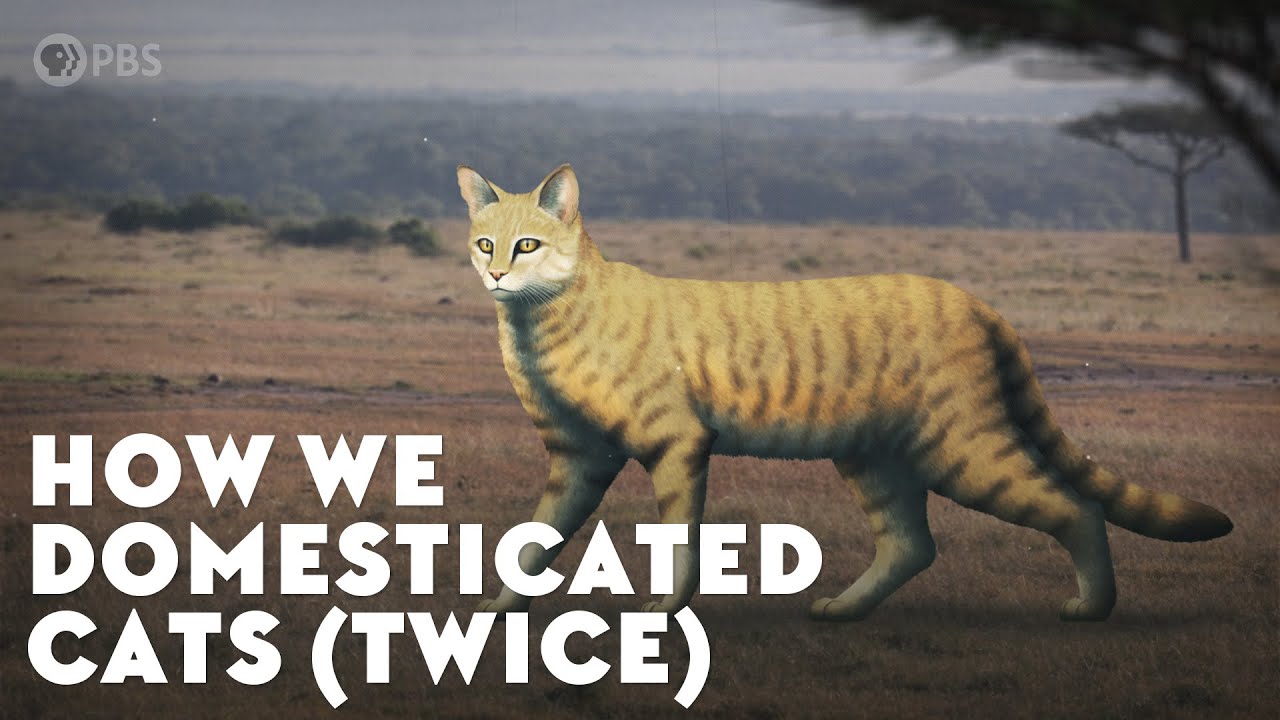
A 9,500-year-old burial site in Cyprus provides some of the earliest evidence of the companionship between humans and cats, highlighting their domestication history.
In the evolution of primates, a key adaptation allowed ancestors to safely digest fermented fruits, leading to the nutritional benefits of fermented foods.
Ediacaran life forms, once a mystery to scientists, were identified as early animals through the analysis of fossilized fat, revealing insights into Precambrian ecosystems.
Weasels exhibit an extreme body plan that challenges metabolic limits, prompting exploration of their evolutionary adaptations and the reasons behind their slender physique.
In the Ediacaran period, diverse worm-like organisms thrived in a region known as Wormworld, ultimately leading to its ecological decline through their own activities.
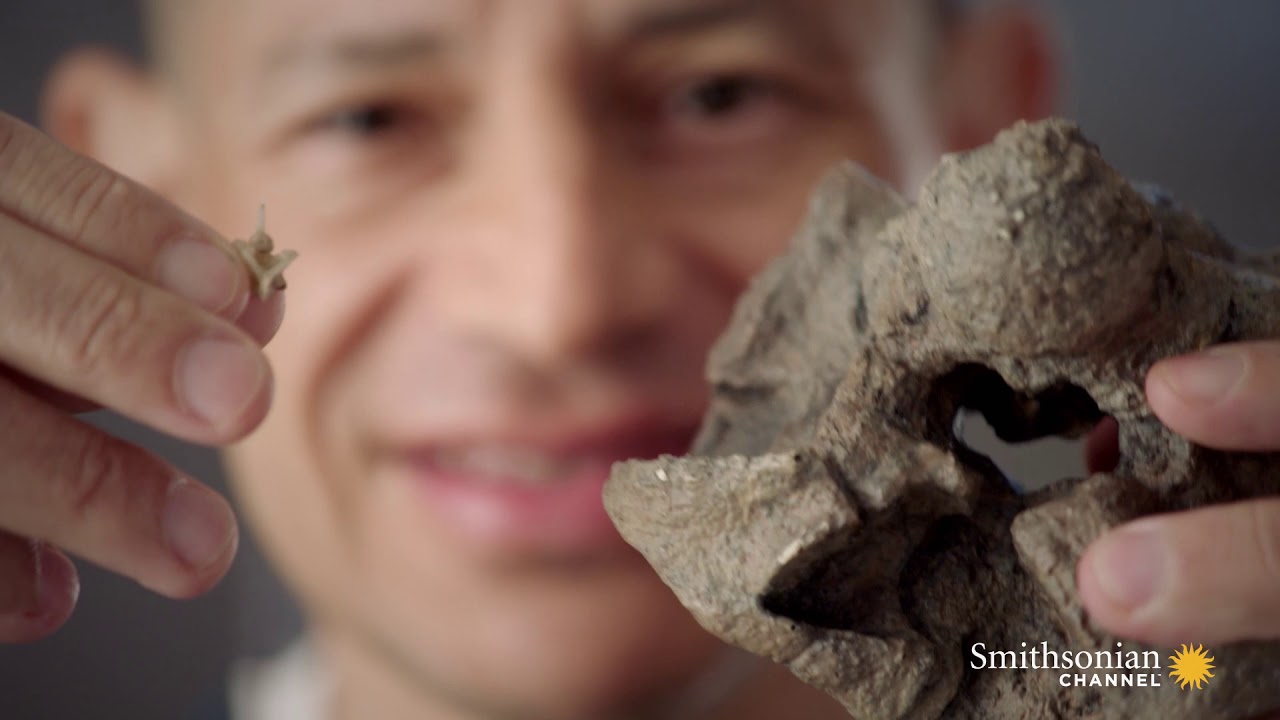
In Bozeman, Montana, Amy Atwater, Collections Manager at the Museum of the Rockies, discusses her role and the extensive dinosaur collection she oversees.
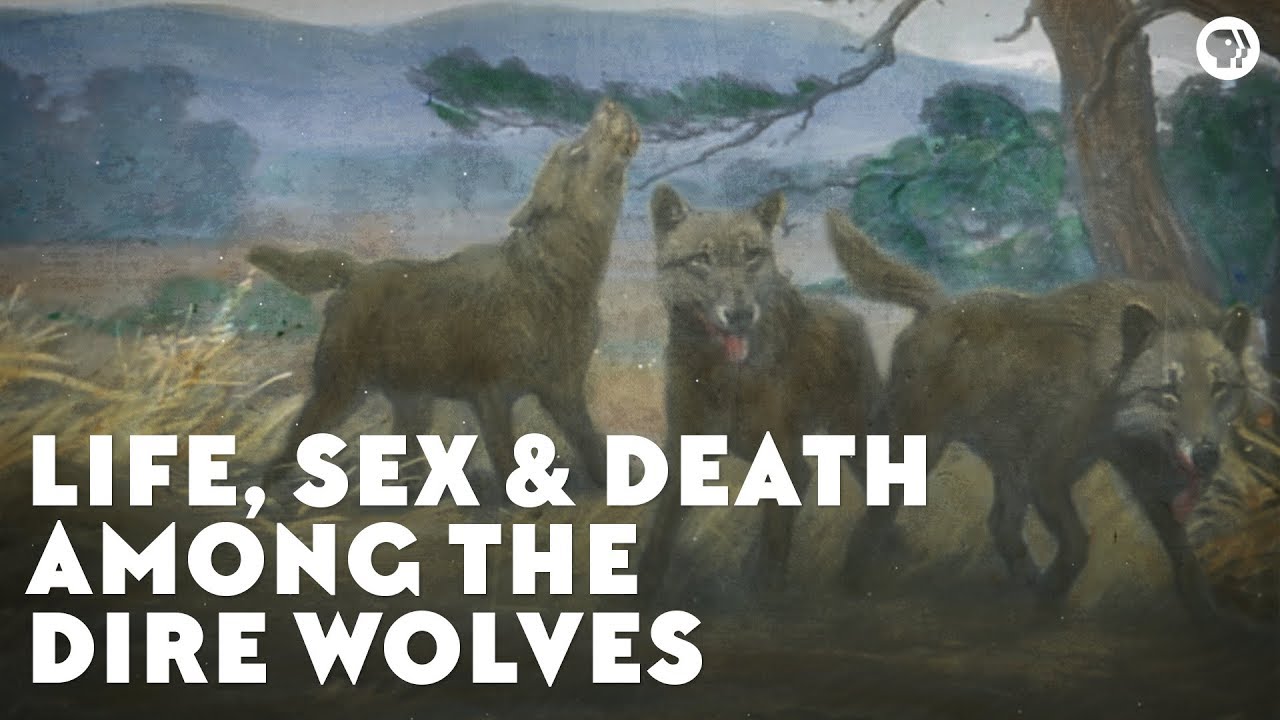
Dire wolves, once prevalent in California, left behind thousands of remains that reveal insights into their lives, hunting practices, and reproductive behaviors.
Carlos Jaramillo discusses paleontology and discoveries in Ellis Hitler's coal mines.
Charles Darwin's five-year voyage in the 1830s and the significance of stromatolites highlight the evolution debate and the origins of species.
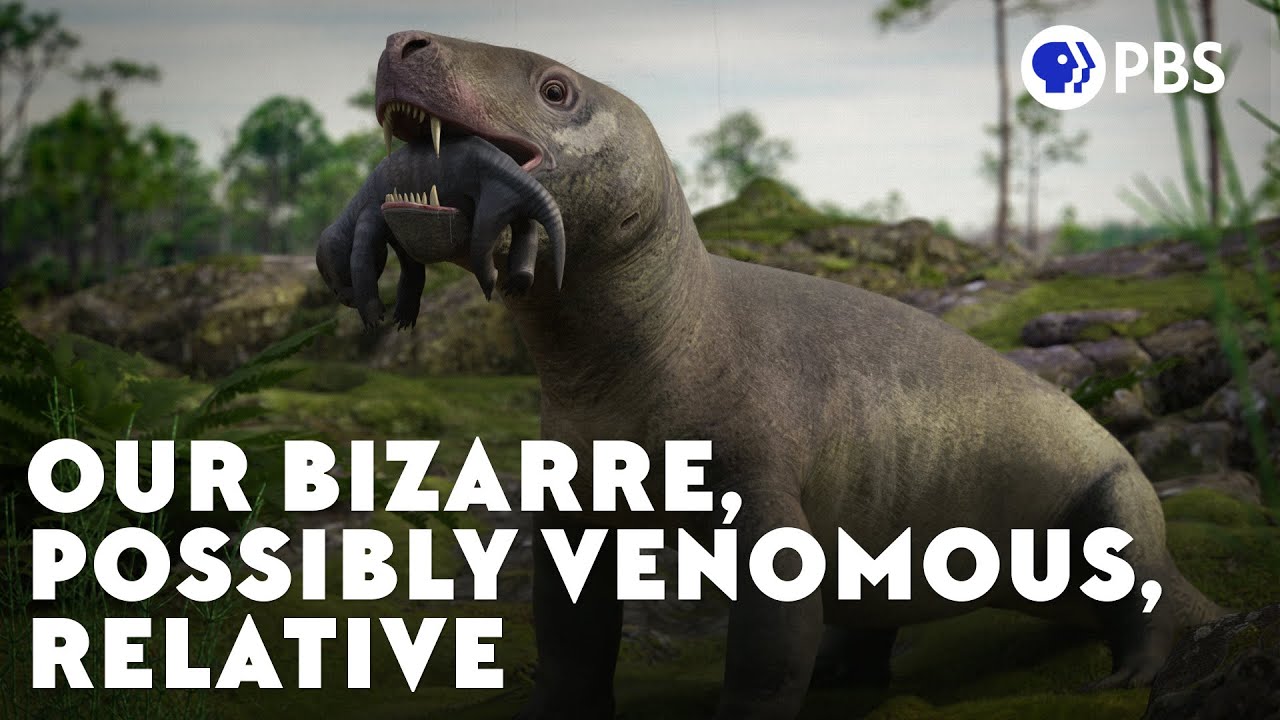
Euchambersia, a prehistoric mammal, may have possessed venom 20 million years before lizards and 150 million years before snakes, highlighting the evolution of venomous mammals.
In Madagascar, scientists have found a well-preserved skull of an extinct horned crocodile species in an underground lake, revealing insights into the island's prehistoric life.
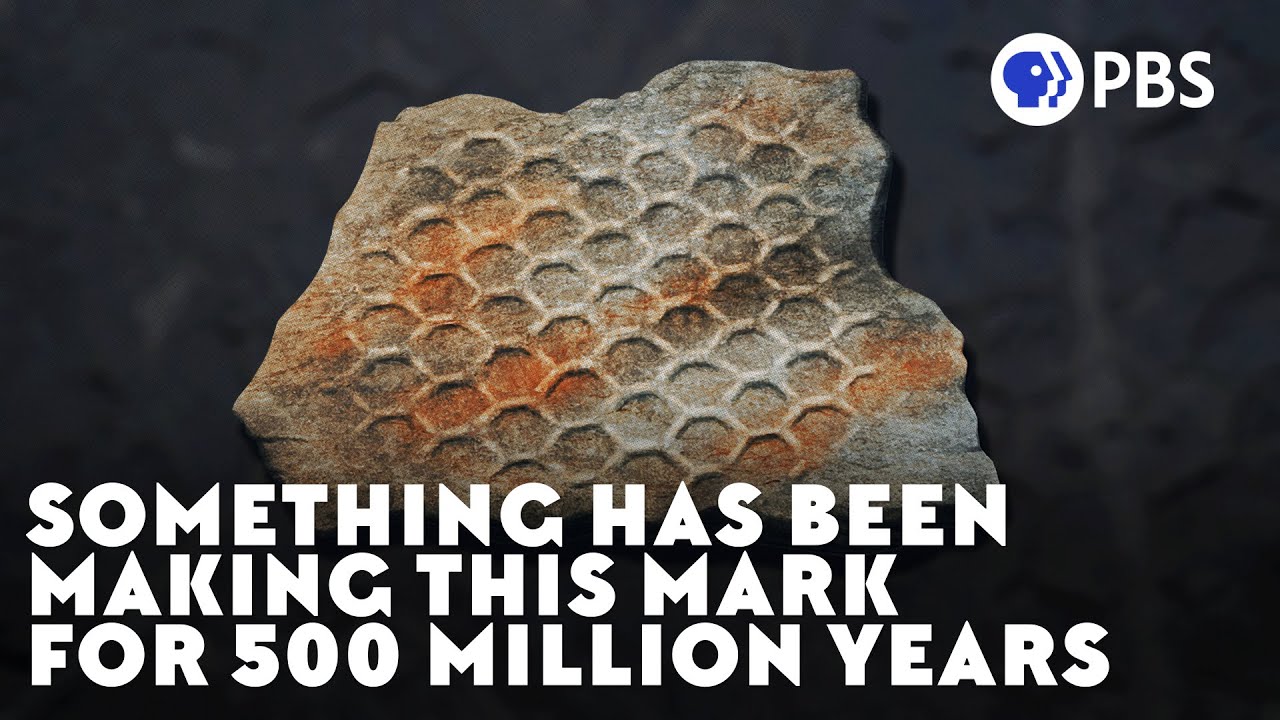
Paleodictyon, a hexagonal-patterned fossil found in various geological formations, raises questions about its classification as either a trace fossil or an organism itself.
During the Triassic Period, approximately 234 million years ago, the supercontinent Pangea experienced a significant shift from a hot, dry climate to a much wetter environment.
3 billion years ago, an excess of oxygen in Earth's atmosphere nearly led to the extinction of all life, a phenomenon known as the Oxygen Catastrophe.
The Mediterranean Sea's disappearance, a phenomenon studied over decades by researchers like Aaron Micallef and Daniel Garcia-Castellanos, reveals significant geological changes.
Paleontologists found a theropod dinosaur skull atop a nest of eggs, revealing that raptors like Citipati were likely caring parents rather than nest robbers.
During the Carboniferous Period, approximately 315 million years ago, insects and other arthropods thrived in enormous sizes, vastly outnumbering early terrestrial life.
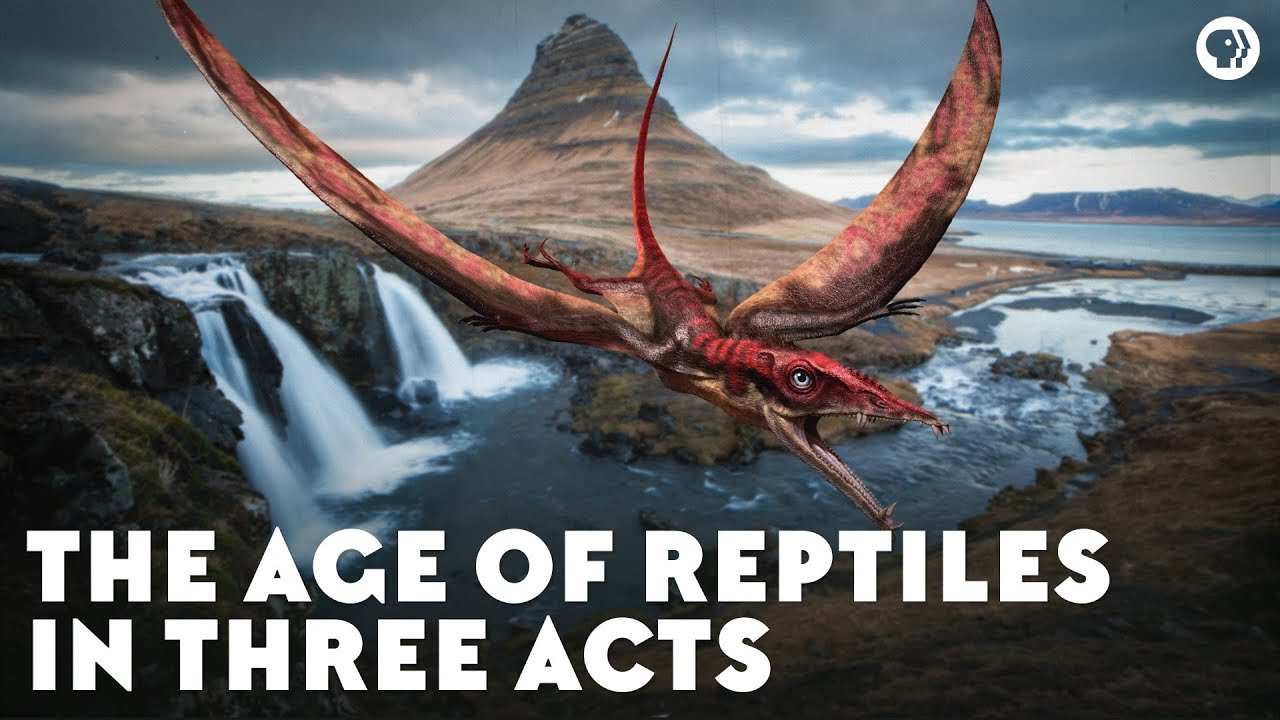
Reptiles evolved during the Mesozoic era, showcasing their transformation from modest creatures to some of the largest life forms on Earth.
Giant beavers, which lived both on land and in water, lacked the dam-building abilities of their modern counterparts, highlighting significant evolutionary differences.
Beelzebufo, the giant frog that coexisted with dinosaurs, presents a complex challenge in understanding amphibian evolution and paleobiology.
In the Eocene Epoch, a unique reptile evolved with elongated hind legs, hoofed toes, and specialized teeth for flesh consumption, raising questions about its adaptation.
Borealopelta, a uniquely preserved nodosaur studied by paleontologists Caleb Brown and Donald Henderson at the Royal Tyrrell Museum, provides insights into ancient ecosystems.
The evolution of hearts traces the development of this vital organ from the earliest common ancestors, highlighting hundreds of millions of years of biological adaptation.