From over 100,000 films, discover the handful you'll love.
Free or premium access to the world's largest documentary library.
193 films(Page 3 of 5)
Paleontologists explore Lazarus taxa, organisms once believed extinct that have reappeared, highlighting the complexities of natural history.
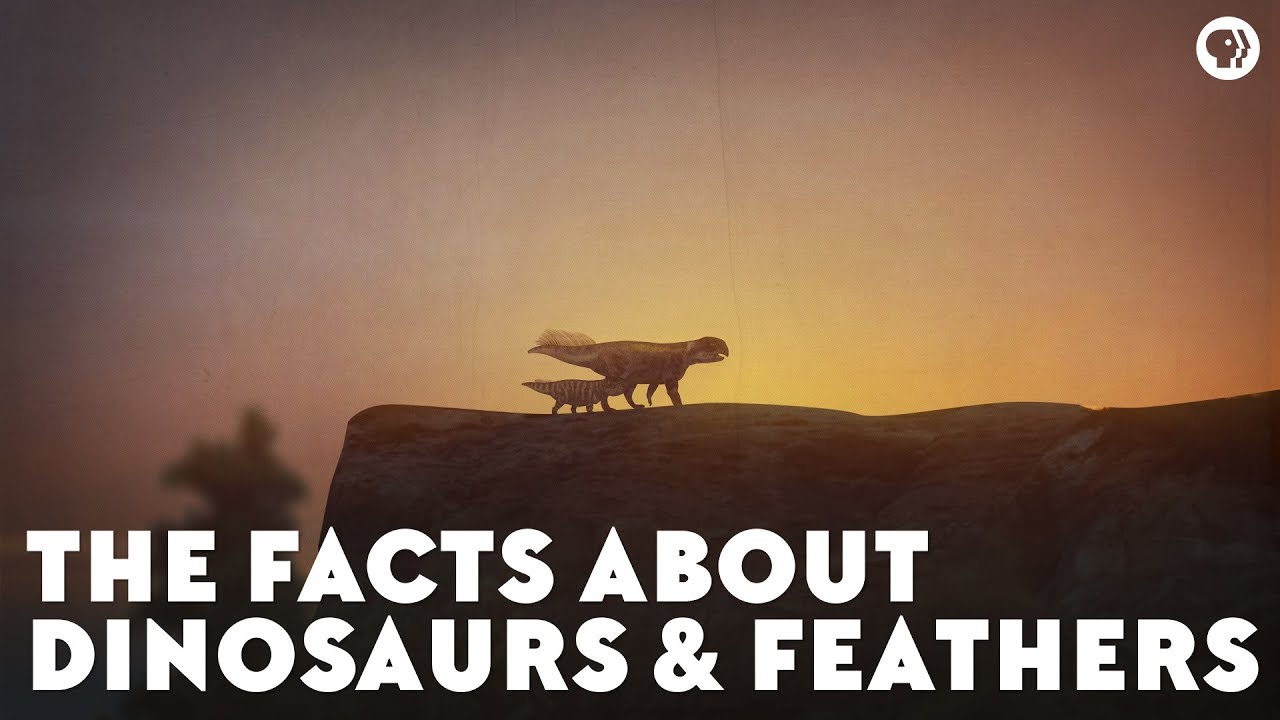
Recent fossil discoveries have revealed that many dinosaurs, including theropods, exhibited feathers or feather-like structures, prompting new questions about their biology.
Beardogs, a unique group of prehistoric mammals with both bear-like and dog-like features, are essential for understanding the evolution of the mammal family tree.
The evolution of the giant panda from a carnivorous bear to an herbivore is explored through its complex history and adaptations.
Human DNA contains thousands of inactive genes that reveal insights into evolutionary history, highlighting the significance of both gained and lost genetic traits.
Recent scientific findings reveal that all modern big cat species evolved less than 11 million years ago, with new clues pointing to their ancient origins in the Himalayas.
The California condor, North America's largest flying bird, exemplifies species that appear out of place in today's world, tracing back to the Late Pleistocene Epoch.
Deinocheirus, a dinosaur known for its unusually long forelimbs and large claws, remains largely a mystery due to the scarcity of fossil evidence.
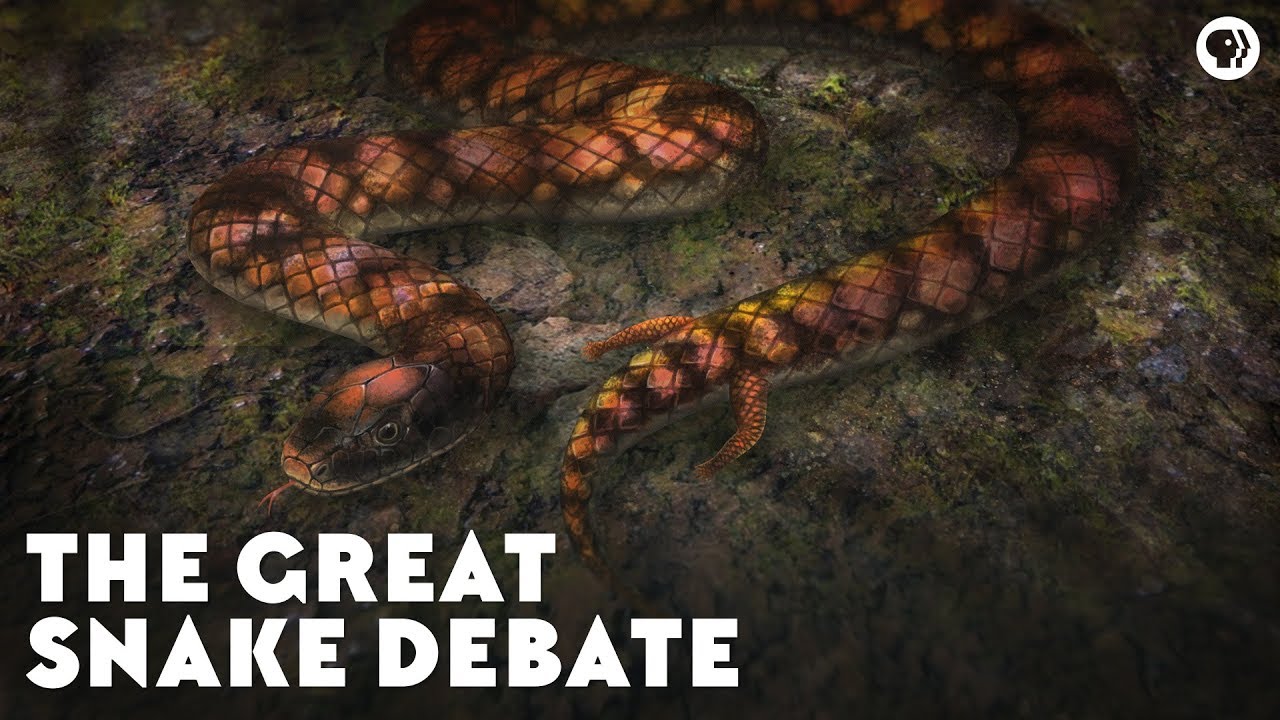
Najash, an ancient snake with legs that lived 90 million years ago, raises questions about the evolutionary origins of snakes and their limb development.
Entelodonts, often referred to as "hell pigs," exhibit a unique combination of anatomical features resembling both pigs and larger mammals like rhinos and bison.
Throughout the Pleistocene Epoch, the woolly rhino's range fluctuated in response to climate cycles, highlighting the interconnectedness of species and environmental changes.
As fossil evidence expands, the genus Homo increasingly includes diverse hominins, prompting exploration of what it means to be human.
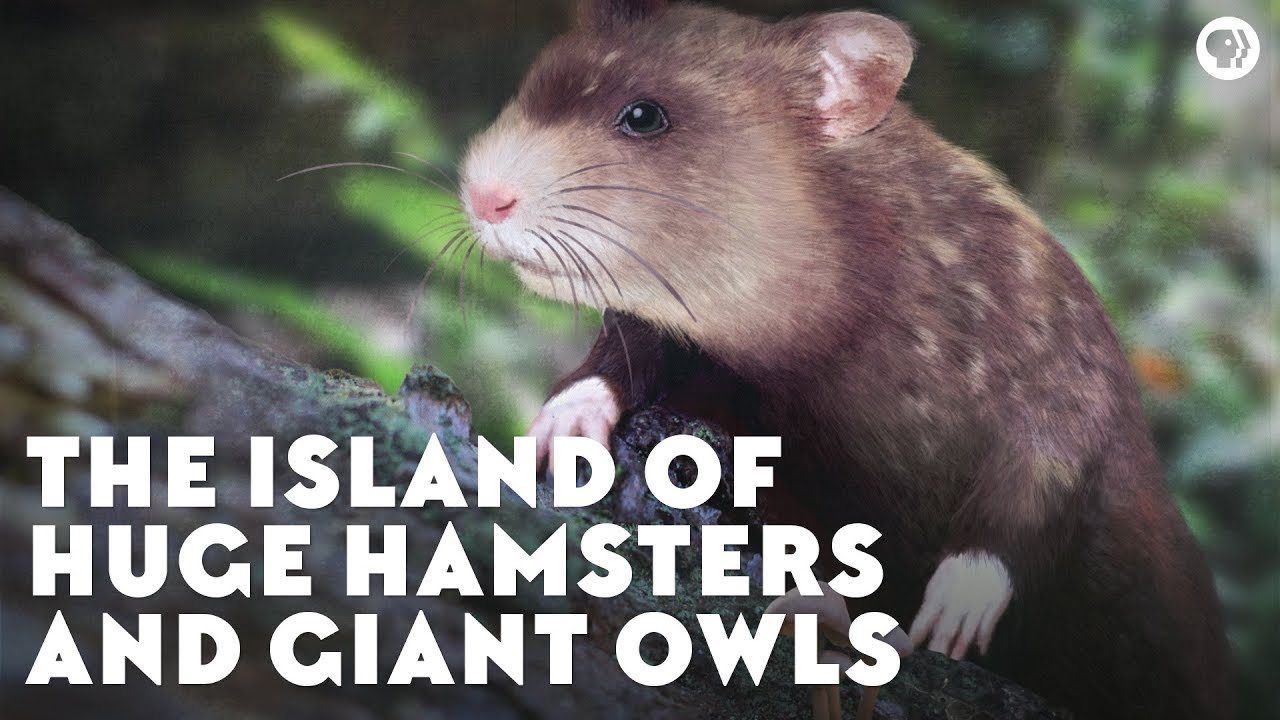
In the late Miocene epoch, an island in the Mediterranean Sea was home to extraordinary giant species, illustrating the unique effects of natural selection.
Mammoth fossils found on California's Channel Islands reveal a unique, smaller species that evolved due to isolation and environmental factors.
In the Arctic, a period of significant global warming transformed the landscape into a lush rainforest, showcasing Earth's climatic history.
The concept of a Missing Link in human evolution is examined, revealing that evolutionary processes do not support the existence of such a specimen.
Short-faced bears, known for their remarkable adaptability across two continents, ultimately faced extinction despite their evolutionary advantages.
In Messel, Germany, miners extracting oil in the 1800s uncovered exceptionally preserved Eocene fossils, raising questions about the conditions that led to their preservation.
Neandertals, once viewed as primitive beings, are shown to have exhibited complex behaviors and emotions, particularly through findings at Shanidar Cave in Iraq.
Thrinaxodon and Broomistega, two prehistoric species, were found entombed together in a burrow, revealing insights into their survival behaviors during the Early Triassic.
La Brea Woman, the only human excavated from the La Brea Tar Pits in Los Angeles, raises questions about her origins and the circumstances of her burial.
Fossils from around the world indicate that multi-cellular life was more complex and diverse before the Cambrian Explosion than previously understood.
Ancient retroviruses have left a lasting imprint on modern mammal DNA, revealing evidence of a pandemic that spanned over 15 million years.
In 1964, paleontologist John Ostrom's discovery of fossils in Montana catalyzed the Dinosaur Renaissance, reshaping scientific understanding of dinosaurs.
Hell ants, an ancient predatory species with distinctive scythe-like jaws and horns, are examined for their evolutionary significance and extinction.
Giant skin-shelled sea turtles, distinct from modern leatherbacks, showcase evolutionary traits that have persisted through time, as explored by PBS Digital Studios.
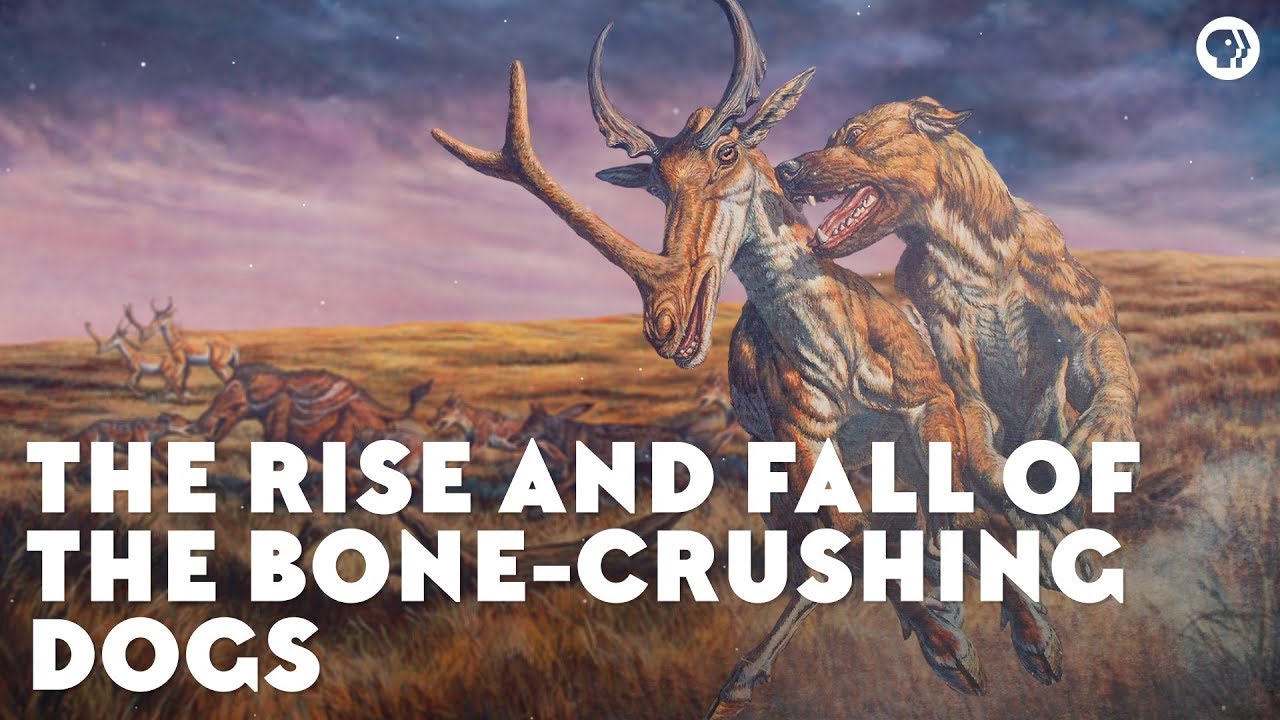
Bone-crushing dogs, a diverse subfamily that roamed North America for over thirty million years, faced extinction due to environmental changes and competition.
Paraceratherium, an enormous mammal that evolved from smaller rhino ancestors, represents one of the largest land mammals known to science.
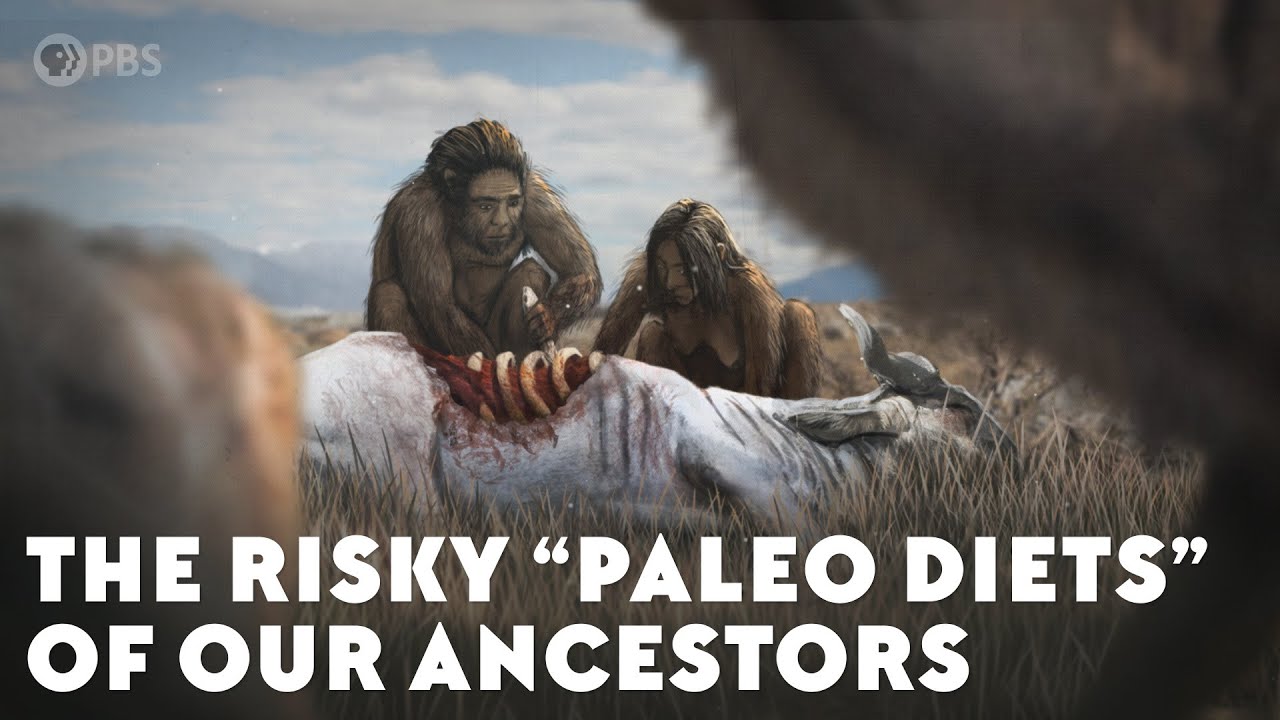
Human evolution has been significantly shaped by the diverse and sometimes hazardous dietary choices made by our ancestors, as evidenced by the fossil record.
In 1977, a farmer in the Andes mountains discovered a giant fossilized skeleton, raising questions about how a marine reptile ended up at such a high altitude.
More than 4 billion years ago, life emerged on Earth despite extreme conditions, as revealed by research into early microbial existence.
Smilodon, a formidable Ice Age predator with 18-centimeter-long fangs, represents the culmination of a long evolutionary trend among sabertooth cats.
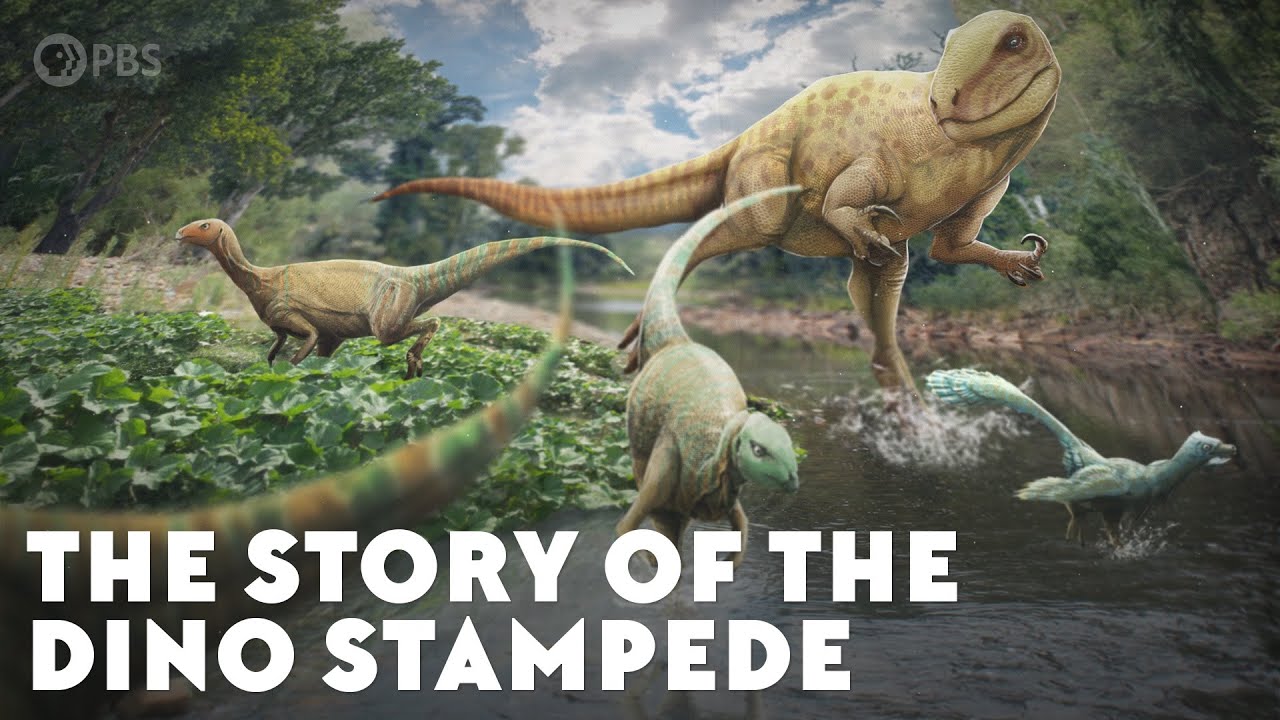
Lark Quarry in Australia serves as a key site for paleoichnology, where experts analyze trace fossils to reconstruct a dinosaur stampede that occurred nearly 100,000 years ago.
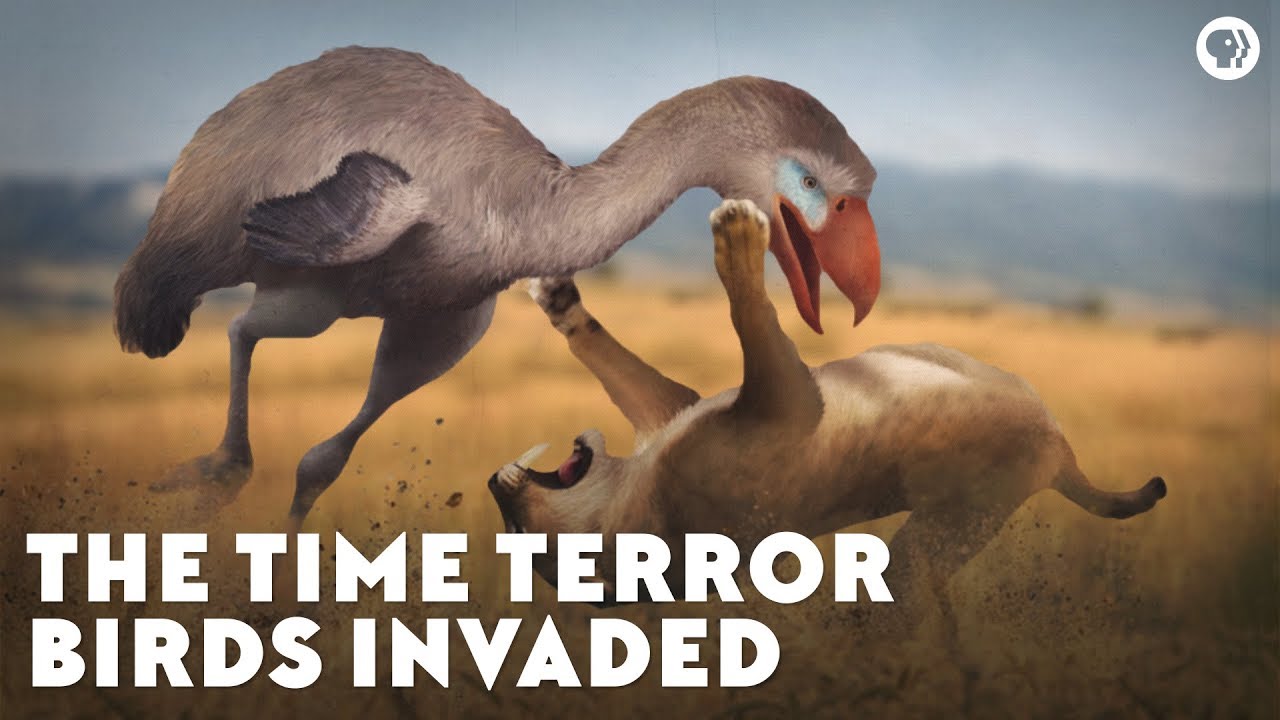
Around 5 million years ago, the giant, flightless carnivorous bird known as the terror bird emerged as a formidable predator on North America's coastal plains.
Atopodentatus, a unique Triassic marine reptile from China, provides insights into ecosystem recovery following the end-Permian mass extinction.
Two ancient humans, separated by time, contributed a small fraction of their genomes to all modern humans due to unique evolutionary circumstances.
Human herpes simplex viruses 1 and 2 evolved from specific primate herpesviruses, reflecting the evolutionary history of their respective hosts.
In 1912, a fossil collector unearthed bone fragments in Egypt's Bahariya rock formation, leading to the identification of Spinosaurus, the only known semi-aquatic dinosaur.
The study of supercontinents explores Earth's dynamic geological history, highlighting key concepts such as plate tectonics and the contributions of scientists like Marie Tharp.
In Earth's history, the Boring Billion was a crucial period that laid the groundwork for modern plate tectonics and the evolution of life.
Carlos Jaramillo discusses Titanoboa and fossil discoveries at the Smithsonian Tropical Research Institute.
An enormous skull with a single eye socket, found in the Midwest, raises questions about ancient Greek myths of Cyclops and modern scientific interpretations.
In the late 1800s, paleontologists in Nebraska identified the fossilized structures known as Daemonelix, believed to be created by ancient burrowing beavers.
Paleontologists have debated for two decades whether Coelophysis engaged in cannibalism, analyzing unusual fossils to find conclusive evidence.
Eons hosts engage with natural history enthusiasts in a watch party and Q&A for the second episode of the PBS series exploring life on the supercontinent Pangea.
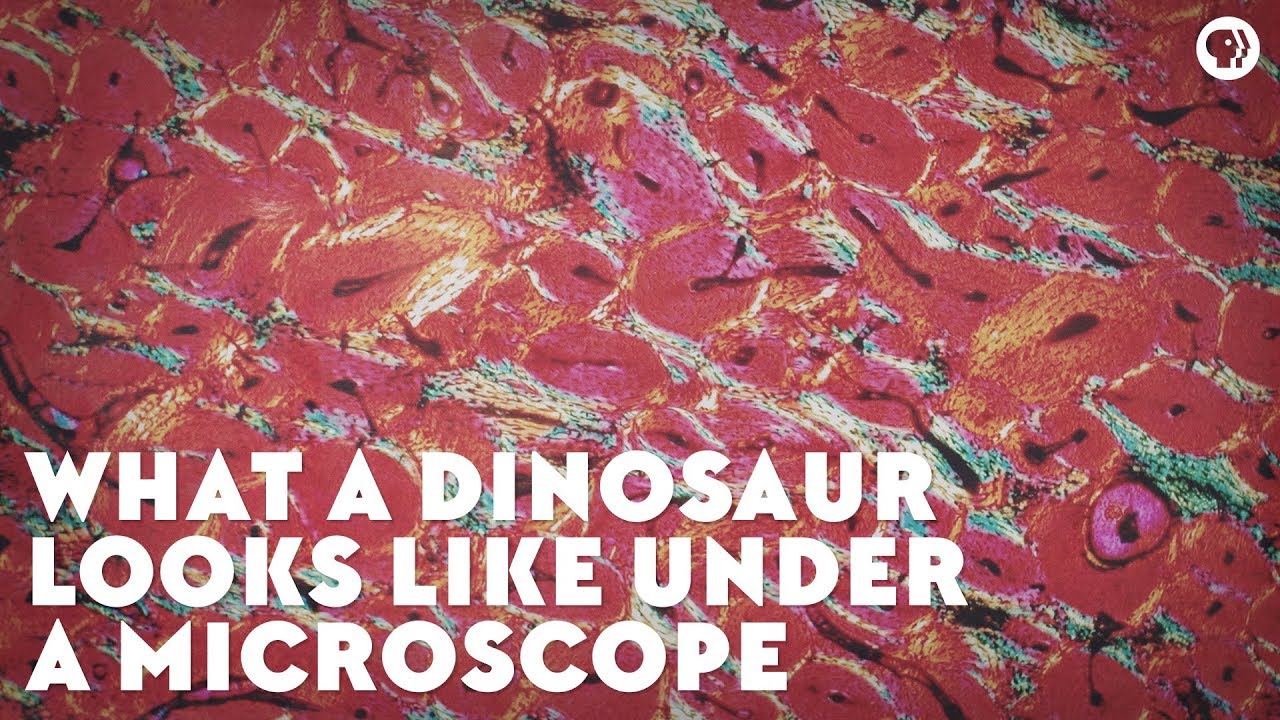
Ellen-Thérèse Lamm in Bozeman, Montana, studies ancient life by examining dinosaur bones at the cellular level using advanced microscopy techniques.
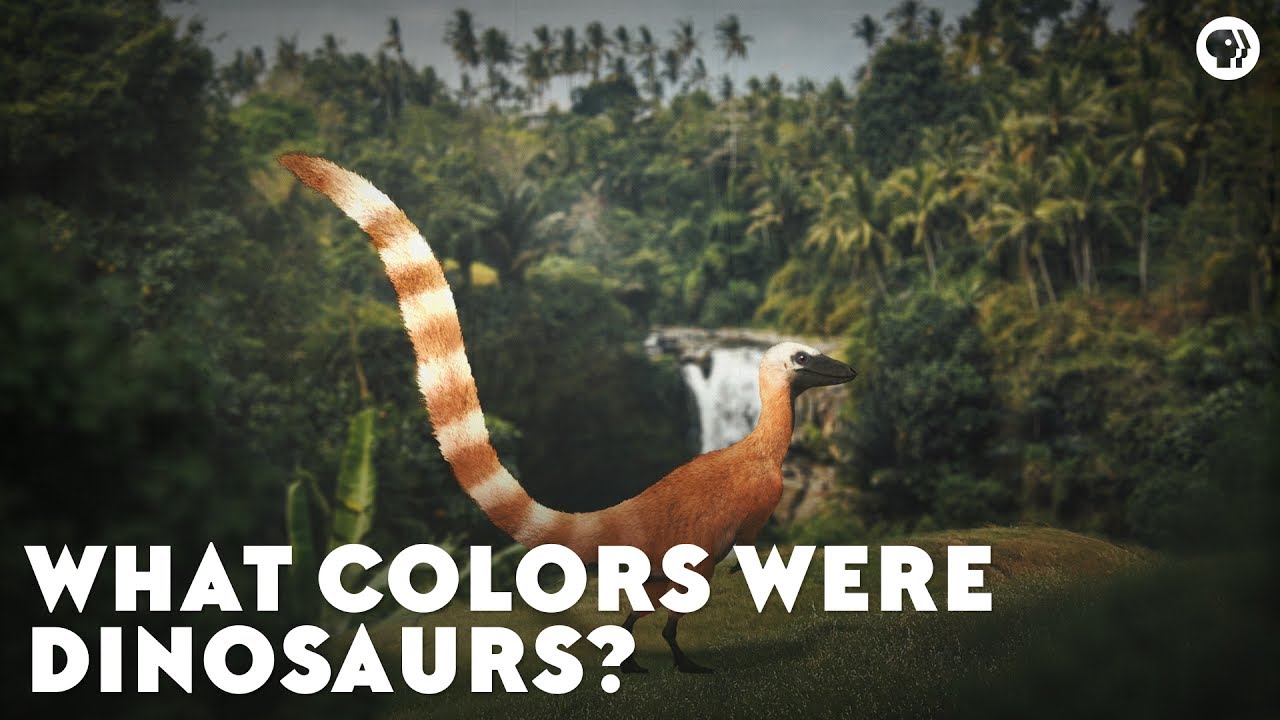
Paleontologists have long debated the colors of dinosaurs, exploring evidence from fossils and modern birds to understand their appearance.
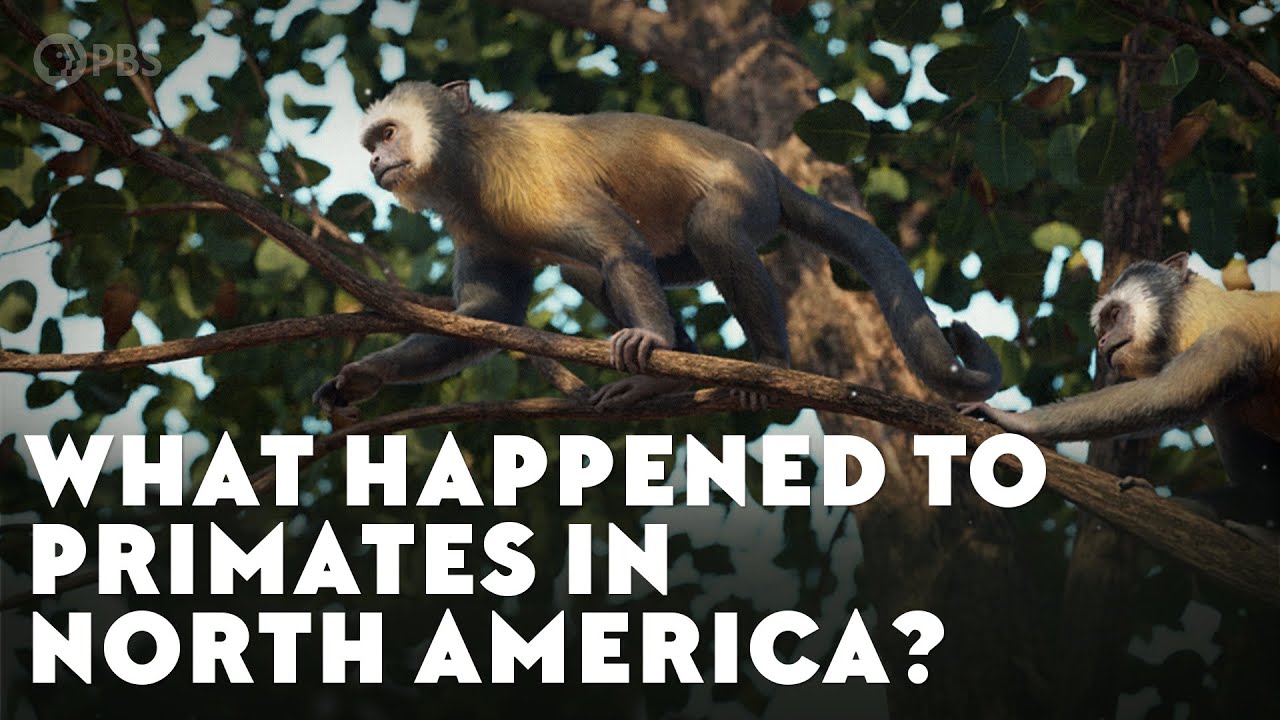
Early primates originated in North America, and research highlights their evolutionary significance and the factors leading to their extinction.