From over 100,000 films, discover the handful you'll love.
Free or premium access to the world's largest documentary library.
193 films(Page 1 of 5)
The Paleozoic Era, marked by significant evolutionary developments and mass extinctions, represents a chaotic yet crucial period in Earth's history.
The Western Interior Seaway, which once stretched from the Caribbean Sea to the Canadian Arctic, is explored through scientific insights and historical context.
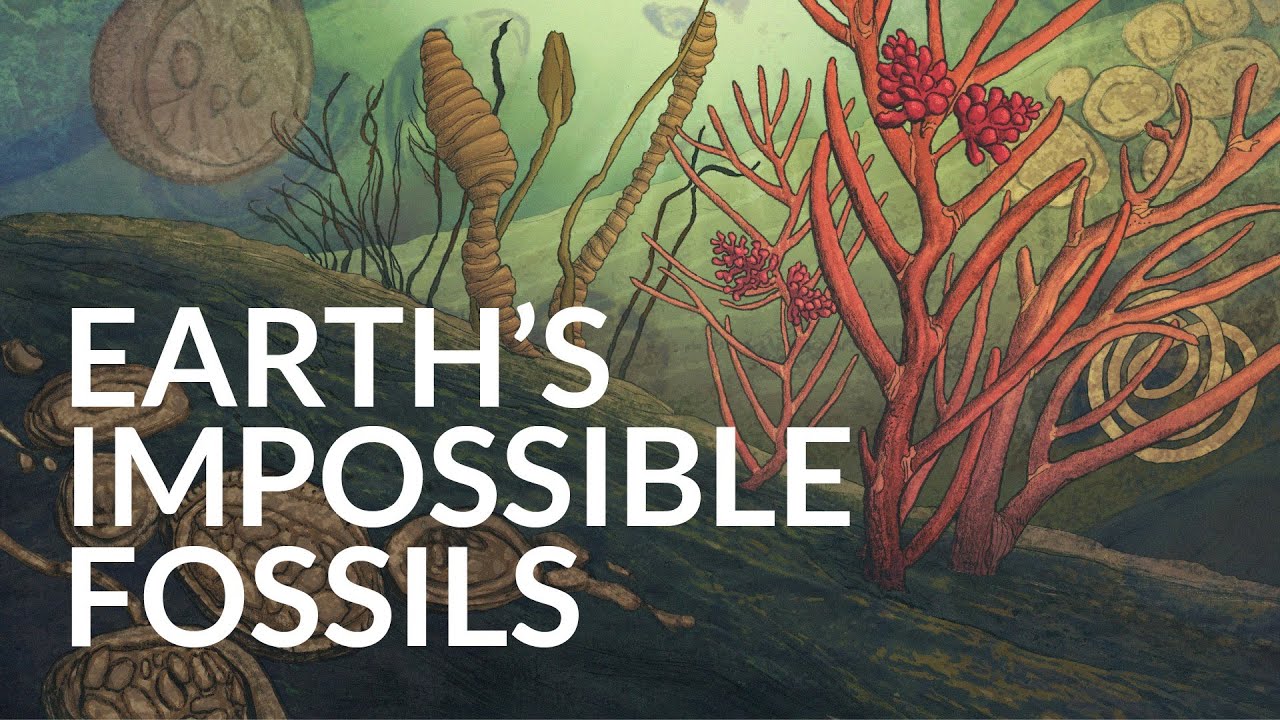
99 percent of all life on Earth was lost between 2.4 and 2 billion years ago due to the Great Oxidation Event caused by oxygenic photosynthesis.
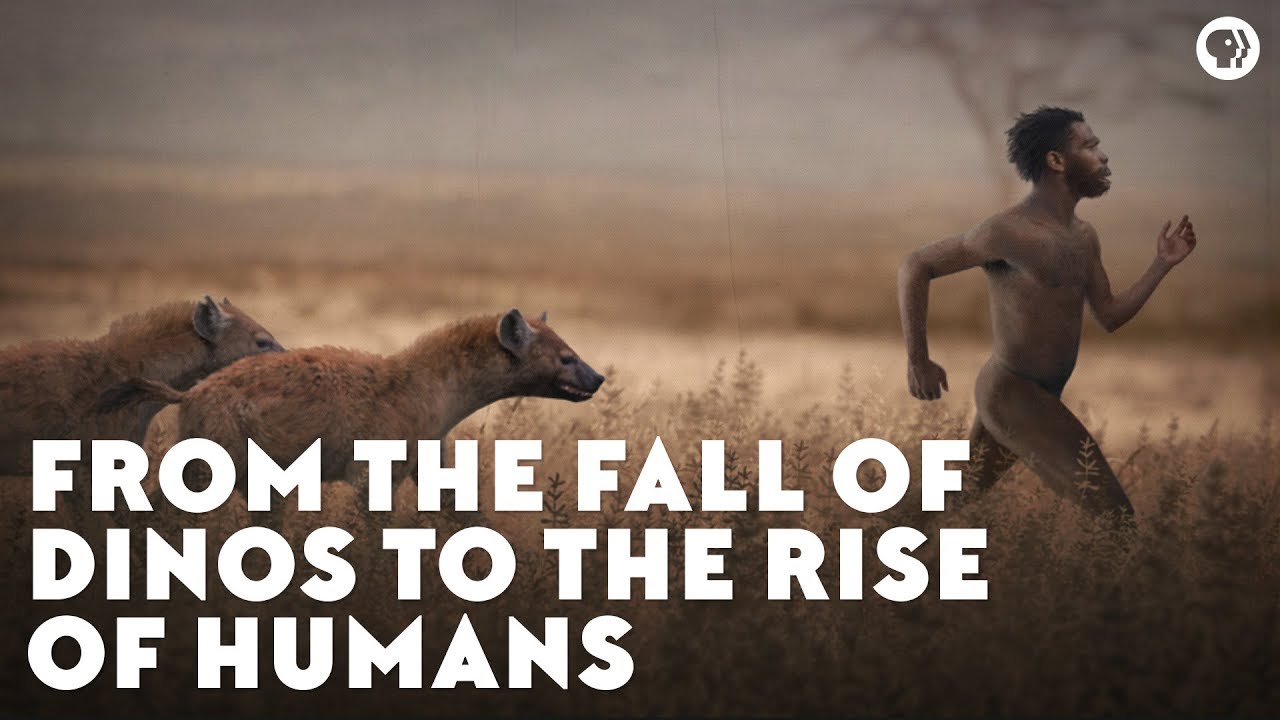
The Cenozoic Era marks a significant period in Earth's history characterized by the emergence of modern mammals and birds, leading to the rise of human-like organisms.
A paleontologist travels back 4.5 billion years to find breathable air, discovering that humans could only survive 100 million years ago.
1677 marked a significant year for Reverend Robert Plot, who received a massive crate containing fossils that sparked debate about their origins.
Paleontologist Steve Brusatte addresses key questions about dinosaurs, including their diet, extinction, and hypothetical battles between species.
Dinosaur hunters in Montana employ archaeological methods to excavate fossil remains, revealing a thriving tourist industry centered around these ancient creatures.
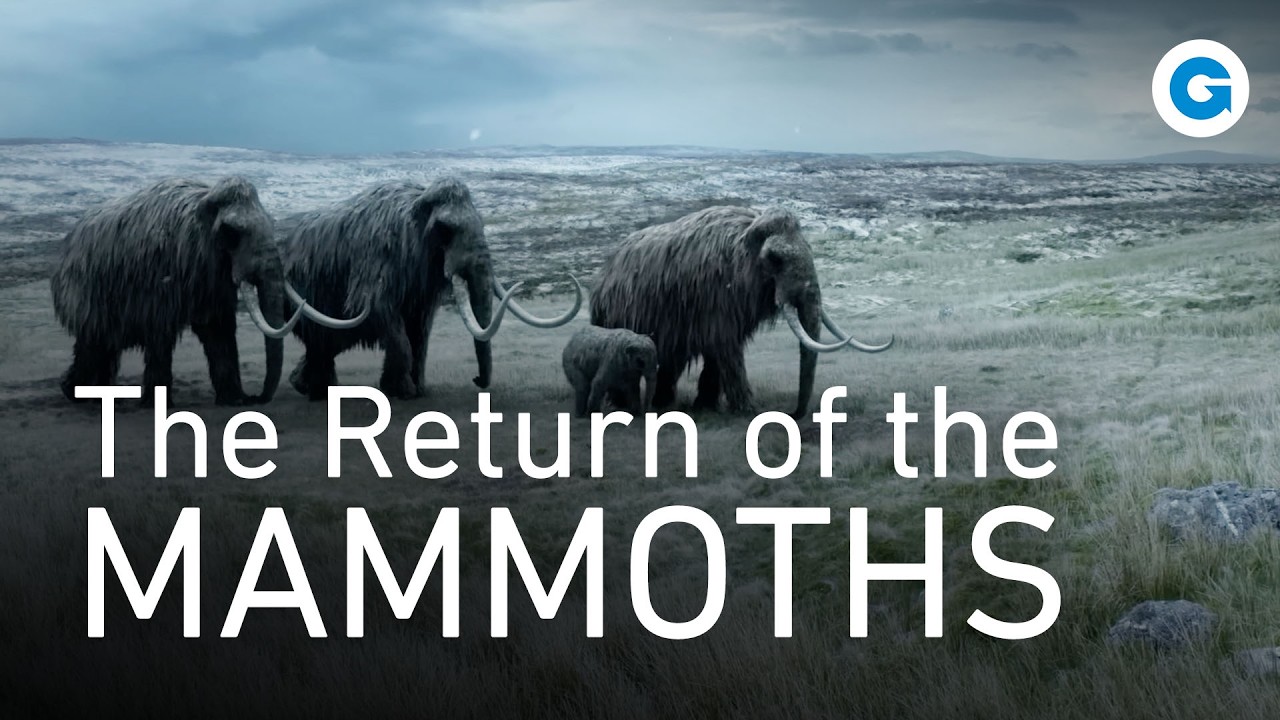
Mammoths, once abundant across the globe, adapted to the Ice Age's harsh conditions, with expert Dick Mol tracing their origins and uncovering fossils worldwide.
Rural Australia’s Outback, once teeming with dinosaurs, is brought to life through compelling reconstructions and scientific evidence of these ancient creatures.
Charles Darwin published his ideas on evolution in 1859, claiming that life began with a few simple organisms that evolved into millions of species.
Dinosaurs, the iconic rulers of the Mesozoic Era, evolved through complex processes that shaped their dominance on Earth millions of years ago.
Fossils trapped in amber provide invaluable insights into the ecosystems of the dinosaur era, preserving ancient plants and animals for scientific study.
A 14-foot-long fish once swam in what is now Kansas, revealing a time when much of the Midwest was underwater.
Fossils of thousands of prehistoric creatures lie in a cliff face near the peak of Mount Steven, 8,000 feet above sea level in British Columbia.
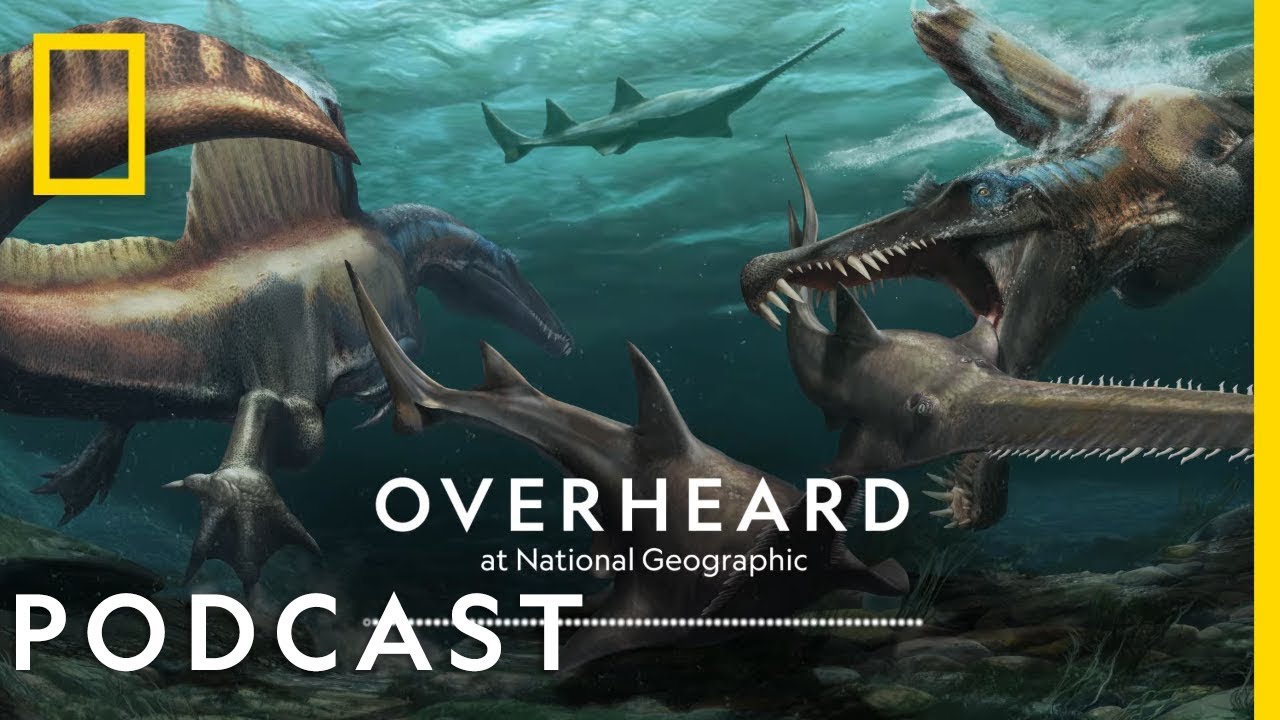
Only one known skeleton of Spinosaurus exists, discovered in 2013, but recent excavations in Morocco have revealed additional bones that could change its history.
Antarctica's Transantarctic Mountains serve as the backdrop for scientists Dr. Nate Smith and Dr. Patty Ryberg's expeditions that reveal the continent's rich dinosaur history.
Less than 250 mm of rain falls annually on the Valdez Peninsula, where marine mammals like southern right whales come to breed each year.
In Canada's Badlands and Grand Prairie, palaeontologists David Evans and his team excavate bones of a new dinosaur species amid challenging conditions.
Mammoths, once thriving across the globe, adapted remarkably during the Ice Age, with their story traced from Namibia to the North Sea and northern Canada.
Meave Leakey continues her family's legacy of researching human origins by excavating ancient fossils in East Africa, contributing to the understanding of human ancestry.
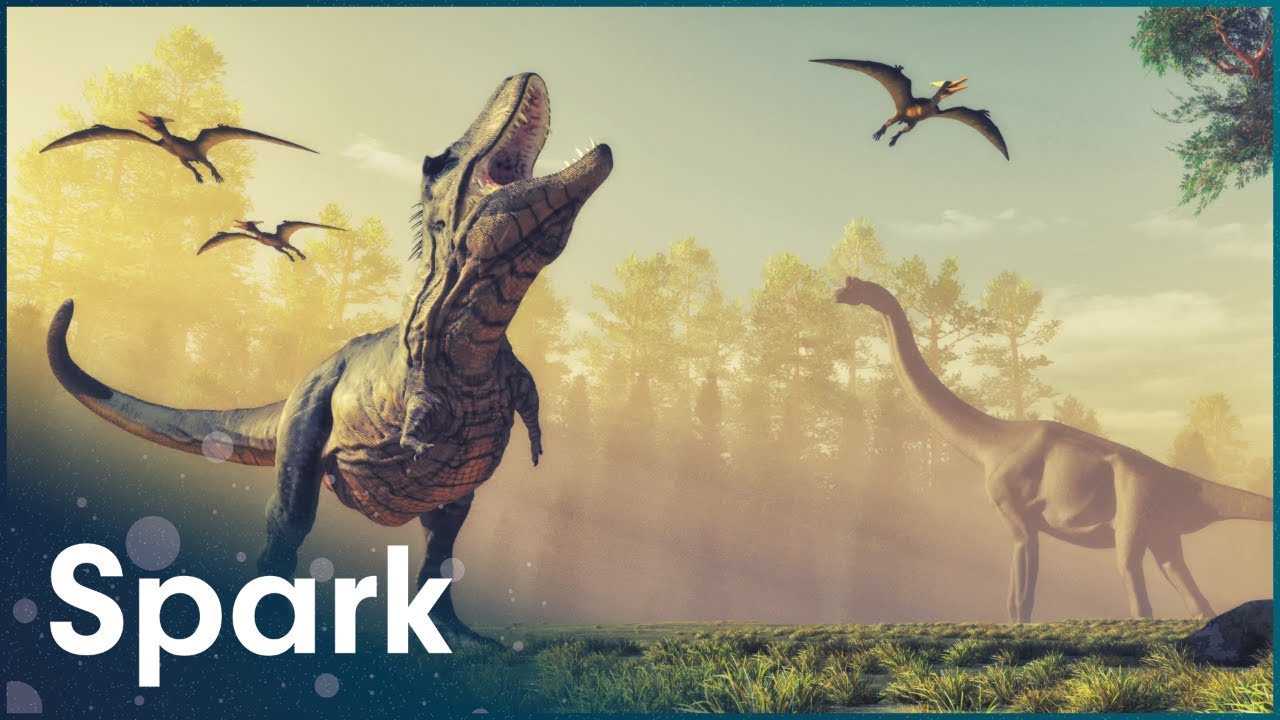
Dinosaurs, which first appeared over 255 million years ago, dominated diverse ecosystems for more than 180 million years, shaping the prehistoric Earth.
A thigh bone belonging to a dinosaur measuring at least 20 meters from nose to tail was discovered in Queensland, reshaping the understanding of Australia's prehistoric life.
A rare early dinosaur skull, sealed for 200 million years in an unopened crate from Africa, challenges existing knowledge of prehistoric life.
In the Arctic Circle, Jørn Hurum explores a rocky polar desert rich in Jurassic-era fossils, revealing insights into the evolution of ancient sea monsters.
A meteorite discovered in 1996, believed to originate from Mars, sparked debate over potential fossilized evidence of extraterrestrial life.
Evolution is examined through key fossil discoveries, including Tiktaalik, and scientific methods that challenge and affirm Darwin's bold claims.
Eons celebrates its one-year anniversary with a livestream event featuring contributions from various Patreon patrons and highlights from its educational content.
On National Fossil Day, October 12, 2022, the Eons team hosted a 4-hour livestream featuring paleontology games, a studio tour, and a Q&A session.
Horseshoe crabs and trilobites, with origins dating back 445 million and 540 million years respectively, illustrate the deep evolutionary history of arthropods.
Geologists analyze Earth's layers to outline significant events in life's history, structured within the Geologic Time Scale.
Long necks provided sauropods a significant advantage in accessing food, contributing to their status as the largest terrestrial animals in history.
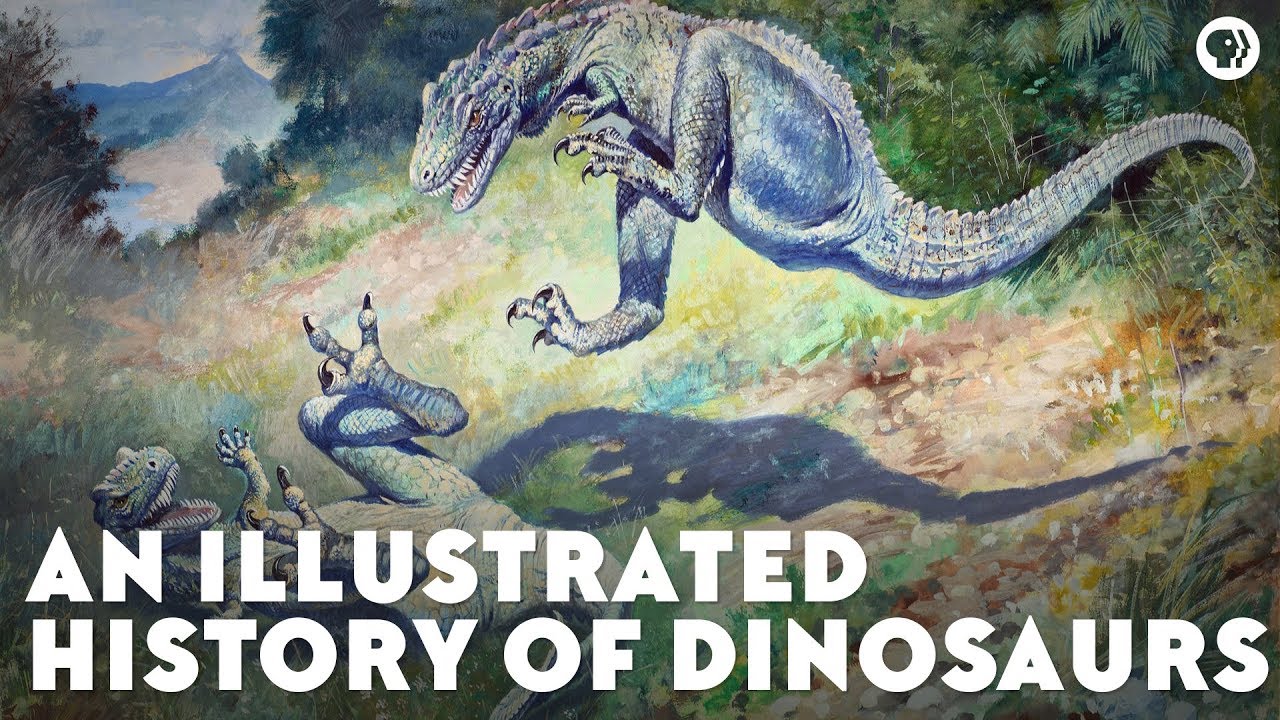
The evolution of dinosaur science over the past 350 years is illustrated through the artwork of notable paleoartists like Greg Paul and Doug Henderson.
Ophiocordyceps fungus manipulates the behavior of ants, compelling them to act against their natural instincts, as explored through reconstructions by Franz Anthony and Dr. João Araújo.
Paleontologists debate whether the fossil LH PV18 belongs to the theropod Tarbosaurus bataar or represents a distinct species, Raptorex kriegsteini.
People wonder about T. rex's skin covering, debating feathers versus scales.
Dimetrodon, a sail-backed reptile from the Palaeozoic Era, serves as a significant link in the evolutionary history leading to modern mammals.
Dinosaurs lived in the Gobi desert 250 million years ago, as shown in this Spanish video.
Dinosaurs lived in the Gobi Desert 250 million years ago, now explored in Full Documentaries.
Lee Berger discusses the challenges faced by his team in recovering Homo naledi fossils and their implications for understanding human origins.
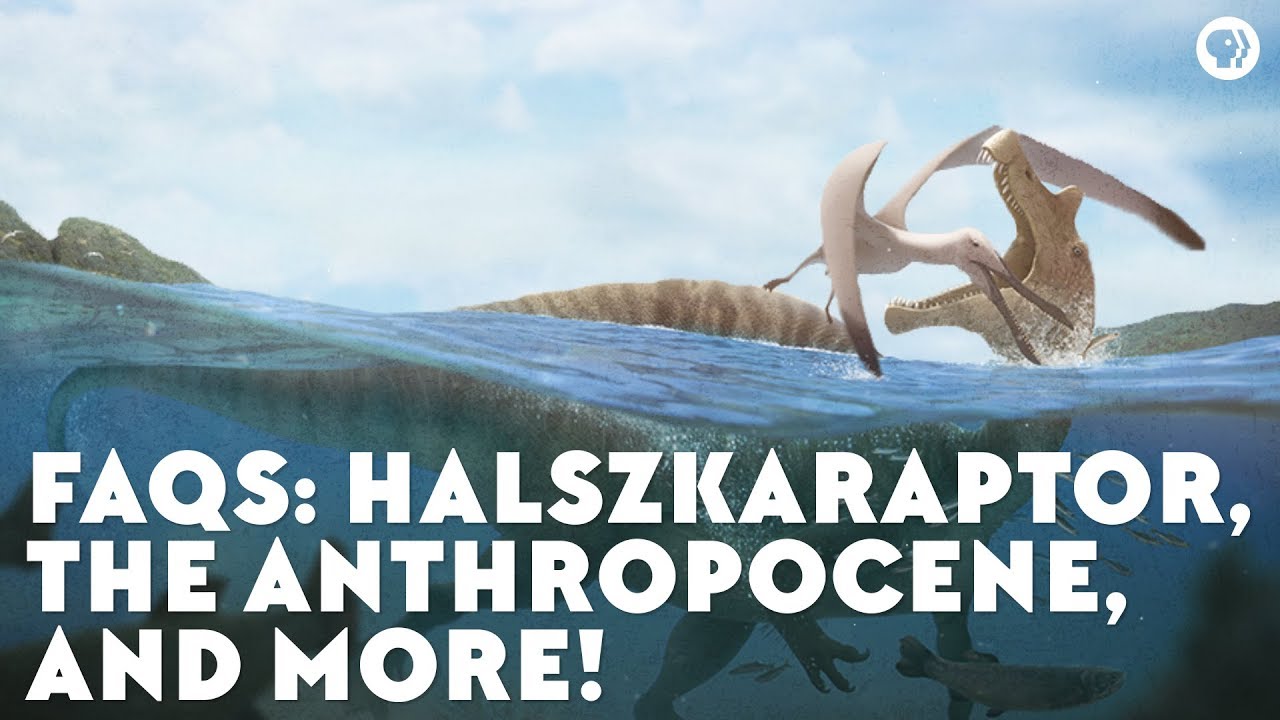
PBS Eons answers frequently asked questions from its first season, covering Earth's history from the origins of life to the Cenozoic Era.
Coal formation is traced back to bizarre plants that thrived across ancient landscapes, from Colorado to China, under immense heat and pressure.
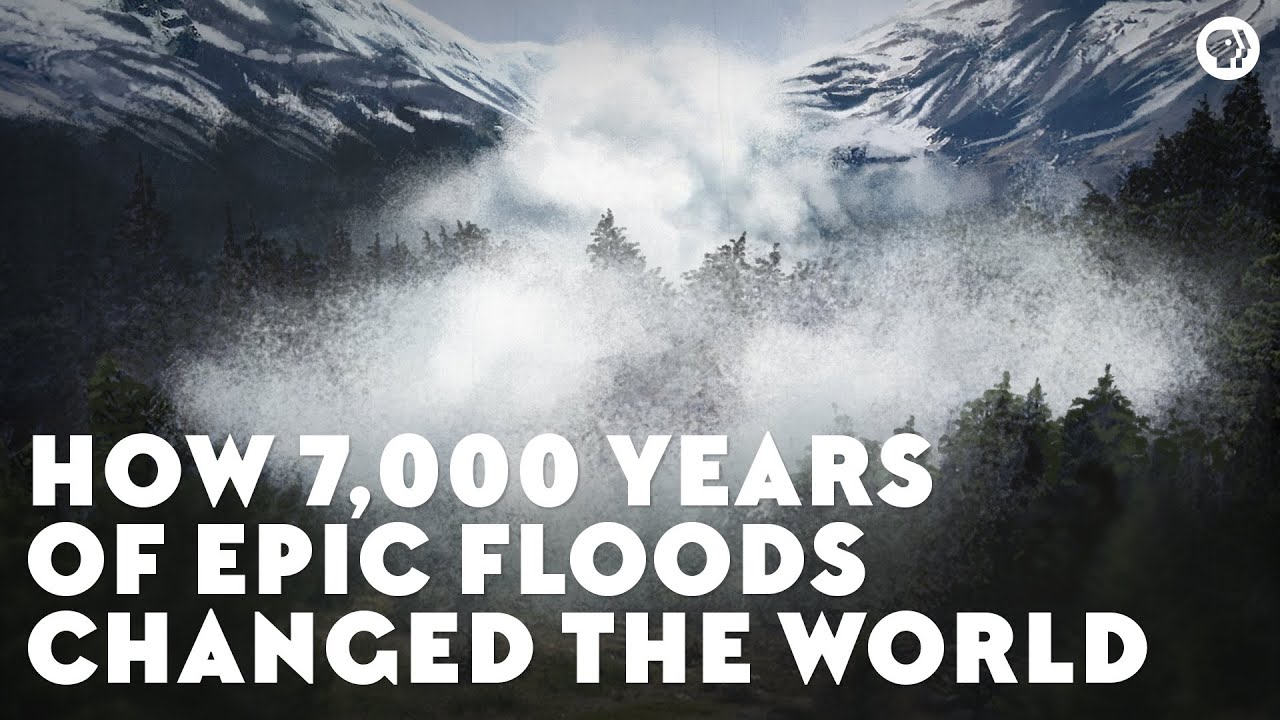
In the Pacific Northwest, ancient geologic landmarks reveal the impact of over 7,000 years of catastrophic floods, reshaping the region's landscape and ecology.
Titanoboa, the largest snake ever known, thrived in ancient Colombia around 59 million years ago due to the effects of a warming planet.
Ancient rock art in Australia reveals depictions of megafauna, prompting researchers like Professor Bruno David from Monash University to explore their historical existence.
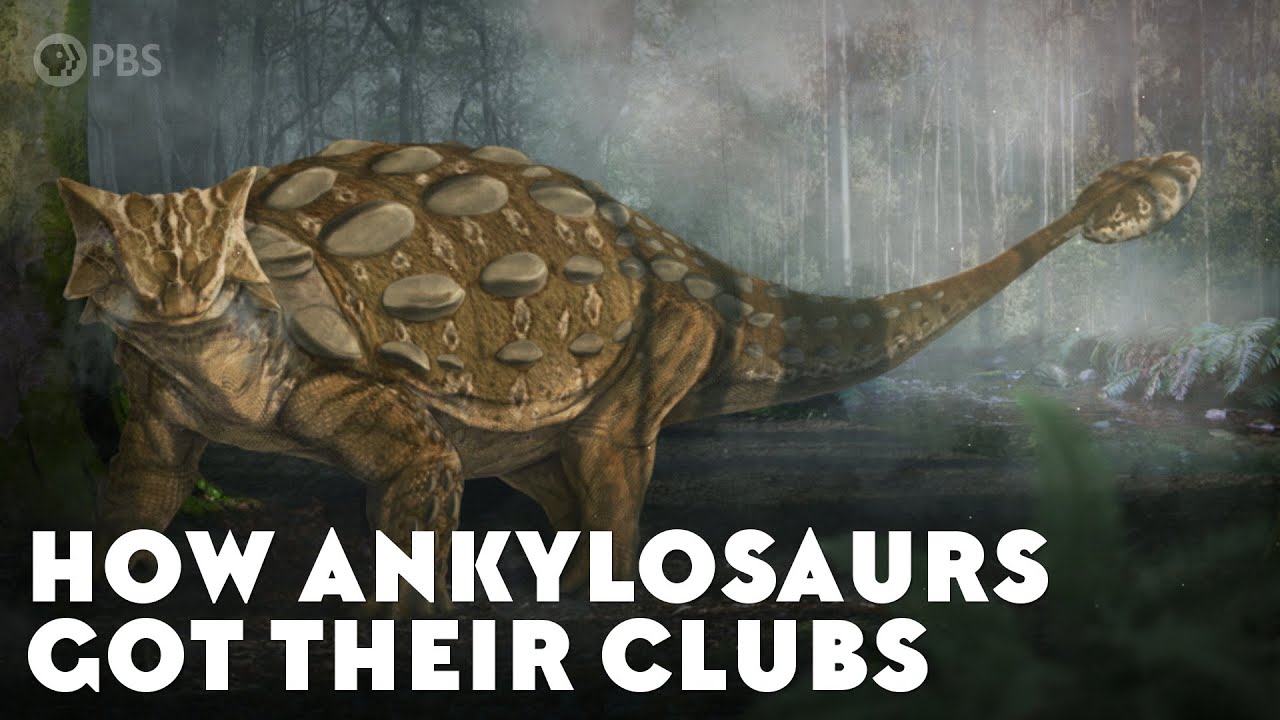
Ankylosaurs, known for their distinctive club-like tails, are examined for the evolutionary development and functional significance of this unique anatomical feature.
Blood has evolved in various forms, including red, blue, and green, showcasing its transformative role in the evolutionary history of animals over millions of years.
Chilis, the most widely cultivated spice crop globally, evolved their unique heat as a defense mechanism, leading to their widespread culinary popularity.