From over 100,000 films, discover the handful you'll love.
Free or premium access to the world's largest documentary library.
384 films(Page 8 of 8)
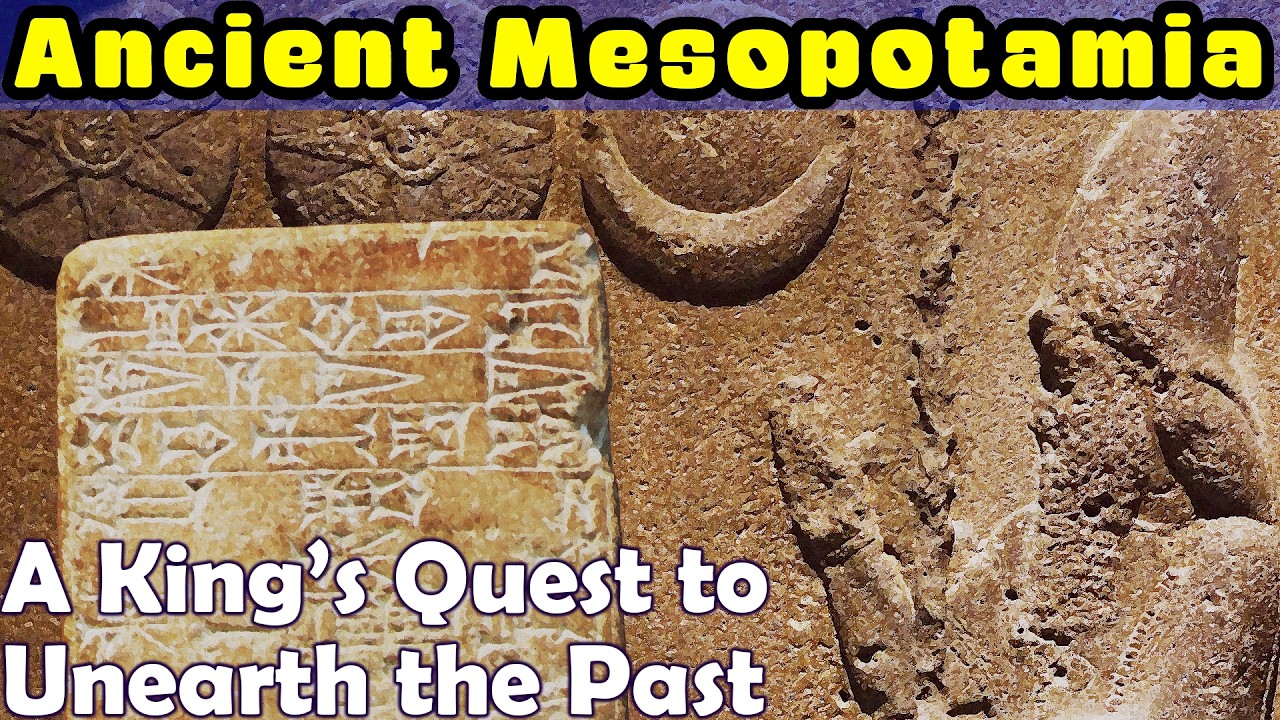
Nabonidus, the last king of Babylon, initiated archaeological digs in southern Mesopotamia to document the foundations of ancient temples and explore his kingdom's history.
A new passage in the Great Pyramid of Giza may lead to King Khufu's burial chamber.
Humankind's origins are traced back to a divergence from chimpanzees around five million years ago, highlighting the evolutionary relationship with great apes.
Archaeologists rebuild the colossal statue of ancient Egyptian King Psamtik I from 1,900 pieces.
In Iron Age Britain, analysis of bones from ritual killing sites indicates that cannibalism accompanied human sacrifice, revealing a brutal aspect of ancient practices.
The Endurance, Ernest Shackleton's lost ship, was found after 107 years at a depth of 3,000 meters beneath the Antarctic sea ice, remarkably preserved.
Scientists find hundreds of arrow heads and several skeletons at Crickley Hill in Britain.
Advanced technology reveals hidden narratives within ancient artifacts, focusing on the Herculaneum Scrolls from the Roman settlement lost during Mount Vesuvius's eruption.
Idrimi, a prince from Aleppo, was exiled during a local uprising and later became the king of Alalakh in Canaan, as detailed on a statue from Tell Achana.
Early Cycladic cultures, known for their striking minimalist marble figurines, reveal insights into the lives and artistry of Bronze Age Aegean societies.
De Soto's expedition in the 16th century led to the near extinction of some Native American tribes, with significant population losses documented.
In Thuringia, Germany, geologist Dr. Thomas Martens has unearthed 40 dinosaur skeletons from 12 species, enhancing the understanding of prehistoric life.
A Franco-Mongolian expedition in Mongolia aims to excavate a 2,300-year-old Scythian warrior's tomb, threatened by global warming and climate change.
Elamite civilization, rooted in ancient Iran, is explored through its origins and conflicts with Mesopotamian city-states and empires.
Middle Elamite Period showcases a remarkable civilization marked by prosperity, notable monuments, and relative peace with neighboring cultures until Assyrian intervention.
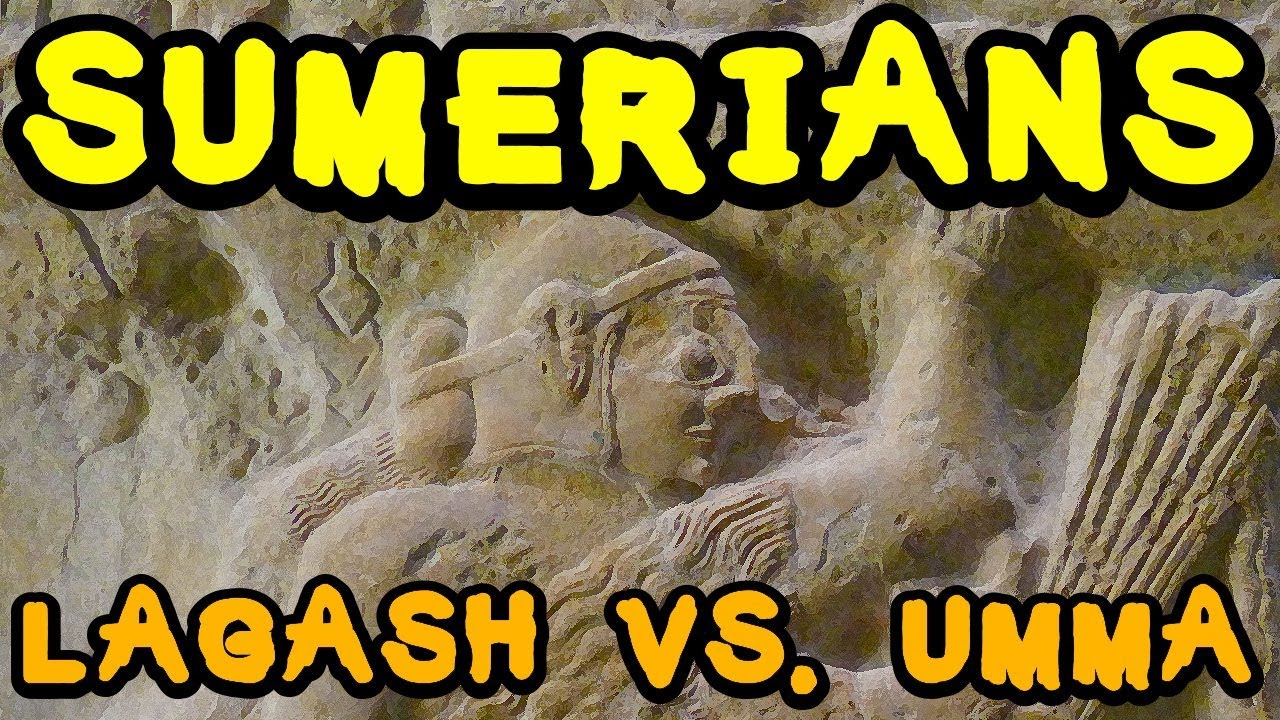
Lagash and Umma, two ancient Sumerian states, engaged in one of history's earliest conflicts, marked by unexpected twists and an intriguing resolution.
Archaeologists suggest that the Canaanite cities may have been destroyed decades before the first Israelite settlements, challenging the biblical narrative of conquest.
Ea-nasir, a notorious businessman of Bronze Age Babylonia, is examined through his infamous complaint tablet and the socio-economic context of his time.
960 defenders held off 15,000 Roman soldiers for almost two years at the mountain fortress of Masada during the Jewish rebellion in 66 AD.
Shanidar IV, a Neandertal burial site in Iraq, provides insights into the social and cultural practices of early humans regarding death and community.
Olmec culture, prominent in ancient Mexico from 1200-500 BCE, significantly influenced Mesoamerican civilizations through its innovations and artistic styles.
Philistines, often mischaracterized as barbaric, were a sophisticated civilization with a complex history that modern scholarship has begun to illuminate.
The Castro De Barona challenges assumptions about its Celtic origins and purpose.
Sumerians, known for creating the first cities and writing systems, remain a historical enigma as scholars debate their origins and cultural evolution in Mesopotamia.
On an island off the east coast of Maryland, a stone spearpoint suggests that humans may have arrived in North America 5,000 years earlier than previously thought.
Evidence suggests the Tower of Babel really existed, linked to an ancient brick discovery.
The Timna Valley mines reveal that not all workers were enslaved, despite rich diets found.
Ancient stone troughs at Gobekli Tepe in eastern Turkey, dating back 11,000 years, suggest early humans engaged in complex social practices beyond survival.
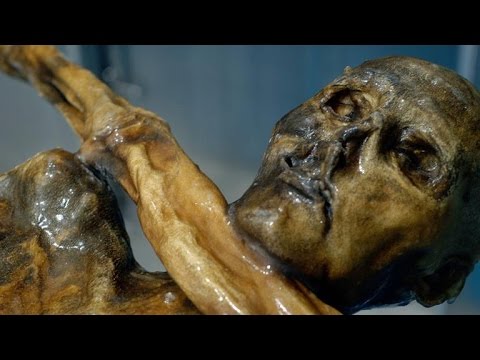
In the Ötztal Alps, hikers Erika and Helmut Simon find the frozen remains of Ötzi, a 5,300-year-old corpse that provides insights into prehistoric life.
The Amesbury Archer burial site near Stonehenge reveals significant Mesolithic artifacts.
A World War Two Buffalo LVT, buried 30 feet underground for 74 years, was excavated by volunteers in Lincolnshire, revealing its remarkable preservation.
A mass grave in England suggests a gladiator cemetery linked to a site in Turkey.
A freshly unearthed tusk is described as the cleanest and driest ever seen, sparking excitement and skepticism among viewers.
Bulgaria's rich Roman heritage faces destruction from illegal treasure hunters in September 2009.
The Stonehenge project reveals a Long Barrow burial site, marking Neolithic life around 3800 BC.
Experts on human history examine unresolved mysteries, including ancient ciphers and artifacts, highlighting ongoing archaeological efforts to decode their meanings.
At Sandby Borg, archaeologists analyze the remains of ancient warriors, revealing evidence of an ambush that raises questions about pre-Viking tribal conflicts.
Disturbing reports of demon-like sounds emerge from the drying Euphrates River in 2022.
Boudica's assault on Colchester in 60 AD resulted in the city's destruction, supported by archaeological evidence revealing the brutality of her revolt against Roman rule.
At Blind Frog Ranch, a team inspects artifacts from an underwater cave dive, including a 500-year-old arrowhead and signs of ancient human activity.
In the Peruvian Andes, the Chachapoya civilization, known as the 'Warriors of the Clouds,' is explored through recent archaeological and genetic findings that illuminate their legacy.
The Biblical account of Jonah raises questions about the type of creature that swallowed him and the feasibility of human survival inside an animal's stomach for three days.
In 1961, archaeologists in southern Israel uncovered documents that reveal the significant social status and agency of Nabataean women in first-century Petra.
New evidence suggests humans arrived in America 100,000 years earlier than thought.
The historic Salisbury Plain features Mesolithic Post Holes that reveal ancient human activity.
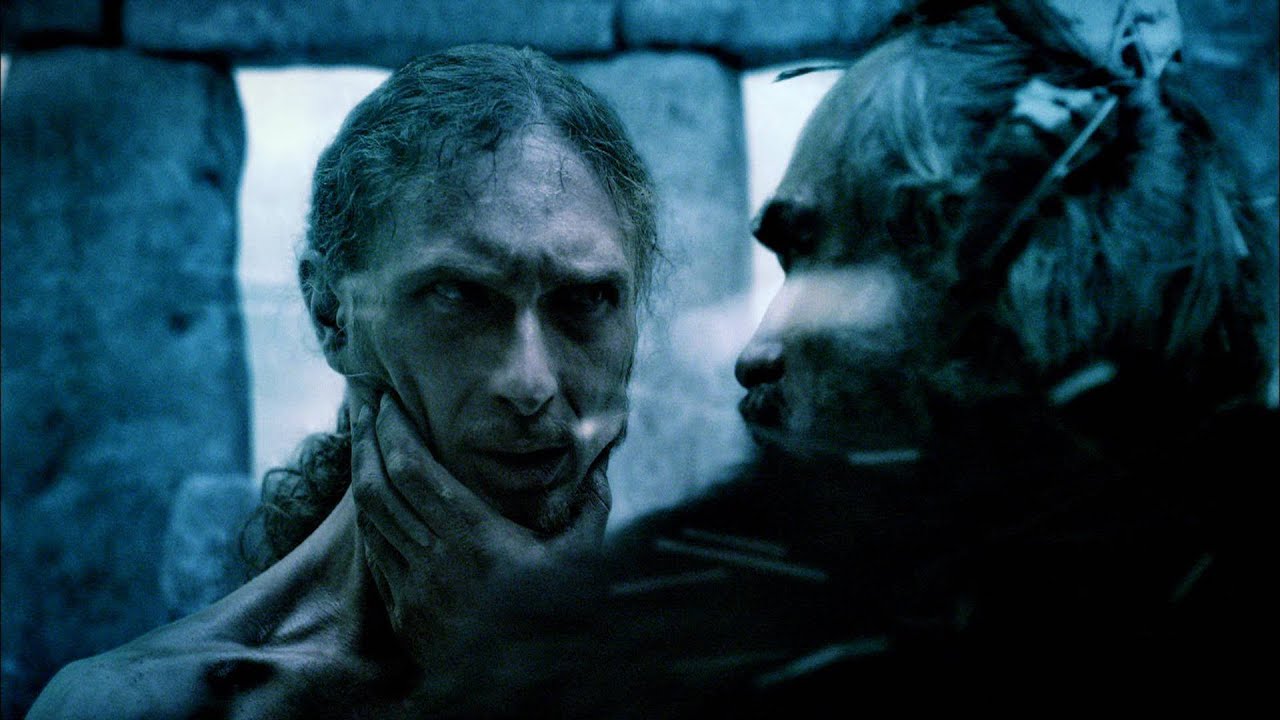
A skeleton discovered at Stonehenge reveals signs of human sacrifice, puzzling scientists.
U.S. spy satellite images reveal Tell Brak, the oldest city, in the Middle East.
The oldest intact shipwreck is found in the Black Sea, dating to 500 BC.