From over 100,000 films, discover the handful you'll love.
Free or premium access to the world's largest documentary library.
384 films(Page 5 of 8)
In 2012, archaeologists revisited the site of a Roman temple of Mithras in London, revealing significant evidence of the city's ancient past.
A 50-acre complex called Herodium, built by King Herod, contains a riddle about the location of his tomb that has puzzled archaeologists for decades.
A 2,500-year-old village emerges from the mud in Dumfries and Galloway, revealing preserved wood and artifacts from Britain's Iron Age.
Britain's archaeological mysteries reveal ancient burial rituals, Bronze Age treasures, and the impact of extreme climates on prehistoric life.
An archaeological dig at Bradgate Park reveals the true structure of Lady Jane Grey's childhood home, challenging long-held historical beliefs.
Barrow Clump, a 4,000-year-old Bronze Age burial mound in Salisbury Plain, reveals elite Anglo-Saxon graves and artifacts through a collaboration of excavators and injured soldiers.
In the Middle East, archaeologists have identified a cave that may be the site where St John baptized early Christian converts, as explored by Simcha Jacobovici.
The Aztec Empire, a dominant Mesoamerican civilization, faced collapse not only from Spanish technology but also due to alliances formed by neighboring peoples.
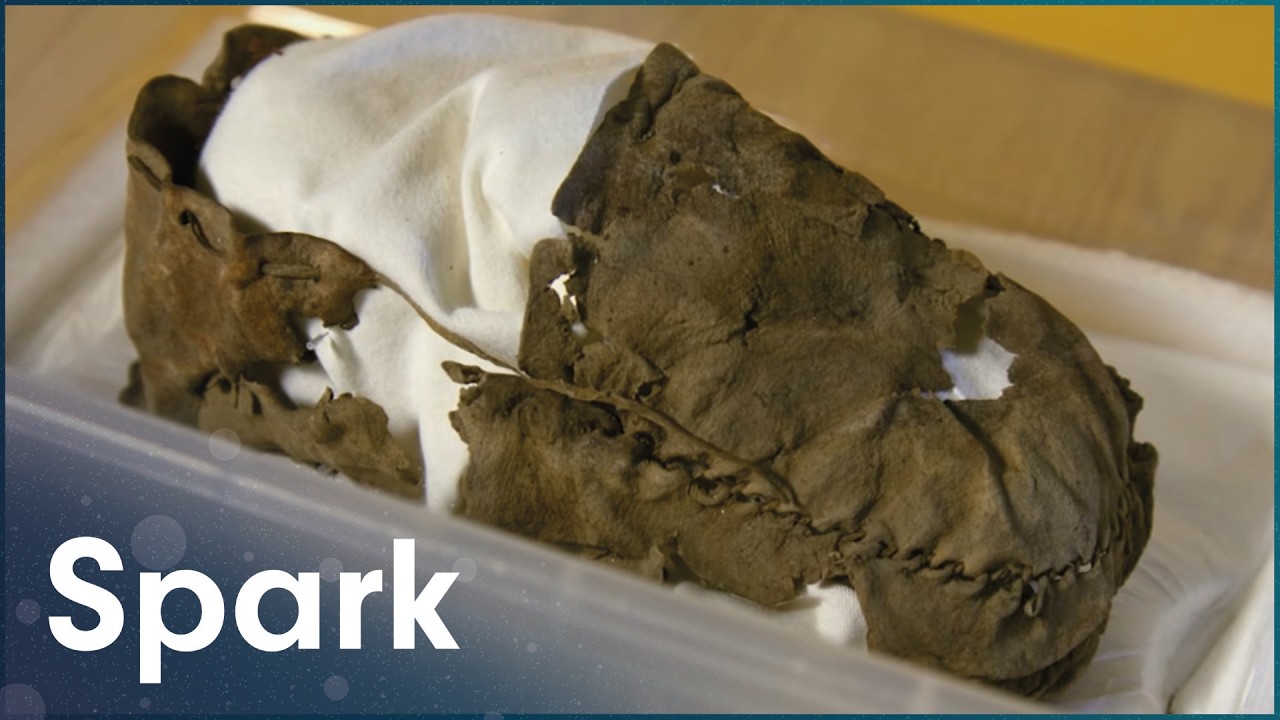
A set of human remains discovered in Patagonia prompts scientists to investigate if they belong to Catherine Roberts, the first Welsh woman to die in the region.
Archaeological discoveries, including a life-sized statue and richly furnished graves, reveal the transformation of the Celts from a peaceful society to a dominant warrior culture.
A bronze cannon discovered by a teenage scuba diver off Teignmouth beach may be linked to a shipwreck from the Spanish Armada, prompting an underwater excavation.
Archaeological finds across Britain, including the Viking winter camp at Repton and a Roman general's lost fort, reshape understanding of ancient life.
Professor Alice Roberts reveals Viking invasion sites and new findings at Avebury stone circle.
Ella al-Shamahi, a paleoanthropologist, searches for ancient human remains on Socotra, an island in Yemen affected by ongoing civil war.
A 40-foot hill known as Sugarloaf Mound in St. Louis, Missouri, is one of the few remaining sites built by the ancestors of the Osage Nation.
In Northumberland, archaeologists led by Alice Roberts excavate a perfectly preserved 2500-year-old Iron Age village alongside significant historical artifacts.
Archaeologists in ancient Roman military camps reveal remarkably preserved remains, including letters, toys, and weapons, illustrating the lives of legionaries.
Colchester, known as Camulodunum, was a major settlement during Roman Britain, featuring one of the largest occupied sites in the region.
Medieval castles evolved from simple wooden structures to complex fortresses, reflecting the realities of daily life and the strategic demands of warfare.
Glastonbury, often referred to as the Isle of Avalon, is explored for its connections to King Arthur, Glastonbury Tor, and the intertwining of history and legend.
In Liverpool, archaeologists reveal new evidence of a significant Viking battle site and a buried ship beneath a pub while a replica longship faces challenges at sea.
German adventurer Heinrich Schliemann claims to have found King Priam's treasure while searching for the legendary city of Troy in the 19th century.
Roman soldiers are brought to life through archaeological findings and reenactments, revealing their daily struggles and triumphs beyond the battlefield.
Paul Bevon found a Roman coin in a field in Sish, Gloucestershire, leading to the discovery of numerous artifacts over five years of excavation.
In 1692, the Salem witch trials in Massachusetts resulted in the execution of 20 individuals and the imprisonment of many others amid widespread hysteria.
Dr Alice Roberts and her team investigate significant archaeological finds from Great Britain, including early Christian burial rituals and Viking hoards.
Easter Island archaeologists Terry Hunt and Carl Lipo present a new theory regarding the transportation and construction of the island's iconic moai statues.
A multi-year research project led by Dr. Robert M. Schoch investigates the origins of the Egyptian Sphinx and its potential ties to a lost ancient civilization.
Troy, located atop Turkey's Hissarlik hill, evolved from a modest village into a fortified city, enduring multiple reconstructions and inspiring ongoing archaeological research.
Pompeii, once a modest settlement, evolved into a thriving Roman supercity through innovative urban planning, advanced engineering, and strategic trade along the Sarno River and Tyrrhenian Sea.
A 2,000-year-old piece of timber from a Roman wharf was excavated from the foreshore at the Tower of London, revealing the river's historical significance.
The Maya civilization emerged around 2600 BC in what is now Yucatan, developing advanced architecture, mathematics, and astronomy by 250 AD.
Hiram Bingham's exploration of Machu Picchu in 1911 is examined, highlighting his role in bringing the Incan ruins to global attention.
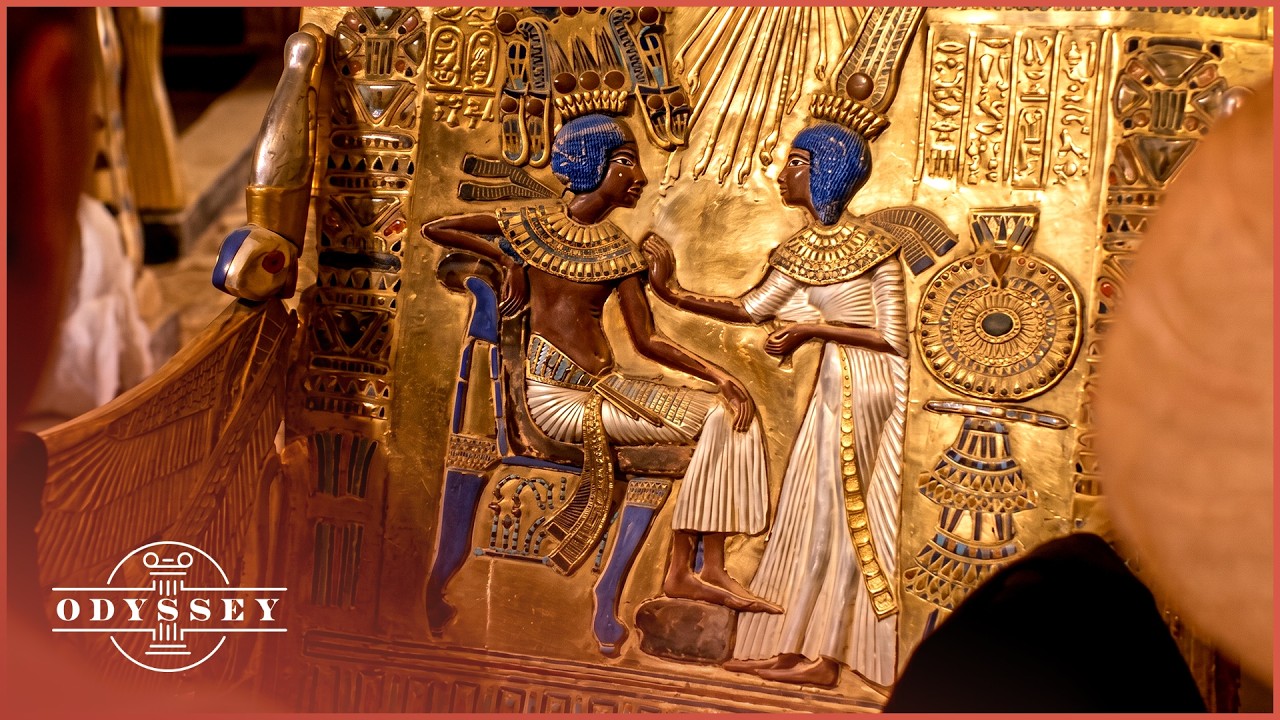
Tutankhamun, the boy king of ancient Egypt, was rediscovered after a 20-year quest by archaeologist Howard Carter and benefactor Lord Carnarvon in the Valley of the Kings.
World-class archaeologists salvage a remarkably intact Ferry Barracuda bomber and excavate significant WWII artifacts from the English Channel and Kent.
Stacy Keach investigates England's lost cities, unique geological formations, and sacred sites, highlighting the region's rich history and enduring mysteries.
Ancient ice patches in the Yukon and Norway are revealing well-preserved artifacts and human remains, offering insights into the lives of early peoples.
Archaeological finds in Rome during the filming of Gladiator revealed the remains of female gladiators, shedding light on their roles in the Coliseum.
Archaeologists explore ancient tombs worldwide, uncovering strange artifacts and writings that reveal connections between diverse cultures and histories.
The Eulau gravel pit reveals the remains of a Stone Age family, prompting investigations into their simultaneous deaths and the societal dynamics of 4,500 years ago.
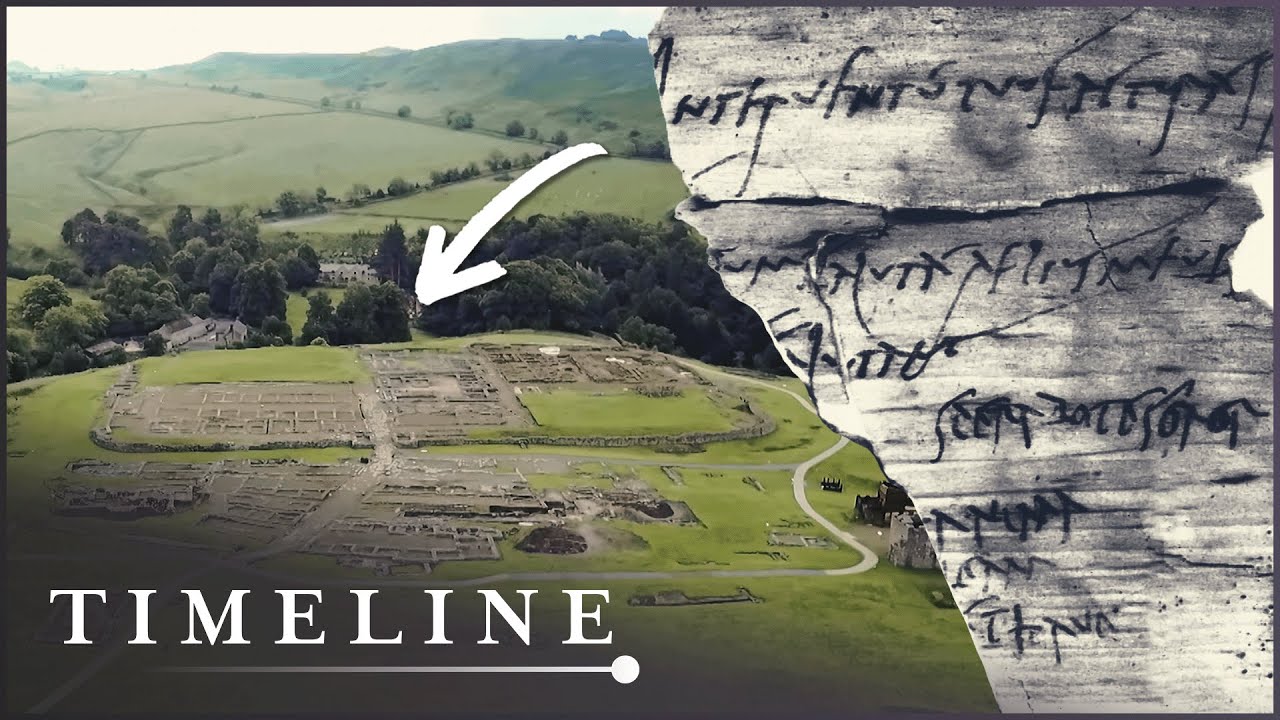
Excavations at Vindolanda reveal well-preserved writing tablets and artifacts from Roman soldiers during a time of conflict in Britain.
Ancient Britain’s transition from Mesolithic to Neolithic cultures is explored through archaeological findings, revealing the technological and societal advancements of early humans.
Land's End, a remote location in Cornwall, England, is explored for its ancient structures, mystical legends, and unexplained phenomena that intrigue historians.
Uluru, a sacred monolith in Australia, holds deep cultural significance for the Indigenous Anangu people, intertwined with their Dreamtime stories.
Chichen Itza, a UNESCO World Heritage site in Mexico, showcases its historical significance and architectural marvels through the narration of Stacy Keach.
Solomon, the third king of Israel, is a mythical figure from the Old Testament whose existence is debated.
Ancient Biblical plagues and disasters are examined by historians to assess their historical accuracy and impact on ancient civilizations.
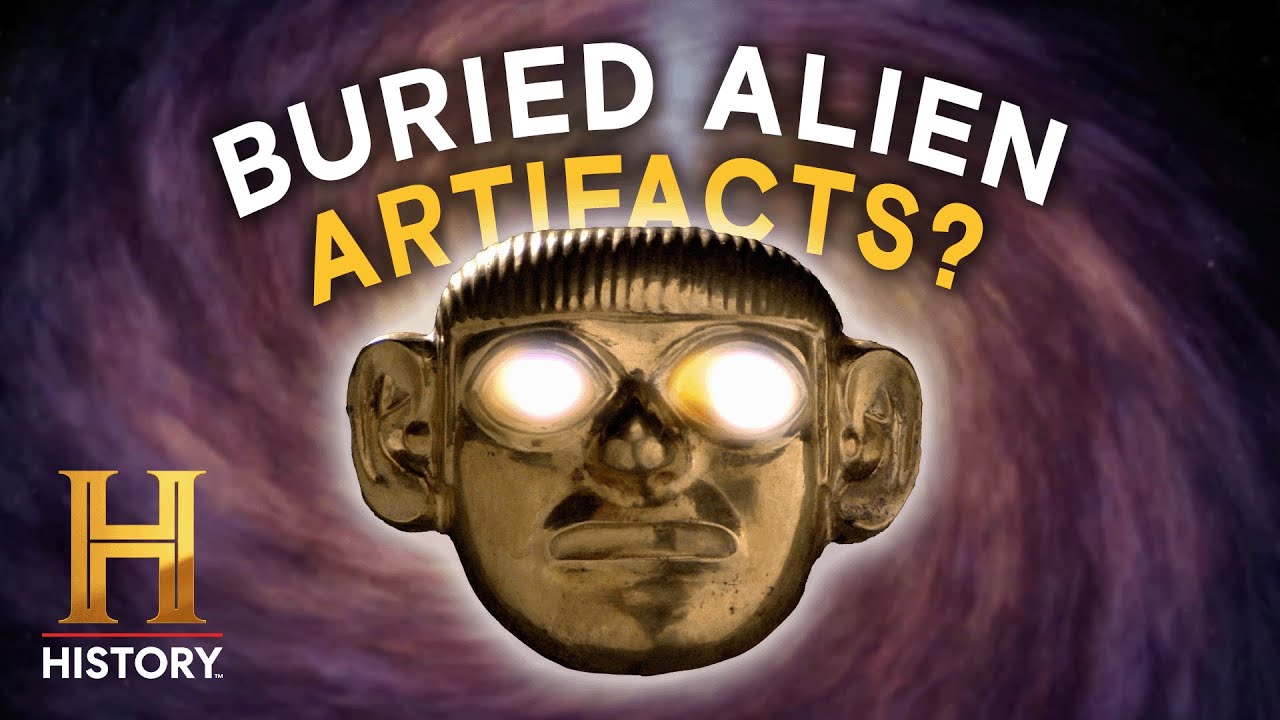
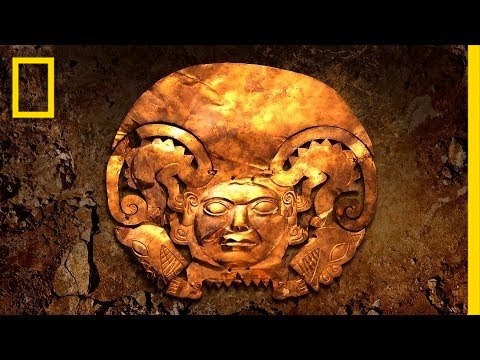
Fredrik Hiebert explores Peru's pre-Inca heritage, highlighting the craftsmanship and historical significance of its gold and silver treasures.