From over 100,000 films, discover the handful you'll love.
Free or premium access to the world's largest documentary library.
384 films(Page 6 of 8)
In the Rhône River, archaeologists and scuba divers investigate a mysterious 4th-century Roman shipwreck near Arles, revealing insights into the era's upheaval and treasures.
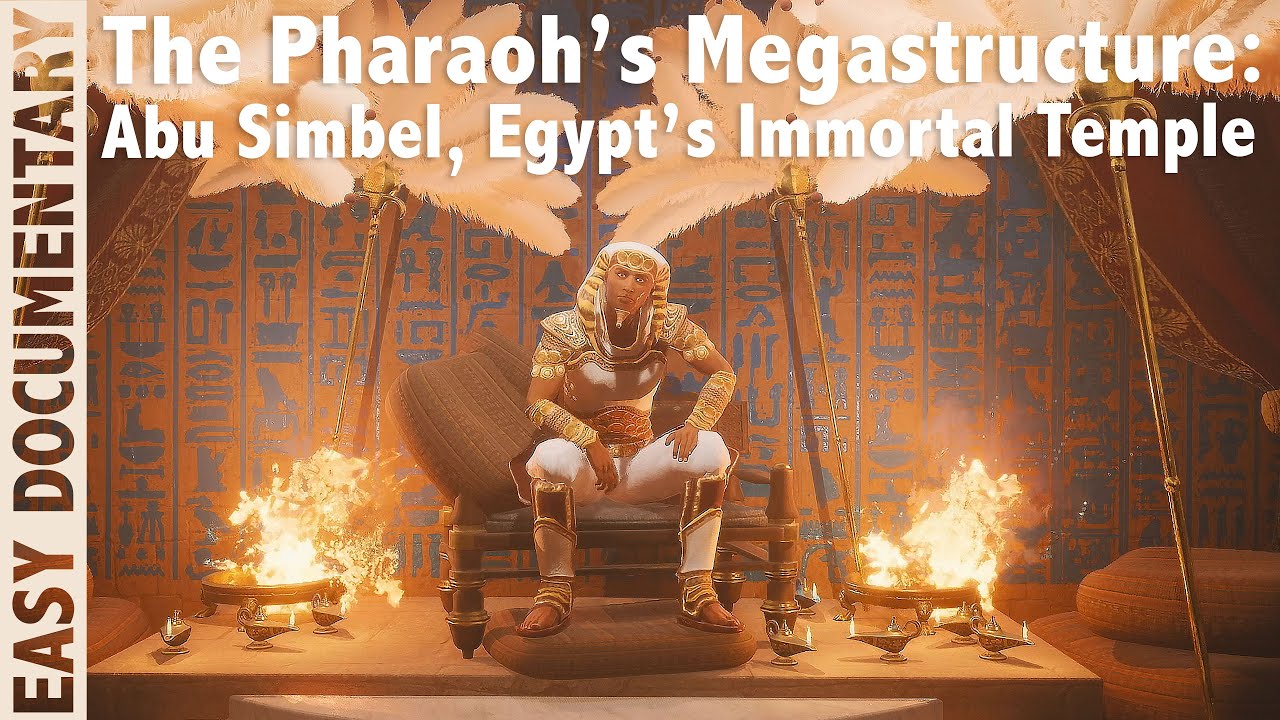
Abu Simbel, built by Pharaoh Ramses II over 3,000 years ago, showcases ancient engineering prowess and modern preservation efforts against the Aswan High Dam's threat.
Jesus' miracles, from turning water into wine at Cana to feeding the multitudes at Lake Tiberias, are examined through archaeological and scientific insights.
Teotihuacan, an ancient Mesoamerican city in Mexico, is examined for its monumental architecture and cultural significance, narrated by Stacy Keach.
Ron Wyatt claims to have found the Ark of the Covenant, but evidence remains elusive.
Experts, including archaeologists and astrophysicists, provide new insights into the Bayeux Tapestry, an iconic artefact steeped in historical mystery.
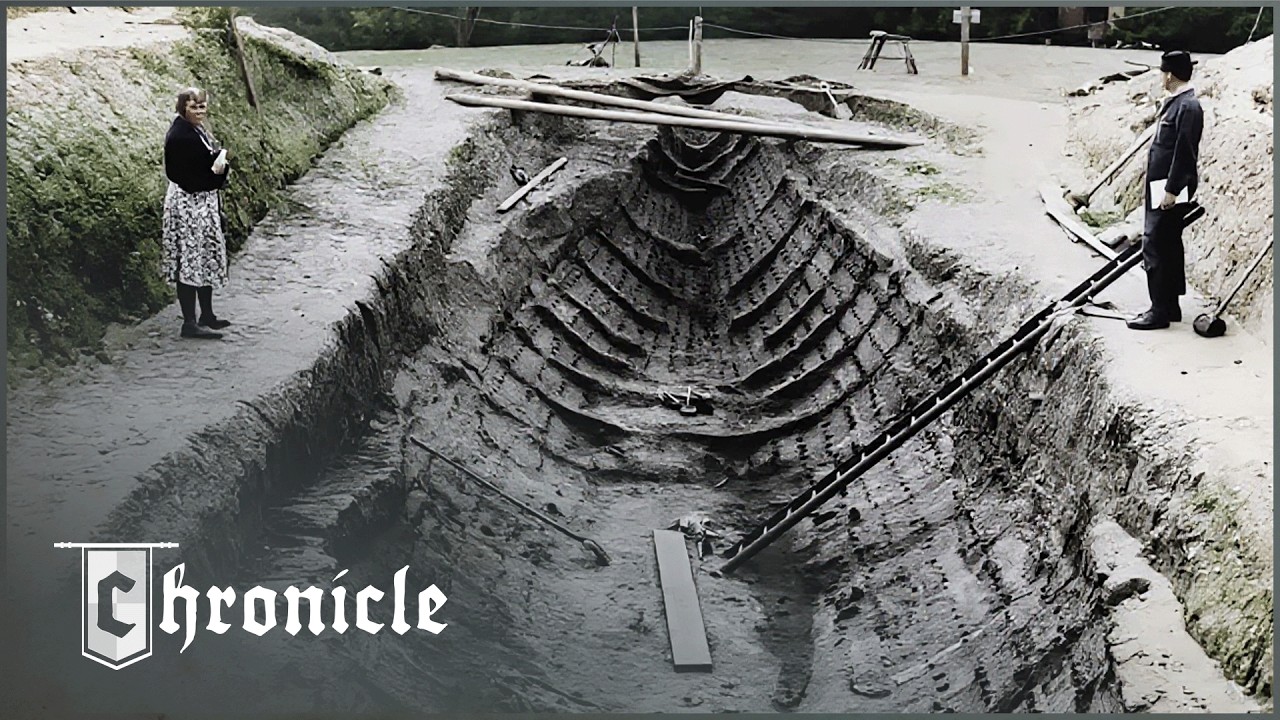
In Salme, Estonia, archeologists excavate two 1300-year-old Viking burial ships containing human remains and a variety of grave goods, reshaping the understanding of Viking culture.
In New Hampshire, America's Stonehenge features ancient stone formations that raise questions about their origins and cultural significance.
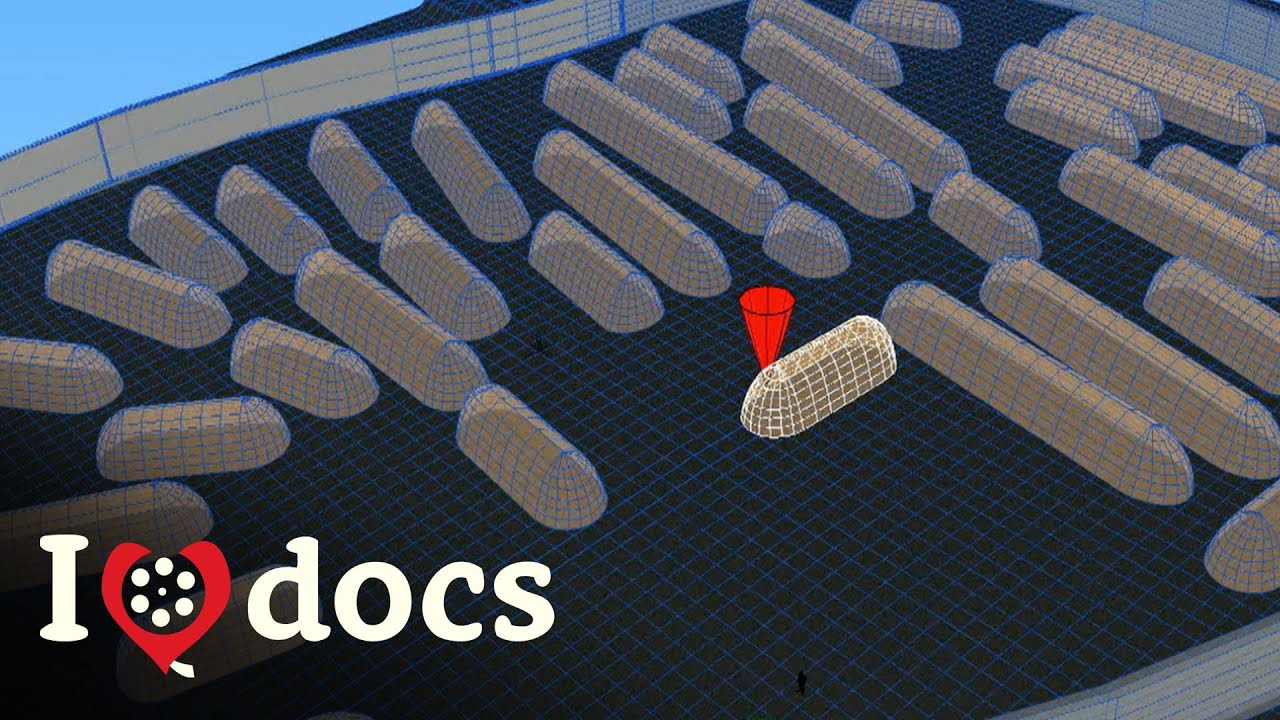
LiDar scans near Saqqarah reveal an ancient canal that allowed boats to reach the necropolis over 4,000 years ago.
In Crete, ancient cities, unique geological formations, and sacred sites illustrate the island's complex historical narrative and cultural heritage.
Masada, an ancient fortress in Israel, is examined for its historical significance and the mysteries that have surrounded it for centuries.
Chartres Cathedral in France is examined for its architectural significance, historical context, and the sacred traditions that define its legacy.
Stonehenge, a prehistoric monument in Wiltshire, England, is analyzed for its historical significance and the mysteries of its construction.
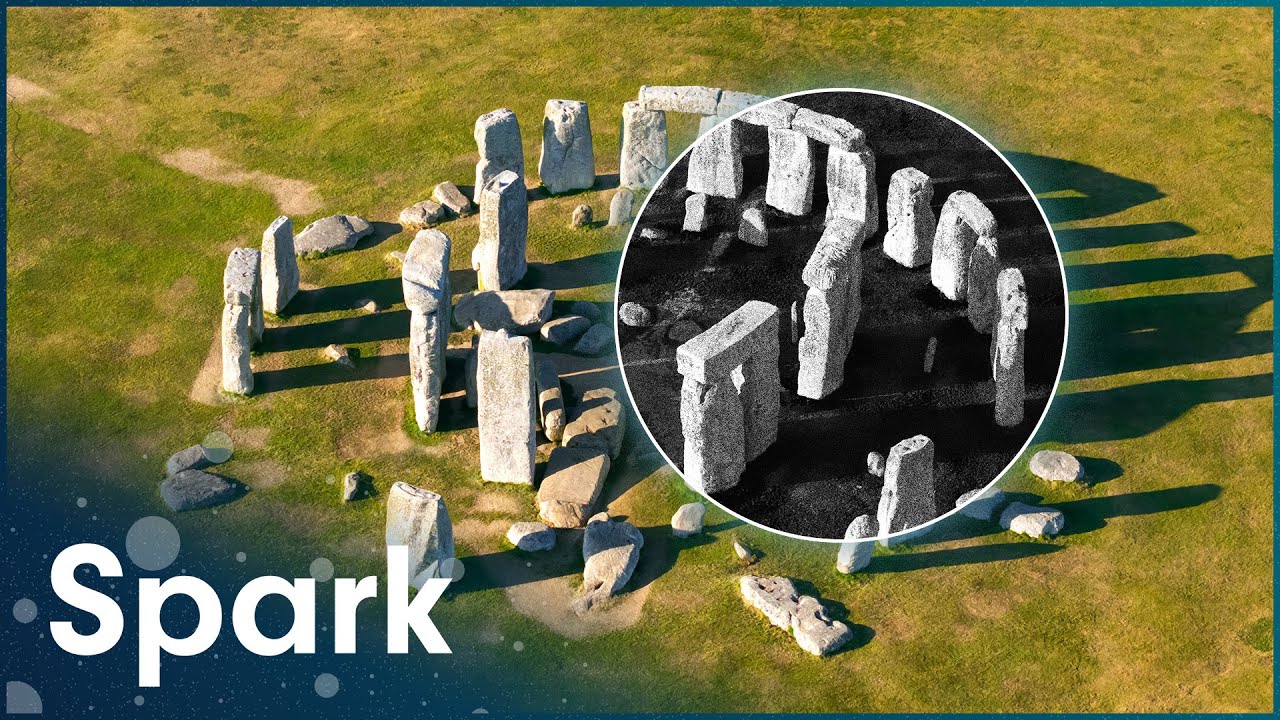
Satellite technology reveals new forensic evidence and engineering insights that challenge long-held beliefs about the origins of England's iconic Stonehenge.
Jesus' crucifixion, the death of Neanderthal Shanidar 3, and their historical implications are examined through modern forensics and experimental archaeology.
Ancient ice patches in the Yukon and Norway are revealing well-preserved artifacts and human remains, prompting archaeologists to collaborate with local communities.
Pyramids across various continents raise questions about their construction and purpose, suggesting possible extraterrestrial assistance in their creation.
Palaeontology and archaeology reveal crucial insights into human identity and future possibilities by mapping past changes in flora and fauna.
Stacy Keach investigates the historical significance and mysteries of ancient Maya tombs and temples across Central America.
In rural Ontario, a team of archaeologists led by Dr. Ron Williamson excavates the largest Huron Indian village, dating back to 1500-1530 A.D.
In Salme, Estonia, archaeologists excavate two 1,300-year-old Viking burial ships containing human remains and a wealth of grave goods, reshaping the understanding of Viking culture.
Chichen Itza and Uxmal, two prominent Mayan cities in Mexico, showcase remarkable architecture and rich cultural heritage from ancient civilizations.
Ancient human remains found 37 feet below California's Channel Islands challenge the "Clovis First" theory, revealing advanced mariners reached North America earlier than believed.
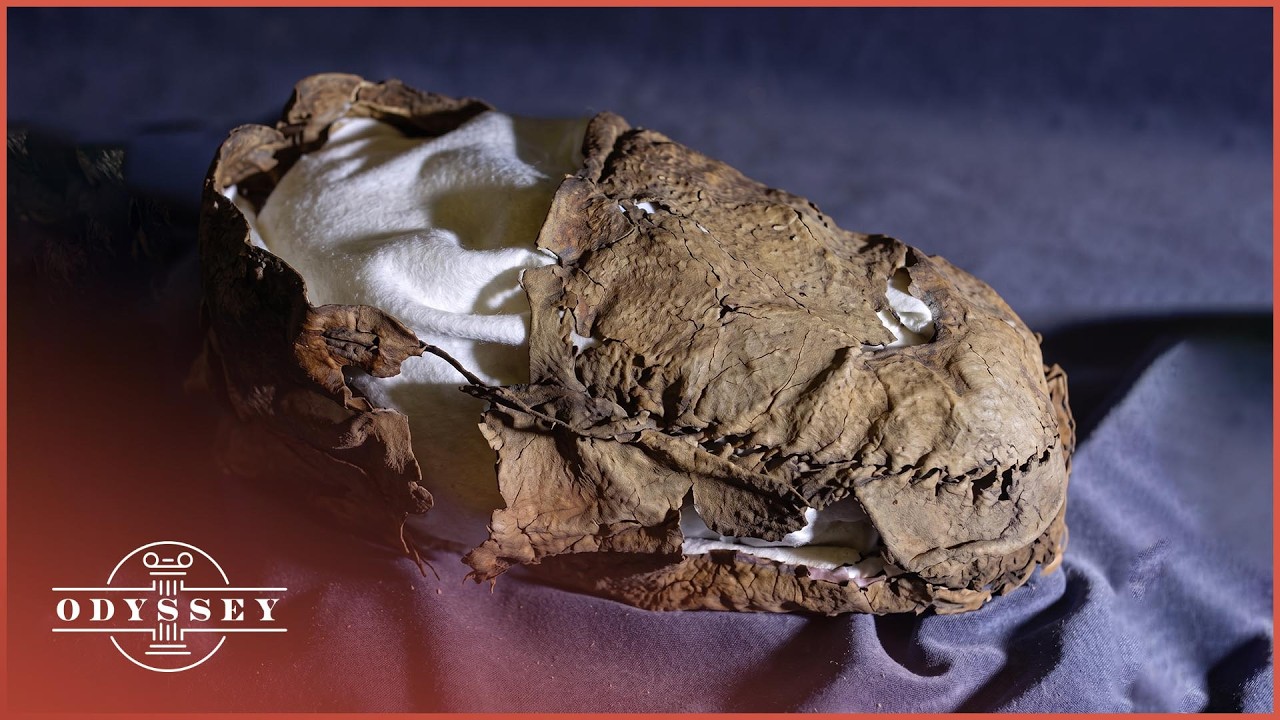
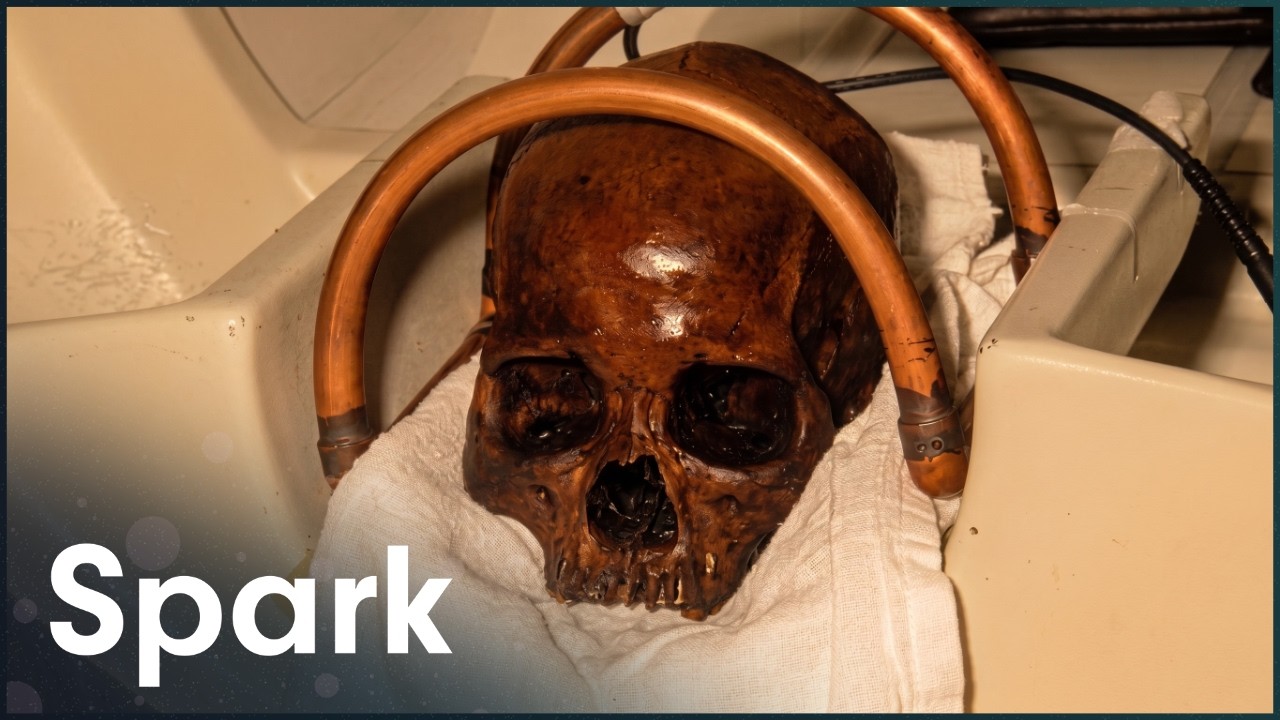
An 8,000-year-old skull from Florida's Windover Bog reveals a perfectly preserved human brain, offering insights into the mental capabilities of ancient Native Americans.
Jerusalem's sacred sites, including the Western Wall and the Dome of the Rock, are examined for their historical significance and cultural heritage.
Easter Island's Rapa Nui people constructed nearly 900 moai statues between the 13th and 17th centuries, showcasing advanced engineering techniques and cultural heritage.
Experts from various fields, including archaeology and astrophysics, provide new insights into the historical significance and mysteries surrounding the Bayeux Tapestry.
Ahnenerbe, Heinrich Himmler's SS organization, combined archaeology and pseudoscience to justify horrific medical experiments on concentration camp prisoners.
Israeli settlers, through the right-wing group ELAD, are controlling archaeological digs in Silwan to manipulate history and assert claims to Palestinian land.
The search for the Inca Holy Grail, the Great Golden Disc of the Sun, drives explorers like David Adams to the misty heights of Peru's sacred landscapes.
Ötzi the Iceman's murder, the conspiracy against King Philip II, and the assassination attempt on China's first emperor reveal complex historical intrigues.
The Etruscans, an ancient civilization in Italy, are explored through their lost cities, unique formations, and sacred sites, narrated by Stacy Keach.
Alexander the Great's conquest of Egypt led to his acceptance as a living god and the founding of Alexandria, merging Greek ambition with Egyptian divinity.
Pompeii, an ancient Roman city buried under volcanic ash from Mount Vesuvius in 79 AD, reveals its lost artifacts and historical significance.
In ancient Greece, the Oracle of Delphi was a significant religious center where priestesses conveyed prophecies from the god Apollo.
Controversial theories and suppressed historical events challenge established beliefs about the past, as expert interviews and investigations reveal hidden truths.
Santiago, a major pilgrimage destination in Spain, holds historical and cultural significance as the final stop on the Camino de Santiago.
A dagger found in King Tutankhamun's tomb, made from meteorite metal, challenges historical timelines and reveals ancient Egypt's advanced metallurgy.
New technologies, including virtual reality and advanced scanning, are transforming the preservation of cultural heritage and enhancing archaeological research.
Tiwanaku, a significant cultural center in the Andes, raises questions about its classification as an empire despite its profound influence on regional heritage.
Archaeological cold cases in Britain, including a medieval mass grave in Norwich and Iron Age cave burials, are examined through advanced forensic science.
Dozens of skeletons, each beheaded and heaped together, were discovered at a Viking mass execution site on Ridgeway Hill in Dorset.
Half of London's population perished during the Black Death plague of 1348, leading to mass burial trenches and plague pits across the city.
Five Viking ships were excavated from the waters of the fjord near Rosskild, marking a significant advancement in Viking studies.
Forensic scientists and archaeologists in the UK analyze human remains to solve ancient mysteries, revealing significant historical narratives.
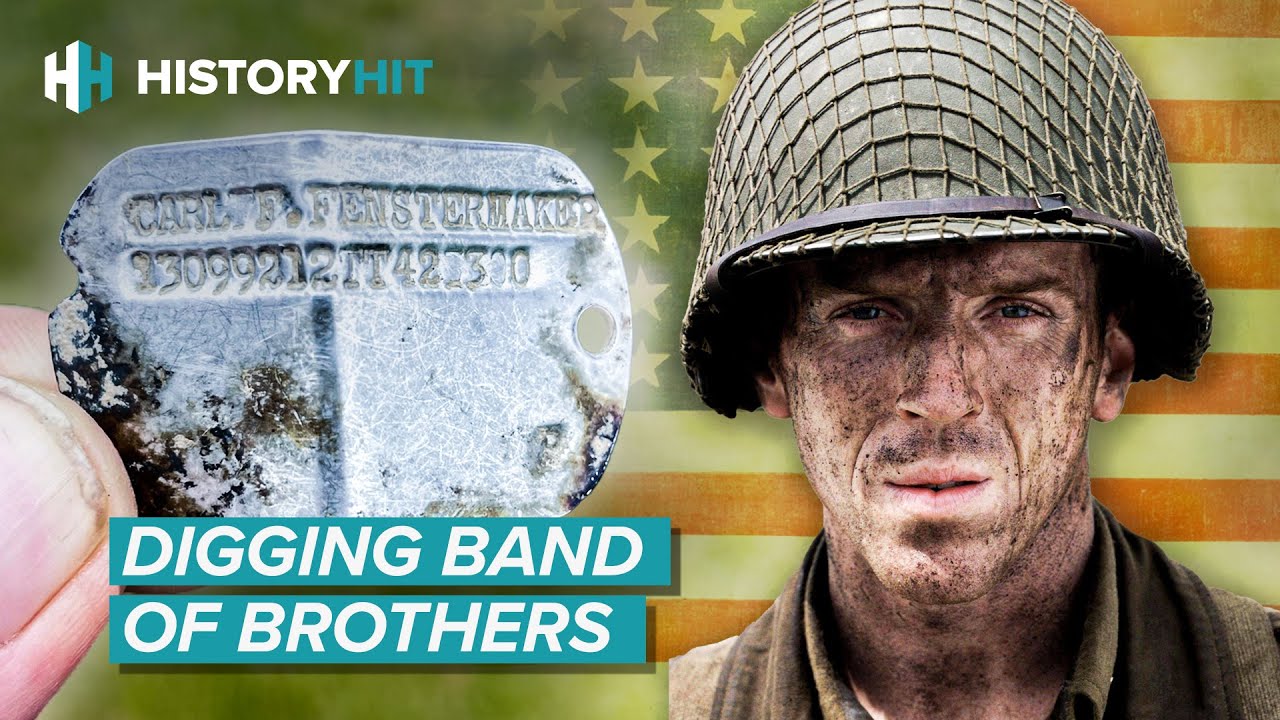
Aldbourne, a village in Wiltshire, served as a key base for the 101st Airborne Division during WWII, where archaeologists seek remnants of Easy Company.
A fragment of a 17th century English silver coin and a 14th century lead barter token are among the artifacts unearthed from over 10 tons of spoils on Oak Island.